
1. The Sitcom Role That Changed Everything
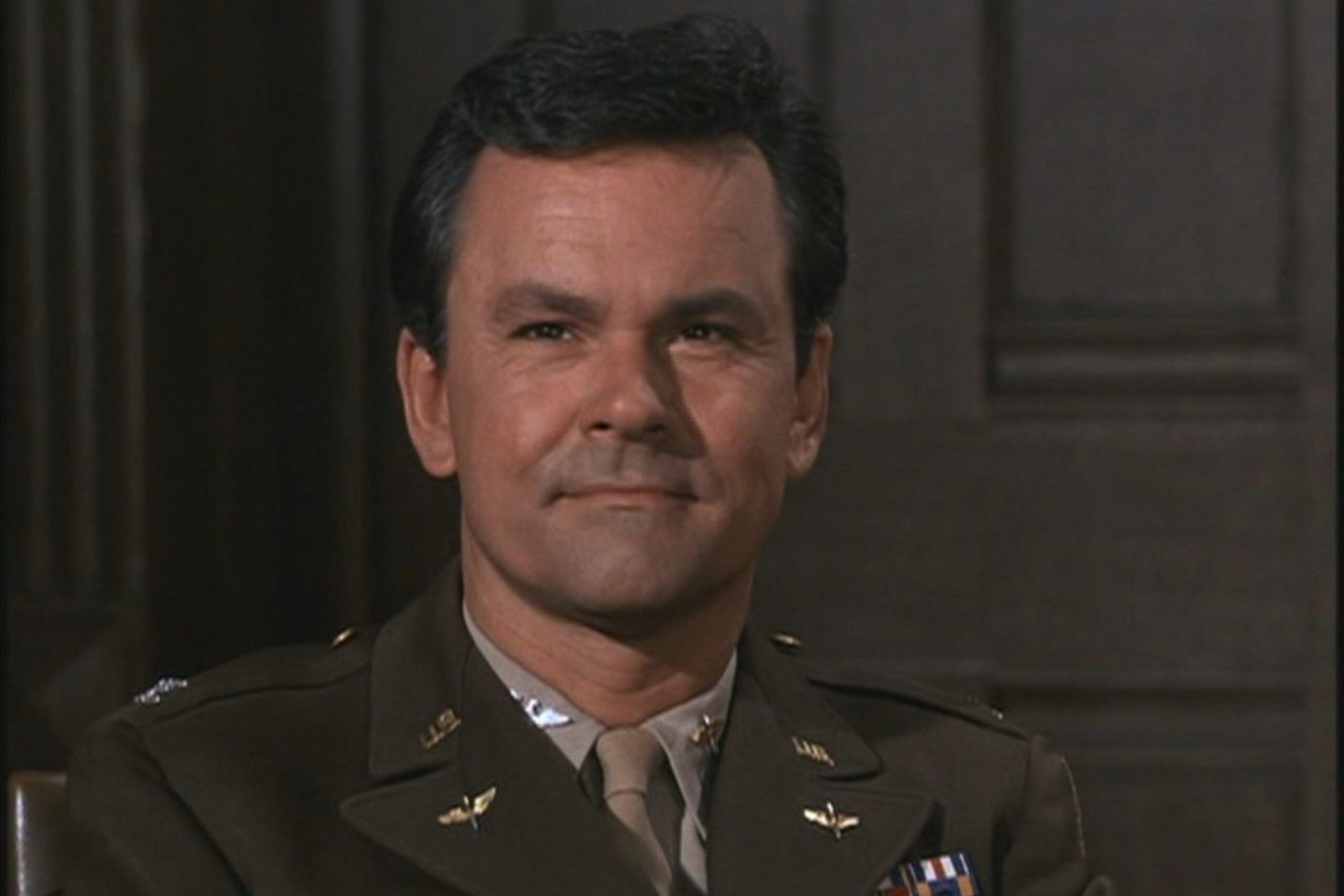
When Hogan’s Heroes premiered, Bob Crane stepped into the lead role with the kind of natural confidence that made viewers feel instantly comfortable. His Colonel Hogan felt clever without arrogance and funny without trying too hard, which helped the show connect with families across the country. Success came quickly, and within months Crane was doing interviews, publicity tours, and endless filming schedules. Cast members later remembered that he worked hard to keep the set friendly, often joking between takes so long shooting days felt lighter for everyone involved.
Fame brought rewards but also a new pressure to always appear cheerful, reliable, and camera ready. Audiences began to see him less as Bob and more as the smart television hero they trusted each week. That shift sounds small, yet it changes how a person moves through daily life. Private mistakes feel riskier, friendships feel more public, and even simple outings attract attention. For Crane, this period marked the real beginning of balancing two identities, the approachable screen leader millions loved and the ordinary working man still trying to manage family, schedules, and expectations.
2. The Friendly Radio Voice Before Television Fame
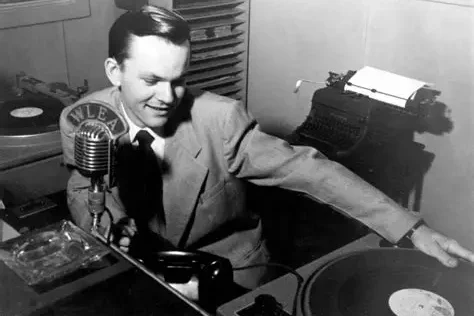
Before television ever made Bob Crane a household face, he was simply a warm radio host whose voice felt like part of people’s morning routines. Listeners in Los Angeles tuned in because he sounded relaxed, curious, and genuinely happy to be there, the sort of presenter who laughed easily and remembered small details about coworkers. People at the station later said he treated secretaries, engineers, and guests with the same easy politeness. One producer recalled that Crane never acted like he was chasing celebrity, only steady work, family stability, and the simple satisfaction of entertaining people honestly.
Those early radio years quietly shaped everything that followed. Talking live every day taught him timing, patience, and how to connect without sounding rehearsed. By the time television scouts noticed him, Crane already understood audiences better than many trained actors. At home he was a young husband, focused on supporting his growing family and building a stable career. Looking back now, that radio chapter feels like the calmest and most grounded season of his life, before the speed of television success and public attention gradually reshaped the rhythm of his world.
3. The Reputation As A Professional Everyone Trusted

Inside the television industry, Crane earned something more valuable than popularity, which was reliability. Directors knew he arrived prepared, memorized lines quickly, and respected the filming schedule, all habits that keep an expensive production running smoothly. Crew members later shared that he greeted people by name and rarely showed temper on stressful days. That quiet consistency made him the kind of lead actor producers felt safe building a series around. Success in television often depends less on talent alone and more on whether a star makes daily work easier for hundreds of others.
For several seasons, that dependable reputation stayed firmly attached to him. Writers trusted he could deliver both serious dialogue and quick humor without slowing the pace. Network executives saw him as stable and cooperative, which helped secure the long run of the show. From the outside, everything about his career suggested a man who understood responsibility and teamwork. If someone looked only at his professional record during those years, they would likely describe his life as organized, respectful, and comfortably predictable, the exact picture of a television career unfolding the right way.
4. The Comfortable Family Image Fans Embraced
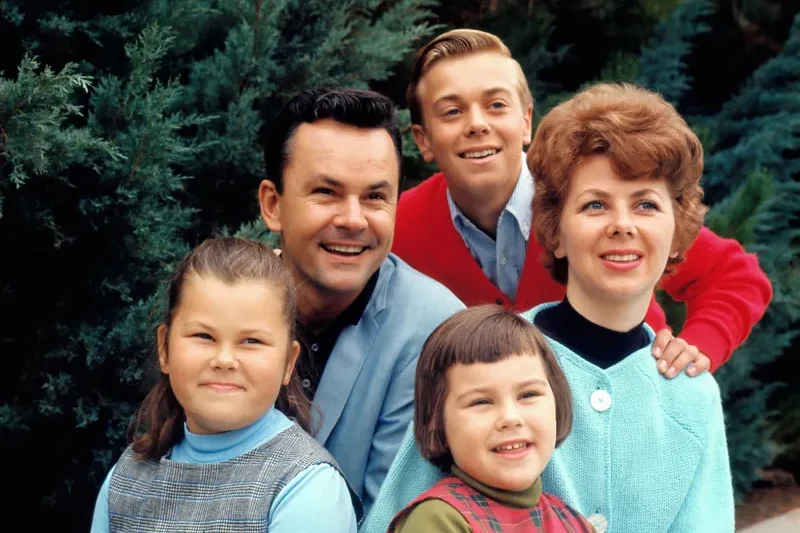
During the height of his television success, magazine spreads often showed Crane smiling beside his wife and children, presenting the calm domestic picture audiences loved to see. He spoke in interviews about enjoying quiet evenings at home when filming allowed it, and friends confirmed he often tried to protect family time despite demanding studio hours. For many viewers, this reinforced the feeling that the man on screen and the man at home were almost the same person, steady, approachable, and focused on providing for the people closest to him.
Yet balancing celebrity schedules with ordinary parenting rarely stays simple for long. Travel commitments increased, publicity appearances filled weekends, and professional obligations slowly ate into personal routines. None of this looked dramatic from the outside, because many working parents face similar pressure, only without the spotlight. Still, maintaining that wholesome public image required constant effort, and the gap between the photographed family moments and the complicated daily reality quietly widened. Like many public figures, Crane was learning that success often demands emotional tradeoffs few fans ever fully see.
5. The Friendship That Shifted His Social Life
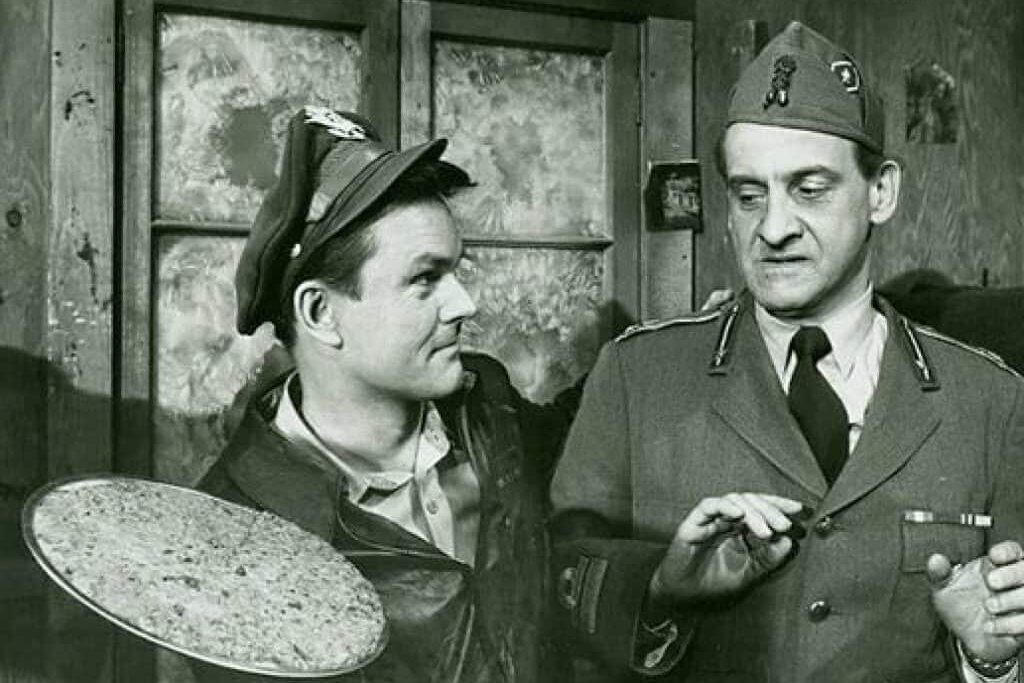
In the later years of his sitcom run, Crane formed a close friendship with John Henry Carpenter, a man who shared his fascination with electronics, recording gear, and technical hobbies. Their connection began casually through shared interests, the sort of friendship many adults form over common enthusiasm. They spent evenings discussing equipment, experimenting with cameras, and traveling together at times. To outsiders, it initially looked like harmless companionship between two men excited about the same gadgets and entertainment tools. Nothing about it seemed threatening at first glance.
Over time, though, the friendship gradually influenced Crane’s daily rhythm. Late nights became more common, travel plans shifted, and his routine grew less anchored to home life than before. Friends later suggested this period marked a noticeable change in how he structured his time, moving from predictable family schedules toward a more socially active lifestyle. Changes like that often happen quietly, without dramatic announcements, yet they can reshape habits, priorities, and personal boundaries. Looking back, many biographers see this friendship as one of the subtle turning points in Crane’s adult life.
6. The Uncertain Years After The Hit Show Ended

When Hogan’s Heroes finished its run, Crane faced the difficult transition familiar to many television leads who become strongly tied to one character. Casting directors admired his work yet struggled to imagine him in very different roles. Rather than waiting for perfect offers, he turned to dinner theater productions and regional stage performances, traveling city to city to perform live. Audiences still showed up eagerly, excited to see the familiar television star standing just a few feet away on stage. That connection kept him working steadily.
Touring life, however, brought a very different daily structure than studio filming. Instead of returning home after scheduled shoots, he often lived out of hotels, rehearsed in unfamiliar theaters, and adapted constantly to new environments. The work itself remained rewarding, but the routine felt less stable and more isolating. Long stretches away from familiar surroundings can change how a person spends free time and chooses companions. For Crane, these traveling years did not end his career, yet they quietly moved him into a looser, less predictable lifestyle that shaped many later chapters.
7. The Private Habits Hidden From Public View
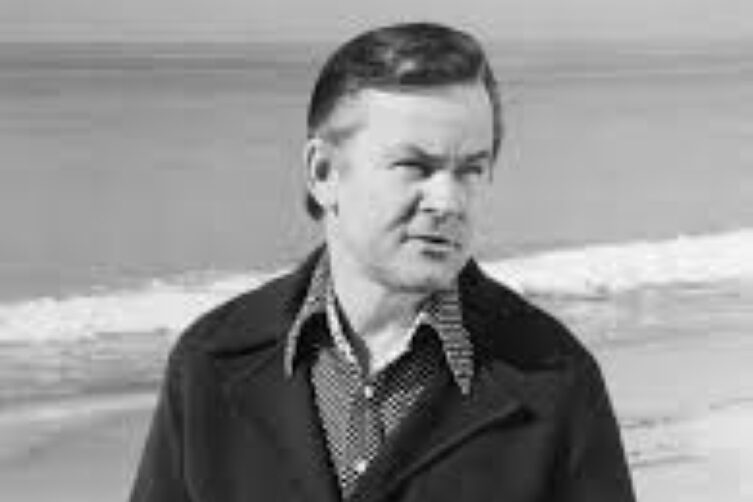
Behind the cheerful professional image, Crane also maintained personal habits and interests he kept carefully separate from his public reputation. Later reports revealed he collected recordings and personal material connected to his nightlife activities, something largely unknown to fans during his lifetime. Friends often described him as someone who could be extremely open in conversation while still guarding certain parts of his personal world closely. That ability to compartmentalize allowed him to maintain his friendly public persona without drawing attention to his more private routines.
This separation between public warmth and hidden personal behavior is not unusual among performers whose careers depend on audience trust. What made Crane’s situation different was how thoroughly those worlds stayed apart while he lived. Colleagues mostly continued seeing the same cooperative actor, while only a smaller circle witnessed his offstage lifestyle. In hindsight, that careful division created a fragile balance. As long as both sides remained contained, his professional image stayed intact. Once attention later shifted toward those hidden details, the contrast between the beloved television figure and the complicated private man became impossible to ignore.
8. The Sudden Murder That Shocked Fans Everywhere
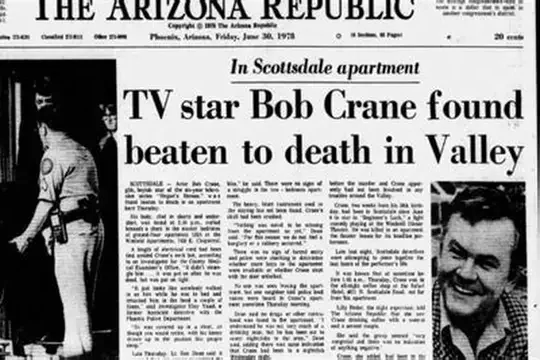
In June 1978, while staying in Scottsdale during a stage production, Bob Crane was found murdered in his apartment, a discovery that stunned both local authorities and the national entertainment community. News spread rapidly because many Americans still associated him with the clever, calm television hero they had watched for years. The violent nature of the crime felt especially jarring when placed beside the familiar smiling face from reruns and family viewing hours. For fans, the story felt deeply unsettling and painfully unexpected.
Investigators quickly began examining his recent movements, friendships, and travel patterns, trying to understand what might have led to such a brutal outcome. As details emerged, the public slowly realized that Crane’s daily life on tour was far more complex than the simple image preserved in television memory. Hotel stays, shifting schedules, and private social connections all became part of the investigation. The emotional shock came not only from the loss itself but from the sudden awareness that the comfortable television personality people thought they knew had been living a far more complicated offscreen life.
9. The Long Investigation And Public Curiosity
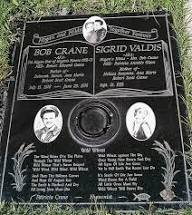
The investigation into Crane’s death did not fade quickly, and years of legal proceedings, testimony, and renewed media attention kept the story circulating long after the initial headlines. Journalists revisited evidence, explored personal relationships, and debated conflicting accounts, which meant his name remained tied as much to the unresolved mystery as to his acting career. For his family, this constant attention often felt painful, since they hoped the public would remember the father and performer rather than only the crime story.
Public fascination with unresolved cases tends to grow over time, and Crane’s situation became one of those lingering Hollywood tragedies people continued discussing decades later. Documentaries, books, and televised features kept examining the events from different angles, sometimes focusing heavily on his private life. Gradually, though, television historians and classic sitcom fans began pushing the conversation back toward his professional work. That shift did not erase the mystery, but it helped restore some balance, reminding audiences that his career achievements and personal humanity deserved attention alongside the unanswered questions.
10. The Quiet Way His Legacy Lives On Today
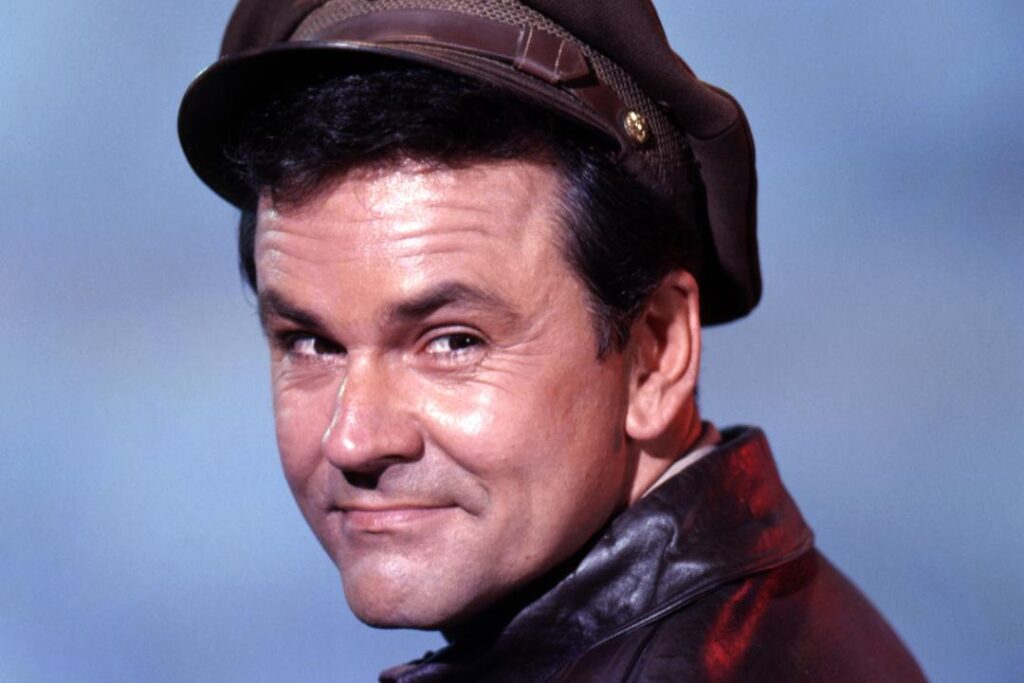
Today, many viewers encounter Bob Crane not through crime documentaries but through late night reruns or streaming libraries where Hogan’s Heroes still plays with the same easy rhythm it always had. Newer audiences often notice first how natural his delivery feels, conversational rather than theatrical, the sort of acting that does not age as quickly as louder performance styles. In that sense, his professional gift continues working quietly long after the complicated headlines faded into background history for most casual viewers.
Perhaps the most honest way to see his story now is simply as a full human life that included success, mistakes, friendships, family effort, and an ending no one expected. Television history is filled with bright careers shaped by ordinary human vulnerabilities, and Crane’s path fits that pattern more than it stands apart from it. When people laugh at an old episode today, they are usually responding to the performer he worked hard to be. If this story made you curious about other classic television lives, stay with the blog and explore the next deep dive waiting.


