
1. Elephants And A Gentle Surprise
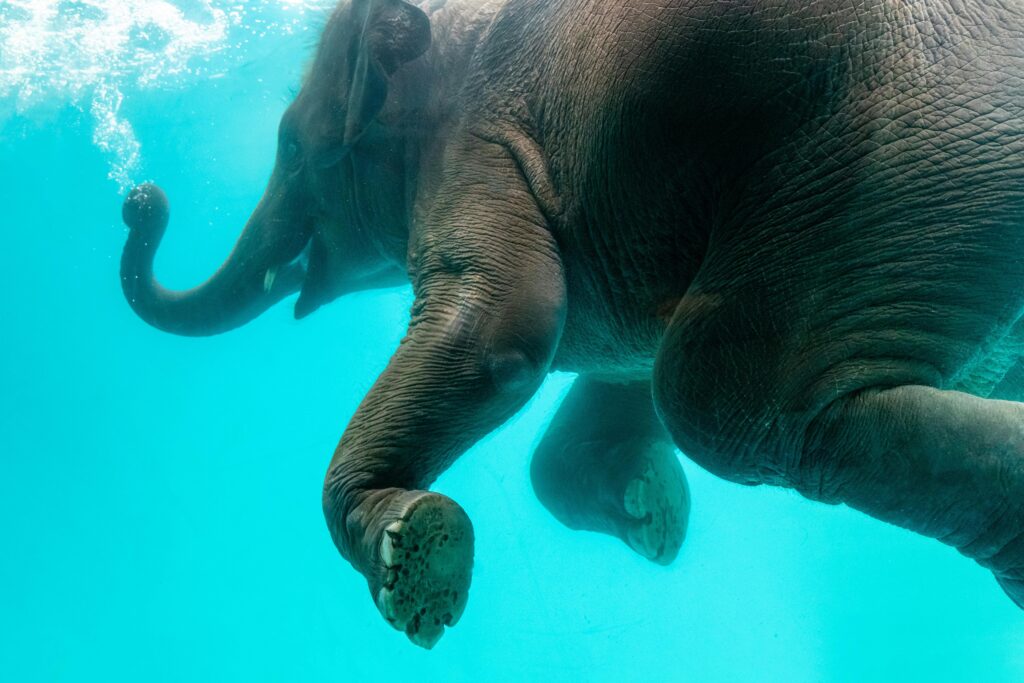
Sometimes the animals we think we already understand quietly amaze us, and elephants are the perfect way to ease into that idea. When the heat rises, they step into water with calm confidence, floating their heavy bodies as if the water happily welcomes them. They paddle slowly, using their trunks almost like natural snorkels while staying playful and relaxed. Watching them move across rivers feels peaceful and familiar, almost like finding a pool on a hot day. Starting with elephants makes it easier to see that many animals we never expect are actually wonderful swimmers too.
2. Camels That Cross More Than Sand
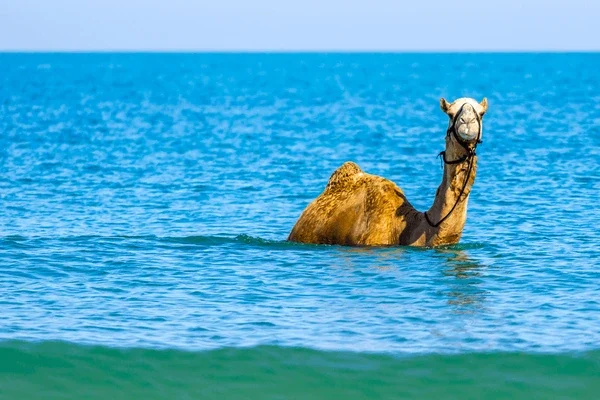
We usually imagine camels walking through endless desert heat, carrying loads and keeping that calm expression, but water does not bother them when they meet it. Camels can swim with steady rhythm, pushing forward while staying balanced and focused. Their bodies adapt, their legs paddle, and they simply continue onward. Seeing a camel glide through a river makes you rethink everything you thought you knew about them. It becomes another reminder that nature rarely fits into the neat boxes we create, and as we move forward, more surprising swimmers quietly prove that point.
3. Giraffes Learning To Move Through Water
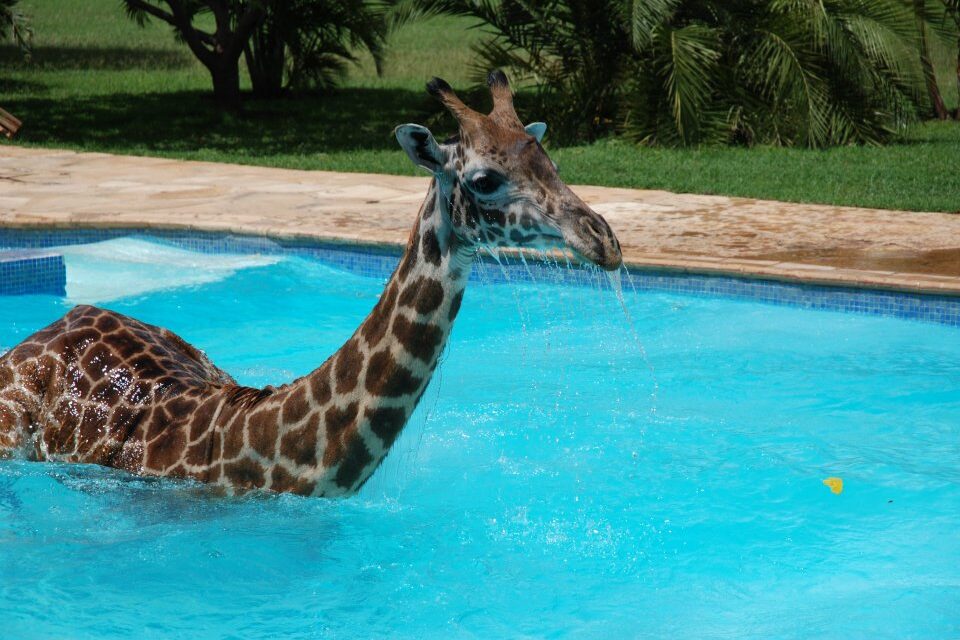
Giraffes seem like the last animals anyone would picture swimming. With long legs, long necks, and tall, narrow frames, everything about them looks designed only for land. But when they face deep water, they manage with quiet determination. They move slowly, testing each motion, yet they still make progress. It might look awkward at first, but there is something gentle and almost graceful in the way they keep going. Watching a giraffe paddle shows that even the most unlikely animals can adapt in ways we never expect, and the surprises just keep unfolding.
4. Pigs Who Truly Enjoy The Water
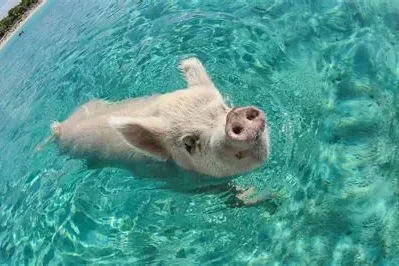
If you have ever seen pigs near water, it feels almost like watching them discover joy. They wander in, relax, and before long they are swimming with easy confidence. Their round bodies float while their little legs paddle and guide them around. Pigs love staying cool, and swimming becomes another way they explore and enjoy their world. There is something relatable about it, like watching someone forget their worries for a moment. Once again, an animal many people overlook turns out to be far more capable, interesting, and fun than we might have imagined.
5. Cows Taking Calm River Crossings
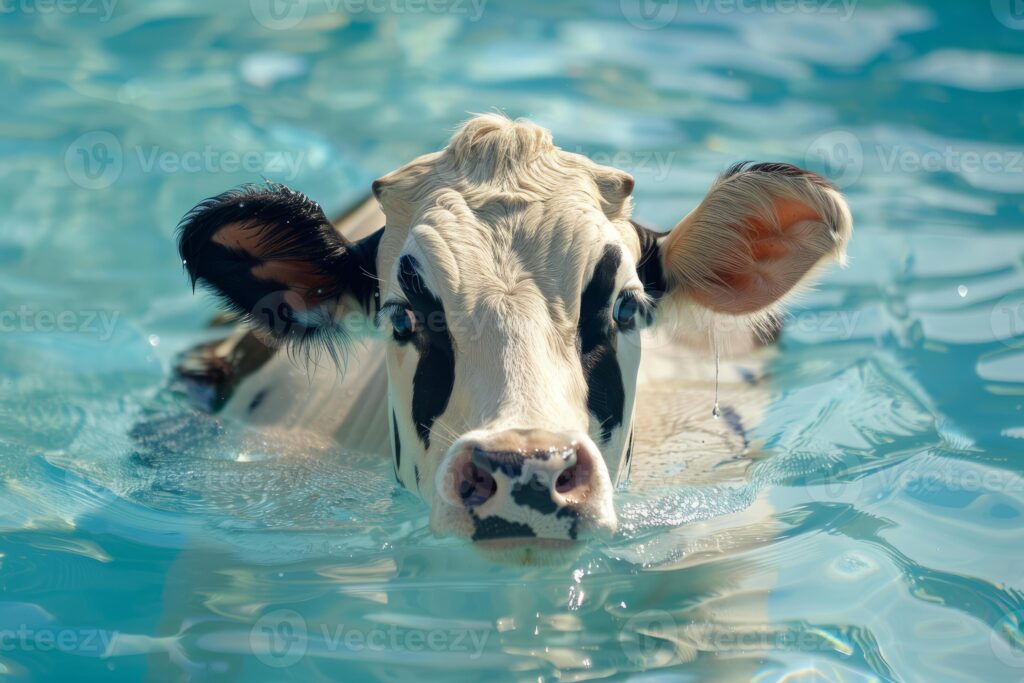
Most of us picture cows standing in quiet fields, chewing slowly and minding their business, never really doing much more. But when they meet water, cows can swim, and they do it in the same steady way they handle everything else. They move forward slowly, heads lifted, calm and focused on reaching the other side. It is not fancy or dramatic, but it works. Farmers often see it as part of life. Watching cows cross rivers reminds us that even the simplest looking animals carry quiet strengths we rarely notice at first.
6. Horses Gliding With Quiet Strength
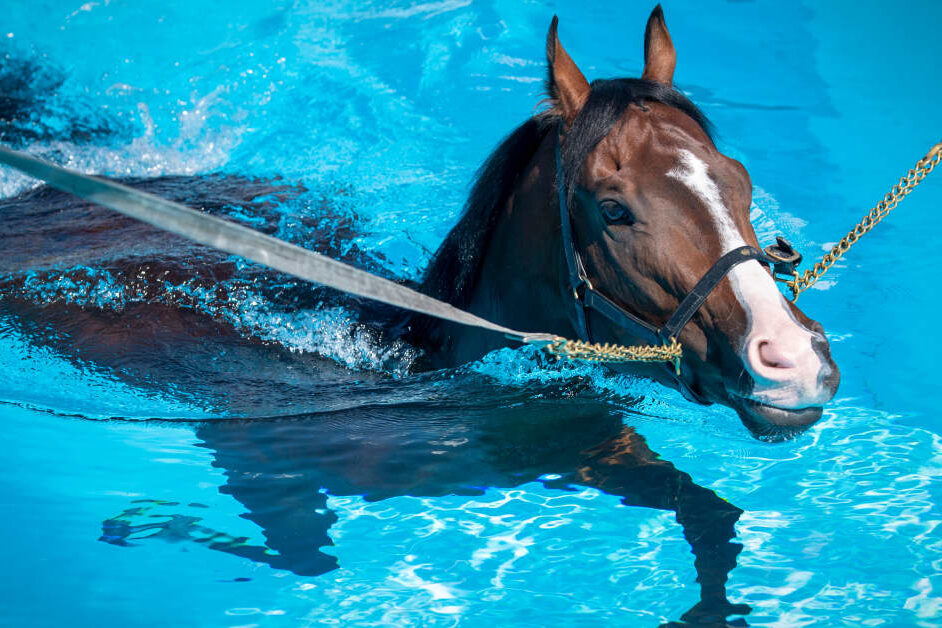
Horses already seem strong on land, but watching them swim shows another side that feels calm and beautiful. When they enter the water, their powerful legs become smooth paddles that keep them floating forward with steady rhythm. They hold their heads up, trust the water, and simply glide along. Many trainers use swimming to help them build strength gently, and it suits them naturally. Seeing a horse move across a lake or river feels peaceful, almost like the world slows for a moment. It reminds us that familiar animals still have quiet abilities we forget to notice over time sometimes.
7. Rhinos Finding Relief In Water
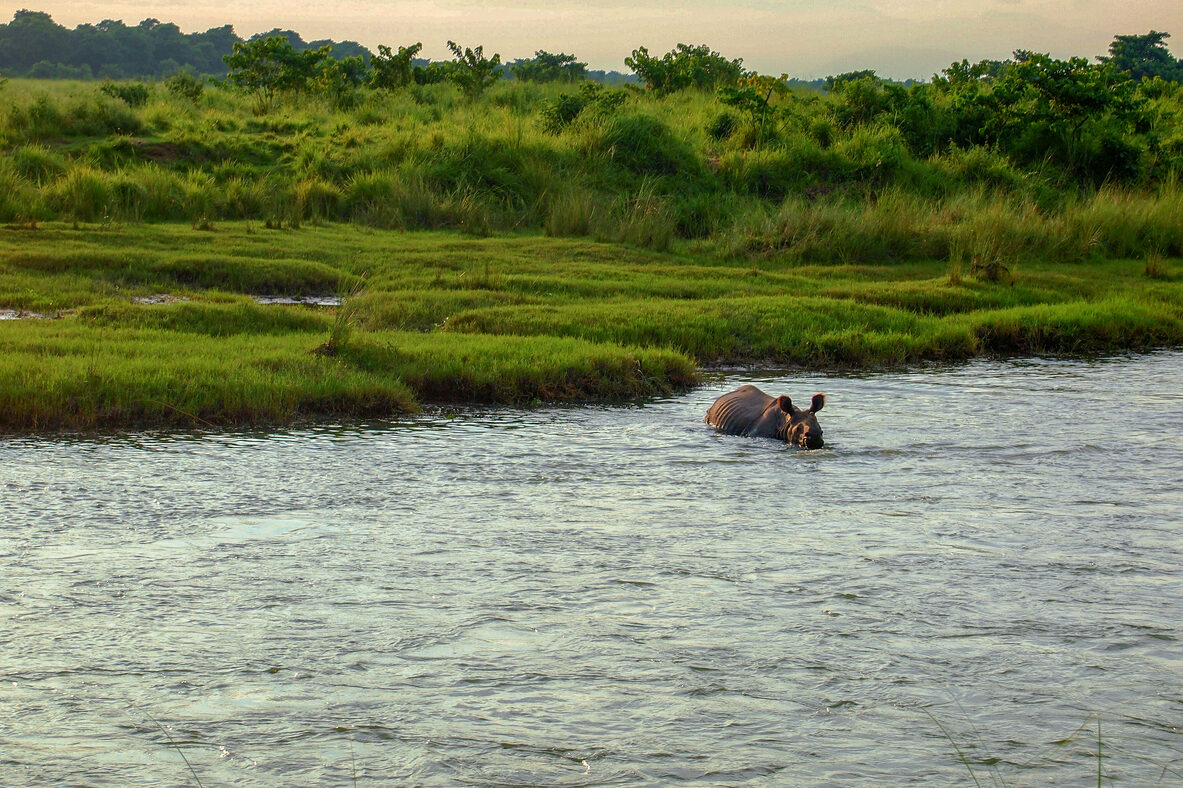
Rhinos look heavy and serious, so thinking of them swimming feels surprising at first. Yet they often spend time near rivers, stepping in slowly and moving deeper until the water lifts part of their weight. When it is hot, the water cools their thick skin and lets them relax. They are not fast, but they travel with confidence and steady purpose. Watching a rhino drift across a pool feels gentle instead of fierce. It shows again that strength is not always loud. Sometimes the most powerful animals find comfort in quiet water and simply allow it to support them peacefully.
8. Orangutans Exploring And Learning To Swim
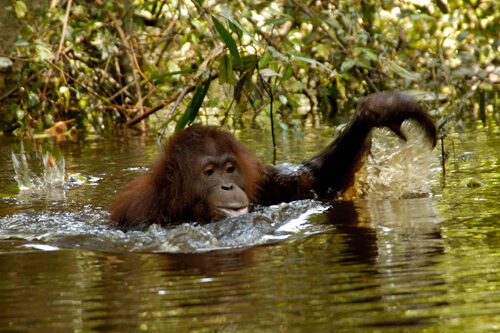
Orangutans spend most of their lives high among branches, so seeing them near deep water feels unusual. Still, curiosity sometimes leads them to try swimming, and they begin to paddle carefully with slow, thoughtful movements. They learn by testing the water, understanding how their bodies float, and adjusting each stroke. It almost feels human in a quiet way. They are cautious but determined, and that patience helps them manage new situations safely. Watching an orangutan cross water reminds us that learning never really stops, even in the wild, and that intelligence often shows up in gentle experiments along the way.
9. Sloths Taking Slow And Steady Dips
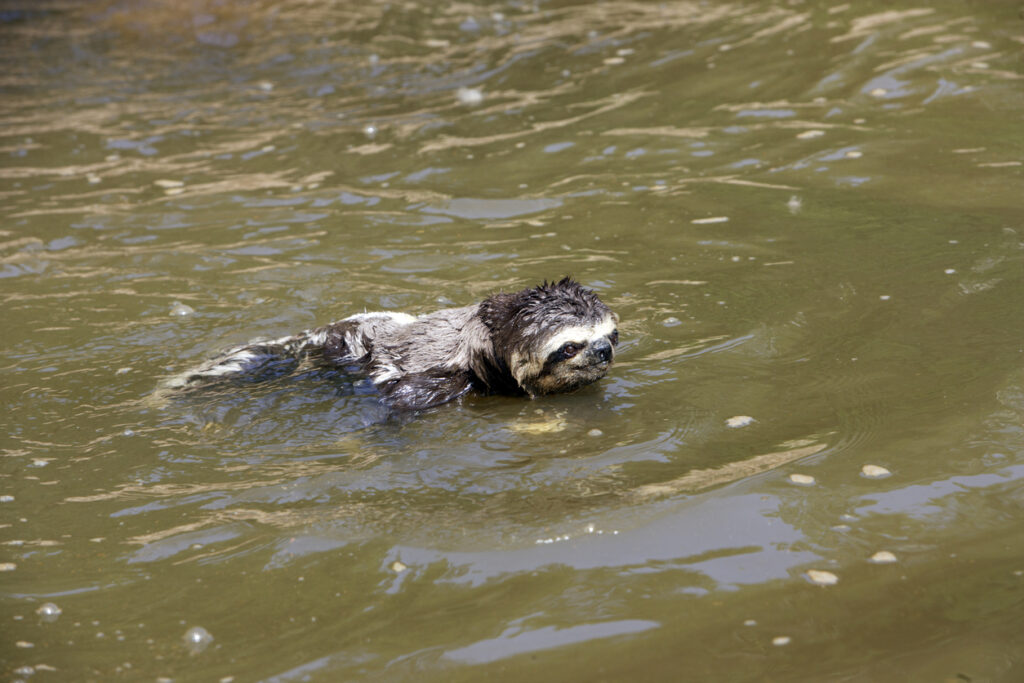
Sloths are famous for moving slowly, so imagining them swimming can feel almost impossible until you see it. In water, they actually move faster than they do on the ground, using long arms to pull themselves forward. They stay calm, float easily, and conserve energy while they travel. Watching a sloth glide across a river feels peaceful, like the world has taken a soft breath. It is simple and strangely beautiful. Learning this small truth changes how you see them, and it gently keeps building the idea that many animals have quiet skills we rarely expect in their own time.
10. Sheep That Drift When Needed
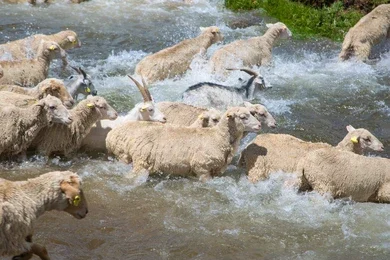
Sheep usually seem gentle and unsure, always moving together across open fields, so swimming does not instantly come to mind. Yet when they meet deep water, they can stay afloat and make their way across. Air trapped in their wool helps them float while their legs paddle steadily forward. It may look simple, but it works well enough to carry them to safety. Watching sheep cross a river shows how survival encourages hidden abilities. With every new entry, the picture grows clearer that swimming belongs to far more animals than the few we typically think about in our everyday thinking.
11. Goats Managing Rivers With Confidence
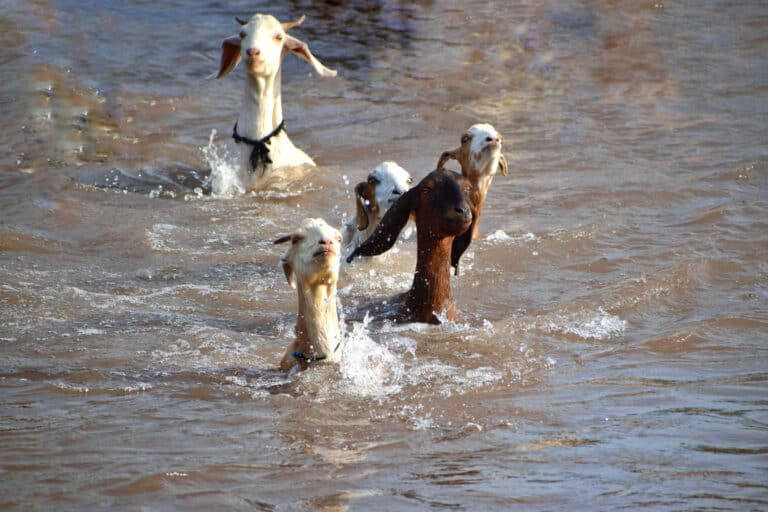
Goats are already known for climbing cliffs and balancing in places that seem impossible, but water does not stop them either. When they need to cross, goats swim with steady control, staying focused on reaching dry ground again. Their bodies float better than most people expect, and their legs paddle with quiet determination. It feels practical and instinctive rather than dramatic. Watching goats handle rivers reminds us that many animals carry skills they rarely show unless they must. As this list continues, that same gentle theme keeps returning and deepening in a way that feels natural for us to see.
12. Bears Moving Like Natural Swimmers
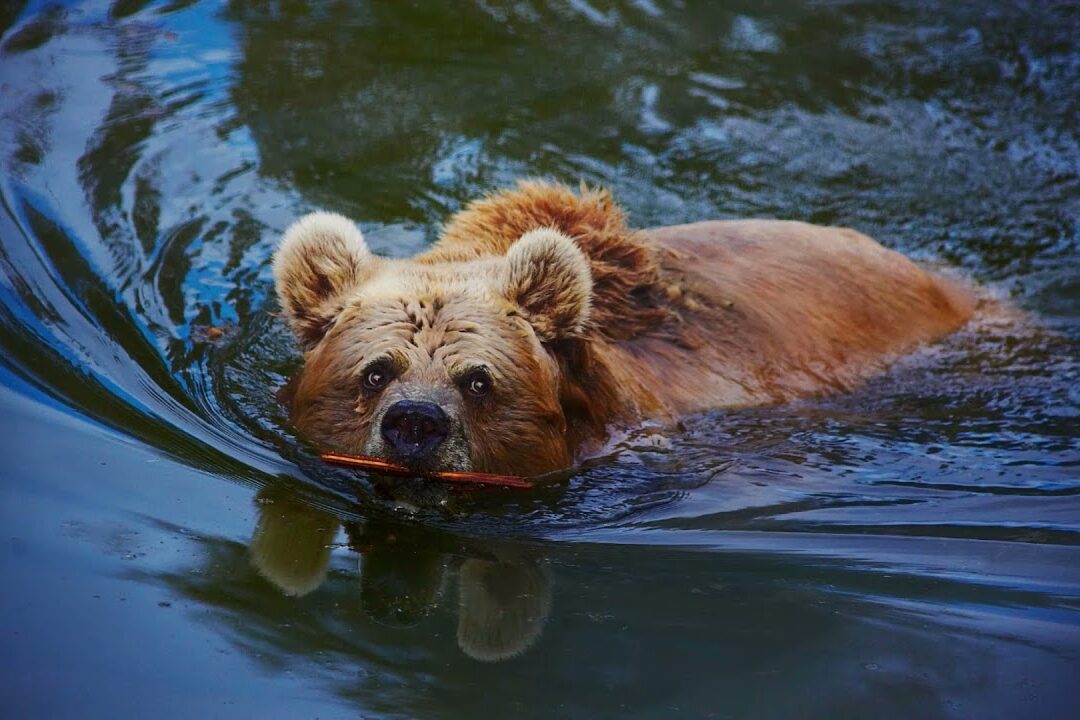
Bears spend a lot of time near lakes and streams, so swimming becomes part of everyday life for them. When they slide into the water, they move with strong, sure strokes that look relaxed instead of rushed. Sometimes they are cooling off, sometimes traveling, sometimes searching for food, but they seem completely at ease. Watching a bear swim reminds us that power can be calm and controlled. It fits perfectly with the growing idea in this list that water belongs to more animals than we usually believe, and that comfort in nature shows up in many forms for all kinds.
13. Deer Crossing Quietly Through Lakes
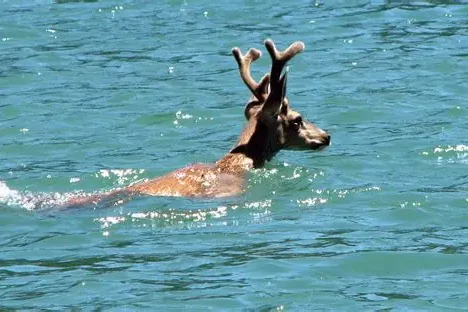
Deer often seem delicate and easily startled, which makes their ability to swim feel surprising the first time you see it. When they reach deep water, they paddle smoothly and cross with quiet determination. Their long legs help push them forward while their bodies stay afloat. They do not rush. They simply keep moving until land returns. Watching deer glide across a lake feels calm and almost reflective. It supports the idea that survival teaches gentle skills. With each new example, we begin to notice that water connects more animals than we once imagined possible in our shared natural world.
14. Kangaroos Making Their Way Through Water
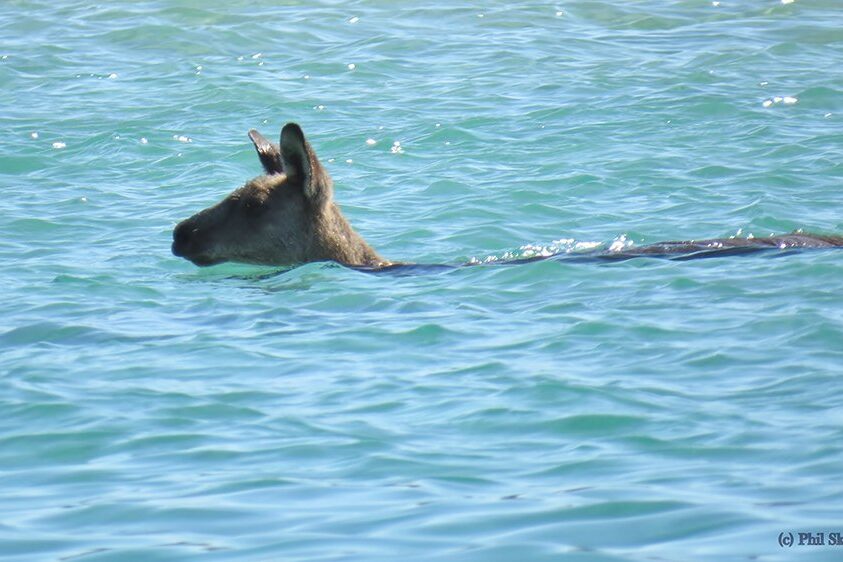
Kangaroos are known for powerful jumps across dry land, but they are capable swimmers when water blocks their path. They step in, lift their heads, and begin paddling forward with patient effort. Swimming can even help them escape danger or reach safer ground. Watching a kangaroo move across a river changes how you think about them. It reveals another layer to an animal many people already find fascinating. As this list continues, the pattern grows clearer that water quietly welcomes all kinds of creatures, even those we first assumed belonged only on solid ground for reasons we often forget together.
15. Hedgehogs Taking Tiny Little Swims
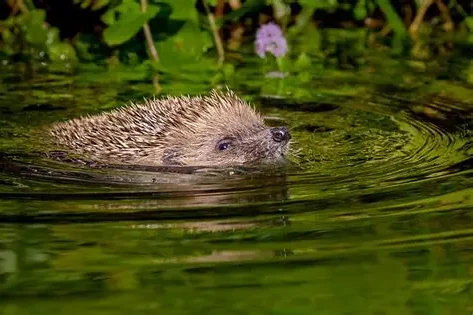
Hedgehogs look tiny and shy, covered in little spines that make them seem built only for dry paths. Still, when they meet water, they can swim better than most people expect. Their bodies float, their small paws paddle, and they move forward slowly but surely. They usually do not stay in for long, yet it is enough to help them reach safety. Watching a hedgehog swim feels gentle and unexpected. It adds another soft piece to the picture forming here, where ordinary animals reveal quiet abilities and the story of surprising swimmers keeps growing with every quiet page we turn.
16. Beavers Working With Water Naturally
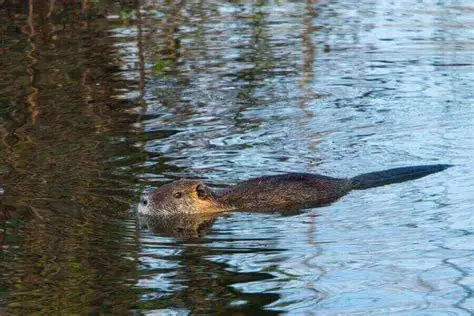
Beavers are already known for building dams and shaping waterways, but their swimming skills make everything they do possible. They slip into ponds, push forward with flat tails and webbed feet, and navigate like calm little engineers. Their bodies are built to float and stay warm, letting them travel long distances when needed. Watching a beaver work in water feels purposeful and peaceful at the same time. It fits perfectly into this growing list, reminding us that some animals live between worlds, comfortable on land yet completely at home the moment the water rises around them in quiet natural rhythm.
17. Hippos Living Between Land And Water
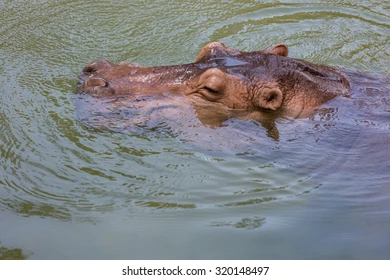
Hippos look enormous and sometimes intimidating, yet much of their life actually happens in water. They sink, float, walk along the bottom, and surface when they need air. Their bodies seem heavy, but the water supports them so they can move with surprising ease. Watching hippos spend hours in rivers shows how perfectly they are matched to their environment. It feels almost like they belong to the water more than the land. Adding them here strengthens the idea that swimming appears in places we never expect, shaping the quiet rhythm of animal life everywhere in ways we rarely think today.
18. Tigers Showing Power In Water
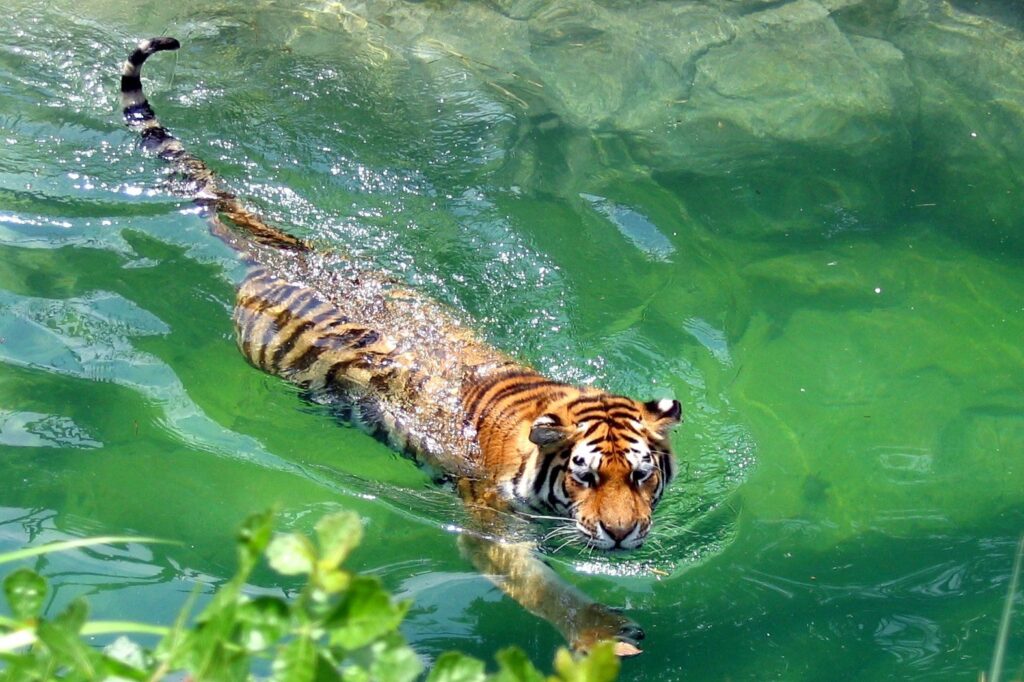
Tigers may seem like pure land hunters, but they are powerful swimmers too. They enter water to cool off, cross rivers, and sometimes hunt while moving smoothly through deep channels. Their strong bodies carry them forward with steady strokes that look confident and controlled. Seeing such a fierce animal glide quietly across water changes how we picture it. It shows that even top predators adapt to different spaces when they need to survive. Placing tigers in this list keeps building the idea that swimming reaches further across nature than many of us imagine at first glance as we keep learning.
19. Moose Traveling Through Lakes Easily
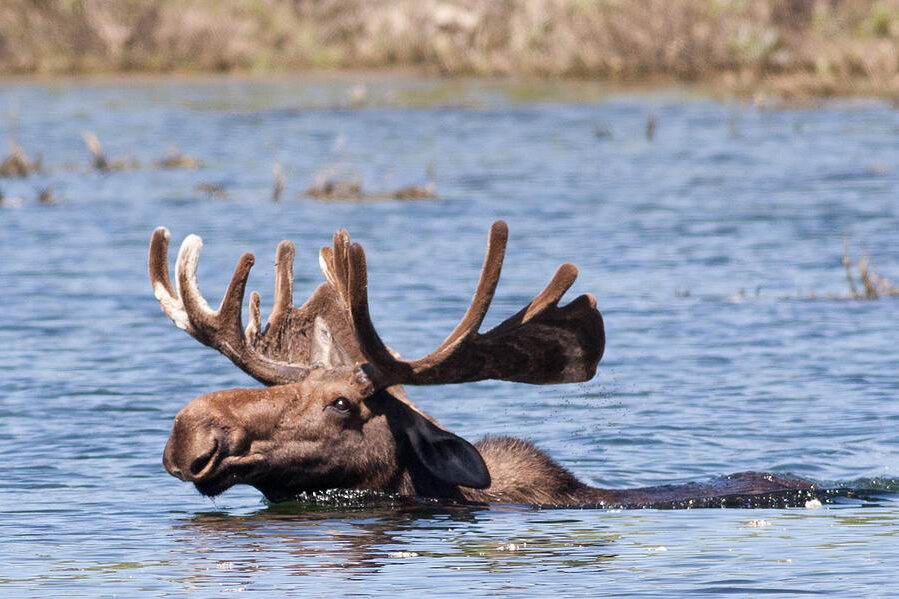
Moose live in forests and wetlands, and their size makes them look slow, yet they swim incredibly well. They cross lakes, travel between islands, and sometimes dive for plants growing below the surface. Long legs help push them forward while their bodies float with quiet ease. Watching a moose move across open water feels calm and impressive at the same time. It reminds us that adaptation often appears in simple forms. Including moose here deepens the picture of unlikely swimmers who depend on water not just for survival, but for comfort and daily movement throughout their wide habitats each season.
20. Dogs Enjoying Water With Confidence
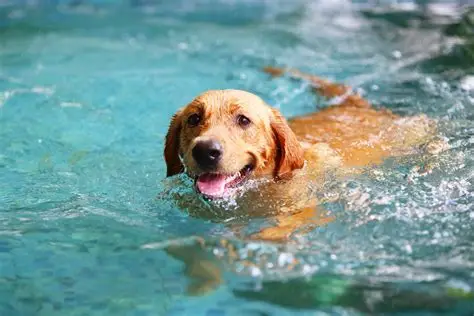
Many people already know dogs like water, but seeing how well many breeds swim still feels impressive. Their bodies adjust easily as they paddle with that familiar steady motion people often call the dog paddle. Some dogs swim for play, others for work, and some simply to cool off on warm days. They often look joyful and confident while moving through ponds or lakes. Including dogs here connects wild swimmers with familiar companions, showing that the instinct for water runs deep. It gently reminds us that swimming links animals and people through shared experiences that feel natural and comforting together.
21. Cats Managing Water When They Must
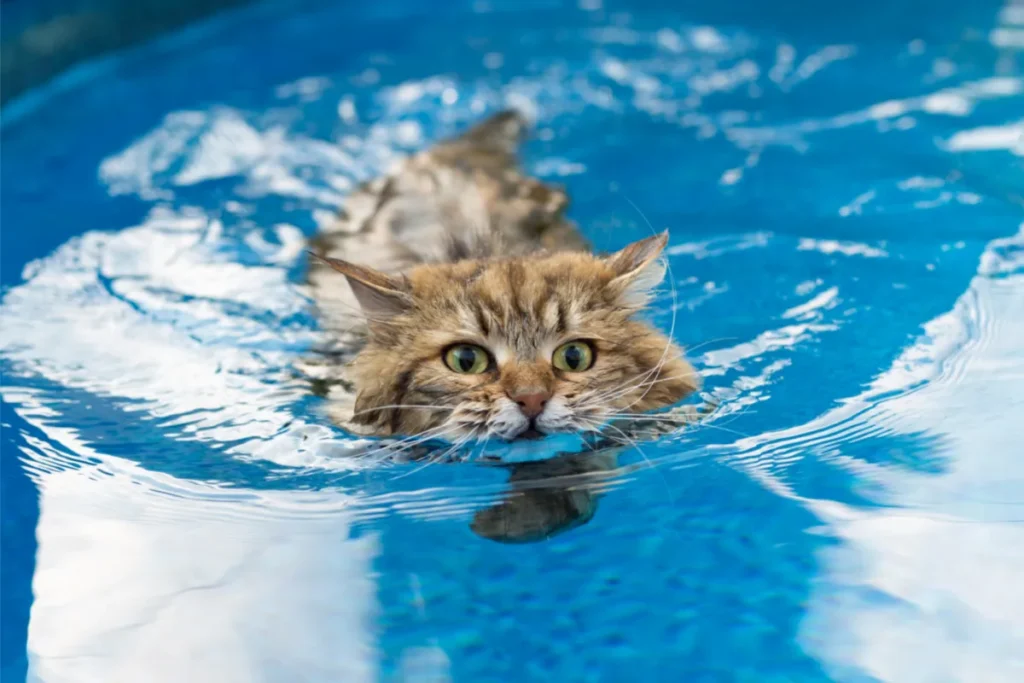
Domestic cats are usually known for avoiding water, yet some breeds and individuals swim quite well when they must. They wade in carefully, test the depth, and then begin paddling with controlled, precise movements. Their bodies stay light on the surface while their heads remain lifted above the water. It may not be their favorite activity, but their ability shows quiet adaptability. Watching a cat manage water feels unexpected and memorable. Adding cats to this list continues the theme that animals often surprise us, revealing abilities that appear only when the situation truly asks for something different from them today.
22. Otters Turning Swimming Into Play
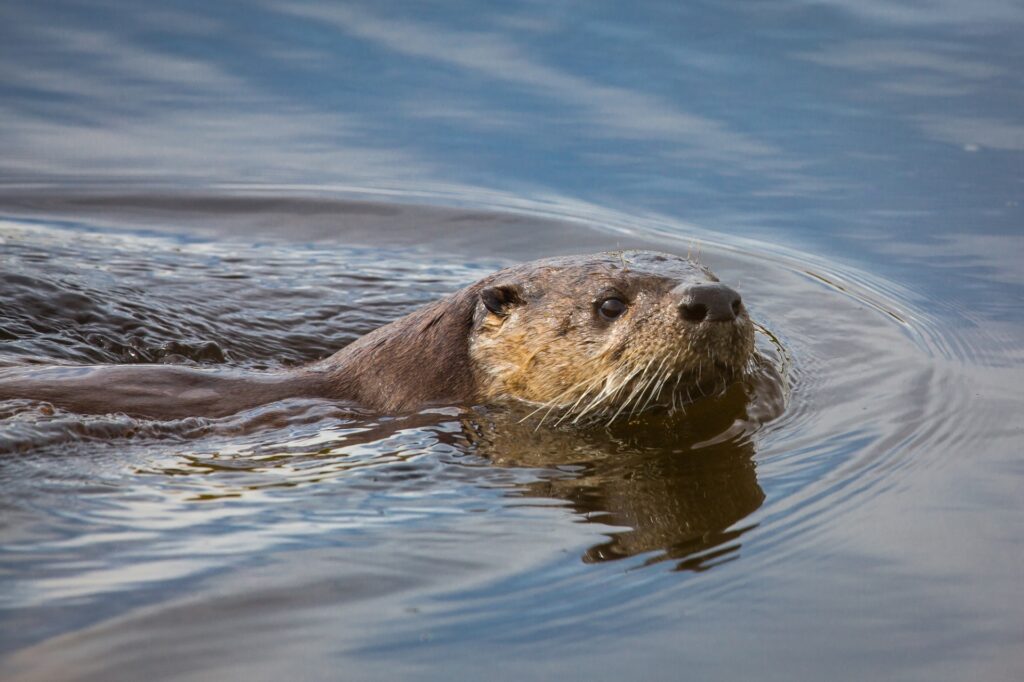
Otters may seem like obvious swimmers, yet watching them in motion still feels delightful every time. They twist, roll, dive, and glide with playful energy that makes water look like their favorite place. Their sleek bodies and strong tails help them move quickly while staying balanced and aware. Seeing otters at work or at rest in water shows how skill can also look joyful. Including them here reminds us that some animals do not just survive in water. They thrive. Their presence adds contrast that makes the rest of our surprising swimmers feel even more interesting beside them for sure.
23. Alligators Moving With Quiet Control
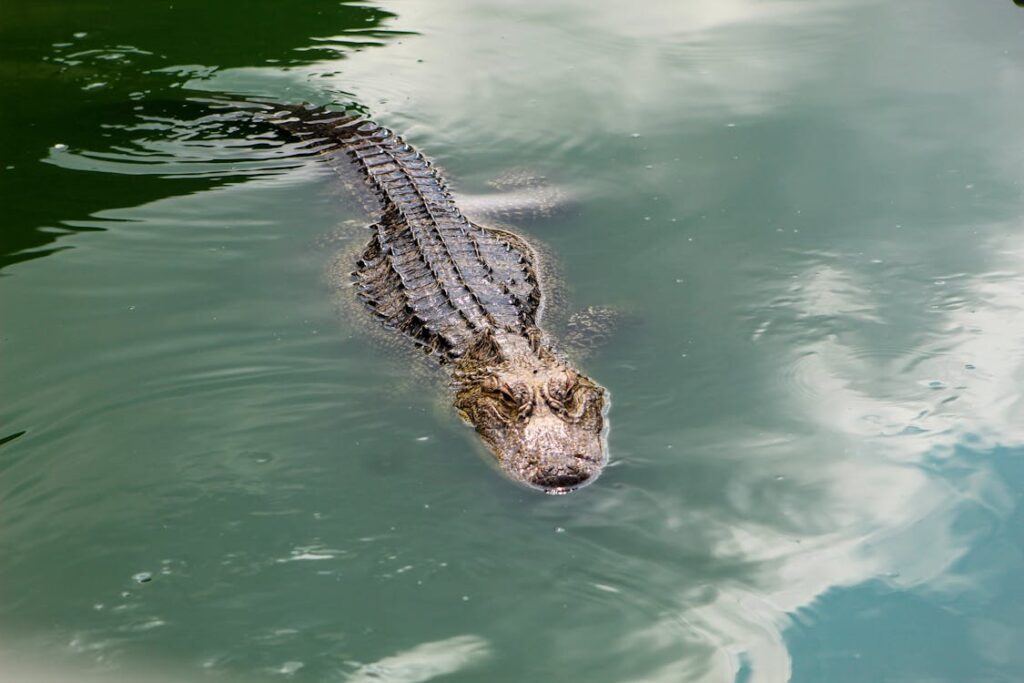
Alligators spend so much time in water that their swimming abilities shape nearly everything they do. They float quietly, move with gentle tail strokes, and can travel long distances while staying almost invisible on the surface. Their bodies are designed for this environment, helping them conserve energy while remaining alert. Watching an alligator glide through a lake feels calm at first, then powerful once you realize how controlled the movement is. Including them shows another side of swimming, where patience and stillness matter just as much as speed for animals that live with water as a daily partner in life.
24. Penguins Turning Water Into Flight
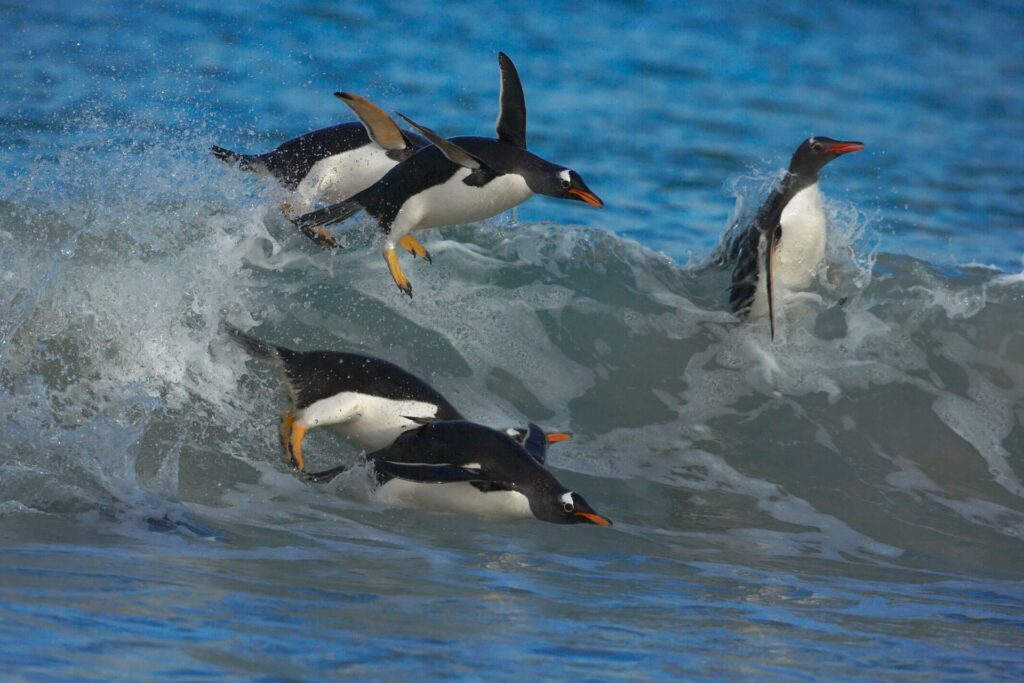
Penguins cannot fly in the air, but they fly through water with incredible grace. Their wings become flippers that push them forward like smooth little engines. They dive, turn, and chase food with speed that surprises people seeing them for the first time. Watching penguins underwater feels playful and athletic at the same time. It shows how an animal can trade one ability for another and still thrive beautifully. Including penguins reminds us that nature finds creative solutions, and swimming becomes their version of flight in the wide cold spaces they call home across distant coastal places around the world.
25. Sea Turtles Gliding Through Time
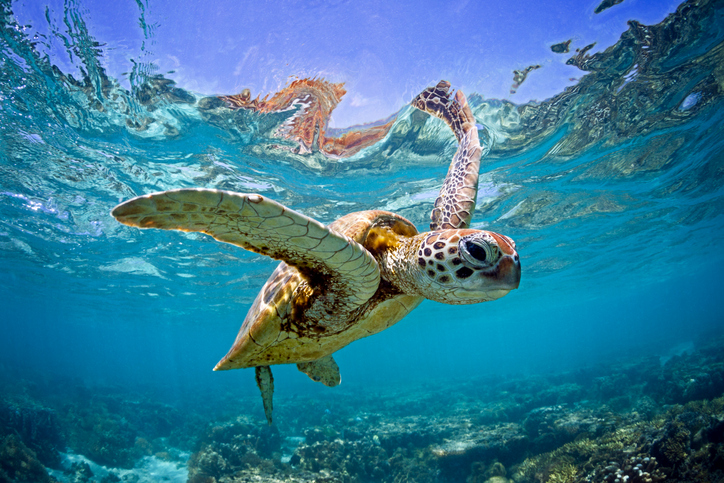
Sea turtles spend most of their lives in the ocean, and watching them swim feels peaceful and ancient. Their large flippers move slowly, yet every stroke carries them forward across long distances. They rise for air, then slip back beneath the surface as if the water welcomes them home. Seeing a sea turtle glide reminds us how patience and endurance can shape survival. Including them here balances the list, showing that some animals seem born for water while others simply learn. Either way, swimming becomes a bridge that connects them all in one shared environment across many moments of life.
26. Platypuses Adding Mystery To Water

Platypuses already look unusual, and their swimming adds another layer to their mystery. With webbed feet and flat tails, they paddle smoothly through rivers and streams while searching for food. Their bodies stay low in the water, and they close eyes and ears as they dive, relying on other senses instead. Watching a platypus move feels curious and calm at once. Including them reminds us that nature does not follow simple rules. Some creatures seem designed specifically for water in ways that feel almost playful, yet practical for survival in the remote places they call home throughout their daily journeys.
27. Seals Blending Play And Movement
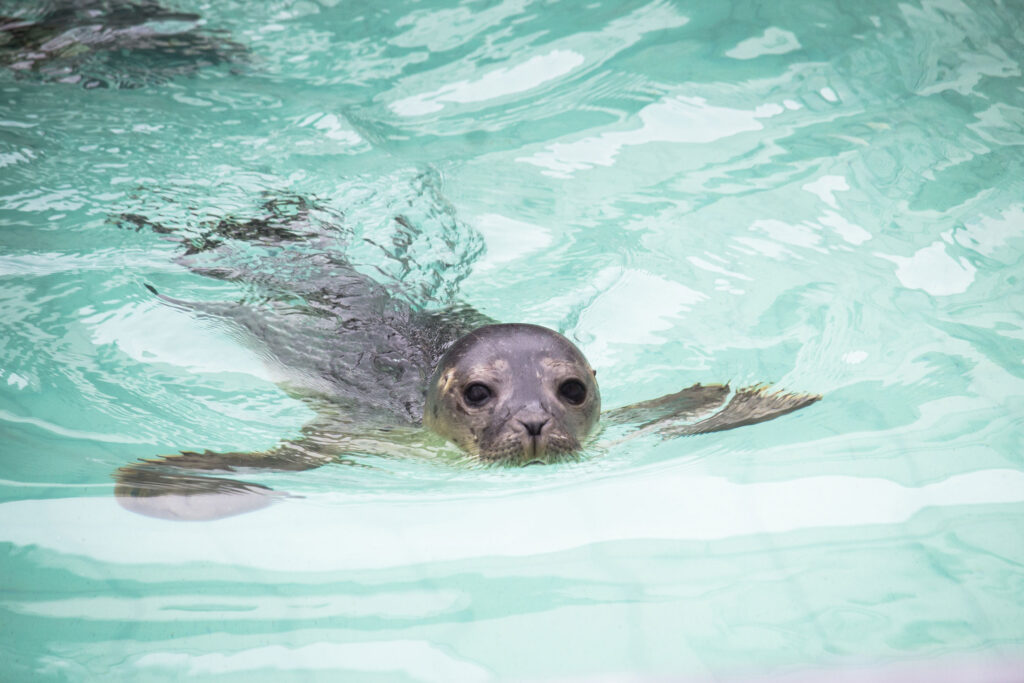
Seals rest on beaches but truly come alive in the water. They swim with rolling, flexible movements that make the ocean look like a playground. Their streamlined bodies help them move quickly while still conserving energy. Watching seals dive and surface again feels lively and smooth. It shows how perfectly their design matches their world. Including seals supports the growing idea that swimming is not rare at all in nature. Instead, it becomes a common language that many animals share, whether they use it for food, safety, travel, or simply because it feels natural and comfortable in their daily lives.
28. Chimpanzees Figuring Out Water Slowly
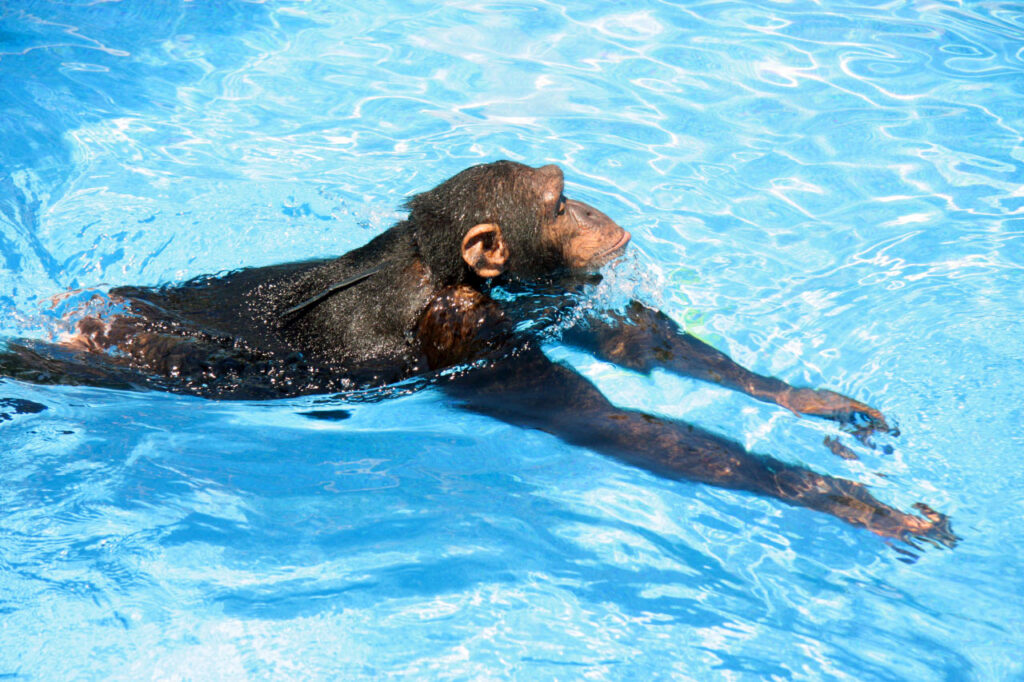
Chimpanzees usually stay away from deep water, which makes it surprising to discover that they can swim when they truly need to. They learn slowly, using careful movements and staying close to edges until they feel safer. Watching a chimp paddle feels thoughtful and cautious, almost like someone practicing something new for the first time. Their ability does not come naturally, but it still appears when survival requires it. Including chimpanzees shows that even the smartest animals sometimes hide abilities we rarely see, and it keeps our focus exactly where it belongs on unexpected swimmers we never believed could manage it.
29. Boars Charging Right Through Rivers
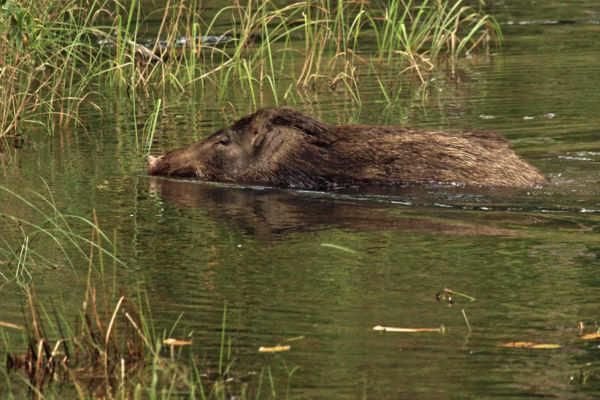
Wild boars look strong and stubborn, built for running through forests and digging up food, not for swimming. Yet when they meet deep water, they paddle through it boldly, sometimes crossing wide rivers with surprising ease. Their bodies float more than you would imagine, and their legs keep working until they reach the other side. Seeing a boar swim changes the way you think about them completely. It turns something that seemed impossible into something practical and natural, and it quietly reminds us again that many animals hold hidden skills we simply do not notice often in everyday life.
30. Gorillas Handling Water Carefully When Needed
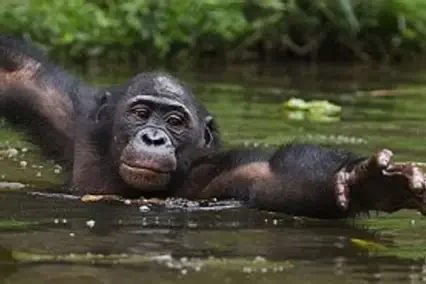
Gorillas usually avoid deep water, which is why people are shocked to learn that they can swim if they truly have to. They move slowly, testing every motion, almost like they are thinking through each step. Their strength helps them stay afloat once they begin paddling. Watching such a powerful animal treat the water with caution feels humbling and real. Ending with gorillas gently ties everything together, because by now it becomes clear that nature keeps more secrets than we expect. And it leaves us curious, open, and ready to look again at the animals we thought we already understood.


