
1. Elephants: The Long Goodbye
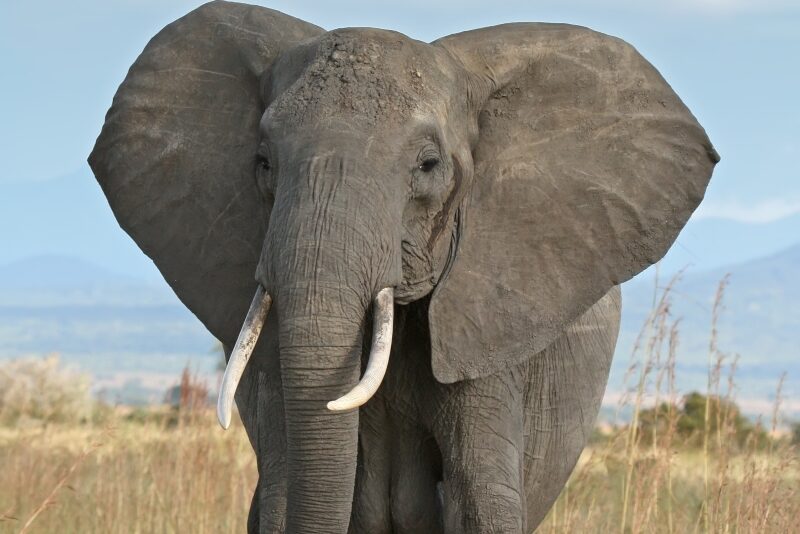
Anyone who has watched elephants for a while will tell you there is something deeply attentive about them. In the savannas of Africa and forests of Asia, families led by matriarchs move together with steady purpose. When one of their own dies, that rhythm changes. Researchers studying African elephant have documented herds returning to the bones of deceased relatives, gently touching skulls and tusks with their trunks. Cynthia Moss of the Amboseli Trust for Elephants once observed that elephants “stand quietly, touching and smelling the body,” sometimes for hours. It is not hurried curiosity; it feels deliberate.
In some cases, elephants have been seen trying to lift a dying companion, nudging them as if urging them back to their feet. Calves may linger beside a deceased mother, and other females often step in, forming a protective circle. Scientists are careful with language, but many agree the behavior suggests more than instinct. The way they pause, return, and remain has the shape of remembrance. Watching them, it is hard not to recognize something familiar in the stillness.
2. Chimpanzees: Staying Close
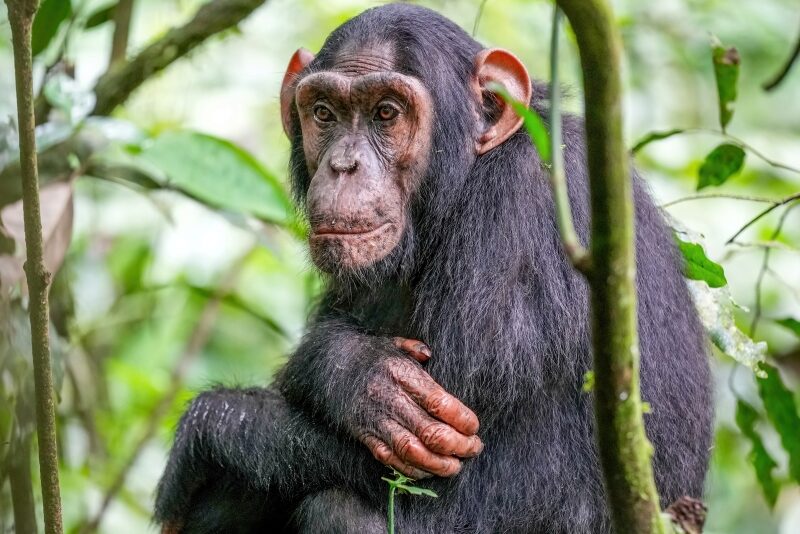
If grief is about closeness, then chimpanzees show it in ways that feel heartbreakingly clear. In communities of Chimpanzee, bonds are layered and long lasting. When a member dies, the group often gathers in silence. Primatologist Jane Goodall once described a mother carrying her deceased infant for days, sometimes weeks, unwilling to let go. Writing about such moments, Jane Goodall noted that the mothers appeared “withdrawn and subdued,” eating less and moving slowly, as if the world had shifted.
Field researchers have also observed adult chimpanzees gently grooming the body of a fallen companion. Others sit nearby, watchful and quiet. In one widely discussed case in Zambia, the group avoided the sleeping platform where a dominant male had died, as though the absence lingered in the air. Scientists stop short of calling it grief outright, yet they acknowledge behavioral changes that mirror mourning. When social creatures lose one of their own, the change in posture, appetite, and attention suggests a deep emotional current beneath the surface.
3. Dolphins: Holding On in the Water
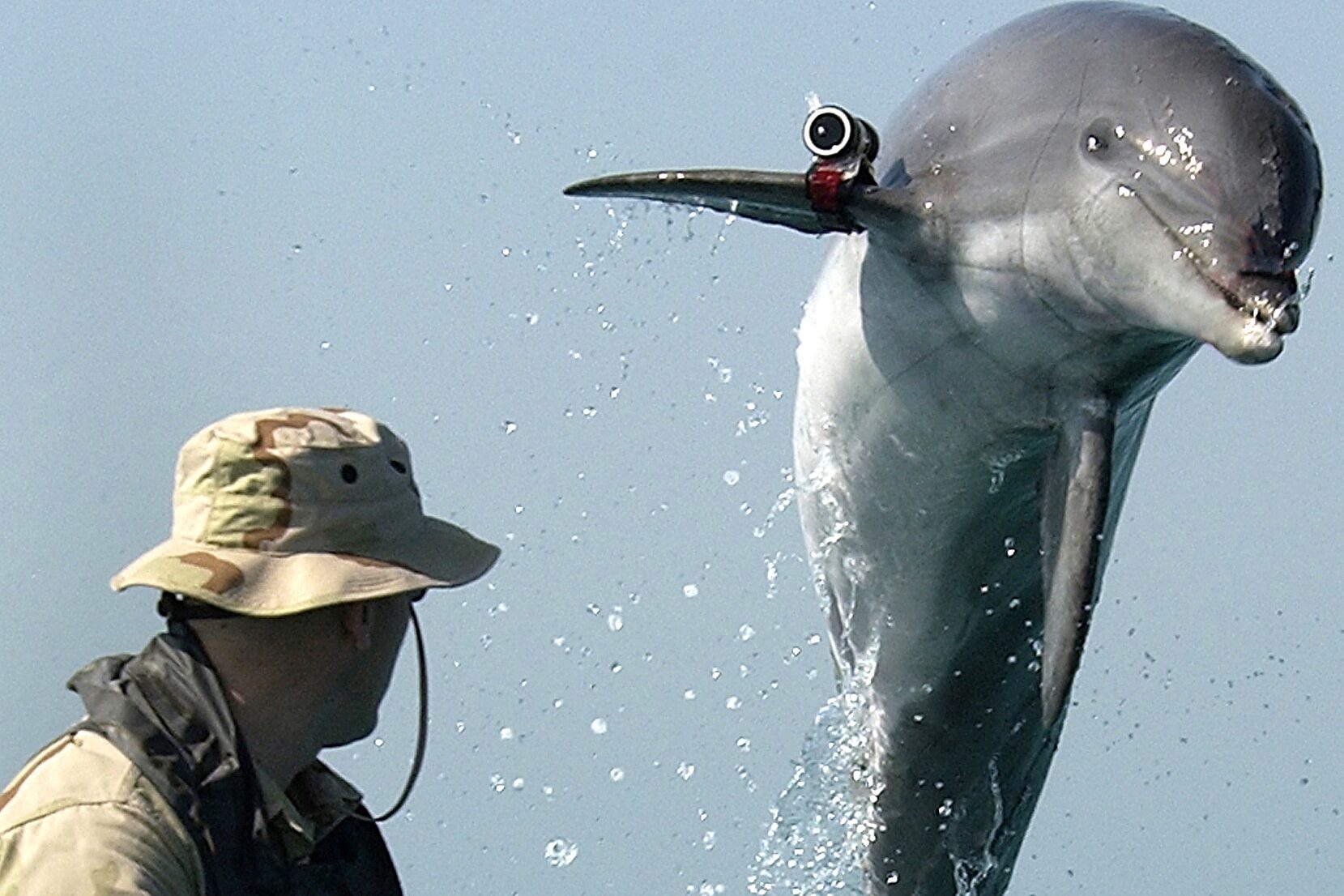
Out at sea, grief is less visible, but it is there if you look closely. Marine biologists studying Bottlenose dolphin have recorded mothers supporting dead calves at the water’s surface, balancing them carefully so they do not sink. The behavior, known as epimeletic behavior, has been documented across oceans. Researchers from the National Oceanic and Atmospheric Administration have described dolphins “carrying or lifting dead calves for extended periods,” sometimes for days.
Other members of the pod often stay close, slowing their pace as if adjusting to the loss. Observers note that the mother may refuse to leave the body even when it becomes physically difficult. Scientists debate whether the behavior reflects confusion, maternal instinct, or grief, but the persistence stands out. In the vast openness of the ocean, where life moves constantly, that refusal to move on feels meaningful. The image of a dolphin nudging her calf toward the light has stayed with many who have witnessed it, a quiet scene in the rolling blue.
4. Crows: Gathering in Silence
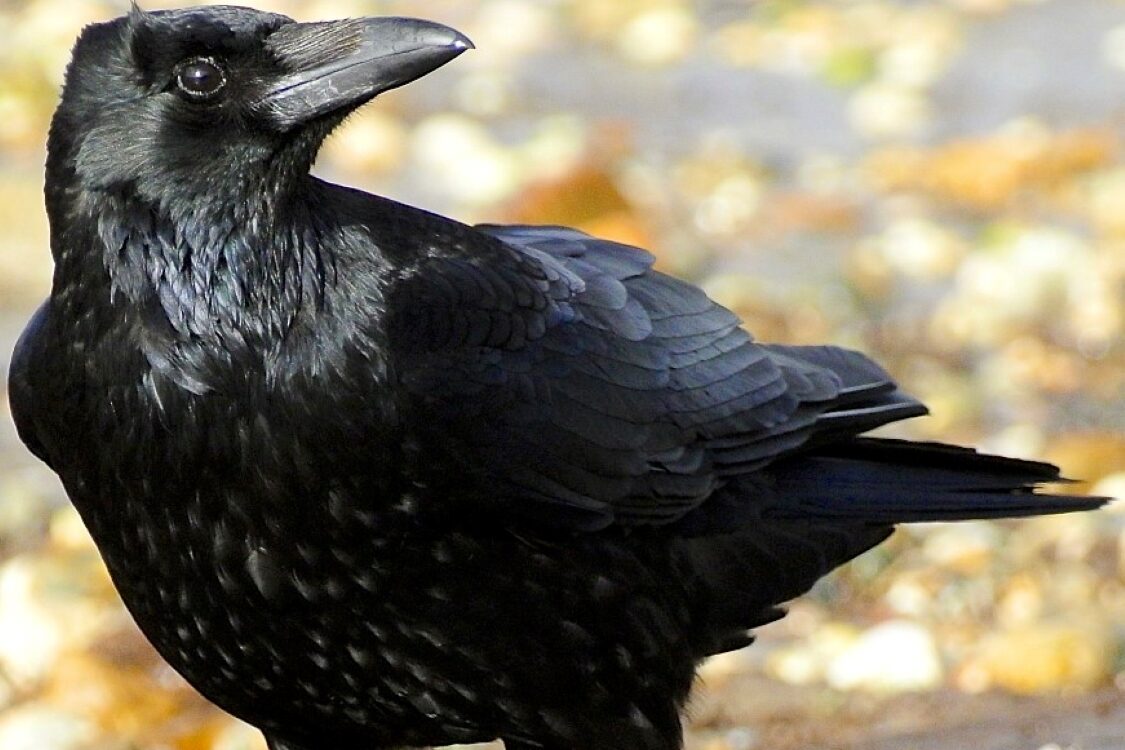
You might notice it in your own neighborhood. A group of crows gathers noisily around one of their own lying still on the ground. At first it seems chaotic, but researchers have found patterns in this response. Studies on American crow suggest these gatherings, sometimes called “crow funerals,” serve both as a warning and a communal moment. Biologist Kaeli Swift of the University of Washington has said that crows “learn about danger from dead crows,” yet she also notes the birds often stand watch in attentive silence.
The crows may circle, call loudly, and then settle into a quieter presence. They sometimes avoid the area afterward, as if marking it in memory. While part of the behavior is practical, there is something about the collective pause that feels deeper. Crows are intelligent and highly social, recognizing individual human faces and forming strong bonds. When one dies, the others respond together. It is a reminder that even in city trees and telephone wires, there are small societies paying attention to loss.
5. Wolves: The Missing Voice
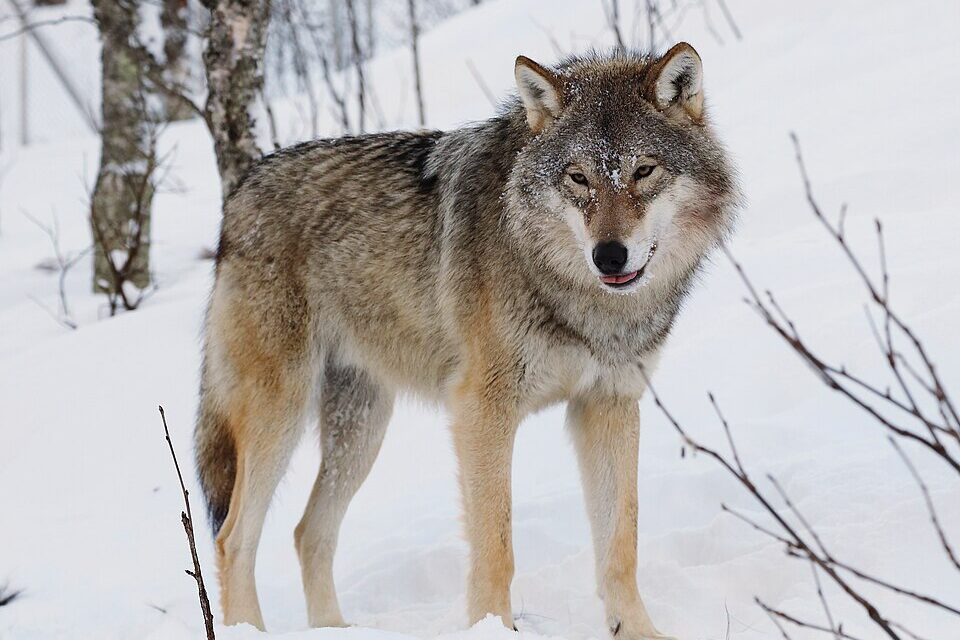
In the wild, a wolf pack moves like a single body. Every member has a role, and when one disappears, the shift is immediate. Biologists observing Gray wolf in places like Yellowstone National Park have noted behavioral changes after a death. Surviving wolves may howl more frequently, especially near the site where a pack member was lost. Researchers describe a noticeable drop in play and an increase in restlessness.
Wolf packs are family units, often made up of parents and offspring from several years. When a breeding partner dies, the remaining mate may spend days searching the area. Wildlife ecologists have written that packs can become quieter and less coordinated for a time, as though recalibrating. While scientists avoid projecting human emotion, they acknowledge that the social disruption is real. The missing voice in the nightly chorus matters. In that drawn out howl echoing across the valley, many hear something that sounds like longing, even if the word itself remains unspoken.
6. Giraffes: Lingering on the Plains
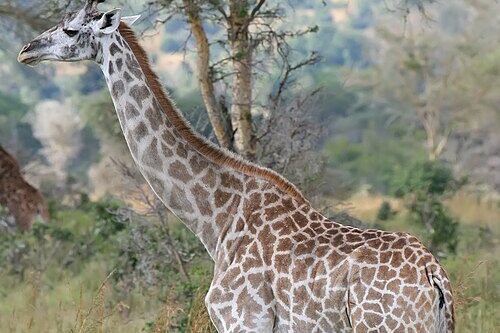
At first glance, giraffes seem almost too serene to be shaken by loss. They move quietly across the savanna, loosely connected, their long necks rising above the grass. But field observations of the Giraffe suggest that when one dies, especially a calf, something shifts. Wildlife researchers have reported mothers standing over stillborn calves for hours, nudging them gently with their noses and even attempting to lift them. In one widely shared field account, a mother remained beside her calf’s body for four days, returning repeatedly even after walking away.
Other giraffes have been seen gathering nearby, forming a loose circle as if keeping quiet company. Scientists note that giraffes are more social than once believed, maintaining long term associations. When a member dies, the pause in movement, the extended inspection, and the repeated returns hint at attachment. Researchers are cautious, often describing the behavior as vigilance or maternal instinct, yet they admit the persistence stands out. On the open plains where life is always moving, the simple act of staying still can say quite a lot.
7. Orcas: Carrying Loss Across the Sea
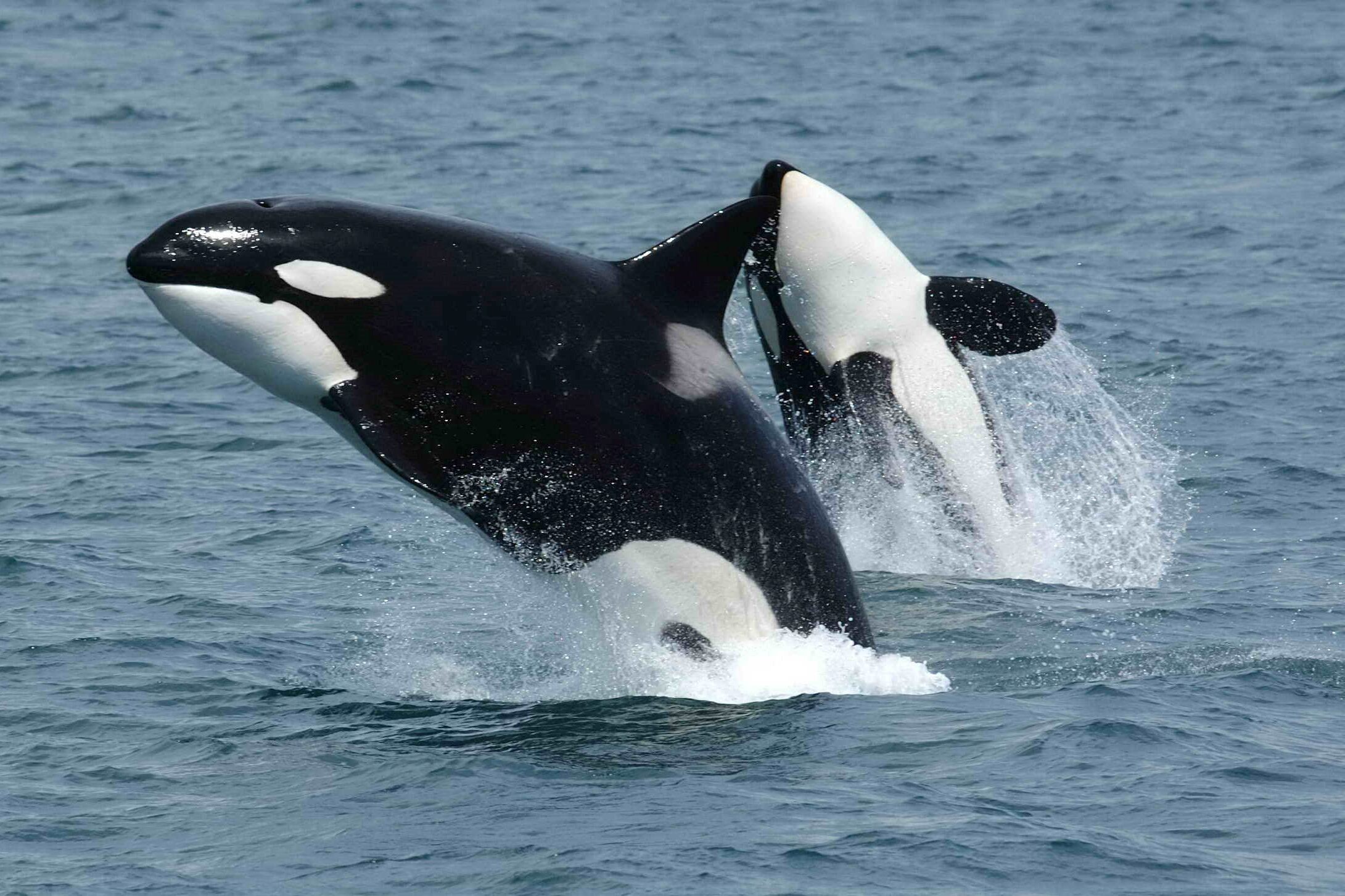
Few moments have captured public attention like the story of an orca mother who would not let go. In 2018, a female Orca known as Tahlequah, part of the Southern Resident community in the Pacific Northwest, carried her dead calf for 17 days. Researchers with the Center for Whale Research documented the journey, noting that she balanced the calf on her head or pushed it through the water across nearly a thousand miles.
Ken Balcomb, founder of the research center, described the behavior as “unprecedented in its duration,” though not unheard of in species terms. Other pod members stayed close, adjusting their speed to hers. Orcas live in tight knit matrilineal families, and calves remain with their mothers for life. Scientists avoid declaring the behavior grief in human terms, but they acknowledge the emotional complexity of these whales. Watching Tahlequah surface again and again with her calf drew global attention, not because it was dramatic, but because it felt deeply familiar in its quiet refusal to let go.
8. Horses: Standing Watch
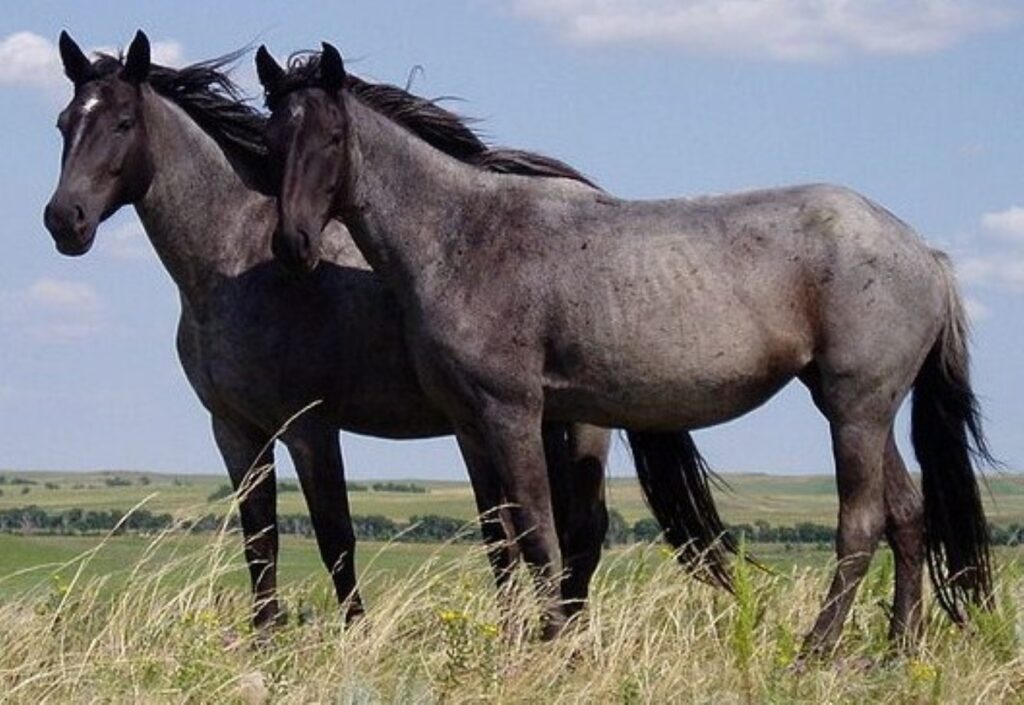
Spend enough time around horses and you begin to notice how attuned they are to one another. In herds of Horse, friendships form, often with preferred companions grazing side by side. When one horse dies, caretakers and researchers alike have observed herd members approaching the body slowly, sniffing and nudging it. Some stand nearby for long stretches, heads lowered, unusually still.
Equine behaviorists report that surviving horses may call out repeatedly or show signs of restlessness in the days that follow. Appetite changes and shifts in routine have been documented in both domestic and wild settings. While some scientists suggest that horses are investigating or seeking confirmation, others point to the depth of equine social bonds. In feral bands, stability depends on familiarity and trust. When that presence is gone, the space feels altered. The quiet vigil, the repeated return to the spot, and the subdued demeanor suggest that for horses, too, loss is not simply a passing event but something that briefly reshapes their world.
9. Magpies: Grass on the Body
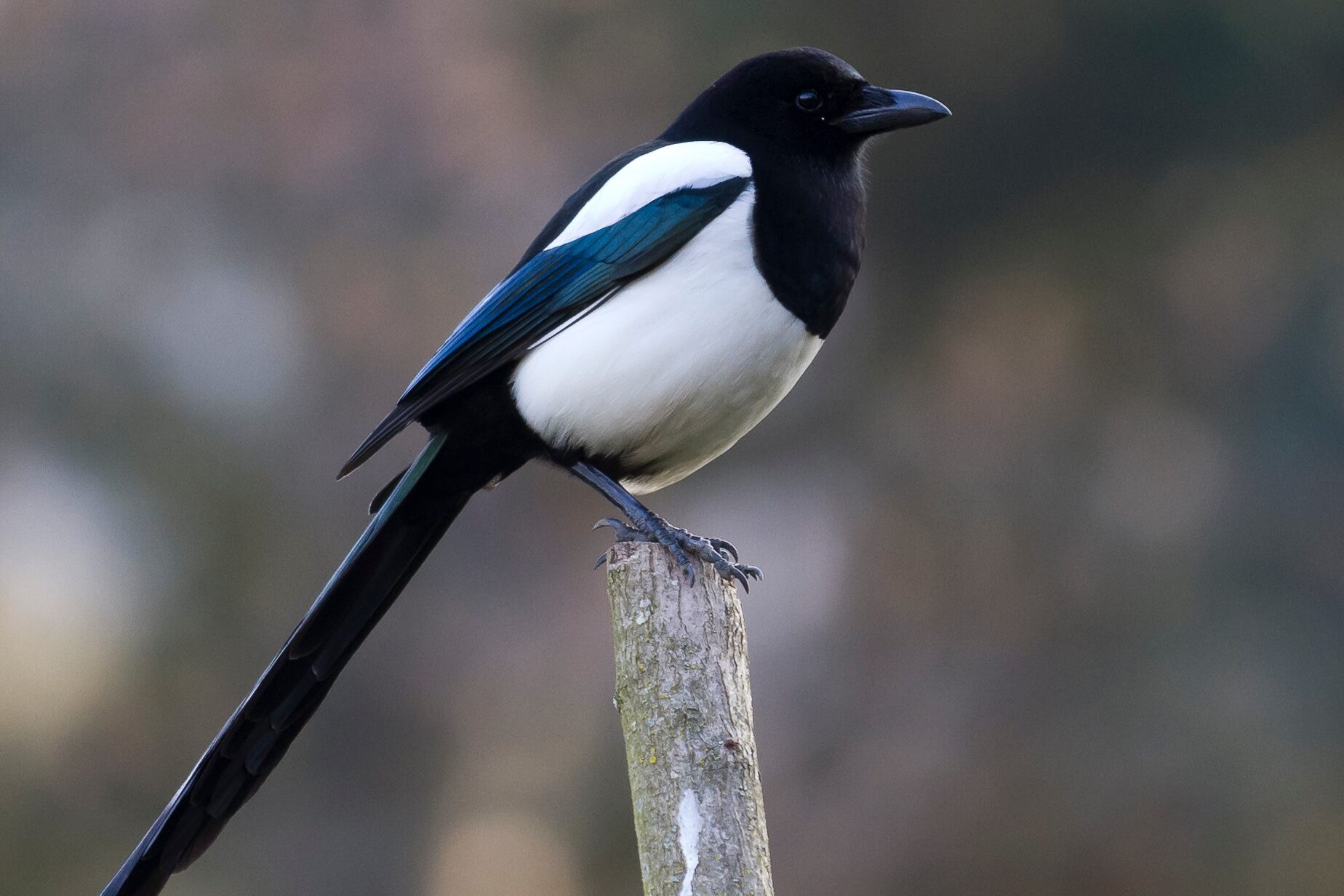
Among birds, magpies have offered some of the most intriguing observations. Studies involving the Eurasian magpie have documented individuals placing grass or small twigs near the bodies of deceased companions. In research published by scientists from the University of Colorado Boulder, magpies were seen approaching a dead bird cautiously, vocalizing softly, and in some cases touching or pecking gently before stepping back.
The researchers were careful not to overinterpret, describing the behavior as possible investigation or social learning. Yet they noted that the placing of grass was unexpected and not directly tied to feeding or nesting. Magpies are highly intelligent corvids, capable of recognizing themselves in mirrors and forming complex social ties. When one dies, the others respond in a way that appears ritualistic, even if we do not fully understand it. The small gesture of laying grass beside a fallen bird feels understated, almost modest, but it leaves the impression that something more than simple curiosity is at work.
10. Sea Lions: Mothers Who Wait
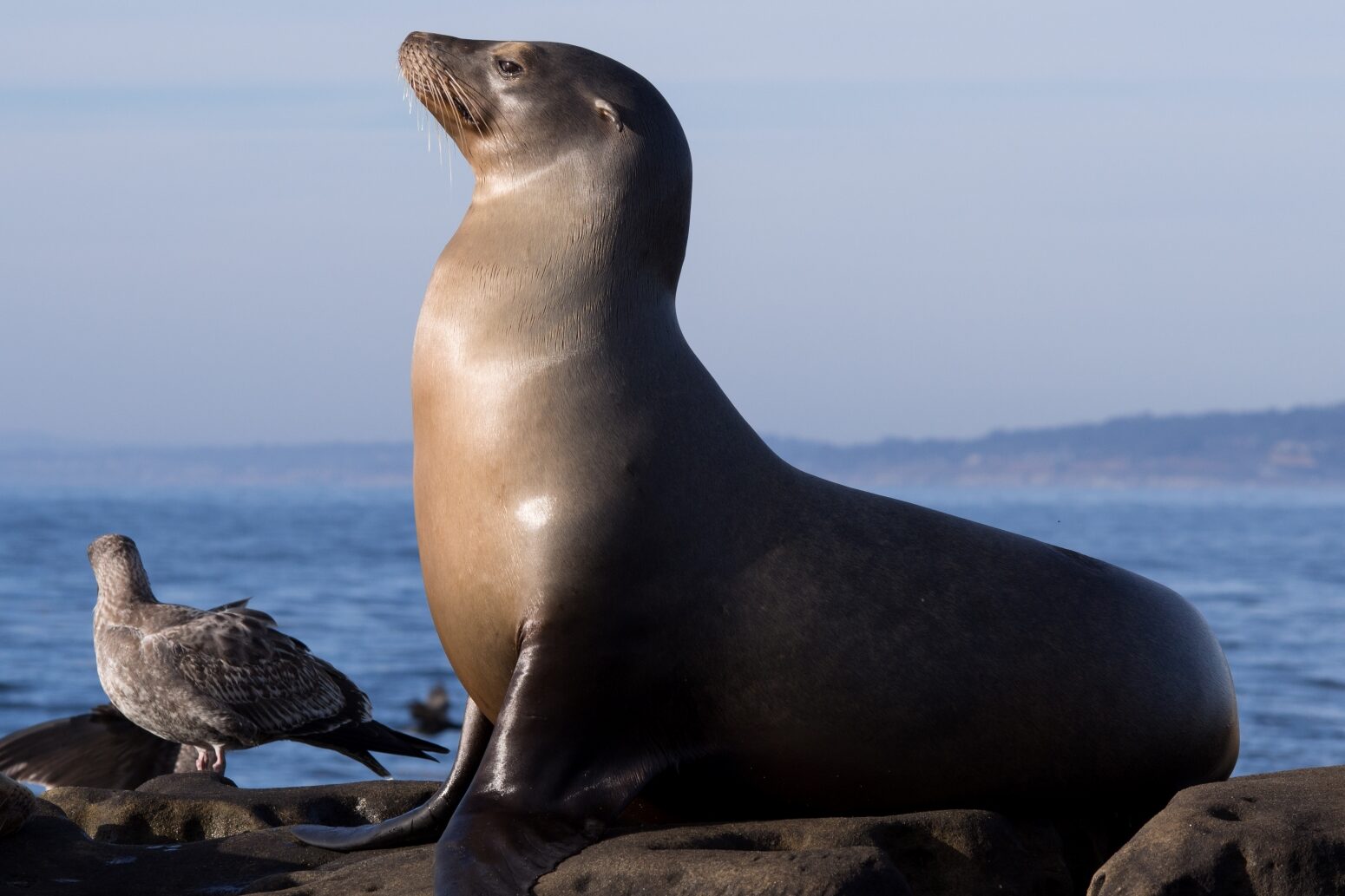
Along rugged coastlines, colonies of California sea lion gather in noisy clusters. Pups call constantly, and mothers learn to recognize their own by sound alone. Marine researchers have observed that when a pup dies, some mothers remain nearby, vocalizing and nudging the body. In certain cases, they attempt to carry or swim with the pup, even when it no longer responds.
Biologists note that this behavior is most common shortly after death, suggesting a period of recognition or adjustment. Other sea lions may linger at the edges, their usual bustling energy subdued. Scientists often frame the response in terms of maternal investment and bonding, but they acknowledge that the emotional lives of marine mammals are complex. The prolonged attention given to a deceased pup stands in contrast to the colony’s normal rhythm. In a place defined by sound and motion, the pause of a mother who waits just a little longer feels like more than instinct alone.
11. Parrots: Calling for the Absent
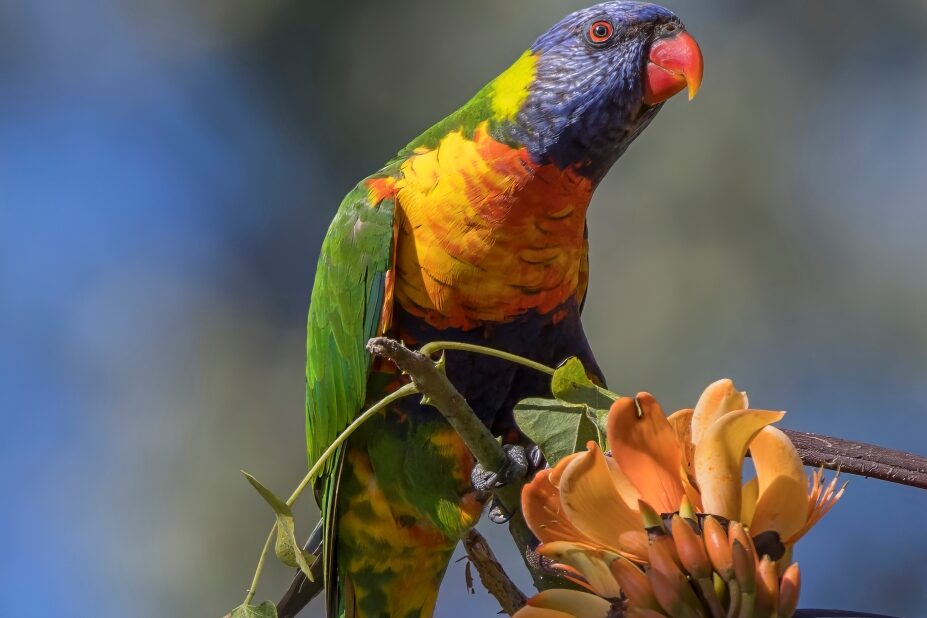
Parrots are known for their voices, but it is in silence that change becomes noticeable. In species such as the African grey parrot, strong pair bonds are common, with mates preening and feeding one another daily. Avian researchers and long time caretakers have reported that when one bird in a bonded pair dies, the surviving partner may call repeatedly, searching the cage or aviary and showing decreased appetite.
Some parrots become withdrawn, fluffing their feathers and reducing play. Veterinarians and behavior specialists often advise caretakers to provide extra stimulation and social contact during this period. While it is difficult to separate stress from grief, the behavioral shift is consistent enough to be widely recognized. Parrots are intelligent, emotionally responsive birds capable of learning words and mimicking tone. When a companion is gone, the absence is not subtle. The quiet perch, the repeated call into empty space, and the gradual adjustment over time all suggest that loss, in their world, carries weight too.
12. Prairie Dogs: A Quiet Pause Underground

It might surprise some people, but even small mammals show signs that hint at mourning. Observations of the Black-tailed prairie dog reveal tight-knit colonies built around family groups. When a member dies, others have been seen approaching the body, sniffing and gently pawing at it before stepping back.
Researchers studying prairie dog communication have long noted their complex vocal systems and strong social ties. After a death, the colony’s activity sometimes slows briefly, with nearby individuals remaining alert but unusually subdued. While much of this may be caution related to predators, the focused inspection and short lived stillness are notable. Scientists continue to study whether such behaviors represent awareness of death or simply reaction to change. Even so, the pattern repeats across species: social animals respond when one of their own is gone. And perhaps that is where the quiet connection lies, not in grand gestures, but in the simple act of noticing, pausing, and adjusting together.


