
Tracks That Instantly Trigger Heat, Freedom, And Memory
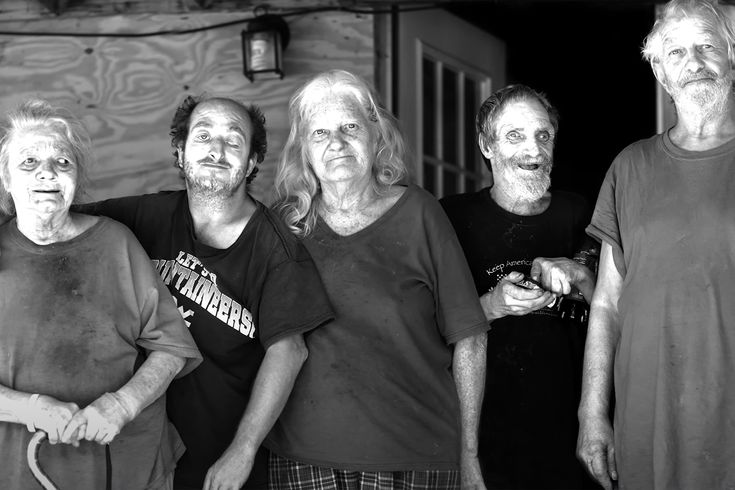
The story of the Whittaker family, nestled deep within the winding backroads of Odd, West Virginia, has captivated the global imagination in a way that feels both unsettling and deeply human. For many of us, their faces represent a forgotten corner of the world where time seems to have stood still, yet their sudden rise to internet fame has opened up a complex dialogue about ethics and the exploitation of poverty. This topic matters because it forces us to confront the thin line between documentary storytelling and digital voyeurism while we navigate the uncomfortable realities of rural isolation in the modern age.
As we peel back the layers of the viral videos and the haunting photographs, we begin to see a narrative that is far more nuanced than a simple tale of genetic misfortune. This is a story about a community that protects its own and the complicated relationship between those who live on the fringes of society and the creators who bring their lives into our living rooms. By exploring the deceptions and truths behind their story, we gain a better understanding of how media can shape our perception of reality and why it is vital to approach such sensitive subjects with a balance of curiosity and profound respect.
The Myth Of Pure Isolation
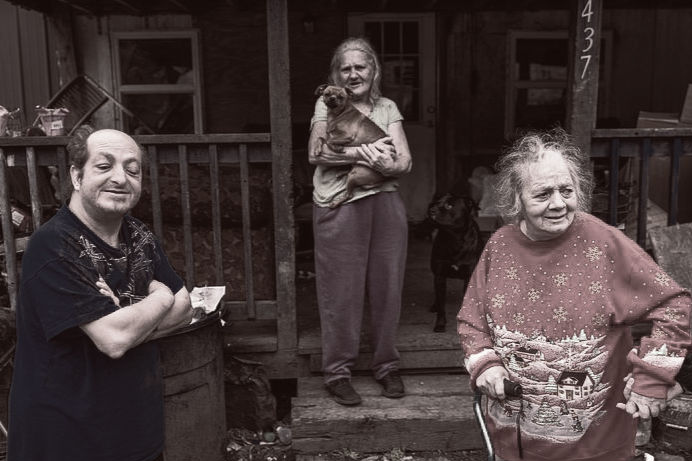
The narrative surrounding the Whittaker family often suggests they were discovered in a state of total isolation from the modern world, yet the reality is far more integrated. While it is true that they live in a remote part of West Virginia, they have never been completely cut off from their local community or the basic structures of society. Many viewers believed they were stumbling upon a lost tribe of sorts because of the raw footage captured by filmmaker Mark Laita, but the family has actually interacted with neighbours and local authorities for decades. This misconception was fueled by the initial shock of their living conditions, which many mistook for a lack of contact with the outside world rather than a reflection of systemic poverty.
In truth, the family has been known to the residents of Raleigh County for a very long time, and they were never the mystery that the internet made them out to be. The idea that they were “hidden away” served a specific media narrative that prioritised sensation over the mundane reality of their daily lives. By framing them as a total anomaly, the early viral reports ignored the fact that they are simply a family living in extreme hardship. This distinction is crucial because it shifts the focus from a supposed “freak show” discovery to a more grounded discussion about how rural families survive when they are overlooked by the wider economic system for generations.
The Complexity Of Genetic History
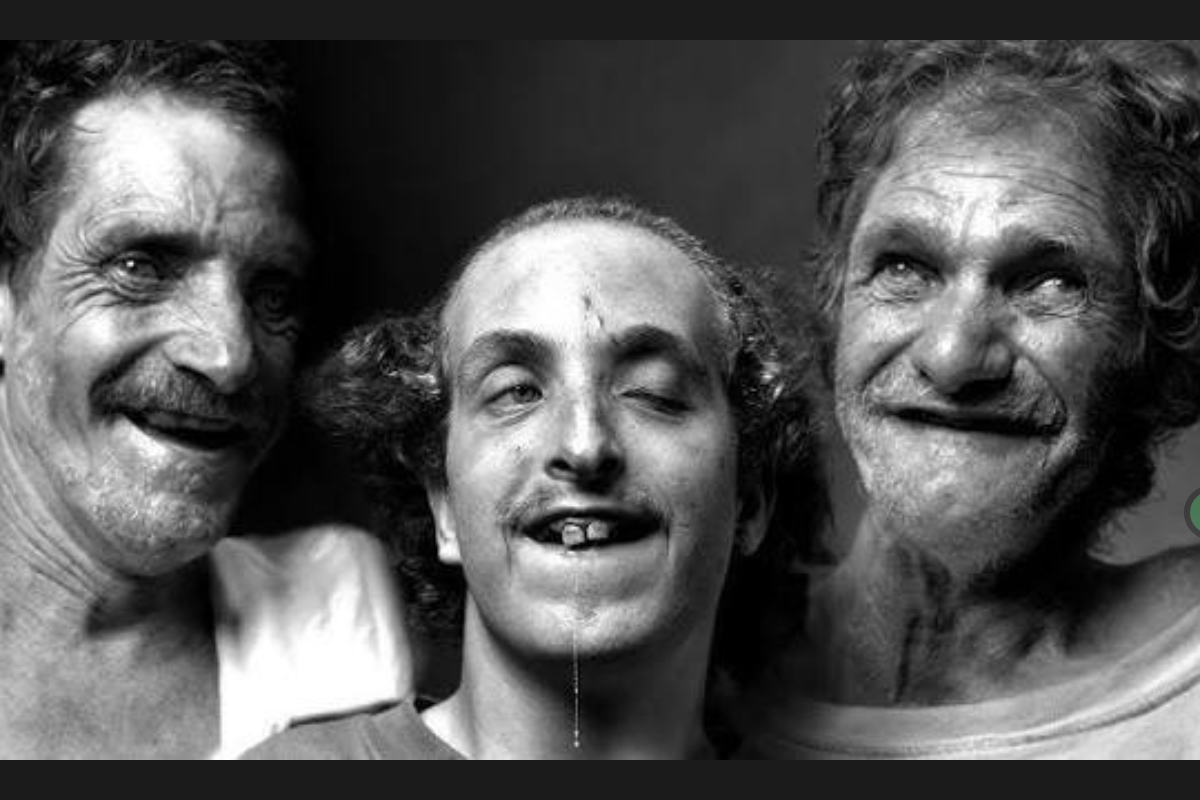
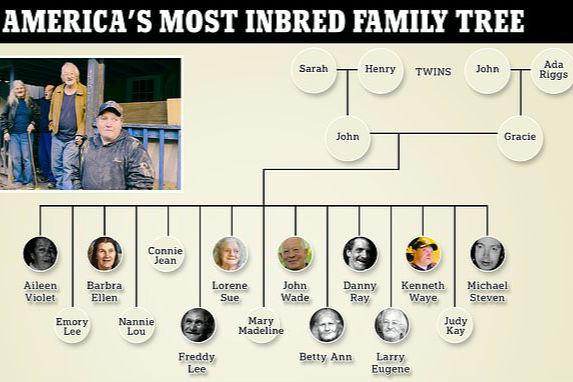
One of the most persistent deceptions regarding the Whittakers is the specific nature of their inbreeding, which is often oversimplified for dramatic effect. While the family does have a history of consanguineous marriages, the genetic reality is a complex web that spans several generations rather than a single instance of parental misconduct. Their parents, who were first cousins, shared the same sets of grandparents, and this repeated pattern over time led to the significant physical and cognitive challenges seen in the siblings today. People often assume a more scandalous or immediate origin for their condition, but the truth is rooted in a long-standing cultural and geographic isolation that made such unions common in the area.
This historical context is frequently stripped away in social media snippets, leaving behind a distorted image of the family’s heritage. The deceptive simplicity of the “inbred” label fails to account for the multiple brothers and sisters who did not exhibit the same traits as Ray, Lorraine, or Timmy. By focusing only on those with visible disabilities, the media has created a lopsided view of their biology that ignores the broader family tree. Understanding the timeline of their ancestry requires looking back to the early twentieth century, yet most modern reports prefer to focus on the immediate shock value of their current state without explaining the generational factors at play.
Fabricated Deaths For Profit

A particularly stinging deception involved a claim that one of the family members had passed away, a ruse allegedly designed to elicit financial sympathy from donors. Mark Laita, the photographer who spent years documenting and helping the family, revealed his heartbreak when he discovered that a death had been faked to solicit money. This incident shattered the trust between the documentary maker and the family, as it suggested that the Whittakers, or those advising them, had learned how to manipulate the digital audience’s emotions for gain. It was a stark reminder that even those living in extreme poverty are capable of complex, if misguided, deceptions when faced with the lure of internet-funded charity.
This specific lie caused a rift in the community of supporters who had been moved by the family’s plight and had contributed to various fundraising efforts. When the truth emerged that the individual was actually alive and well, it cast a shadow over the genuine needs of the family and complicated the narrative of their innocence. This event serves as a cautionary tale about the ethics of “poverty tourism” and the unintended consequences of injecting large sums of money into a vulnerable household. It highlights how the pressure of viral fame can distort the behaviour of those who were never prepared for the scrutiny that comes with having millions of eyes on their private lives.
The Mystery Of Ray’s Communication
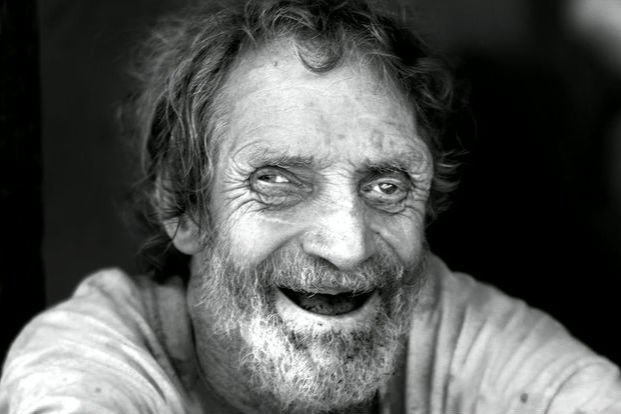
For years, many viewers were led to believe that Ray Whittaker was entirely incapable of human speech and could only communicate through barks or grunts. While his primary method of interaction is indeed non-verbal, those who have spent significant time with him have noted that his communication is far more sophisticated than the viral videos suggest. He possesses a deep understanding of social cues and can follow complex instructions, yet the “barking” narrative was often amplified to make him seem more animalistic for the camera. This deception stripped Ray of his basic human dignity by focusing on his sounds rather than his ability to connect with others through gesture and emotion.
The truth is that Ray’s vocalizations are a specific response to his environment and his unique neurological state, but they are not his only way of being heard. People who visit the home often find that he is incredibly perceptive and can communicate his needs and feelings to his siblings with remarkable clarity. By leaning into the “barking” trope, certain media portrayals ignored his personality and his role within the family unit. This highlights the danger of reducing a human being to a single, shocking trait for the sake of clicks, as it ignores the rich internal life that Ray clearly possesses despite his inability to speak conventional English.
Misleading Claims Of Neglect
A common deception found in the comments sections of their videos is the idea that the family is being actively neglected or abused by their caregivers. While their living conditions are undoubtedly dire by modern standards, the bond between the siblings is actually one of profound care and mutual protection. The house is often cluttered and in disrepair, but this is a symptom of generational poverty and a lack of resources rather than a lack of love. Deceptive editing often highlights the most chaotic aspects of their home life while ignoring the quiet moments of tenderness where the siblings look after one another’s basic needs with genuine affection.
Furthermore, the family has often resisted outside interference because they fear being separated by social services, which has led to the misconception that they are being held against their will. In reality, their fierce loyalty to one another is what keeps them together in a world that they often find confusing and hostile. The narrative of neglect fails to account for the fact that they have survived for decades as a unit because they understand each other’s rhythms better than any outsider could. By framing their situation as purely one of abuse, the internet overlooks the resilience and the unique social structure that allows the Whittakers to function as a family.
The Truth About Their Wealth

There is a recurring deception that the Whittakers have become incredibly wealthy due to the millions of views their videos have garnered on YouTube and other platforms. While it is true that several GoFundMe campaigns have raised significant amounts of money, the family still lives in conditions that most would consider well below the poverty line. The money raised has often been used for essential repairs, such as a new roof or improved heating, but it has not transformed them into the “hidden millionaires” that some conspiracy theorists suggest. The reality is that managing large sums of money is difficult for a family with limited literacy and no experience with financial systems.
Much of the money donated by well-wishers has been managed by third parties or used for immediate medical needs and food, leaving the core of their lifestyle largely unchanged. The deception that they are “gaming the system” or living in luxury behind the scenes is not only false but also harmful, as it discourages genuine charity. The Whittakers remain vulnerable to exploitation by people who see them as a “cash cow,” and the influx of money has sometimes brought more trouble than relief. It is a sobering reminder that financial aid alone cannot solve the deep-rooted issues of social isolation and lack of education that have plagued the family for over a century.
Exaggerated Threats Of Violence

When Mark Laita first visited the family, he was famously warned by neighbours that he might be shot or run off the property, creating a narrative of “dangerous hillbillies” that persists to this day. This was a significant deception that painted the family and their community as inherently violent and hostile to outsiders. While the neighbours are indeed protective and suspicious of strangers with cameras, the Whittakers themselves have shown very little evidence of being a physical threat to anyone. The initial warning was more about the community’s distaste for being mocked than a genuine threat of bodily harm, yet it was used to add tension to the documentary.
This framing of the family as “dangerous” helped to create a sense of adventure for the filmmaker and the audience, but it did a disservice to the actual temperament of the siblings. Those who have approached them with respect and without cameras have often found them to be shy or simply disinterested rather than aggressive. By playing up the potential for violence, the media tapped into old stereotypes about Appalachian people that are both inaccurate and damaging. The reality is that the family’s “hostility” is a rational response to decades of being treated as a spectacle by people who do not have their best interests at heart.
The Illusion Of Mental Incapacity
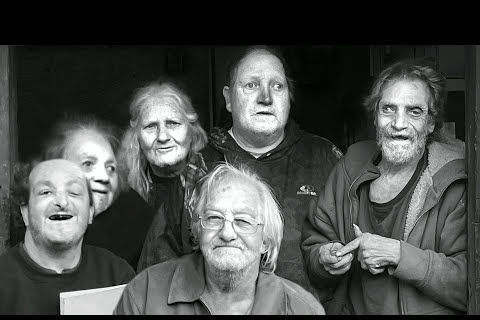
There is a widespread deception that all members of the Whittaker family are entirely devoid of mental capacity or the ability to make choices. This narrative is often used to justify the voyeuristic nature of the filming, under the guise that they don’t understand what is happening. However, many members of the family, including those who are less frequently seen on camera, are fully aware of their circumstances and the attention they receive. They have expressed a range of emotions regarding their fame, from amusement to frustration, proving that they are not just passive subjects but individuals with their own agency and perspectives on their public image.
Assuming that they are “mindless” allows the public to consume their story without feeling the guilt of intruding on the lives of sentient, feeling people. The truth is that their cognitive levels vary significantly across the family, and some members are quite sharp when it comes to understanding their environment. By treating them as a monolithic group of “incapable” individuals, the media ignores the nuances of their personalities and their ability to navigate their social world. This deception is perhaps the most dehumanising of all, as it denies them the basic human right to be seen as people with thoughts, opinions, and a sense of self.
Misrepresented Living Conditions
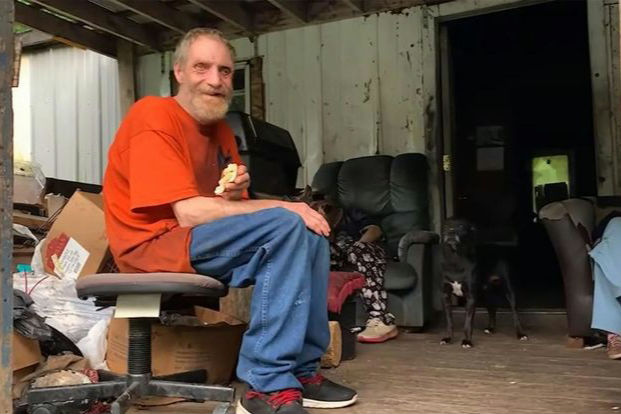
Social media often portrays the Whittaker home as a place of absolute squalor, using deceptive camera angles to focus on trash or disarray while ignoring the efforts made to keep the household running. While the house is undeniably in a state of decay, the family does have a routine and a way of life that works for them. The narrative that they live “like animals” is a common trope used to distance the audience from the family’s humanity. In reality, they have a kitchen, they cook meals, and they have clear social hierarchies and roles within the house that provide them with a sense of order and stability.
The deception here lies in the selective storytelling that chooses to ignore the improvements made over the years or the moments of cleanliness and pride. By only showing the worst parts of their environment, creators can maintain the “shock” factor that keeps viewers engaged. This one-sided view prevents the audience from seeing the Whittakers as people who are doing their best with very little. It also masks the reality that many families in rural America live in similar conditions due to the collapse of local industries and the lack of social safety nets, making the Whittakers an extreme example of a much broader, systemic problem.
The Fallacy Of The “Easy Fix”

Finally, there is the deception that the family’s problems could be easily solved if they were given medical assistance, simply moved to a modern facility or given a better house. This “saviour complex” narrative ignores the fact that the Whittakers are deeply rooted in their land and their family structure. Forcing them into a clinical environment would likely be traumatising and counterproductive, as their identity is tied to their home in Odd, West Virginia. The idea that outsiders know what is best for them is a recurring theme in their story, yet it often overlooks the family’s own desires to stay together in the only place they have ever known.
True help for the Whittakers is far more complex than a one-time donation or a change of scenery; it requires long-term support that respects their autonomy and their bonds. The deception that there is a “quick fix” allows the audience to feel better by suggesting that someone else should just “do something,” without acknowledging the difficult ethical questions involved. Ultimately, the family’s situation is a reflection of deep-seated issues that cannot be resolved with a simple intervention. Their story reminds us that human lives are messy and complicated, and that true compassion involves seeing people as they are rather than as problems to be solved.
The saga of the Whittaker family challenges us to look past the “lies and deceptions” of viral media and instead consider the profound impact of poverty, isolation, and the ethical responsibilities of those who tell these stories.
Like this story? Add your thoughts in the comments, thank you.


