
The Joker
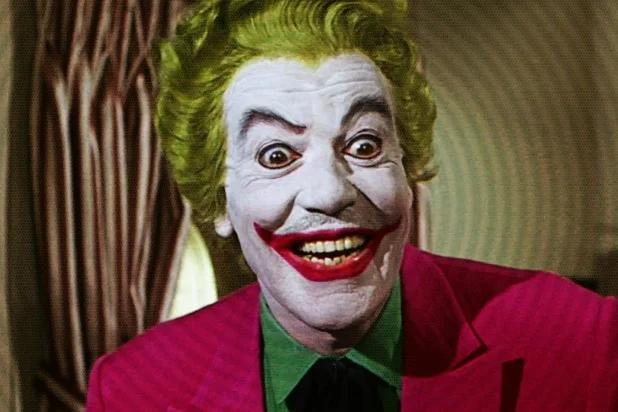
The Joker is arguably the most iconic face in Batman’s history, and Cesar Romero’s performance starting in 1966 set the bar for every version that followed. With his signature cackling laugh and bright purple suits, he brought a sense of “gleeful chaos” to Gotham that felt more like a circus than a crime wave. A fun piece of TV trivia is that Romero famously refused to shave his mustache for the role; if you look closely at high-definition clips today, you can still see it hiding under his thick white face paint.
Beyond the makeup, this Joker was a master of the “long con” prank, using elaborate props and absurd riddles to keep the Dynamic Duo on their toes. He didn’t just want to take over the city; he wanted to make sure everyone was watching his performance while he did it. This theatrical approach made him Batman’s most consistent headache and the show’s favorite guest star, appearing in 22 episodes over the series’ three-season run. He served as a constant reminder that in the world of 1960s Gotham, danger was often wrapped in a very funny package.
Riddler
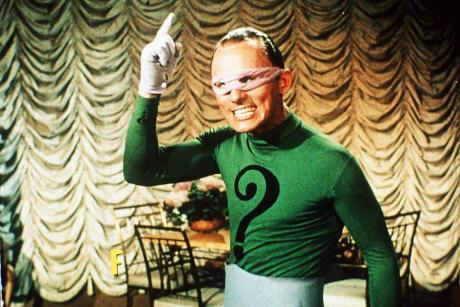
The Riddler quickly became a breakout hit for the show, primarily because Frank Gorshin brought an unmatched, manic energy to the character beginning in the very first episode. Gorshin’s high-pitched giggle and frantic movements made every scene feel electric, earning him an Emmy nomination for his portrayal in 1966. Whether he was wearing the classic green question-mark suit or a sharp tuxedo, he was always the smartest, and most hyper, person in the room. Even when John Astin stepped into the role briefly, the character’s obsession with puzzles remained the core of the threat.
What really engaged families at home were the riddles themselves, which allowed viewers to try and solve the mystery alongside Batman and Robin. The Riddler’s schemes weren’t about physical strength; they were a battle of brains, forcing the Caped Crusader to use his detective skills to save the day. This focus on “mind games” over muscle gave his episodes a unique rhythm that felt sophisticated yet playful. By turning crime into a giant crossword puzzle, the Riddler ensured that every one of his appearances was a clever challenge that fans still talk about at conventions today.
Penguin
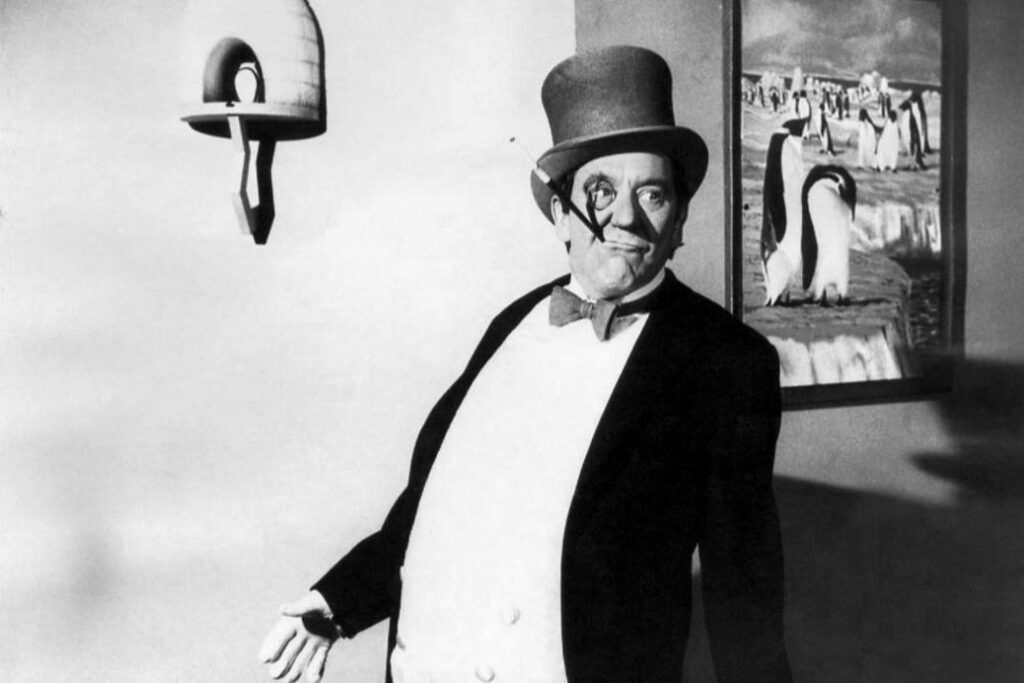
Burgess Meredith’s Penguin was the perfect mix of high-society polish and total absurdity, making his debut just weeks after the show premiered in 1966. With his signature “waddle,” tuxedo, and that unforgettable quacking laugh, he carried himself like a gentleman of the underworld. He was rarely seen without a cigarette holder or his iconic monocle, creating a visual style that was instantly recognizable to kids and parents alike. He wasn’t just a criminal; he was a “fine-feathered fiend” who brought a touch of class to his many chaotic capers.
The Penguin was actually the most frequent guest villain on the show, popping up in 20 episodes because audiences simply couldn’t get enough of his umbrella gadgets. These weren’t your average rainy-day accessories; they doubled as everything from flamethrowers to escape helicopters. His crimes usually involved high-stakes heists targeting Gotham’s elite, blending his love for luxury with his ambitious criminal mind. This consistency made him feel like a permanent fixture of the city, and Meredith’s dedicated performance helped cement the Penguin as one of the most enduring figures in the entire Batman mythos.
Catwoman
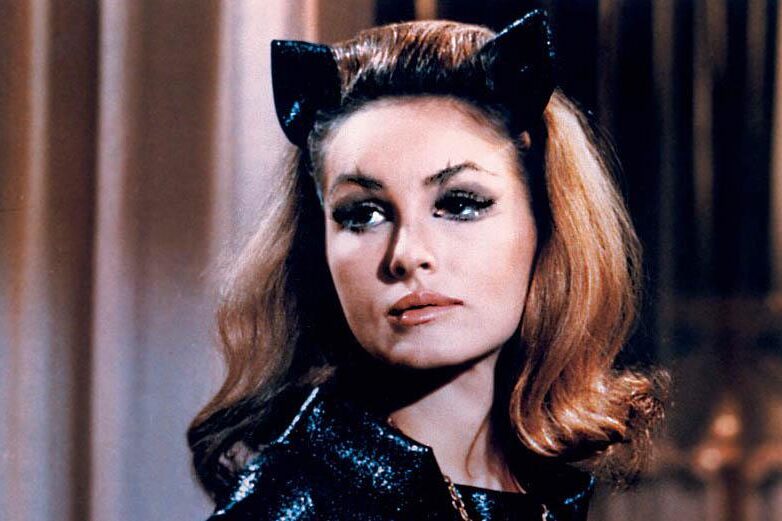
Catwoman brought a sophisticated and sleek energy to the series that was unlike any other villain in Gotham. Portrayed by the legendary Julie Newmar in the first two seasons and later by Eartha Kitt in 1967, she was a character who thrived on being both dangerous and incredibly clever. Her cat-themed gadgets and gymnastic fighting style gave her a distinct edge, but it was her quick wit that truly made her a fan favorite. She wasn’t just looking for a payday; she was looking to prove she was the most capable person in the room.
The most fascinating part of Catwoman’s story was her complicated “cat and mouse” relationship with Batman himself. There was often a hint of mutual respect, and even a little bit of flirting, between the two, which added a layer of human emotion that other villains lacked. While she was definitely a thief with a love for rare jewels, her motivations often felt more personal and layered. Whether she was played with Newmar’s playful elegance or Kitt’s purring intensity, Catwoman remained a character who walked the line between hero and villain, creating some of the show’s most memorable and talked-about moments.
Mr. Freeze
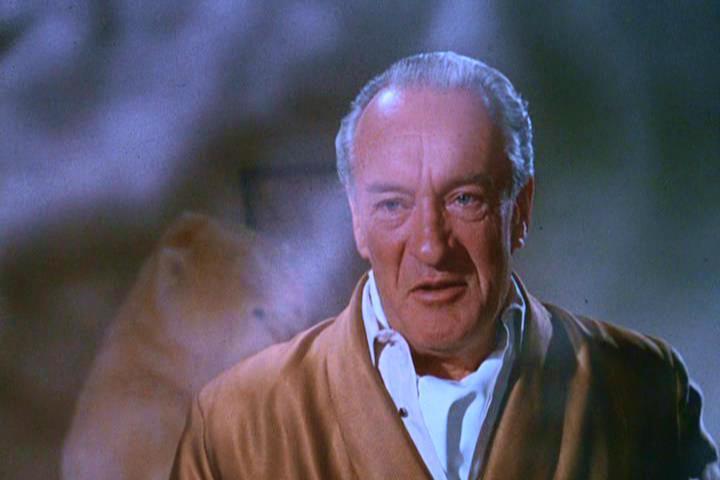
Mr. Freeze was a standout villain who brought a cool, science-fiction vibe to the streets of Gotham. Over the course of the series, he was played by three different Hollywood heavyweights: George Sanders, Otto Preminger, and Eli Wallach. Each actor brought a slightly different flavor to the role, but the character always relied on his “freeze gun” technology to stop Batman in his tracks. His striking visual appearance, usually involving a specialized suit to keep him at sub-zero temperatures, made him one of the most unique-looking rogues in the gallery.
What made Mr. Freeze interesting was the tragic backstory underlying his theatrical crimes. Because he could only survive in extreme cold, he was a man isolated from the world he was trying to conquer, which added a tiny bit of sympathy to his frosty persona. His episodes often featured elaborate icy traps and “cool” puns that fit perfectly with the show’s campy sense of humor. By leaning into these sci-fi elements, the show was able to move away from standard bank robberies and into more imaginative territory, ensuring that Mr. Freeze left a lasting, chilly impression on the audience.
Mad Hatter
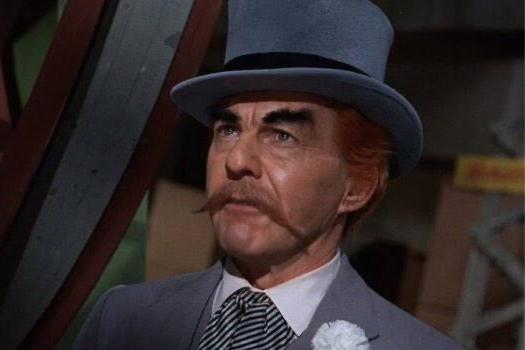
The Mad Hatter brought a surreal and slightly trippy quality to Gotham’s criminal underworld when he appeared in 1966. Played by David Wayne, he was a villain obsessed with “headwear,” using high-tech mind-control devices hidden inside oversized hats. This concept turned a simple fashion accessory into a weapon of manipulation, making him a particularly tricky foe for the Dynamic Duo. His refined, almost Victorian appearance made a sharp contrast with the bizarre and psychedelic nature of his mind-bending crimes.
His obsession with hats wasn’t just a gimmick; it was the foundation of his entire criminal identity. Whether he was trying to steal Batman’s cowl or take over the minds of Gotham’s citizens, the Mad Hatter always stayed focused on his specific theme. This singular drive gave his episodes a very specific “Alice in Wonderland” feel that stood out even in a show known for its eccentricities. By introducing a psychological element to his villainy, the Mad Hatter proved that some of the most dangerous threats weren’t physical, but were actually all in your head.
Egghead
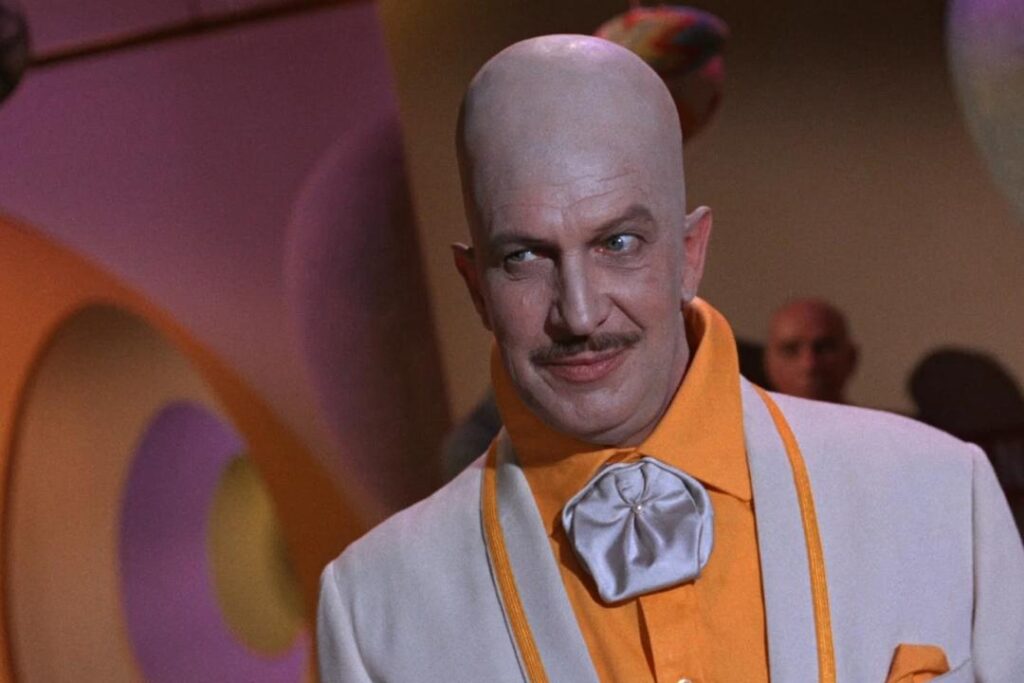
Egghead was one of the most delightfully “punny” characters ever created for television, and he was brought to life by the legendary horror icon Vincent Price in 1966. As an original character made specifically for the show, he was a bald genius who believed he was the smartest man in the world. Everything about him revolved around eggs, from his yellow-and-white suits to his “egg-straordinary” gadgets and endless supply of egg-themed jokes. Price clearly had a blast with the role, delivering every line with a theatrical flair that made the character a joy to watch.
Despite his silly theme, Egghead was actually one of the few villains smart enough to deduce Batman’s secret identity, making him a legitimate threat to Bruce Wayne. His schemes were incredibly complex and required a high level of intellect to solve, proving that he was more than just a walking pun. This mix of high-level brainpower and absurd comedy was exactly what the Batman series did best. Egghead remains a cult favorite today because he represents the peak of the show’s creative imagination, showing that even the weirdest ideas could become iconic with the right actor behind them.
King Tut
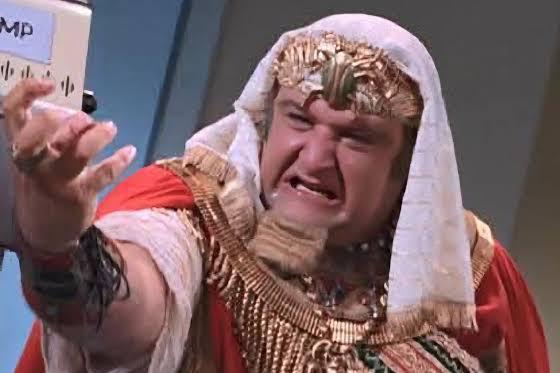
King Tut is perhaps the best example of the show’s ability to turn a wild premise into a recurring hit. Played by the boisterous Victor Buono starting in 1966, the character was originally a mild-mannered Yale professor who suffered a bump on the head during a student riot. This injury caused him to believe he was the reincarnation of an ancient Egyptian pharaoh, leading him to try and turn Gotham into his new kingdom. This “split personality” angle gave the writers plenty of room for both comedy and genuine tension as the professor struggled with his identity.
His episodes were always grand spectacles, featuring elaborate Egyptian costumes, golden thrones, and ancient-themed traps like the “pebble torture.” Buono’s performance was wonderfully over-the-top; he would switch from a scholarly tone to a commanding royal shout in a heartbeat. Because he was a character invented for the TV show rather than the comics, the creators had total freedom to make his stories as wacky as possible. King Tut’s popularity was so great that he appeared in every season of the show, proving that a delusional professor could be just as much fun as a master criminal.
Zelda
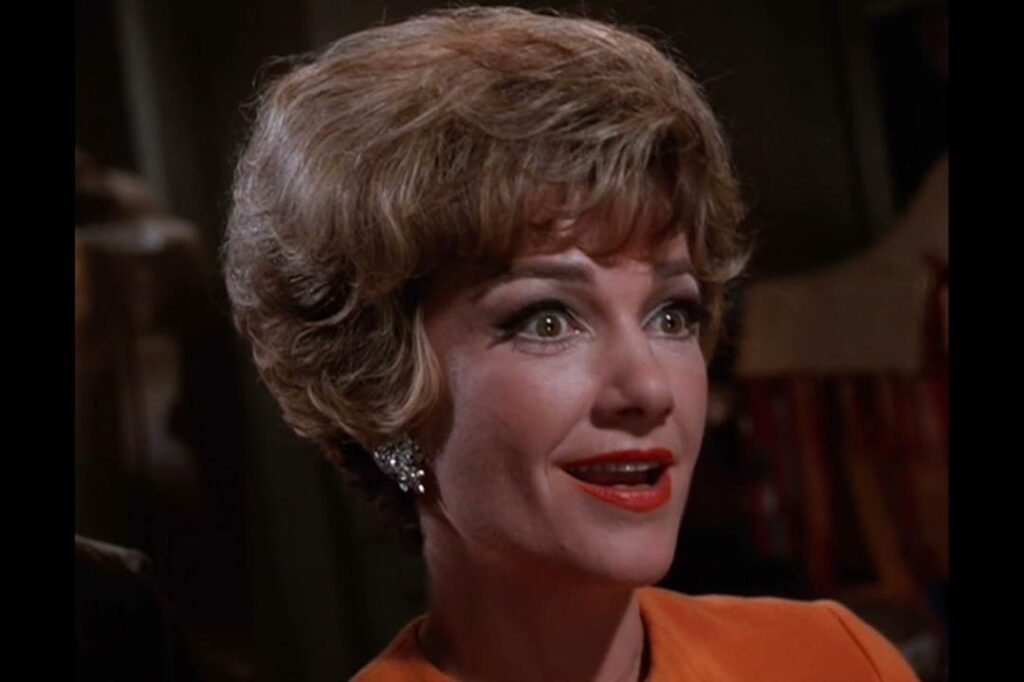
Zelda the Great brought a touch of old-school stage magic to Gotham during her memorable appearance in March 1966. Played by Anne Baxter, Zelda was a world-class illusionist and escape artist who used her professional skills to pull off daring robberies. Unlike many other villains who were purely motivated by greed or power, Zelda’s crimes were often driven by her need to fund her expensive magic acts and keep her career alive. This gave her a slightly more “human” motivation that made her feel different from the more cartoonish bad guys.
Her episodes were a visual treat, focusing on misdirection and “how-did-she-do-that” stunts rather than gadgets or brute force. She was a master of staying one step ahead of the police, using smoke and mirrors to vanish just when Batman thought he had her cornered. This focus on creativity and showmanship fit perfectly within the series’ theatrical world, highlighting the idea that crime in Gotham was often just another form of entertainment. Even though she didn’t appear as often as the Joker or Penguin, Zelda’s confidence and magical flair made her a standout example of the show’s diverse roster of antagonists.
Black Widow
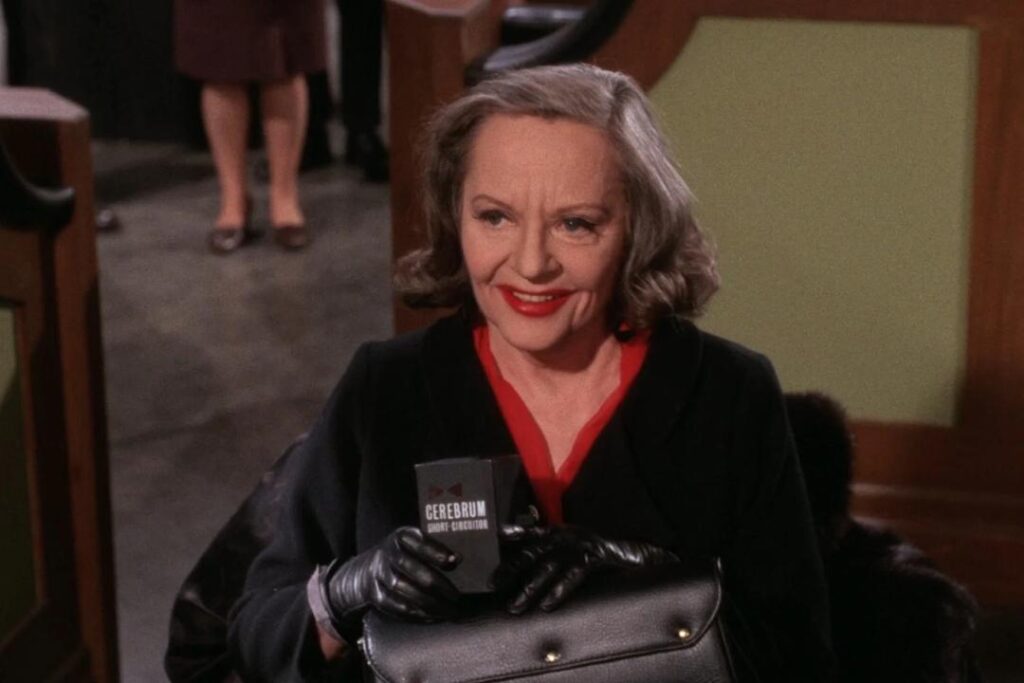
Black Widow brought a rare sense of elegance and danger to Gotham City, played with a commanding presence by the legendary Tallulah Bankhead in March 1967. Unlike many of the show’s more exaggerated villains who wore spandex or bright costumes, she relied on sophisticated deception and psychological manipulation. Her refined, high-society demeanor masked a truly ruthless streak, which made her stand out in a world often filled with more theatrical, “punny” criminals. She proved that a villain didn’t need a gimmick suit to be absolutely terrifying to the Caped Crusader.
Her schemes often revolved around trapping wealthy men in her “web” and draining their fortunes, a calculated approach to crime that felt more grounded than trying to freeze the city. Rather than relying on oversized gadgets or explosive props, she used her sharp intellect and charm as her primary weapons, which made her two-part episode feel uniquely tense. This subtlety added a great deal of variety to the series’ second season, proving that not every antagonist needed a giant rubber duck to be effective. The result was a character who felt both dangerous and sophisticated, leaving a lasting mark on the show’s legacy.
Clock King
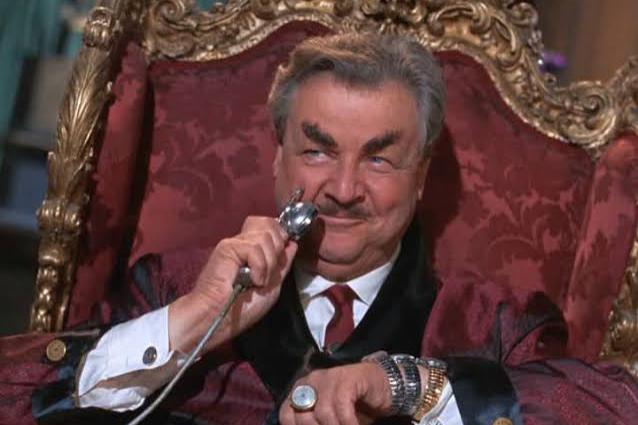
The Clock King introduced a fascinating obsession with time that shaped every single aspect of his criminal identity during his October 1966 debut. Played by Walter Slezak, this villain was meticulous and deliberate, famously planning his crimes down to the exact second to ensure success. This rigid discipline gave the character a sense of order that contrasted sharply with the chaotic energy of the Joker or the Riddler. He wasn’t interested in theatrical laughs; he was interested in the ticking of a stopwatch and the perfect execution of a heist.
His schemes often revolved around timing-based tricks and carefully orchestrated robberies that challenged Batman in a very different way. Instead of dealing with unpredictability, the Dynamic Duo had to find a way to disrupt a plan that was moving with mechanical precision. This focus on “beating the clock” created a natural sense of urgency in his episodes, making the stakes feel higher as the seconds ticked away. By turning time itself into a weapon, the Clock King added a unique rhythm to the show’s storytelling and reinforced the idea that even the smallest delay could mean the difference between victory and defeat.
Bookworm

The Bookworm, portrayed by the talented Roddy McDowall in April 1966, was a villain entirely driven by the world of classic literature. His crimes were inspired by famous works of fiction, giving his schemes a thematic richness that really set him apart from the typical bank robber. He approached every heist like he was writing a masterpiece, carefully crafting each “chapter” of his crime to mirror the narratives he admired most. With his leather-bound suit and glasses, he looked more like a librarian than a mastermind, but his intellect was undeniably dangerous.
This literary angle made his episodes feel incredibly clever and layered for the whole family to enjoy. Batman and Robin often had to act as literary critics, interpreting clues rooted in famous authors and historical texts to predict his next move. His obsession with knowledge gave him a heavy intellectual presence that balanced out his eccentric behavior perfectly. The Bookworm wasn’t just committing crimes for the money; he was trying to create a narrative that would live forever. This blurred the line between a criminal and a frustrated artist, making him one of the most imaginative characters in the show’s history.
Minerva
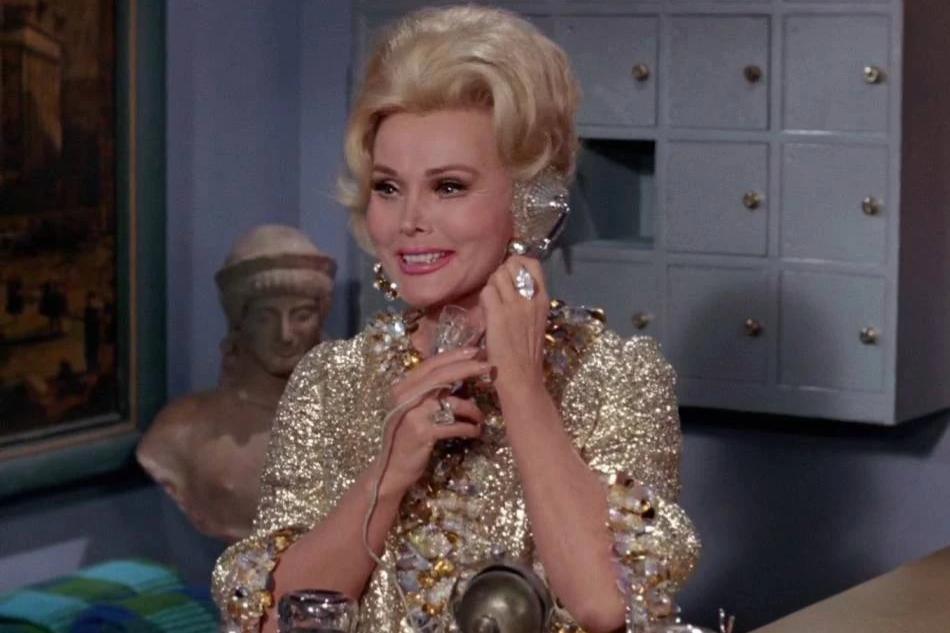
Minerva appeared in the final episode of the entire series on March 14, 1968, bringing a modern and glamorous twist to Gotham’s long list of rogues. Played by the socialite Zsa Zsa Gabor, she ran a high-end spa that secretly used a “Deep-Memory Drainer” to steal the knowledge and secrets of her wealthy clients. This unusual concept gave her storyline a slightly futuristic and high-tech edge that felt fresh for the late 1960s. Her charm and confidence made her a memorable presence, even though she only appeared at the very end of the show’s run.
Minerva’s scheme reflected a different kind of villainy, one rooted in corporate exploitation rather than public spectacle. By targeting the minds and memories of her victims, she introduced a psychological element that felt very distinct from the physical threats posed by characters like King Tut. This approach helped the series go out on a high note, showing that new and creative ideas were still emerging even in the final weeks of production. Her character highlighted the dangers of vanity and greed, providing a stylish conclusion to a series that had redefined what a TV villain could look like.
Sandman
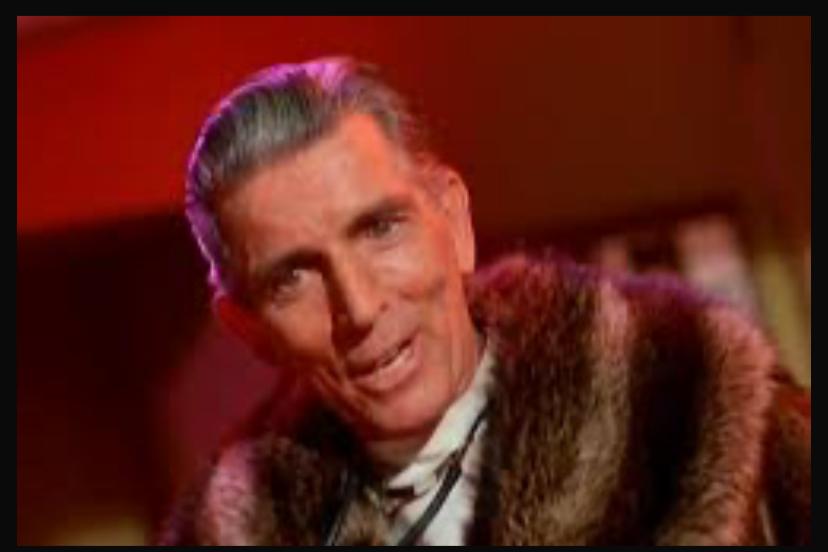
The Sandman brought a quieter and more atmospheric kind of danger to the series during his debut in early 1967. Played by Michael Rennie, he used special sleep-inducing powders to carry out his crimes, which gave his episodes a strange, dreamlike quality that fascinated viewers. His calm and composed demeanor made him feel almost detached from the usual colorful chaos of Gotham, making him a chillingly effective antagonist. He didn’t need to shout or laugh to get his way; he just needed his targets to close their eyes for a few seconds.
His partnership with Catwoman in the “The Sandman Cometh” storyline added a really interesting dynamic to the show. This pairing blended his subdued, professional presence with her high-energy charisma, creating a layered story where their contrasting styles actually worked well together. The Sandman’s reliance on sleep and dreams introduced a threat that operated on the very edge of human consciousness, which was a departure from the show’s usual gadget-heavy plots. The result was a set of episodes that stood out for their moody tone and unique pacing, proving that silence could be just as threatening as a “Kaboom!”
Shame
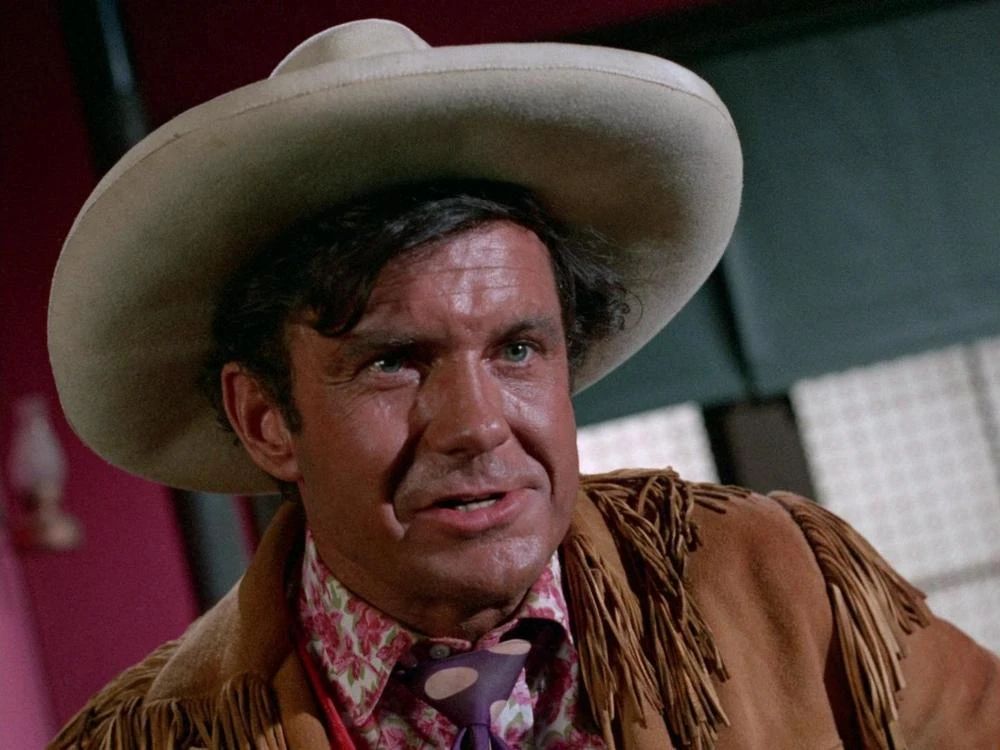
Shame was a playful and hilarious parody of classic Western outlaws, brought to life by the Academy Award-winning Cliff Robertson in 1966. Inspired by cinematic cowboys like those in Shane, he spoke with a slow drawl and acted like a frontier gunslinger, even though he was operating in the middle of a modern urban setting. This hilarious contrast created a comedic effect that fit perfectly with the show’s campy tone. He often rode around in a truck styled like a stagecoach, bringing a bit of the “Wild West” to the paved streets of Gotham.
His crimes often involved exaggerated showdowns and frontier-style antics, which made his episodes feel like a Western movie had accidentally crashed into a superhero world. Despite his somewhat bumbling nature and his sensitivity about being called “shameful,” there was a certain charm to his character that made him oddly likable to audiences. Shame demonstrated the show’s willingness to experiment with different movie genres, resulting in a villain who felt refreshingly different from the usual caped criminals. His episodes remain a fan-favorite example of how the series used parody to keep the storytelling lighthearted and fun for everyone.
Louie The Lilac
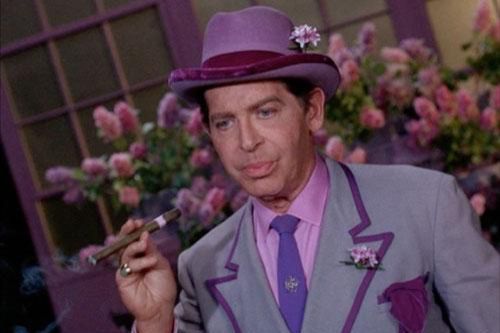
Louie the Lilac, played by the legendary comedian Milton Berle in 1967, brought a bright floral flair to the dark corners of Gotham’s underworld. His obsession with flowers influenced everything from his colorful hideouts to his criminal schemes, which usually involved botanical themes or flower-based traps. This unusual focus made him instantly memorable, especially since he was portrayed by one of the biggest stars in television history. Berle brought his signature high-energy “Uncle Miltie” persona to the role, making every scene he was in feel like a comedy special.
His personality was loud and theatrical, which matched the vibrant and colorful nature of his floral-themed crimes. Louie’s use of flowers as both a decorative choice and a potential weapon added a whimsical touch that aligned perfectly with the show’s famous campy style. While he might not have been the most physically imposing villain on the roster, his distinctive theme and Berle’s comedic timing ensured that he left a lasting impression on fans. He proved that even the most unusual concepts, like a flower-obsessed gangster, could work beautifully within the imaginative and unpredictable world of the 1960s Batman series.
Marsha
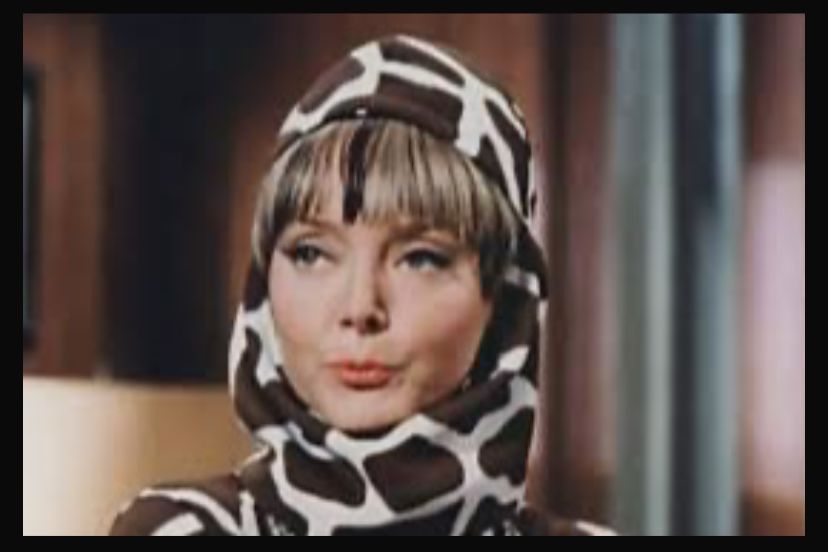
Marsha, the Queen of Diamonds, was the embodiment of glamour and obsession when she first appeared in November 1966. Played by Carolyn Jones, who was already famous for her role as Morticia Addams, she was completely fixated on precious gems, particularly high-quality diamonds. This singular drive pushed her into a life of crime, but she carried herself with a regal demeanor that made her feel more like royalty than a thief. Her presence on screen was always sophisticated, giving her a commanding edge that elevated her episodes beyond a simple robbery plot.
Her schemes often involved elaborate, high-stakes plots to acquire the world’s rarest jewels, which reflected her single-minded pursuit of wealth and beauty. Marsha’s character highlighted the allure of luxury while also showing the darker side of greed in a way that was safe and accessible for younger viewers. Her elegance and unwavering determination made her a truly compelling adversary for the Caped Crusader. By balancing incredible style with a focused criminal ambition, Marsha’s episodes perfectly captured the spirit of the show, where even the villains had a sense of class and a love for the finer things in life.
False Face
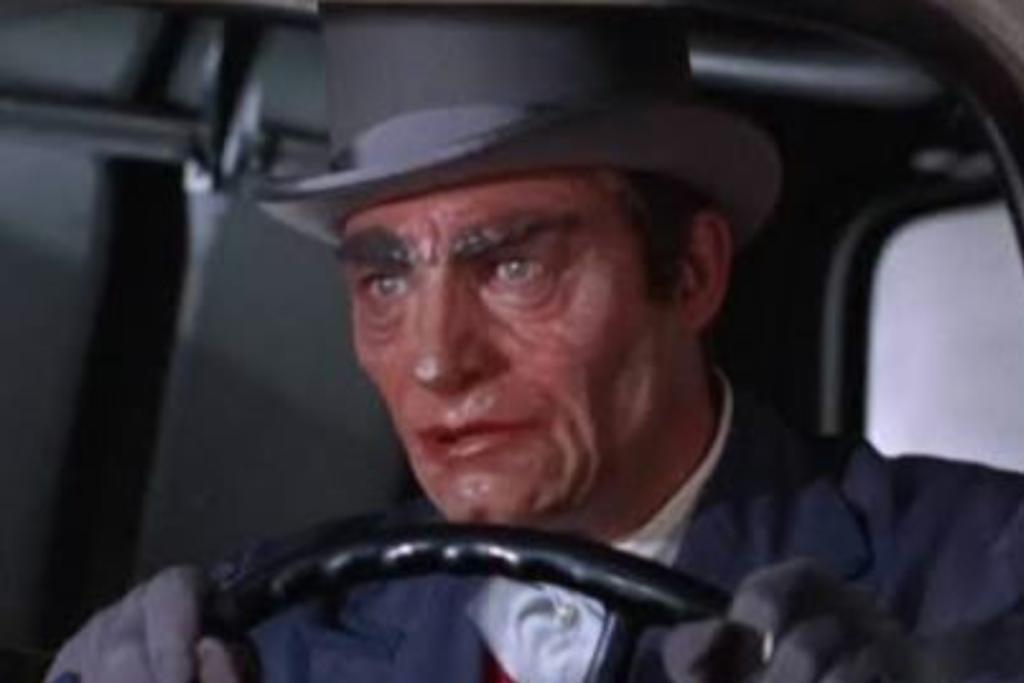
False Face was easily one of the most mysterious and unsettling villains in the show’s history, known for his incredible ability to disguise himself as almost anyone. Appearing in March 1966, this shapeshifting quality allowed him to infiltrate banks, police stations, and even Wayne Manor, creating a sense of total confusion. Unlike other villains whose faces were their brand, False Face was literally a man of a thousand identities. This constantly changing persona made him incredibly difficult for Batman and Robin to track, as they never knew who to look for.
His episodes leaned heavily into the themes of deception and hidden identity, creating a layer of suspense that set him apart from the more straightforward rogues. Batman and Robin had to be extra cautious, as every person they encountered could potentially be the villain in disguise. This focus on “the art of the mask” added a psychological tension to the show, keeping the audience guessing until the very last moment. False Face’s ability to become anyone turned every interaction into a potential trap, reinforcing the idea that in Gotham, things are rarely what they seem on the surface.
Colonel Gumm
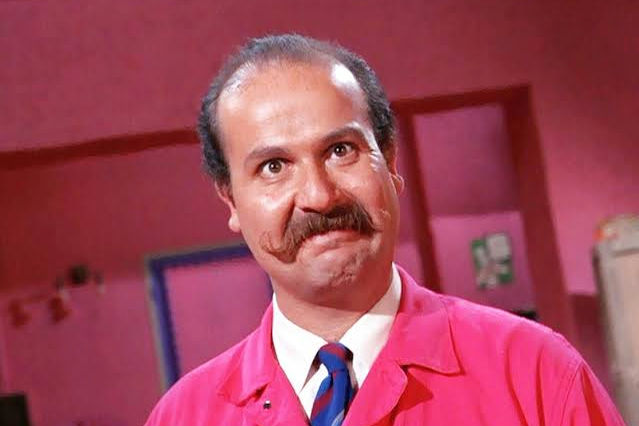
Colonel Gumm brought a distinct “pop-art” sensibility to the show during his appearance in early 1967, fittingly portrayed by the versatile Art Carney. His crimes were centered around the world of fine art, often targeting valuable paintings and sculptures while blending his own twisted creativity with his criminal intent. This artistic angle gave his episodes a visual flair that mirrored the real-world pop-art movement of the 1960s. He treated his crimes like gallery openings, making him one of the most aesthetically focused villains in the entire series.
One of the coolest parts of his storyline was the “meta” inclusion of real-life pop artist Andy Warhol, which blurred the line between the fictional world of Batman and the actual culture of the era. Colonel Gumm’s schemes celebrated the beauty of art while simultaneously trying to exploit it for profit, creating a playful contradiction that the show handled with its usual wit. This combination of high-brow culture and low-brow crime made him a very unique antagonist. He showed how the series could draw inspiration from contemporary trends while maintaining its signature sense of humor and colorful style.
The Archer
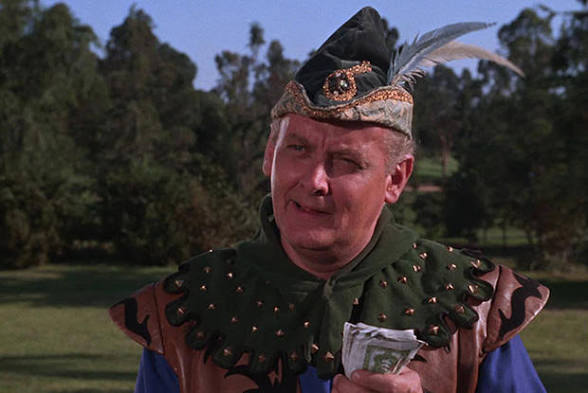
The Archer brought a fun, medieval twist to the high-tech chaos of Gotham when he made his debut in the second season on August 24, 1966. Played by the talented Art Carney with a perfect mix of humor and cunning, he was styled after a modern-day Robin Hood. He initially charmed the public by pretending to be a noble outlaw who stole from the wealthy to give to the poor, creating a bit of a PR headache for Batman and Robin. However, it wasn’t long before his true colors showed, revealing that his “charity” was really just a cover for his own greedy agenda.
His episodes were visually engaging because of his signature trick arrows and his theatrical band of “Merry Men,” who turned every heist into a costume drama. The Archer’s charm came from this blend of old-world idealism and modern opportunism, which kept the audience guessing about his next move. While he may not be as famous as the Joker, his unique bow-and-arrow theme added a lot of creative variety to the show’s legendary lineup. His character really showed off the series’ ability to take classic legends and give them a playful, “campy” update that felt perfectly at home in the 1960s.
Ma Parker
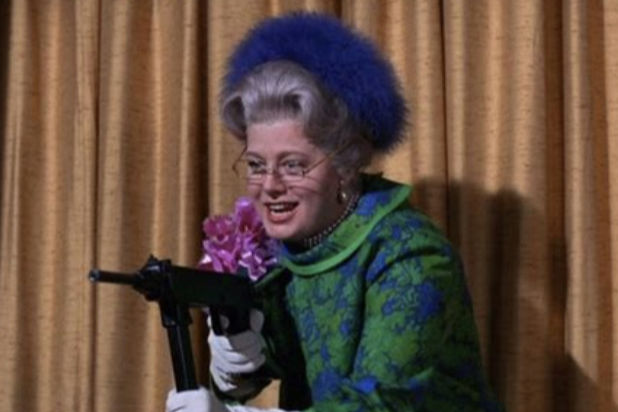
Ma Parker stands out as one of the most unconventional and memorable villains to ever challenge the Caped Crusader, brought to life by the legendary Shelley Winters in October 1966. Inspired by the real-life historical figure Ma Barker, she led a literal family-run crime syndicate consisting of her own children. This unusual setup turned traditional domestic roles into tools for organized crime, giving her a distinct maternal authority that felt completely unique in Gotham’s underworld. She was the boss, the mother, and the mastermind all rolled into one tough package.
Her boldest scheme involved a plan to take over Gotham State Penitentiary from the inside, showing off a level of strategic thinking that few other villains could match. She willingly let herself be captured just to gain control of the prison’s resources, which created a more structured and deliberate pace for her episodes compared to the usual frantic chases. Ma Parker’s blend of motherly care and criminal ambition created a fascinating contrast that fans loved. She proved that you didn’t need a superpower or a fancy gadget to be a formidable leader who could command total loyalty while orchestrating a city-wide crime spree.
Lord Ffogg
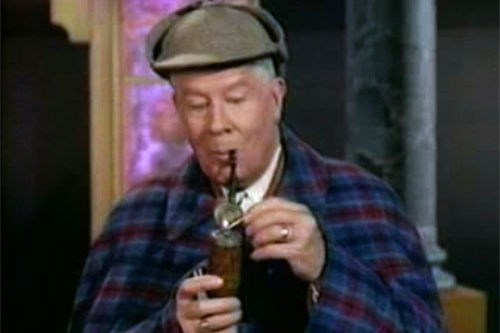
Lord Marmaduke Ffogg introduced a sophisticated British flair to the series during a special three-part adventure that aired in late 1967. Played by Rudy Vallée, he was a refined aristocrat with impeccable manners and a very dangerous secret weapon: a pipe that emitted a thick, blinding fog. He used his custom-made inventions to obscure his crimes, literally surrounding his master plans in a layer of mystery that Batman had to navigate. His polished demeanor made his criminal activities feel almost like a polite hobby, which added a wonderful layer of irony to his character.
His partnership with Lady Penelope Peasoup allowed him to expand his criminal reach, turning their operations into a coordinated team effort that even took the Dynamic Duo across the pond. Their episodes were partly set in “Londinium,” giving families at home a fun change of scenery and a break from the usual Gotham streets. Ffogg’s reliance on clever gadgets and scientific mist instead of physical strength reinforced the show’s emphasis on creativity and wit. He remains a fan favorite for his ability to stay perfectly calm and dignified while causing absolute chaos for everyone around him.
Lady Peasoup
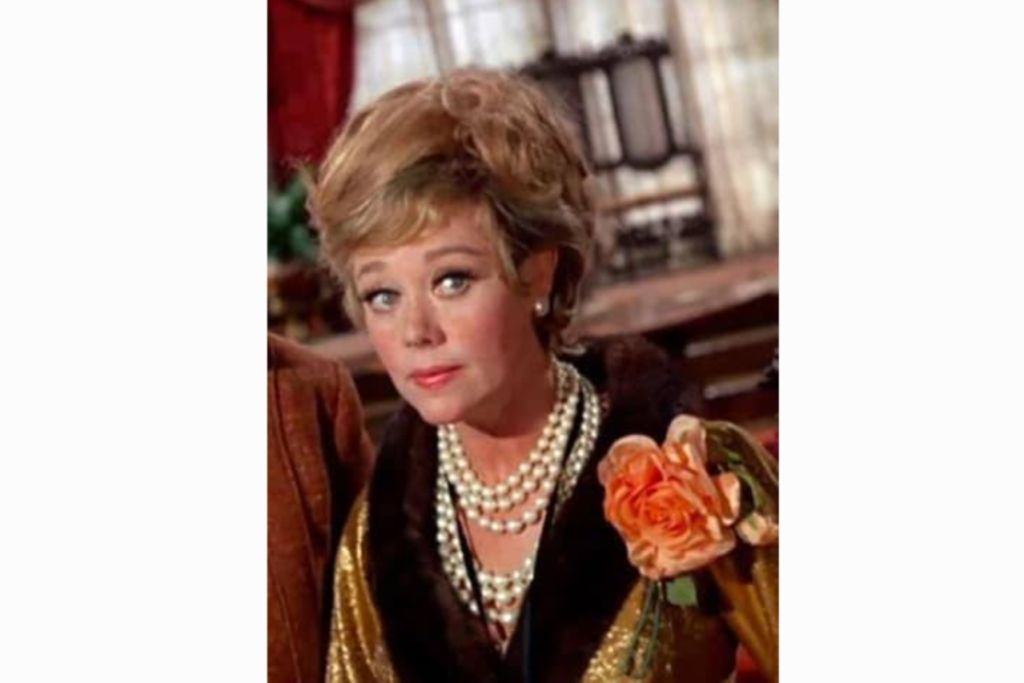
Lady Penelope Peasoup was the perfect partner-in-crime for Lord Ffogg, bringing her own brand of cunning and ambition to the show’s 1967 London-themed episodes. Portrayed by the charming Glynis Johns, she operated a finishing school that secretly served as a training ground for young women to become elite criminals. This clever front allowed her to blend high-society refinement with a life of deep deception, making her a very tricky opponent for the police to pin down. She was the brains behind the social curtain, proving that elegance could be a very effective disguise.
Her role in the Londinium storyline added a lot of depth to the show’s world, as she worked alongside Lord Ffogg to execute some of the series’ most elaborate international heists. Unlike many Gotham villains who preferred to act as “lone wolves,” Lady Peasoup thrived in a collaborative environment, making her schemes feel much more coordinated and professional. Her ability to maintain a respectable reputation while training the next generation of thieves highlighted the recurring theme of hidden identities. She was an intriguing and effective antagonist who showed that a little bit of class could go a long way in the world of crime.
Dr. Cassandra
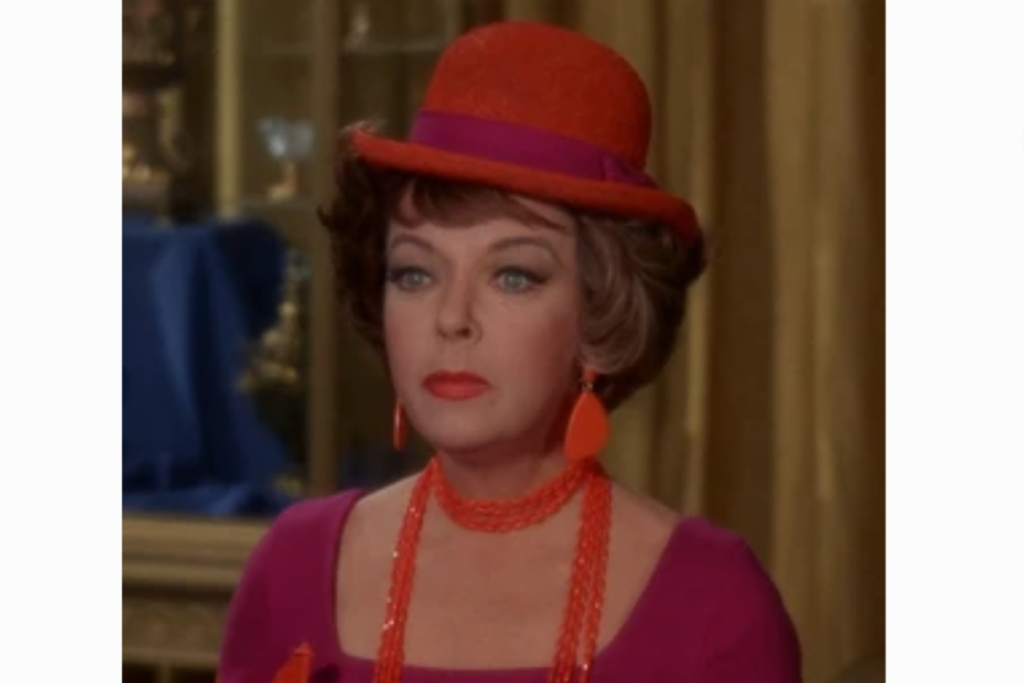
Dr. Cassandra Spellcraft brought a touch of mysticism and stage magic to Gotham’s criminal landscape when she appeared in the show’s final season in 1968. Played by the legendary Ida Lupino, she was a character who used hypnosis and clever illusions to manipulate her victims and stay one step ahead of the law. Her presence added a slightly darker and more mysterious tone to the series, which was a nice change of pace from the more comedic villains of the earlier seasons. She made every interaction feel like a psychological puzzle that Batman had to solve.
Her partnership with her husband, Cabala, further enhanced her theatrical abilities, blending classic stage magic with “hi-tech” trickery to control any situation without ever needing to throw a punch. This combination of skills made her feel uniquely powerful, as she could influence people’s minds rather than just their surroundings. Dr. Cassandra’s episodes leaned heavily into suspense and intrigue, offering a different style of storytelling that emphasized mental games over big physical spectacles. She remains an eerie and captivating figure who proved that in the world of Batman, the things you can’t see are often the most dangerous.
The Puzzler
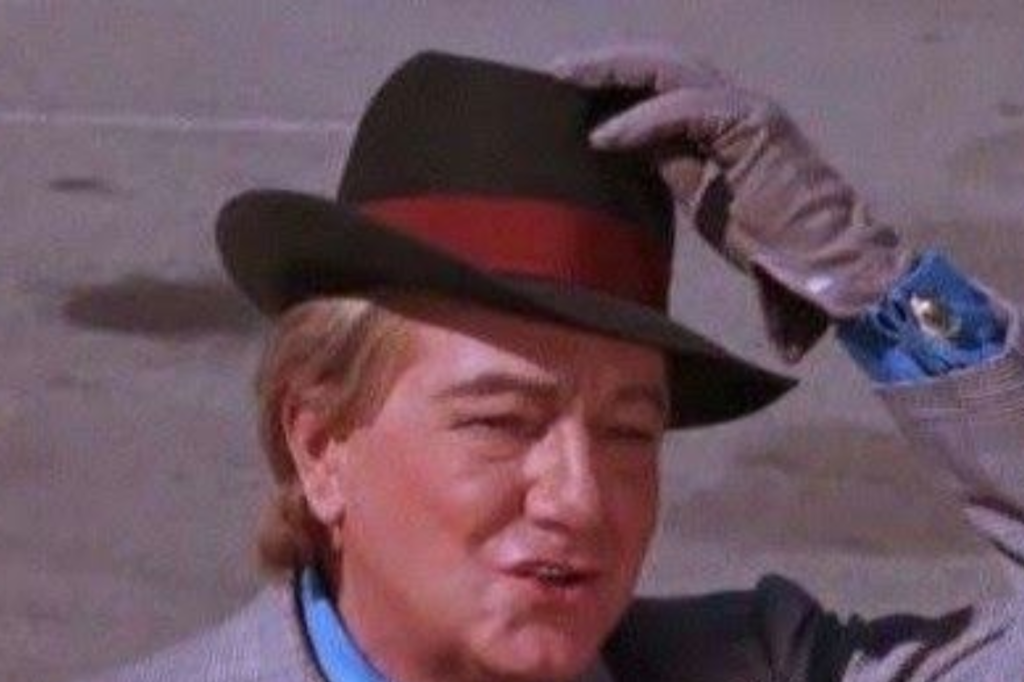
The Puzzler is a fascinating piece of television history, as he was originally created to fill the void when scheduling conflicts prevented Frank Gorshin from returning as the Riddler in 1966. Played by Maurice Evans, the character kept the popular theme of puzzles and intellectual challenges but added his own unique twist by referencing classic literature and aviation. While he shared some similarities with his predecessor, Evans brought a more Shakespearean and dignified energy to the role, which gave his version of a “puzzle-obsessed villain” its own distinct flavor.
His schemes retained the high-energy spirit of the show while introducing subtle differences in how the clues were presented to the audience. This allowed the production team to continue exploring riddle-based mysteries without feeling like they were just repeating the same character. The Puzzler’s existence is a great example of how the show’s creators could adapt to behind-the-scenes challenges while still delivering the engaging content that fans expected. Although he isn’t as iconic as the man in the green question-mark suit, he remains a very interesting example of how the series could expand its roster and keep the puzzles coming.


