
Robert Pattinson And The Twilight Shadow

Sometimes the role that launches a career also becomes the one that follows an actor everywhere. Robert Pattinson knows this feeling well. When Twilight arrived in 2008, the quiet British actor suddenly became the face of a worldwide phenomenon. His portrayal of Edward Cullen turned him into a global heartthrob almost overnight. Fans loved the mysterious vampire, but Pattinson often sounded unsure about the character in interviews. He once admitted that he sometimes struggled to connect with Edward’s intense personality. For audiences the character felt romantic and unforgettable, but for Pattinson it was simply a role he was still figuring out while living inside a spotlight that grew brighter every day.
The enormous success of the franchise meant Pattinson could not easily step away from the shadow of Edward Cullen. For several years, fans and media continued to associate him almost entirely with the Twilight world. That pressure eventually pushed him to make a deliberate change in direction. After the series ended, he began choosing smaller independent films where he could explore quieter and more complex characters. Those choices slowly reshaped how people viewed him as an actor. Today he speaks about Twilight with a calmer perspective. The role may have been complicated for him, but it opened the door to the long and evolving career he continues building today.
Kate Winslet And The Titanic Echo

When Titanic sailed into theaters in 1997, it did more than dominate the box office. It turned Kate Winslet into one of the most recognizable faces in the world. Her role as Rose became a defining image of romance in modern cinema. Audiences were captivated by the sweeping love story, and Winslet’s performance helped anchor the emotional heart of the film. Yet years later, Winslet has spoken honestly about how strange it feels to revisit the movie today. She has said that watching some scenes makes her uncomfortable, particularly when she hears her own American accent. With time and experience, she began noticing details in her performance she wishes she could redo.
Despite those feelings, Winslet has never dismissed the importance of the film. Titanic opened doors that shaped the rest of her career, placing her among the most respected actors of her generation. What she reflects on now is the reality of having a youthful performance preserved forever on screen. Most actors grow privately through early roles, but hers unfolded before a worldwide audience. That perspective has given her a balanced view of the film. She appreciates what it achieved while still recognizing the imperfections she sees today, which is something many artists quietly understand about their early work.
Daniel Radcliffe And Watching Harry Potter Grow Up

Growing up on screen is an experience very few actors ever have, yet Daniel Radcliffe lived it for more than a decade. When he first appeared as Harry Potter in 2001, he was a young boy stepping into one of the most beloved literary characters ever created. As the films continued, audiences watched him mature alongside the character. The series became a defining cultural moment, and Radcliffe’s face became permanently tied to the wizarding world. Still, the actor has admitted that revisiting certain installments can feel uncomfortable. He has said that when he watches some of the films now, he notices moments where he wishes he had performed scenes differently.
What Radcliffe describes is something many performers experience when looking back at early work. Acting is a craft that grows with time, and he was learning it while millions of people watched. Despite his critical view of those performances, he remains grateful for the opportunity the series gave him. The films created a loyal global audience and allowed him to explore many creative projects afterward. In the years since the final movie, Radcliffe has chosen unusual stage roles and independent films that highlight different sides of his talent, gradually showing audiences there is far more to him than the boy who lived.
Megan Fox And The Transformers Spotlight

When Transformers arrived in 2007, the explosive action film instantly captured global attention. Among the cast, Megan Fox quickly became one of the most talked about new stars in Hollywood. Her role as Mikaela Banes placed her directly in the center of a blockbuster phenomenon. Suddenly she was appearing on magazine covers and becoming a familiar face to audiences everywhere. Yet Fox later explained that the intense spotlight that followed the film was difficult to navigate. The public image created around her often focused more on appearance than on her ambitions as an actor, which made the experience feel limiting at times.
Over the years Fox has reflected on that period with greater clarity. She has described how sudden fame can create expectations that are difficult for young actors to manage. The Transformers films certainly gave her enormous visibility, but they also shaped how the industry initially viewed her. After stepping away from the franchise, Fox gradually pursued other roles that allowed her to explore different characters. Her reflections highlight a common challenge in Hollywood. A breakout role can bring incredible opportunity, yet it can also place actors inside a very specific image they later spend years trying to redefine.
George Clooney And The Batman Chapter
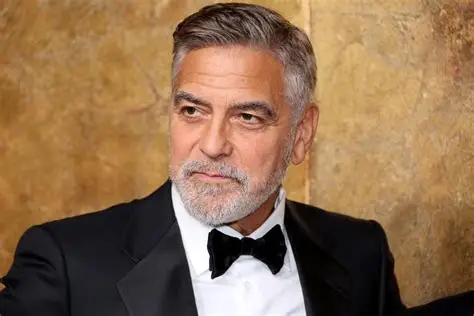
Every successful actor has a project they look back on with a mixture of humor and reflection. For George Clooney, that moment often appears when Batman and Robin from 1997 enters the conversation. Clooney stepped into the famous cape and cowl during a time when the Batman franchise had taken a colorful and exaggerated turn. The film featured bright sets, playful dialogue, and an energetic tone that divided audiences. While the movie drew attention at release, it quickly became known for its unusual style. Clooney himself has spoken openly about the experience in the years since, often laughing at the way the film turned out.
Rather than avoid the subject, Clooney has taken a relaxed approach when discussing the role. In interviews he has joked that he might have personally harmed the franchise before it was later revived in a darker direction. Those comments reflect the humility that has become part of his public image. What makes the story interesting is what happened afterward. Clooney went on to build one of the most respected careers in Hollywood as both an actor and director. The Batman chapter simply became one unusual stop along a much longer path that continued to evolve.
Halle Berry And The Catwoman Reflection
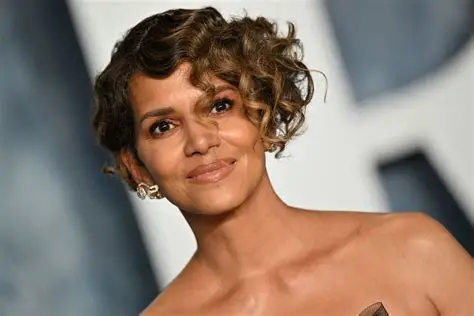
Halle Berry entered the 2004 film Catwoman as one of the most respected actors in Hollywood. She had already earned an Academy Award and built a strong reputation across many genres. Expectations were high when she took on the lead role in a major superhero film. Unfortunately the final movie struggled with critics and audiences after its release. Berry responded to the situation in a way that surprised many people. When the film received a Razzie Award recognizing the year’s worst performances, she attended the ceremony in person and accepted the award herself with humor and honesty.
During her speech, Berry thanked the studio with playful sarcasm and acknowledged that the film simply had not worked as planned. That moment became memorable because it showed an actor willing to laugh at her own misstep. Over time Berry has spoken calmly about the experience, explaining that filmmaking is a complex process and sometimes the final result does not match the original hopes. What remained clear was her professionalism and resilience. Even after that chapter, Berry continued building a diverse career filled with action films, dramas, and television roles that reminded audiences of her talent.
Channing Tatum And The G.I. Joe Commitment
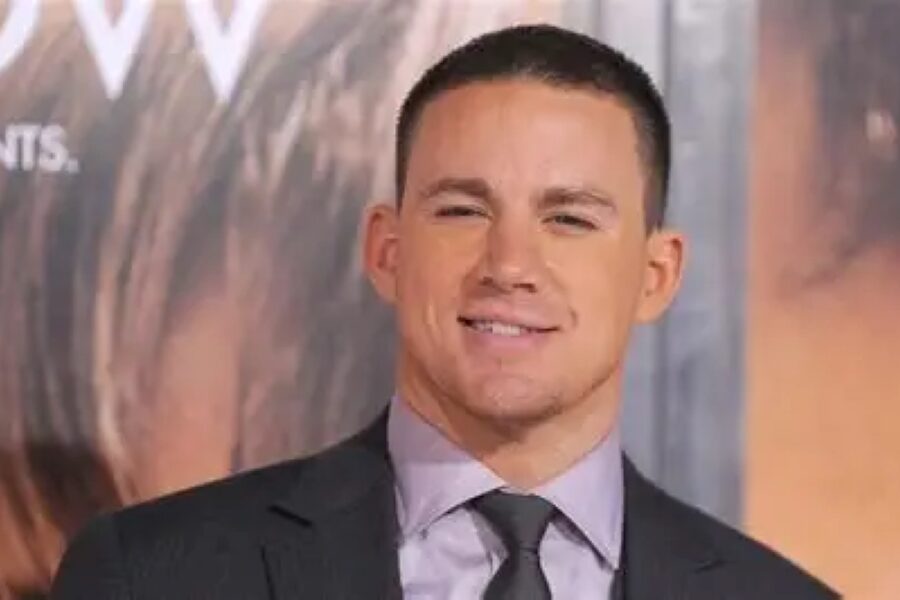
Channing Tatum’s career has taken many surprising turns, from dance films to comedies and action projects. Early in his rise to fame, he appeared in the action film G.I. Joe: The Rise of Cobra. The movie introduced him to audiences who enjoyed large scale adventure stories. Yet Tatum later revealed that the role was not originally one he was eager to take. In interviews he explained that contractual obligations played a part in his decision to join the project. At the time he felt uncertain about the character and the direction of the story, though he still approached the role with professionalism.
Looking back, Tatum has spoken openly about the experience without bitterness. He simply describes it as a job that came during a period when he was still navigating his place in the industry. Many actors accept roles for practical reasons before discovering the kinds of stories they truly want to tell. After that stage of his career, Tatum gradually moved toward projects that reflected more personal interests, including comedies and films he helped produce. His reflections show how an actor’s journey often includes unexpected detours before the path becomes clearer.
Alec Guinness And The Star Wars Phenomenon

Long before Star Wars changed the landscape of cinema in 1977, Alec Guinness was already an accomplished and respected actor. Known for his work in British theater and serious dramatic films, he carried a distinguished reputation into the role of Obi Wan Kenobi. The character became one of the most beloved figures in the entire franchise, guiding the young hero through the story with calm wisdom. Yet Guinness sometimes expressed mixed feelings about the extraordinary popularity that followed the film. The overwhelming cultural impact of Star Wars occasionally overshadowed the rest of his long and varied career.
For an actor who had spent decades building a reputation in classical drama, the sudden association with a science fiction saga felt unusual. While he appreciated the enthusiasm of fans, he sometimes struggled with the intense focus on that single role. Even so, his performance remains central to the legacy of the series. Generations of viewers still remember the calm authority he brought to the character. Over time the story has become a fascinating example of how actors can experience the same cultural phenomenon very differently from the audiences who cherish it.
Jamie Dornan And The Fifty Shades Spotlight

When Fifty Shades of Grey arrived in theaters, it immediately sparked conversation around the world. The film adaptation of the popular novels drew enormous attention, and Jamie Dornan suddenly found himself at the center of it all. Playing Christian Grey meant stepping into a character that audiences had already imagined in their own ways. The role brought Dornan global recognition almost overnight. While that visibility created new opportunities, the actor has admitted that the attention surrounding the character could feel overwhelming. Public curiosity about the role often overshadowed discussions about his broader acting work.
Over time Dornan has spoken thoughtfully about that period in his career. He acknowledges that the films introduced him to a worldwide audience and opened many professional doors. At the same time he has described how unusual it was to see one fictional character dominate public perception of his identity as an actor. Since then Dornan has taken on a variety of projects across television and film, gradually showing audiences different sides of his craft. His reflections illustrate a common reality in entertainment. A breakout role can be both a powerful opportunity and a complicated label that takes time to move beyond.
Blake Lively And The Gossip Girl Image

For many television fans, Blake Lively will always be Serena van der Woodsen from Gossip Girl. The glamorous series captured the imagination of audiences in the late 2000s and quickly turned its young cast into household names. Lively’s character lived in a world filled with wealth, drama, and complicated friendships, which made the show addictive for viewers. Yet the actor later shared that portraying Serena sometimes felt uncomfortable for her personally. In interviews after the show ended, she explained that some of the character’s choices did not always align with the values she believed in while growing up in the public eye.
That reflection did not mean she disliked the show. Lively has acknowledged that Gossip Girl gave her a platform that opened many opportunities in film and television. What she struggled with most was the idea that audiences might assume she was similar to the character she played. Over time she chose roles that showed different sides of her personality and acting range. Looking back now, Lively speaks about the series with appreciation, even while recognizing the complicated feelings that sometimes come with playing a character who becomes part of pop culture history.
Miley Cyrus And Leaving Hannah Montana Behind
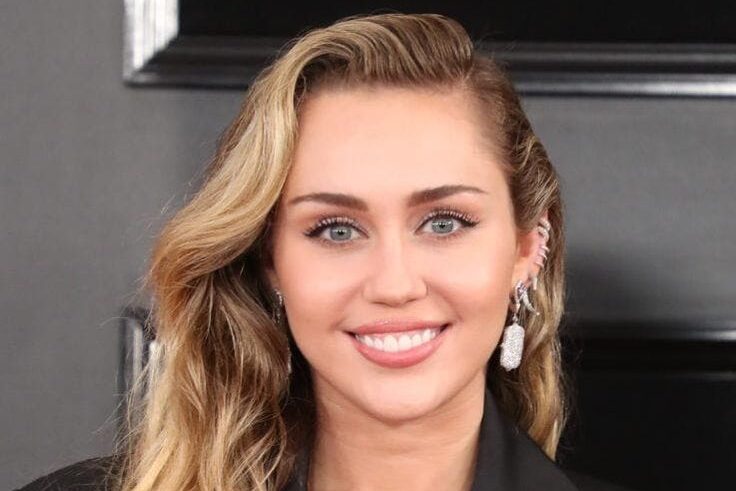
Before she reinvented herself as an adult performer, Miley Cyrus was known around the world as the cheerful star of the Disney series Hannah Montana. The show followed a teenage girl living a double life as both a regular student and a famous pop singer. It quickly became a global success and turned Cyrus into one of the most recognizable young entertainers of her generation. Yet the experience also created challenges as she grew older. Cyrus later explained that playing the character for so many years made it difficult to separate her real identity from the television persona fans expected.
As she entered adulthood, Cyrus felt the need to redefine herself artistically and personally. That transition brought intense public attention because audiences had become so attached to the image created by the show. Over time she has spoken about Hannah Montana with gratitude while also acknowledging the pressure it created during her teenage years. The series introduced her to the world, but stepping beyond it allowed her to explore new music, new ideas, and a more authentic version of herself. Her journey shows how childhood fame can shape a career in ways that take years to fully understand.
Shia LaBeouf And The Transformers Franchise Fatigue
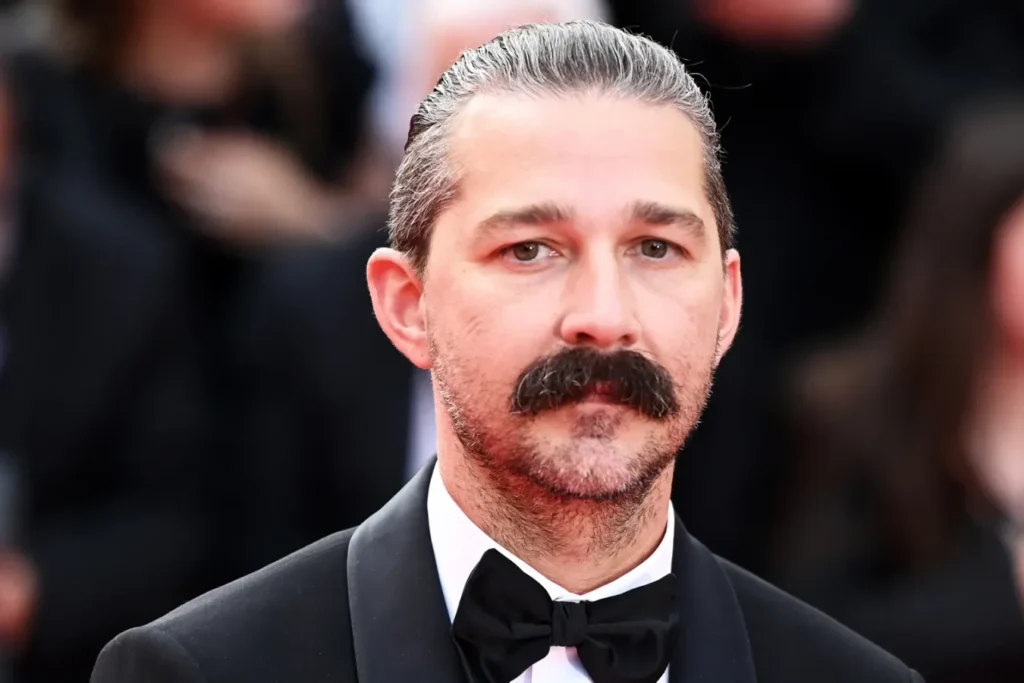
Shia LaBeouf became one of Hollywood’s most recognizable young actors after starring in the Transformers series. The films were massive global hits filled with explosive action and groundbreaking visual effects. For several years LaBeouf’s character served as the human center of the story, guiding audiences through the world of giant robots and high stakes battles. While the franchise brought him enormous fame, the actor later admitted that he struggled with the direction the series eventually took.
In interviews after leaving the franchise, LaBeouf explained that he began feeling disconnected from the storytelling as the movies grew larger and more spectacle driven. He felt that the emotional depth of the characters sometimes took a back seat to the scale of the action sequences. That realization led him to step away from the series and explore smaller films that focused more on character driven narratives. His comments were not meant to dismiss the success of the franchise but to explain his own creative priorities. The experience ultimately encouraged him to pursue projects that aligned more closely with his evolving interests.
Katherine Heigl And The Knocked Up Debate

Katherine Heigl’s role in the comedy Knocked Up brought her significant attention in Hollywood. The film was widely praised for its humor and became one of the most talked about comedies of its time. Heigl’s performance helped anchor the story’s emotional core, portraying a woman navigating an unexpected pregnancy and a complicated relationship. After the film’s release, however, Heigl shared comments that sparked an ongoing discussion about the way female characters were written in certain comedies.
In interviews she explained that she felt some elements of the film portrayed women as overly serious while the male characters were shown as carefree and immature. Her remarks created debate among fans and industry observers. Heigl later clarified that she respected the film and appreciated the opportunity it gave her career. She simply wanted to express her honest reaction to the way the story approached certain themes. The conversation gradually faded over time, but it remains an example of how actors sometimes reflect critically on projects even when those films are successful with audiences.


