
The Best: Why These Songs Matter
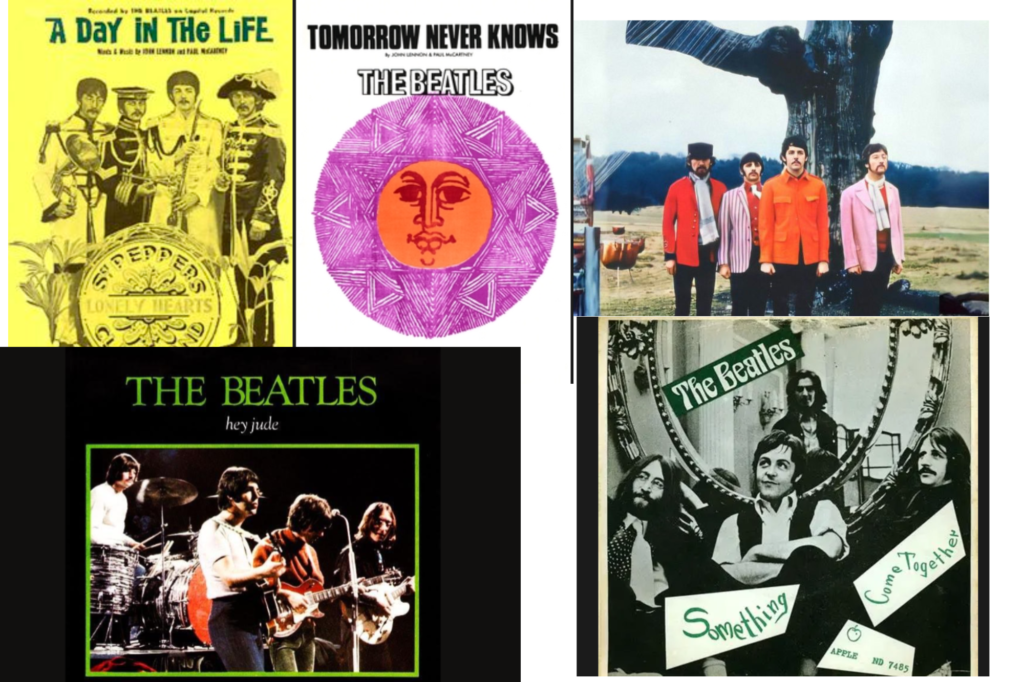
To truly appreciate the genius of the Beatles, one must look beyond their chart-topping success and recognize them as the ultimate musical architects of the 20th century. Between their first hit in 1962 and their official breakup in 1970, the “Fab Four” evolved from a charismatic boy band into avant-garde visionaries who fundamentally changed how records were made. Their best work stands out because it didn’t just follow trends; it set them. Critics argue that these top-tier tracks reach a higher level of artistry by blending deep emotional honesty with groundbreaking studio technology, creating a sound that feels just as fresh and relevant today as it did over five decades ago.
These legendary recordings represent the gold standard of the Beatles’ massive catalog, consisting of songs that have been meticulously analyzed by historians and loved by generations of fans. Some of these entries, like those found on the 1967 Sgt. Pepper album, completely redefined the possibilities of multi-track recording, while others used simple, haunting melodies to tap into universal human experiences. Each song on this “best” list has earned its legendary status not just through high sales figures, but by capturing the colorful, rebellious, and reflective spirit of the 1960s in a way that continues to resonate with listeners across the globe.
A Day In The Life
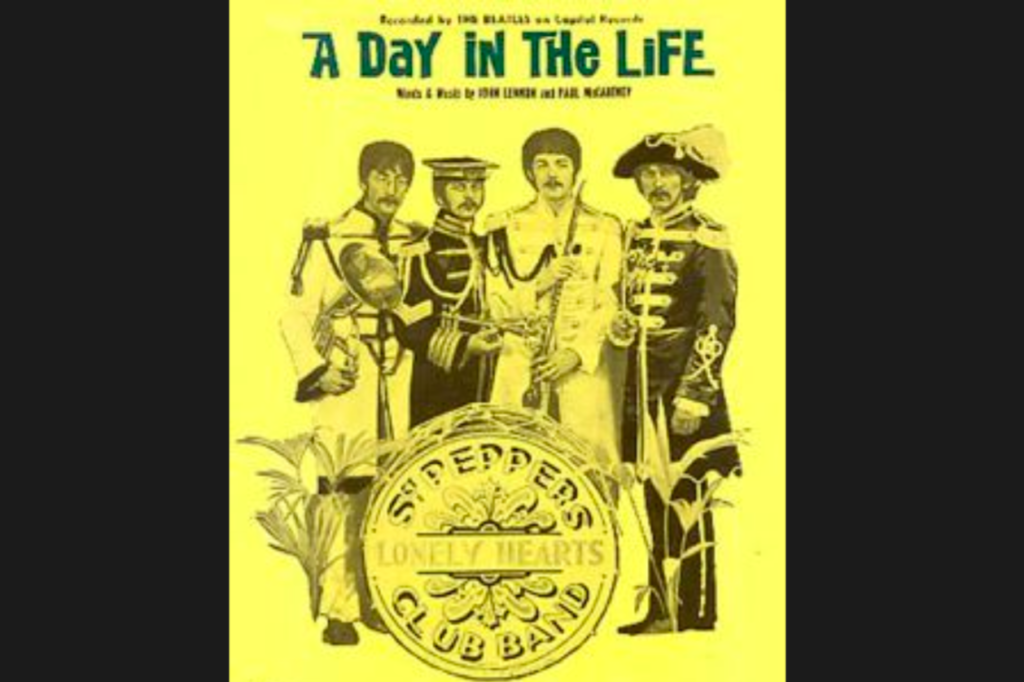
The 1967 masterpiece “A Day in the Life” serves as the profound conclusion to the Beatles’ revolutionary album, Sgt. Pepper’s Lonely Hearts Club Band. Released on June 1, 1967, this track represents a peak in the creative partnership between John Lennon and Paul McCartney. While Lennon provided the haunting, newspaper-inspired verses about “lucky men” and traffic accidents, McCartney contributed the upbeat middle section. The song is famous for its massive orchestral “orgasms” and the final E-major piano chord that rings out for over forty seconds, a technical feat that required multiple pianos and every ounce of studio magic available at Abbey Road.
Music historians consistently rank this track as the greatest Beatles song of all time due to its sheer audacity and emotional weight. It captured the shift from simple pop to complex art-rock, mirroring the cultural explosion of the “Summer of Love.” By blending mundane reality with surrealist soundscapes, the band created a sonic experience that felt both intimate and universal. Even decades later, the track remains a benchmark for production excellence, proving that pop music could be as intellectually stimulating and structurally complex as any classical symphony or avant-garde composition.
Strawberry Fields Forever
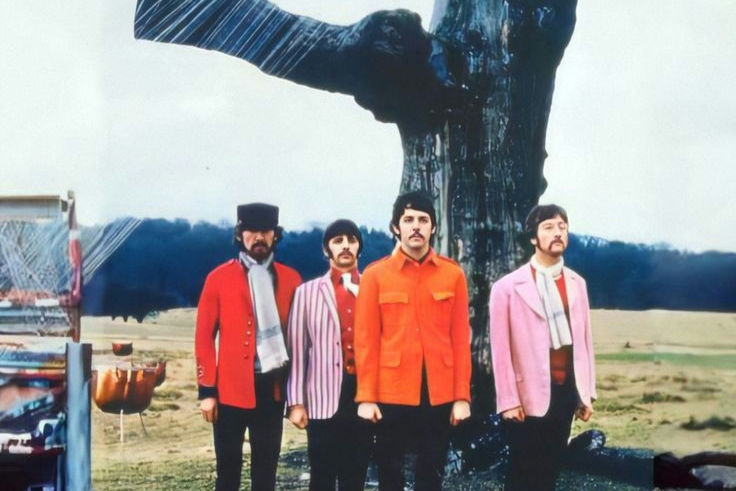
In February 1967, the Beatles released “Strawberry Fields Forever” as a double A-side single, forever changing the trajectory of psychedelic rock. John Lennon wrote the piece while filming a movie in Spain, drawing deep inspiration from his childhood memories of playing in the gardens of a Salvation Army children’s home in Liverpool. The recording process was famously complex; producer George Martin had to splice together two different versions of the song that were recorded in different keys and speeds. This technical wizardry, combined with the eerie wail of the Mellotron, created a dreamlike atmosphere that felt entirely new to listeners.
Initially, some fans were baffled by the song’s non-linear structure and abstract lyrics, but it has since been vindicated as a visionary work of genius. Critics celebrate it for its raw honesty and its role in moving the band away from their “mop-top” image into serious artistry. The song didn’t just top the charts; it redefined the limits of the recording studio as an instrument in itself. Today, it stands as a pillar of the 1960s counter-culture movement, representing a moment when popular music became a legitimate vehicle for deep, internal psychological exploration.
Tomorrow Never Knows
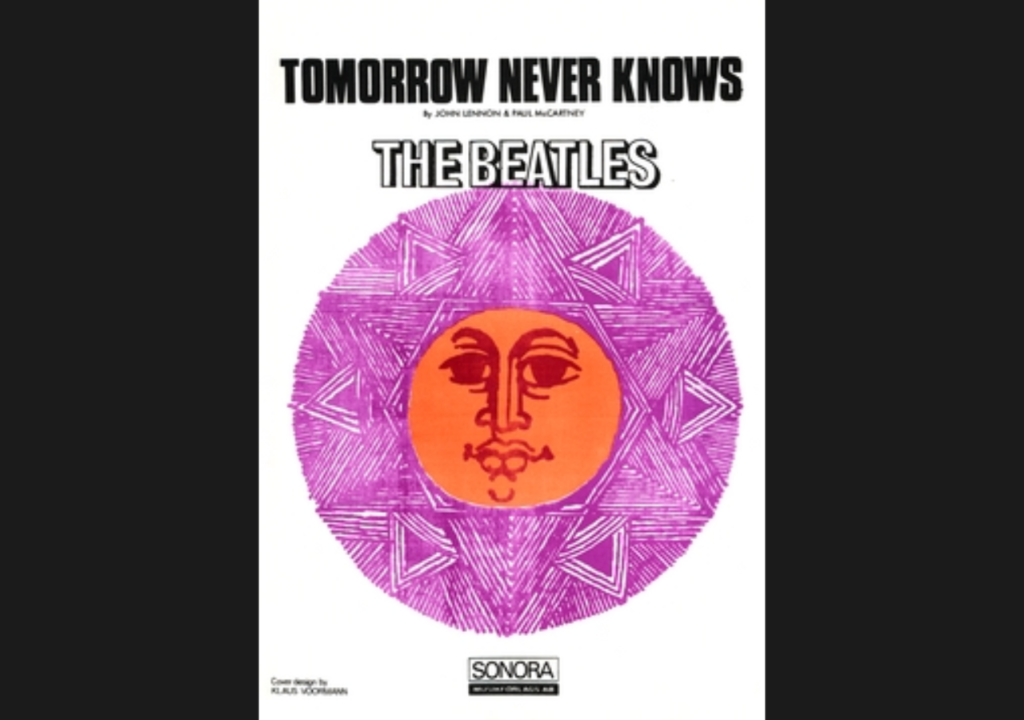
Closing out the 1966 album Revolver, “Tomorrow Never Knows” remains one of the most experimental tracks in the history of mainstream music. Recorded in April 1966, the song was John Lennon’s attempt to capture the experience of a spiritual awakening, heavily influenced by his reading of The Tibetan Book of the Dead. To achieve its otherworldly sound, the band utilized innovative techniques like synchronized tape loops, backwards guitars, and a vocal track fed through a rotating Leslie speaker. The result was a heavy, driving drone that sounded more like 21st-century electronic music than a 1960s rock band.
Critics often point to this track as the exact moment the Beatles abandoned their status as mere entertainers to become true avant-garde explorers. By stripping away the traditional verse-chorus structure in favor of a hypnotic, one-chord mantra, they invited listeners into a literal trance. Its impact on the future of house music, techno, and neo-psychedelia is immeasurable. Even now, over half a century after its release, the song feels startlingly modern, serving as a reminder that the Beatles were often years, if not decades, ahead of their contemporary musical rivals.
Something
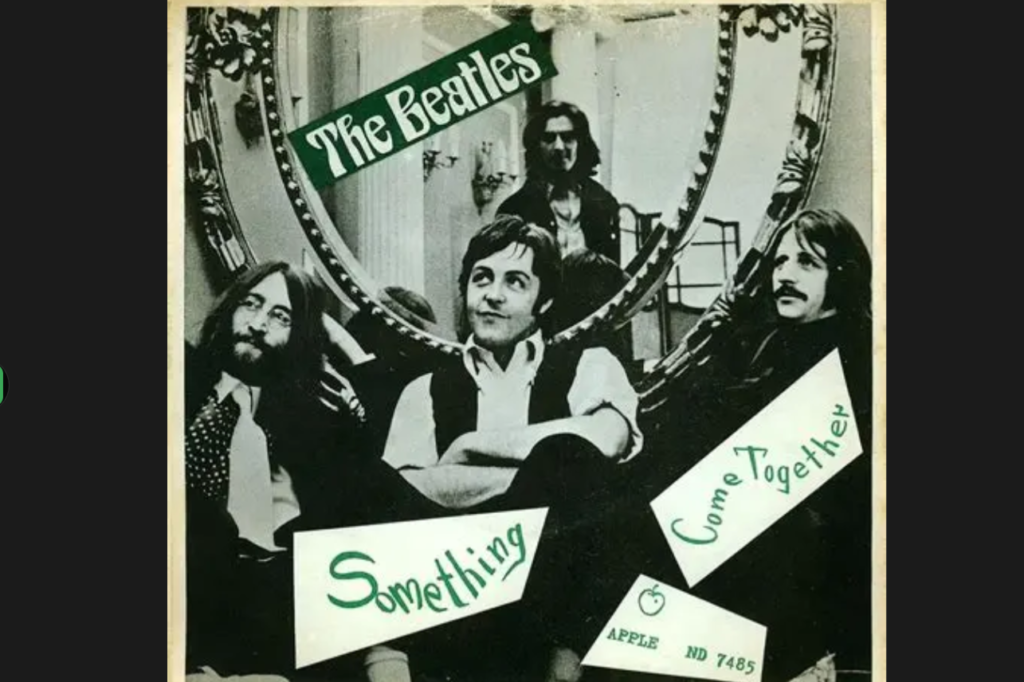
George Harrison finally stepped into the spotlight as a premier songwriter with “Something,” featured on the 1969 album Abbey Road. Released in October of that year, the track was so impressive that even Frank Sinatra famously called it the greatest love song of the past fifty years. Harrison wrote the melody on a piano during a break in the White Album sessions, but he waited until the band’s final recorded project to perfect it. With its soaring guitar solo and lush string arrangement, the song captures a mature, sophisticated kind of devotion that resonated with a global audience.
The success of “Something” was a turning point for the band’s internal dynamics, proving that Harrison’s talent was equal to that of the Lennon-McCartney powerhouse. It became the first Harrison-penned song to be released as a Beatles A-side single, eventually reaching number one on the Billboard Hot 100. Musicians across every genre, from Elvis Presley to Ray Charles, have covered the track, cementing its status as a timeless standard. It remains a fan favorite for its graceful simplicity and the way it balances vulnerable sentiment with top-tier musical craftsmanship.
Hey Jude
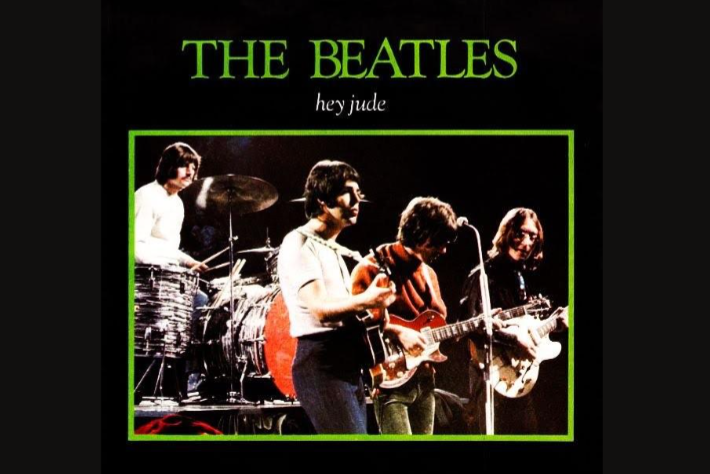
”Hey Jude” was released in August 1968 and quickly became the Beatles’ most successful single, spending nine weeks at the top of the American charts. Paul McCartney originally wrote the song as “Hey Jules” to comfort John Lennon’s young son, Julian, during his parents’ painful divorce. The track begins as a tender piano ballad but eventually expands into a legendary four-minute “Na-na-na” coda. This marathon ending was a bold move at a time when radio stations preferred songs under three minutes, yet its infectious energy made it an instant global anthem for unity.
The song is frequently cited by critics as a masterpiece of emotional pacing and communal songwriting. It managed to turn a private, sad moment into a public celebration of resilience and hope, proving McCartney’s unique ability to connect with the masses. Its recording at Trident Studios marked one of the first times the band used an eight-track recorder, allowing for a richer, fuller sound than their previous four-track efforts. Decades later, the song is still the definitive sing-along closer for concerts, representing the enduring, cross-generational magic that the Beatles brought to the world.
The Worst: Why Some Songs Landed Low
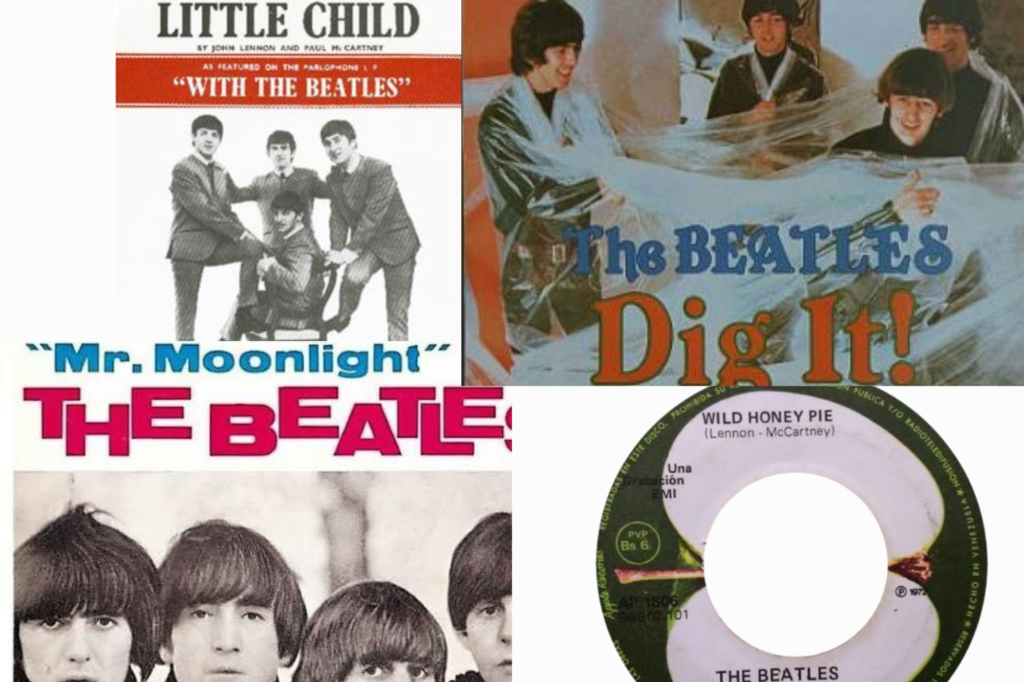
Even the most brilliant artists have moments where their experiments don’t quite hit the mark, and the Beatles were no exception to this rule. Because the band was so determined to push boundaries and try new things, especially during the chaotic recording sessions for The White Album in 1968, they occasionally produced tracks that left fans and critics scratching their heads. These lower-ranked entries are often viewed as strange curiosities or “filler” rather than total failures. Music experts usually point to a lack of clear structure, unfinished lyrical ideas, or overly self-indulgent studio tricks as the primary reasons why these specific songs haven’t aged as gracefully as their more famous masterpieces.
Looking back at these tracks provides a fascinating glimpse into the band’s creative process, proving that even icons can have an “off” day in the studio. Whether it was a joke that went on too long or a song that was rushed to meet a deadline, these entries remind us that the Beatles were human beings who favored risk-taking over playing it safe. While these songs might be the ones listeners skip most often, they remain an essential part of the group’s history. They highlight the restless, investigative nature of a band that was never afraid to be weird, even if it meant occasionally releasing a track that was more of a confusing detour than a musical triumph.
Revolution 9
Appearing on the 1968 self-titled double album, “Revolution 9” is arguably the most polarizing entry in the entire Beatles catalog. This was not a song in the traditional sense; rather, it was an eight-minute sound collage masterminded by John Lennon and Yoko Ono. Utilizing dozens of tape loops, snippets of classical music, and the repetitive voice of an EMI engineer saying “number nine,” the piece was meant to evoke the chaos of a literal revolution. It remains a jarring listening experience that starkly contrasts with the melodic pop songs found elsewhere on the record.
Many mainstream critics and fans have historically dismissed the track as self-indulgent or unlistenable noise. During its 1968 debut, many listeners were genuinely confused, and some even feared the band had lost their collective minds. However, avant-garde historians argue that it brought experimental concrete music to a massive, unsuspecting audience. While it rarely appears on “best of” playlists, it serves as a testament to the band’s refusal to play it safe. It is a bold, albeit difficult, piece of art that remains a significant, if debated, part of their creative legacy.
Wild Honey Pie
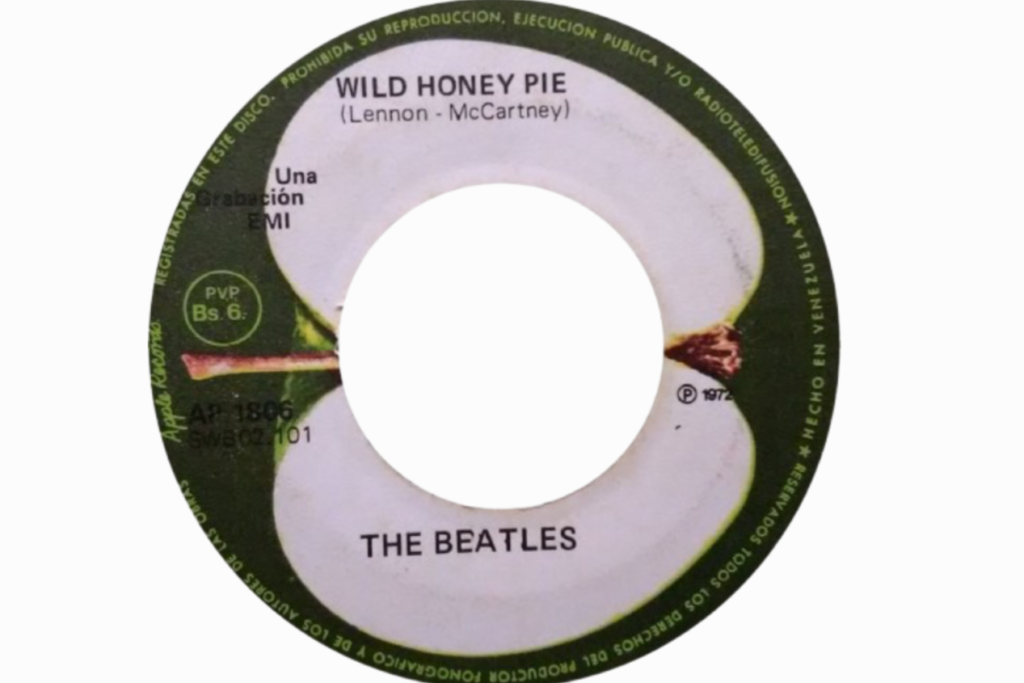
”Wild Honey Pie” is a quirky, short-lived experiment that lasts just fifty-three seconds on the 1968 White Album. Recorded entirely by Paul McCartney without the help of his bandmates, the track features multi-tracked acoustic guitars and a bizarre, yelping vocal style. It was never intended to be a major statement; in fact, McCartney only included it because Pattie Boyd, George Harrison’s wife at the time, reportedly liked the short snippet. Because it lacks a traditional melody or any lyrical depth, it is often viewed by music journalists as a minor “throwaway” or a bit of studio fluff.
When critics rank the band’s discography, this track almost always finds itself at the bottom of the list. It is frequently described as one of the most eccentric and least essential moments in their history, acting more as a bridge between longer songs than a standalone piece. Despite its low ranking, the song illustrates the “anything goes” atmosphere that defined the White Album sessions. It shows a band, or at least a songwriter, who was comfortable enough to include weird, unfinished ideas alongside world-changing hits, emphasizing their commitment to total creative freedom during their late period.
Dig It
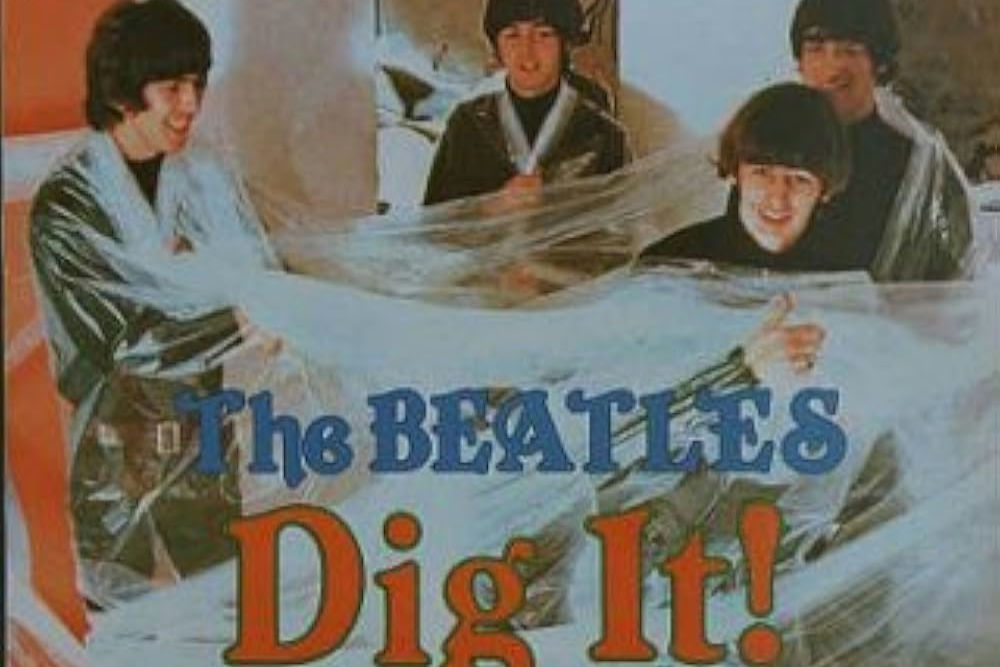
Originally recorded during the “Get Back” sessions in early 1969, “Dig It” survived as a mere fifty-second snippet on the 1969 Let It Be album. The track is essentially an improvised studio jam featuring Lennon ad-libbing names like FBI director J. Edgar Hoover and soccer player Matt Busby over a basic blues riff. While the original jam lasted over twelve minutes, the version fans heard on the record was a heavily edited fragment. Because it lacks a cohesive structure or a clear musical purpose, it is rarely discussed with the same reverence as the band’s more polished works.
Modern music critics generally view “Dig It” as one of the weakest entries in the Beatles’ professional output. It is often criticized for being “filler” that fails to showcase the band’s legendary songwriting prowess, appearing instead as a low-energy distraction. Many historians feel that the space on the album could have been better utilized for a fully realized song rather than a casual rehearsal moment. While it offers a “fly-on-the-wall” look at the band’s final days in the studio, it remains a forgettable footnote for most casual listeners and serious collectors alike.
Little Child
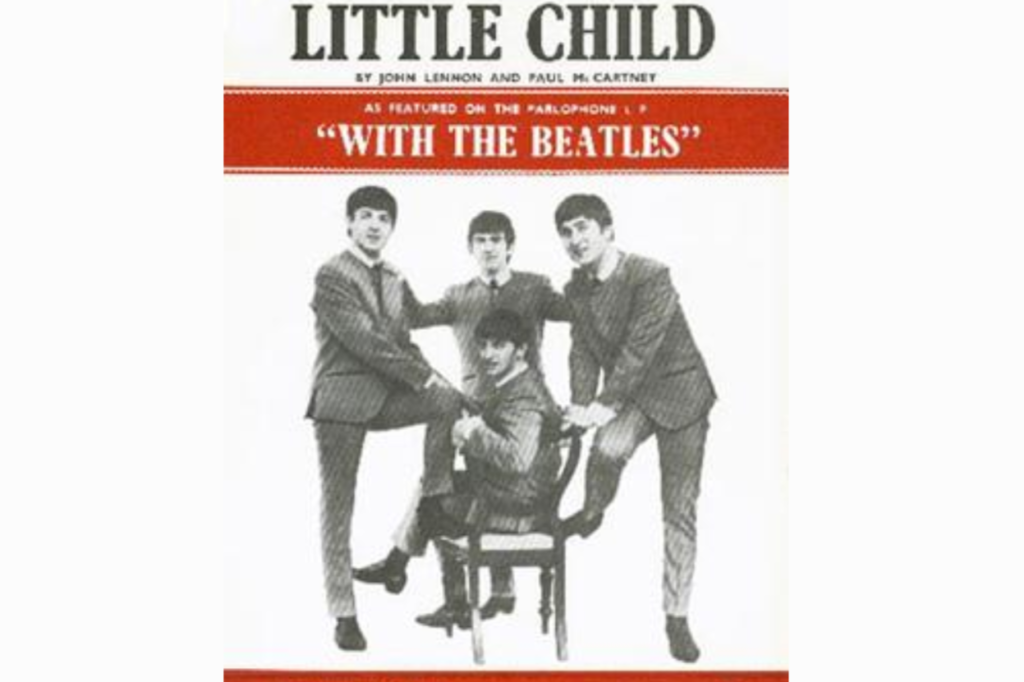
Released in November 1963 on the album With The Beatles, “Little Child” is a straightforward example of the band’s early, high-energy rhythm and blues style. Written by Lennon and McCartney to fill a gap on the record, the song features a prominent harmonica part and a driving beat designed for the dance halls of the early sixties. While it captures the raw excitement of “Beatlemania,” the lyrics are relatively simple and lack the poetic depth that the songwriters would develop just a year later. It was very much a product of its time, aimed at a young, teenage audience.
In retrospective reviews, “Little Child” is often overshadowed by the more sophisticated tracks on the same album, such as “All My Loving.” Critics generally describe it as “filler” or a “workmanlike” pop song that doesn’t quite reach the heights of their other early hits. While it isn’t necessarily a bad song, it feels somewhat generic compared to the revolutionary music that followed. For many fans, it is a track that is easily skipped, serving mainly as a reminder of the band’s humble beginnings before they began to truly experiment with the possibilities of the recording studio.
Mr. Moonlight
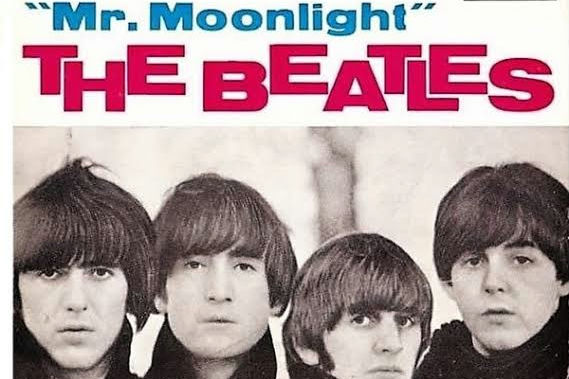
”Mr. Moonlight” is a cover of a song by Dr. Feelgood and the Interns, appearing on the 1964 album Beatles for Sale. The track is best known for John Lennon’s powerful, lung-busting vocal intro, but it quickly shifts into a somewhat awkward Latin-inspired arrangement featuring a cheesy-sounding Hammond organ solo. Recorded during a period when the band was exhausted from constant touring and filming, the track has a kitschy quality that feels out of place compared to their increasingly sophisticated original compositions like “I’m a Loser” or “No Reply.”
Critics have been notoriously harsh toward “Mr. Moonlight” over the years, often labeling it the worst cover the band ever recorded. Many music writers argue that the song’s melodramatic style and odd instrumentation make it a rare misstep in an otherwise stellar catalog. While Lennon’s vocal performance is technically impressive, the overall vibe of the track is often seen as “cringeworthy” by modern standards. It stands as a curious artifact from a time when the band was still relying on outside material to fill out their albums, highlighting the growing gap between their early influences and their future genius.


