
1. The Group’s Founders
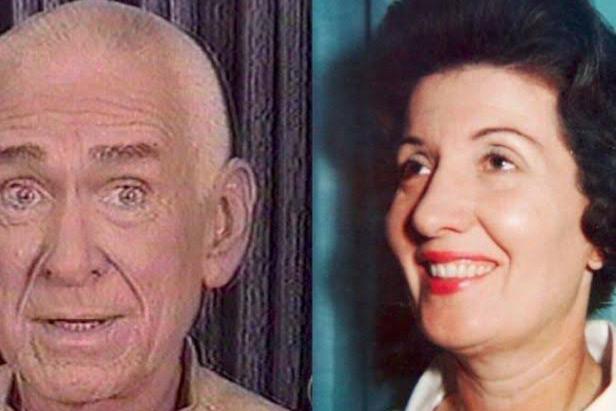
Heaven’s Gate was founded in the mid-1970s by Marshall Applewhite and Bonnie Lu Nettles. The pair taught that they were chosen messengers sent to prepare people for an evolutionary leap beyond human existence. They believed Earth would soon be “recycled” and only those who followed their instructions could escape. Nettles’ death from cancer in 1985 deeply affected the group’s direction. After her death, Applewhite became the sole authority and reinterpreted their beliefs, emphasizing that physical bodies were temporary containers that would eventually need to be abandoned to reach what they called the “Next Level.”
2. Core Beliefs of Heaven’s Gate

Members of Heaven’s Gate believed humans could transform into advanced, non-physical beings by rejecting earthly attachments. This included family ties, sexuality, personal possessions, and independent thinking. The group believed that emotions and individuality were obstacles to spiritual advancement. Applewhite taught that salvation did not come through faith alone but through strict obedience and preparation. By the 1990s, the group believed that a spacecraft was traveling behind the Hale-Bopp comet and that it would collect their souls. These beliefs were consistently documented in group writings, recorded lectures, and the group’s publicly available website before 1997.
3. Life Inside the Group

Daily life inside Heaven’s Gate was highly structured and controlled. Members lived communally, followed identical routines, and dressed similarly to reinforce unity and suppress individuality. Contact with family and friends was discouraged, and all major decisions were made collectively under Applewhite’s direction. Members referred to themselves as “students” and believed they were in training for a higher existence. Former members and investigators later confirmed that obedience and conformity were strongly reinforced, while doubt was reframed as personal failure. These conditions helped maintain group cohesion and limited outside influence.
4. Preparations Before the End

In the weeks leading up to March 1997, members made deliberate preparations. They recorded farewell videos and written statements explaining their decision and expressing calm acceptance rather than distress. In these recordings, members stated they were leaving voluntarily and viewed their actions as a transition, not a death. They organized their living space, prepared clothing, and finalized online materials explaining their beliefs. Authorities later confirmed that the preparations showed long-term planning rather than impulsive behavior, reinforcing the conclusion that the event was carefully coordinated within the group.
5. The Final Statements

The recorded farewell messages left behind by Heaven’s Gate members were factual, composed, and consistent in language. Members repeated core teachings about shedding the human body and advancing to the Next Level. Applewhite’s final video urged remaining followers to stay focused and assured them the process was necessary. None of the recordings expressed fear or coercion. Investigators and journalists later noted how uniform the statements were, reflecting the group’s shared belief system. These recordings remain a key source for understanding how members interpreted their actions at the time.
6. What Happened That Day

Between March 22 and March 26, 1997, 39 members of Heaven’s Gate died inside a rented home in Rancho Santa Fe, California. The deaths occurred in stages over several days. Members were found lying on bunk beds and mattresses, dressed identically. There were no signs of struggle or forced entry. Evidence collected at the scene indicated that the deaths were carried out according to a shared plan. Authorities later confirmed that all members died voluntarily as part of the group’s belief system.
7. Discovery of the Scene

The bodies were discovered on March 26, 1997, after a former member contacted authorities. San Diego County Sheriff’s deputies entered the residence and found the group members arranged neatly throughout the house. Each individual had personal belongings and identification nearby. The orderly nature of the scene immediately suggested coordination rather than violence. The discovery triggered a major law enforcement response and widespread media attention. Officials secured the property and began a detailed investigation to determine the cause and circumstances of the deaths.
8. Law Enforcement Findings

After a thorough investigation, authorities ruled the deaths a mass suicide. There was no evidence of homicide, forced restraint, or outside involvement. Toxicology reports, written materials, and recorded videos all supported the conclusion that the individuals acted voluntarily. Law enforcement officials stated that the case, while disturbing, showed no criminal conspiracy beyond the internal planning of the group. The investigation focused on documenting events accurately rather than assigning blame, as no surviving leaders were present at the scene.
9. Immediate Public Reaction

News of the Heaven’s Gate deaths spread rapidly and prompted global media coverage. Public reaction ranged from shock to confusion, particularly due to the group’s use of technology and online messaging. Many outlets initially struggled to explain how educated adults could commit such acts. Over time, coverage shifted toward examining psychological influence, group control, and belief reinforcement. The case became one of the most cited examples in discussions about high-control religious movements in modern American history.
10. Looking Back Today

Decades later, the Heaven’s Gate tragedy is remembered as a cautionary example of how belief, isolation, and authority can converge with devastating consequences. Researchers continue to study the case to better understand group psychology and prevention strategies. Families and historians emphasize remembering the individuals involved as people, not symbols. The event remains a powerful reminder of the importance of critical thinking, open communication, and awareness when examining groups that demand absolute loyalty.
Like this story? Add your thoughts in the comments, thank you.


