
1. Life in hospital and first taste of freedom

When the world gasped at the story of 13 siblings rescued from a life of horror, many hoped their future would finally be safe and bright. But the truth since then has been complicated, a mix of healing, heartbreak and sometimes, heartbreak all over again.. After the rescue in January 2018, the 13 children, aged between 2 and 29, spent two months in hospital, receiving urgent medical care for starvation, malnutrition, infections and other horrors caused by years of abuse. Once discharged, the seven adult siblings moved together to a rural location, beginning the difficult journey of re-learning daily life, eating properly, sleeping safely and even seeing daylight. For a brief moment, they were free, free to rebuild from the wreckage of their childhood.
2. Adoption of foster care, and new wounds

The youngest siblings, not yet adults at rescue, were placed into foster care, a system meant to protect them. Tragically, for several of them, the foster home was not the refuge they deserved. In 2022, a group of siblings filed a lawsuit alleging the foster family subjected them to “severe abuse,” including physical, emotional, and even sexual mistreatment. What had started as an escape from one nightmare turned into another, showing how flawed and fragile post-rescue care can be.
3. Foster parents convicted, victims demand accountability

On October 18, 2024, the foster parents, the family accused of abusing multiple Turpin children, were formally sentenced. The foster father was given 7 years in state prison; his wife and daughter received 4 years probation each. The court banned them from having any contact with the Turpin siblings. This legal outcome, while late and imperfect, offered at least a measure of accountability for failures that followed the initial rescue.
4. Struggling with broken promises and system failure

Four years after their rescue, serious shortcomings in support began to emerge. An investigation revealed that some of the Turpin children were living in “squalor,” in dangerous neighborhoods, despite the hundreds of thousands of dollars donated on their behalf. Some lacked stable access to food, healthcare, education, even safe housing, a devastating outcome after what they had already endured. Court-mandated secrecy around their case kept the public largely in the dark, making it hard to track or hold accountable those responsible for their care.
5. Some siblings rebuild, social media, new identity, and hope

Despite all the hardship, a number of the siblings have managed to reclaim parts of their lives. For example, Jordan Turpin, the sister whose escape triggered the rescue, has turned to social media. She now has over 1.6 million followers on TikTok. Through her public presence, she and at least one sibling are trying to reshape their identity: as survivors rebuilding, not defined solely by their trauma. She has spoken publicly about the challenges of adjusting to normal life, from learning social skills to attending school and building friendships. Jordan’s large online following has allowed her to raise awareness about child abuse, trauma, and the long road to healing. Her interviews, including with major outlets like ABC News, offered rare insight into what life looks like after escaping years of isolation.
6. Social-services system fails the survivors

A 2022 independent review of the social-services care given to the siblings concluded that the children had been “failed” and “unheard” by the system meant to protect them. While at times the county did provide care, the report found that support was inconsistent, staffing shortages, heavy caseloads, and under-resourced programs left many needs unmet. For some of the now-adult siblings, the aftermath of rescue meant dealing not only with their past trauma, but also the frustration and isolation of inadequate care when they needed stability the most.
7. Quiet care: external help behind closed doors

Decades after the siblings were saved from their parents, a surprising ally emerged. According to Oprah Winfrey, Tyler Perry, the actor-filmmaker, has quietly been “taking care” of the now-grown siblings, offering financial, emotional, and psychological support to help them rebuild. No public details about the scope of his help have been released, but his involvement hints at a lifeline for survivors whose official support systems largely failed.
8. Slowly building new lives, but still fragile

Despite the horrors and the systemic failures, some of the siblings are trying to rebuild, forging new lives piece by piece. For many, that journey is still fragile: difficulties with housing, education, trust, mental health, and stability have lingered long after their escape from captivity or foster care. Their lives serve as a reminder that rescue is only the first step, true healing and security require long-term support and compassion.
10. Donations locked away by court rules

After the rescue, hundreds of thousands of dollars were donated by people around the world who wanted the siblings to have a real chance at a new life. But strict confidentiality laws and court-controlled trust accounts meant the children had limited access to those funds. Reports showed that some of the adult siblings struggled with basic needs, food, transportation, housing, even though resources technically existed for them. Caseworkers later admitted that bureaucratic hurdles and slow approval processes kept the siblings from receiving timely help. This created a heartbreaking gap between public generosity and what the siblings were actually allowed to use during their most vulnerable years.
11. How secrecy laws shaped the siblings’ post-rescue lives

After the rescue, strict confidentiality rules under California’s child-welfare system meant that most decisions about the Turpin siblings’ care were sealed. These rules are designed to protect minors, but in this case they also prevented the public, and even many donors, from knowing whether the children received promised support. Social workers and county agencies were limited in what they could disclose, even when major problems emerged. This secrecy contributed to delays in housing approval, restricted access to donated funds, and limited oversight. Many experts have since argued that while confidentiality is important, the Turpin case showed how secrecy can also hide systemic failures instead of protecting vulnerable children.
12. Trauma experts explain why recovery takes years

Psychologists who study long-term captivity and childhood abuse have noted that healing is not a short process. Survivors who endure extended isolation, starvation, and restricted social contact often face challenges with trust, emotional regulation, and independent decision-making. The Turpin siblings’ experience fits into what experts identify as “complex trauma,” which can take years of continuous, stable support to manage. Things like forming friendships, attending school, or living alone can feel overwhelming after a lifetime of confinement. By placing their journey in this scientific context, many have better understood why rebuilding their lives is ongoing, and why setbacks are not signs of failure but part of the healing process.
13. The Oprah interview and renewed public pressure

Public concern reignited when a 2021 ABC News interview, produced in partnership with Oprah Winfrey, revealed that several adult siblings were struggling with homelessness, food insecurity, and inadequate resources. The interview prompted widespread outrage and renewed scrutiny of Riverside County’s handling of the case. Viewers questioned how children rescued from national headlines could end up without basic necessities. This pressure led to state-level reviews, policy discussions, and investigations into what went wrong. It also encouraged outside figures, including Tyler Perry, to privately reach out, offering support away from cameras and political oversight.
14. The case influenced reforms in social-services oversight
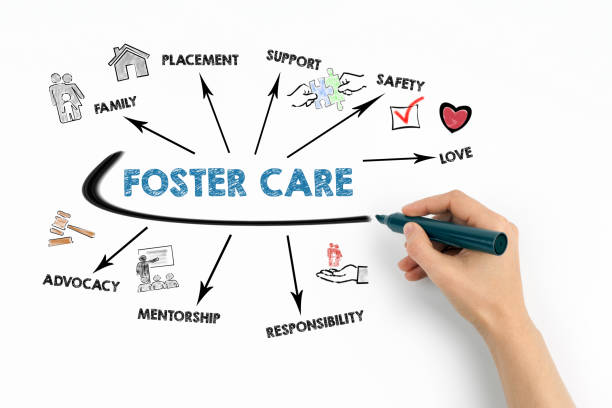
The Turpin case contributed to broader conversations about the quality of oversight in California’s foster-care system. Advocates highlighted long-standing issues: high caseloads, staff shortages, slow processing of benefits, and limited mental-health services. In response to public concern, several counties began strengthening internal review processes, improving training, and adding new layers of supervision for high-risk cases. While not all reforms were directly tied to the Turpin siblings, their experience amplified ongoing debates about how to protect children who survive extreme abuse, and what systems must do to prevent further harm after rescue.
15. Why some siblings keep their lives completely private

While a few siblings have stepped into the public eye, others have chosen complete privacy. Legal experts say this choice is common among survivors of long-term, high-profile abuse. Maintaining privacy protects them from media intrusion, online speculation, and unwanted attention that could disrupt their healing. Some adult siblings live independently, work, or attend school without publicly identifying themselves as Turpins. Their decision reflects a well-documented need among trauma survivors to rebuild their identities without being defined by what happened to them. This privacy is both a shield and a way to reclaim normal life on their own terms.
16. Why Tyler Perry’s role mattered beyond money
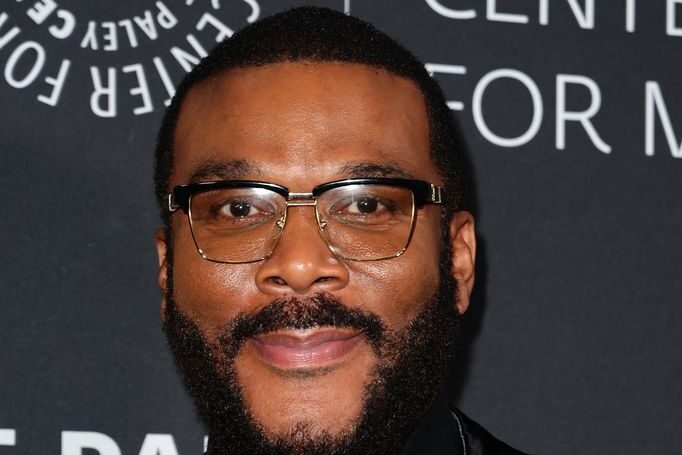
Tyler Perry’s involvement, though private, became significant because it filled gaps that government agencies struggled to meet. As Oprah Winfrey described, Perry offered direct help, emotional, financial, and practical, without seeking publicity. Support from a trusted individual can be crucial for trauma survivors who have experienced both family abuse and failures in the systems meant to protect them. Perry’s role also highlighted a broader truth: sometimes community, compassion, and personal intervention can provide stability where institutions are overwhelmed. For the Turpin siblings, that kind of steady, judgment-free support has reportedly been a meaningful part of their path forward.
Today, their lives are still unfolding in different ways, shaped by their resilience and the support of a few who stepped in when systems failed. Their story reminds us that healing is not instant, justice is not automatic, and compassion can make all the difference. If this story moves you, share your thoughts in the comments, and continue the conversation about how to protect survivors long after the headlines fade.
This story Life After the Rescue: What Happened to the 13 Turpin Children and Tyler Perry’s Role was first published on Daily FETCH


