
Do Cats Really Know Their Names
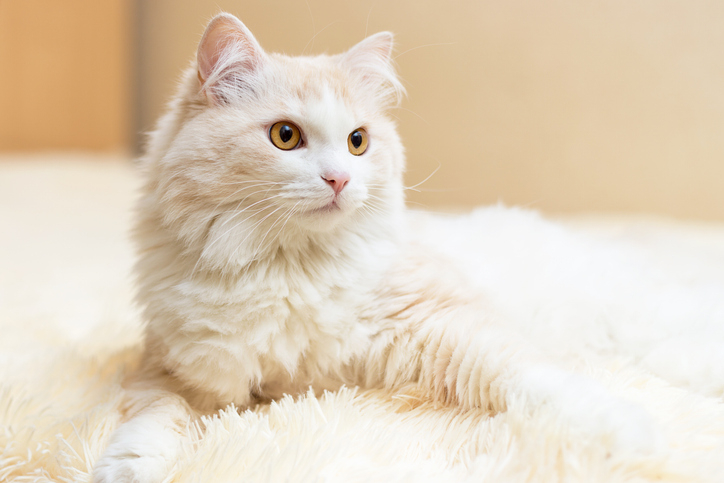
Many cat owners wonder if their pets recognize their names or if they only react when they feel like it. Researchers have observed that cats often respond to their names through small movements such as turning their ears, pausing mid grooming or widening their eyes. They notice familiar sounds even if they pretend not to care. This shows that name recognition is real, just expressed differently. So when you call your cat and they slowly blink or glance in your direction, they are not ignoring you completely. They are choosing how and when to respond in their own quiet style.
Why Cats Hear Their Names Clearly
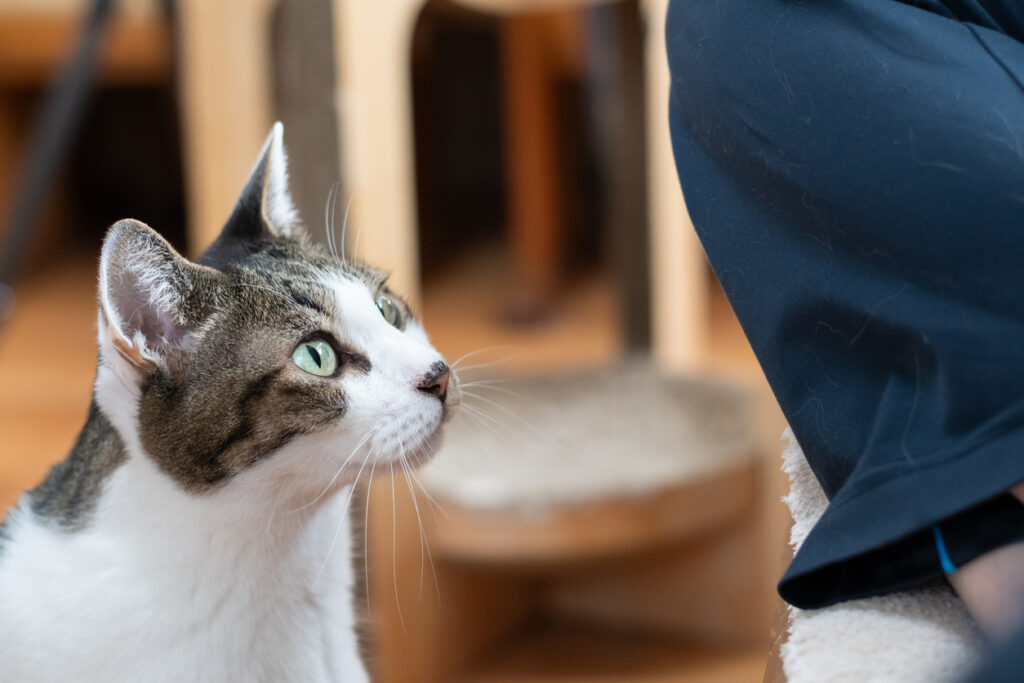
Cats are excellent listeners who pay attention to sound patterns more than words. They recognize familiar tones and rhythms, especially when a name is used repeatedly during feeding, playtime or affection. The repetition teaches them that this specific sound means something connected to them. Even if a cat seems spaced out or uninterested, their ears still pick up the words you speak. They simply choose what matters enough to react to. Understanding that they hear more than they show can help you notice the subtle ways they acknowledge you without making a big scene like other pets might.
Your Voice Matters More Than You Think

Cats are able to recognize not only their names but also the voices of the people who say them. They memorize the sound of the person they trust and often respond differently depending on who calls them. A familiar voice can make them lift their head, flick their ears or calmly look toward you. They might ignore guests or strangers who try calling their names because there is no meaningful connection. So when your cat reacts to your voice more than others, it is not random. It is a sign that your bond influences how they choose to respond.
Ignoring You Does Not Mean They Did Not Hear You

Many people assume that cats are stubborn when they do not respond after being called, but that choice often reflects confidence rather than disobedience. Cats hear their names clearly but sometimes decide their current activity is more important. They might continue grooming, stretching or staring out the window while still acknowledging you with a tiny movement like an ear twitch. Instead of seeing their silence as disrespect, it helps to understand that cats value independence. Their choice to respond or not shows that they feel safe enough to act on their own terms without feeling pressured to obey.
Cats Respond Best When Names Feel Rewarding

Cats connect their names to experiences, not meanings. When a name is followed by food, play or gentle affection, it becomes a signal for something positive. However, if a name is mostly used for scolding, unpleasant grooming or unwanted handling, cats learn to ignore it. They react based on expectation rather than obedience. The more pleasant associations you create, the more willing they become to acknowledge you. This shows that name recognition is strongest when used with kindness. If you want a lively response, make your cat’s name part of happy moments instead of rules or corrections.
How Cats Quietly Show They Heard You
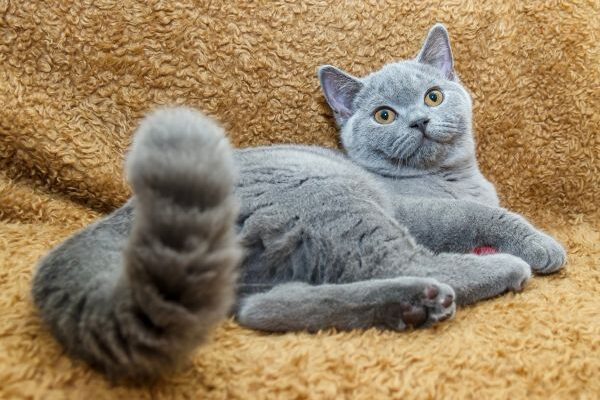
Cats rarely react with loud meows or running over when they recognize their names. Instead, they use subtle signals that can be easy to miss. A small glance, a tail tip twitch, slowed breathing or a quick ear movement are all ways they acknowledge familiar sounds. These reactions show more awareness than silence suggests. Cats often choose calm recognition over energetic responses because it feels natural for them. Once you start noticing these soft signals, you may realize your cat is answering you more often than you thought. Their responses are not loud, but they are consistent.
Short Names Make Recognition Easier

Short and simple names are easier for cats to recognize because they are quicker to distinguish. Names with one or two syllables help them pick up familiar sounds in a noisy environment. Clear sounds like Coco, Simba, Lulu or Max are easy for cats to learn and remember. Longer or complicated names take more repetition before they stick. This does not mean you cannot choose a creative name, but keeping it brief makes training smoother. Even if you love giving nicknames, having one core name that stays consistent helps your cat build a dependable association with the sound.
Do Nicknames Confuse Cats

Most owners use several cute nicknames without thinking about whether their cat understands them. Interestingly, cats do not need to fully recognize every variation. What matters is the main name used most consistently, especially during food, play or affection. A nickname delivered in the same tone as their real name can still feel familiar even if they do not fully recognize it. Cats rely on patterns, so occasional nicknames do not disrupt their learning. What matters is repetition. When you want their attention, using the main name clearly and warmly helps them recognize it more easily over time.
Why Kittens Learn Names Faster
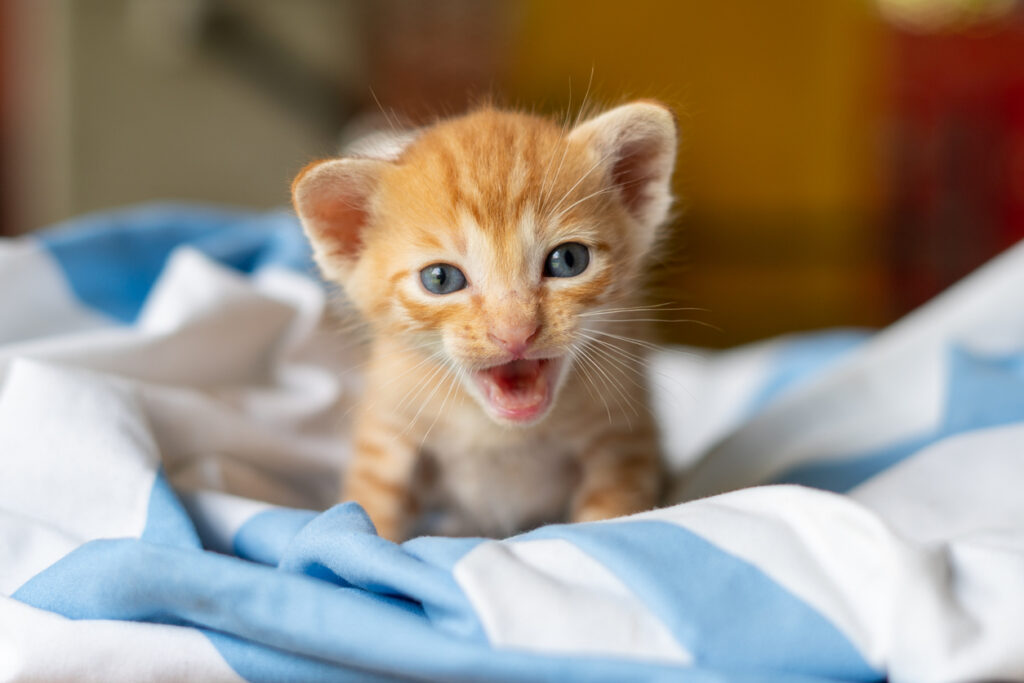
Kittens learn names quickly because their brains are still forming strong associations with routines. During their early months, every experience is new, and repeating a name during feeding or play helps them connect the sound to positive emotions. They grow to recognize the word much like they recognize the rustling of food or the sound of a favorite toy. Adult cats can still learn names, but they may take longer because they already have established habits and expectations. With patience and repetition, even older cats can develop a strong connection to a new name that feels safe and rewarding.
How Rescue Cats Learn New Names

Adopted or rescued cats may arrive with a name they barely recognize or one that carries no positive memory. A new name becomes meaningful only when the owner uses it gently during comforting activities like feeding, brushing or cuddling. Repetition during positive moments builds trust between the cat and the new word. Slowly, the new name becomes a signal of safety and care. Rescue cats often benefit the most from patient name teaching because it gives them ownership in a new home. A name that once meant little can become a symbol of comfort and belonging over time.
Cats Notice Other Pets Being Called
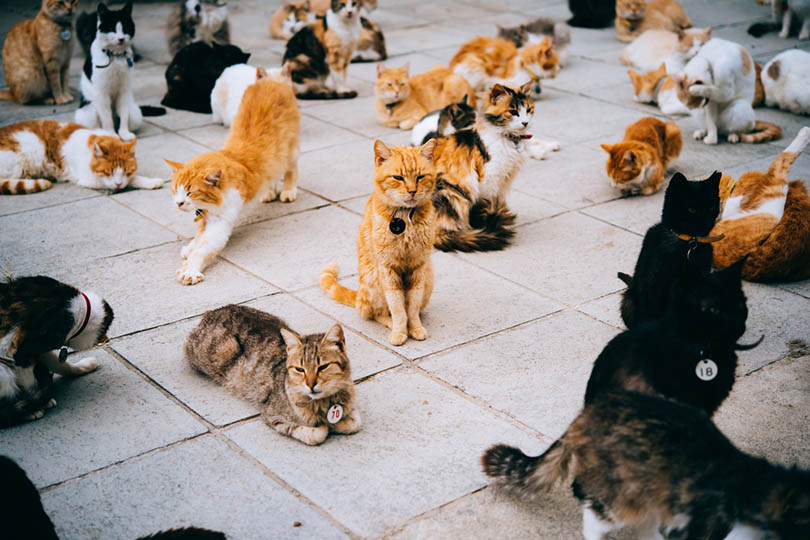
In multi cat homes, cats may start to recognize the names of other pets by listening and observing patterns. They notice who receives attention, food or affection after specific sounds are spoken. Over time, they learn which name belongs to which cat, even without understanding full meaning. This explains why some cats react when another pet is being called. They may look up to check if something interesting is happening or whether it involves them too. Their awareness shows that they pay attention to social routines in the home, even if they rarely show obvious curiosity.
Why Tone Changes Everything

Cats pay close attention to the tone of a voice, sometimes more than the actual words. A gentle, rising tone feels welcoming, while a sharp, firm tone may cause hesitation. When their name is spoken softly, it signals safety or reward. When it is spoken loudly or during stressful moments, they may choose to ignore it to avoid discomfort. Using a calm voice helps reinforce that their name is connected to good experiences. Tone acts like a signal of intention. If you want your cat to respond more often, choose warmth over frustration when calling their name.
Cats Communicate Without Dramatic Reactions

Cats are known for being calm observers who prefer subtle communication. While dogs may rush toward a call, cats respond with quiet acknowledgment. This does not reflect low intelligence but rather a natural personality shaped by independent instincts. A small movement is their version of saying yes without leaving their position. They respond softly because they do not feel the need to prove anything. This slower style of communication builds trust over time. Once you start valuing subtle responses, you will notice how often your cat is interacting. They are not ignoring you. They simply choose quieter conversations.
Why Cats Think Before Responding

Cats do not automatically react to their names. They take a moment to decide whether responding is worth their attention. This ability to pause and evaluate shows thoughtful behavior rather than stubbornness. They weigh the situation based on what they expect will happen next. If it does not feel relevant or rewarding, they may choose not to move. This shows that their response is based on choice. Understanding this helps owners respect their decision without assuming disrespect. When you offer patience instead of pressure, you show your cat that their independence is welcome. This strengthens your connection naturally.
Positive Associations Make Names Powerful

When a name is tied to positive moments, it becomes more than a sound. Cats build emotional memories through repetition and reward. If their name is linked to cozy naps beside you, playful activities or their favorite snacks, they are more likely to respond. If a name is mostly used for stressful actions like baths or medication, they may withdraw when they hear it. Owners can control how their cats feel about their names by choosing when to use them. Making names part of enjoyable interactions teaches cats to respond willingly rather than reluctantly. The key is consistency.
Turning Names Into A Simple Training Routine
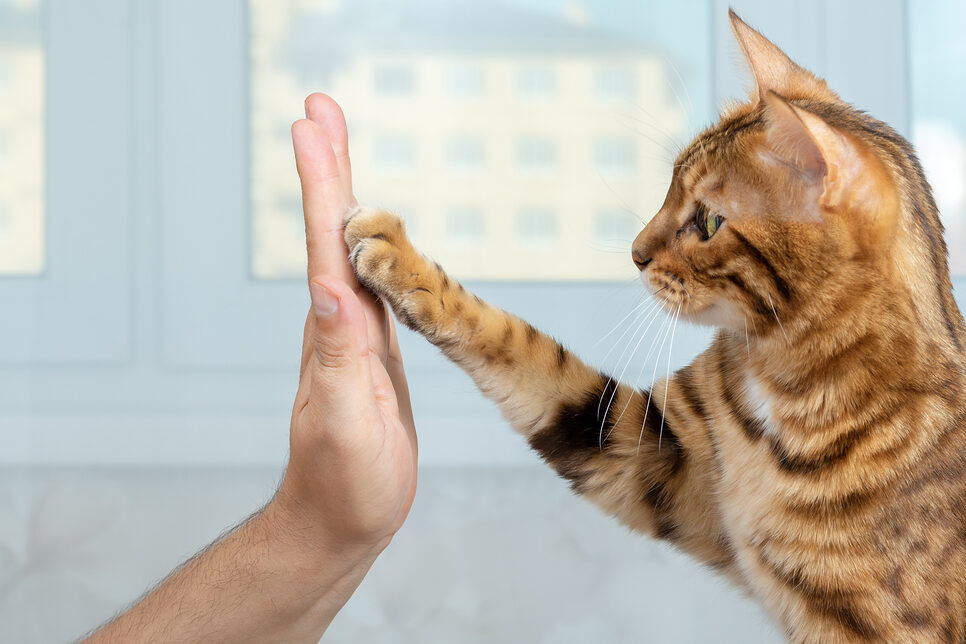
You can teach your cat to react more clearly to their name using tiny training sessions that last a few minutes. Sit comfortably near them, say their name once and reward any small sign of attention with a treat or a gentle head rub. Over time, they learn that acknowledging their name leads to something pleasant. Avoid repeating the name too many times because it can lose meaning. Short, positive exercises help your cat understand that responding is beneficial, not forced. These relaxed routines create a mutual language. The reward builds connection rather than obedience, strengthening trust naturally.
How Cats Learn To Come When Called
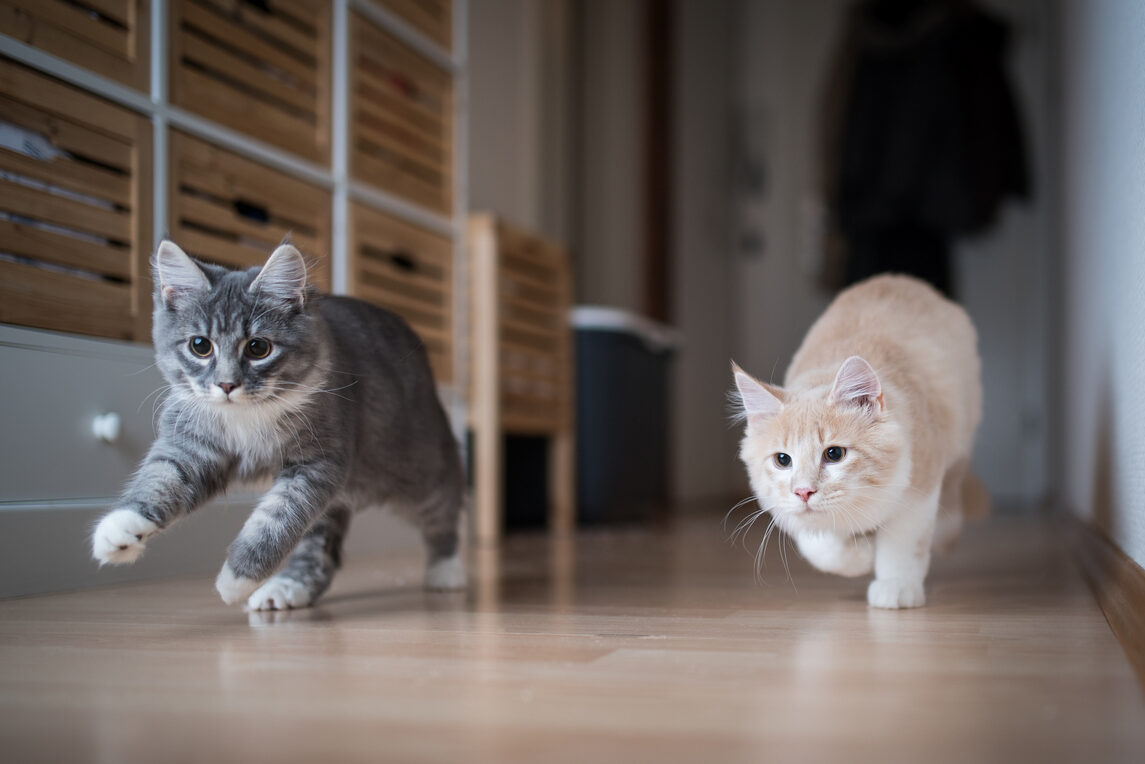
Some cats learn to walk toward their owners when they hear their names, especially if the behavior is consistently rewarded. They associate movement with good experiences like treats or affection. Even if they do not always rush over, small steps show progress. Owners can save a special reward for moments when their cat comes on their own. This reinforces that responding leads to something valuable. It takes patience, but cats respond well to gradual encouragement. When they choose to approach you after hearing their name, it becomes a shared decision rooted in comfort rather than control.
Why Some Cats Rarely Respond Clearly

Not every cat reacts noticeably to their name, and this does not always reflect personality. Some cats are naturally more reserved or cautious. Others may have hearing challenges due to age or health. Environmental noise can also affect how well they recognize sounds. Loud homes with constant distractions make it harder for cats to isolate familiar words. If your cat barely reacts, try using their name in quieter moments. Pairing it with soft affection or snacks can help them regain interest. The key is patience. Gentle repetition allows even quiet or anxious cats to feel safe enough to respond.
This story Do Cats Recognize Their Own Names? Studies Say They Do was first published on Daily FETCH


