
1. Tooth Chemistry Reveals Long Journeys
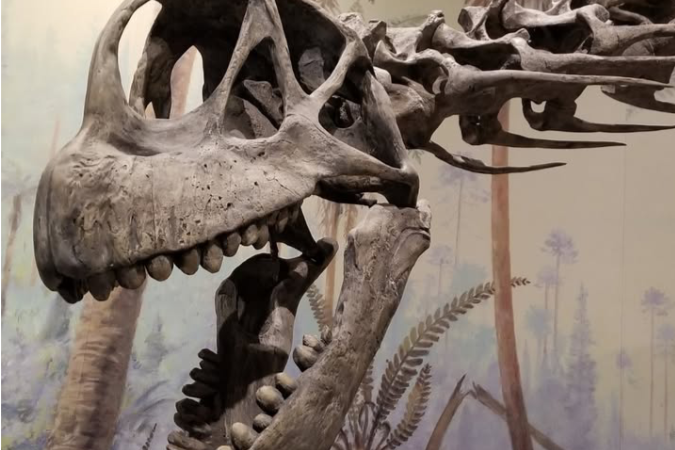
Dinosaurs weren’t always the slow, stuck-in-one-spot giants we sometimes imagine. Emerging research suggests that some species undertook long journeys, traveling vast distances in search of food, water and favorable climates. Scientists analysing the oxygen isotope composition in fossilized teeth of Camarasaurus, a heavy, long-necked sauropod, found evidence suggesting these dinosaurs migrated hundreds of miles between seasons. The variation in oxygen-18 in tooth enamel indicates that individuals drank water from different altitudes over time: one isotopic signature matches lowland flood-plains, another matches distant upland water sources. This suggests that during dry seasons, these massive herbivores left their flood-plain homes, trekked to wetter highlands to find water and vegetation, and returned later, a seasonal migration pattern.
2. Stone-Clues Hint at 600-Mile Moves
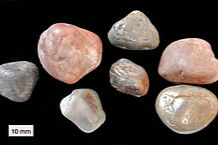
In a more unexpected line of evidence, researchers studying polished stones (likely gastroliths, stones swallowed by dinosaurs to help digest plant matter) found that some of these stones originated roughly 620 miles away from where they were eventually deposited. If the stones were indeed carried inside dinosaur stomachs, their presence far from source is a possible indicator those dinosaurs themselves travelled long distances, perhaps in search of food or new territory. This evidence, while more tentative compared to isotopic data, could more than double earlier estimates of how far dinosaurs might have roamed.
3. Herd Behavior Suggests Group Migration
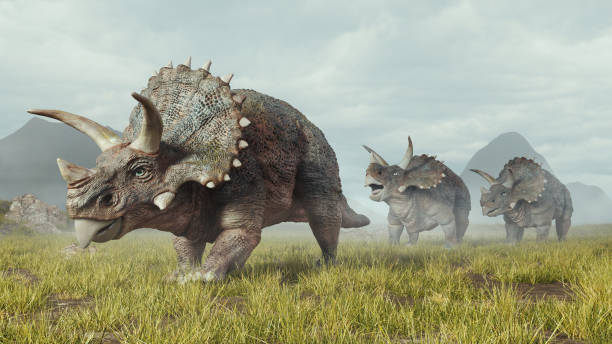
For some dinosaurs, fossils come not from isolated individuals but from large bonebeds, mass graves that imply many individuals died together. Such fossil assemblages are especially known among duck-billed and horned dinosaurs. Scientists interpret these groupings as signs that certain dinosaurs lived in herds, which naturally supports the possibility of group migration rather than solitary wanderings. If dinosaurs moved as a herd, they could have followed seasonal routes together, much like modern migrating mammals do, boosting their chances of survival by travelling as a group.
4. Some Species Could Cover Huge Distances
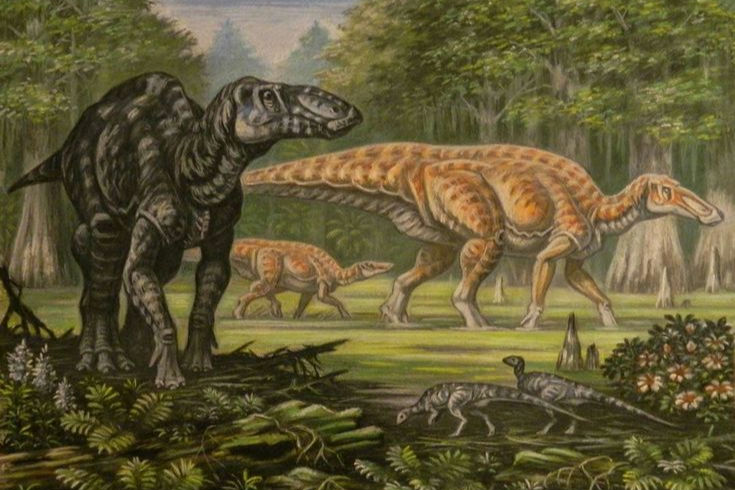
According to a 2008 review of dinosaur migration studies, certain dinosaurs, especially large hadrosaurs such as Edmontosaurus regalis, had the potential to migrate up to 2,600 kilometres (round-trip). Their body size, limb structure, and energy budget may have allowed them to travel long distances over months, possibly between polar or high-latitude regions and more temperate zones, depending on season and environmental conditions. This suggests that migration was not merely a short trek for survival but could have been a regular, large-scale life cycle pattern for some species.
5. Migration May Reflect Warm-Blooded Features
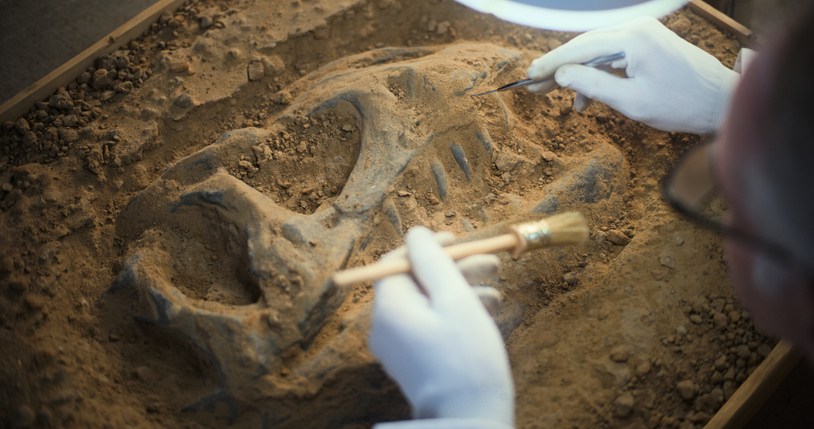
Recent research raises the possibility that some dinosaurs had metabolic adaptations more like warm-blooded animals than cold-blooded reptiles. A study mapping fossil records of many dinosaur groups suggested that some dinosaurs migrated into colder regions, a move more consistent with animals capable of regulating their own body temperature, rather than cold-blooded creatures wholly dependent on external heat. This shift in thinking offers a physiological explanation for migration: by regulating their own body heat, migrating dinosaurs could survive varying climates without relying solely on ambient temperature.
6. Trackways Show Dinosaurs Moving in One Direction
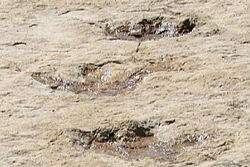
Fossil trackways offer some of the clearest behavioral clues from the past, and several long track sequences show dinosaurs walking steadily in a single direction for extended distances. These trackways often lack signs of wandering or feeding pauses, suggesting the animals were on a purposeful journey. In some regions, parallel trackways from the same time period have been found, indicating multiple dinosaurs moving together along the same route. Paleontologists interpret this as a potential sign of migration, much like how modern herds leave repeated seasonal pathways along riverbanks or desert floors. While footprints cannot confirm the length of the journey, the consistency and alignment in the tracks provide strong hints that the dinosaurs were traveling with intention rather than simply roaming.
7. Polar Dinosaurs Point to Seasonal Movement
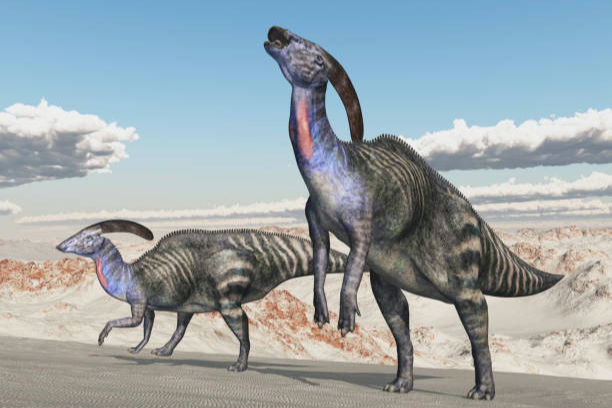
Dinosaur fossils in ancient polar regions have long puzzled scientists. Places like present-day Alaska and Antarctica once hosted dinosaurs during periods of extreme seasonal change, including long stretches of darkness. Some researchers believe certain species may have migrated south during harsh winters, much like modern caribou or geese. Hadrosaurs and small theropods are found in these polar deposits, and their abundance raises questions about how they coped with months of limited sunlight. While some scientists argue they stayed year-round, others point to growth rings in bones and the challenges of food scarcity as possible evidence they traveled long distances seasonally. These polar discoveries continue to fuel debate about whether migration helped these dinosaurs survive shifting light and climate extremes.
8. Bone Growth Rings Suggest Seasonal Stress
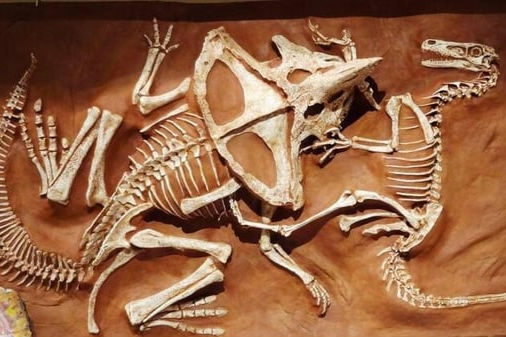
When scientists study dinosaur bones under a microscope, they sometimes see growth rings similar to those in trees. These rings show periods of fast and slow growth that reflect environmental conditions. In some species, the pattern of stress rings lines up with what would be expected from seasonal changes, such as fluctuating food availability or shifting climates. These cycles may suggest that certain dinosaurs responded by moving to more favorable regions when conditions worsened. Seasonal stress patterns do not prove migration by themselves, but when paired with geographic fossil ranges and climate data, they support the idea that moving from place to place could have been part of their survival strategy.
9. Changing Climate Zones Encouraged Movement
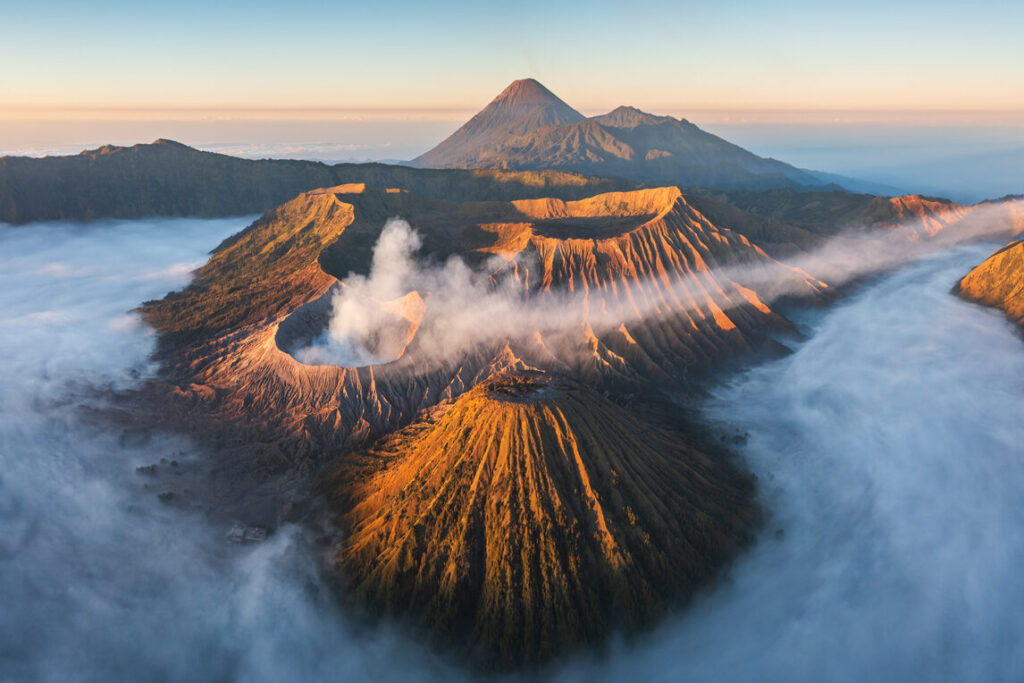
During the Mesozoic Era, global climates shifted dramatically thanks to volcanic activity, drifting continents, and rising or falling sea levels. These environmental changes often transformed regions from lush wetlands to dry plains, or from cooler habitats to hot semitropical zones. Dinosaurs living through these transitions would have faced new pressures to relocate in search of food and comfortable temperatures. Fossil evidence shows that some species expanded their ranges into newly greened areas or retreated from regions that became too dry. Over millions of years, this pattern of following favorable climate bands mirrors the kind of long-term migration behavior seen in many modern species adapting to changing environments.
10. Nesting Sites Suggest Seasonal Return Trips
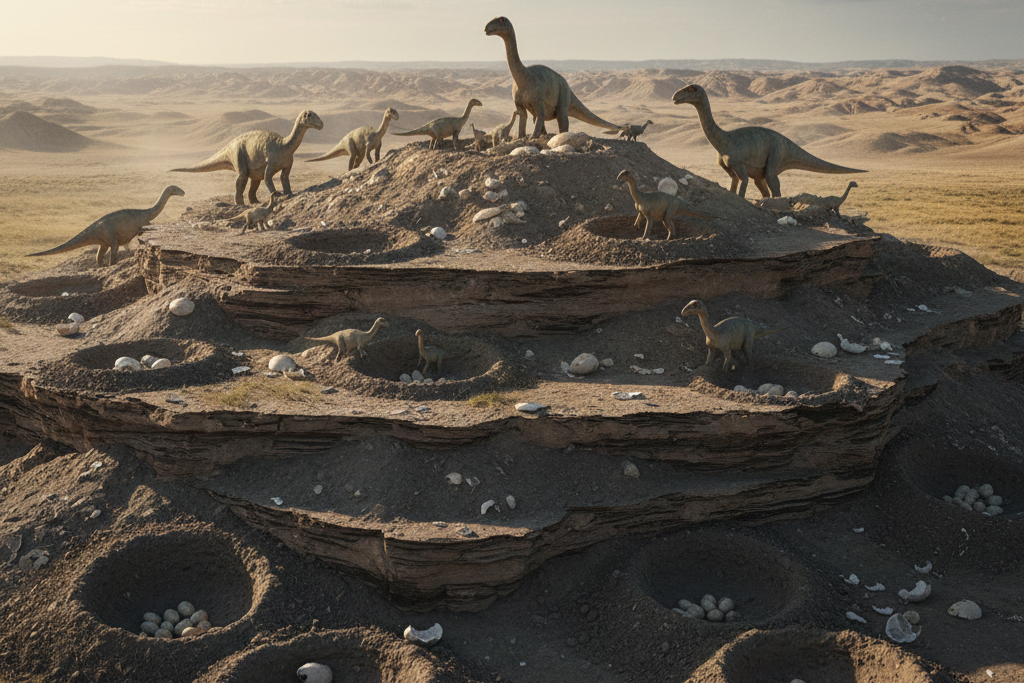
Some dinosaur species appear to have returned to the same nesting grounds year after year, a behavior seen in modern animals that migrate seasonally. Fossilized nesting colonies, especially those belonging to hadrosaurs, are found in repeated layers at the same site, suggesting generations used the same place to lay eggs. This kind of site fidelity implies these dinosaurs likely traveled away from the nesting area during the rest of the year but came back when it was time to breed. The consistency of nest structures and egg arrangements also supports the idea that these were planned return trips rather than random gatherings. Such behavior aligns closely with the patterns of today’s migratory birds and reptiles.
11. Fossil Distribution Shows Wide Travel Ranges
Scientists often compare where the same species appears across different regions, and some dinosaurs show surprisingly broad fossil distributions. For example, certain mosasaurus and horned dinosaurs are found across areas that were once separated by rivers, uplands, or shifting coastlines. These distances are too large to be explained by drifting carcasses or random chance. Instead, they suggest that these species were capable of moving through diverse terrain over long stretches of time. When the same dinosaur appears across what would have been thousands of miles of ancient landscape, it hints that seasonal or opportunistic migration may have been part of their normal behavior.
12. Seasonal Food Patterns Encouraged Movement
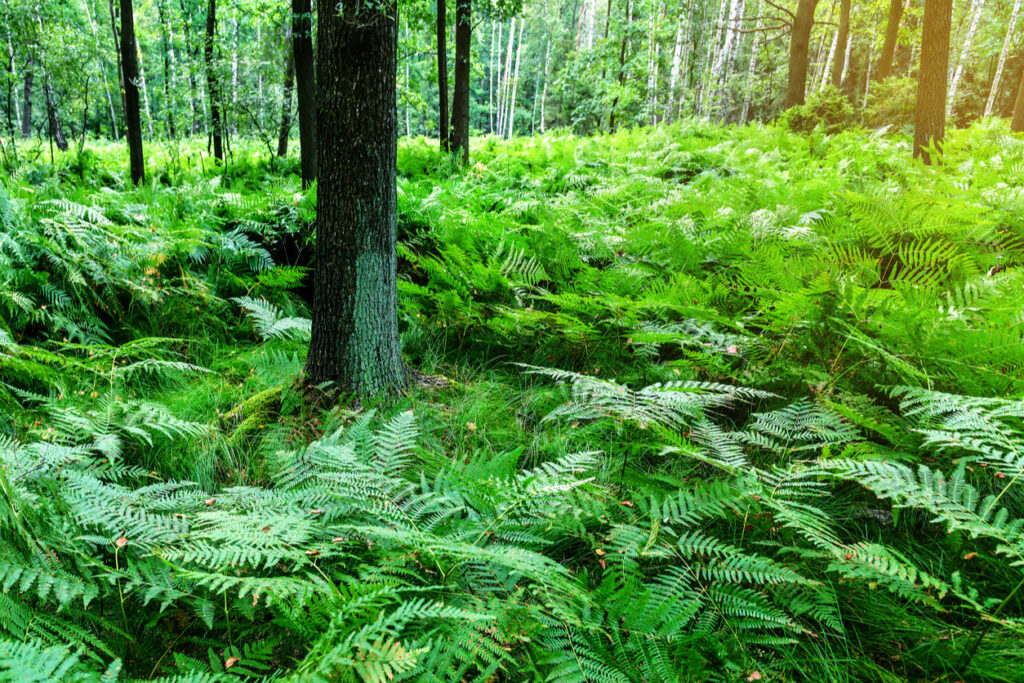
Ancient plant fossils show that food availability for herbivorous dinosaurs changed dramatically with the seasons. Wet seasons produced lush ferns, cycads, and conifers, but dry seasons often left landscapes sparse. Larger herbivores would have needed tremendous amounts of vegetation each day, making it unlikely they stayed in one area year-round. Instead, they may have followed seasonal plant growth cycles, much as elephant herds today move across savanna landscapes to find fresh vegetation. Fossil pollen studies help match plant cycles to dinosaur ranges, supporting the idea that many species roamed widely to track abundant food sources throughout the year.
13. River Systems Created Natural Travel Routes
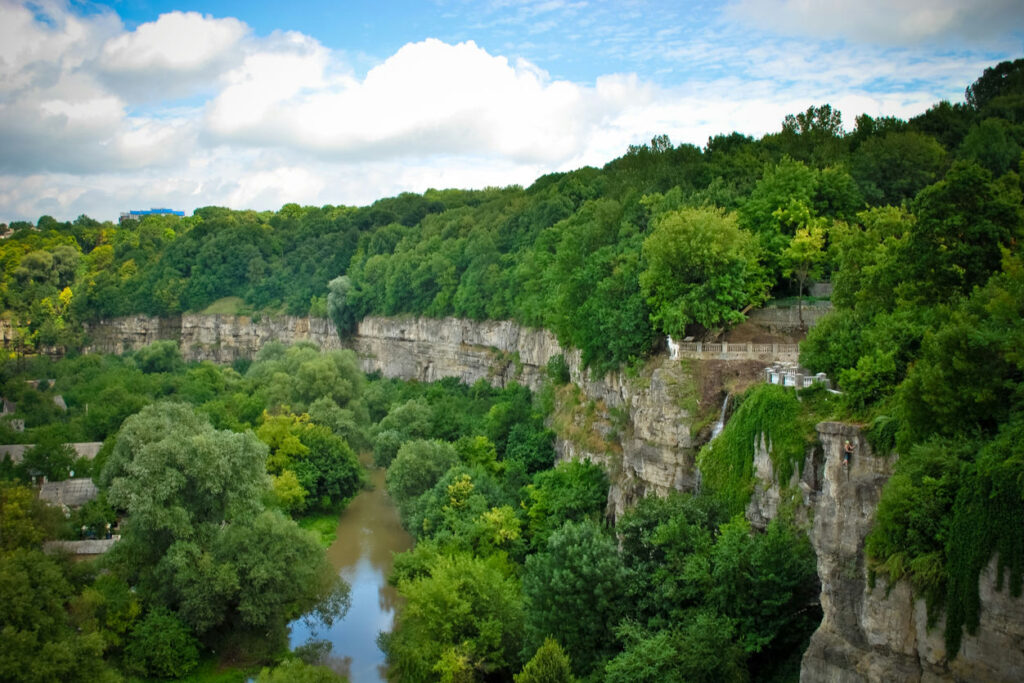
Ancient river channels often acted like travel corridors for large animals, including dinosaurs. Sediment studies show that certain dinosaur fossils are consistently found along former riverbanks, suggesting these waterways shaped their seasonal movements. Like today’s migrating animals that follow rivers for water and vegetation, dinosaurs may have depended on these systems to guide them across long distances. During dry periods, rivers would have been reliable sources of moisture and plant life, drawing migrating herds toward safer, greener floodplains. This pattern aligns with trackway evidence showing many dinosaurs moving in parallel directions along these ancient paths.
14. Evidence of Long-Distance Feeding Habits
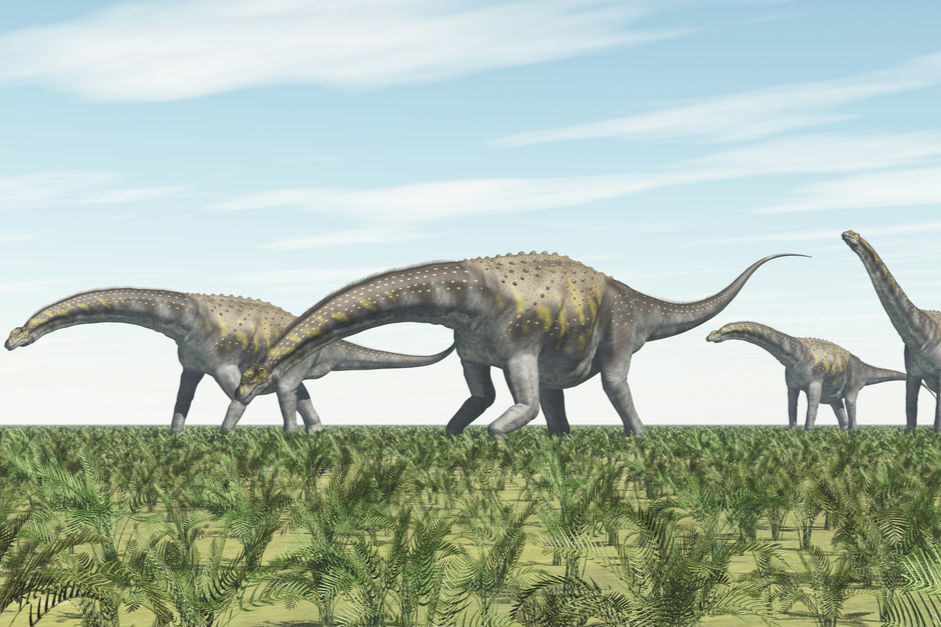
Some dinosaurs fed on plants that grew only in specific environments, indicating they traveled to access these resources. For example, stable isotope analysis in certain herbivores shows clear shifts in their diet throughout the year, matching vegetation from both high-elevation and low-elevation regions. This change suggests the animals moved between different habitats to meet their dietary needs. Modern grazers such as wildebeests and bison show similar patterns, consuming plants that grow in different regions depending on rainfall. The seasonal variation in dinosaur diets strengthens the argument that they moved across landscapes to take advantage of new growth and avoid depleted areas.
15. Geological Barriers Reveal Likely Migration Paths

Fossils and sediment layers reveal that ancient landscapes were full of natural obstacles, mountains, deserts, swamps, and inland seas. Yet some dinosaur species appear on both sides of these barriers, suggesting that they navigated around or through them over long periods. Paleogeographic maps show possible routes dinosaurs may have used, including low-lying coastal plains and forested valleys. These reconstructed pathways mirror the behavior of modern animals that migrate along the edges of inaccessible terrain to find safer passage. The presence of certain species across broad and challenging landscapes indicates that migration was not only possible but likely an essential part of their survival.
16. Social Structure Supported Long Travel

Fossil evidence suggests that some dinosaur species lived in organized social groups, which would have made long-distance travel more manageable. Trackways showing adults and juveniles walking side by side hint at coordinated movement, not scattered wandering. In species like hadrosaurs and ceratopsians, large bonebeds filled with individuals of various ages point to strong herd behavior. Social animals can migrate more efficiently because they protect one another, share knowledge of routes, and move in unison. This mirrors modern migrations seen in elephants, bison, and wildebeests, where group structure helps them cover long distances safely.
17. Energy-Efficient Body Designs
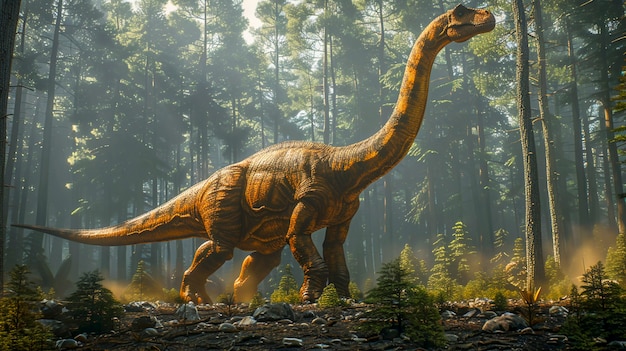
Some dinosaurs had anatomical features that supported steady, energy-efficient travel. Large-bodied herbivores like sauropods could walk long distances with relatively low energy cost thanks to their long strides and column-like legs. Studies of muscle attachment sites on their bones suggest they were able to move continuously and maintain slow but consistent speeds. Meanwhile, fleet-footed ornithomimids and some hadrosaurs had lightweight frames and balanced hips that allowed smooth, endurance-based walking. These physical traits echo those of long-distance grazers today, providing a practical foundation for migration behavior.
18. Juvenile Fossils Show Seasonal Absences
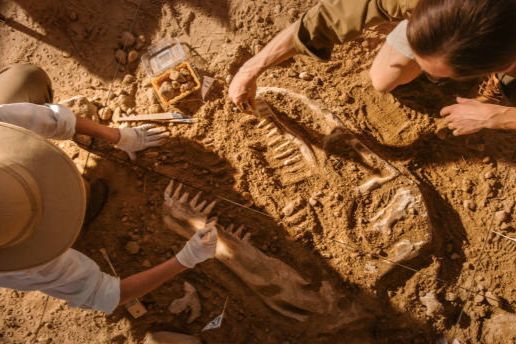
In certain fossil deposits, juvenile dinosaurs are missing during specific seasons, while adults appear year-round. This pattern hints that young dinosaurs may have left the area with their herds at predictable times, only returning when conditions improved. Some nesting grounds show the reverse: many juvenile fossils clustered together with few adults, suggesting adults may have migrated elsewhere before returning to breed. These seasonal shifts in age distribution give scientists subtle but meaningful clues about movement cycles, reinforcing the idea that migration varied across life stages.
19. Evidence of Rapid Environmental Shifts
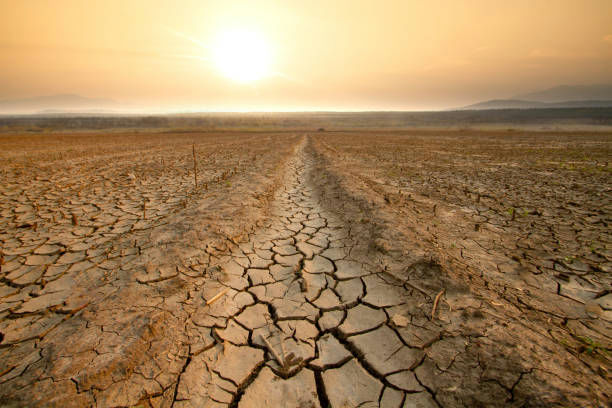
The rock record shows periods during which environments changed quickly, lakes dried, forests thinned, and coastal regions flooded. These rapid shifts would have forced dinosaurs to move or risk starvation. Fossils found in layers associated with droughts or expanding seas suggest that some species responded by relocating to more stable habitats. This kind of movement, triggered by sudden ecological pressure, resembles the way modern animals migrate in response to fires, droughts, or flooding. While not always seasonal, it still reflects the need to travel long distances to survive.
20. Predator Movements Followed Prey Herds
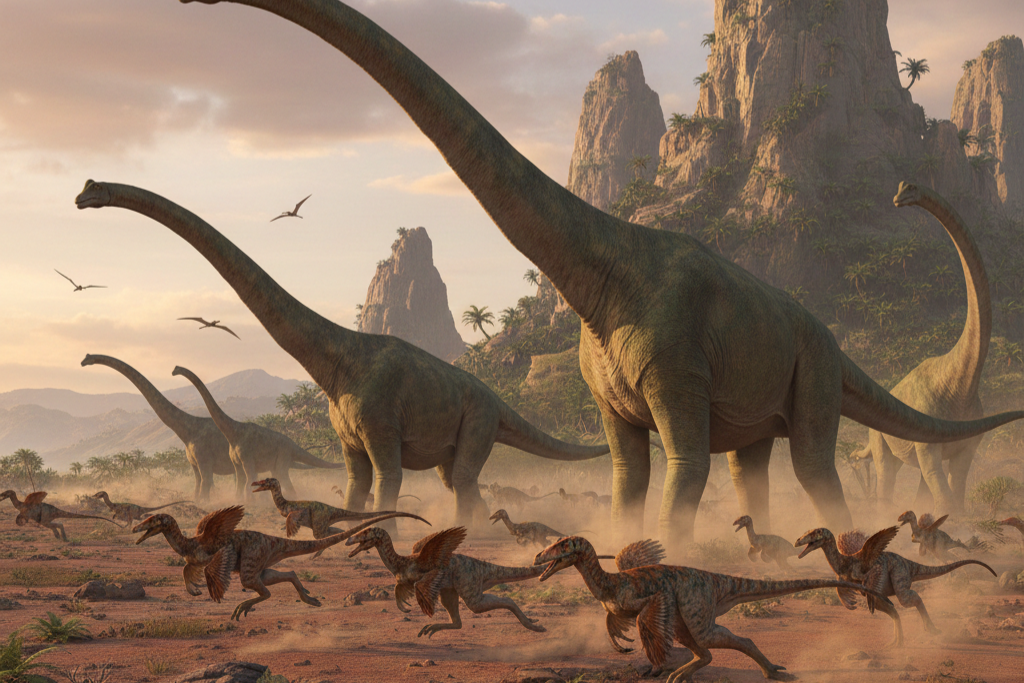
Large predators likely moved with the same herds they depended on for food. Fossils of predatory dinosaurs such as tyrannosaurs and dromaeosaurs are often found near regions rich in herbivore remains, implying they followed prey migrations in order to hunt consistently. Modern predators, from wolves to lions, show identical behavior, shadowing herds during seasonal migrations to maintain access to food. This predator-prey dynamic helps explain why some carnivorous dinosaurs appear in widely separated fossil beds: their movements mirrored the herbivores they hunted, reinforcing the broader pattern of ecosystem-wide migration.
21. Fossils Found Across Former Land Bridges
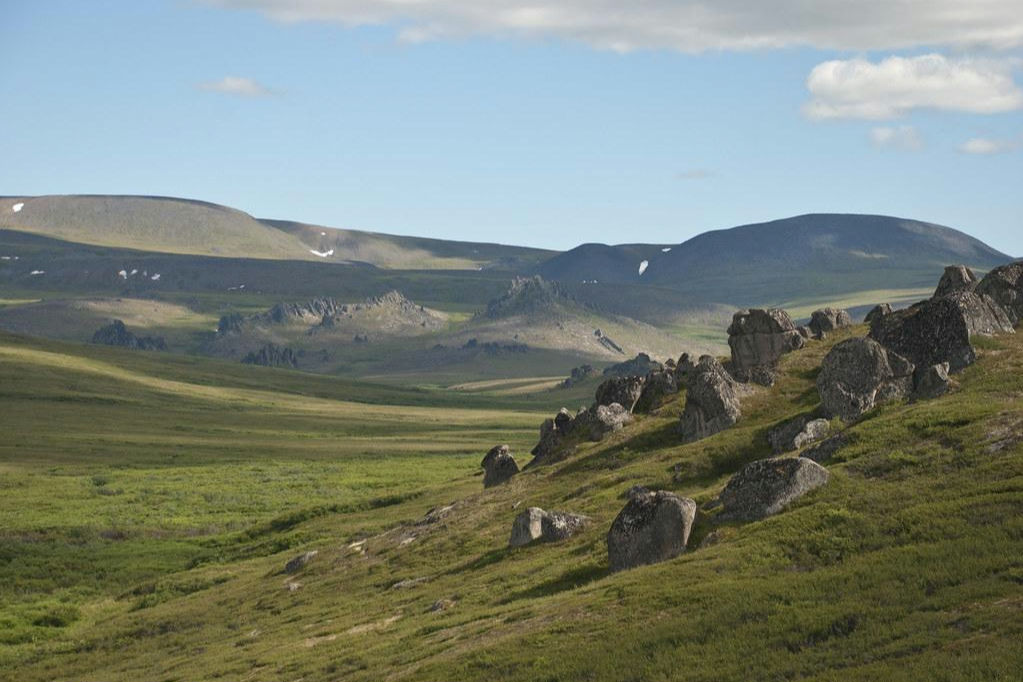
During the age of dinosaurs, shifting sea levels sometimes exposed land bridges that connected continents or large regions. Fossils of the same species appearing on both sides of these ancient corridors suggest dinosaurs used them to move into new territories. These connections didn’t last long in geological terms, so animals had to cross while conditions allowed. This pattern mirrors how migrating mammals used the Bering land bridge much later in Earth’s history. The presence of identical dinosaur species in far-spread locations supports the idea that they traveled long distances whenever geography opened a temporary pathway.
22. Changing Sea Levels Redirected Routes
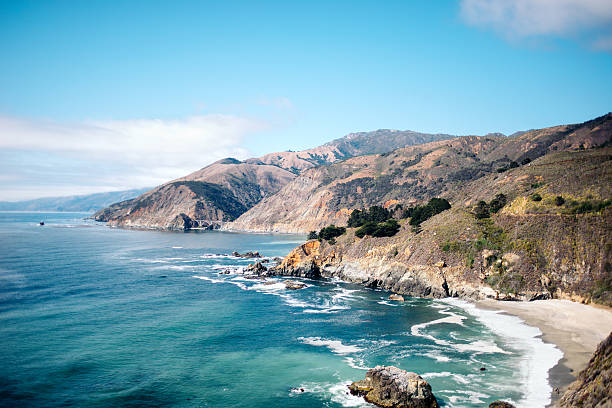
As ancient seas expanded and retreated, they repeatedly reshaped dinosaur habitats. In some periods, rising waters isolated populations; in others, falling seas opened vast new coastal plains. Fossils found in layers that match these shifting shorelines suggest dinosaurs moved with these changes, following retreating waters toward fresh feeding grounds. When coastlines expanded, dinosaurs likely used these resource-rich areas as seasonal foraging zones. The repeated appearance of the same species in alternating inland and coastal deposits points toward flexible movement influenced by changing sea levels.
23. Large Herd Trackways Spanning Kilometers
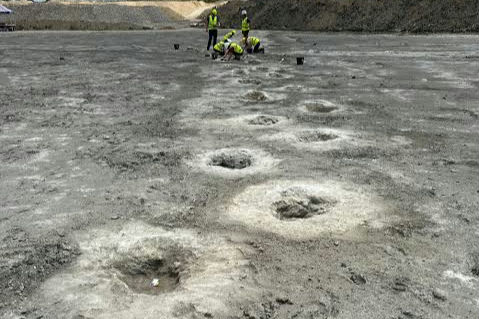
In some parts of the world, researchers have uncovered extremely long trackways created by dozens of individuals moving together. These continuous footprints stretch across ancient mudflats and river valleys for remarkable distances. The size and spacing of the tracks indicate synchronized movement, with animals walking in the same direction at similar speeds. Because the tracks were made over soft ground that preserved only brief moments in time, such organized patterns hint at a major journey rather than casual movement. These long, unified trackways remain some of the strongest behavioral evidence for coordinated travel that may reflect migration.
24. Specialized Teeth Suggest Seasonal Diet Shifts
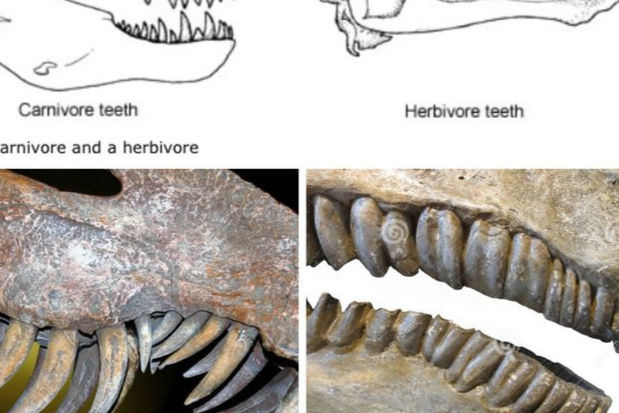
Dinosaur species with highly adapted teeth provide clues about where and when they might have traveled. Some herbivores had dental structures suited for tough, woody plants, while others were better equipped for softer, seasonal vegetation. Fossil analysis shows that certain species switched their feeding habits throughout the year, likely depending on what plants were available in different regions. These dietary shifts would have required movement, especially during dry or cooler seasons when their preferred plants were scarce. This pattern is similar to modern animals that migrate to follow specific plant cycles, suggesting dinosaurs used the same strategy.
25. Global Fossil Maps Reveal Distinct Movement Patterns
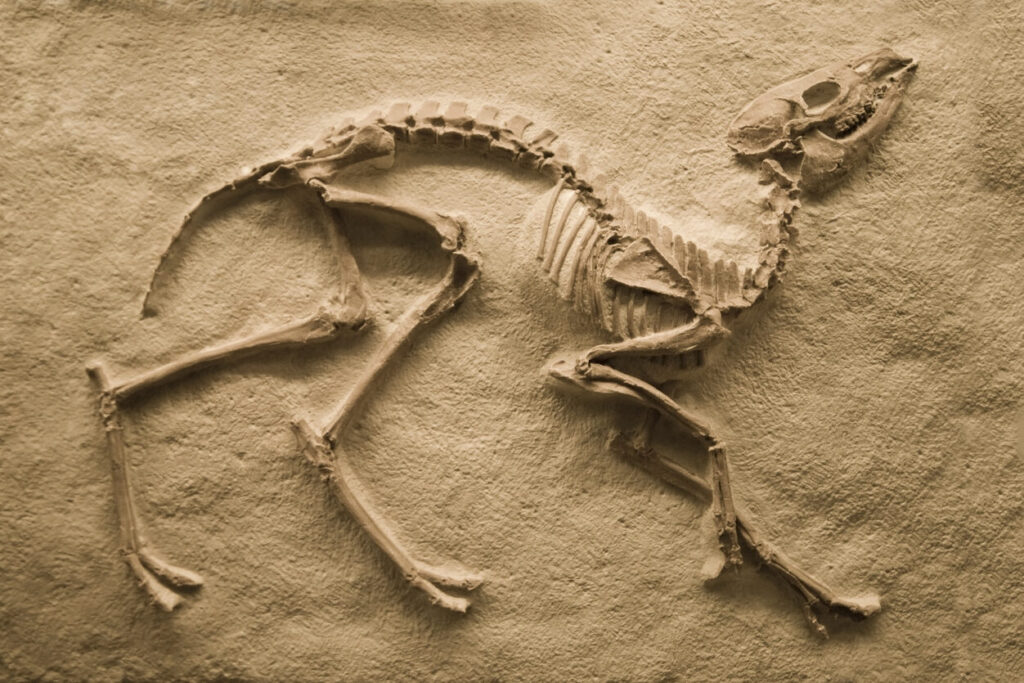
When paleontologists map dinosaur fossils across entire continents, clear movement patterns begin to emerge. Some species appear only in northern regions during certain time frames but spread farther south during others. These changes align with known climate shifts, vegetation patterns, and geological events of the era. By comparing fossils in younger and older rock layers, scientists can trace how species gradually expanded or contracted their ranges, much like migratory pathways traced through time. These large-scale patterns help reveal how dinosaurs responded to long-term environmental pressures, adding one more layer of evidence that migration played a key role in their survival.
As scientists uncover more fossils and refine new analysis techniques, we gain a clearer picture of how dynamic dinosaur life may have been. Far from staying rooted in one region, many species appear to have followed seasonal food sources, shifting climates, and ancient geographic pathways.
This story New Clues Suggest Some Dinosaurs Were Capable of Migration was first published on Daily FETCH


