
Calling Out in the Wild

It is easy to think animals make sounds without meaning, yet elephants push us to look deeper and wonder if they might be doing something more personal. When elephants rumble, it is not just noise across the savanna. Some of those deep, low calls seem to reach a specific individual the same way we might call someone by their name from far away. The idea that they might be saying something that translates to a unique identity adds warmth to how we see them. It feels like listening in on a quiet world that has always existed around us.
Familiar Voices
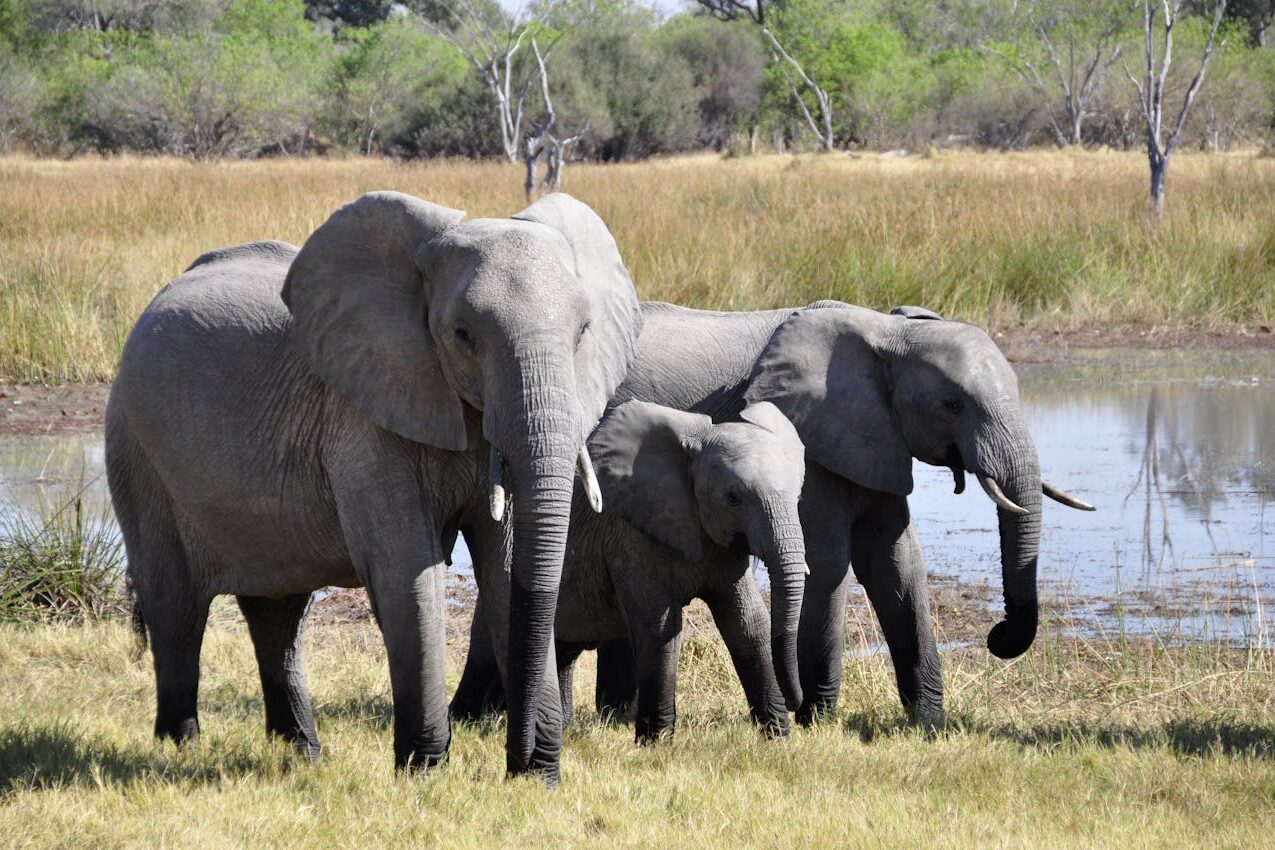
Elephants spend most of their lives together, forming tight social circles much like extended families. If they are using name like calls, it fits the way they stay connected. A single rumble could be a simple check in or a way to get the attention of a friend who wandered too far. Imagine hearing a familiar voice call you from another room and knowing immediately it was meant for you. That is how their vocal communication might work. It hints at friendship, memory and bonds that may be deeper than we assume when watching them from a distance.
Mothers and Calves
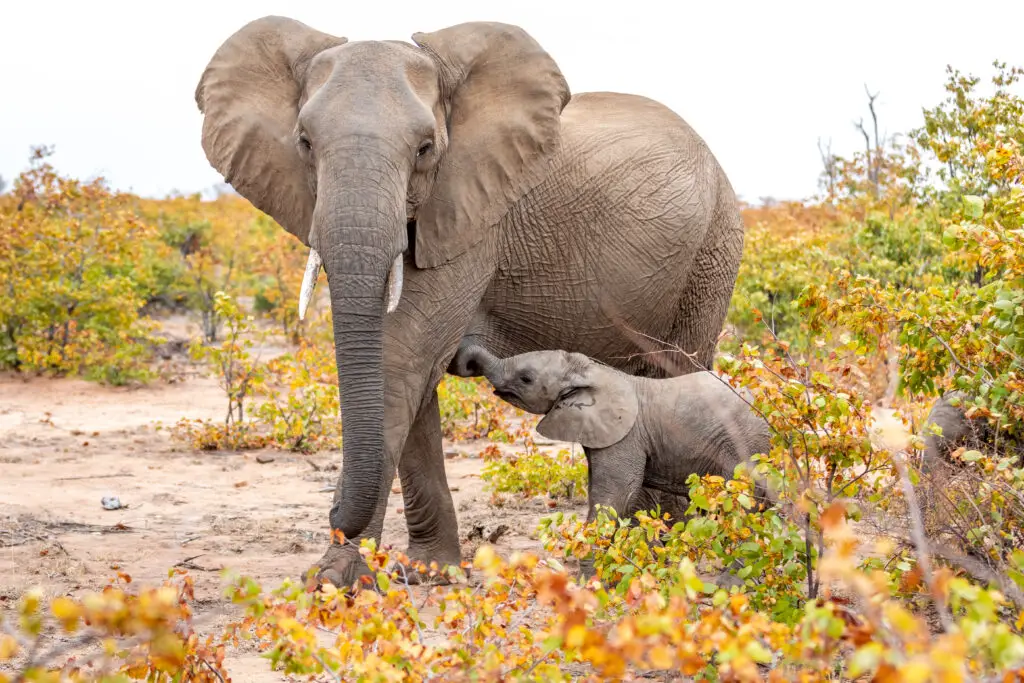
Young elephants do not instantly understand complex sounds, just like human babies need time to recognize familiar voices. A mother’s rumble can cut through noise and confusion, guiding a calf without needing to move closer. If some calls work like names, it helps mothers keep track of little ones who love exploring. The baby hears something that feels like a safe reminder of who is calling. It shows how parenting is not just physical but also emotional communication. A mother’s voice, no matter the species, can be a language of reassurance, direction and comfort in uncertain places.
Finding Each Other

Elephants often live in environments where they cannot always see one another. Thick bushes, tall grass and large distances make sight unreliable. Sound becomes their lifeline. A call that identifies an individual helps them reconnect when space or obstacles separate them. It is like calling across a crowded street to get a friend’s attention when you cannot walk over immediately. These vocal habits help the herd function smoothly. They do not need to stay tightly packed to remain connected. Their communication builds invisible threads that hold them together even when their bodies are far apart.
Recognizing Identity
When we recognize our names, it makes us feel seen. For elephants, responding to a specific call shows they know when something is meant for them alone. It is more than reacting to a loud sound. It is reacting to a familiar label that belongs to their identity within the group. It suggests they have individual awareness and memory of who they are to others. This possibility makes them feel even more relatable. They are not just animals responding to instinct. They might be aware of themselves as unique individuals with places in their families and friendships.
Social Intelligence
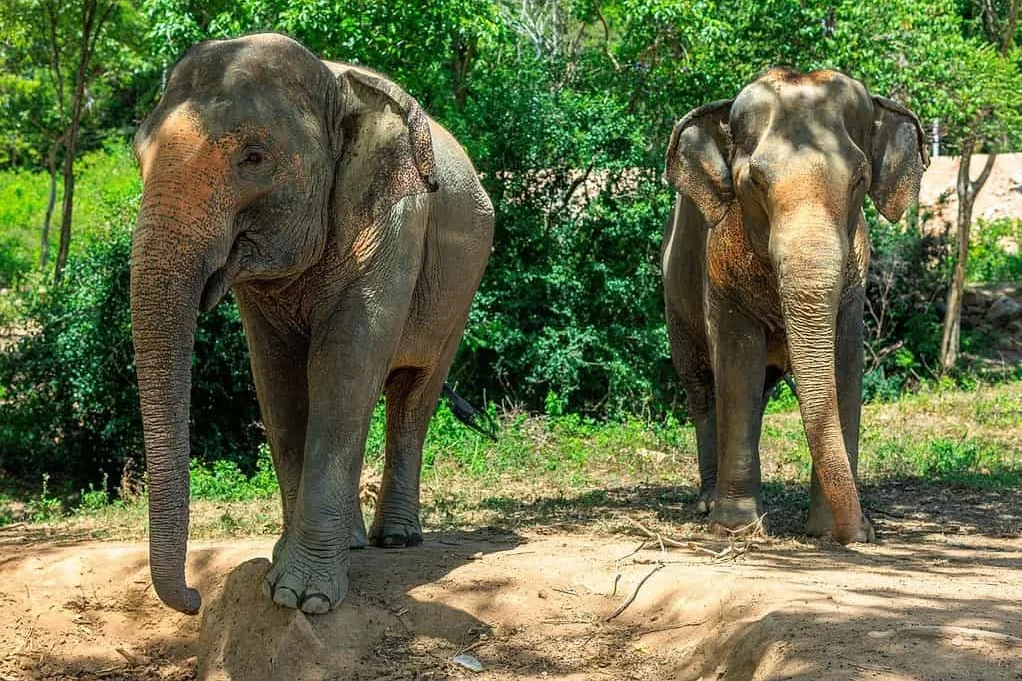
Elephants are known for their impressive memory, and using name like calls could be another sign of their intelligence. Keeping track of different voices and remembering who each one belongs to requires learning, attention and social understanding. It is like remembering the voices of relatives you do not see often. It shows that elephants may think about others in a personal way, not just as members of a herd. This kind of communication shows how complex their relationships might be. Their minds may hold pieces of the individuals they know, shaping how they interact and stay connected.
Emotional Connection
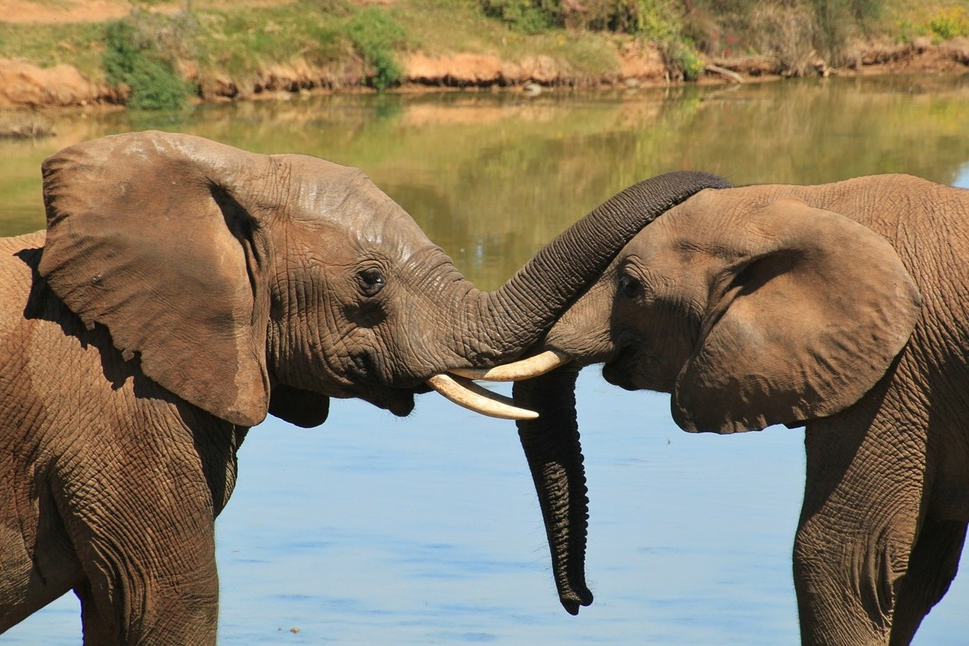
Some calls among elephants seem emotional, especially when reuniting after time apart. A familiar rumble that feels uniquely directed at a specific elephant could carry affection or relief. Think about how hearing your name spoken happily can lift your spirits. The same could happen among elephants when they recognize a call from someone they care about. It adds depth to their interactions, suggesting that their voices are not only tools but expressions of how they feel. Their communication might carry subtle layers of emotion, showing love, concern, comfort or excitement in ways we cannot easily measure.
Leadership Calls
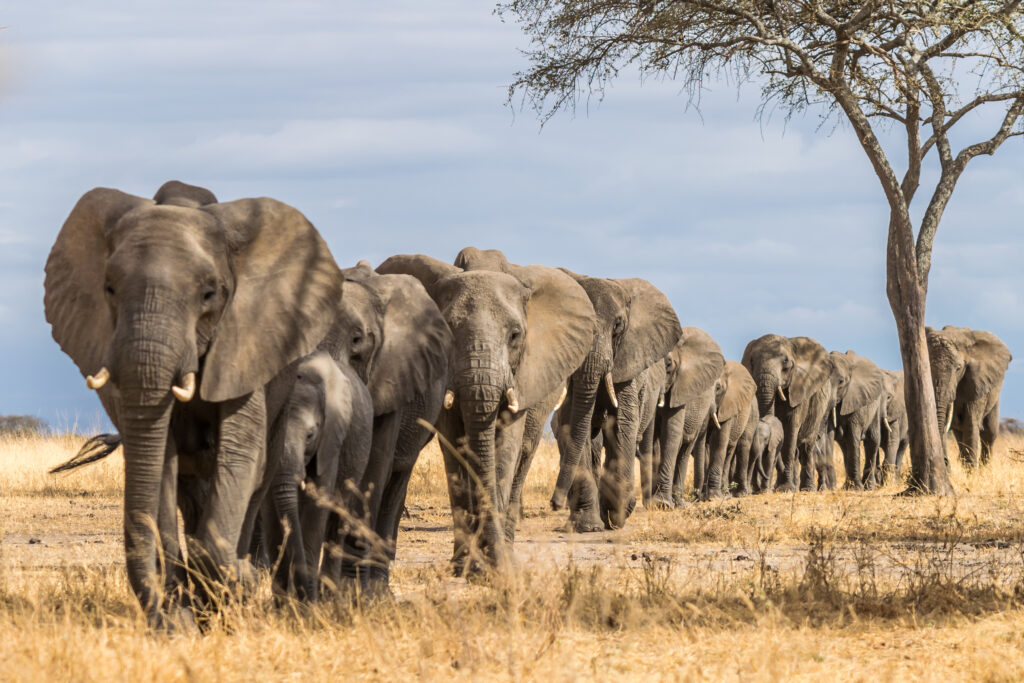
In a herd, leaders often organize movement and keep everyone together. If elephants use vocal labels that act like names, leaders might call individuals who need direction or guidance. It is similar to a team leader calling a group member to stay alert or join the group. These calls help maintain order without force. They maintain unity and cooperation. The individual being called responds because the voice holds authority and familiarity. With such communication, leadership becomes less about dominance and more about connection, respect and shared responsibility for the wellbeing of the entire herd.
Helping the Young Learn
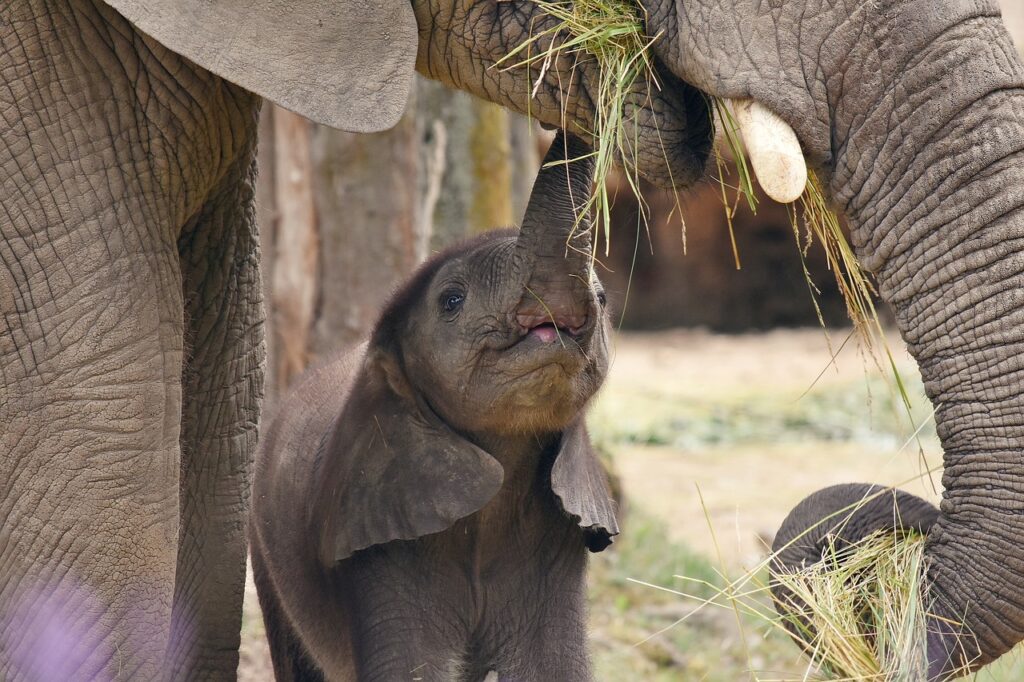
If calves take time to understand individualized calls, it suggests they undergo a learning journey that shapes their ability to socialize. Young elephants might listen more often than they speak, slowly absorbing the meaning of different sounds. Adults may call them patiently, waiting for that understanding to develop. It mirrors how children learn to listen to their names before learning to speak. The process seems rooted in love, repetition and practice. It makes communication a shared experience passed down through generations. These lessons help the young become confident individuals in their own social world.
Communication Over Distance
Elephant voices travel far, especially their low frequency rumbles that vibrate through the ground. When calling each other by something like a name, it helps them maintain relationships across wide spaces. Distance does not weaken their bond if they can communicate effectively. It is like calling a loved one on the phone when you are far apart. You still feel connected. Their vocal system might serve as a long distance friendship tool that keeps family members united even in large landscapes. It shows how communication is not just about language but about holding relationships together.
Personality in Every Call
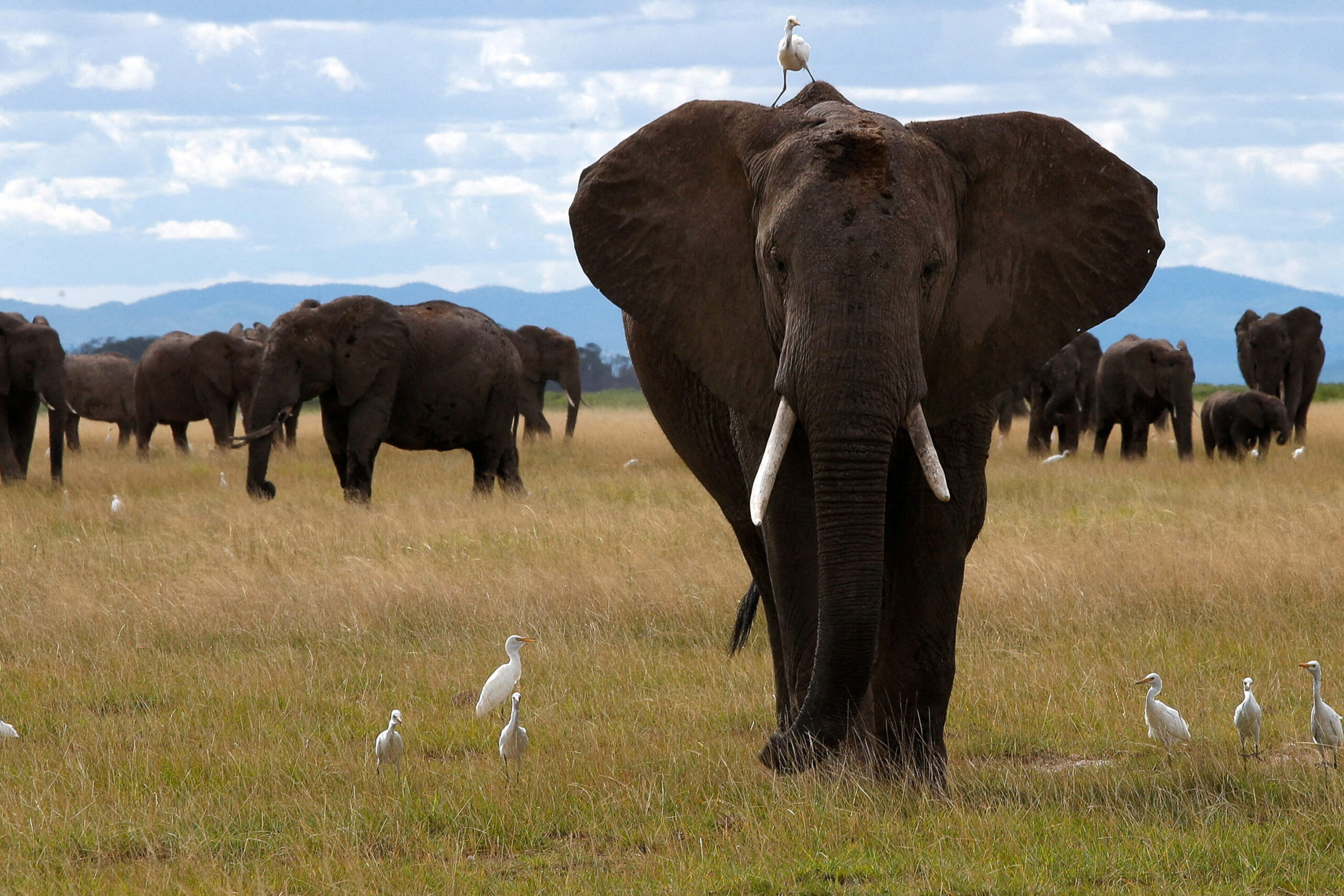
If individual calls represent something like names, they might also reflect personality. Elephants have different temperaments, preferences and social styles. A call directed toward a calm elephant might sound different than one intended for a playful one. By communicating individually, they recognize who they are speaking to rather than treating everyone the same. This adds a layer of personal attention that makes their social life more complex. They may understand each other’s behavior and character through subtle cues, just as humans adjust tone when talking to different people based on familiarity and shared habits.
Trust in Familiar Sounds
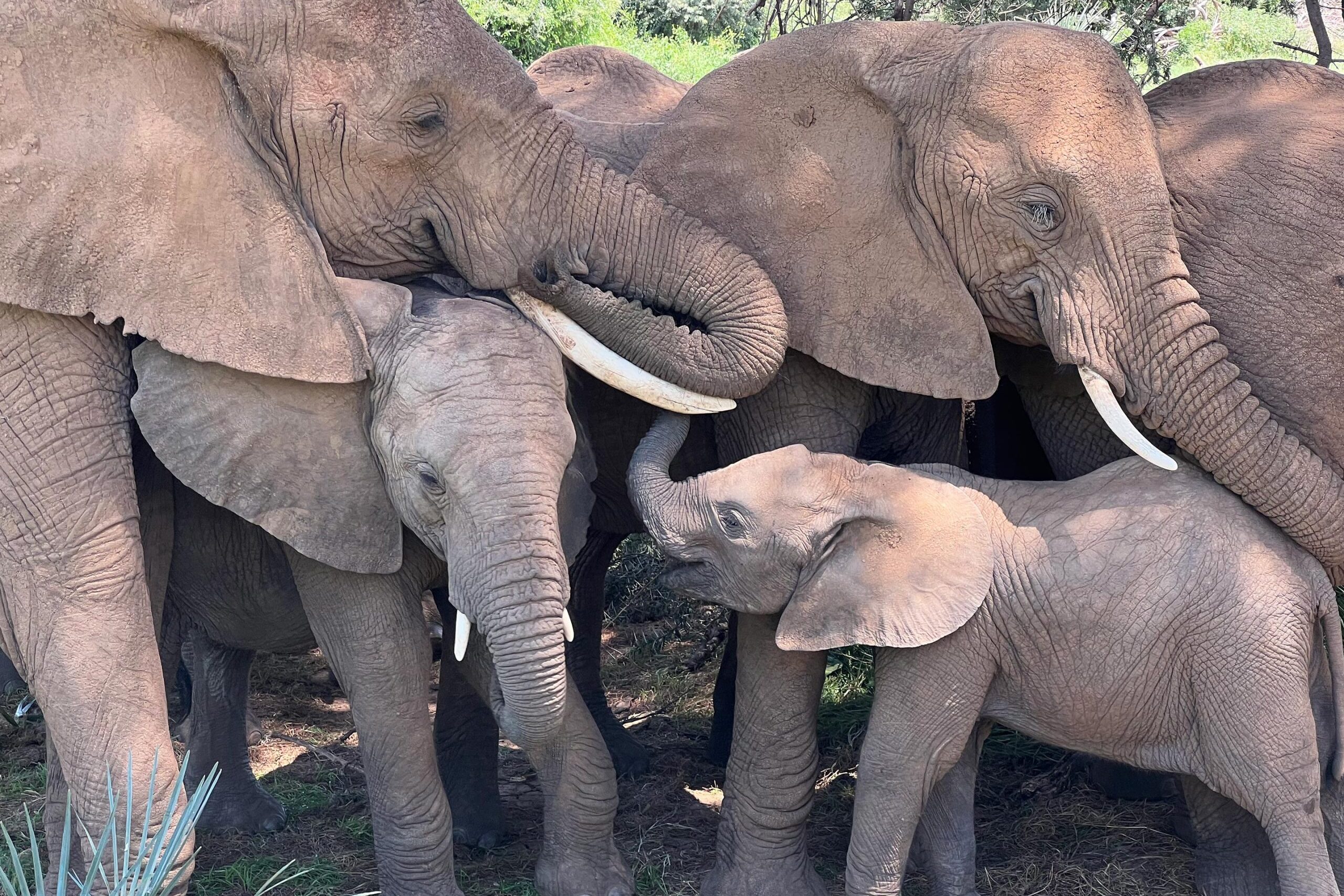
In groups, trust grows through consistent interactions. If elephants know who is calling, they may feel safer responding. A familiar rumble signals reliability. It tells them they are with someone they recognize. It prevents confusion and protects them from potential threats. Elephants respond differently to strangers and family, much like people become more relaxed when spoken to by someone they know. These name like calls strengthen their confidence in social bonds. It supports a sense of belonging. Trust builds slowly but lasts long, especially among creatures who live, travel and raise young together.
Navigating Busy Herd Life
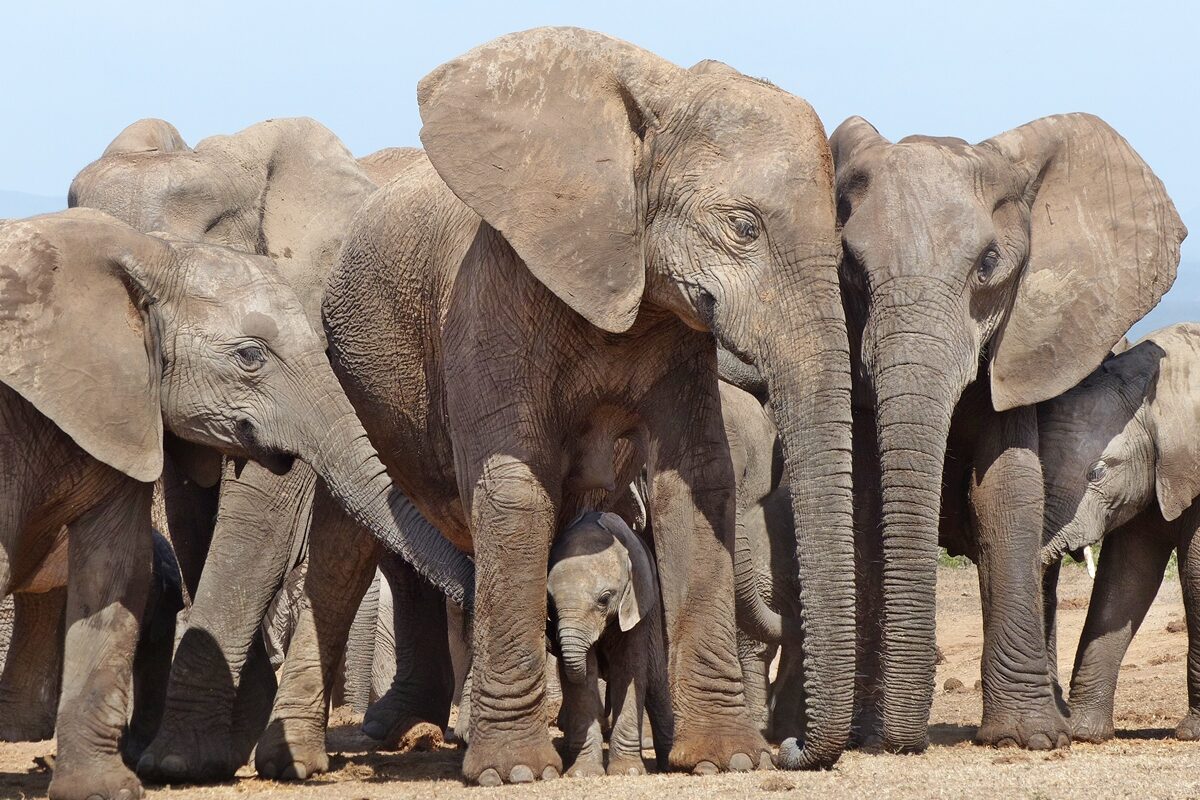
Herds can be noisy, crowded and full of movement. Being able to call individuals helps elephants manage this busy environment. When everyone moves, eats, plays and watches for dangers together, voices guide coordination. A specific call to one elephant prevents misunderstandings. It directs attention clearly so the group does not have to rely on guessing or reactions to general noise. Life becomes less chaotic because their communication is purposeful. Instead of confusion, they use voices like gentle instructions. It allows large families to move with unity even when it looks like they are all doing different things.
Strength of Memory
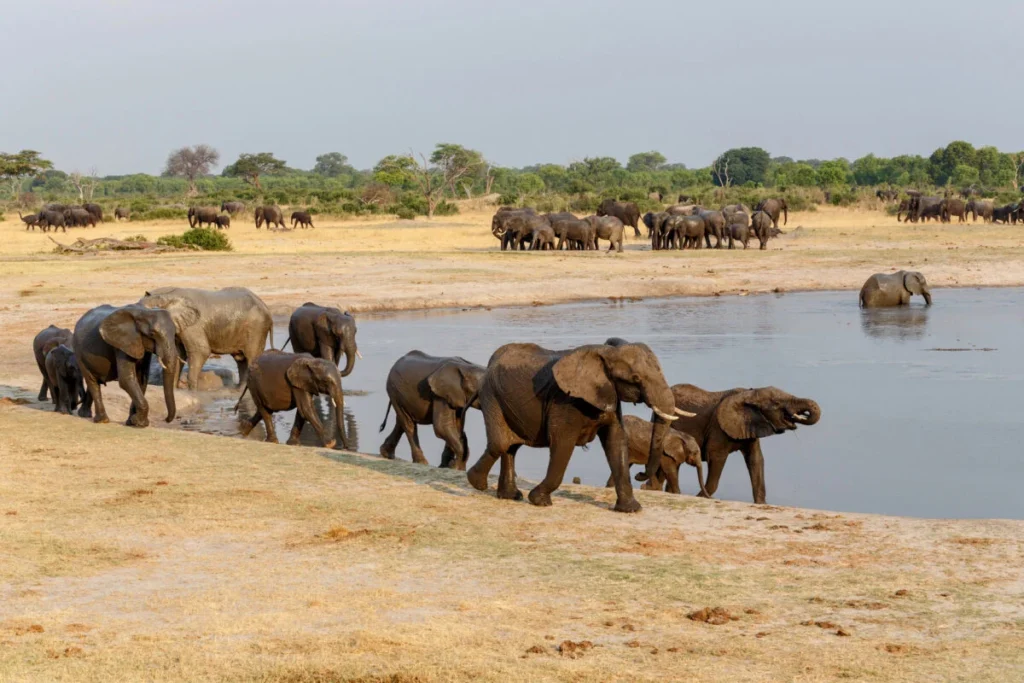
For elephants to recognize individual calls, they need strong memory skills. They remember each voice and what it represents. They may recall it even after periods apart, much like old friends recognizing long forgotten voices. Their memory protects their relationships. It keeps feelings intact even when separated by time or distance. This long term recognition proves social life does not fade easily among them. It shows how the past remains present in their minds. Elephants might carry memories of others the same way we keep mental pictures of friends, family and meaningful interactions we never forget.
Problem Solving Through Sound

Communication can help solve problems. An elephant calling a specific individual may be asking for assistance with danger, direction or decision making. It works like calling someone who has the ability to handle a situation. If a strong or experienced elephant hears that call, they might step in to guide or support the group. Their vocal system becomes a tool for problem solving. They use it to rely on one another without needing physical closeness. It is a reminder that solutions are easier when someone knows how to reach the right individual to respond quickly and effectively.
Building Friendships

Friendships among elephants often grow naturally, with certain individuals choosing to spend more time together. If they use calls like names, these friendships likely become even more meaningful. Being able to call out to a friend instead of just any herd member strengthens their connection. It shows preference, choice and emotional attachment. Friends become easier to find, and time apart becomes easier to handle because they can reach each other without touch or sight. This simple act of communication could be one of the ways their friendships deepen and remain strong through many seasons of life.
Cooperation on the Move
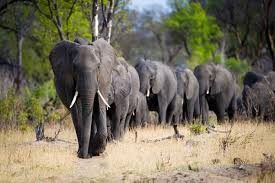
Traveling as a herd requires organization and cooperation. The ability to call individuals helps guide movement. It ensures that no one gets left behind and everyone knows what the group intends to do. When a leader calls someone who is moving too slowly or exploring too far, it directs attention without fuss. This reduces the need to constantly gather close together. Elephants can explore freely without risking separation. Cooperation becomes smooth and comfortable. They move like a connected team that understands each individual plays a role. Voices guide their steps like quiet signals nobody else can fully decode.
Comfort During Stress
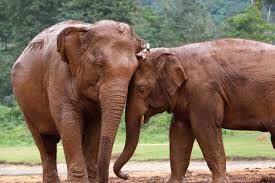
When faced with danger, confusion or loss, elephants turn to one another emotionally. Calling an individual by a specific sound may offer comfort. Hearing a familiar voice reduces fear and reminds them they are not alone. Much like humans who call someone they trust during stress, elephants may rely on comforting calls to stabilize their emotions. The voice becomes a safe space that reminds them of security and belonging. Their sensitivity shines through these interactions. It reveals that communication has layers that go beyond practical needs and supports their well being in vulnerable moments.
Welcoming New Members
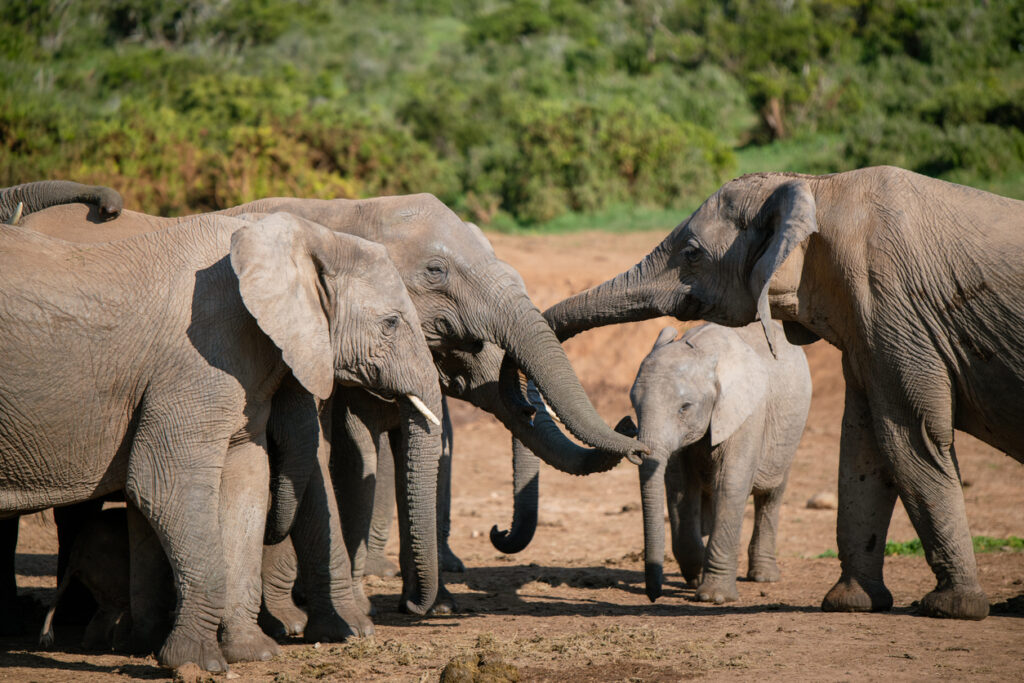
A herd often welcomes newborn calves and sometimes adopts or accepts outsiders. Communication helps them fit into the social system. If name like calls exist, calves will eventually receive their own vocal identity, and newcomers might slowly earn recognition through repeated interactions. Hearing personalized calls could become a sign of acceptance. It would mean they are no longer strangers but individuals worth remembering. This slow process mirrors how trust forms in human communities. To be acknowledged personally feels like being invited into a circle where one belongs. It is a gentle transition into collective life.
Strengthening Family Bonds

Families rely on shared recognition. When elephants can call relatives by unique sounds, they strengthen those relationships even more. Each voice becomes part of their family identity. The rumble directed toward a sibling, parent or child carries familiarity that makes family life feel natural. These sounds may express protection, guidance, affection or even playful invitation. They hold emotional value that keeps families united. The herd becomes a web of relationships, not just a group living together. If names truly exist among elephants, they help build a sense of family that is cherished and remembered throughout their lives.
Respect Within the Group
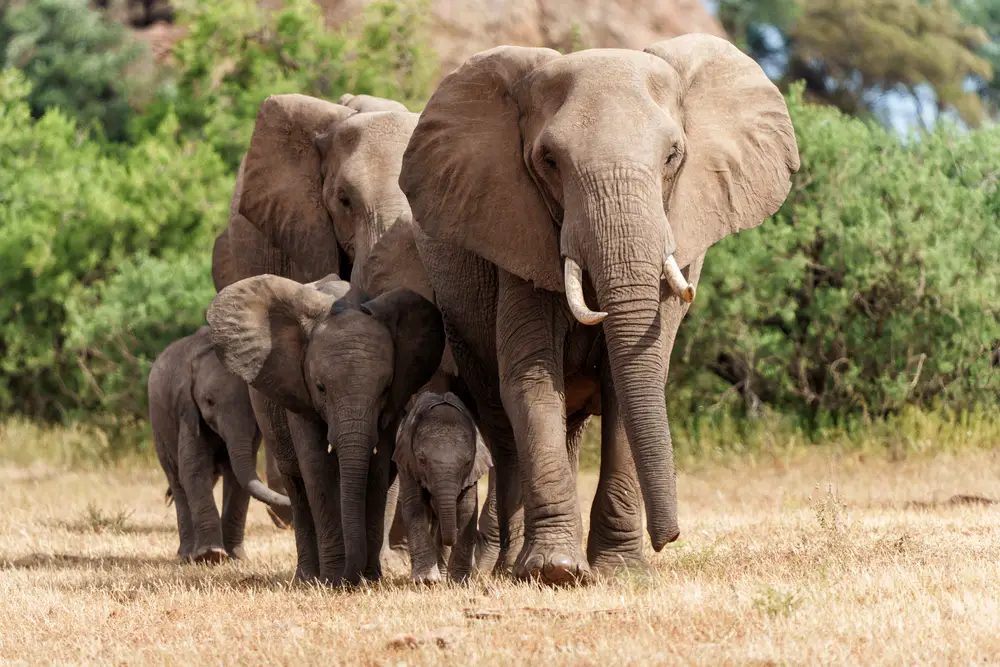
Social groups are held together by respect. Calling someone specifically might show recognition of their role or status. Whether it is a wise elder, a caring mother or a confident leader, elephants may use their voices to acknowledge importance respectfully. It works like speaking directly to someone who deserves attention. Respect becomes audible. It shines through specific communication rather than silence. This could help maintain harmony within the group. By responding to one another individually, elephants show that everyone matters and that listening is as important as speaking when living together in close community.
Teaching Through Sound
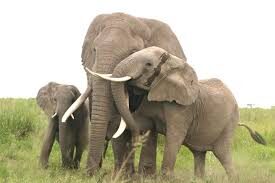
Older elephants guide younger ones in many ways, and their voices can be tools for teaching. If name like calls exist, adults might use them to get a calf’s focus during learning moments. Whether they are teaching how to find water, choose safe paths or avoid harmful plants, the ability to call a calf directly offers structure. It helps the calf pay attention and learn faster. Teaching becomes interactive through familiar voices. Lessons are not just shown but also spoken in ways that help the young connect the sound with survival skills they will use throughout life.
Keeping the Group Safe

Protection often depends on communication. Calling specific members helps elephants coordinate when danger appears. A mother can guide a calf, and leaders can direct others to move or gather. Individuals who must respond quickly can be reached instantly with a familiar call. Their awareness becomes sharper because they know when a message is meant for them. This makes group defense more efficient. It keeps young and vulnerable members safe. Their voices become tools for rescue and survival. Safety is a shared responsibility, supported through signals that strengthen awareness when threats approach.
Decision Making Together

Elephants make group decisions about when to travel, where to find food and how to react to changes in the environment. Communication that reaches individuals helps guide these choices. When leaders call specific elephants for movement or direction, it invites cooperation. Others follow because the interaction is personal, not chaotic. The herd makes decisions that reflect their collective needs. Individuals become part of the process. Whether moving toward water or avoiding conflict, they shape their plans together. This kind of decision making reflects trust, communication and respect, transforming simple animal behavior into thoughtful group action.
Reuniting After Separation

Elephants sometimes separate for hours or longer while searching for food. The ability to recognize individualized calls becomes important when it is time to find one another again. When they reunite, their calls might express happiness or relief. The sound becomes part of the reunion itself, like hearing a familiar greeting after returning home. It feels like connection restored. Even if they were not worried, the call signals recognition. They know exactly who they are meeting again. This attention to individuals shows that relationships do not fade, even when distance separates them temporarily.
The Meaning Behind the Voice

Every sound among elephants may carry more meaning than we assume. A call that functions like a name holds history, emotion and intention. It is shaped by who is speaking and who is listening. The same call could feel different depending on the situation. A calm moment, a warning or a joyful reunion gives flavor to the voice. Names among humans carry similar layers. We can hear happiness, worry or patience in someone’s voice when they say our name. Elephants may share that experience in their own way, making their world richer than we once believed.
Communication Beyond Words
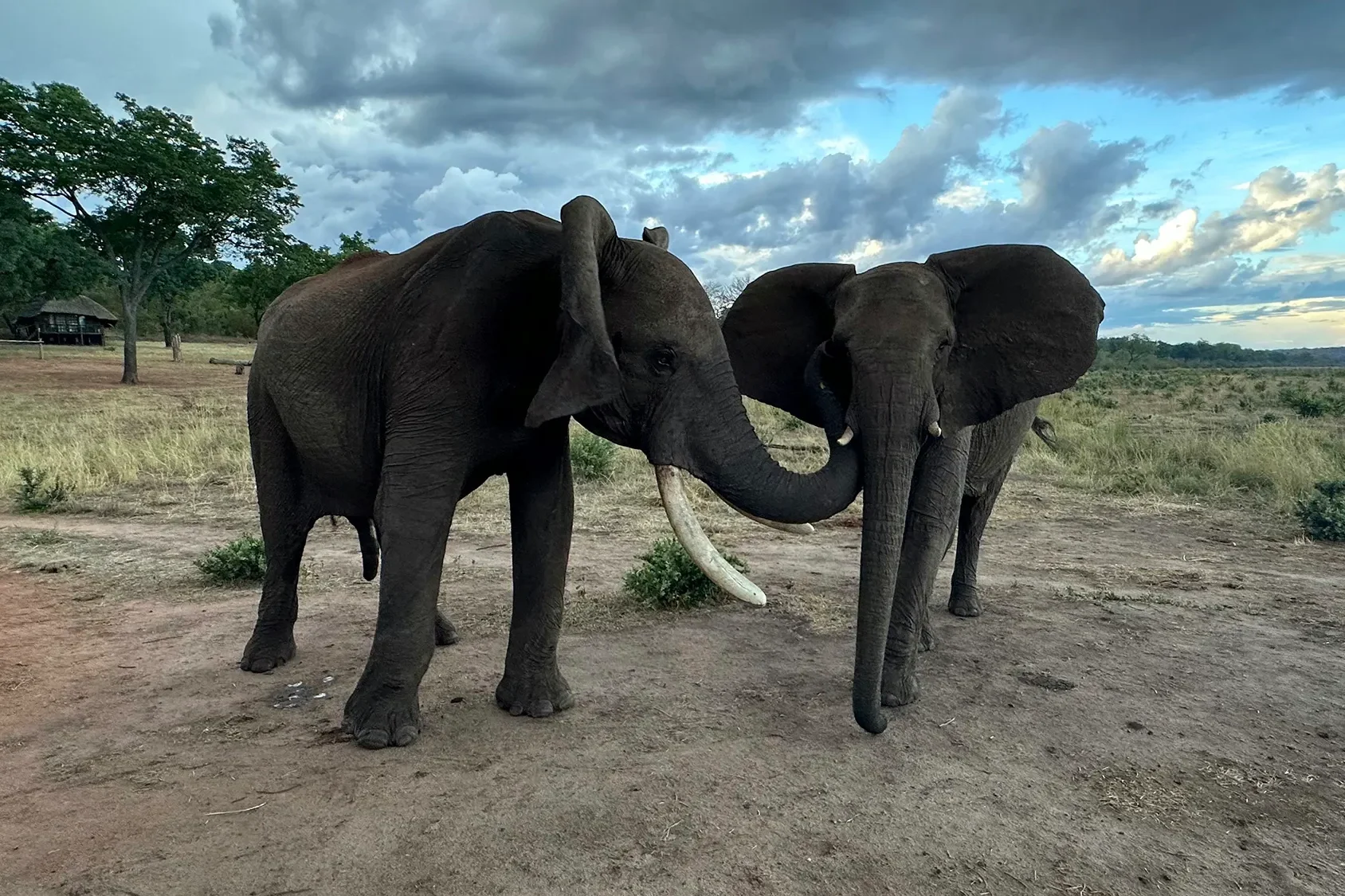
Elephants do not speak human languages, yet they communicate clearly and effectively. Their name like calls show that language does not require human words to convey identity. Sound becomes a label that belongs to an individual. Connection happens without vocabulary. Their communication blends emotion, identity and practical needs in a way that feels familiar to us. It reminds us that understanding is not limited to grammar or speech. It grows through shared experience and consistent attention. Elephants speak through sound that represents belonging, making communication something deeper than phrases.
Identity Without Speech

Even without spoken names, elephants might understand personal identity. A call directed at one elephant shows recognition beyond physical appearance. It means others think of that individual, remember them and reach out to them. Identity becomes a memory held in sound. The moment someone calls, they acknowledge existence and value. It is similar to how humans express identity through attention rather than words alone. Recognizing someone is not only about knowing their name. It is about remembering them, calling to them and expecting them to respond. Elephants appear to share that form of identity.
What We Can Learn
Studying elephants teaches us to appreciate communication beyond human complexity. If they call one another individually, it shows how relationships thrive through recognition, patience and intention. It reminds us that meaningful connection is not always loud or dramatic. Sometimes it is quiet and steady, expressed through familiar sounds that simply say you belong here. Their communication invites us to respect the emotional depth of animals, to listen more and to assume less. It shows that intelligence can take forms we may overlook if we focus only on human ideas of language.
Listening to the Unspoken
If elephants truly use individual calls, it encourages us to listen differently. Their voices reveal a community bound by trust, recognition and shared life. They might not speak in the way we understand, yet they carry meaning that connects them just like names do among humans. It suggests that every creature may have forms of language hidden in plain sound. Understanding this helps us value the quiet language of nature. By paying attention, we discover worlds that communicate without words. Listening becomes a way to learn, appreciate and protect the life around us.
This story Are Elephants Using Names to Call Each Other? was first published on Daily FETCH


