
They Spot the Eyes First
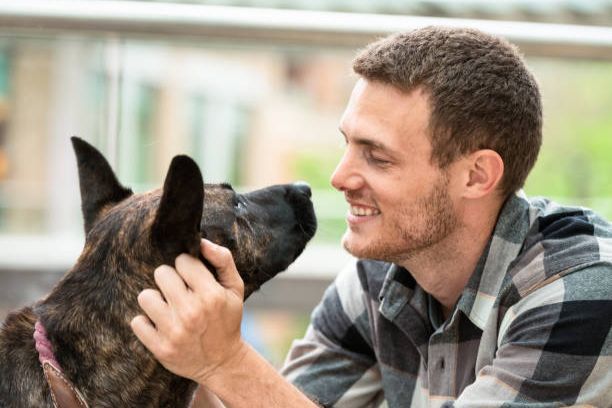
The truth is, their view is far more nuanced, sensory, and emotionally rich than simple sight, making the human-dog connection truly special. Dogs, like humans, tend to fixate on the eye region of a face, as it is a critical source of social information. Research using eye-tracking technology has shown that regardless of the facial expression, happy, angry, or neutral, dogs consistently direct their spontaneous gaze most to the human eye area. This focus suggests that the eyes are a primary mechanism for assessing attention, intention, and emotional state, demonstrating a sophisticated visual strategy for social interaction that is foundational to the human-dog bond. They use this primary visual data to quickly determine if a person is engaged with them or looking away, a crucial step in regulating their own subsequent behavior, such as approaching or soliciting attention.
Color Is Limited, Contrast is Key
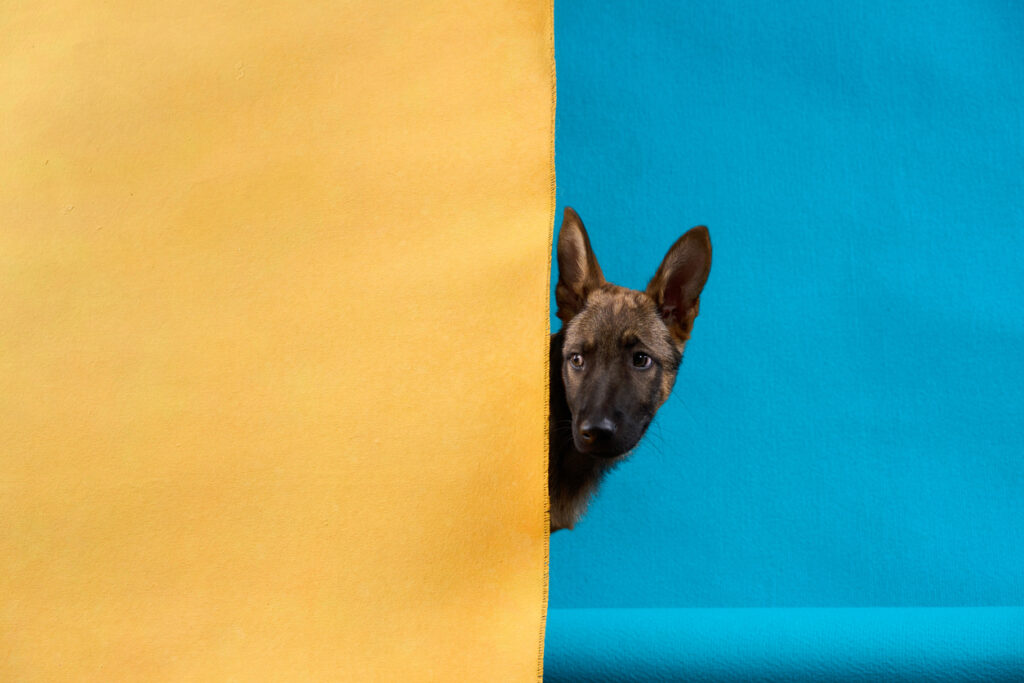
A dog’s vision is dichromatic, meaning they primarily see in two colors: blue and yellow. They do not perceive the full spectrum of reds and greens that humans do. When a dog looks at a human face, they are seeing it in shades of these two colors, along with grayscale. This limitation means fine, subtle color details might be lost, but they are exceptionally good at detecting variations in brightness and contrast. This superior contrast vision helps them quickly distinguish the contours and overall shape of a face from its background, which is particularly useful for detecting objects and individuals in low-light conditions, a natural adaptation from their crepuscular heritage.
Facial Movement Overrides Fine Detail

Dogs possess lower visual acuity than humans, meaning they don’t see fine details clearly unless they are very close; their vision is estimated to be around 20/75 compared to 20/20 human vision. However, they have superior sensitivity to motion. When a human face is in motion, laughing, talking, or turning, the movement of the eyes, mouth, and head becomes a much more important visual cue for recognition and interpretation than the static details of the face itself. Their remarkable ability to quickly process motion is an evolutionary advantage that aids in reading the fluid, non-verbal communication humans constantly exhibit, helping them predict our next move.
They Recognize Happiness and Anger

Scientific studies have confirmed that dogs can visually discriminate between certain human facial expressions, particularly happy and angry ones, even when viewing novel faces they haven’t seen before. When presented with images or live expressions, dogs react differently, often displaying signs of aversion (like turning away or increased heart rate) toward angry faces, and demonstrating a more relaxed or engaged demeanor toward happy faces. This ability to categorize complex human emotions based on facial configuration is a testament to their deep adaptation to the human social environment, allowing them to gauge human intentions.
Smell Augments Visual Recognition
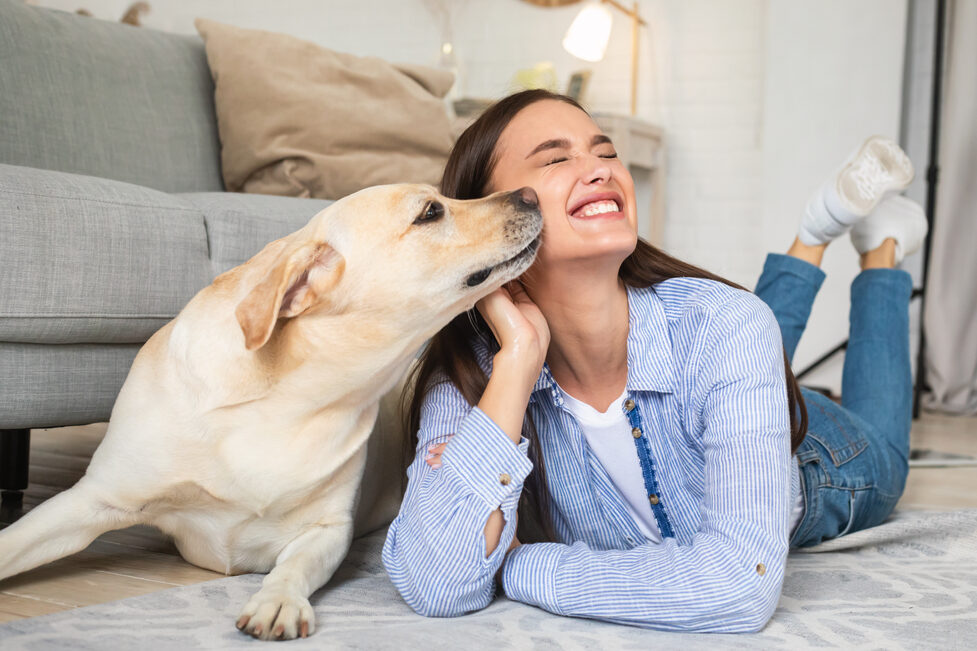
While vision is important, a dog’s most powerful sense, smell, is inextricably linked to how they “see” a human face. A dog doesn’t just visually recognize a face; they associate the sight of that face with the unique scent signature of the individual. This scent, which can include subtle chemical signals related to a person’s mood or internal state, is processed alongside the visual information, creating a richer, multi-sensory identifier that is far more reliable and detailed than sight alone for confirming who you are. This olfactory connection provides emotional context that visual input might miss.
The Left Gaze Bias Exists
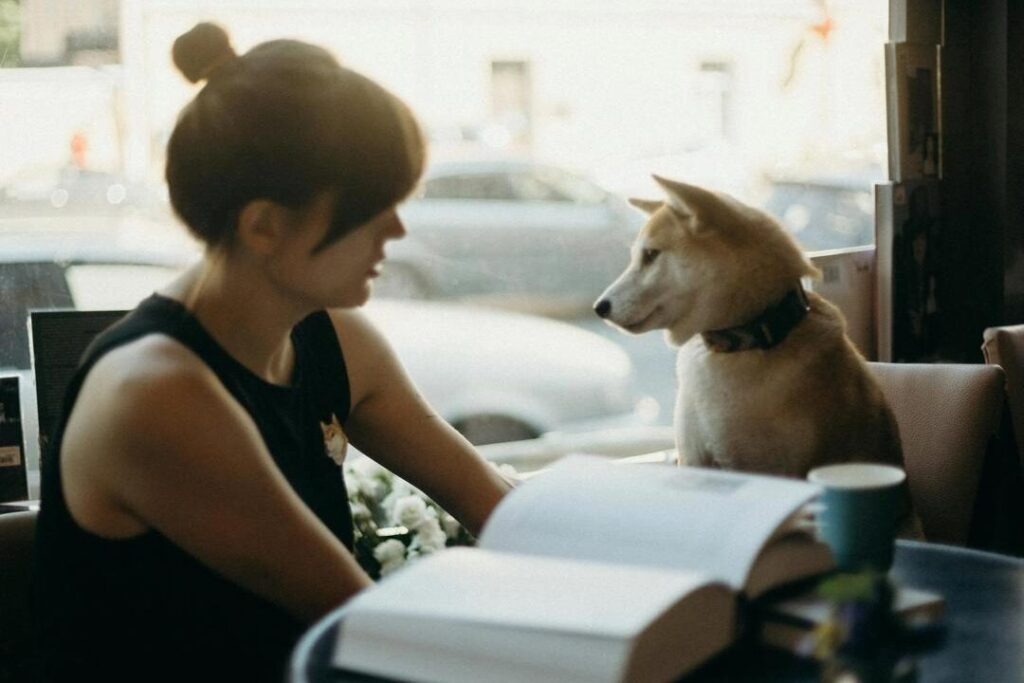
Dogs exhibit a “left gaze bias” when processing human faces, meaning they tend to look more intensely at the left side of a person’s face than the right. In both humans and dogs, the right hemisphere of the brain is generally specialized for processing emotions. Because the right hemisphere controls the left side of the face, the left side is often more expressive of true, intense emotion. The dog’s left gaze bias is thought to be an evolutionary or learned strategy to maximize the emotional information they can gather from a human’s spontaneous expressions, a similar process observed in humans when viewing faces.
Inner Features Matter for Identification
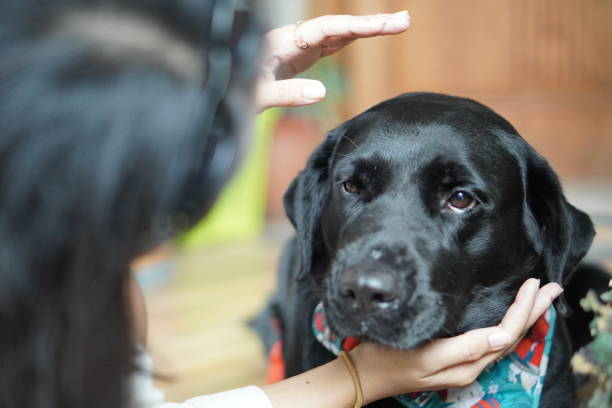
Early research suggested dogs relied more on outer features like the head shape or hairstyle for recognition. However, more nuanced studies have shown that dogs are, in principle, able to distinguish between familiar people based on internal facial features alone, the eyes, nose, and mouth and their configuration. This indicates that while peripheral cues are helpful and used at a distance, the complex arrangement of the internal face contributes significantly to their ability to recognize an individual human, suggesting they do form a flexible, visual representation of a person’s face.
Brain Activity Is Face-Specific
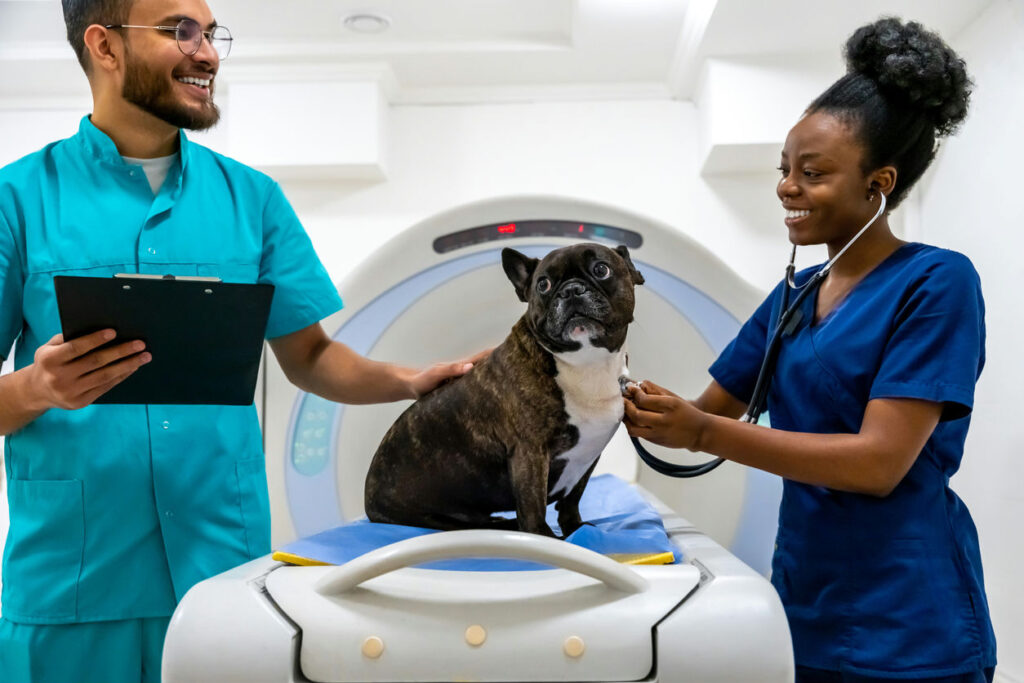
Functional Magnetic Resonance Imaging (fMRI) studies on awake, unrestrained dogs have revealed that there are specific areas in the canine brain, such as the temporal cortex, that show increased activity when dogs are presented with images of human faces compared to images of objects. This finding suggests that, similar to humans and other primates, dogs possess a dedicated neural mechanism for processing faces. While some studies suggest this area is not as narrowly specialized as the human fusiform face area, its activation underscores the importance of human faces in their cognitive world.
Configuration Over Components
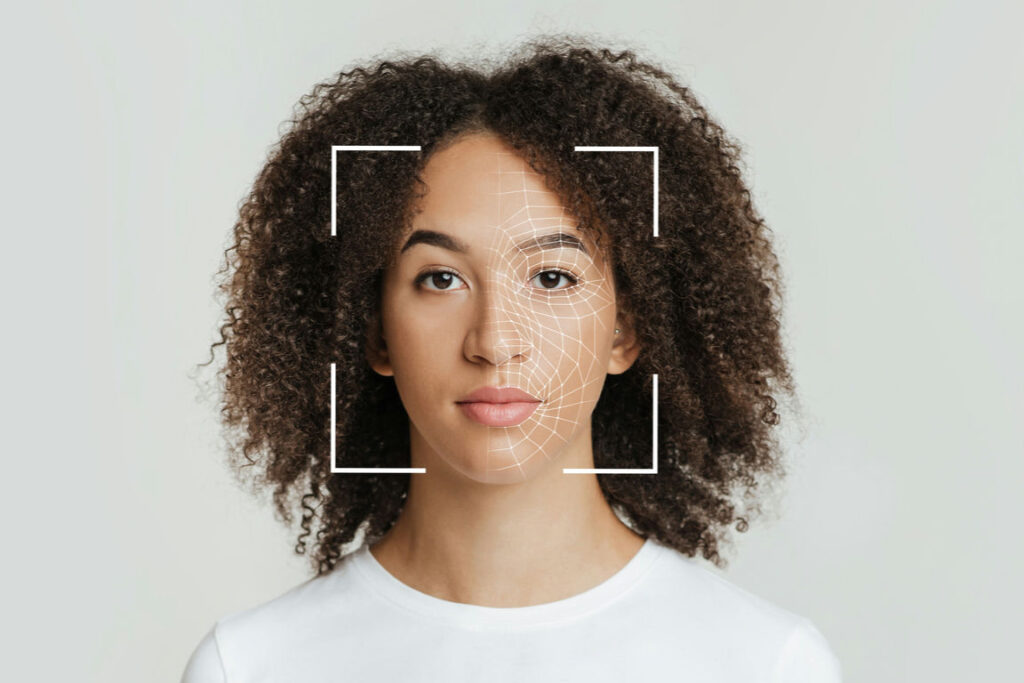
Dogs are generally better at recognizing a whole, intact face rather than individual, isolated components like a detached eye or mouth, especially when encountering unfamiliar faces. This suggests they engage in configural processing, where they perceive the face as a unified pattern or Gestalt, recognizing the spatial relationships between the eyes, nose, and mouth. The overall arrangement of features is more important for reliable recognition and differentiation between individuals than the specific shape of a single feature, demonstrating a holistic approach to visual social cues.
They Link Face to Vocal Tone
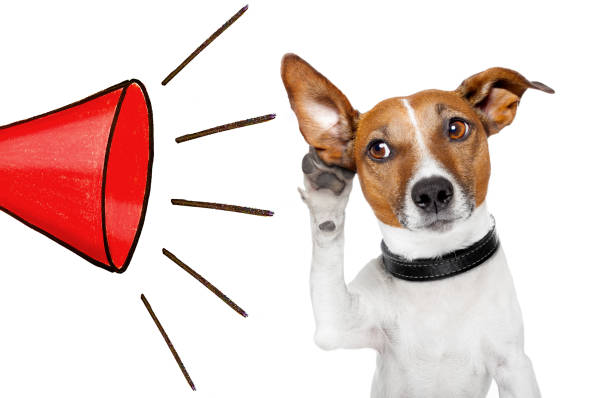
A dog’s assessment of a human face is powerfully influenced by the sound that accompanies it, specifically the vocal tone. Studies have demonstrated that dogs look significantly longer at a human face expressing an emotion (like happiness or anger) that is congruent with a simultaneously played vocalization. This integration of bimodal sensory information, sight and sound, shows that dogs don’t just see a face, they connect the visual expression with the auditory context to form a holistic and accurate understanding of a person’s emotional state, aiding in rapid classification of positive or negative emotions.
Emotional Arousal Increases Attention

When dogs are shown photographs of human faces expressing highly arousing emotional states, such as anger or intense happiness, their cardiac activity (heart rate) and stress levels often increase compared to neutral faces. This heightened physiological response indicates that these emotionally intense faces are salient and immediately grab the dog’s attention for deeper assessment. The longer time they take to resume a neutral activity, such as interacting with a bowl of food, after viewing these faces also suggests a significant cognitive processing load and assessment of the emotional content.
The Puppy Eyes Are a Communication Tool
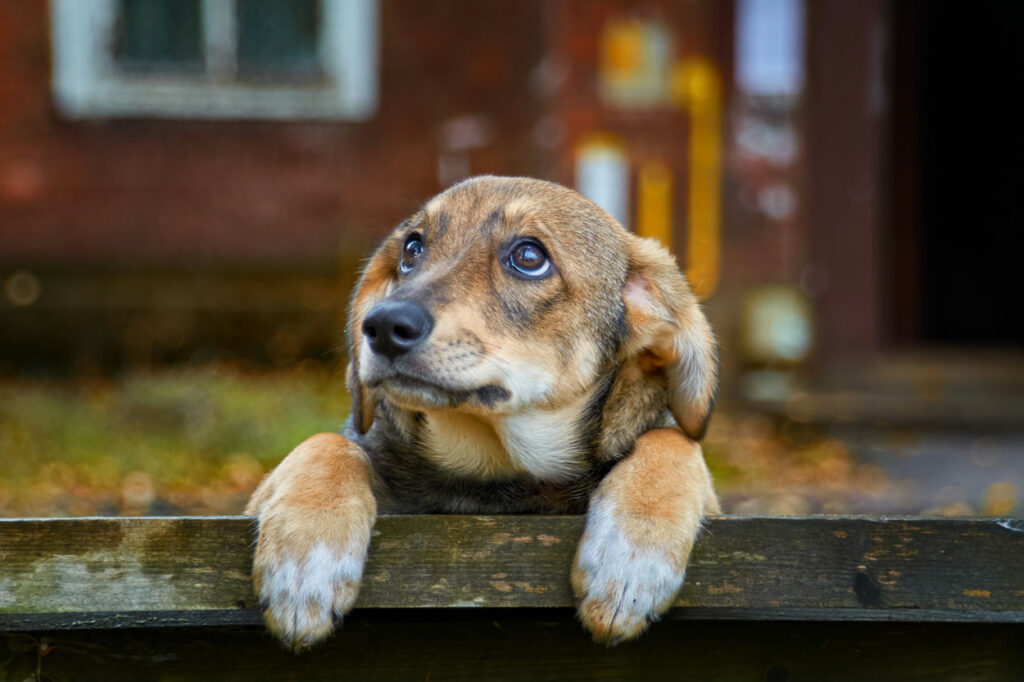
Research has shown that dogs produce significantly more facial expressions, particularly raising their inner eyebrows to make their eyes appear larger and more “infant-like” (the “puppy eyes” look), when a human is looking at them compared to when a human is turned away. This suggests that the expression is not merely a passive result of an internal emotional state, but rather an active, communicative mechanism that has been highly selected for during domestication, specifically evolved to engage and manipulate human attention and elicit caregiving responses.
They Notice Head Contour for Recognition
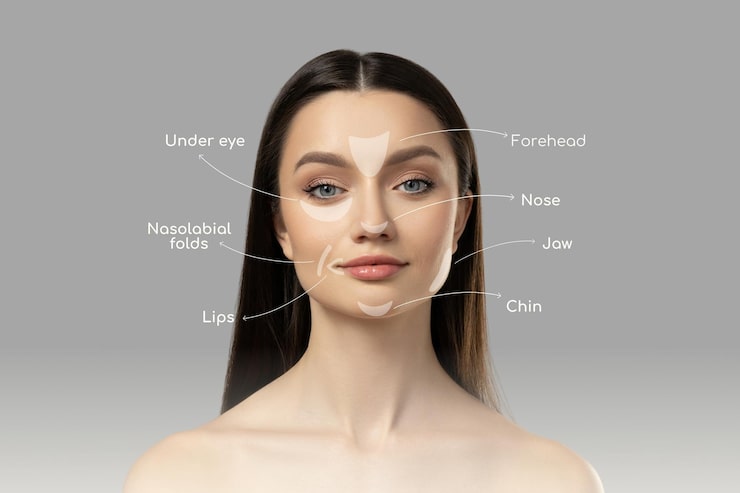
Studies investigating how dogs recognize their owners using only visual cues from the head region found that dogs were more successful when the outer head contours were visible. This indicates that the general shape of the head, distinctive hairstyles, and profile can be crucial elements that dogs use for visual identification, especially in less-than-optimal viewing conditions or when the individual is further away. This reliance on the external features makes the overall silhouette a reliable, long-distance identification cue before fine facial details become clear.
Unfamiliar Faces Hold Gaze Longer

When dogs are presented with pairs of images, one of a familiar human face and one of a novel, unfamiliar human face, they tend to look longer at the unfamiliar face. This looking preference, sometimes termed the “novelty effect,” indicates that dogs can visually differentiate between known and unknown individuals based on facial cues alone. This differentiation is a basic but essential cognitive process required for all subsequent social and emotional decoding that they perform, confirming that a dog must recognize a face as “familiar” before moving on to interpreting its expression.
Context is Always Integrated

A dog’s perception of a human face is never isolated from its surrounding context. They are masters of taking in the whole picture, integrating the facial expression with a person’s body posture, gestures, and the general environment. For instance, a seemingly neutral face coupled with a relaxed posture and a playful environment will be perceived differently than the same face paired with a tense body and a demanding tone, allowing the dog to make highly accurate behavioral predictions about the person’s overall intent, not just their fleeting visual expression.
Nasal Spray Changes Their Focus
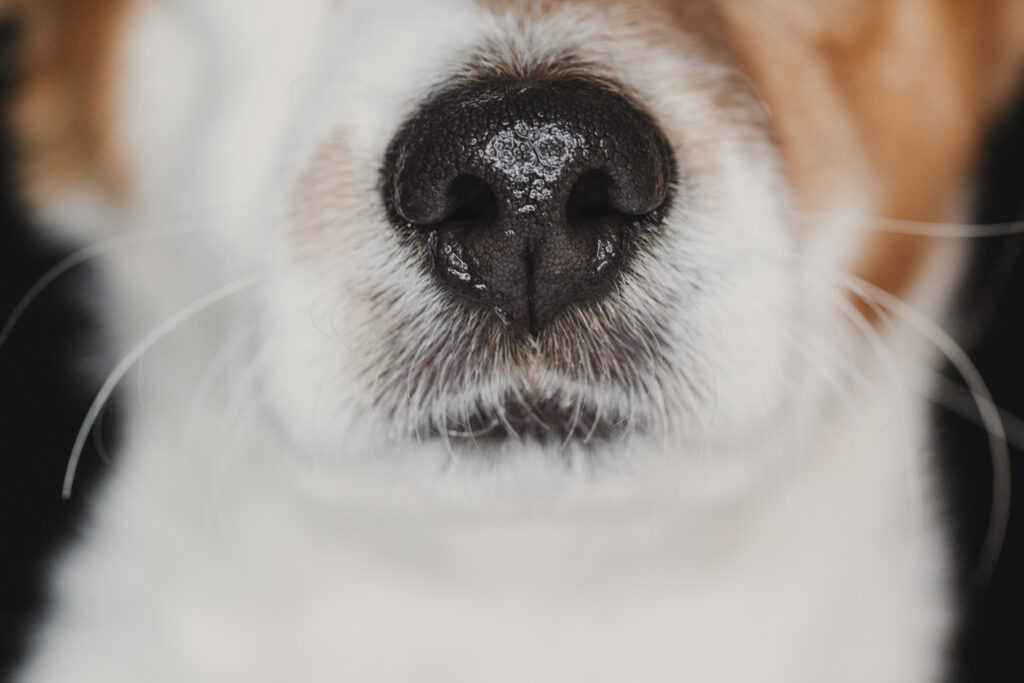
A remarkable study involving the hormone oxytocin, often called the “love hormone,” found that when dogs were treated with an intranasal oxytocin spray, their visual attention to human faces changed significantly. Specifically, it increased their interest in smiling human faces and made them less threatened by angry faces, suggesting that this key social hormone is involved in modulating how dogs process human facial emotions and encouraging affiliative, trusting social engagement, which is similar to its effect in humans.
They Discriminate Gaze Direction
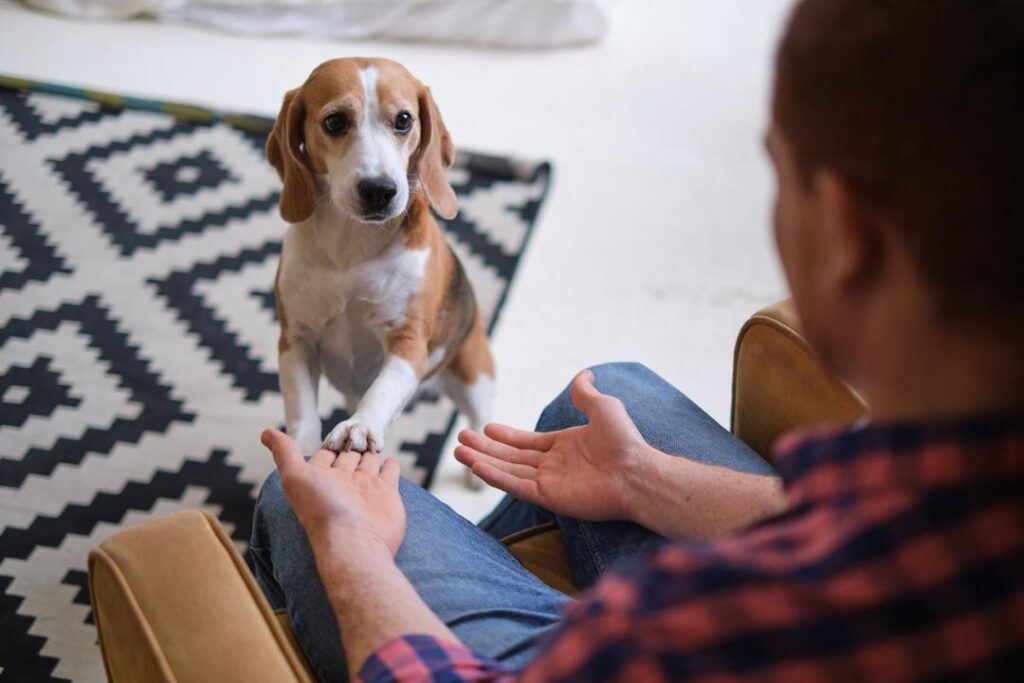
Dogs are highly attuned to a human’s gaze direction. They can easily tell if a person’s eyes are looking directly at them or looking away, a skill known as “gaze following.” This ability is crucial for communication, as direct eye contact is often interpreted as an important social signal, sometimes a challenge but usually an invitation for interaction or a sign of focused attention, which dogs rely on to regulate their own behavior, such as seeking guidance during a task or avoiding confrontation.
Breed Differences May Affect Vision
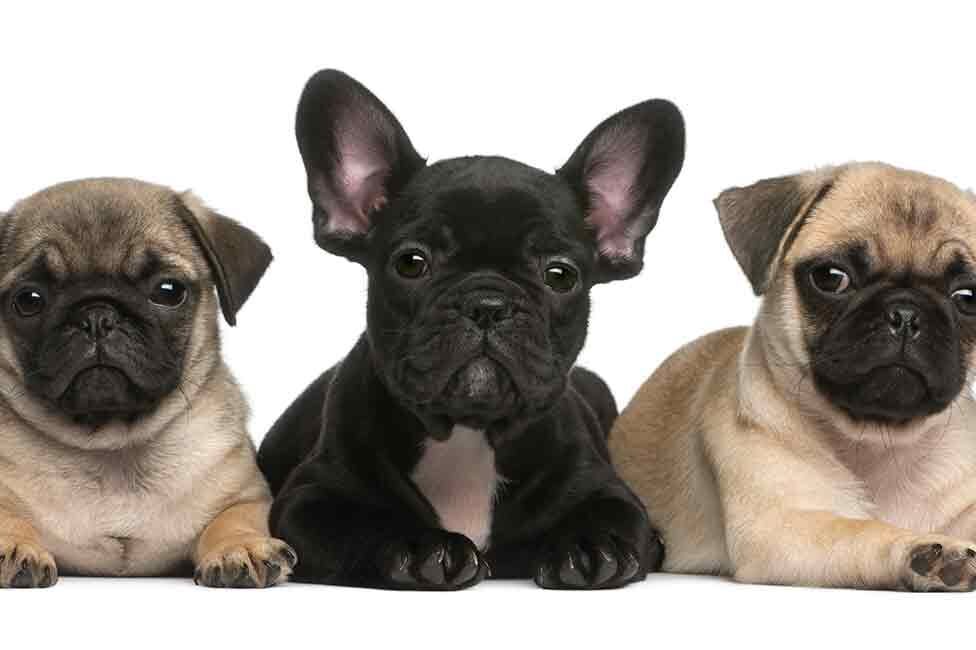
While the general principles of canine vision apply across breeds, some differences in visual acuity and field of view do exist. For example, some dolichocephalic breeds (long-nosed, like German Shepherds) have a wider field of view, while brachycephalic breeds (short-nosed, like Pugs) may have a more human-like, forward-facing view, potentially affecting their binocular overlap and depth perception. These subtle differences in eye placement can slightly influence how different breeds visually take in and process the cues from a human face.
They Interpret the Smile’s Teeth

When dogs differentiate between happy and angry faces, one subtle cue they may be using is the presence or absence of visible teeth. A human smile typically involves showing teeth, whereas an angry expression often involves a different display or none at all. For a dog, this feature may carry an inherent association, as bared teeth in the canine world are a clear threat signal, making the smiling display a unique and learned human-specific social cue that they have had to re-categorize from its original meaning.
Owner’s Face Elicits a Reward Response
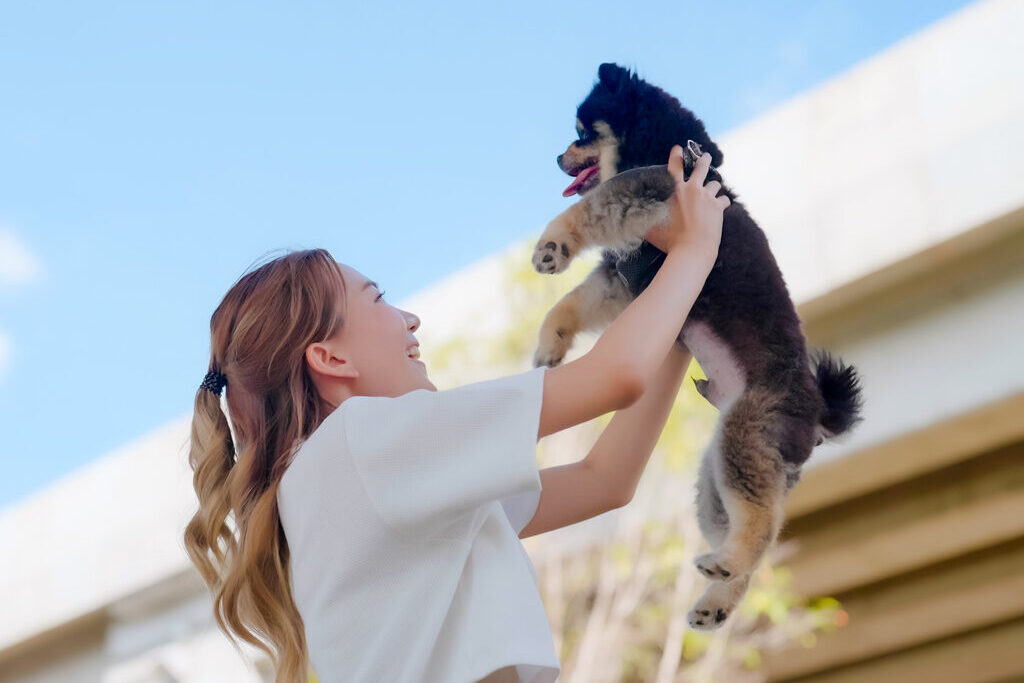
Neuroimaging studies using fMRI have shown that viewing the owner’s face, compared to a stranger’s face or an object, can activate the caudate nucleus in the dog’s brain. This region is associated with reward, motivation, and positive expectation. This suggests that when a dog looks at its owner’s face, it is not just identifying the person, but it is also activating a powerful internal sense of pleasure and anticipation for positive interaction, a neurological hallmark of the strong emotional attachment between dog and owner.
The Face is Used for Social Referencing
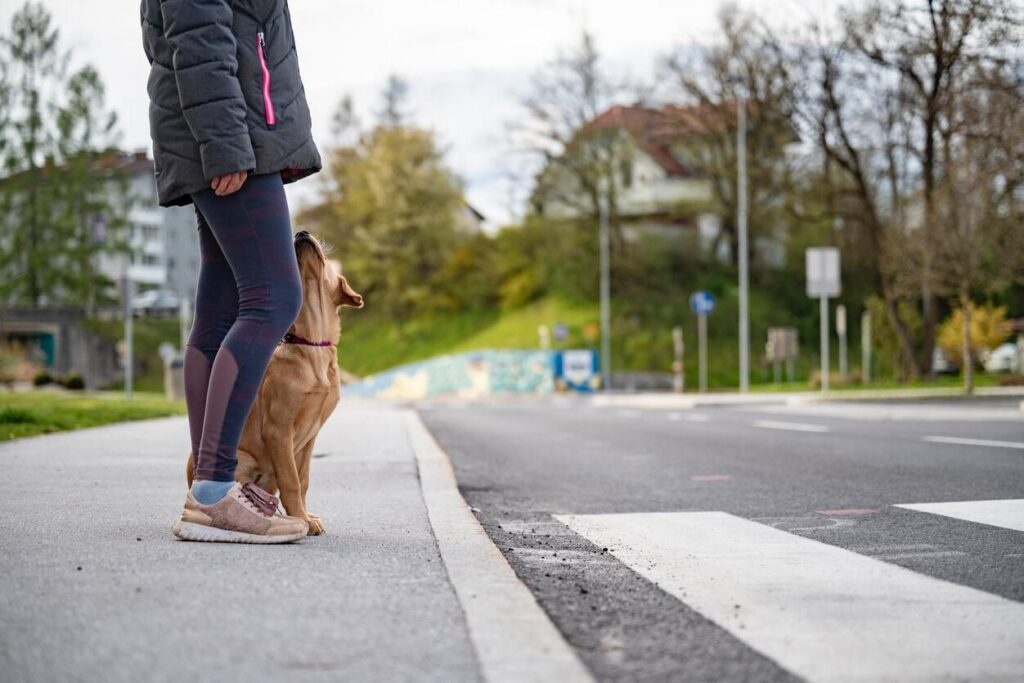
Dogs use their human’s face as a form of “social referencing” when encountering ambiguous or uncertain situations. If a dog is unsure about a new object, an unusual sound, or an unknown person, they will often glance at their human’s face for an emotional cue. The dog will then adjust its own behavior, approaching or retreating, based on the expression of confidence, fear, or happiness they see reflected on their owner’s face, demonstrating that the face is a primary source of trusted information.
Adaptation to Human Faces is Evolutionary

The remarkable ability of dogs to read and process human faces is not a random skill but is believed to be a result of co-domestication over thousands of years. Natural and artificial selection has strongly favored dogs who are most adept at interpreting human social cues, particularly facial expressions and gaze direction. This deep, functional, and visual adaptation makes facial recognition a highly adaptive trait that has strengthened the interspecies bond and ensured their success within the human environment.
Head Tilt May Aid Assessment
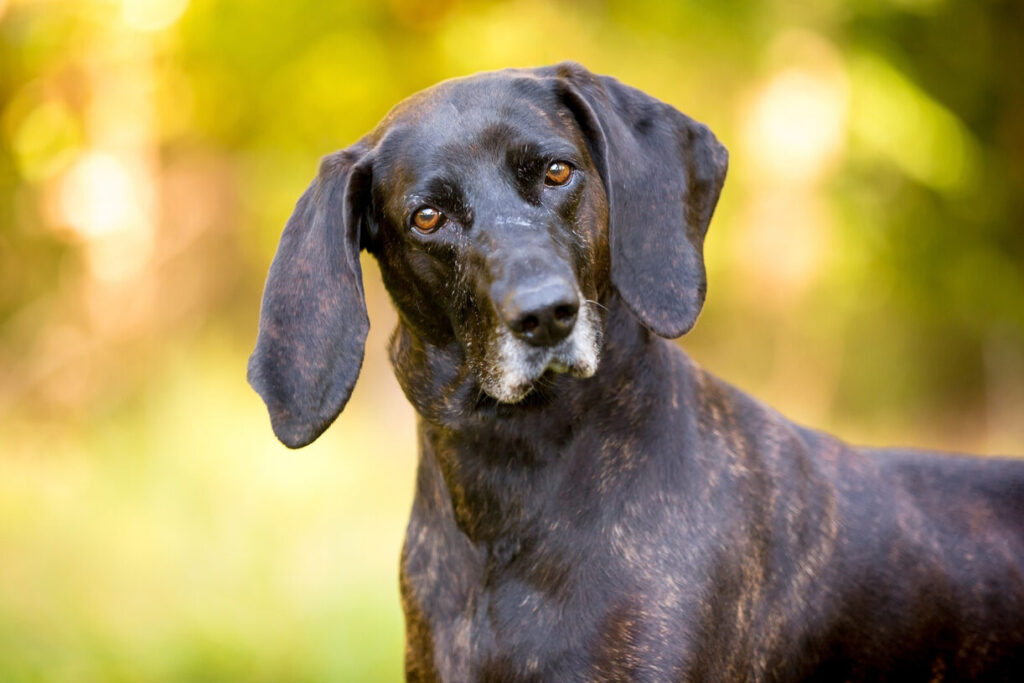
While largely anecdotal and not fully understood by science, the common observation of a dog tilting its head when a human speaks or makes certain faces may actually be a cognitive strategy. Some theories suggest the head tilt might help dogs adjust their ears to better locate and interpret auditory cues, or it may help them visually compensate for the position of their muzzle, allowing them to better assess the fine details of the human’s face and expression with their area of sharpest vision.
They Recognize Faces Across Contexts
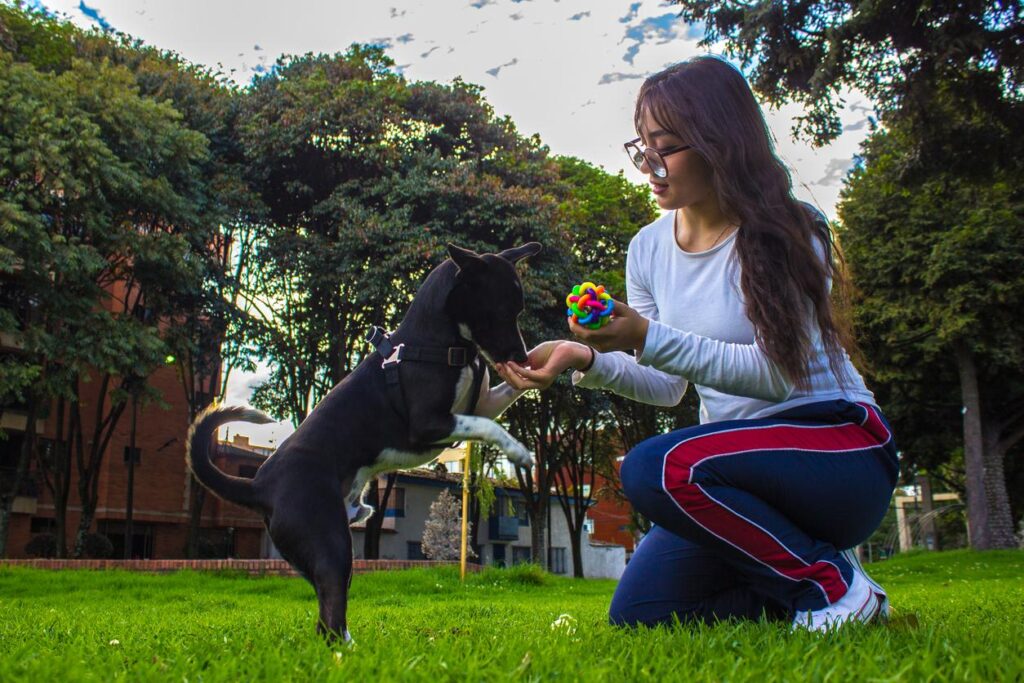
A dog’s recognition of a human face is robust enough to generalize across different contexts and angles. They can recognize their owner whether the face is presented in a photograph, seen live in a park, viewed from a different orientation, or even with some changes in appearance like a hat or sunglasses. This capacity demonstrates true object-specific face recognition, not just rote memorization of a specific image, confirming their ability to build a flexible and enduring mental representation of their human companions.
The Face as a “Secure Base” Signal
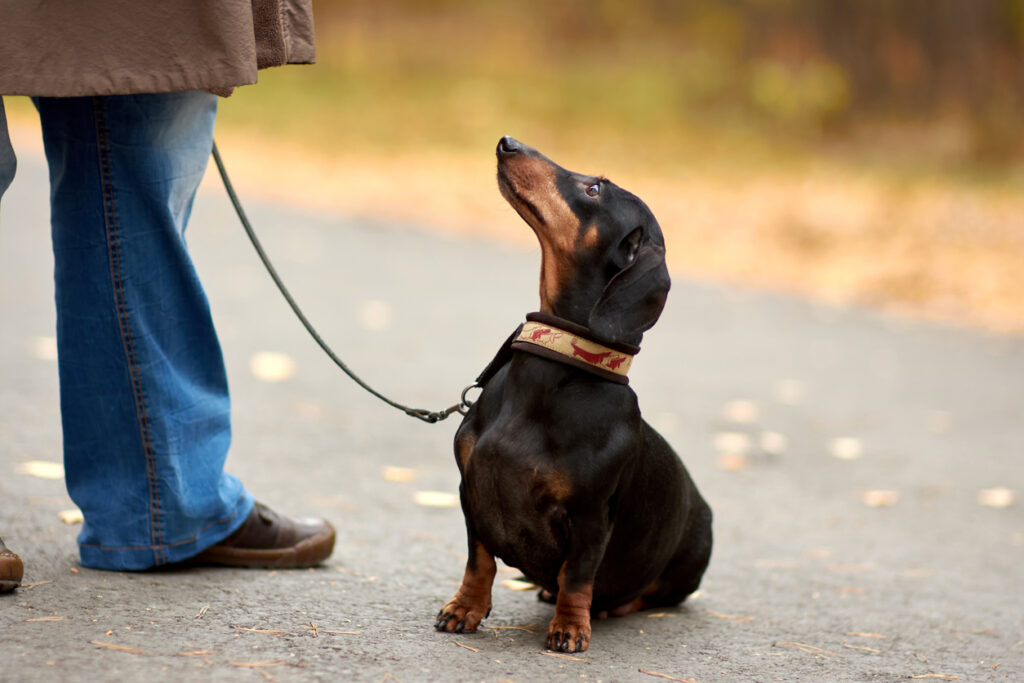
Dogs may view their owner’s face as a signal of their “secure base,” similar to how human babies relate to their primary caregiver. The consistent presence and expression of a familiar, loving face provides a sense of safety, predictability, and emotional stability. Just looking at their human’s face can reassure the dog, reduce anxiety, and encourage confident exploration, reinforcing the dog’s emotional attachment and fostering a sense of security in their immediate environment.
The way our dogs perceive us goes far beyond simple vision; it’s a profound, multi-sensory blend of sight, smell, and deep emotional intelligence. That focused, loving gaze is not just seeing a face, but processing a rich stream of data that confirms our identity, decodes our feelings, and reinforces the unique, incredible connection we share. What a wonderful thing to know that we are truly seen by our best friends, not just superficially, but at an emotionally and cognitively complex level.
Like this story? Add your thoughts in the comments, thank you.
This story Through Your Dog’s Eyes: What They Really See When They Look at You was first published on Daily FETCH


