
Echoes Beneath the Waves

Sometimes it feels like the ocean holds more secrets than we can ever imagine and whale songs might be one of its deepest messages. It is easy to think of them as random sounds traveling through water yet many researchers believe the structure of whale song may reveal a level of intelligence we have barely begun to understand. These sounds repeat like patterns in a melody and seem to follow rules as if the whales are forming ideas through rhythm. When we slow down and listen closely it feels almost like being invited into a hidden conversation beneath the sea.
Learning Through Sound

When we look at how whale songs change from season to season we notice something unusual. They do not stay the same and they do not change randomly either. Whales seem to learn from one another as though they are passing knowledge through sound. The younger ones begin to copy the older ones and over time entire groups develop new patterns together. This looks a lot like social learning which is one of the clearest signs of intelligence. It shows that communication might be more than instinct and that shared experience travels freely in the ocean.
Voices That Travel Far

If you have ever heard how loud a whale song can be you might be surprised that it can travel hundreds of miles across the ocean. Imagine having a voice strong enough to reach someone that far away and still keep its meaning. This powerful ability shows that communication matters deeply to whales because they do not sing for themselves alone. Their voices make connections across huge waters and those connections suggest organized thought. A whale might be sending a message to a mate a family member or even a group far beyond what we can see.
Songs With Purpose

No one wants to imagine a whale singing without meaning because the ocean already feels like its own musical world. Some scientists believe whales might use their songs to understand their surroundings like a type of listening map. When the sound reflects back it gives clues about distance depth and objects hidden in the dark. If whale songs help them explore then communication could also be a form of problem solving. Using sound not just to call out but to think through a situation is a strong hint that whales might use intelligence in practical ways.
Patterns That Feel Like Language

If you listen closely whale songs often repeat in organized sections as if they follow rules we cannot decode yet. These repeating pieces resemble patterns found in human language where rhythm and timing help build meaning. The whales might not speak the way we do but their songs show structure like an alphabet made of sound. This suggests a mind capable of building and remembering patterns that belong to a group. When animals create something consistent and shared it becomes easier to believe that a form of language might be swimming silently beneath the water.
A Community of Voices

Whale songs do not belong to individuals alone because they spread across large groups almost like musical trends. One group might start a pattern and others will gradually adopt it until a shared melody travels across the ocean. That kind of cultural exchange hints at community learning and shared understanding. It feels like whales care about keeping their communication connected within their species. When something spreads intentionally it tells us there is value in keeping the message alive. This might be one of the clearest windows into how whales think not only individually but as a community.
Emotion in Every Note

It is hard not to wonder if whales feel emotions when they sing. Some songs sound calm and gentle and others grow loud and complex like they are expressing something strong and meaningful. If singing helps them express feelings then whale songs may be emotional communication rather than simple signals. Emotions are often tied to memory and relationships so this might show a deeper level of awareness. Just like humans share feelings through music whales might do the same underwater using patterns to share experiences that words cannot describe. Perhaps emotion shapes communication more than we know.
Memories in the Melody

One curious thing about whales is how long they remember specific songs. These melodies can return year after year suggesting that whales hold onto them intentionally. Memory is a strong sign of intelligence especially when it involves patterns that evolve over time. When whales revisit older songs they might be recalling past relationships or returning to something meaningful. Their minds may connect sound to memory just as humans do when we hear a familiar tune. If whales remember their songs for a purpose it implies they value continuity and shared history in their own quiet underwater way.
Songs That Strengthen Bonds

Whale songs often serve more than one purpose and one of the most interesting ideas is that they help strengthen group bonds. When whales sing together they participate in a shared activity that keeps them close and connected. This might help them coordinate movement migration or social behavior. Singing can build unity the same way laughter and conversation help humans bond. Music for us brings people together and perhaps whale songs do the same in their world. The idea that whales use sound to maintain relationships makes their intelligence feel less mechanical and more emotional in nature.
Underwater Conversations

Sometimes whale songs seem like responses to one another rather than solo performances. One whale may make a sound and another will change its pitch tempo or pattern in reply. This kind of exchange resembles conversation even if the message remains a mystery. If whales are taking turns and adjusting their songs based on each other it suggests they understand intention and meaning. Conversations require awareness and attention to others and whales appear to show both. They may not speak with words but the way they respond feels purposeful like underwater dialogue shaped through the flow of music.
Singing to Find Love

Many people do not realize that whale songs often play a role in mating. Male whales sing loudly during mating seasons and their songs can change depending on competition and interest. The more complex the pattern the more likely it is to attract attention. This shows creativity used for a goal which is one of the most fascinating signs of intelligence. Rather than relying only on physical strength whales use sound to impress potential mates. Singing becomes a skill that matters for survival and each new variation might increase their chances showing a thoughtful approach to courtship.
Songs Passed Through Generations
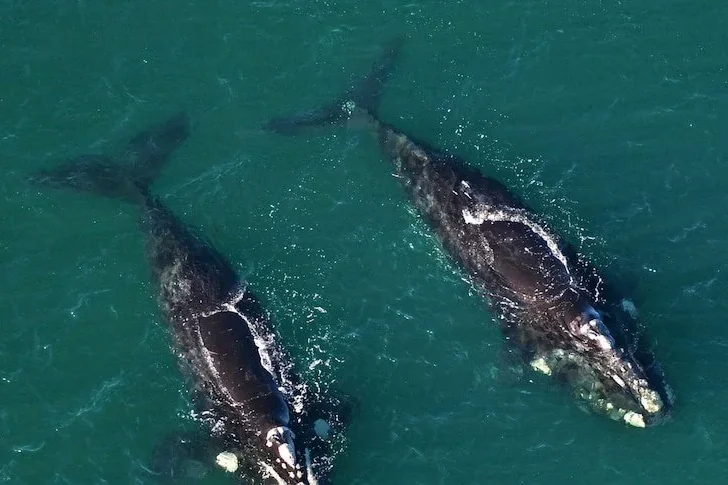
Whales do not start from nothing when they learn to sing. Younger whales often grow up listening to older ones and copying the melodies they hear. With time they learn not only how to sing but how to follow the cultural patterns of their group. This is knowledge passed from one generation to the next which is something we normally associate with humans. Skills learned socially show that whales are not guided solely by instinct. Instead they build on what came before them adding new layers to a history of communication that keeps evolving beneath the sea.
Songs That Help with Survival

When whales communicate they might be sharing more than feelings or identity. Some scientists think their songs could help them survive by coordinating feeding migration or warning others of danger. If communication helps them make better decisions then whale songs could represent intelligent problem solving. This means their sounds are not random but influenced by circumstances and needs. Using communication for survival shows awareness of their surroundings and the ability to react thoughtfully. Survival through shared information reflects a deep kind of intelligence that combines memory sound and strategy in ways we are still learning to understand.
Shared Rules of Communication

Just like human languages have grammar whale songs seem to follow rules. These rules determine how long each section lasts how it repeats and when it changes. The whales are not taught these rules by force they pick them up naturally by listening and participating. This shows that their brains process structure and expectation which is something smart animals tend to do. Being able to predict and recognize patterns is a sign of mental organization. When whales sing according to patterns that everyone understands it means their communication system has shared meaning that cannot be easily dismissed.
Creativity in the Deep

One surprising aspect of whale songs is how creative they can be. Whales do not simply repeat the same sounds forever. They add new elements lengthen certain parts and sometimes shift the entire sound into something fresh and unexpected. Creativity is not just imitation but invention. When whales change their songs thoughtfully it suggests they are exploring new ideas within their communication. This behavior feels similar to artistic expression where variation matters just as much as the message. Creativity linked with communication hints that whale intelligence may include imagination not just memory and instinct but something genuinely expressive.
Rhythms That Tell Stories
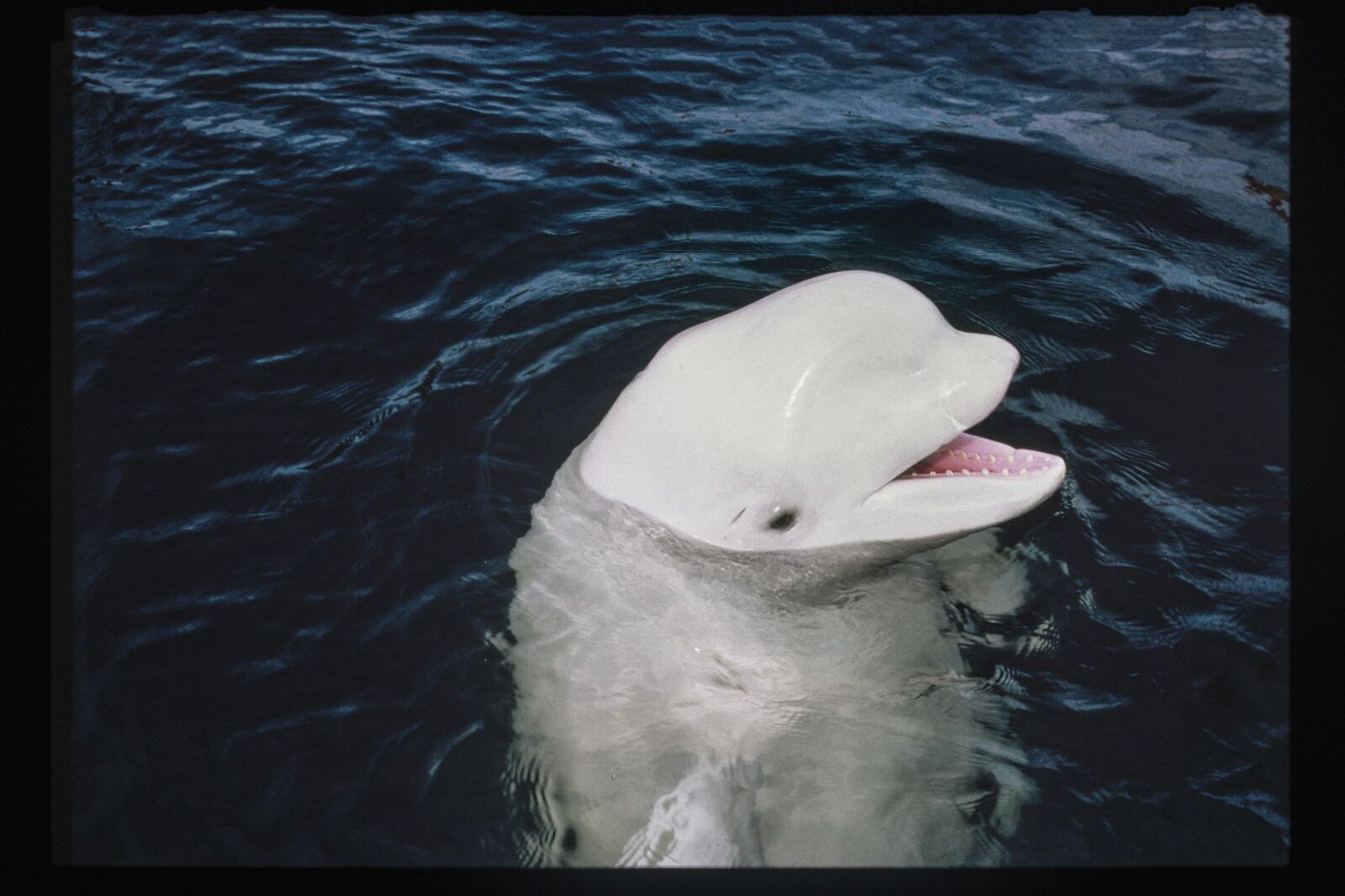
When whale songs rise and fall they seem to carry a rhythm almost like storytelling. Each part builds upon the previous section and connects to the ones that follow. This flow mirrors how narratives are built where moments depend on what came before them. If whales are linking concepts through rhythm then their songs could represent sequences of thoughts rather than isolated signals. Thinking in sequences demonstrates organization and awareness of time. Story like rhythm suggests that whales might share complex messages shaped through sound structure intention and maybe something that feels like a story passed through water.
Organized Sound Communities

Whales do not learn and perform songs individually. They learn within organized communities where each whale contributes and participates. These shared patterns turn their groups into sound based societies that rely on communication for identity and connection. A community that maintains traditions through sound must remember choose and practice those traditions. That means whales are not simply following instincts but committing to habits that hold meaning for their group. Organized community behavior built on communication is a strong sign of intelligence because it shows cooperation shared culture and a system that needs memory to survive.
Adapting Songs Over Time

Whales do not seem satisfied with keeping their songs the same for too long. They adapt them gradually sometimes adopting entire new variations that spread through their population. Adapting communication shows flexibility which is an important indicator of intelligence. When an animal responds thoughtfully to change it proves they can evaluate new patterns and accept them when they benefit the group. This is similar to how humans adopt new words or styles over time. Change in communication suggests openness innovation and awareness. Whales who adapt demonstrate a mind that is capable of growing and learning continuously.
The Power of Silence

Just as humans pause between sentences whales also use silence to shape their songs. These pauses are not mistakes they are part of the structure. Silence gives space to the sound and might help whales process or listen for responses. Silence can show patience awareness and intention. Choosing when to be silent is a part of communication and it requires understanding timing. This ability hints at mental coordination because silence is a decision not an accident. A whale that knows when to wait is showing thought and control shaping communication carefully like a musician leaving space in music.
Songs and Memory Networks

To learn and share long songs whales must remember them accurately. That means their brains store complex sound patterns and recall them when needed. Memory networks support learning intelligence and decision making. When whales remember their songs and alter them over time it suggests they can compare past information with present needs. This level of memory requires more than instinct because it depends on stored information and thoughtful use. Memory connected to communication creates a cycle of learning and improvement. Whales might be remembering not just sound but meaning that grows with each repeated melody.
Singing in Difficult Environments

The ocean is full of obstacles and noise from waves and other animals so communicating clearly in these conditions takes effort. Whales learn to adjust volume pattern and frequency depending on the environment around them. This shows problem solving because they adapt their communication when conditions change. Intelligent communication is not just about producing sounds but making them effective. When whales shift how they sing to make sure others hear them they are showing awareness and intention. Adapting to noise means their intelligence helps them overcome challenges by choosing the best strategy for communication.
Songs That Reflect Personality
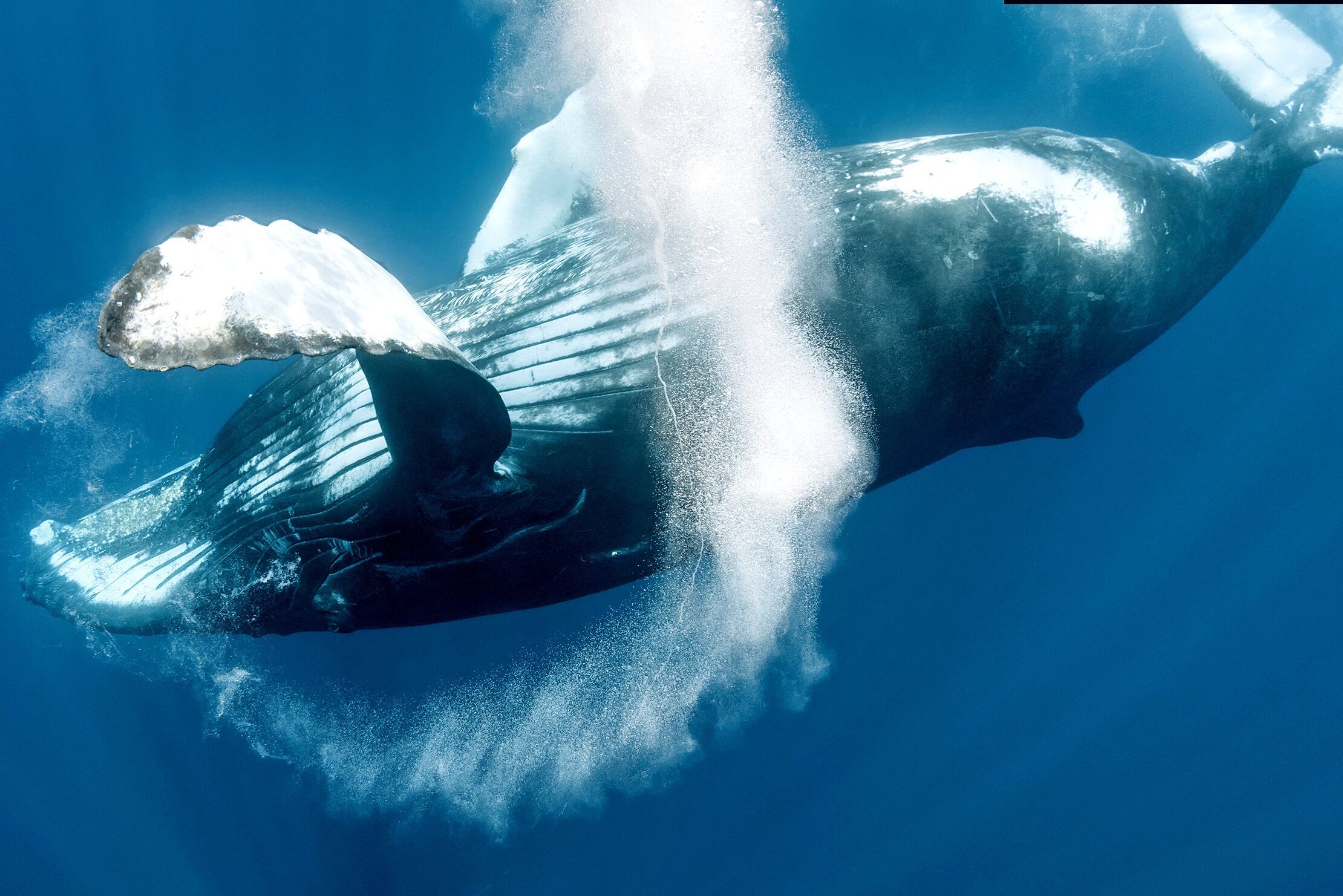
Just as humans have different voices whales might have individual styles within their songs. Some sing longer patterns while others produce higher or deeper tones. These variations may reflect personality and individuality which suggests that whales are not identical copies of one another. If their songs show personal traits it means communication is influenced by identity not only survival. Individuality is a sign of intelligence because it shows choice preference and perspective. When each whale leaves its own mark in the rhythm of the sea it hints at a mind capable of expressing uniqueness within shared communication.
Communication Across Distance

Whales need to communicate across long distances because they often travel far from one another during migration. Their songs serve as a bridge helping them maintain social awareness even when separated. Staying connected requires more than instinct because it means they recognize and respond to familiar voices. Sound becomes a tool for connection and planning in a wide unpredictable environment. A species that maintains relationships from afar must value those relationships which implies emotional awareness. This long distance connection through song shows that whales think beyond the moment maintaining bonds that require memory identity and communication.
Songs That Influence Behavior

When whales sing others may act differently around them changing movement direction or activity. This suggests that songs carry meaning capable of triggering responses. Influencing behavior shows that communication has power because it leads to actions. Animals that use communication to influence one another are showing awareness of cause and effect. Understanding how to affect another whale using sound means they recognize outcomes and make choices. Communication that causes change is intentional and intelligence often involves intention. Whale songs might therefore guide group decisions making them more than background noise but tools for coordination and action.
Long Songs Over Long Lives

Whales live long lives and their communication evolves along with them. As they age their songs become more practiced complex and sometimes influential within their group. Age shows growth and growth shows learning. A long lived species that continues to develop communication throughout life demonstrates a mind still capable of change. This continuing learning process is a strong sign of intelligence because smart animals do not stop improving. Whales appear to refine their songs year after year showing patience experience and thoughtful adjustment. Communication that matures over time reflects deep mental development and meaningful growth.
Songs as Unwritten History

Whale songs can preserve tradition because patterns travel across generations without writing or teaching tools. This makes their communication a form of natural history recorded not on paper but in memory and repetition. History requires continuity which whales achieve by remembering and passing down sound. A species that keeps cultural elements alive through time values knowledge and shared identity. When songs travel through decades they carry more than melody they hold experience. Communication that preserves history shows awareness of community and the importance of connection. This suggests a culture shaped by sound and sustained through shared memory.
Hidden Meanings We Cannot Decode

It is possible that whale songs communicate ideas humans cannot interpret because our senses and experiences differ from theirs. Their songs might describe location emotion relationships or environmental details that we cannot recognize. Hidden meaning implies depth. Communication beyond human understanding shows that whales possess forms of intelligence we are not equipped to translate. Sometimes the smartest creatures are not those who speak like us but those who communicate in ways we cannot decipher. Whale songs could represent knowledge unique to their lives in the ocean which makes their intelligence both mysterious and worth protecting.
Communication Beyond Sound

Some scientists believe whale songs might pair with body movement or subtle behaviors allowing whales to communicate in multiple ways at once. If sound connects with action then their communication system is even more complex than we imagine. Actions that accompany sound could represent extra layers of meaning. Animals that combine multiple communication methods often show advanced intelligence because they coordinate signals deliberately. This blending of movement and song might reveal messages shaped by both rhythm and behavior. The more we learn the more it seems whales might communicate using forms we barely notice yet deeply matter to them.
Songs That Bring Comfort

There is a gentle possibility that whales sing not only for function but for comfort. Songs might help them feel connected in the silence of the deep ocean the same way humans use familiar music to soothe their minds. Comfort implies emotion and emotion implies awareness. If whales sing for reassurance it shows they understand the value of connection even when the ocean feels vast. Seeking comfort through communication suggests a desire for closeness and belonging. This emotional layer enriches their intelligence showing that their songs are not just signals but experiences that help make life meaningful.
A Voice Worth Listening To

After exploring so many possibilities it becomes clear that whale songs are more than noise echoing underwater. They hold memory emotion structure community and change all signs that communication has purpose. Whether these melodies express feelings map the ocean or preserve culture they point to minds that think learn adapt and connect. The intelligence of whales may not look like ours but it deserves respect curiosity and protection. Listening to them teaches us to value voices different from our own. If this wonder inspires you take time to learn more support ocean conservation and keep listening.
This story What Whale Song Patterns May Tell Us About Intelligence was first published on Daily FETCH


