
1. Innate Magnetic Map Navigation
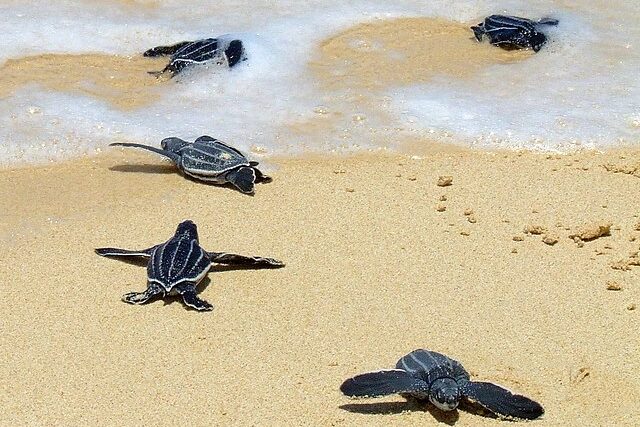
Sea turtles possess a profound, innate sensitivity to the Earth’s magnetic field, which serves as a global positioning system. This ability allows them to detect variations in magnetic intensity and angle, creating an invisible “magnetic map” that guides them to specific locations. For hatchlings, this map contains inborn instructions, steering them along the necessary migratory routes, while older turtles learn to use the magnetic signatures of different regions to pinpoint their current location and set a precise course for distant breeding and feeding areas.
2. Powerful, Hydrodynamic Body Shape
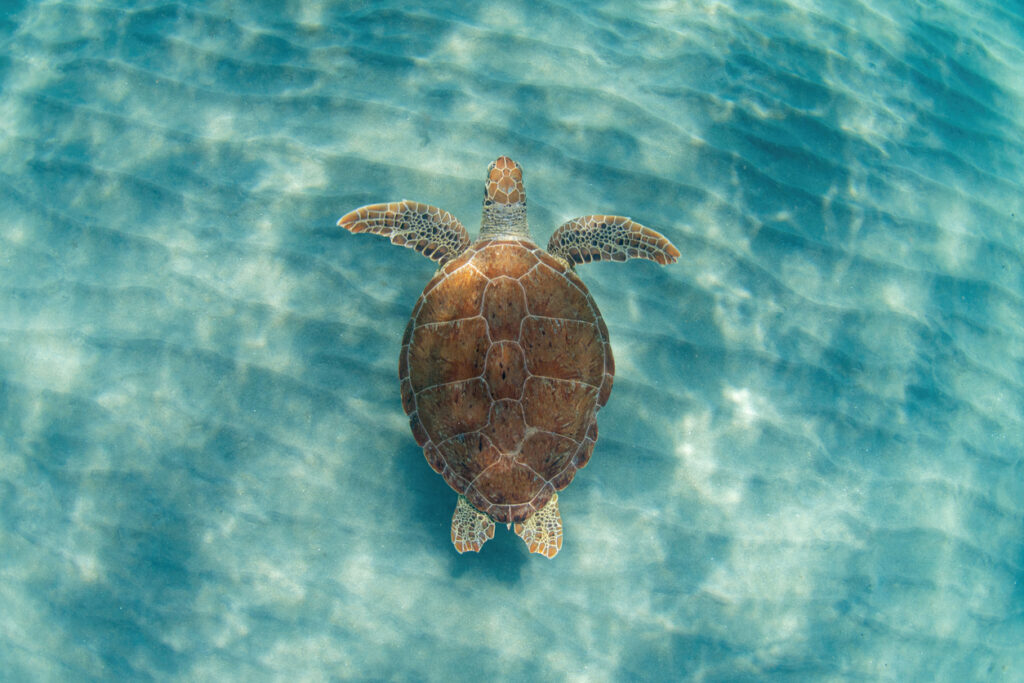
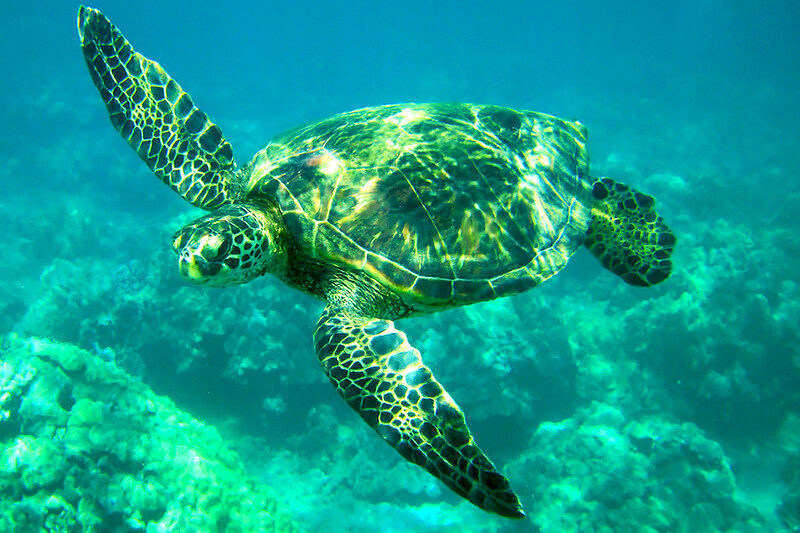
The sea turtle’s body is a masterpiece of aquatic engineering, featurivng a flattened, streamlined shell, or carapace, that significantly reduces drag. Unlike their terrestrial relatives, they cannot fully retract their heads or limbs, an adaptation that maintains their smooth, fast-moving profile. This highly efficient, hydrodynamic shape is essential for minimizing energy expenditure as they propel themselves through the water for weeks and months on end, making thousand-mile migrations physically possible.
3. Paddle-Like Front Flippers
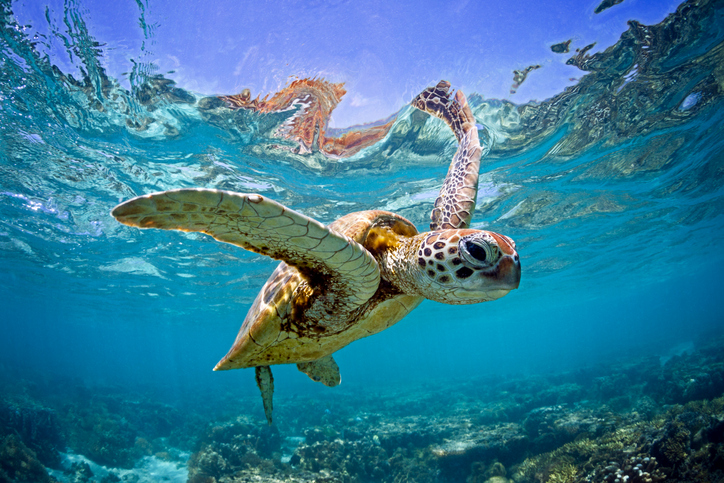
Their forelimbs have evolved into long, powerful, paddle-like flippers, which act as the primary engines for propulsion. Sea turtles execute a highly efficient, graceful, wing-like stroke that pushes large volumes of water, generating continuous momentum. This specialized design allows them to maintain a steady, energy-saving pace over long stretches of open water, an absolute necessity when crossing entire ocean basins from feeding zones to natal beaches.
4. Efficient Oxygen Conservation
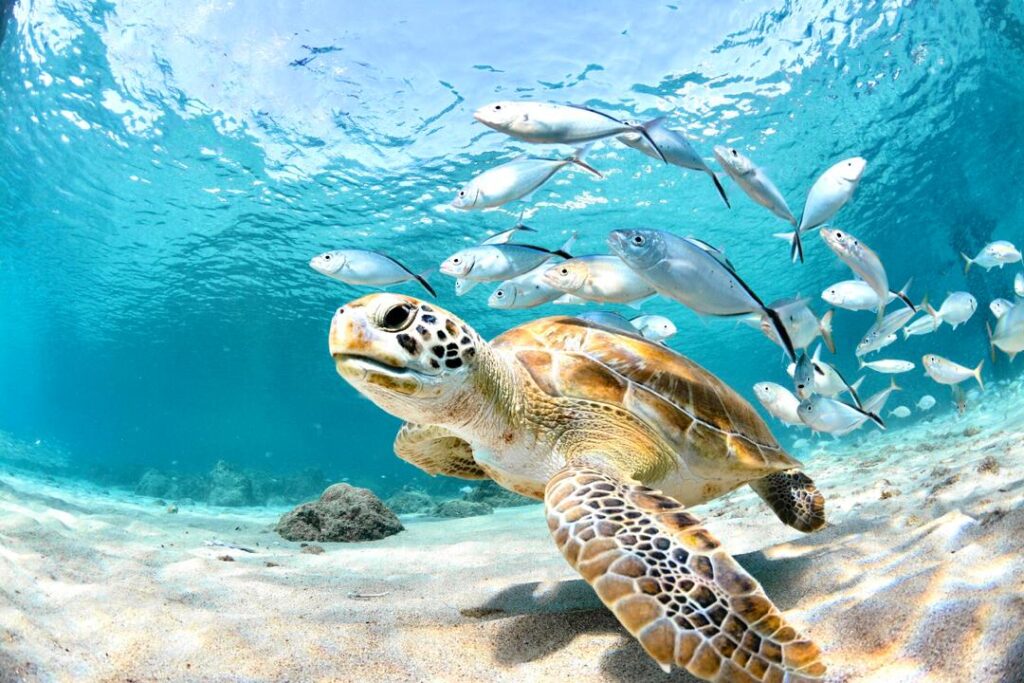
Sea turtles are masters of breath-holding, a critical skill for long dives during migration, resting, or foraging. They possess the remarkable ability to slow their heart rate significantly when resting or submerged, sometimes to only one beat every nine minutes. This physiological adaptation shunts blood away from tissues that tolerate low oxygen (like limbs) and toward vital organs (like the brain and heart), conserving oxygen stores and allowing them to remain submerged for hours, maximizing travel efficiency.
5. Specialized Salt-Excreting Glands
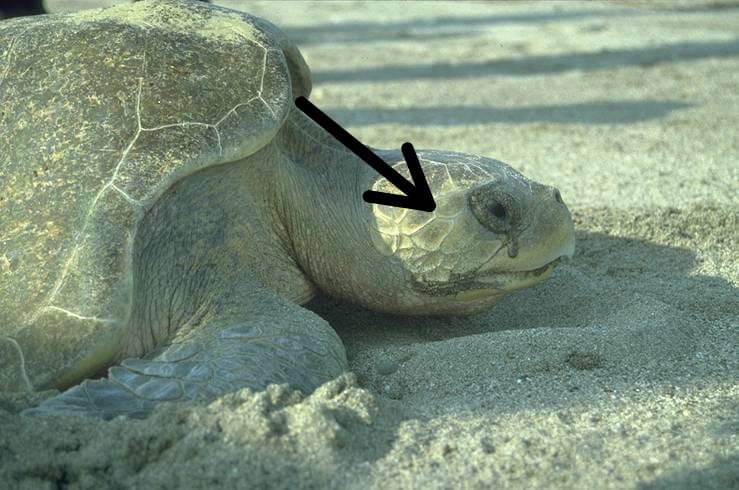
Living entirely in a saltwater environment, sea turtles constantly ingest salt, which would be lethal without a mechanism for removal. They have specialized salt glands located behind their eyes that actively filter and excrete excess sodium chloride in a concentrated, tear-like solution. This continuous, vital process allows them to remain hydrated and maintain the correct osmotic balance throughout their journeys without needing access to freshwater sources, which are unavailable in the open ocean.
6. Exploitation of Ocean Currents
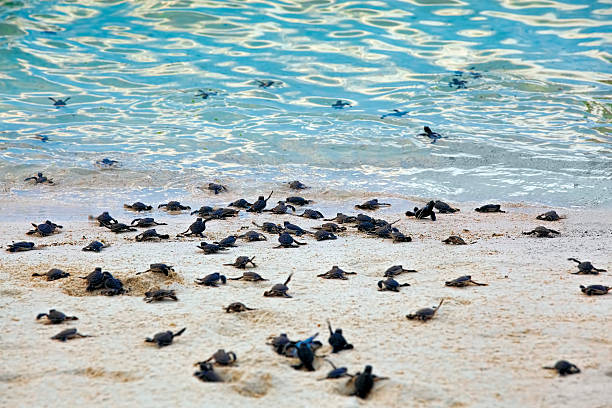
Hatchlings and juvenile turtles often utilize major ocean currents, like the Gulf Stream or the North Atlantic Gyre, as a kind of moving walkway. They ride these massive currents, which significantly reduces the energy they must expend on swimming, effectively hitching a ride on oceanic conveyor belts. This passive transport is crucial for the survival of young, smaller turtles as it swiftly moves them away from near-shore predators and towards offshore nursery habitats like the Sargasso Sea.
7. Internal Heat Regulation (Leatherbacks)
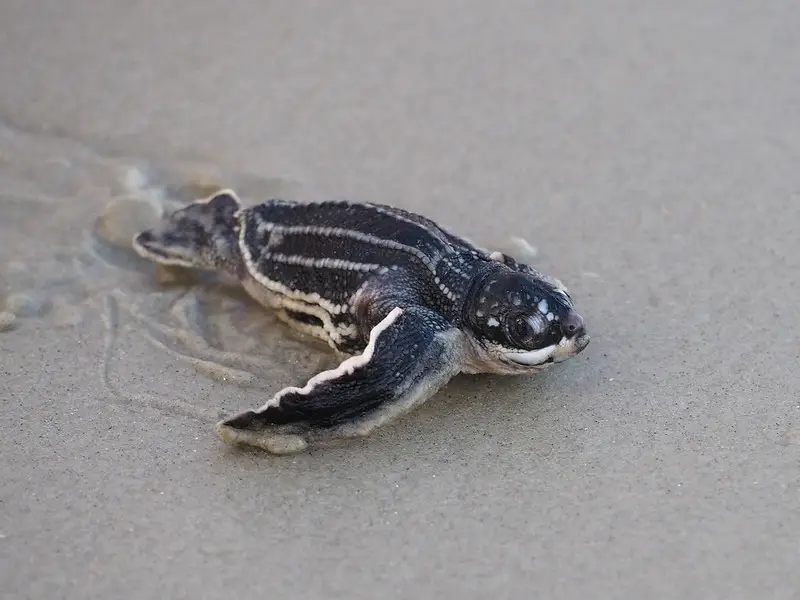
While most sea turtles are ectothermic (cold-blooded), the Leatherback sea turtle, the most widely migrating species, possesses a unique adaptation called gigantothermy. Due to its large body mass and counter-current heat exchange system, it can maintain a body temperature higher than the surrounding cold water. This allows the Leatherback to forage in frigid, high-latitude waters unavailable to other species, vastly expanding its foraging grounds and migratory range.
8. Enhanced Underwater Vision
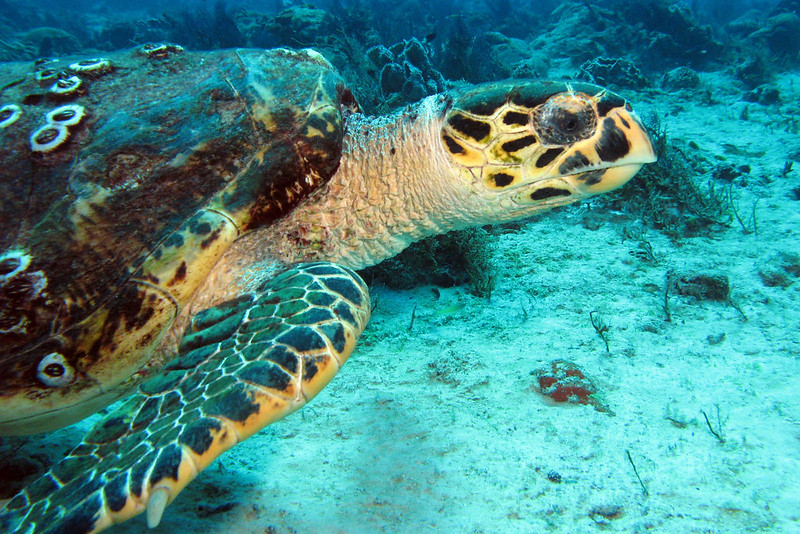
Sea turtles possess eyes specially adapted for excellent vision underwater, where light refracts differently than in the air. They have curved lenses that help them see clearly in the aquatic environment, enabling them to spot prey, avoid obstacles, and maintain orientation. Although they are often near-sighted on land, their superior underwater acuity ensures they can navigate and hunt effectively in the deep ocean throughout their arduous voyages.
9. Learning and Memory of Routes
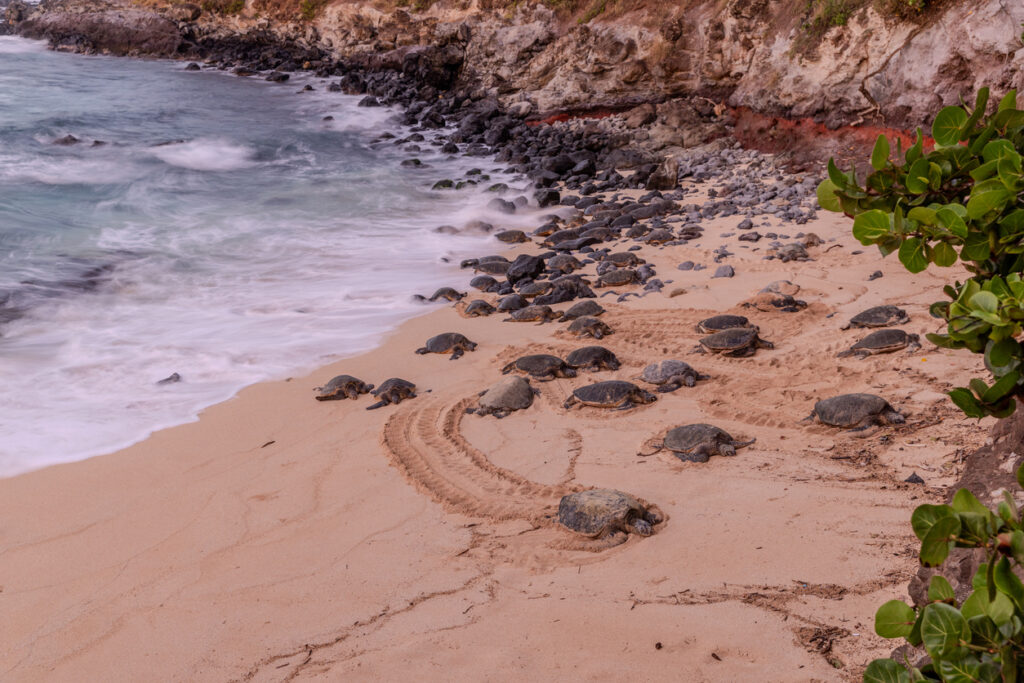
Beyond their innate magnetic compass, mature sea turtles utilize strong cognitive abilities, learning, and memory to refine their migratory paths. They remember the sequence of magnetic fields encountered, the specific landmarks of feeding grounds, and the precise magnetic signature of their natal beach. This learned “magnetic map” allows them to make accurate mid-course corrections and return with impressive fidelity, sometimes across thousands of miles, to the exact beach where they hatched decades earlier.
10. High Clutch Size to Offset Mortality
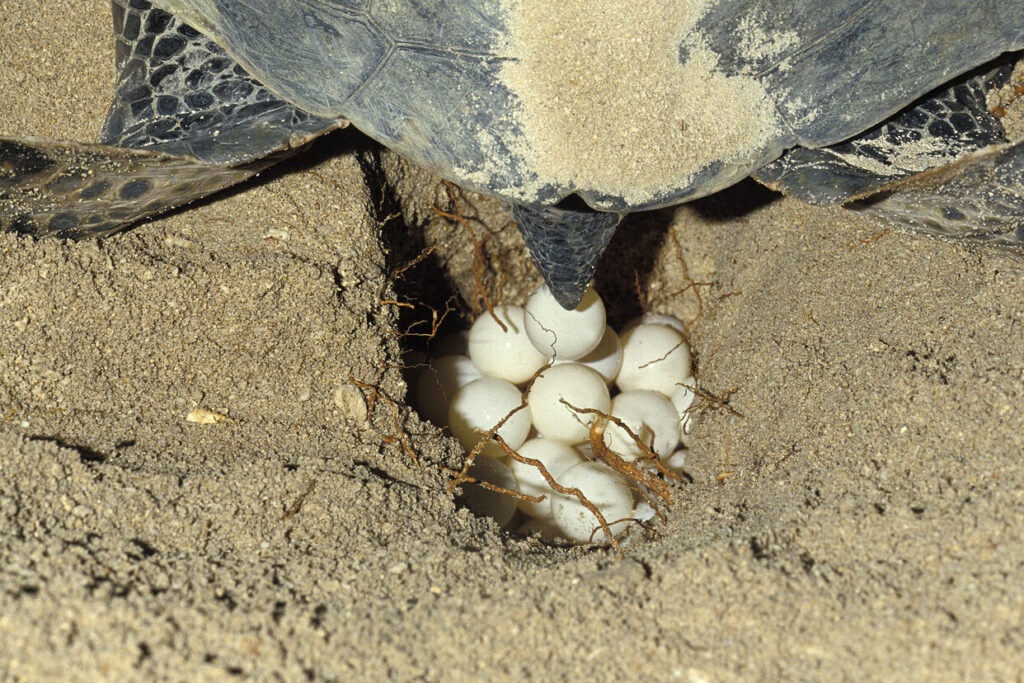
Female sea turtles produce a high volume of eggs, often laying multiple clutches of around 100 eggs each in a single nesting season. This high reproductive output is a critical survival mechanism to counterbalance the incredibly high mortality rates faced by hatchlings and juveniles, particularly during the dangerous “lost years” of migration. While only a tiny fraction of young will survive to adulthood, the sheer numbers ensure the continuity of the migratory life cycle.
11. Fat and Oil Reserves for Fuel
Prior to and during migration, sea turtles accumulate large reserves of fat and oil in their bodies, especially in their blubber layer. These energy-dense reserves act as high-octane fuel, providing the necessary energy to power their long, non-stop swimming legs. Tapping into these lipid stores allows them to sustain activity even when feeding opportunities are scarce in the vast, open-ocean corridors they traverse between foraging and nesting sites.
12. Ability to Navigate by Wave Direction
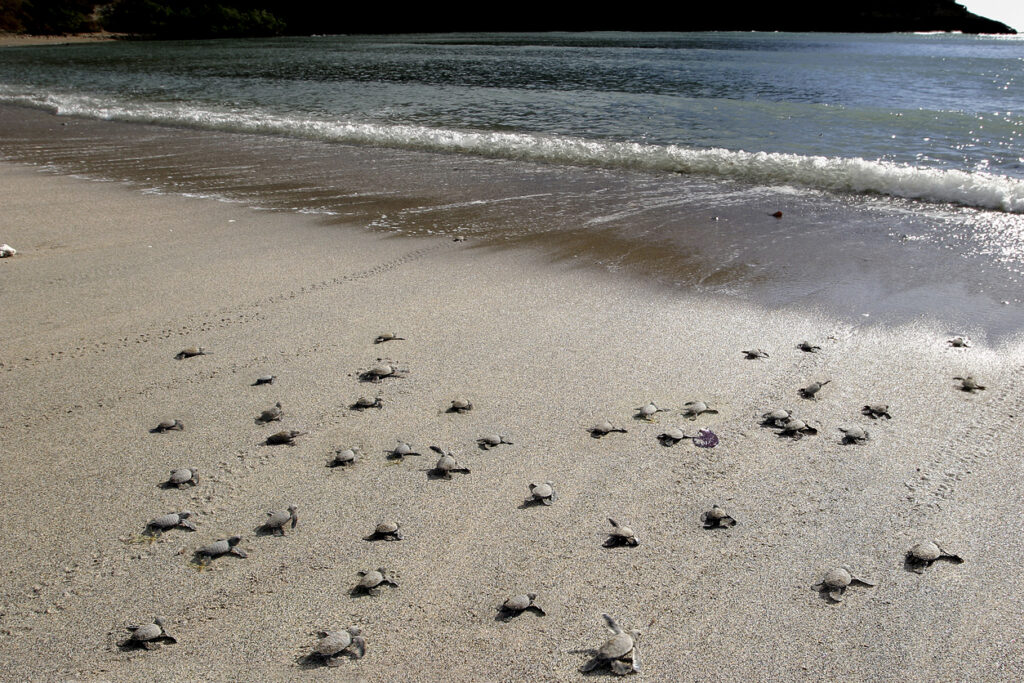
As hatchlings leave the nest, they initially orient themselves using the direction of ocean waves, particularly in shallow water where waves consistently move towards the shore. By swimming directly into the oncoming waves, they unerringly guide themselves away from the beach and out into the safer, deeper offshore waters. This initial, instinctual wave compass provides a reliable, immediate bearing until they transition to the magnetic field for deep-sea navigation.
13. Low Metabolism for Resting Underwater
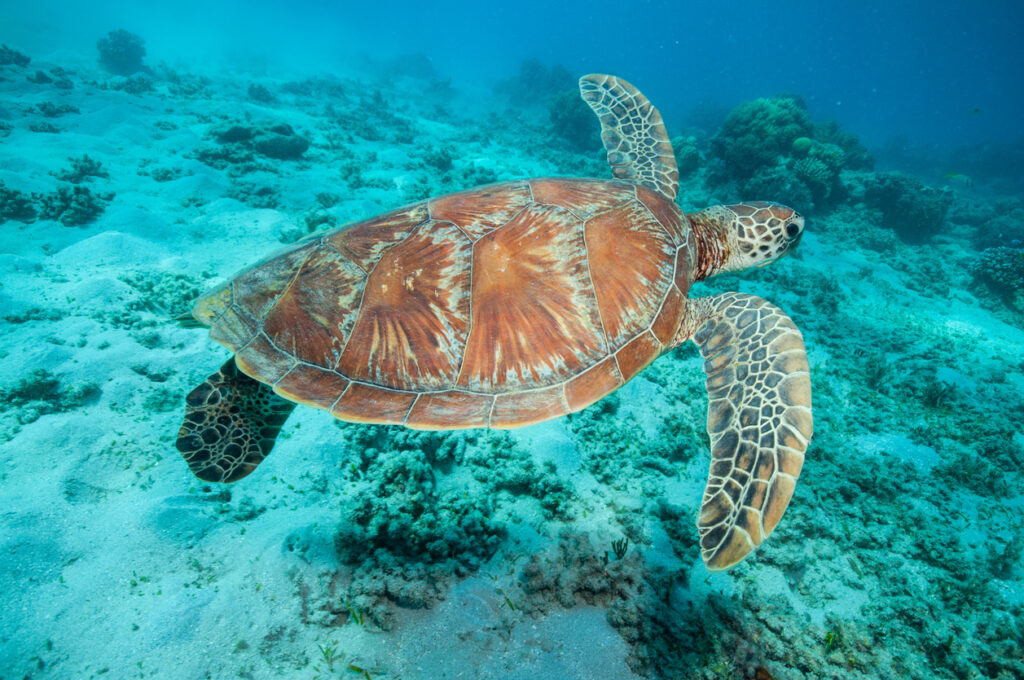
Being ectothermic reptiles, most sea turtles can significantly slow their metabolism in colder water or when resting. This reduced metabolic rate drastically lowers their oxygen demand, allowing them to remain inactive and submerged for extended periods, sometimes for several hours. This biological ‘idle mode’ is essential for energy conservation, enabling them to maximize rest and recovery time during the prolonged, energy-intensive migration.
14. Resilience to Long Periods Without Food
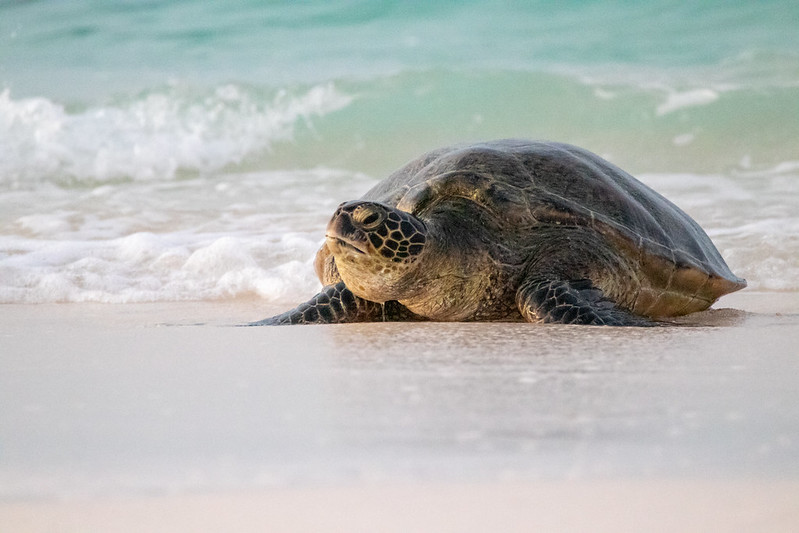
Their migratory routes can take them through areas of the ocean where food is sparse or nonexistent for long periods. The combination of slow metabolism, efficient swimming, and stored fat reserves gives them the physiological resilience to endure prolonged fasting. They are capable of temporarily suspending the need for daily foraging, allowing them to cross vast food deserts and reach their destination without having to stop their journey.
15. The ‘Frenzy’ Swim Phase
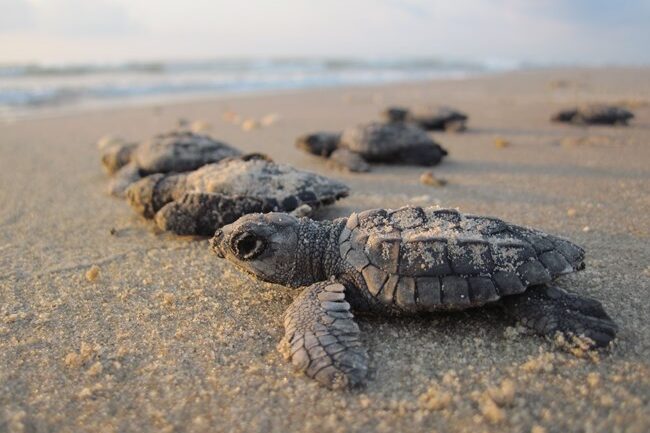
Upon hatching, young sea turtles enter a “frenzy” swim phase, a period of continuous, intense, and rapid swimming lasting up to 24 hours or more. This desperate, instinctual burst of energy is critical for quickly putting distance between themselves and the heavily populated near-shore predator zones. This high-effort, early-life migration ensures they reach the relative safety of the open ocean and its associated currents with minimal delay.
16. Use of Sargassum Mats for Shelter
Reaching a large adult size is a key survival strategy, especially for long-distance travelers. Large body mass provides a relative defense against most potential predators, as only the largest sharks pose a significant threat. Additionally, larger animals have a lower surface area to volume ratio, which helps them maintain a more stable core body temperature and store greater energy reserves, which are both highly advantageous for enduring long, variable ocean voyages.
To know these facts is to appreciate the extraordinary resilience and navigation skills of these ancient ocean wanderers, who return year after year against all odds.
This story 16 Amazing Ways Sea Turtles Survive Long-Distance Journeys was first published on Daily FETCH


