
Caring From The Start
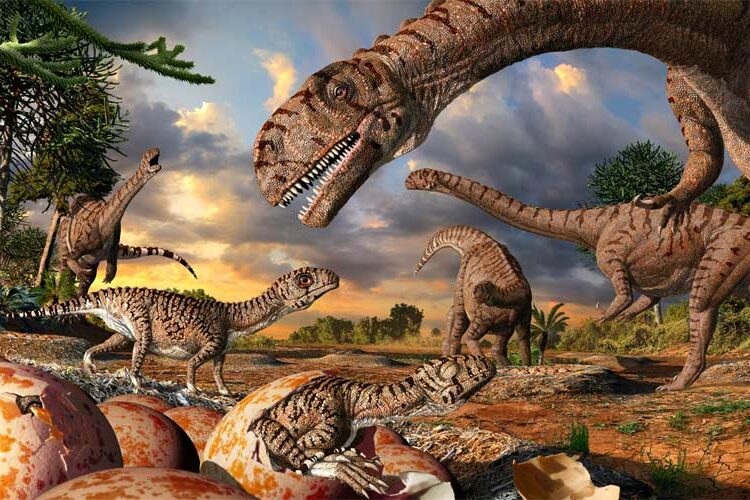
It feels natural to wonder whether dinosaurs ever watched over their babies the way animals do today and it turns out there is growing evidence suggesting some of them really did. When scientists found fossil nests arranged in repeating patterns it hinted that certain dinosaurs might have returned to the same spots to lay eggs again, protecting the area until their little ones were strong enough to move on their own. Imagining these ancient giants looking after their young changes how we picture life in prehistoric times and helps us see them as more than giant creatures roaming wild.
Mothers That Stayed Close
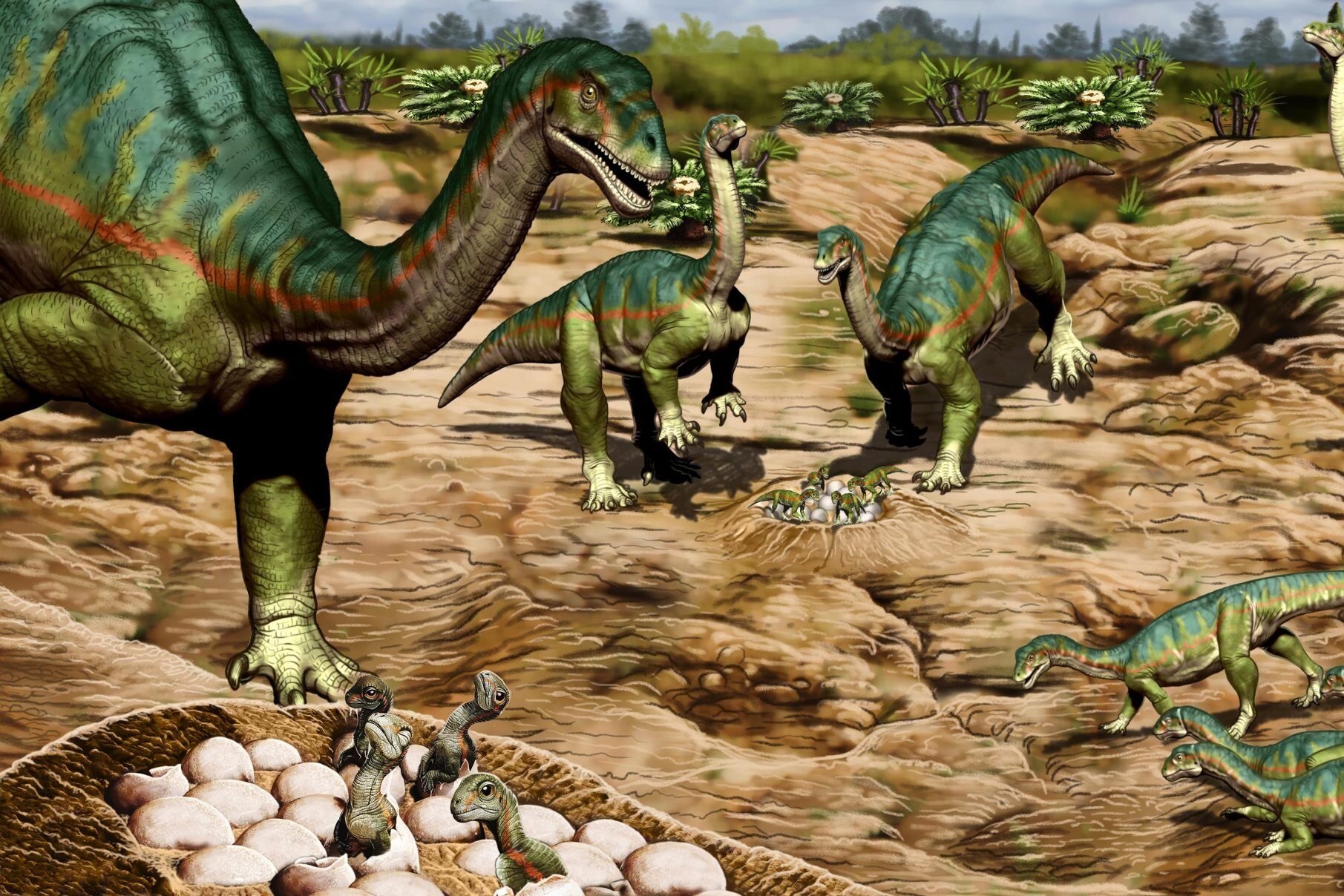
Some fossils show small dinosaurs clustered around larger adults, suggesting that the young did not instantly fend for themselves. Instead they may have stayed near a parent until they grew stronger. This is similar to how young birds rely on protection and guidance from a parent who keeps them safe while teaching them how to move and feed. If these prehistoric animals cared this way too it means parenting existed long before many creatures we know today. The idea encourages us to see behavior as something ancient, not just something modern animals developed.
Building Safe Nests

Certain dinosaur nests were arranged carefully in circles rather than scattered randomly which hints at parental planning. A structured nest would keep eggs warmer and better protected from danger. Scientists believe that these dinosaurs might have chosen nesting sites thoughtfully, returning to familiar places each year. Just like many animals today pick specific locations to raise their young these ancient creatures may have understood the importance of protecting their eggs from predators and harsh weather. It shows that survival for young dinosaurs may have depended on the instincts and actions of their attentive parents.
Watching Over Eggs
Some dinosaurs may have guarded their eggs until they hatched instead of simply laying them and leaving. The position of certain fossilized adults suggests they stayed close, almost like a living shield. Remaining near the nest would keep predators from stealing eggs and could give the hatchlings a better chance at life. This type of protection is still practiced by many reptiles and birds today. If dinosaurs also guarded their eggs it suggests that parental care is much older than we imagine and that some dinosaurs valued safety and patience as part of raising the next generation.
Feeding The Young

There is evidence that some baby dinosaurs may not have been able to feed themselves immediately. If that is true an adult likely brought food or guided them to it. This is similar to how baby birds wait in the nest for their parents to return with something to eat. These young dinosaurs would have depended on their caregivers for survival until they could move faster and find food on their own. Such behavior shows that survival was a shared duty between parent and offspring making early life more supported and less lonely than imagined.
Growing Up Together
Young dinosaurs found in the same areas suggest they lived together instead of spreading out instantly. Staying grouped means they possibly played, learned, or grew under supervision. Group living would help them stay safe while allowing adults to defend multiple youngsters at once. Social learning might have influenced how they moved, fed, or recognized danger. Growing up in a small community would have strengthened their chances of survival just as herds and flocks do today. This hints that their development may have included shared habits and shared protection forming a connection that went beyond simply hatching and running away.
Families On The Move
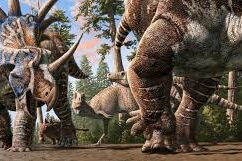
Some dinosaurs might have traveled with their young from place to place in search of better food or safety. Tracks in certain fossil sites show pairs of large and small footprints moving together. This suggests the adults did not leave the hatchlings behind but guided them into the world. Moving as a group increases safety, especially against larger predators. It also helps the young learn where to find resources. If dinosaurs journeyed with their babies it mirrors the migrations of animal families today, reminding us that traveling together for protection has deep roots in ancient history.
Teaching Survival
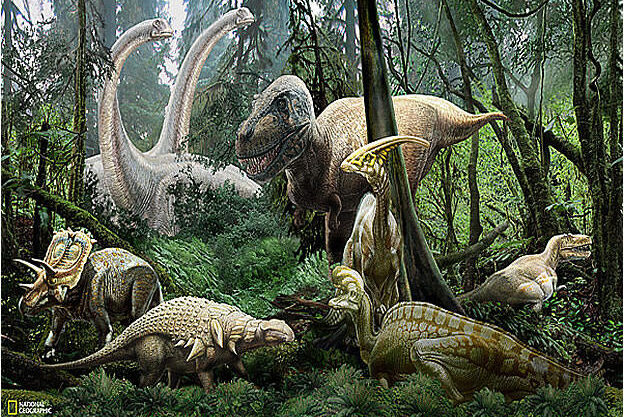
Parent dinosaurs may have helped their young learn survival skills rather than leaving them to figure everything out alone. Observing a parent hunt, hide, or forage would give the young knowledge that might save their lives. This is similar to how many animals today learn through watching older members of their group. Instead of simply being born with all their instincts ready these little dinosaurs might have needed guidance. Teaching makes survival more than instinct, it becomes learned behavior passed through generations. If dinosaurs taught their young it speaks to a meaningful bond beyond simple protection.
Finding Better Shelter
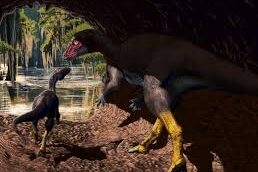
Parents may have moved their young to safer environments after hatching, especially if their original nest was exposed to danger or harsh weather. This idea is supported by tracks showing groups relocating from nesting grounds. By guiding their young to new areas they could increase their chance of survival in more stable surroundings. Just like modern animals change locations to find better climate or safer conditions these ancient creatures may have recognized when their young needed a fresh space to thrive. It paints a picture of dinosaurs adapting for the benefit of their offspring not just themselves.
Keeping Danger Away
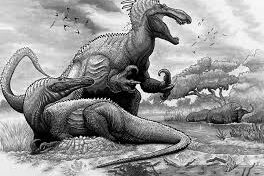
Evidence suggests that some dinosaurs might have scared off predators to protect their nests. The presence of adults found near eggs might indicate that they remained alert and ready to defend. Protecting vulnerable hatchlings would require strength, patience, and awareness of threats nearby. Many animals today fiercely guard their babies even though it puts them at risk. If dinosaurs practiced something similar it shows devotion and responsibility that we usually associate with modern species. Imagining a giant dinosaur defending its young adds a new layer to how we picture these ancient animals and their daily challenges.
Sharing Warmth
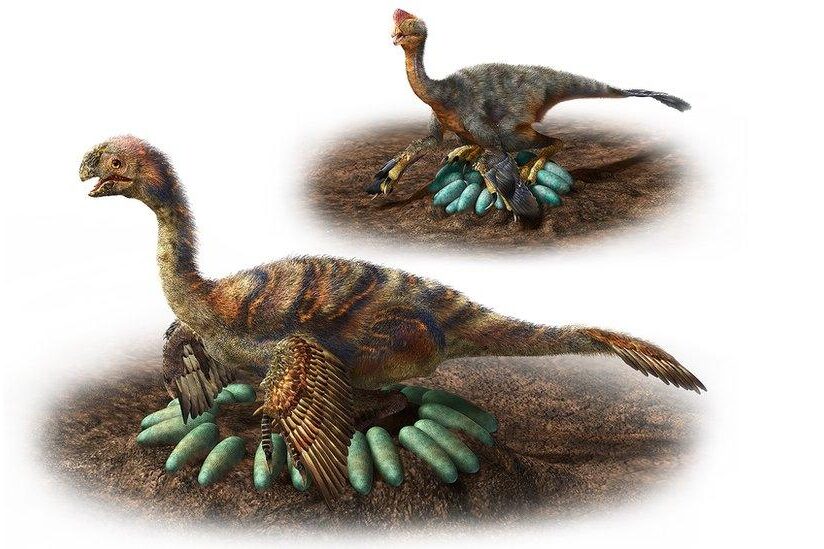
Some species may have provided warmth for their eggs or young just like birds do today. Their bodies could have acted as a natural heat source while they sat close or partially covered their nest. Warmth is important for development especially for creatures still growing inside an egg. If dinosaurs understood this instinctively they were doing more than guarding, they were nurturing. Many animals rely on physical closeness to help their offspring survive. Thinking of dinosaurs using their bodies as protection and warmth helps us see them as caregivers focused on giving their young a better start at life.
Guiding Toward Food
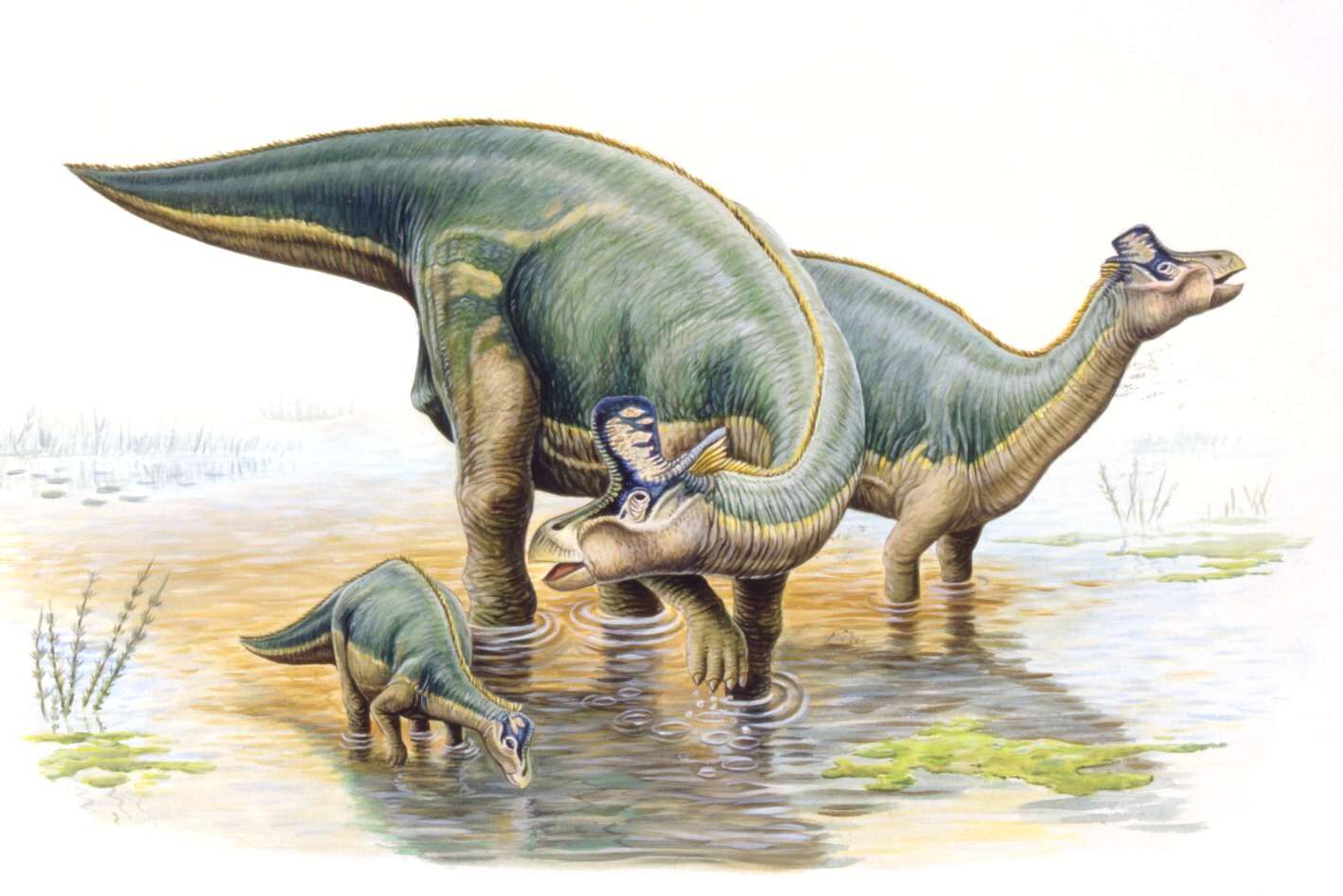
Young dinosaurs might have followed their parents to food sources far away from the nest. Instead of wandering on their own they could have been led to feeding grounds where the adults already knew resources were available. By guiding their offspring the parents ensured they were eating what was safe and nutritious. This type of behavior keeps young creatures from making dangerous mistakes. It also speeds up their learning by letting them observe and copy what the adults choose. This guidance would have made survival less random and more planned showing that dinosaur parenting included being a reliable leader.
Learning Through Sound

Some scientists believe young dinosaurs and their parents may have communicated through sounds. If they used calls to stay together it means they relied on more than physical closeness. Communication helps animals coordinate, warn of danger, and share information. Young dinosaurs responding to a parent’s voice would be similar to how many baby animals react to vocal signals today. If dinosaur families used sound to stay connected it suggests emotional awareness and protective instincts shaped their interactions. That makes their world feel less distant from ours and shows that communication may have been a vital part of their survival.
Small Steps Together
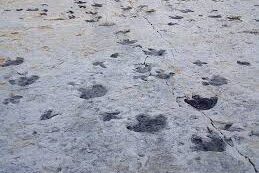
Certain fossil sites show smaller dinosaurs walking in patterns that match the step rhythm of larger ones. This means the young kept pace as best they could, learning to move safely as a group. Staying in step helps avoid getting lost and allows adults to monitor all the little ones at once. Moving together reduces the risk of attacks and teaches the young how the group travels. Their walking pattern might have been learned through repetition and patience from the adults. This simple act of walking side by side could reflect strong family habits passed down over time.
Staying Near Water
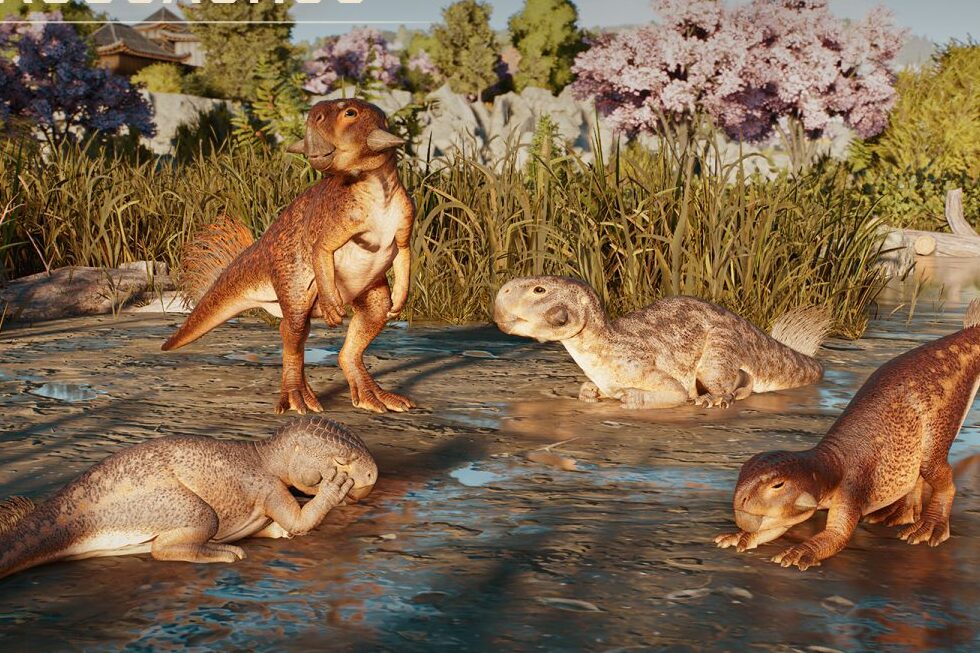
Some dinosaur nests were found near water resources which suggests parents selected nesting areas carefully. Being close to water makes it easier for the young to survive once they hatch because they would need hydration and food sources nearby. Adults might have understood which areas were safest or most helpful for raising babies. This strategic choice is still seen in many animals today. Selecting a location that gives the young what they need shows foresight and awareness of how the environment affects growth. It means the parents were not just laying eggs anywhere but thinking about the future of their offspring.
Playing To Grow
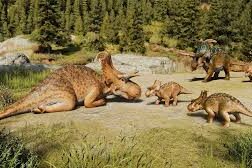
It is possible that young dinosaurs played the way young animals do today. Play is more than fun, it helps the development of coordination, social skills, and awareness. If little dinosaurs chased each other or practiced moves they would later use to hunt or flee from danger they were learning through play. Such activities would have been safer under the watch of adults who kept bigger threats away. Imagining dinosaurs playing makes them feel more relatable and alive. Growing stronger through playful behaviors adds another layer to how we understand prehistoric life as something full of learning and interaction.
Protecting Weak Hatchlings
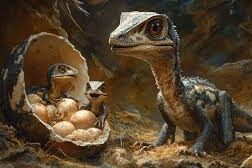
Not all baby dinosaurs would have been strong at birth. Some may have needed extra care because their bones and muscles were not yet ready for independent movement. A parent could help by guiding them or defending them against predators. Keeping weaker hatchlings safe until they grew stronger would improve the whole group’s survival. Animals today protect their weakest members because every offspring represents a future adult. If dinosaurs acted in similar ways it means they valued the effort it took to raise their babies rather than leaving survival entirely to chance. It shows patience, protection, and responsibility.
Staying In Nesting Groups
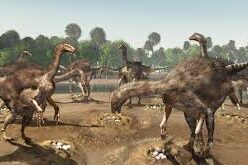
Some species might have nested in groups rather than alone. Group nesting provides strength in numbers because multiple adults can look out for threats. If these dinosaurs chose to lay eggs near each other they were building a shared defense system. Being part of a nesting community helps protect not only individual offspring but the entire generation being raised. This idea shows dinosaurs could have benefited from cooperation even if they were not social in other parts of their lives. Shared nesting feels like an early example of teamwork based on mutual protection and shared goals for survival.
Laying Eggs At Safe Times
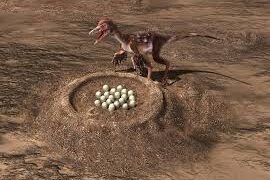
Parents may have waited for specific seasons to lay eggs based on weather or food availability. Timing reproduction increases the chance that young will hatch at the right moment when conditions are stable and food is available. This idea shows dinosaurs may have followed instinctive schedules just like many animals do today. Choosing the right time helps the offspring survive the vulnerable period immediately after hatching. If dinosaurs followed seasonal rhythms for laying eggs they were planning for the success of future generations. Such awareness connects them to the natural cycles that continue guiding animal life now.
Leading With Experience

Adults who had raised offspring before likely became better at protecting future young. Experience helps animals learn what works and what does not. If dinosaurs lived long enough to raise more than one set of young they may have gained awareness about safer nesting places, predator behaviors, or the best feeding grounds. This would improve survival for future babies, showing that parental care could evolve and improve over time. Experience shapes behavior and increases a group’s success generation by generation. Dinosaurs may have passed knowledge forward not through words but through repeated actions that shaped their family habits.
Helping Hatchlings Break Free
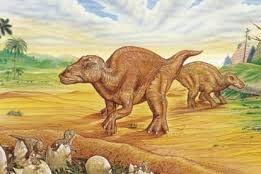
Some animals help their babies break out of their eggs and dinosaurs may have done something similar. Hatchlings might have struggled depending on the thickness of the shell. A parent could assist by nudging, moving, or gently breaking areas of the egg surface. Helping at this delicate moment can mean the difference between life and death. This kind of interaction requires patience and awareness of the young’s needs. If dinosaurs truly helped their hatchlings enter the world it means they understood vulnerability and responded instinctively. Moments like that reveal a caring behavior that goes beyond simple survival instincts.
Giving Space To Grow
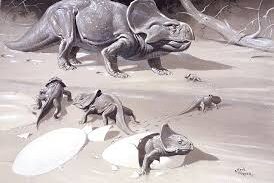
After hatching some parents may have stepped back slightly, allowing the babies to explore while still watching from a distance. Too much interference can limit learning, so giving space can be a natural form of caring. The young need to practice walking, feeding, and reacting to their surroundings. A parent nearby keeps them safe without preventing growth. This balanced approach resembles what many animals do today when raising young that must learn independence. If dinosaurs practiced this, their care included both guidance and trust, recognizing that learning requires freedom as much as protection. It represents a thoughtful parenting style.
Guiding Toward Group Living

Some young dinosaurs may have transitioned into larger groups as they got older. Parents could have introduced them to a community where multiple adults offered protection. Being part of a group increases safety against predators and creates opportunities for social learning. If the parents helped young dinosaurs join a herd or cluster it means they were preparing them for a life beyond the nest. Such guidance shows that parenting did not end at hatching but continued into adolescence. These interactions suggest that dinosaurs valued preparation and long term survival, just like many species we observe today.
Warning Through Movement
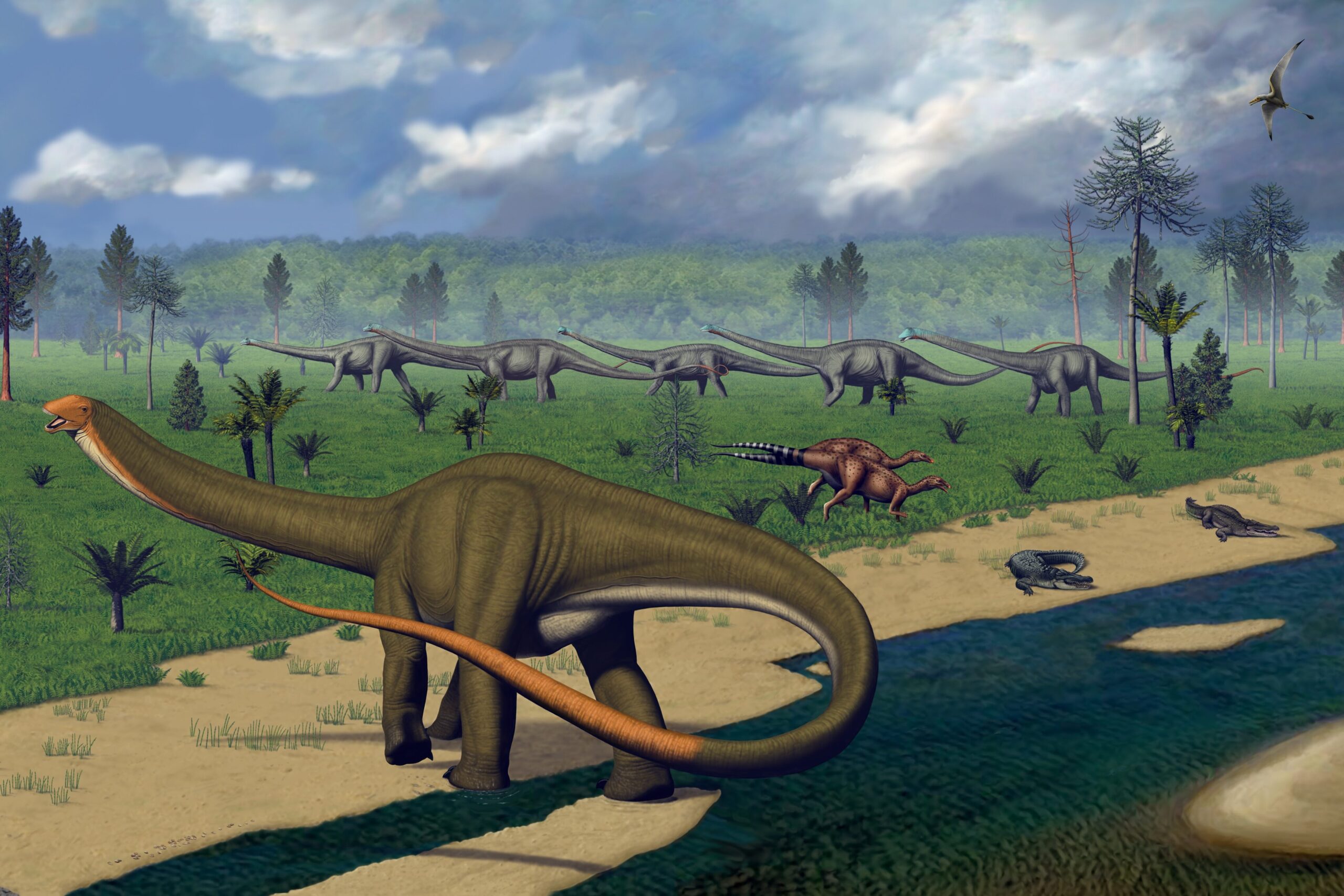
Parents might have communicated danger through body movements such as stomping or shifting posture. Young dinosaurs learning these signals would know when to stay still or when to flee. Movement based warnings do not require sound which helps avoid attracting predators. If these ancient creatures used visual signals to protect their young they were practicing strategic behavior. Teaching alert gestures gives the young a survival skill they carry into adulthood. This nonverbal communication reflects awareness of danger and the need to share information clearly. It highlights that care can take many forms including subtle protective signals.
Learning Which Foods Were Safe
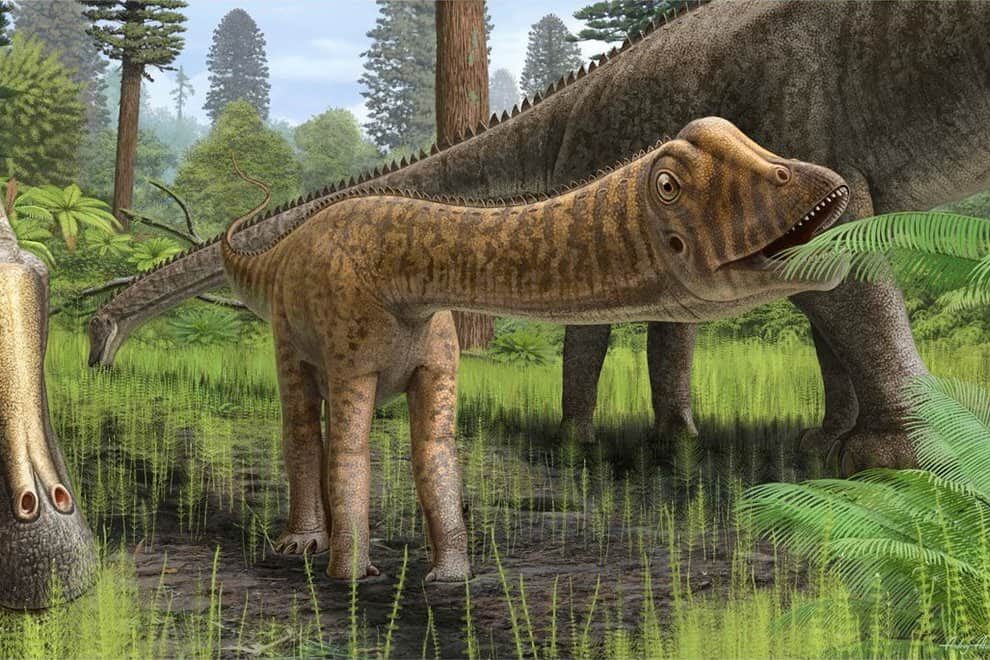
Young dinosaurs likely needed help identifying safe plants or prey. Parents could lead them toward foods that would not harm them and away from vegetation or animals that could cause illness. Learning which foods to avoid is a major part of survival because many choices in nature are dangerous. By guiding their young through simple observation and imitation parents saved them from mistakes that could end their lives. Helping them choose wisely shows a nurturing instinct connected to teaching, not just feeding. It reflects thoughtful care and suggests parenting involved knowledge being shared through everyday actions.
Using Body Language To Comfort

Adults may have reassured young dinosaurs through body language such as gentle nudges or protective positioning. Comfort helps keep young animals calm so they can eat, sleep, and grow properly. If dinosaurs expressed reassurance through physical contact it means they recognized emotional needs beyond basic survival. Comfort creates trust and helps the young feel secure while learning about their surroundings. This kind of behavior mirrors interactions in many species today where touch communicates protection. Such gentle actions make dinosaurs feel less terrifying and more relatable as creatures capable of calming and guiding their young in meaningful ways.
Carrying Responsibility In Groups
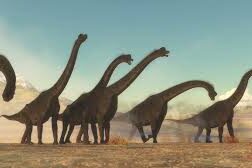
Some large dinosaurs may have shared parental roles. Multiple adults protecting or watching the young could mean responsibility was not limited to one parent. Sharing tasks increases safety and reduces the stress on individual adults. This cooperative care resembles modern animals that share child raising duties within a group. It shows parenting as a team effort rather than a single parent struggling alone. When young dinosaurs benefited from shared protection they gained a better chance at survival. Cooperation in raising offspring reveals a deeper sense of community that helped strengthen ancient groups and future generations.
Staying Until The Strongest Survived
Parents might have stayed with their babies until they were capable of moving quickly and defending themselves. Young dinosaurs that stayed longer with adults would grow stronger before facing the dangers of the wild. Waiting until they had better physical abilities shows patience and careful timing. It is similar to how some animals do not leave their young until they are confident they can survive. Parents who stayed longer invested more time to increase success. This patience suggests their caregiving did not rush development but encouraged strength before independence, making survival more likely for each offspring.
Returning To Raise More Young

Many species return to the same nesting places repeatedly because those areas proved safe before. Dinosaurs may have done this too choosing familiar grounds to raise new generations. Returning to successful nesting sites shows memory and awareness of what worked previously. It also suggests long term planning rather than random behavior. If these creatures raised multiple broods in the same place it means they recognized good environments that helped babies survive. This behavior connects them to modern nesting animals and supports the idea that dinosaurs understood the importance of consistency in raising their young.
A Legacy Of Ancient Care
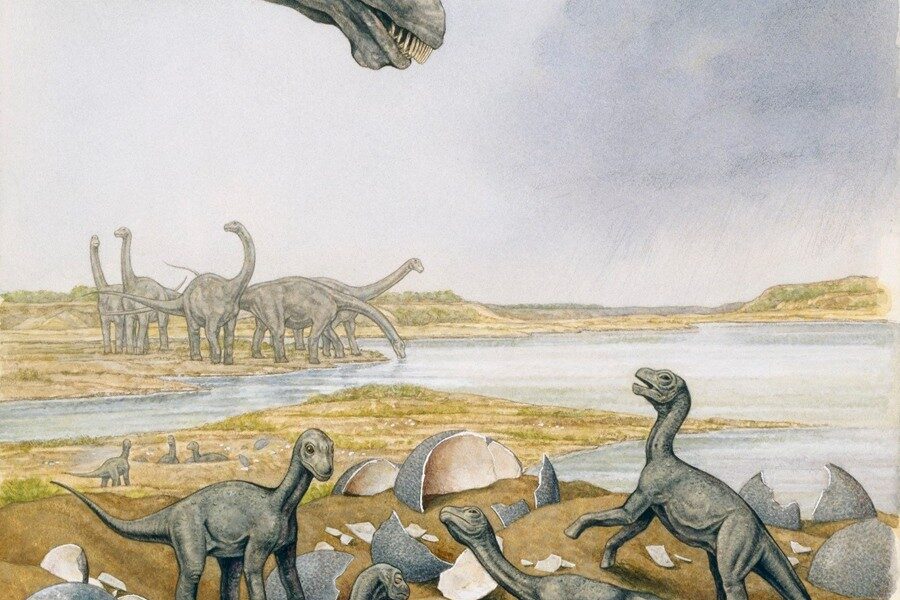
Looking at all these possibilities it becomes clear that parenting was not a simple matter for some dinosaurs. Their actions may have included protecting, teaching, guiding, communicating, feeding, and creating safe environments for their offspring. Not every species behaved the same which only makes their world more interesting. Care may have varied but the existence of any nurturing behavior at all is remarkable. Imagining dinosaurs parenting their young shows that love like instincts existed even in deep prehistory. It makes them feel more alive and relatable reminding us that survival has always been shaped by family.
This story Did Some Dinosaurs Care for Their Young? Evidence Suggests Yes was first published on Daily FETCH


