
Warm Beginnings for Early Mammals
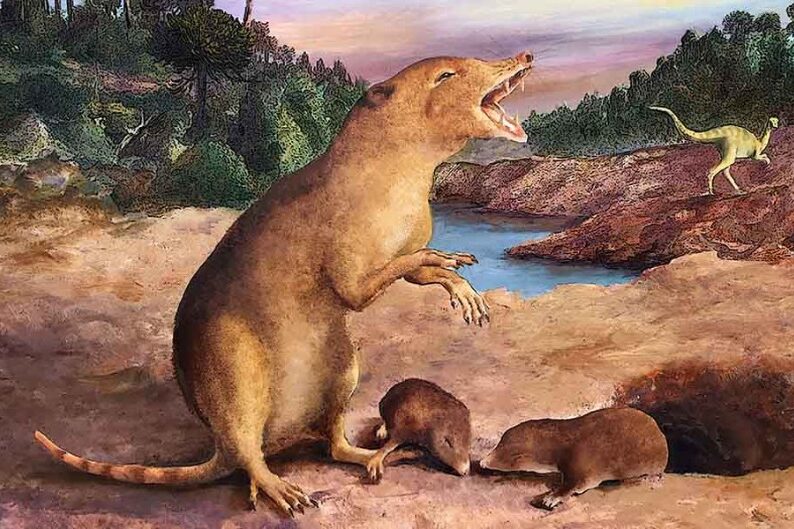
Sometimes the story starts quietly, and ancient mammals began theirs as the climate warmed and forests spread across the planet. This warming created new spaces to explore and new foods to try, encouraging small mammals to adapt in size, shape and behavior. Instead of staying hidden, many began taking chances in broader habitats and experimenting with lifestyles that suited warmer environments. As trees thickened and temperatures rose, mammals slowly discovered opportunities that helped them grow into the diverse group we recognize today. Their early journey reminds us that change can open doors when species learn to adjust gently and wisely.
Cooling Weather and the Open Grasslands
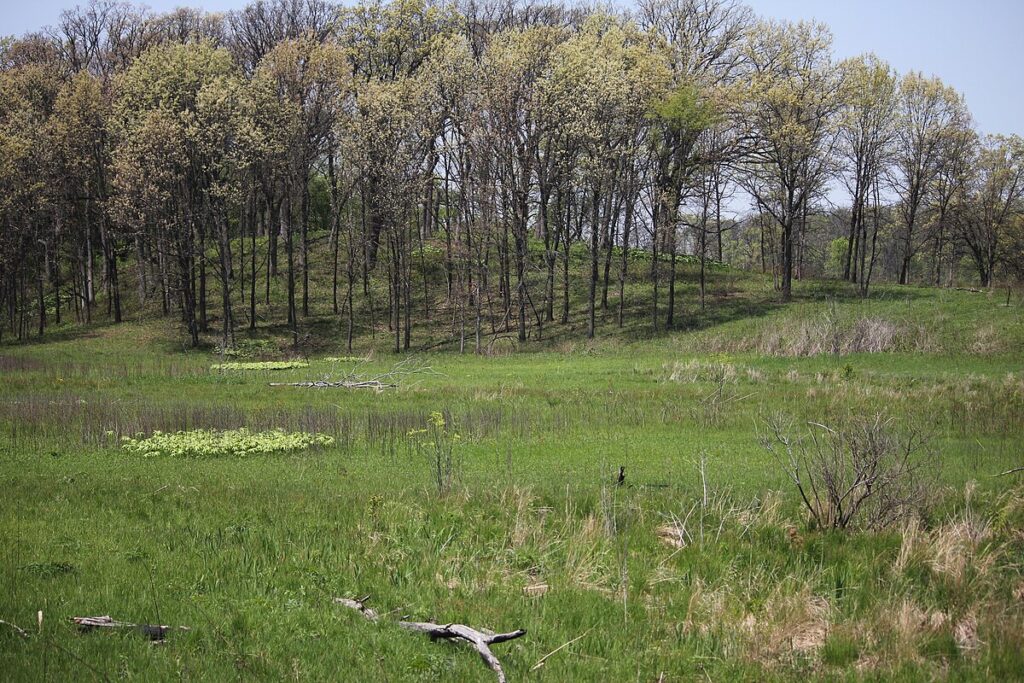
As temperatures gradually cooled, forests began to shrink, giving way to wide grasslands that challenged mammals to adapt quickly. Animals that once depended on leafy cover had to survive in open landscapes where speed, sharper senses and new diets meant everything. Some developed longer legs to run faster, while others adjusted their teeth to chew tougher grass. This shift in vegetation changed more than meals, it changed lifestyles and behaviors. Moving from shelter to open space pushed mammals to think differently, survive differently and eventually evolve into entirely new forms. Climate shaped their future by changing the ground beneath them.
Climbing Higher into Mountain Life
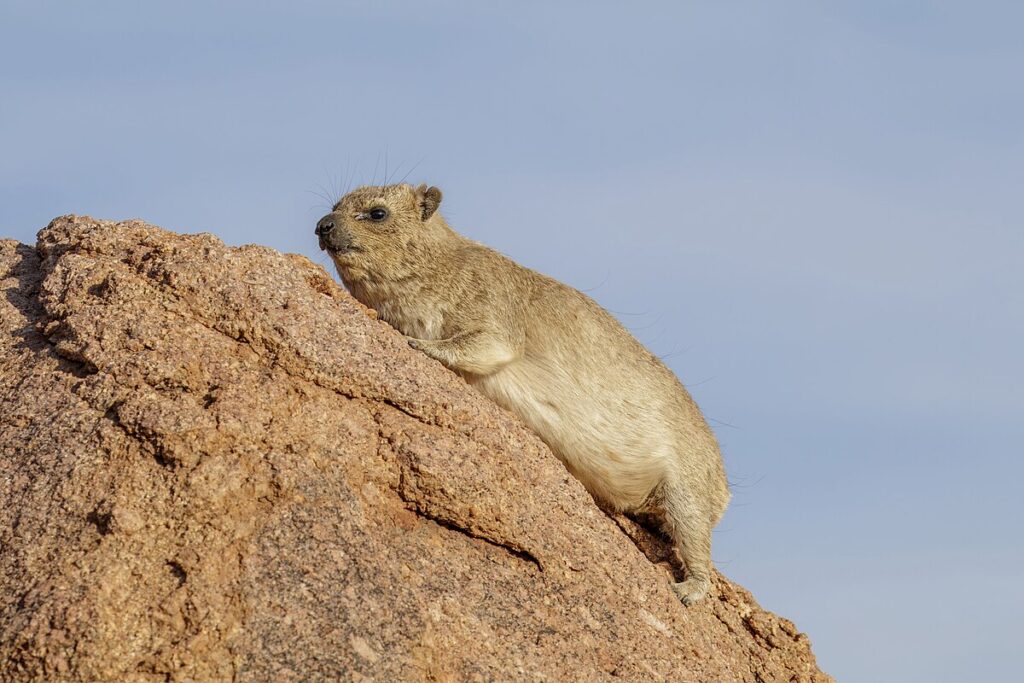
As mountains slowly formed and rose, the climate in those areas cooled and thinned, pulling certain mammals into new conditions that demanded unique survival tactics. Animals living in these rising environments had to handle colder nights, thinner air and rugged terrain that tested both endurance and instinct. Some mammals adapted by developing stronger lungs, warmer coats or slower metabolisms, while others moved away to easier lands. These high regions became testing grounds where only the most flexible could continue thriving. The mountains did not force evolution loudly, but they shaped it quietly by rewarding creatures that learned how to live above the world below.
Small Mammals Feeling Climate Strain
Tiny mammals often feel climate shifts more immediately because their bodies and habitats change faster than those of larger species. When temperatures rise or food becomes scarce, smaller creatures adjust quickly in size, reproduction or behavior to survive. They may change when they breed, how they forage or even how long they live. Their sensitivity makes them early responders to environmental change and quiet storytellers of climate history. By observing how these little survivors adapt, we see how evolution can move rapidly through small bodies with big reactions. Climate may appear gradual, but its effects hit the smallest first.
Climate Preparing Pathways in DNA
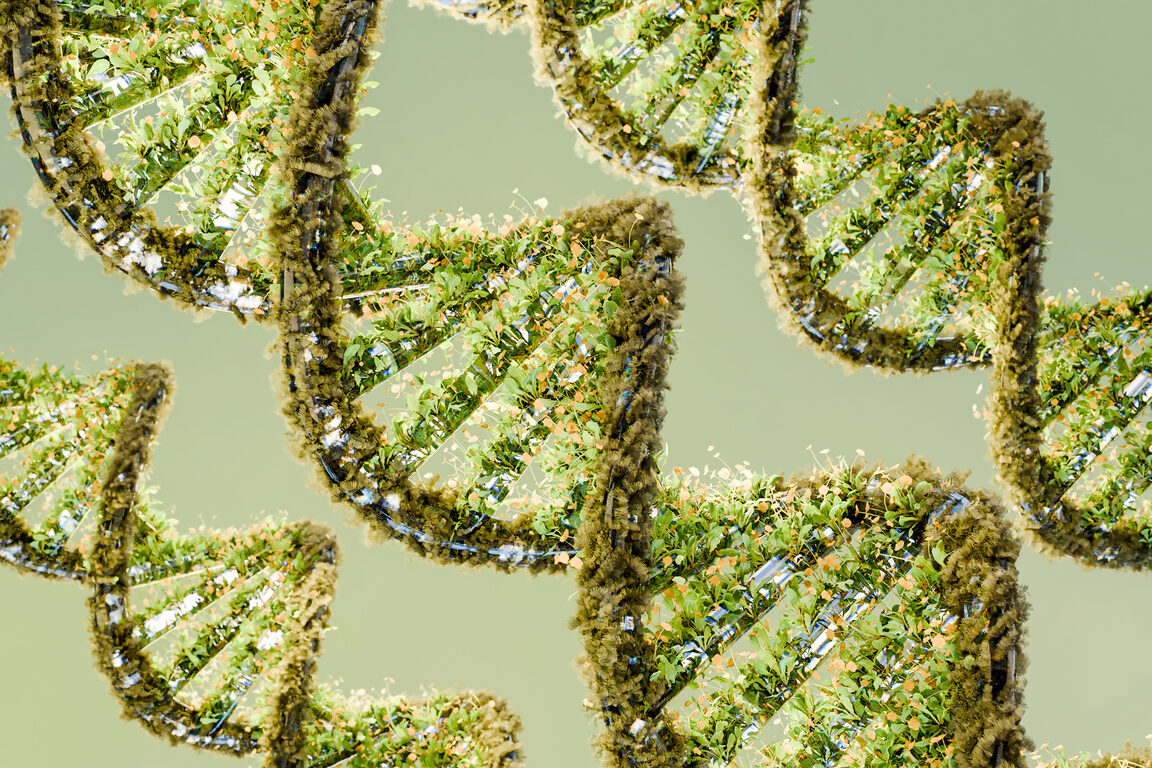
Even though ancient mammals left no written stories, their DNA carries evidence of how climate shaped them across millions of years. Changes in temperature, vegetation and landscape slowly influenced genetic diversity, pushing populations to adapt or fall behind. Traits that helped survival were passed along, while weaker ones faded across generations. Over time, differences in climate between regions created distinct mammal groups with their own characteristics. These genetic patterns still exist today, quietly reminding us that adaptation is not only physical, it is inherited. The climate of the past continues to whisper through the genes of every living mammal.
Habitat Breaks Bringing New Species
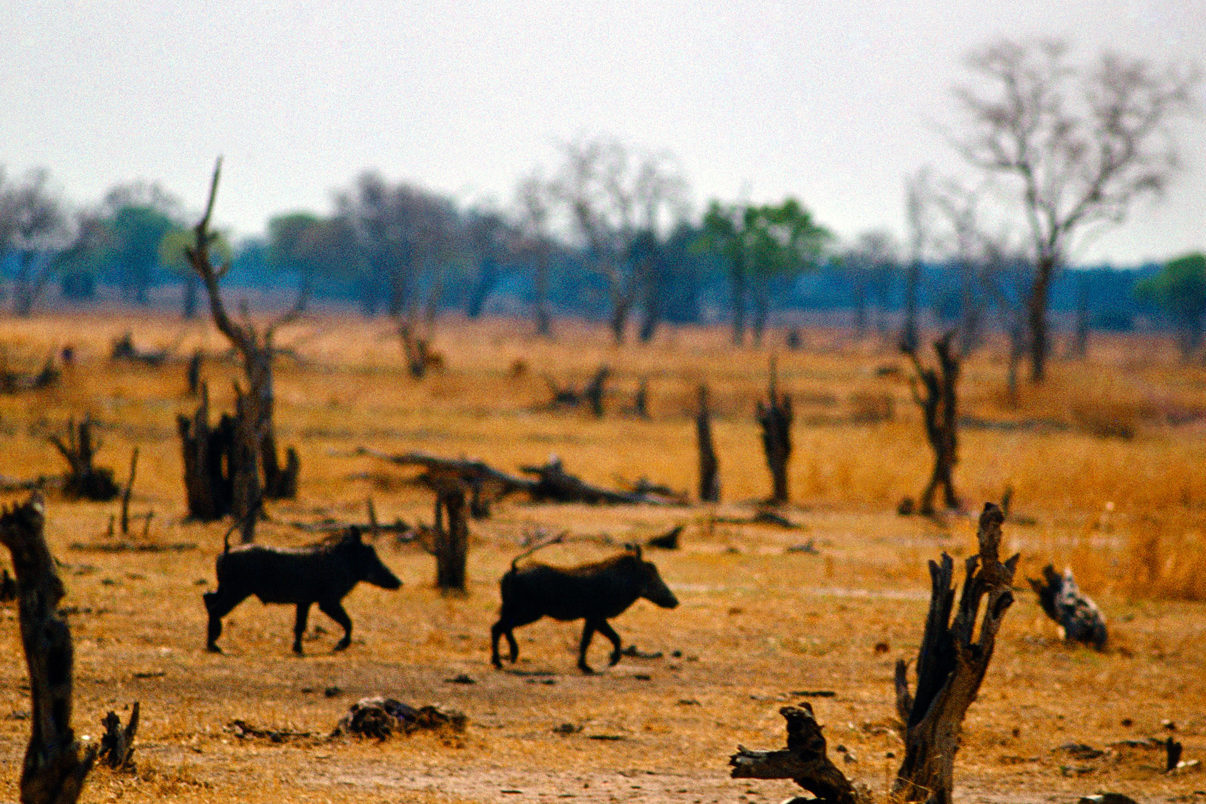
When the climate changed suddenly, forests fragmented, rivers dried or deserts expanded, breaking habitats into isolated pockets. Mammals separated into these new spaces and began evolving in their own directions, slowly becoming distinct species. Isolation forced them to face unique challenges, influencing their size, behavior and diet in different ways. What began as separation eventually turned into diversity, showing how climate can guide evolution by pulling animals apart and letting them grow independently. Species today often trace their roots back to those separated ancestors who adapted in silence. Climate did not just move ecosystems, it carved paths for new identities.
Adapting to Life Near the Poles

In ancient times, the poles were not always frozen wastelands, yet the mammals living there still faced unusual light patterns and harsher seasonal changes. They learned to cope with long days, long nights and colder conditions that tested their endurance. Some developed thicker fur, unique behaviors or seasonal strategies for finding food. Living near the poles demanded creativity and patience, making these mammals resilient in ways that others did not need. Their story shows that climate shapes not only bodies, but daily rhythms and habits. Adapting to such extremes meant mastering time, temperature and the art of waiting for better seasons.
Runners of the Expanding Plains
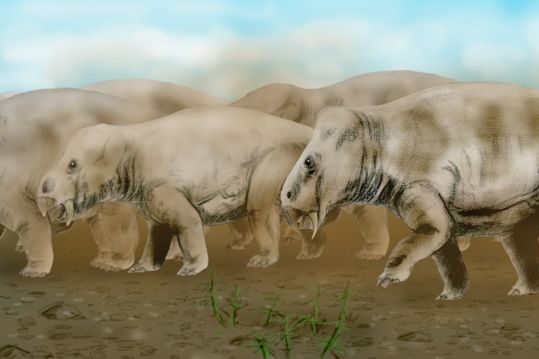
As grasslands widened and trees grew sparse, mammals that could move efficiently gained an advantage. Running became a lifesaving skill, pushing some species to develop longer legs, stronger muscles and faster reactions. These open environments favored animals that traveled far to find food and avoid predators. Speed and stamina became more valuable than climbing or hiding. Grazing mammals also benefited from this spread of low vegetation, forming herds and learning to communicate for safety. The open plains turned movement into survival, shaping the evolution of bodies built for motion. The climate opened the land, and mammals adapted by conquering distance.
Forest Dwellers Facing Shrinking Homes
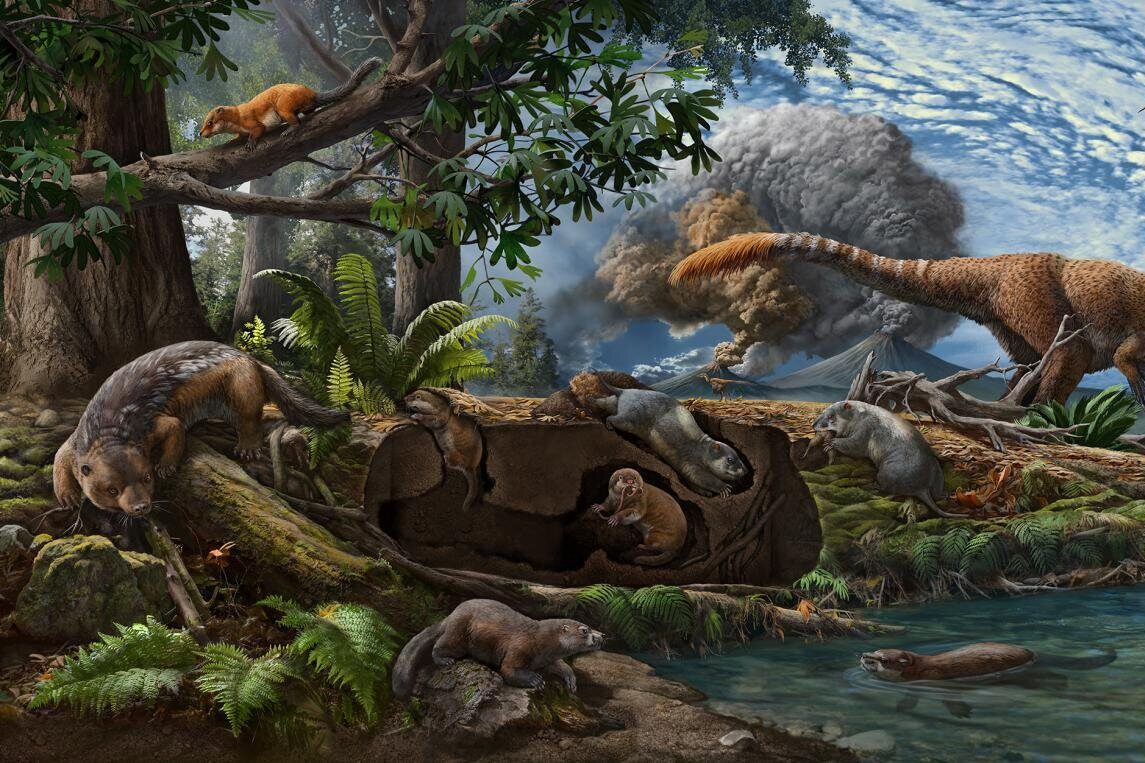
When woodlands dried up and climate shifts reduced tree cover, animals that depended on forests struggled to maintain their way of life. Some species adapted by foraging in more open areas, while others became more specialized to stay in the shrinking patches of trees. Food sources changed, shelters disappeared and predators gained an easier view of their prey. Forest mammals had to either evolve new skills or lose their foothold in the changing world. Their story shows that evolution often begins with discomfort. What once felt safe and familiar became uncertain, forcing species to rethink their future under shifting skies.
When Water Levels Changed Mammal Behavior
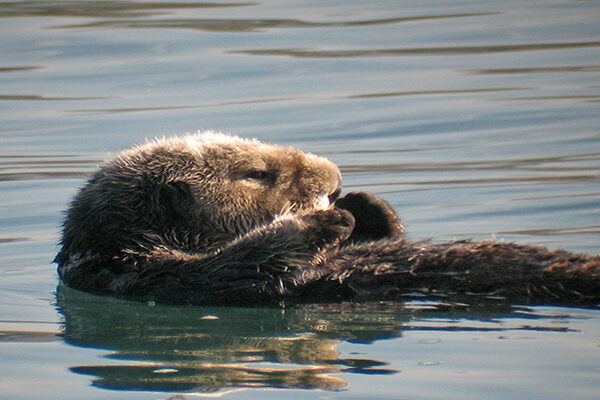
Changes in rainfall, river flow and water availability transformed the lifestyles of mammals living near lakes, wetlands and coastal areas. Those who relied on steady supplies of water had to adjust when floods, droughts or shrinking habitats altered their routines. Some mammals became more adapted to swimming, while others shifted their diets or migrated to follow new water sources. Even mild changes in climate could influence where they lived, how they hunted or how they raised their young. Water acts like a translator of climate, and mammals read its message with every survival choice. Following water became a key to continuing life.
Living Through Cold Ages
During periods when the world cooled and glaciers expanded, mammals were pushed into colder environments that demanded heavier insulation, teamwork and changes in diet. Thick fur, fat layers and seasonal behaviors like hibernation helped many survive freezing temperatures. Others moved to warmer refuges, migrating long distances in search of food. Living through cold ages meant adapting not just physically, but socially, as some mammals relied more on group behavior for warmth and survival. The chill that covered the land shaped creatures that learned patience and conservation. Climate offered fewer resources, and mammals responded by building endurance in both body and mind.
Island Life from Climate Shifts
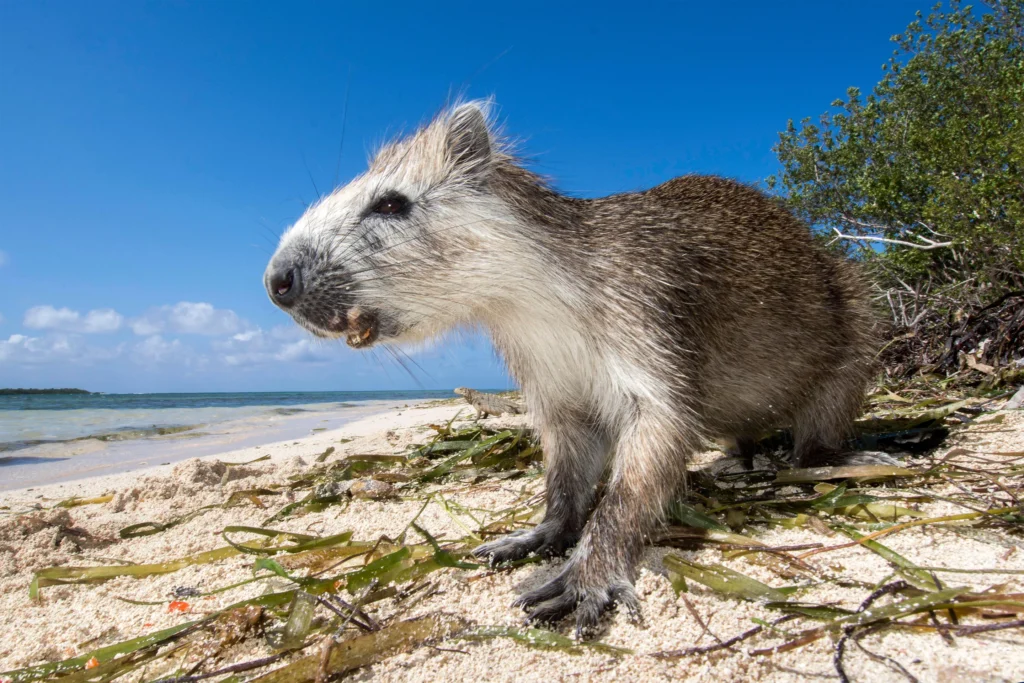
Rising or falling sea levels created new islands or connected old ones, separating mammal populations from their relatives. Once isolated, they began to evolve differently, adapting to unique foods, predators and resources. Some became smaller due to limited space and food, while others grew larger without competition. Island life encouraged creativity in evolution, pushing mammals to develop unusual traits that would not have been necessary on the mainland. Climate indirectly built laboratories of change, where evolution could experiment freely. The mammals living on these islands became storytellers of isolation, showing how separation can turn modest creatures into unforgettable ones.
Moving Upward with Changing Temperatures

As temperatures shifted over time, some mammals found that moving to higher ground offered safer climates or richer food sources. The cooler air at higher elevations demanded new traits such as greater lung capacity, thicker coats or slower energy use. Steep landscapes tested mobility and problem solving, making survival a demanding daily task. Mammals that embraced these challenges carved out new niches in the mountains, learning to coexist with unpredictable weather and scarce resources. The highlands became places where only the most persistent could thrive. Climate pushed them upward, and they answered by turning difficulty into adaptation.
After the Dinosaurs, Mammals Expand
When dinosaurs disappeared, many ecosystems changed and the climate welcomed new forms of life into open roles. Mammals had been small and hidden, but now they could explore empty niches without giant competitors dominating the land. With more access to food types and habitats, they diversified rapidly, experimenting with sizes, diets and behaviors. This expansion was not instant, but it reflected a new world where climate and environment offered bigger opportunities. Mammals spread into water, trees, plains and underground pathways. Their growth after this major extinction shows how life rises when old structures fall away, letting change lead the path forward.
Size Shifts Caused by Climate
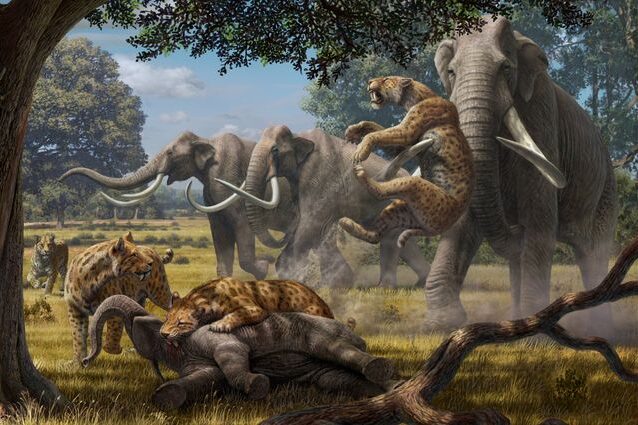
Climate influenced whether mammals grew larger or smaller over time, depending on conditions that favored heat retention or faster growth. Cooler environments rewarded bulkier animals that could conserve body heat, while warmer climates encouraged smaller sizes to help release heat. These patterns reveal that survival depends on balancing energy, temperature and available resources. Growth was not just a choice of eating more or less, it was a response to how the world felt against the skin. Changes in size became a quiet form of adaptation that matched the atmosphere. In every era, the climate offered its own measurement for living.
Changing Diets with Shifting Plants

When climate altered plant life, mammals were forced to adjust their diets, digestive systems and feeding habits. Grass replaced leafy vegetation in many places, pushing animals to develop stronger teeth and new enzymes to handle tougher fibers. Predators changed too, following new prey into unfamiliar landscapes. Each shift in vegetation invited a new chapter in mammal history, where eating well required learning new strategies. Changing meals influenced bodies, migration, parenting and even social behaviors. Food became a bridge between climate and anatomy, showing how evolution works from the inside out. What mammals ate revealed how the world around them transformed slowly.
Geography and Climate Working Together
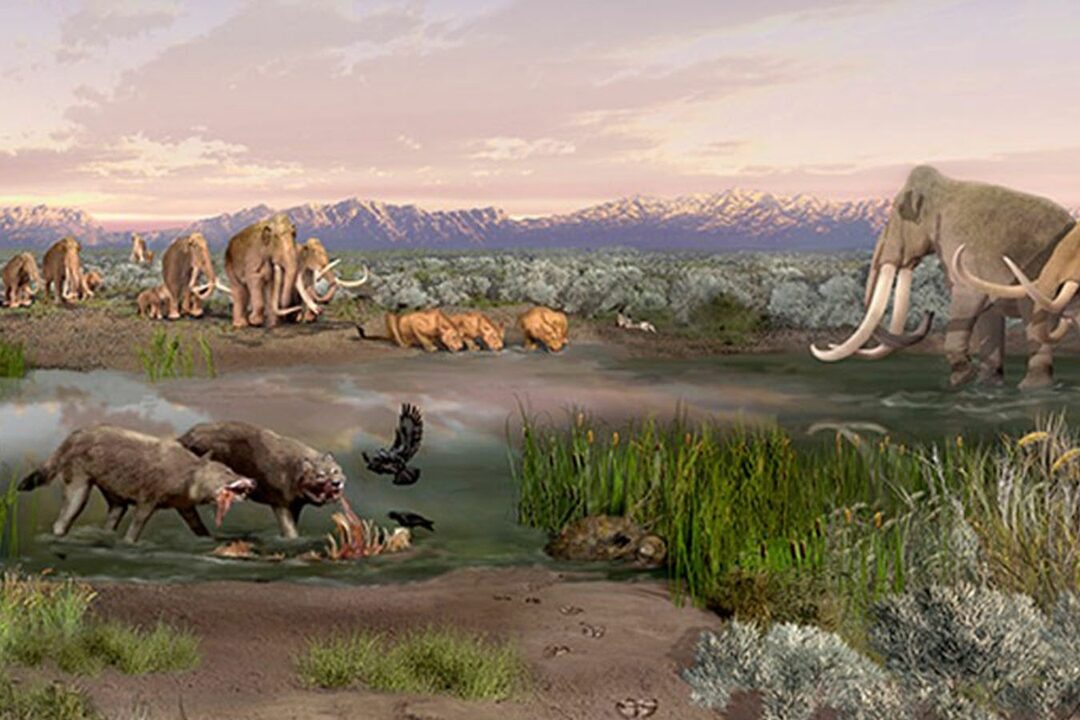
As continents moved, mountains rose and oceans widened, the climate reacted, shaping habitats and influencing how mammals evolved. The combination of shifting land and changing weather formed new barriers, new pathways and new ecosystems. Mammals trapped by geography adapted locally, while others traveled across emerging regions to explore fresh environments. Climate alone did not guide evolution, it partnered with the shape of the Earth. Together, they created challenges and opportunities that molded mammal diversity. The land set the stage and the atmosphere wrote the mood, and mammals learned their roles through constant adjustment. Geography and climate quietly built the mammal world.
Extinctions Opening Evolutionary Space
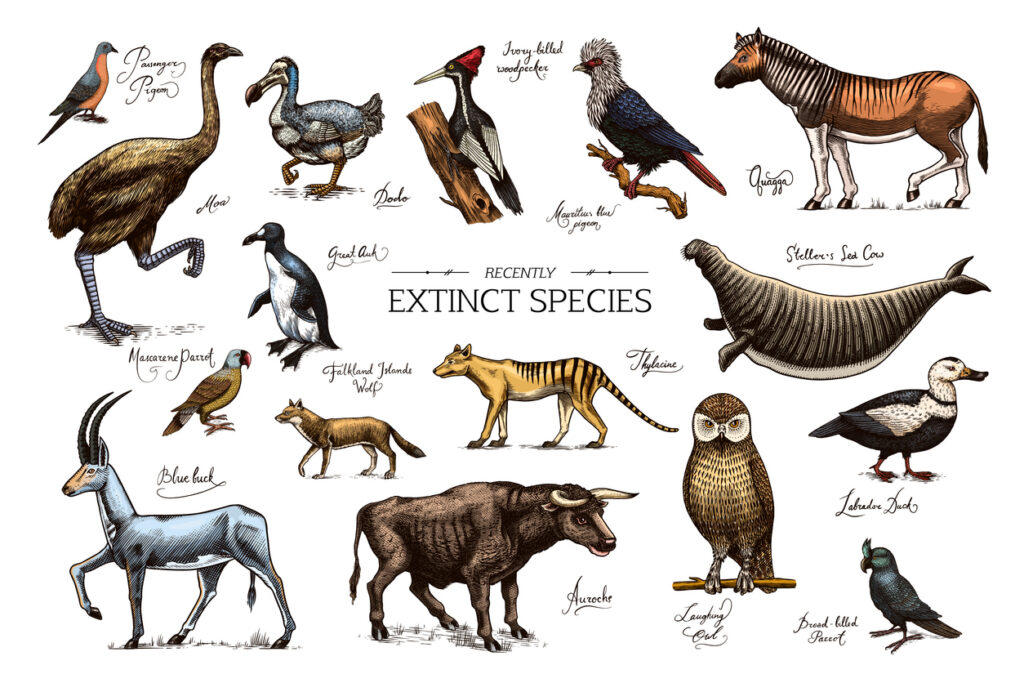
Sudden climate changes sometimes caused mammal populations to decline or disappear, leaving empty ecological space behind. Survivors took advantage of this emptiness by evolving to fill roles that were once occupied by other species. These moments of loss created unexpected opportunities for growth, where evolution moved faster because the competition was gone. Mammals developed new behaviors, diets and physical traits that helped them thrive in changing environments. Though extinctions are destructive, they also reshape ecosystems and allow different species to rise. Climate may remove certain branches from the tree of life, but it also encourages new ones to grow in their place.
This story How Ancient Climate Shifts Shaped Mammal Evolution was first published on Daily FETCH


