
1. Highly Advanced Brain Structure

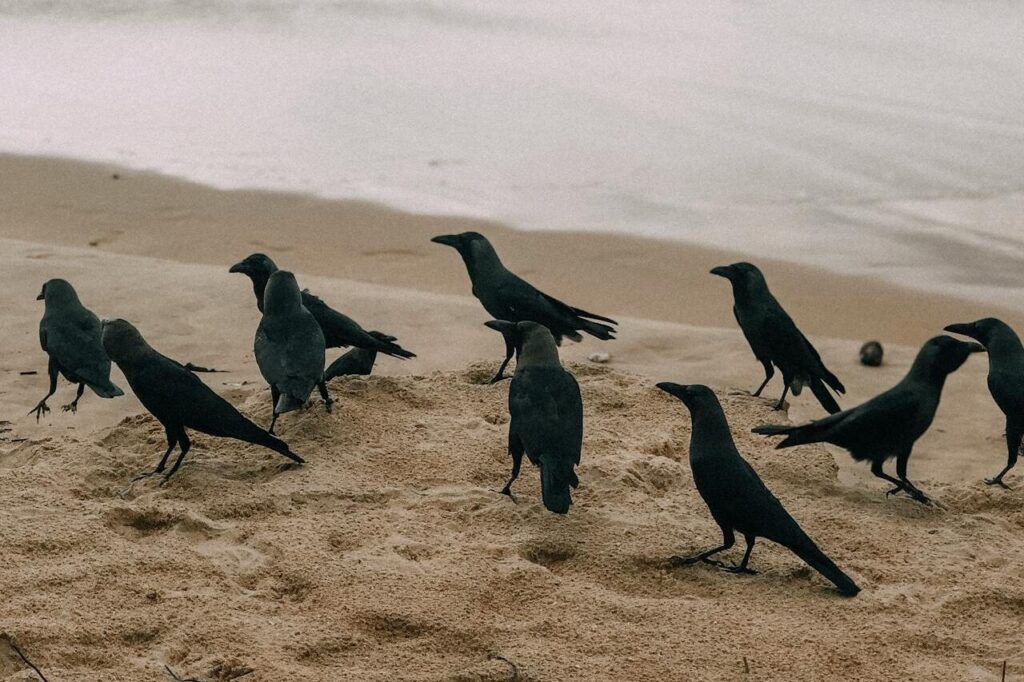
It is often surprising to discover the high level of intelligence found in the black-feathered members of the family Corvidae, ravens and crows. These birds navigate the world with an exceptional capacity for problem-solving, rivaling that of many primates. The secret to the superior intellect of ravens and crows lies partly in their brain-to-body size ratio, which is among the largest of all bird species, comparable to that of great apes. Crucially, a region in their forebrain, called the nidopallium caudolaterale (NCL), is structurally similar in function to the human prefrontal cortex. This NCL is the center for higher cognitive tasks like decision-making, planning, and executive function. The density and connectivity of neurons in this area allow these birds to process complex information and solve novel problems in ways that were once thought to be exclusive to primates.
2. Large Relative Brain Size
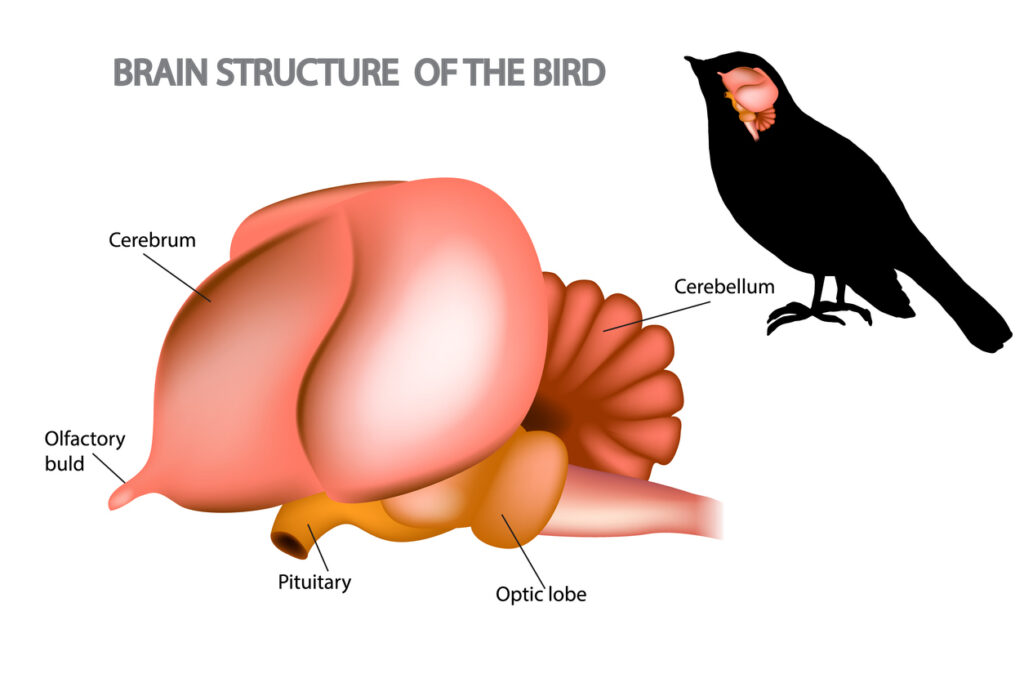
Crows and ravens possess unusually large brains relative to their overall body mass, a factor strongly linked to their enhanced cognitive abilities and behavioral flexibility. This large brain size suggests that their ancestors were highly adaptable, enabling them to survive and thrive in varied environments across the globe. This physical advantage supports their capacity for innovative foraging and problem-solving, giving them a competitive edge over smaller-brained species. Their large relative brain size is a key evolutionary trait that fostered the high-level intelligence observed today.
3. Demonstrating Causal Reasoning
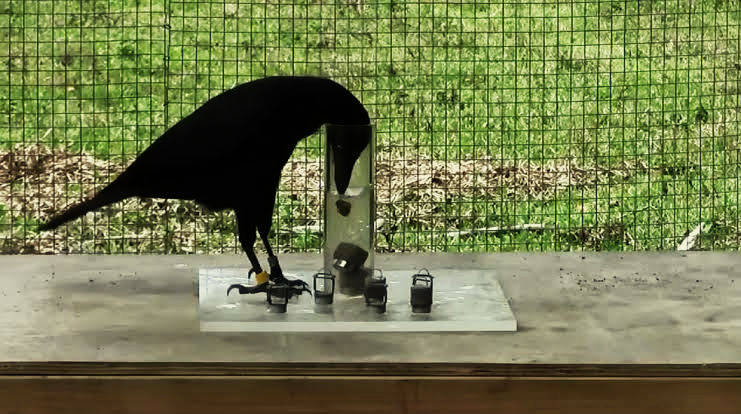
These birds exhibit a profound understanding of cause and effect, an ability crucial for genuine problem-solving, not just trial-and-error. In lab experiments, some corvids have successfully completed the “Aesop’s Fable” task, where they must drop stones into a tube of water to raise the water level and retrieve a treat. This demonstrates that they grasp the concept that an action (dropping a stone) leads directly to a predictable outcome (rising water) to achieve a goal. This conscious understanding of causality is a strong indicator of advanced intelligence.
4. Capacity for Tool Use and Creation
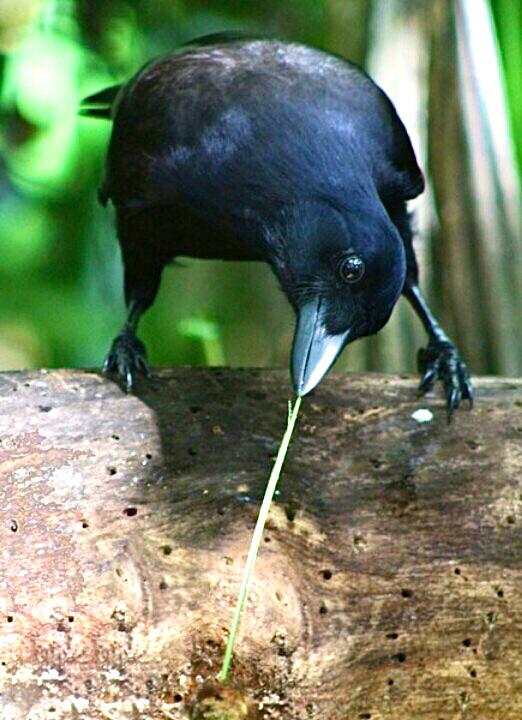
Ravens and crows have an established record of using and even modifying objects from their environment to achieve a goal. New Caledonian crows, for example, are famous for bending wires into hooks or crafting barbed tools from leaves to extract insects from tight spaces. This is a behavior rarely observed outside of humans and a few primate species. The ability to manufacture a tool and then use it requires sequential planning, foresight, and a mental representation of the task’s steps, all hallmarks of complex cognition.
5. Planning for Future Needs
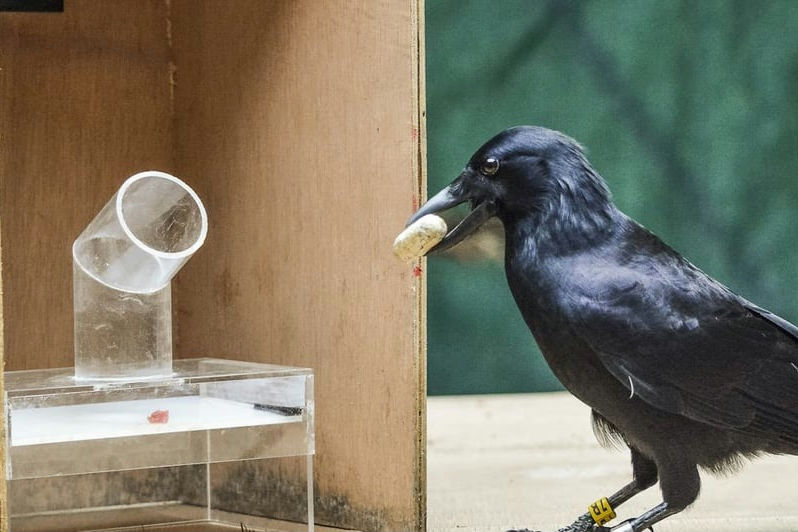
Corvids, particularly ravens, have demonstrated an ability to plan for future events, a cognitive skill that involves mental time travel. In experiments, ravens were shown to select a tool or object in one room, knowing that they would need it later to solve a problem in a different room, even when a more immediate reward was available. This level of self-control and future-oriented planning, which involves suppressing the urge for immediate gratification, is a sophisticated cognitive function previously attributed only to humans and great apes.
6. Superior Episodic-like Memory
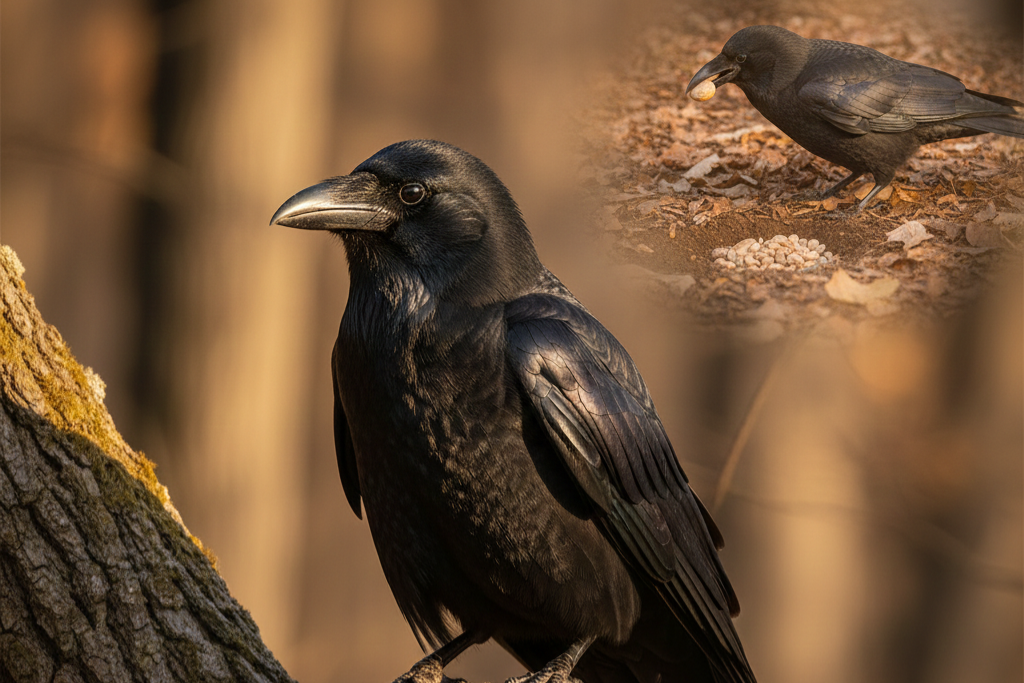
Ravens and crows possess a remarkable memory that is “episodic-like,” meaning they can recall specific details about past events, including what happened, where it happened, and when. For instance, they remember where they have cached thousands of food items over the course of a season, preventing them from returning to empty spots. This detailed, time-and-place-specific memory is essential for effective foraging, social navigation, and rapidly recalling solutions to previously encountered problems.
7. Highly Opportunistic Foraging Strategy

Their intelligence is directly linked to their generalist and opportunistic foraging style. Being able to exploit a wide array of food sources, from carrion to human garbage, means they constantly encounter novel situations that require creative solutions. A classic example is urban crows dropping hard-shelled nuts onto busy roads, waiting for cars to crack them open, and then safely retrieving the contents when the pedestrian light turns red. This adaptability demonstrates a flexible problem-solving mechanism applied to maximize resource acquisition.
8. Insightful Problem Solving

In many lab and field settings, corvids have shown evidence of “insight,” meaning they can solve a complex problem suddenly, without the need for extensive trial-and-error learning. A study on rooks, for instance, showed they could solve a multi-stage puzzle by combining separate behaviors they had learned previously into a novel sequence, effectively solving the problem on the first attempt. This suggests they can mentally simulate the solution before taking physical action, a high measure of cognitive processing.
9. Social Learning and Cultural Transmission

Corvids are highly social birds, and a key element of their problem-solving prowess is the ability to learn by observing others. This social learning allows for the rapid acquisition of new skills and solutions within a group, a process known as cultural transmission. A famous example is the spread of innovative foraging techniques, like a crow learning to open a new type of milk bottle or a trash can lid simply by watching a successful individual. This social intelligence rapidly multiplies the problem-solving capacity of the entire population.
10. Exceptional Vocal and Auditory Mimicry
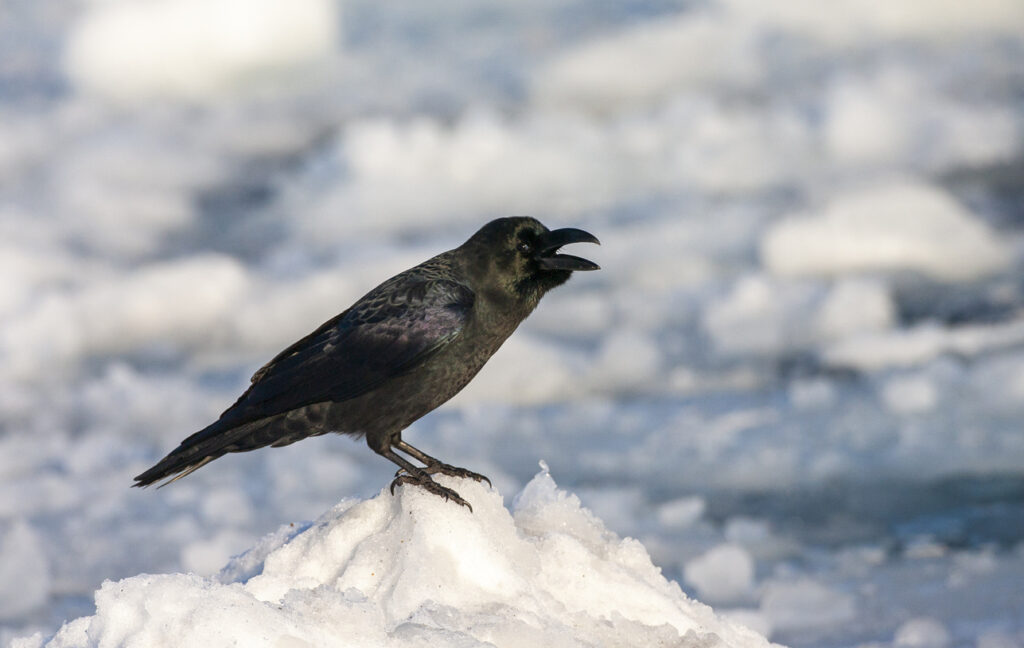
Many corvid species are known for their ability to mimic a wide range of sounds, including human speech, car alarms, and the calls of other animals. While this isn’t problem-solving in the traditional sense, this impressive auditory memory and vocal flexibility is indicative of a sophisticated neural processing system. The mental agility required to accurately replicate complex sounds suggests a high level of sensory integration and cognitive control, which underpins their overall intellectual capacity.
11. Complex Social Group Dynamics
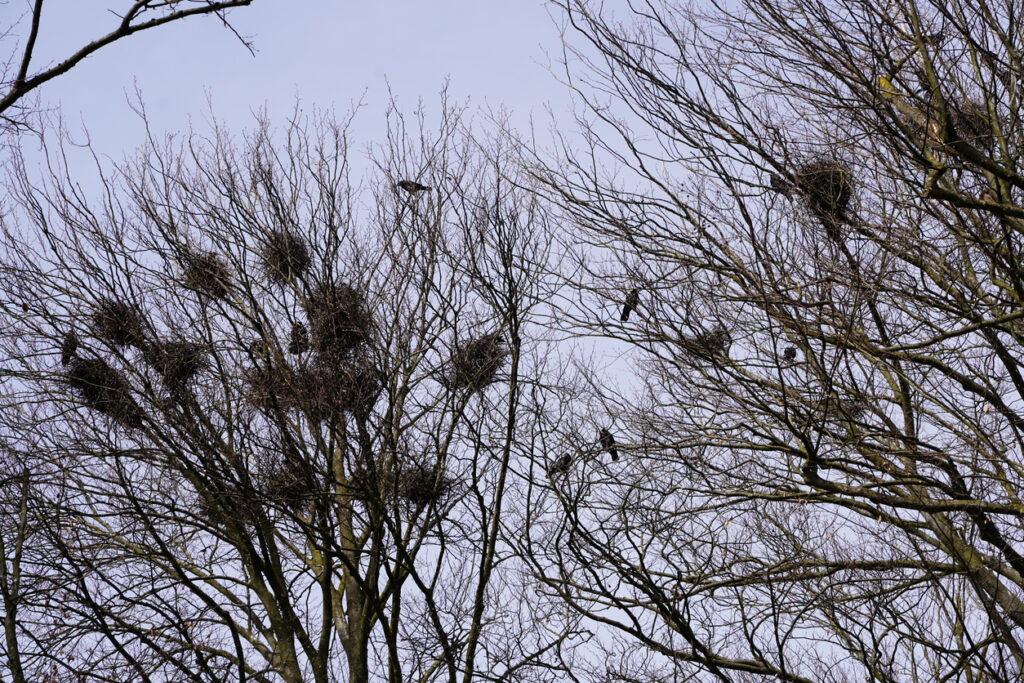
Crows and ravens live in intricate, often lifelong, social structures, including mated pairs, family units, and large non-breeding flocks. Navigating these dynamic relationships requires advanced social intelligence, including recognizing individuals, understanding social hierarchies, and engaging in cooperative behavior. Successfully living within this complex social web necessitates constant problem-solving, such as resolving conflicts, forming alliances, and predicting the behavior of competitors.
12. Recognizing and Remembering Human Faces

Research has confirmed that crows can not only recognize specific individual human faces but can also remember them for years and communicate that recognition to other crows. This ability is often used to identify humans who pose a potential threat, such as researchers who have trapped them in the past. This advanced facial recognition demonstrates a high-level cognitive function for long-term memory, classification, and social information sharing, directly influencing their survival strategies in human-populated areas.
13. The Use of Metatools
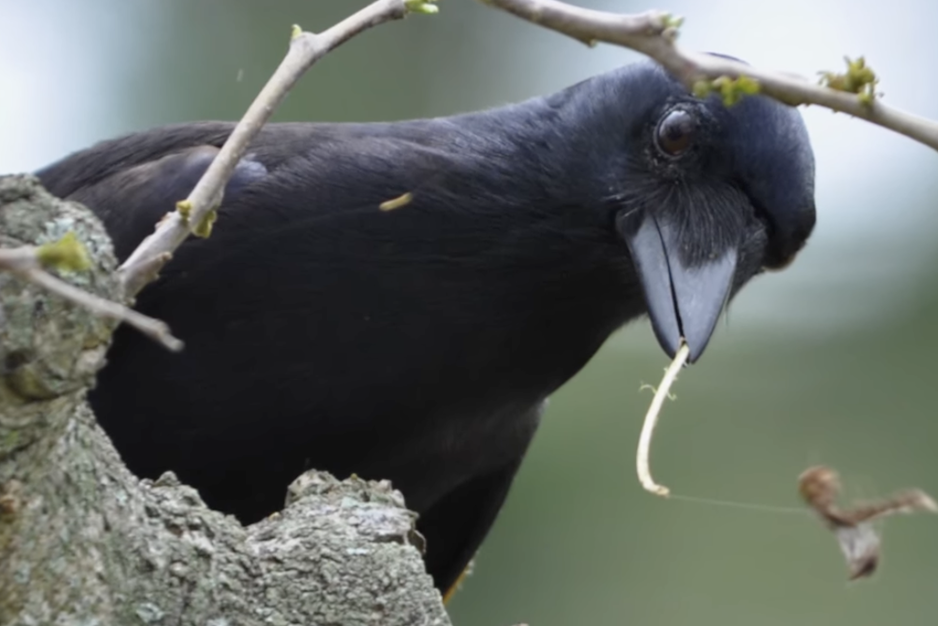
In some of the most complex cognitive experiments, corvids have demonstrated the ability to solve “metatool” problems. This involves using one tool to obtain a second tool, which is then used to access a reward. For example, a crow might use a short stick to pull a long stick out of a container, and then use the long stick to reach the food. This multi-step planning requires the mental representation of a goal and multiple sequential sub-goals, showcasing a remarkable ability for abstract thought.
14. Behavioral Flexibility and Innovation
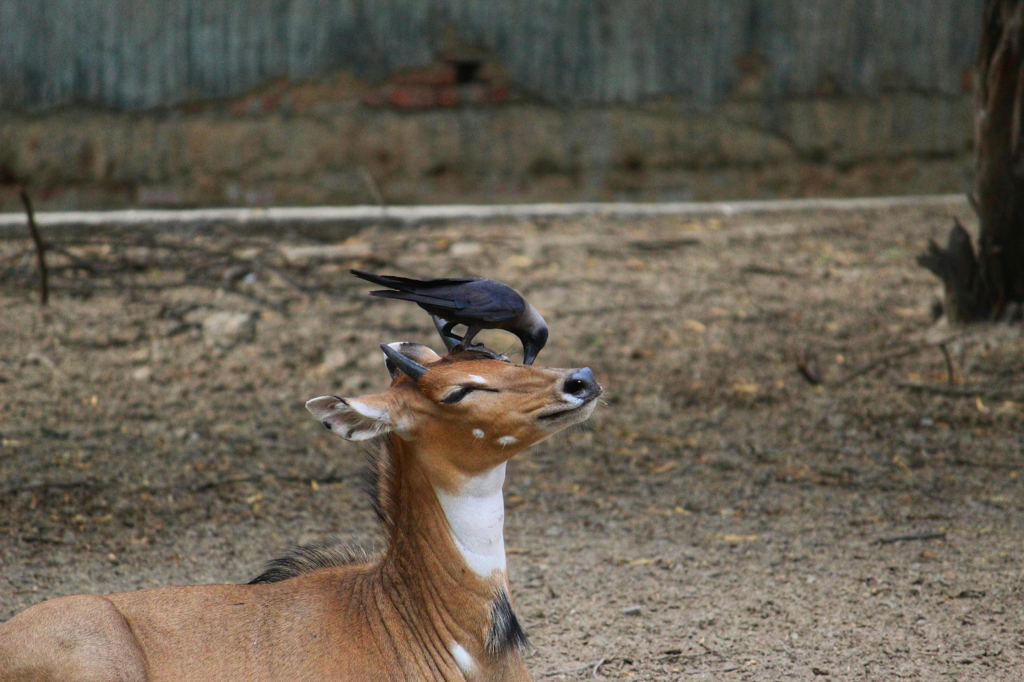
Crows and ravens are masters of behavioral innovation, frequently developing new and creative solutions to novel problems. They exhibit a high rate of innovative behaviors in the wild compared to most other animals. This flexibility allows them to adapt quickly to environmental changes, such as new predators, altered food sources, or expanding human settlements. Their tendency to explore and experiment with their surroundings is the fundamental driver behind their diverse problem-solving repertoire.
15. Impulse Control and Delayed Gratification
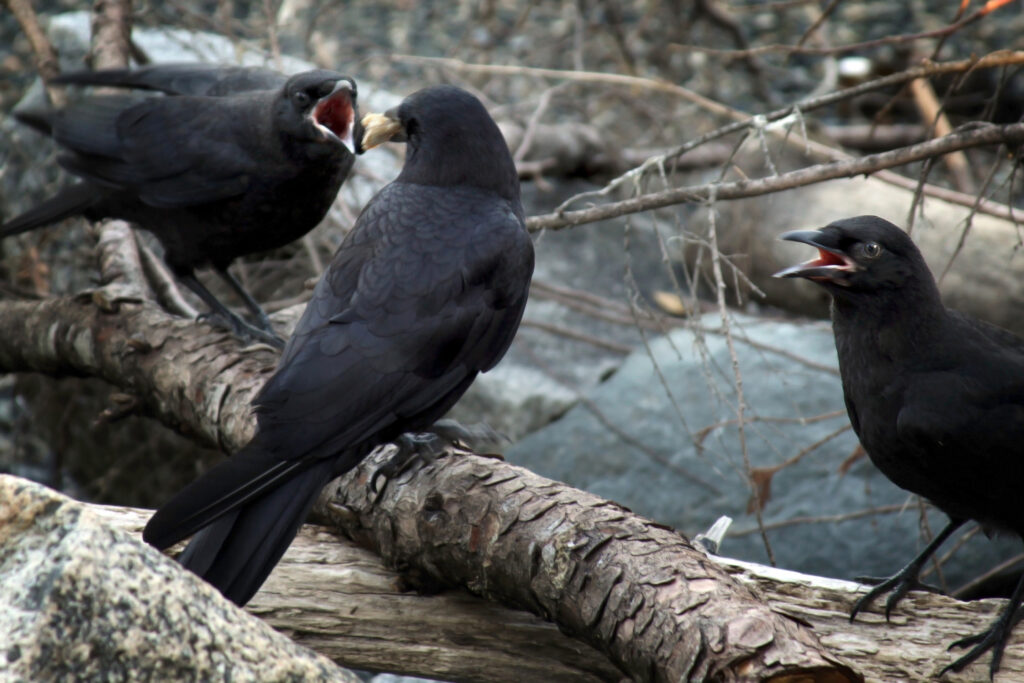
Problem-solving often requires a degree of impulse control, or the ability to resist an immediate, smaller reward for the sake of a larger one later. Ravens have shown remarkable proficiency in this area, demonstrating a high capacity for delayed gratification. In experiments, they can wait for a substantial period for a better treat, proving they can mentally weigh the value of future rewards and regulate their immediate impulses, a trait linked to high executive function.
16. Tactical Deception and Stealing
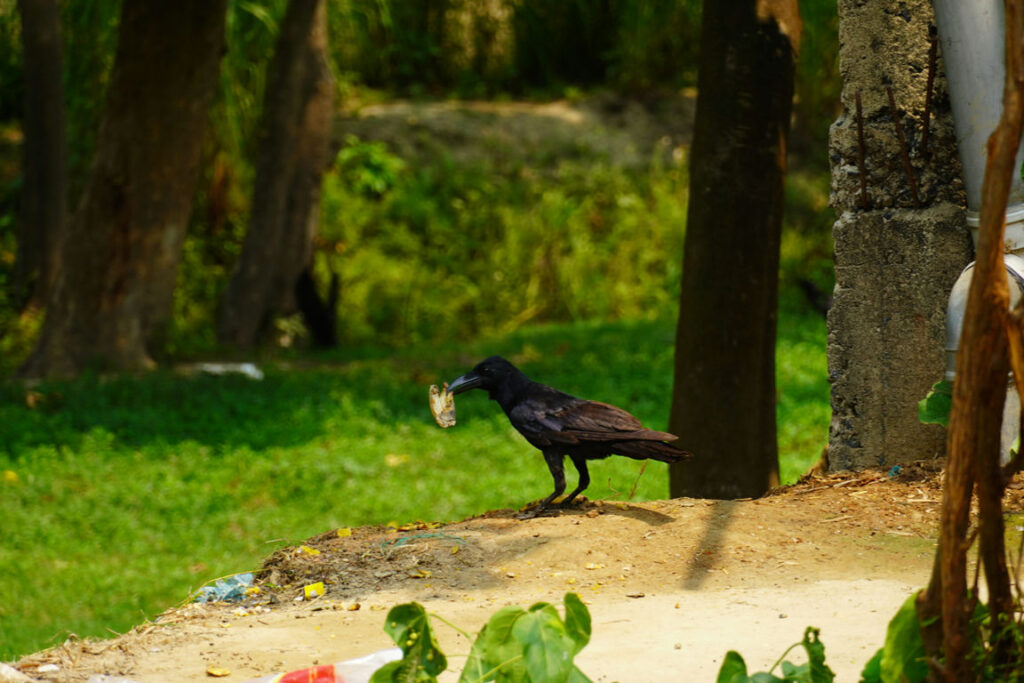
The complex social lives of corvids also involve strategic and tactical deception, particularly around cached food. A raven or crow might pretend to hide food in one location while an observer is watching, only to actually cache it in a secret place later. They also observe and remember the caching locations of others to steal the food when the original cacher is absent. This behavior requires a “theory of mind,” where the bird can attribute knowledge and intentions to its competitor, a very sophisticated form of social problem-solving.
17. Use of Environmental Physics
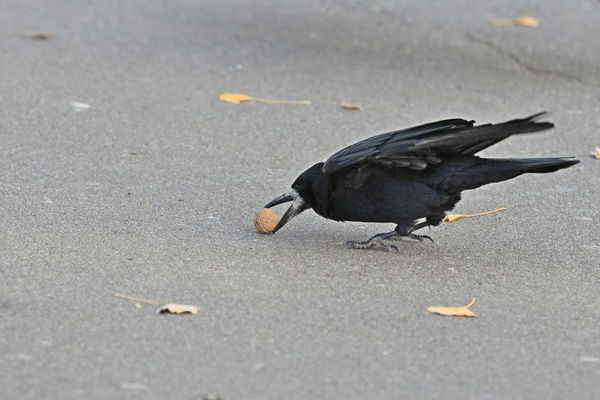
Crows in urban environments demonstrate an innate understanding of environmental physics, beyond simple water displacement. They have been observed using traffic as a tool to crack nuts by placing the hard-shelled nuts in front of car tires. They calculate the weight and speed needed for the task and wait for the appropriate time to safely retrieve the cracked nut, effectively treating the human-created road infrastructure as a dynamic part of their foraging process.
18. Rapid Learning of Abstract Rules
Corvids have been shown to quickly learn and generalize abstract rules, which is critical for complex problem-solving. For instance, they can be trained to distinguish between two images based on a rule like “same” or “different,” regardless of the image content itself. This ability to extract and apply abstract concepts, rather than just memorizing specific solutions, allows them to solve entirely new problems based on familiar underlying principles.
These charismatic birds remind us that advanced intelligence can emerge through diverse evolutionary pathways, proving that big things truly can come in small, feathered packages.
Like this story? Add your thoughts in the comments, thank you.
This story Why Ravens and Crows Perform Complex Problem-Solving was first published on Daily FETCH


