
1. The Stem Cell Secret
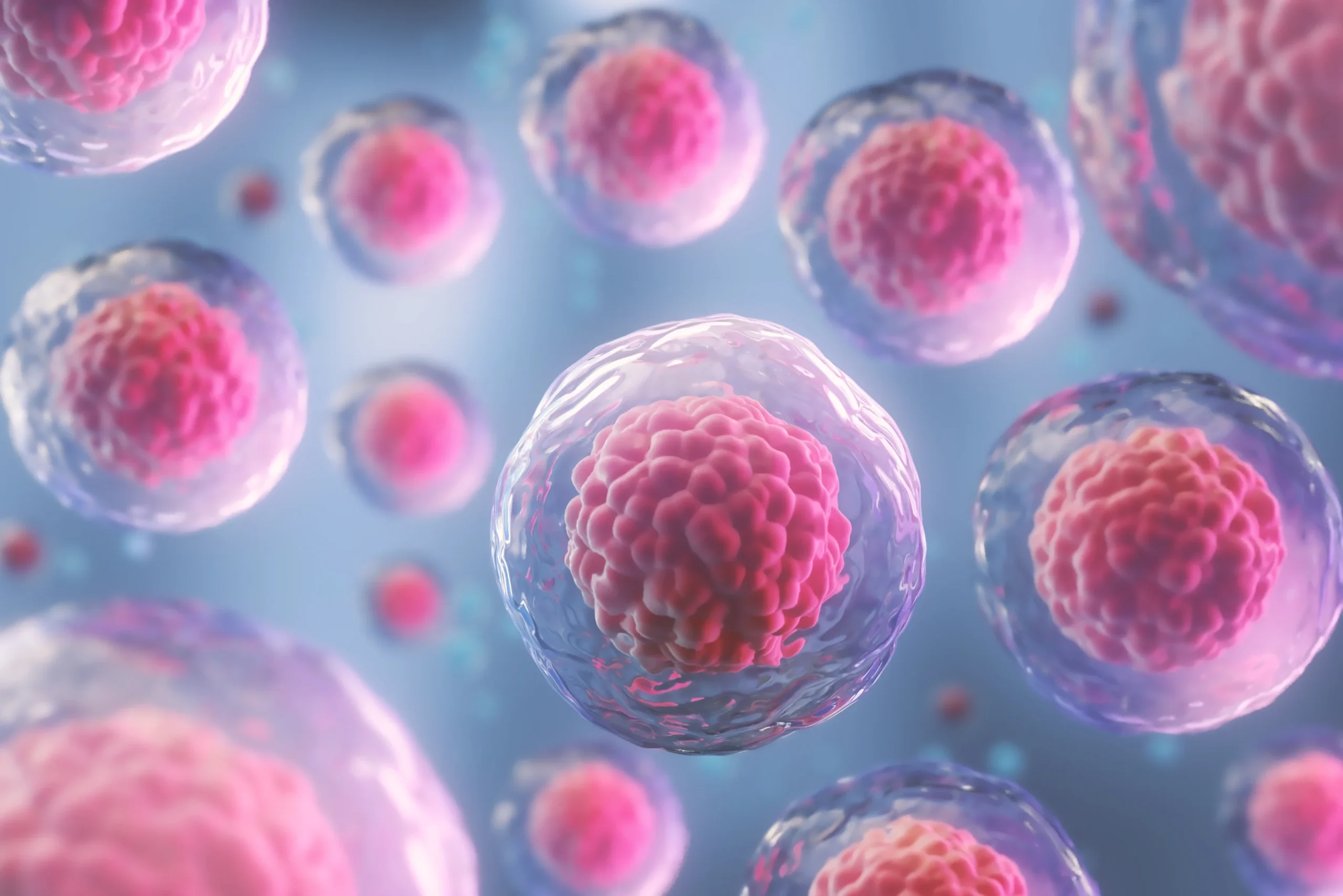
Sometimes the simplest things surprise us and nature seems to hold quiet answers right in front of us. When we talk about why some animals regrow limbs, it helps to imagine the body as a workshop that either has spare tools or just makes quick repairs. Some animals hold onto special stem cells that can turn into anything the body needs, almost like a secret stash. One scientist once called them “blank workers waiting for instructions.” Creatures like salamanders use them to rebuild missing parts, while mammals like us use ours mainly to heal instead of fully replacing what we lost.
2. The Blastema Blueprint
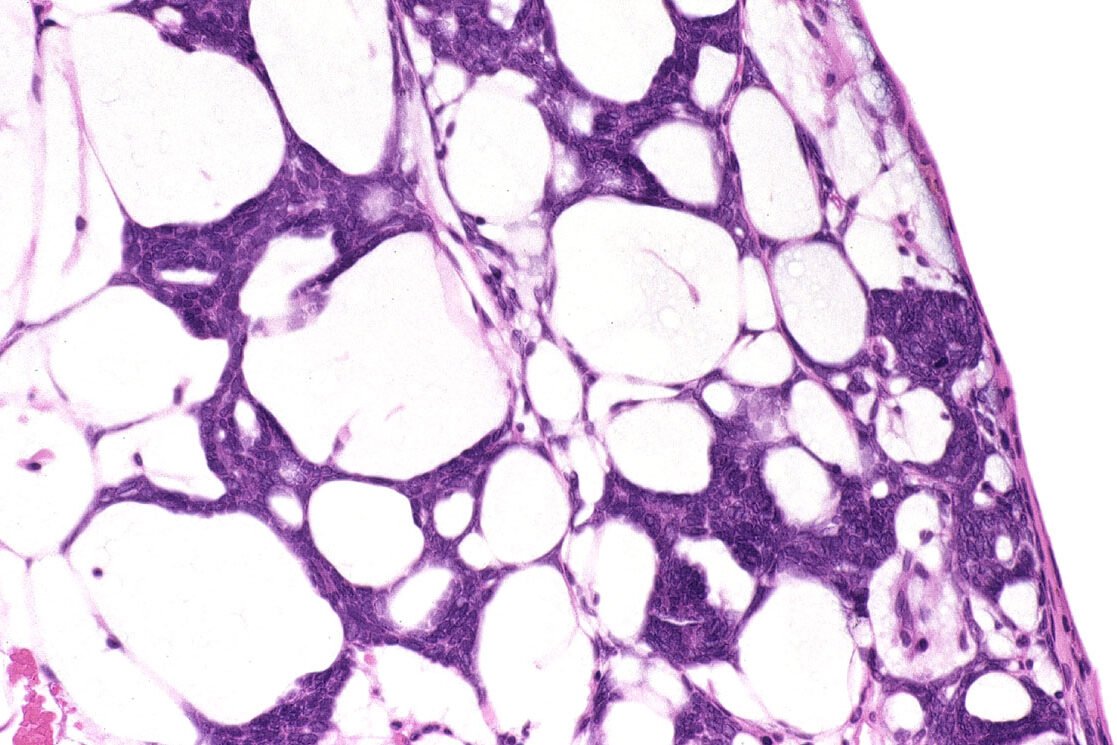
If you think of the body as a builder, then some animals build with blueprints while others use patches. When a limb is lost in certain species, they form a blastema, a little mound of cells that acts like a model for what will be rebuilt. Someone once described it as “a tiny construction site inside the body.” This cluster of cells is organized, focused, and ready to form bone, nerves, muscles and skin. Animals without this blastema simply heal over the wound. Instead of rebuilding what was missing, the body closes the gap and leaves it at that.
3. Scar Tissue or Full Repair
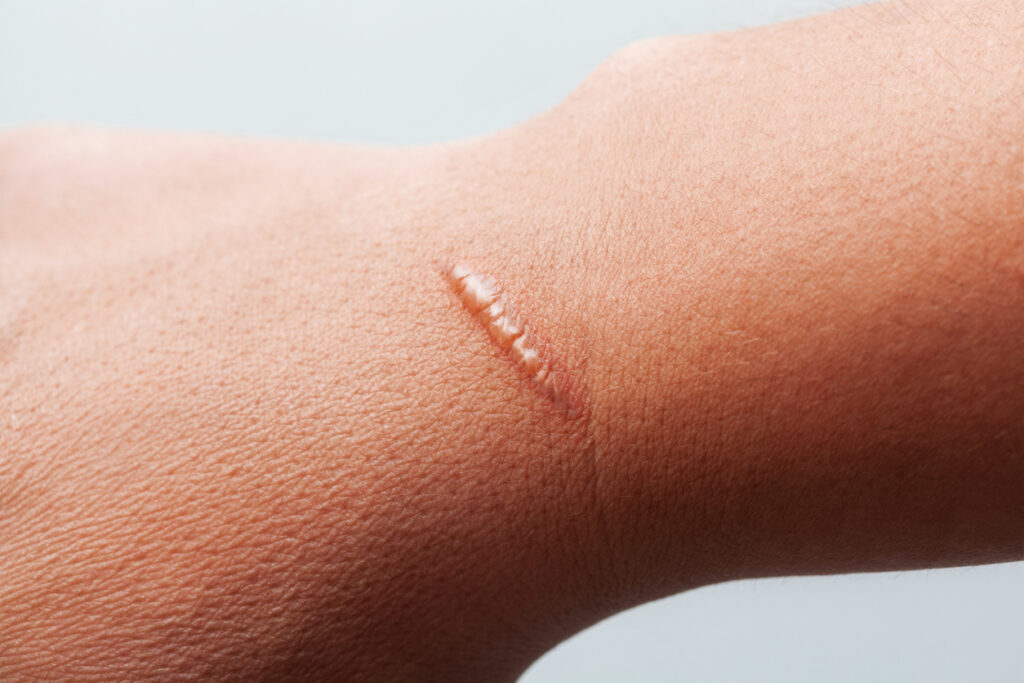
Healing is not always the same as restoring, and that difference tells us a lot. When mammals are injured, our bodies rush to close the wound by creating scar tissue, a protective layer that seals the cut quickly. A researcher once said, “The body cleans up the mess fast, but it stops building.” That speed helps us survive day to day, yet it blocks the slow careful work needed to rebuild a whole limb. Regenerating animals do not rush the process. They hold back scarring long enough for new parts to grow exactly where they are needed.
4. The Immune System Trade Off
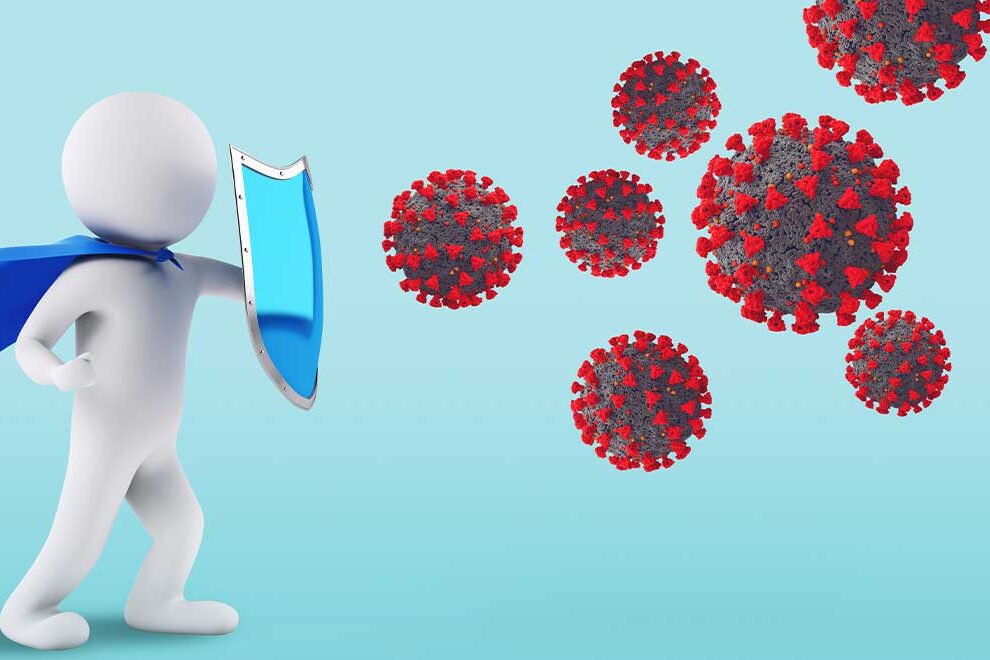
Sometimes strength comes with a hidden cost. A strong immune system can protect us from infections, yet that same defense might interrupt regeneration. One study suggested that animals with intense immunity “heal too quickly to rebuild correctly.” Mammals respond fast and aggressively to injuries, closing the wound before new structures can grow. Creatures with lower or differently balanced immune responses seem to allow regrowth to happen slowly, giving cells time to reshape tissue. Our bodies prioritize survival and speed, while regenerative animals seem to focus more on rebuilding themselves patiently after damage.
5. Age Changes Everything
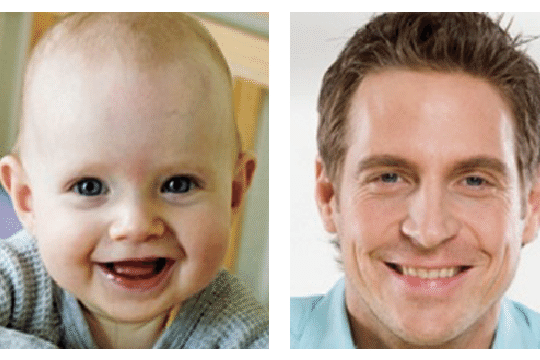
Even in creatures that can regrow limbs, age plays a big role. Young animals often regenerate more easily because their bodies are already in a constant state of growth. A curious biologist once noted that young organisms “are still building, so rebuilding comes naturally.” As animals mature, their priorities shift from growth to maintenance, and regeneration becomes less active or disappears entirely. Humans show something similar. Babies heal differently and sometimes regrow tiny repeated injuries, but adults mostly just repair. It shows that the window for regeneration is tied to how actively the body is shaping itself.
6. The Role of Nerves and Movement
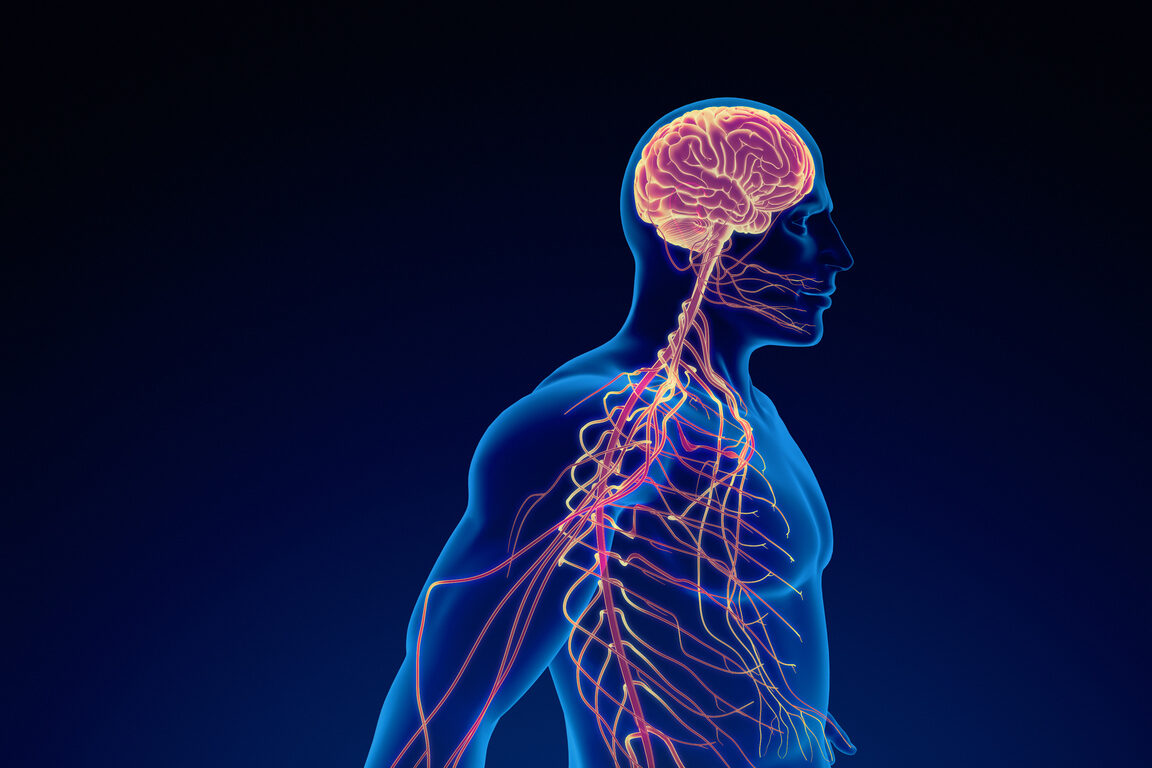
Some animals do not just rely on cells to rebuild something. They also need signals from nerves and the movement of tissues. A researcher once said, “A quiet limb does not know what to become.” The nerves send cues that guide growth, while movement creates pressure that shapes tissues. When those signals are absent, the limb being rebuilt might not form correctly or may not grow at all. Mammals often lose the nerve connection quickly after injury, and without those instructions, regeneration stalls. It becomes a reminder that communication within the body matters as much as the cells themselves.
7. Cells That Can Go Back in Time

Imagine if a finished cake could turn back into flour, sugar, and eggs whenever it needed to be made again. That is what some animals do with their cells. They take mature cells and reverse them into flexible ones that can become something entirely new. A scientist once described it as “cells forgetting who they are so they can choose a new job.” In mammals, once cells are fully specialized, they usually keep their identity. This limits our ability to rebuild lost parts. Animals that regenerate can rewrite a cell’s purpose as easily as erasing chalk from a board.
8. Silent Genetic Switches
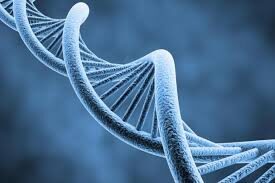
Inside every creature, there are quiet instructions waiting to be used. Some animals seem to carry hidden genetic tools that they activate only when something is missing. A researcher once called them “instructions stored in the attic until there is a crisis.” These switches tell the body how to rebuild a part from scratch. Humans and other mammals may have some of these hidden instructions, but they are mostly locked away or inactive. Instead of acting like builders, our bodies act like protectors, sealing wounds quickly. The potential might still be inside us, just waiting for discovery.
9. The Cost of Regrowth
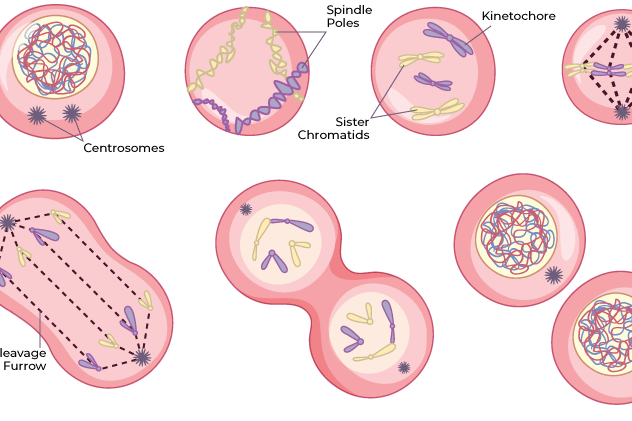
Regeneration looks magical, but it comes with a cost. Rebuilding a limb takes energy, time, and a lot of cell division. Someone once remarked that “regrowth spends life like money.” Rapid cell growth carries risks, including mistakes that can create tumors. Some scientists believe mammals traded regeneration for safety, choosing a stable body over one that constantly rebuilds itself. Animals that regenerate may live with different tradeoffs, accepting slower healing or higher cellular risks. What looks like a superpower might actually be a balancing act between survival, reproduction, and long-term stability.
10. Environment Shapes Healing
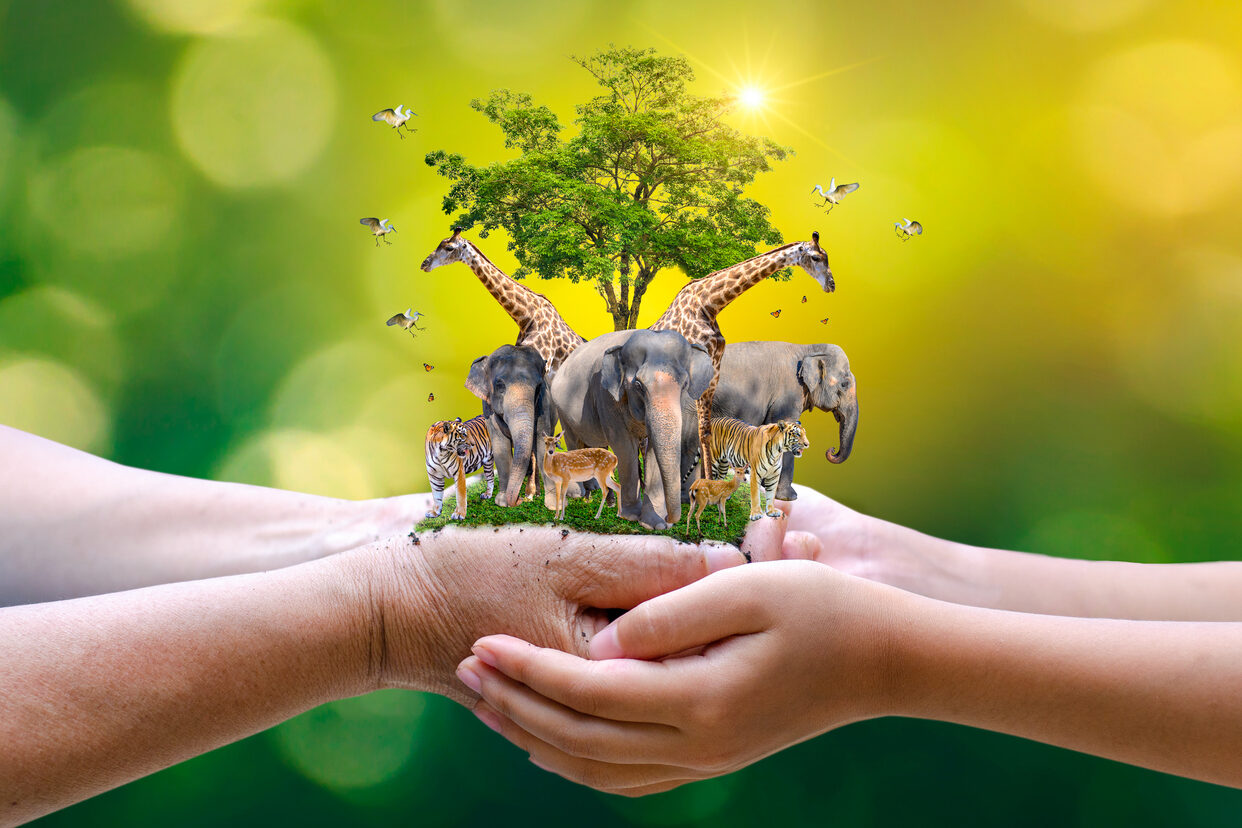
The world around an animal influence how it heals. Temperature, nutrition, and even stress levels can decide whether regeneration happens smoothly or not at all. One observer commented that “regrowth succeeds only when the body feels safe enough to build.” If the environment demands quick healing for survival, regeneration may not win the race. When an animal can pause and repair thoughtfully, new limbs can form. This shows healing is not only about the body but also the conditions it lives in. Regeneration flourishes where patience is rewarded and danger does not rush the healing process.
11. Speed Can Be the Enemy of Perfection
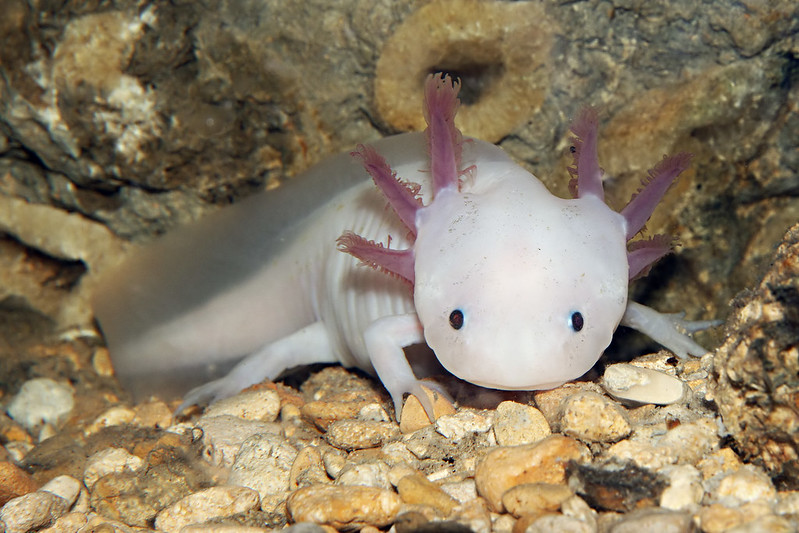
When you watch the body heal fast, it feels like a win, yet regeneration teaches a different lesson. Many animals that regrow limbs do not rush. Someone once said, “A slow repair makes room for a perfect rebuild.” Mammals close wounds quickly because survival depends on sealing injuries before infection sets in. Regenerating animals take their time, letting the body slowly reconstruct bones, nerves and tissues. They choose completeness over speed. It almost feels like nature asking whether we want things fixed fast or fixed right. Some species insist on perfection even if it takes patience.
12. A Blueprint Needs Organization
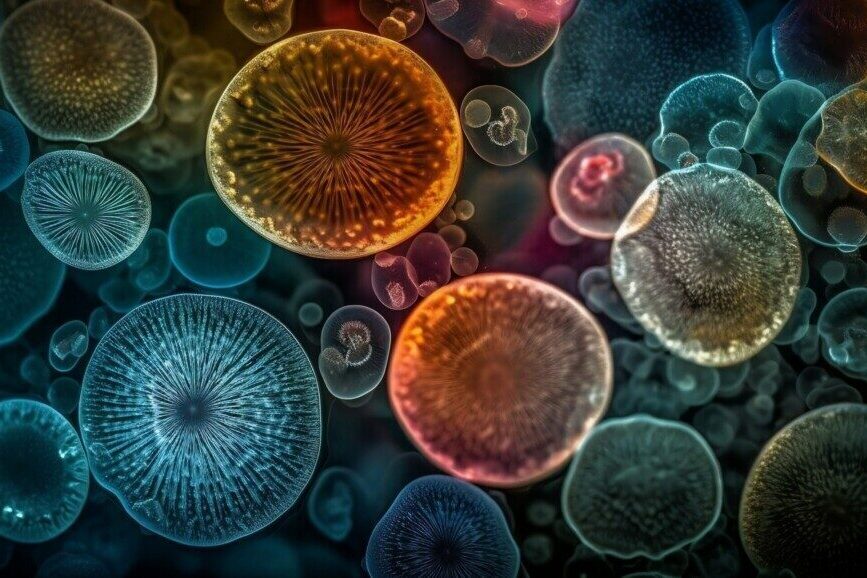
Regenerating a limb requires order, not chaos. Cells must know where to go and what shape to take. A researcher once described a limb blueprint as “a map with tiny rulers.” In animals that regenerate, cells communicate clearly about position, size, and structure. Without this organized guidance, growth would become random. Mammals do not keep these instructions active during adulthood. Our bodies prioritize quick sealing instead of rebuilding, leaving the blueprint unused. Regrowing a limb means more than sprouting tissue. It means recreating a perfect structure, and that demands directions the body must carefully follow.
13. Tiny Errors Can Stop Regrowth
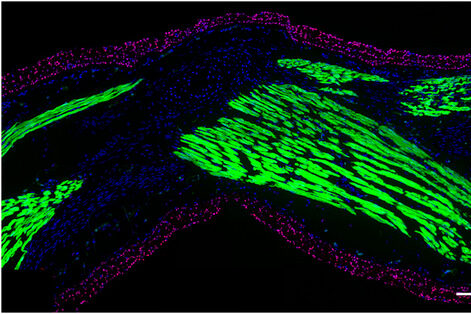
Regeneration does not allow careless mistakes. One small misdirection can prevent a limb from forming. A scientist once remarked, “If the pattern is wrong, the limb will not grow at all.” This reminds us that rebuilding a body part is like assembling a complex puzzle. Each piece must fit exactly where it belongs. When animals cannot maintain precise control, they do not regenerate. Instead, they choose to heal quickly and avoid risks. That small choice protects them from potential harm, even if it means losing the chance to rebuild something beautifully real.
14. Growing a Limb Takes Immense Energy
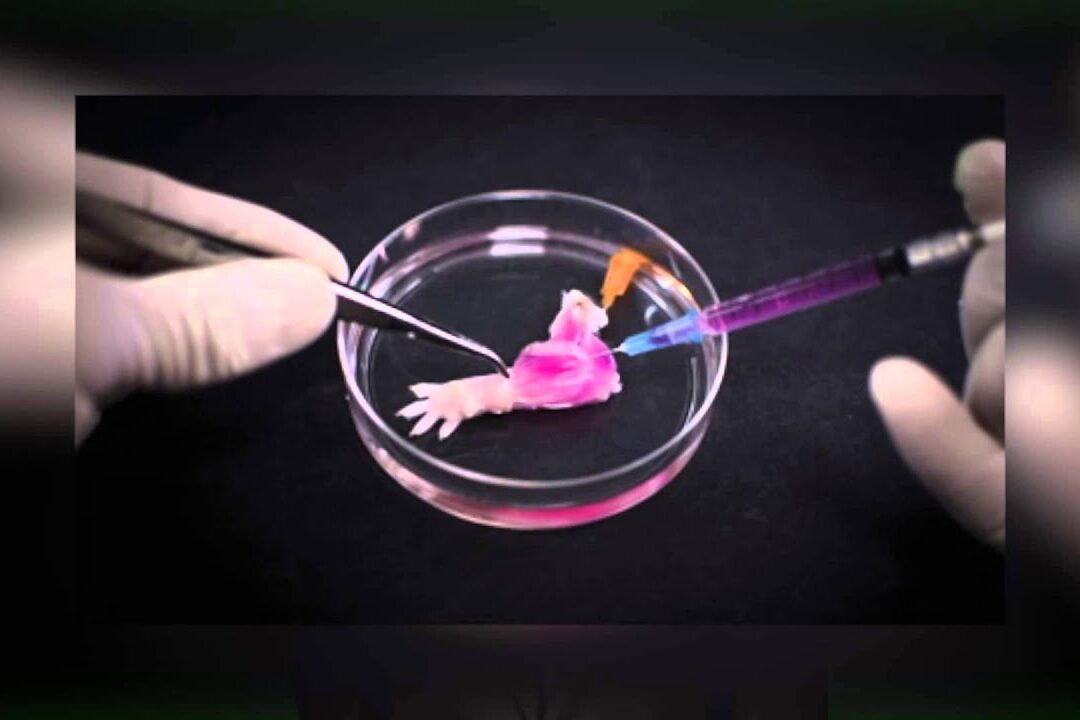
When an animal regrows a limb, the body invests calories like a worker saving money for a long project. A biologist once reflected that regeneration “spends more energy than daily life requires.” With limited energy, a creature must choose what matters more. Many animals prioritize movement, survival and reproduction instead of rebuilding. Those that regenerate dedicate huge amounts of energy toward growth. It becomes a trade off between efficiency and restoration. Mammals developed busy lifestyles that do not allow such expensive repairs. So nature seems to reserve regeneration for species with slower, more patient rhythms.
15. Regeneration Is a Team Effort Within the Body

No limb is rebuilt by one type of cell. It takes bone cells, muscle cells, nerve cells and supportive tissues all working together. A scientist described it as “a choir of cells singing the same song.” If even one part of this team fails to join in, regeneration collapses. In mammals, many of these cells stop cooperating as they mature, focusing instead on maintenance. Animals that regenerate keep cellular teamwork alive, letting every group of cells play a role in rebuilding. It is a reminder that complex things grow only when different parts agree to work together.
16. Hormones Can Decide the Outcome
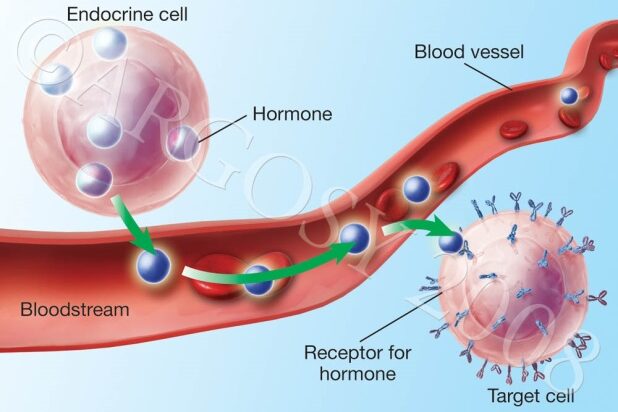
Inside every animal are hormones guiding growth, healing and repair. A researcher once observed that “regrowth waits for the right signals.” Hormones can encourage cells to multiply, or they can tell them to stop. In species that can regenerate, these signals remain open for longer, providing permission for rebuilding. Mammals tend to shut these pathways down earlier, limiting how long growth can continue. Hormones choose whether the body builds new parts or closes the wounds. It feels almost like the body holds a switch deciding whether to rebuild or move on.
17. Blood Supply Decides What Can Grow

Growth requires nourishment, and that comes from blood. When an animal regenerates a limb, new blood vessels must form to feed every part being rebuilt. One researcher said, “Nothing grows without a river of blood feeding it.” If the blood supply does not expand, regeneration stops. Mammals tend to repair blood vessels only enough to close a wound. Regenerating animals expand them to support new growth. This difference shows that rebuilding a limb is not just about cells. It is about feeding them properly. Without proper nourishment, the body can heal but cannot create something new.
18. Some Cells Never Fully Mature
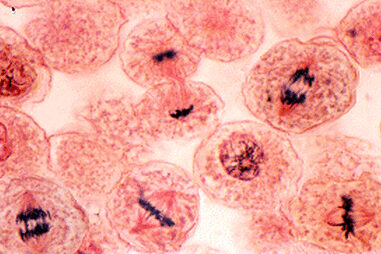
In species that regenerate, certain cells stay immature and ready to change roles. A scientist once compared them to “workers who never learn only one job.” These cells remain open to instruction, becoming whatever the body needs. Mammals encourage cells to specialize completely, which helps build complex bodies but limits their flexibility. Regrowing a limb requires cells that stay simple enough to adapt. Animals that regenerate preserve these adaptable cells into adulthood. It is almost like they keep a group of generalists on standby, waiting to fill any role the body might suddenly need.
This story Why Some Animals Can Regrow Limbs While Others Cannot was first published on Daily FETCH


