
1. Tiny Hunters on Two Legs
Here is a simple way to picture the beginning of birds. Imagine a small fast dinosaur running on two legs under tall trees, covered in feathers that helped it stay warm and maybe even look attractive to others. These weren’t flying feathers yet, just early versions that made life a little easier. Over time, these tiny hunters developed features that helped them balance and move faster as they chased insects and small animals. Their lightweight bodies and quick movements slowly shaped them into something new. Without knowing it, they were preparing the world for future creatures that would one day take flight.
2. Feathers Before Flight
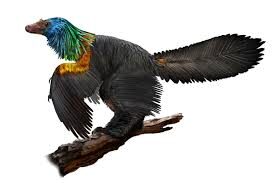
Feathers didn’t start as tools for flying. They were more like body covers that kept heat in and protected skin from scratches. Some dinosaurs used colorful feathers for display, while others likely relied on their textures to help with balance when running through branches or jumping over obstacles. These early feathers were simple compared to the detailed flight feathers we know today. Slowly, they changed shape and purpose until they became strong, structured, and capable of catching the air. Feathers didn’t instantly belong to the sky. They started on the ground, evolving quietly before discovering the wind.
3. Skeletons That Tell the Story
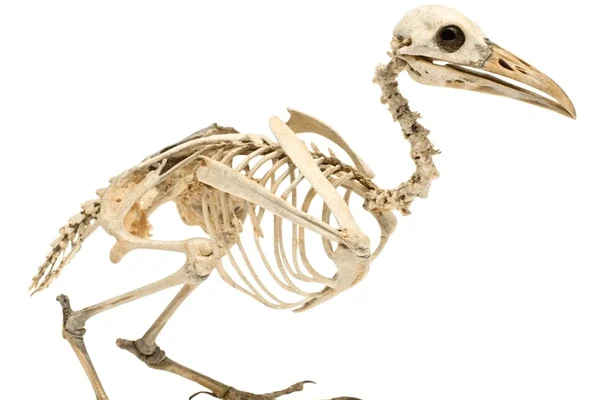
Much of what we know about early birds comes from bones that reveal interesting similarities to dinosaurs. They had hollow bones that made their bodies lighter, three-fingered hands that eventually became wings, and long tails that later shrank as flight improved. Their hips, shoulders, and wishbones supported both movement and strength without weighing them down. Each small bone change helped them adapt a little more to life above the ground. These features did not appear suddenly. They shifted slowly and patiently, creating a form that could leap, glide, and eventually take to the sky with steady confidence and balance.
4. Shrinking Bodies Growing Wings
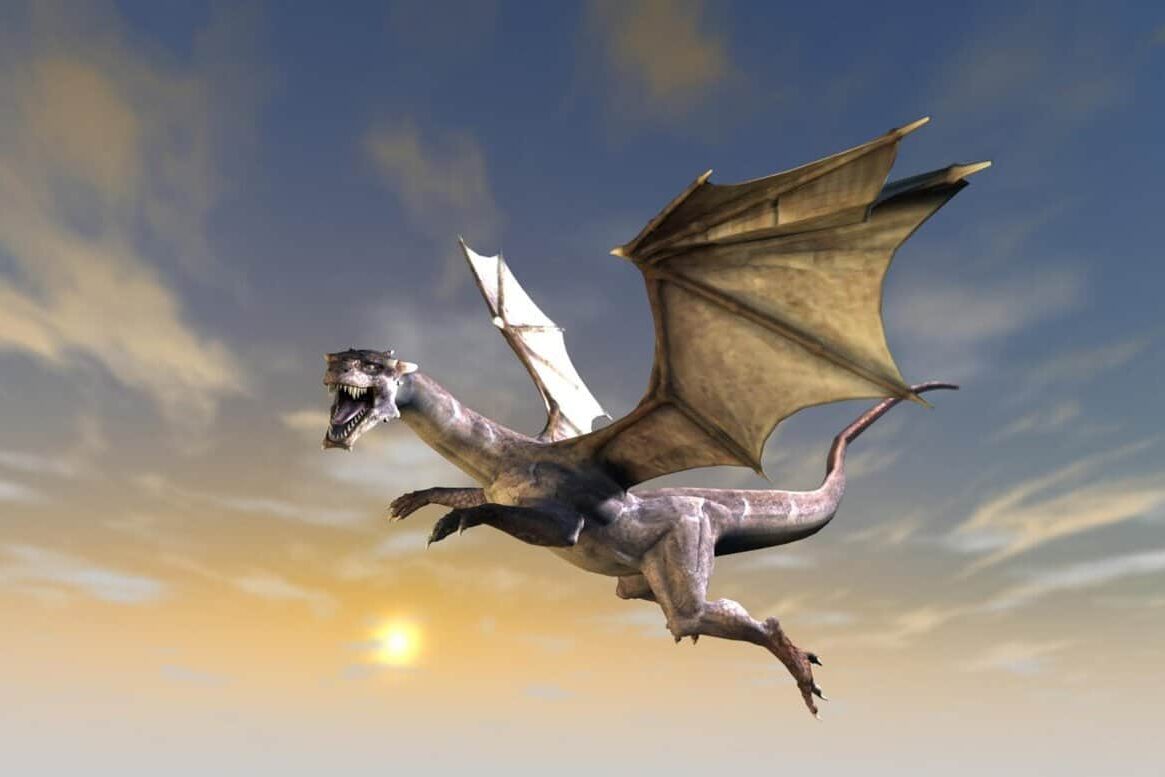
Some dinosaurs became smaller over millions of years, and this change played a major role in their transformation. Their lightweight bodies made it easier for feathers and wing-like arms to lift them into the air. Smaller bodies also meant less food was needed, which increased survival chances during harsh conditions. Many tiny dinosaur ancestors had long arms and feathers that helped them glide before they could truly fly. Their size was not a disadvantage. It became an opportunity. By growing smaller, they opened a path to the sky. Instead of overpowering others on the ground, they discovered freedom above it.
5. From Glide to Soar
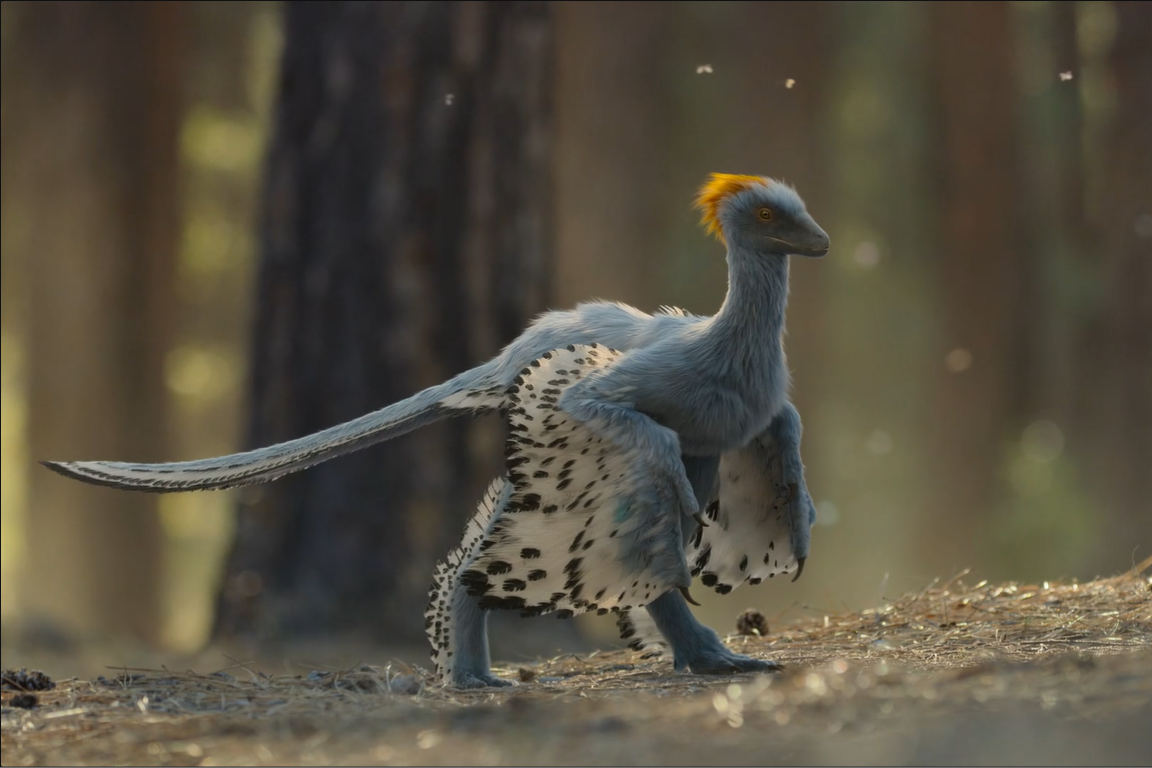
Flight did not appear in a single moment. It started with small animals using their feathered arms to help them jump longer distances across trees or chase insects through branches. These short glides eventually became controlled leaps, and in time, repetitive flapping helped them stay in the air longer. Little by little, what began as simple gliding turned into powered flight. It wasn’t about sudden change. It was about tiny improvements that grew stronger with each generation. These creatures didn’t plan to fly. They simply adapted to survive, and the wind slowly became their partner in that journey.
6. Global Spread and Diverse Styles
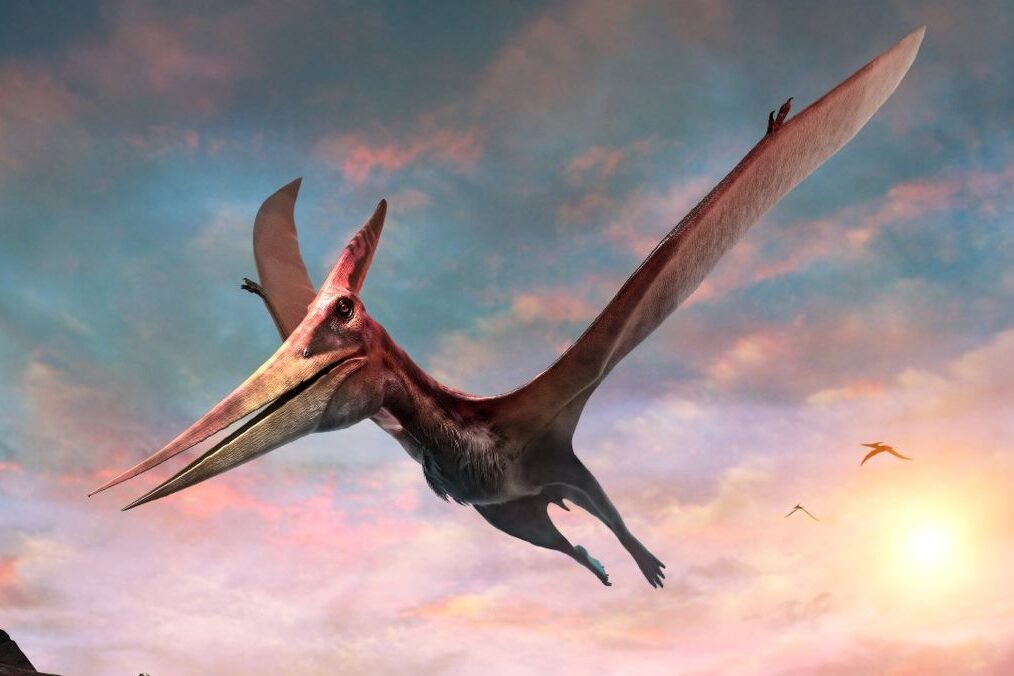
As these early bird ancestors found ways to glide and fly, they spread across different environments. Some lived near water and learned to dive, while others settled in forests and became skilled at weaving through trees. Many lived in open spaces and relied on strong wings to travel long distances in search of food. These different lifestyles shaped their bodies in unique ways. Long beaks, wide wings, short tails, strong feet, or speedy legs all came from their connection to their surroundings. The world gave them opportunities, and they answered by becoming many shapes, sizes, and flying styles.
7. Today’s Birds Living Dinosaurs

When we watch a hummingbird hover near a plant or see a hawk circle in the sky, we are looking at living relatives of ancient dinosaurs. Birds did not break away from the dinosaur family tree. They simply continued it in a different direction. Modern birds may look delicate, but they carry a history of strength, survival, and transformation. Their feathers, hollow bones, and egg-laying habits are reminders of their past. Every chirp, flight, and nest is a living trace of something older than human memory. Birds are not replacements for dinosaurs. They are dinosaurs in a new form.
8. Clawed Wings and Sharp Beaks
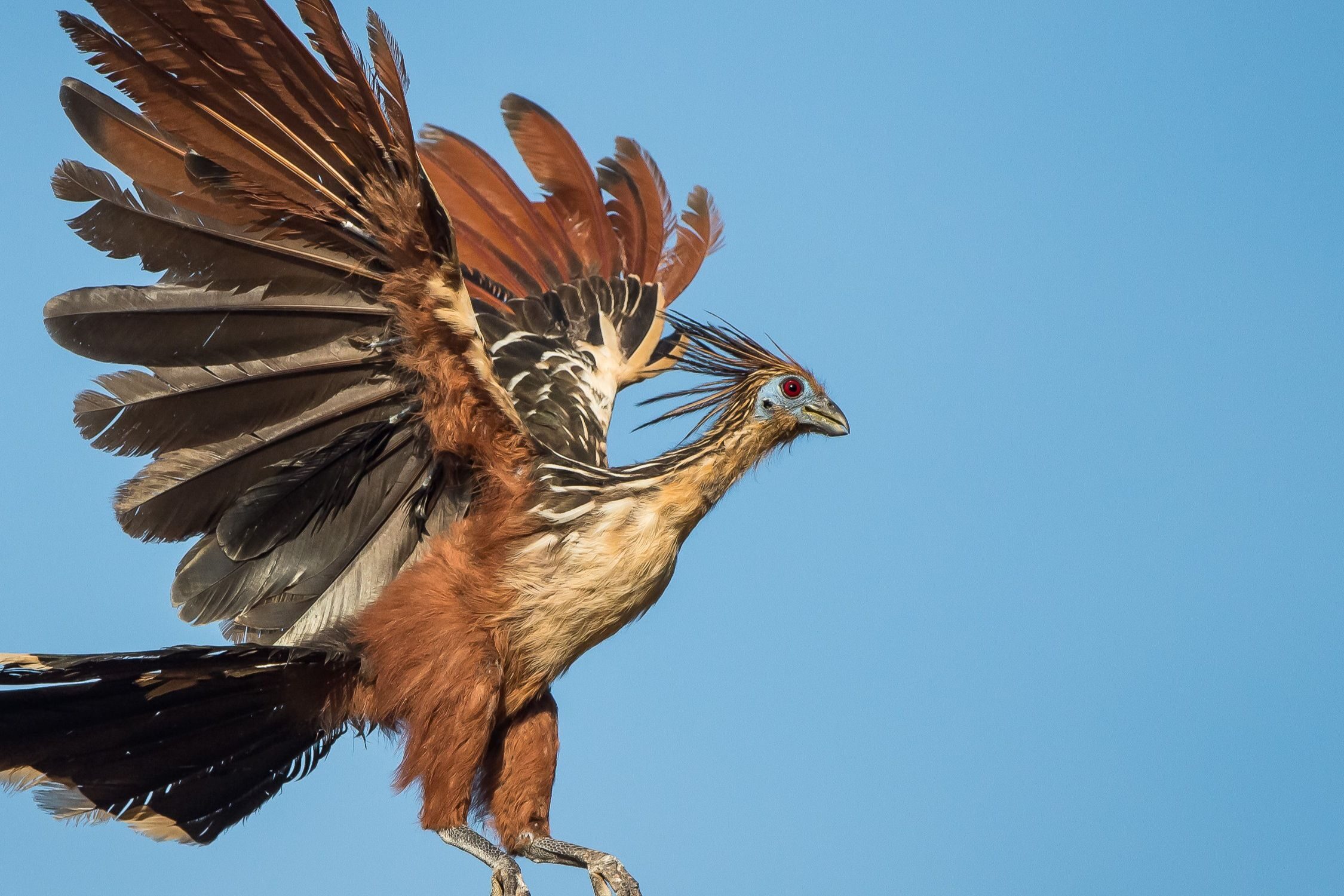
Early bird ancestors looked unusual compared to the birds we know. Some of them had sharp claws on their wings, helping them climb trees or hold onto branches. Others had strong teeth inside their beaks that allowed them to rip apart food the way small predators would. These features show that birds didn’t start as soft or harmless creatures. They were skilled hunters with traits meant for survival. Over time, claws became smaller and teeth disappeared, but those early structures helped them feed, fight, and adapt. Their future wings first served as tools for gripping, grabbing, and climbing.
9. Surviving the Great Extinction

When a massive disaster wiped out most dinosaur species, small bird-like creatures survived because they were adaptable and able to eat whatever remained. Being small helped them hide, find shelter, and use fewer resources. Many of them likely fed on seeds and plants instead of meat, which gave them food sources that lasted even after the environment collapsed. Their feathers kept them warm in new and colder conditions, and their lightweight bodies helped them move quickly. They did not survive by strength, but by flexibility. These survivors became the ancestors of the birds that fill our skies today.
10. Flight Shapes the Brain
Flying didn’t just change the body of early birds. It changed their brains too. They developed better eyesight to track movement from above and stronger coordination to guide their wings through changing winds. Their senses became sharper so they could avoid predators while resting or traveling. Their fast reactions helped them escape danger in a world full of larger animals. Flying required them to think faster, see clearer, and move with precision. This mental development grew alongside their physical growth. Birds learned to survive both with their feathers and with their ability to make quick smart decisions.
11. Feathers Find New Jobs
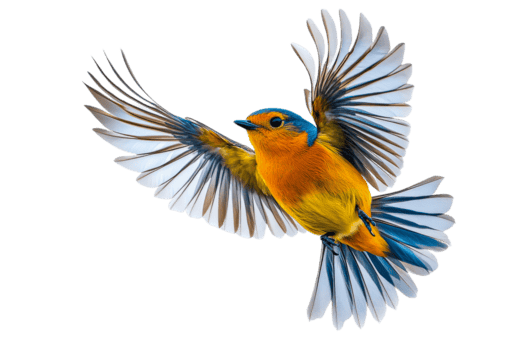
Feathers did far more than help birds fly. They offered warmth during cold seasons, kept water away during storms, and made it easier to blend into the environment to hide from predators. Some feathers became bright and patterned to attract mates, while others stayed dull to help birds quietly stalk prey. Many feathers supported gliding before true flight even existed. As time went on, feathers grew stronger and more layered, creating air-catching surfaces that could lift a body into the sky. What started as simple insulation turned into nature’s tool for beauty protection and eventually powerful movement.
12. Beaks Replace Teeth
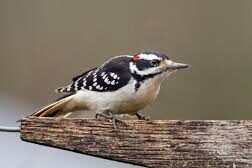
The mouth of early birds changed slowly over time. Instead of sharp teeth, they developed lighter beaks that allowed faster movements and easier feeding. A beak doesn’t weigh as much as a jaw full of teeth, which made flying easier. These beaks shaped themselves according to food choices. Some grew longer for sipping nectar, others grew strong for cracking seeds, and some became sharp for catching fish. Losing teeth wasn’t a weakness. It created room for variety and improved flight. By trading heaviness for flexibility, birds gained a world of different diets and ways to survive in new places.
13. Birds Take Over the Sky

Once early birds learned how to fly better, the sky became their new home. They filled spaces that other animals could not reach and found food high above the ground. Some soared for hours without flapping, while others became fast enough to dive straight down to catch prey. These skills allowed them to spread into many habitats and escape ground predators easily. They learned how to build nests high up, where eggs were safer from danger. As their confidence grew, the abilities they once used to survive turned into talents that helped them rule the skies with grace and skill.
14. Losing the Tail for Better Balance
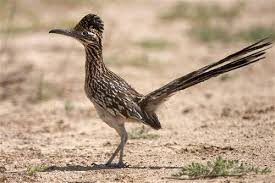
Ancient bird relatives once had long bones in their tails that helped them run and balance, but flight changed everything. As flying became more common, those long tails slowly shortened because they made movement harder in the air. A smaller tail made it easier to glide smoothly, turn quickly, and land safely. Over generations, the tail turned into a short structure that supported tail feathers instead of acting as a heavy limb. The tail didn’t simply disappear. It transformed into something lighter, more flexible, and better suited for life in the air rather than life on the ground.
15. Hollow Bones Lighten the Load
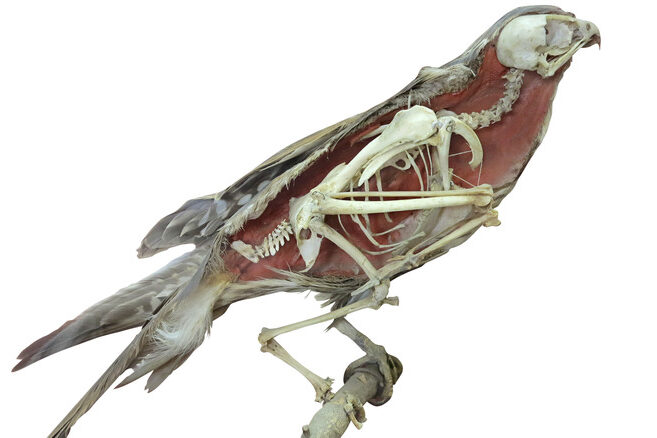
Having strong bones is helpful for large animals, but for creatures learning to fly, heavy bones make movement difficult. Birds developed hollow bones that kept their bodies strong enough to handle impact but light enough to lift easily in the wind. These bones also improved breathing because tiny air pockets supported oxygen flow. This made long flights less tiring. Light bones didn’t mean weak bodies. They created a powerful mix of strength and flexibility. With every flap, these bones worked with feathers and wings to help birds soar longer, climb higher, and move through the air with control.
16. Feet Built for Perching

Early birds didn’t just need wings to survive. They needed feet that could hold onto branches while they rested, slept, or watched for prey. Their feet slowly developed toes that curled around branches and claws that helped them stay steady even when wind blew. These gripping feet protected them from predators on the ground and gave them access to food found only in trees. Perching wasn’t just a habit. It became a survival skill. By resting above danger and feeding from safe places, birds gained a lifestyle that supported flying, nesting, and raising young in more secure environments.
17. Songs as Survival Tools
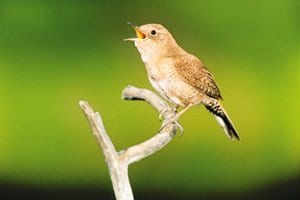
Birdsong may sound peaceful to us, but it began as a tool for survival. Early birds didn’t sing for entertainment. They called out to warn others of danger, protect territory, or attract a mate. Each sound carried meaning and helped maintain safety in their environment. Their voices developed sharper tones that traveled farther and clearer patterns that made communication easier. Even today, every chirp is a message that helps birds survive. Their songs are not just pleasant sounds in nature. They are ancient voices that helped early birds form communities, build families, and protect their place in the world.
18. Flightless Birds Keep the Story Alive
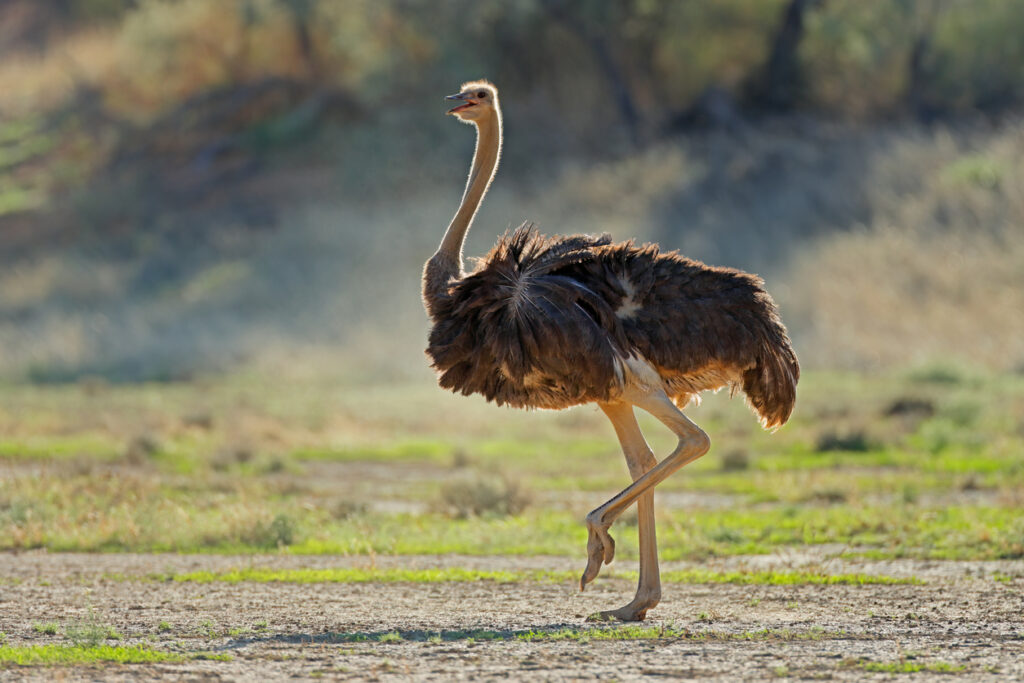
Not every bird chose to fly. Some grew large and strong, making flight unnecessary. Their wings changed into tools for balance or swimming instead of flying. Birds like penguins became expert swimmers, while others used strong legs to run quickly across open land. Losing flight didn’t push them backward. It let them thrive in new ways. These birds show that evolution isn’t about becoming one perfect shape. It is about finding the form that fits best for survival. Even without taking to the sky, they still carry history in feathers, bones, and behaviors inherited from ancient ancestors.
19. Modern Birds Carry Ancient Clues
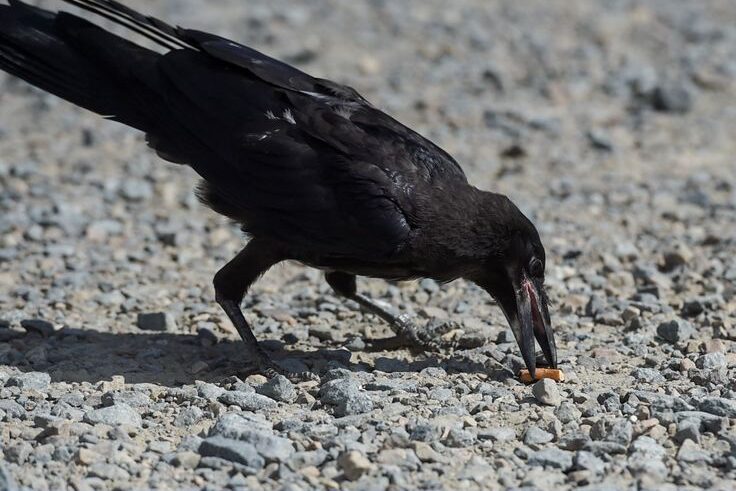
Everyday birds hold secrets of the past in their small bodies. They lay eggs with shells just like ancient dinosaurs did. They build nests, protect their young, and peck the ground the same way their ancestors hunted for food. Even the tiny scales on their legs resemble dinosaur scales once seen on larger reptiles. These similarities remind us that evolution does not erase history. It repurposes it. The sparrow on a street sign and the eagle above mountains both carry traces of ancient creatures that learned how to survive, adapt, and continue through time in different forms.
20. A Legacy That Still Takes Flight
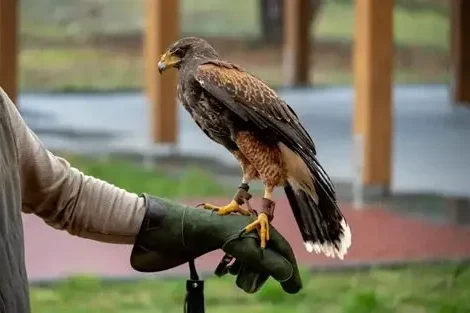
Birds today continue a journey that started long before humans existed. Their feathers, bones, voices, and instincts are parts of a history that never stopped growing. Every migration season, every nest built, and every wing beating against the wind represents a story older than cities, art, or language. They did not simply replace dinosaurs. They became a new version of them. Their presence shows how life can change without losing its roots. When a young bird learns to fly, it continues an ancient legacy. What started on the ground still rises into the air every day.
21. Eggs Tell an Ancient Story
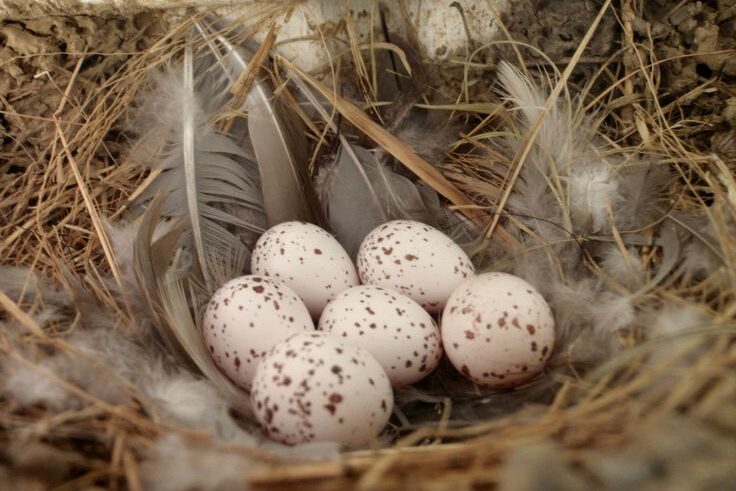
The simple act of laying eggs connects birds to their past. Long before true birds existed, their ancestors protected eggs in structured nests and guarded them until they hatched. That behavior continues today, showing that survival once depended on care, patience, and warmth. Modern egg shapes and shells resemble those from ancient times because they worked well then and still work now. Eggs allowed young creatures to grow safely outside the body, giving parents time to move, hunt, and rest. Each egg in a nest today is a quiet continuation of something that began millions of years ago.
22. Nesting Instincts Never Left
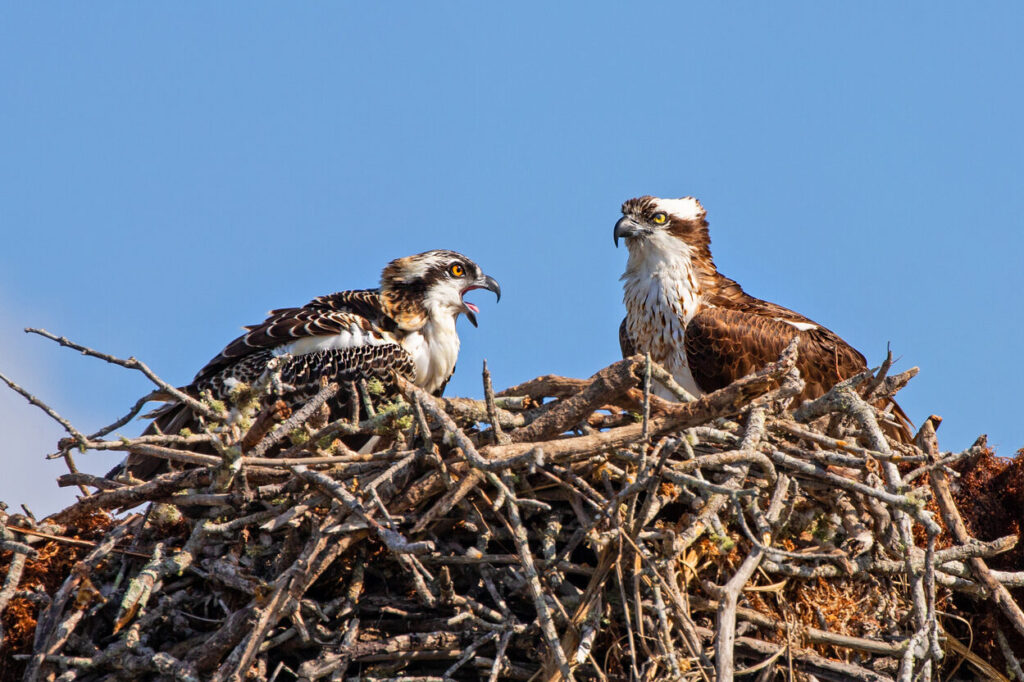
Parenting didn’t start with modern birds. Dinosaurs once protected their eggs with the same dedication found in birds today. Some sat on their nests and used their bodies to keep eggs warm, just like hens do now. Others positioned nests carefully to shield them from predators. These instincts did not disappear over time. They traveled through generations, shaping how birds care for their young. The behavior we see in small garden birds is not new. It is old care passed forward. Their gentle attention toward unhatched life shows that survival was never only about strength. It was about protection.
23. Watching Feathers Change the World
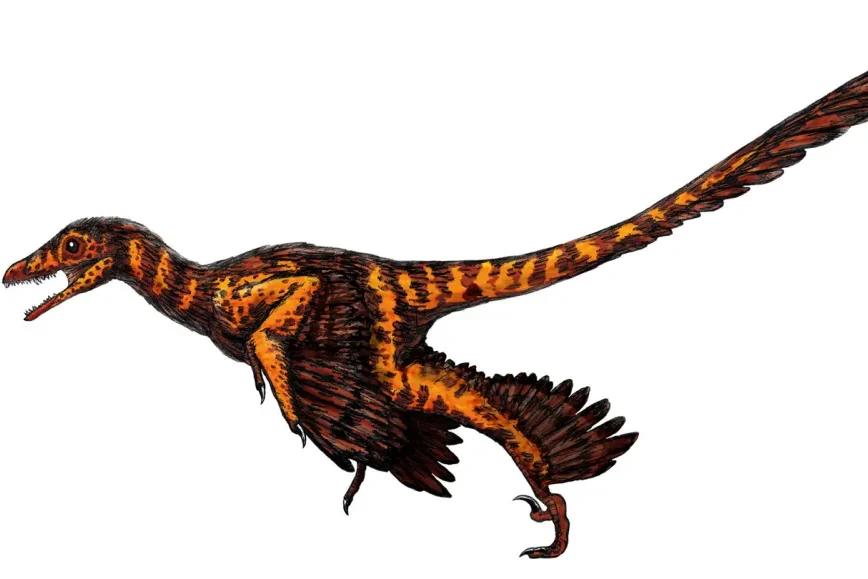
Feathers changed history once people finally understood that many dinosaurs had them. Before that discovery, dinosaurs were pictured as bare and reptile-like, but finding fossils with preserved feathers reshaped everything. Suddenly, dinosaurs seemed familiar. They were not distant monsters but early versions of birds. That changed how people imagined them in books and films and how scientists taught about evolution. A single discovery shifted the world’s picture of the past. We began to see dinosaurs not only as fierce but as adaptable creatures whose features lived on, giving feathers a powerful place in understanding what life once looked like.
24. Why Flight Didn’t Happen All at Once
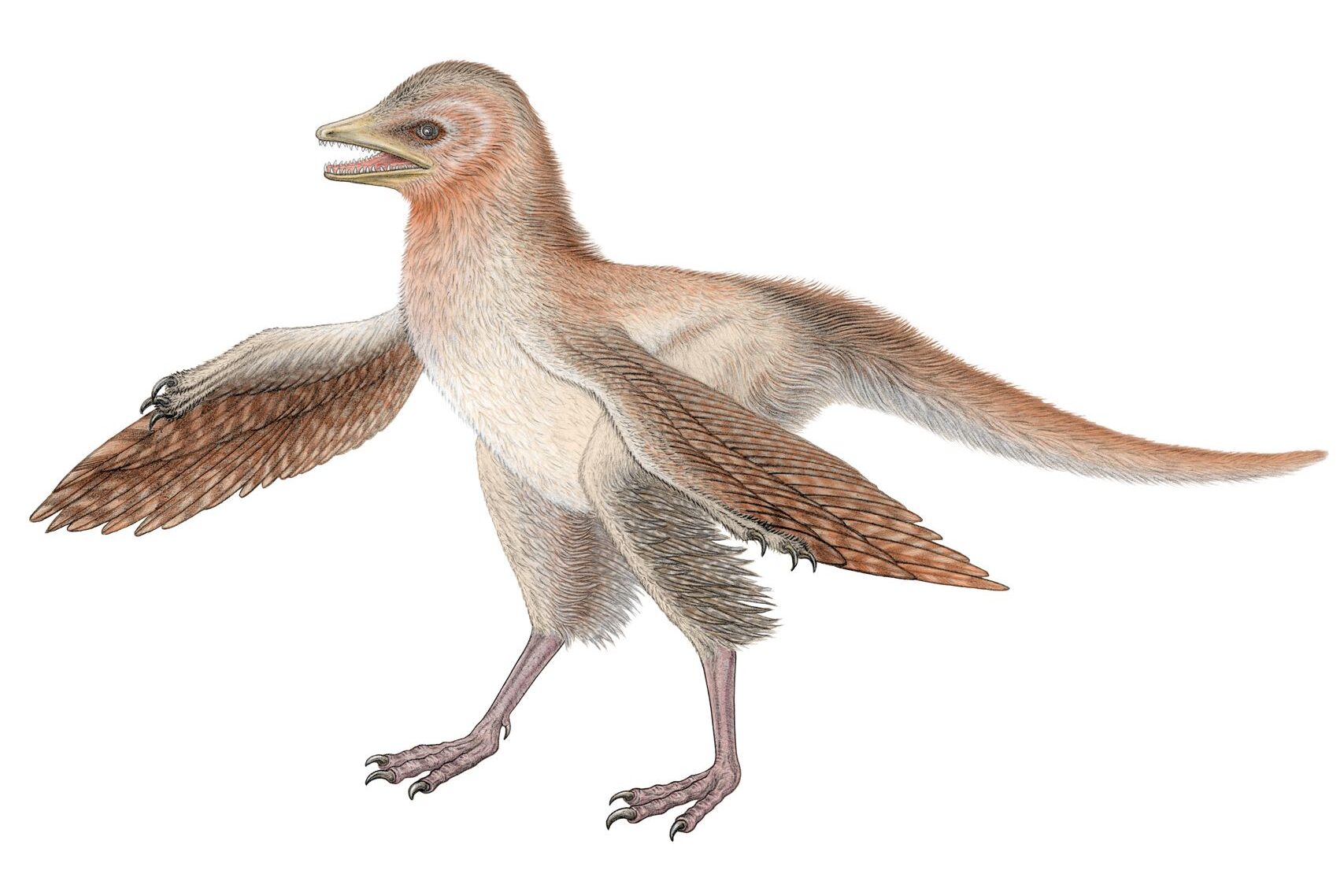
Learning to fly was a slow process. Early creatures first used feathers for warmth, then for balance, and later for gliding across short distances. These steps helped them move in new ways, turning simple jumps into long soaring motions that required less effort. As they practiced, their muscles, bones, and wings improved. Over generations, gliding changed into flight. It wasn’t a single event. It was a collection of small useful changes that grew stronger with time. Today’s birds are reminders that big abilities come from repeated practice, patience, and many small improvements that eventually lead to something remarkable.
25. The World Helped Birds Take Over
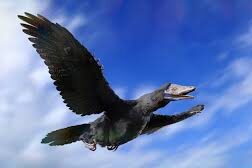
Birds did not evolve alone. The changing world shaped them. Forests, rivers, open plains, and cold mountains gave them challenges that made them adapt. Some learned to run faster in large open areas. Others learned to glide among trees or dive into water for food. Their bodies responded to their surroundings, growing new shapes and skills that matched their needs. The world offered opportunities and difficulties, and birds adapted by exploring new solutions. Their success came from responding to change instead of fighting it. They flourished by adjusting to what the planet required, turning possibility into survival.
26. Dinosaurs Still Perch on Power Lines

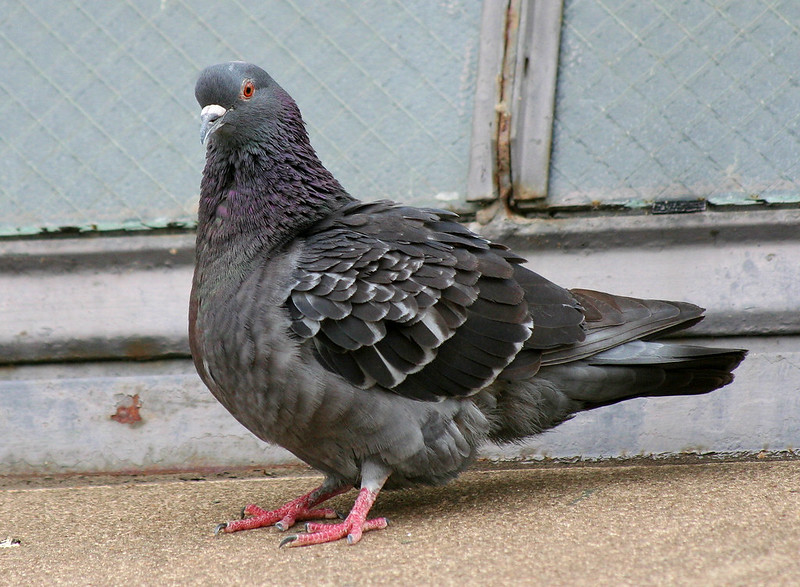
It may seem funny to think that the pigeons waiting on wires or the sparrows hopping on sidewalks are real dinosaurs, yet that is exactly what they are. They carry ancient traits in their bones, feathers, nesting habits, and ways of moving. Their presence in our daily lives shows that dinosaurs did not disappear. They simply transformed into different shapes that fit new environments. With every chirp and every flight, they keep their history alive. Birds remind us that evolution does not always end. It often continues in forms that blend into everyday life, waiting to be noticed.
27. Wings Shape Different Lives
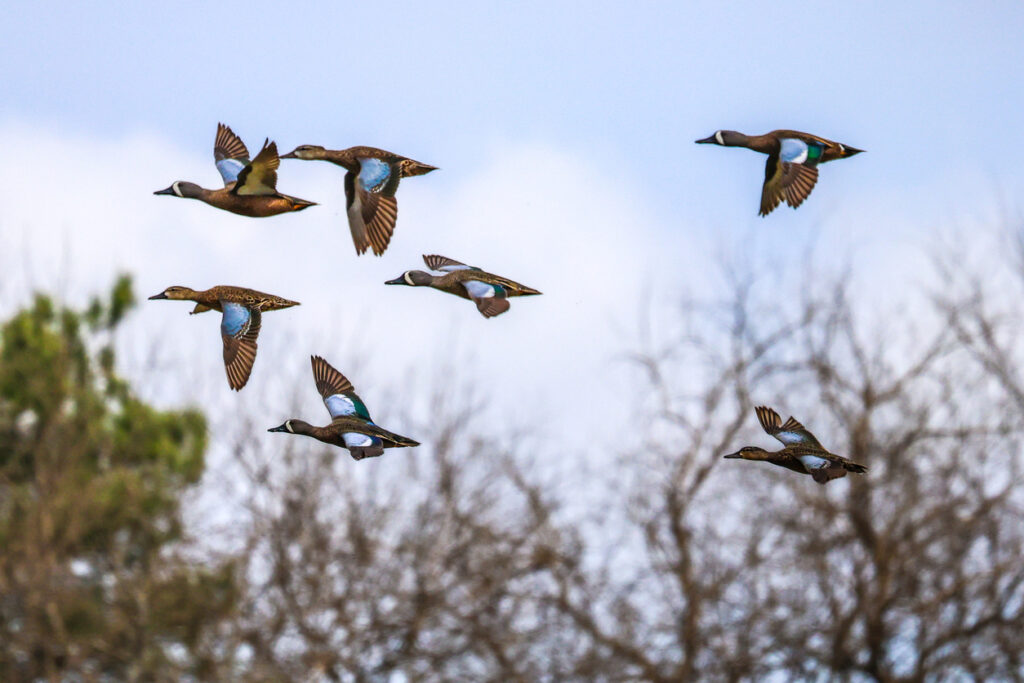
Wings did not develop into just one style. As birds spread into new environments, their wings adapted based on their needs. Long narrow wings helped some birds travel great distances over oceans, while short rounded wings allowed others to move quickly through forests. Some wings supported hovering, and others made diving easier. These changes were shaped by food sources, weather, and predators. Birds learned how to use the sky differently depending on where they lived. Their wings became tools for survival rather than simple structures for flying. Each wing shape reflects a story about the challenges its ancestors faced and overcame.
28. Beaks Tell What Birds Eat
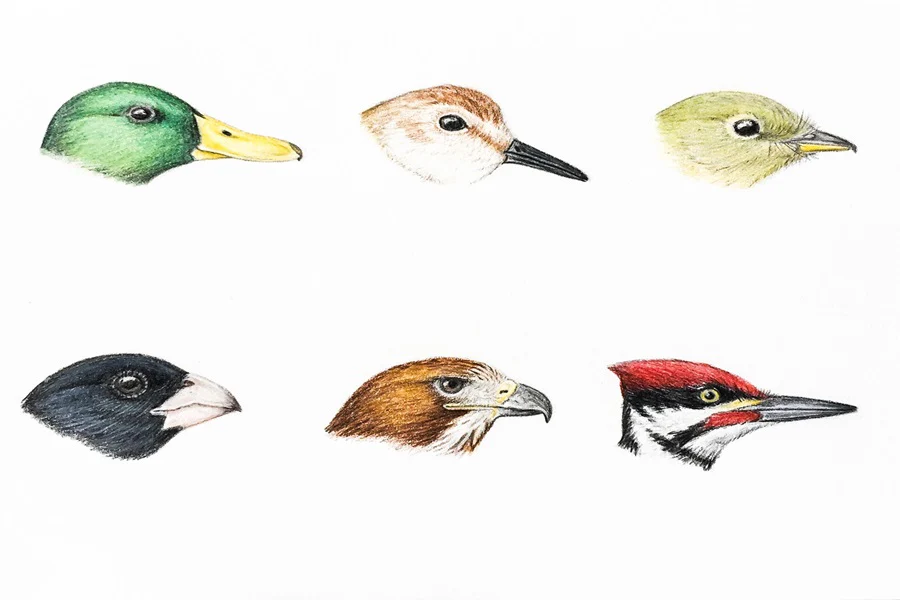
The shape of a bird’s beak reveals how it survives. Sharp pointed beaks help catch insects or tear into meat. Thick strong beaks crack open seeds. Long slender beaks sip nectar from flowers. Even curved beaks pull fruit or dig into wood for hidden insects. Birds did not choose these tools. They developed over time because food required specific skills. As birds explored different environments, their beaks changed to match what they needed to eat. A beak is more than a mouth. It is a sign of adaptation, showing how each bird learned to live successfully in its own world.
29. Feathers Offer Quiet Protection

Some feathers were designed for silence. Birds that hunt at night rely on soft edges along their feathers to reduce noise. This silence allows them to surprise prey before they even notice a threat. Other feathers protect bodies from rain or help blend into surroundings to avoid predators. Though many people admire feathers for their beauty, their true purpose often lies in protection. They shield birds from cold, wind, danger, and hunger. Feathers are not just decorations. They are safeguards that allow birds to move safely, hide when needed, and survive in places where other animals might struggle to live.
30. Migration Keeps Evolution Moving

Migration may seem like a simple seasonal journey, but it has shaped birds in powerful ways. Traveling long distances requires strong wings, endurance, sharp memory, and awareness of weather changes. Birds that migrate have bodies designed to store energy, navigate difficult routes, and adapt to different climates. These trips influence their feeding habits, body weight, and even their timing for raising young. Migration keeps birds connected to changing environments, and these changes continue shaping their evolution. Every journey becomes a lesson passed down to future generations. Birds adapt through movement, proving that survival often requires going where new possibilities emerge.
This story How Birds Evolved From Small Feathered Dinosaurs was first published on Daily FETCH


