
1. Learning the Language of Knot
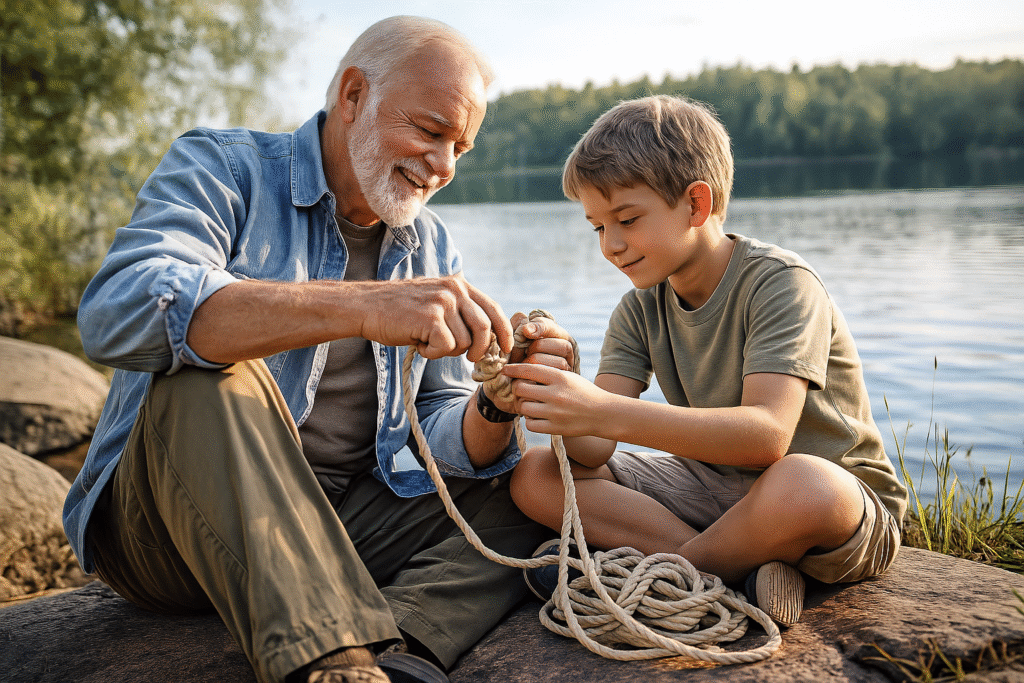
The ability to tie functional, reliable knots, like a square knot for securing two ropes, or a slipknot for a temporary loop, was a practical skill that grandparents often passed down. Using just a piece of twine, string, or rope, they would teach the intricate motions required to form each knot, explaining its purpose (from tying down a tarp to securing a bundle). This hands-on lesson instilled dexterity, memory, and the immense satisfaction of knowing how to manage and manipulate simple materials effectively.
2. Homemade Soap-Powered Toy Boats
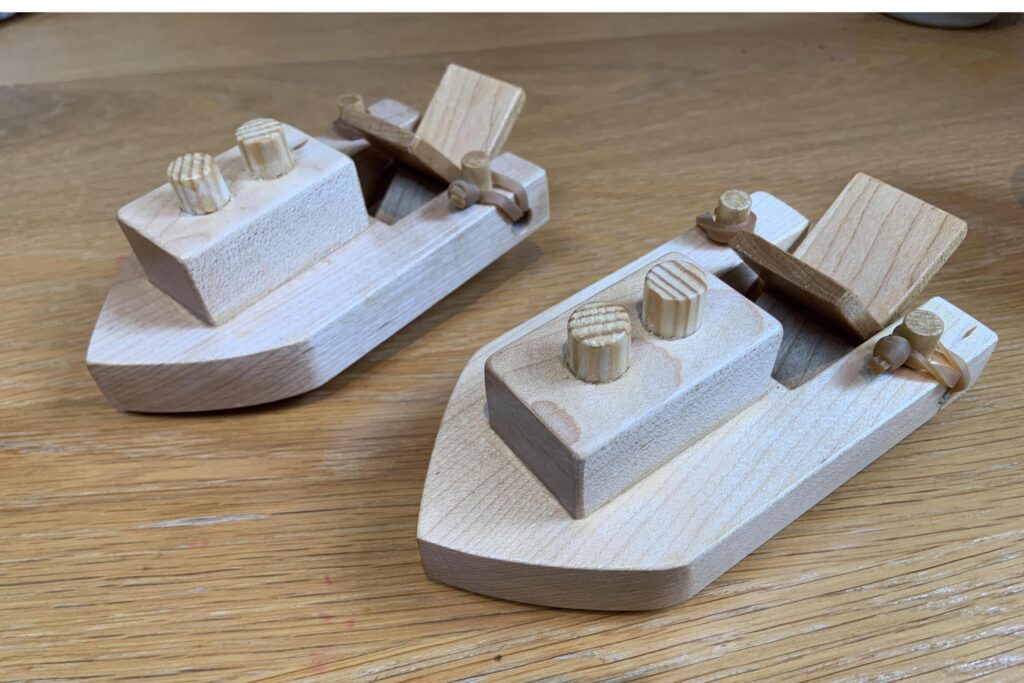
Ingenuity turned a mundane household item into a vessel for adventure. Children would carve a small, sliver-thin boat hull from a bar of laundry soap or a scrap of wood. A notch cut into the back could hold a tiny paper sail or a small piece of camphor or detergent, which would subtly react with the water’s surface tension. This created an invisible, self-propelling motor that sent the tiny vessel on thrilling, slow-motion expeditions across a washbasin, bathtub, or even a backyard puddle.
3. Radio as the Center of the Living Room

Before the era of television, the radio was the primary hub of family evening entertainment. Families gathered around the set, listening to everything from dramatic serials like The Shadow, variety shows, to the thrilling play-by-play of a baseball game. This shared experience demanded active listening and imagination, as listeners had to create the entire scene, the characters, the setting, and the action, in their minds, bonding the family through a communal narrative and soundscape.
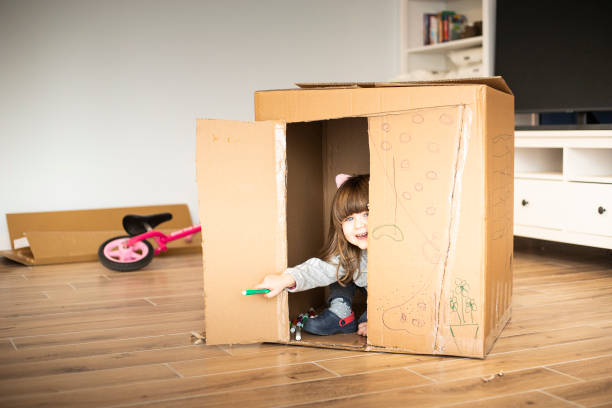
4. The Grand Adventure of an Empty Cardboard Box

Long before expensive plastic playhouses or electronic toys, the large cardboard box, often salvaged from an appliance delivery, was the ultimate blank canvas for play. In the hands of a grandchild (guided by a grandparent’s memory), this box could be a frontier fort, a spaceship, a cozy private reading nook, or a makeshift car. The material was disposable and easily modified with crayons, scissors, or blankets, promoting self-directed, tactile, and unrestrained creative expression.
5. Playing for Keeps with Marbles
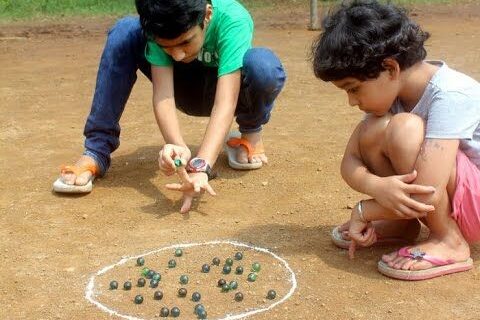
A handful of polished glass spheres, simple in form, became the focus of intense competition and strategy. Playing marbles, often in dirt patches or on concrete, required dexterity, precision, and a bit of guile. The stakes were real, winning meant keeping your opponent’s marbles, giving the game a tangible reward and a lesson in risk and consequence. This low-tech pastime built community and refined motor skills without the need for sophisticated equipment or complex rules.
6. The Simple Satisfaction of Darning

In a time when resources were scarce, mending clothing was not a chore but a necessary, practical skill that extended the life of garments and saved money. Grandmothers mastered darning, using a darning egg or mushroom, a smooth, domed object placed inside a sock, to stretch the fabric taughtly over the hole. They would then meticulously weave new threads back and forth across the gap in a crisscross pattern, essentially recreating the fabric. This slow, meditative act fostered patience, thrift, and a tangible respect for possessions.
7. Homemade Butter from a Jar

Before pre-packaged foods were the norm, making fresh dairy products by hand was a common, fun activity. A simple jar of heavy cream, sealed tightly, could be turned into butter with nothing more than vigorous shaking. Children and grandchildren would take turns shaking the jar for ten to fifteen minutes, witnessing a magical physical transformation from sloshing liquid to stiff whipped cream, and finally to a solid, yellow clump of butter separated from the buttermilk. This hands-on process provided a clear, real-world lesson in chemistry and the source of food.
8. The Thrill of a Shadow Puppet Show

There is a certain glow to the memories our grandparents shared, a time before screens and instant gratification dominated life. A single candle, a flashlight, or even just the ambient glow from a street lamp could transform a bedroom wall into a vibrant stage. Grandparents would master the art of hand shadows, creating galloping horses, squawking birds, Rabbit, or even intricate human profiles against a blank surface. This simple, no-cost activity encouraged imaginative storytelling and required nothing more than a steady hand and a captive audience, fostering a sense of shared wonder and creativity in the dark.
9. Competitive Seed Spitting
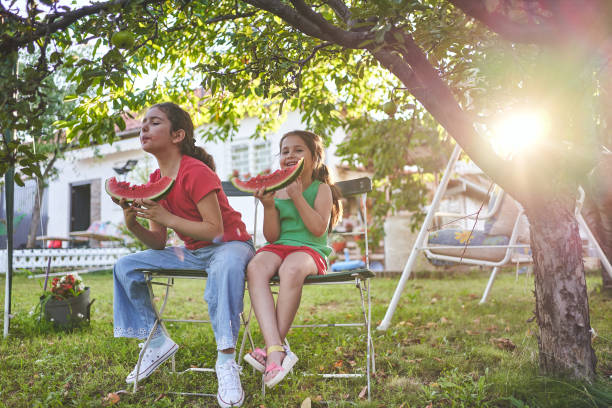
A joyous, messy, and entirely free competition, seed spitting required only a watermelon, pumpkin, or sunflower, and a designated outdoor space. This impromptu contest was a staple of backyard gatherings and picnics, demanding surprisingly precise technique to achieve maximum distance. It was a boisterous, lighthearted activity that encouraged children to be outdoors, engaged in friendly rivalry, and connected them to the playful side of eating seasonal fruits.
10. Building a Card House or Tower
A standard deck of playing cards, an item found in nearly every home, could be repurposed from a game to an architectural challenge. Building a house of cards, stacking the cards carefully to create a gravity-defying structure of pyramids and walls, required immense concentration, a steady hand, and absolute stillness. This activity taught physical engineering principles, refined fine motor skills, and offered a thrilling, if temporary, sense of achievement when the final, wobbly floor was successfully laid before the inevitable, satisfying collapse.
11. The Simple Sound of Skipping Stones

A visit to a calm body of water, a lake, a river, or even the shore, provided the opportunity for this ancient, meditative pastime. Grandparents would instruct children on the proper technique: finding a flat, thin stone, holding it almost parallel to the water, and giving it a quick, spinning flick of the wrist. The joy wasn’t just in the successful skip but in the rhythmic, delightful plink-plink-plink sound the stone made as it briefly kissed the water’s surface, requiring only natural materials and personal dexterity.
12. Hand-Cranking Homemade Ice Cream
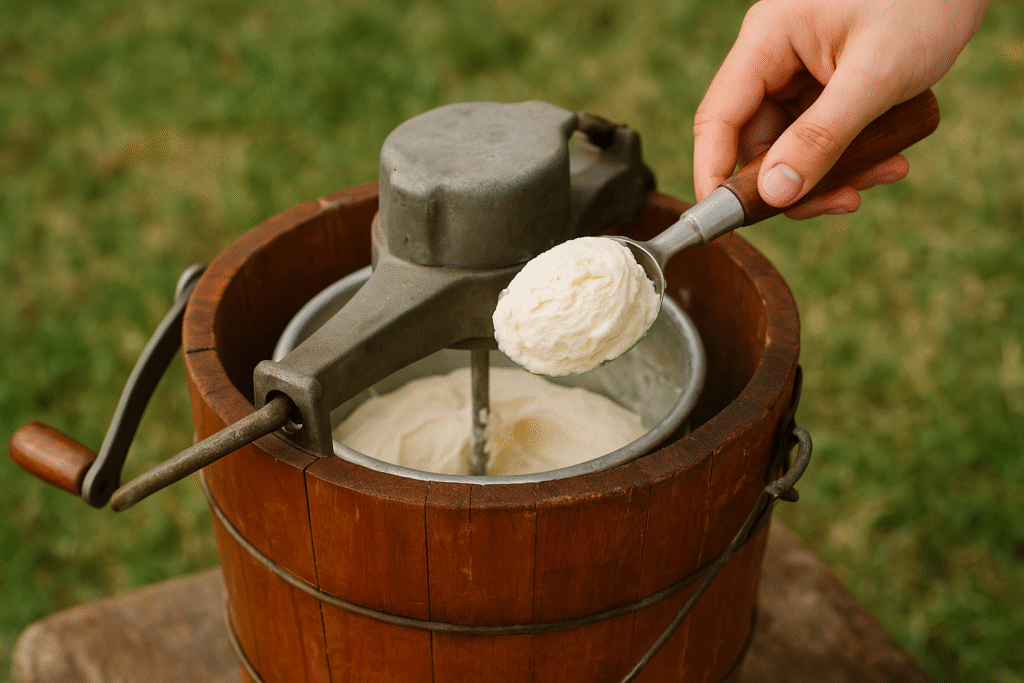
Before the convenience of electric freezers and pre-made tubs, ice cream was a special event requiring significant effort and collaboration. Families would gather around a wooden bucket containing the mix (cream, sugar, and flavoring) surrounded by rock salt and ice. Grandchildren would take turns laboriously turning the crank, a process that could take up to forty-five minutes. The slow, arduous work heightened the anticipation, making the final, freshly churned result a shared, sweet reward that tasted all the better for the effort involved.
13. Writing and Sealing Letters with Wax
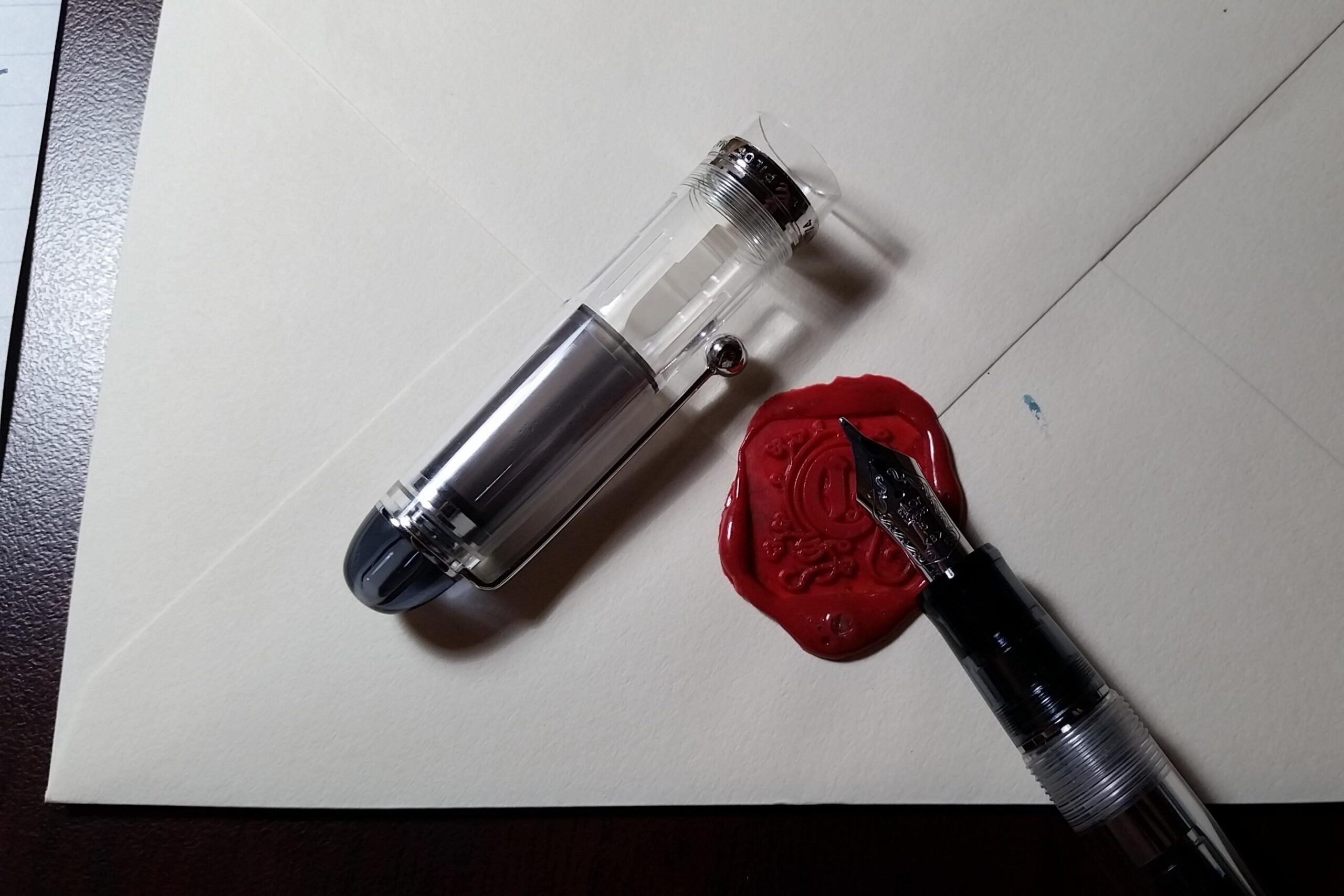
In an era predating instant messaging, letter writing was a meaningful form of communication, often elevated by a ceremonial closing. Grandparents, especially, might have used a stick of sealing wax and a personal signet or ring to melt a small pool of wax onto the sealed envelope flap, impressing their mark before the wax hardened. This act transformed a simple piece of mail into a tangible keepsake, teaching children about formality, careful correspondence, and the personal touch inherent in physical mail.
14. Catching Fireflies (Lightning Bugs)

On warm summer evenings, the backyard became a magical, blinking landscape. This entirely natural phenomenon offered a simple, transient form of entertainment. Children, guided by their grandparents, would carefully capture the soft-glowing insects in a glass jar with a punched lid, creating a temporary, beautiful lantern. This activity required patience, quiet movement, and a respect for nature, with the understanding that the tiny light sources were to be released back into the night sky before bedtime.
15. Whistling with Natural Materials

Long before electronic instruments, children learned to create simple musical instruments from the environment. Grandparents could teach them how to create a piercing whistle using nothing more than a blade of grass held taut between the thumbs, or how to shape a piece of willow bark into a functional whistle or flute. This skill connected them directly to the natural world and demonstrated the principle that music and rhythm could be engineered from the most readily available, often overlooked, materials.
16. Making and Playing with Paper Dolls
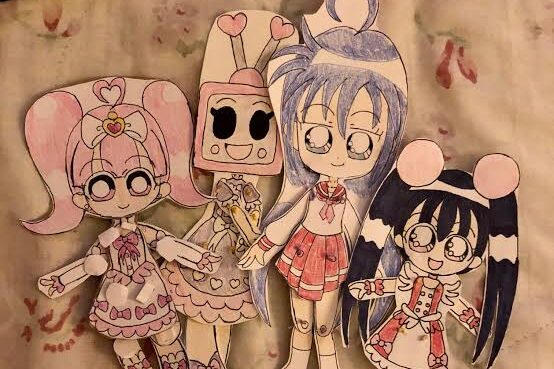
For many decades, paper dolls provided endless, customizable entertainment at a negligible cost. Grandmothers would often sit with children, either cutting out pre-printed figures and their extensive wardrobes from a book, or drawing and coloring their own unique dolls and outfits onto stiff paper or thin cardboard. This activity fostered fine motor skills through intricate cutting, encouraged imaginative play with fashion and character development, and provided hours of quiet, self-contained fun that required only simple drawing and cutting implements.
17. The Ingenuity of Scrap Quilt Making
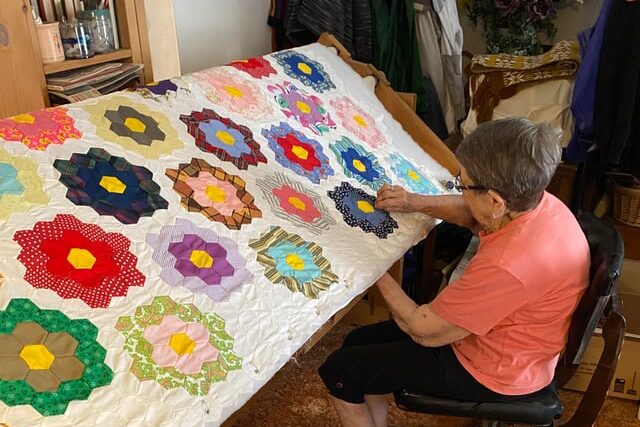
Quilting was a necessity born of thrift, transforming worn-out clothes, old blankets, and fabric scraps into beautiful, functional heirloom coverings. Grandmothers would meticulously collect and cut these remnants into standardized shapes, squares, triangles, or diamonds, and sew them together into complex patterns. This slow, collaborative activity often took place in groups, fostering community and teaching children the value of resources, geometric patterns, and the enduring satisfaction of creating warmth from nothing but fragments.
18. The Discovery of Geocaching Before GPS
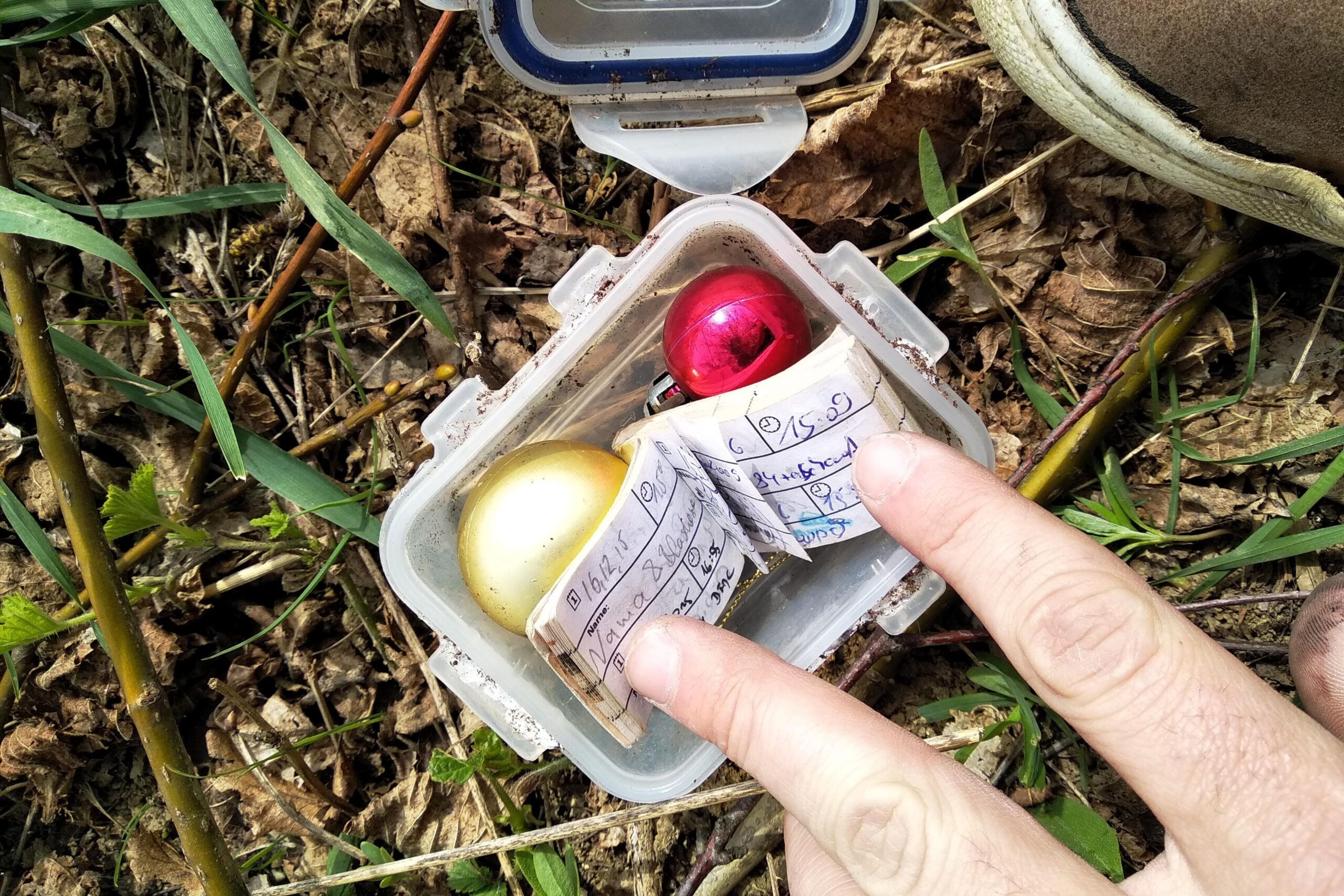
While not called geocaching, the principle of creating and finding hidden, local treasures was a common source of outdoor joy. Grandparents would often organize simple treasure hunts, hiding painted rocks, coins, or small, non-perishable trinkets in specified, memorable spots in the yard or local park. They might leave simple, hand-drawn maps or rhyming clues for their grandchildren to decipher, transforming familiar territory into a landscape of mystery and exploration and encouraging critical thinking and patience.
19. Turning Old Tires into Swings

A worn-out, discarded car or tractor tire was seen not as trash, but as material for a sturdy, long-lasting piece of playground equipment. With a simple, strong rope threaded through the center or bolted to the sides, the tire could be safely hung from a robust tree limb. This simple engineering act provided a free, exhilarating swing that often lasted for years, giving children the tiny joy of soaring through the air using recycled materials and a safe, stable design.
20. The Art of the Storytelling Walk
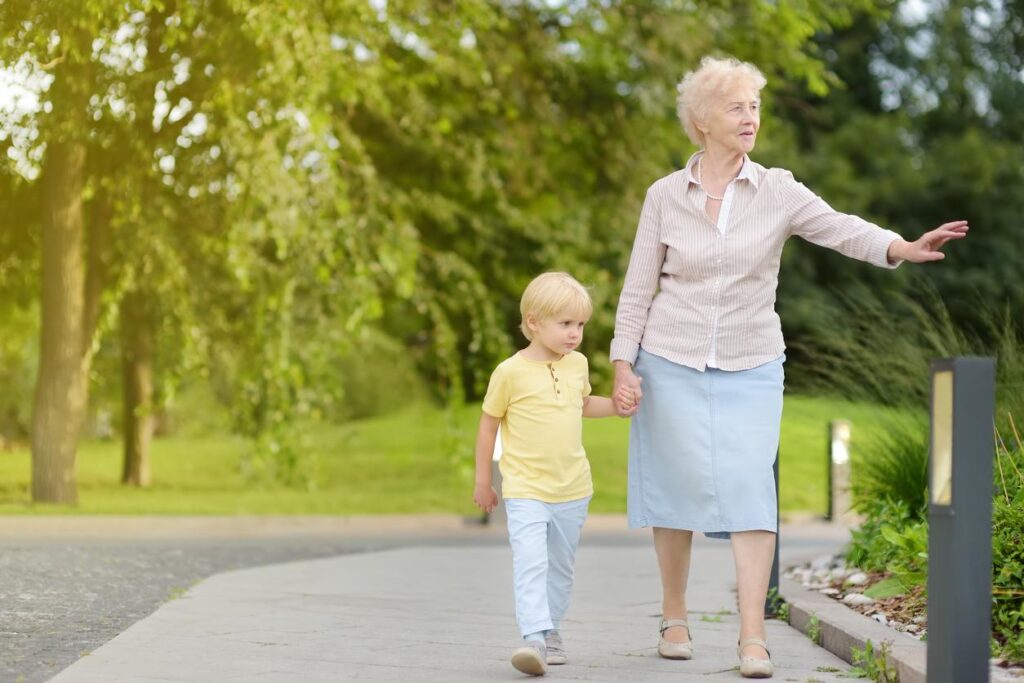
A simple walk around the neighborhood or down a country lane became an immersive, unscripted form of entertainment. Grandparents didn’t rely on planned activities; instead, they narrated the scene, sharing local histories, identifying plants and insects, or spontaneously creating fantastical stories woven into the landscape. They would stop to point out a cloud formation that resembled an animal or challenge a child to find a specific leaf, cultivating a deep sense of observation and turning the natural world into a dynamic, imaginative classroom.
The world our grandparents navigated moved at a different pace, rich with opportunities for creativity and hands-on learning that didn’t require an instruction manual or a battery. These twenty tiny joys remind us that the most genuine forms of happiness are often found not in what we buy, but in what we notice, create, and share. They truly engineered delight out of the everyday, a lesson in resourcefulness and presence that remains priceless.
Like this story? Add your thoughts in the comments, thank you.
This story 20 Tiny Joys Our Grandparents Engineered Out of Thin Air was first published on Daily FETCH


