
1. Where does the sun go at night
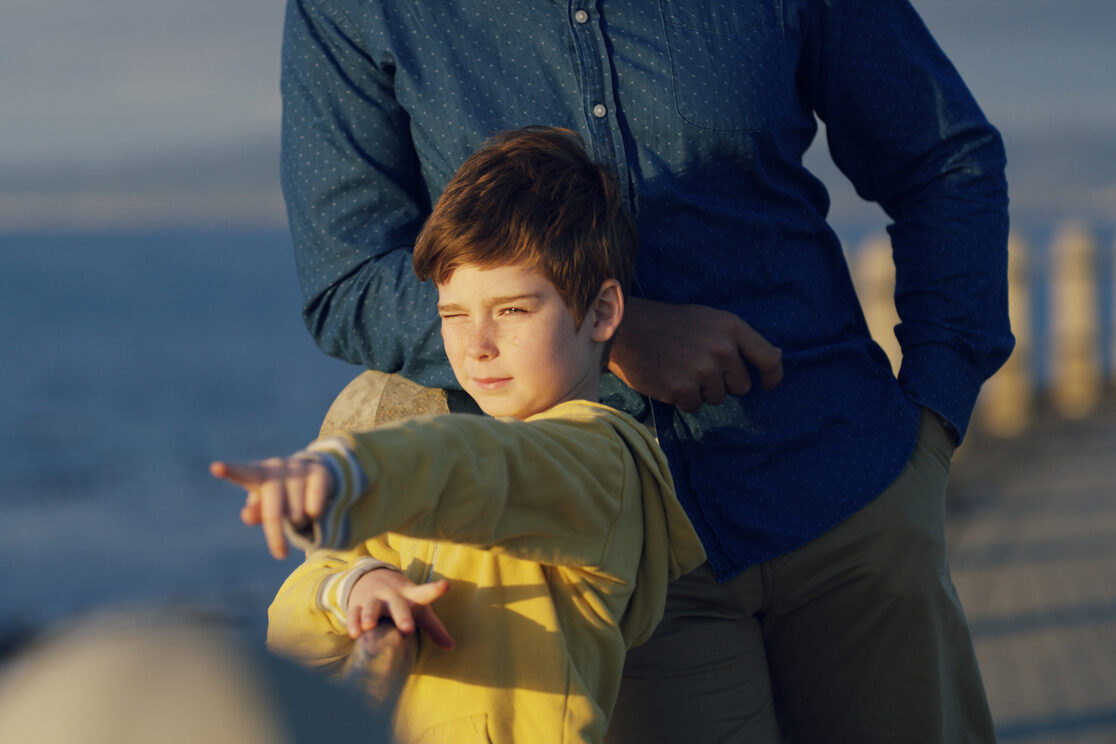
Growing up, one of the first big questions was wondering where the sun disappeared to every evening. It felt like it left the sky exactly when we still needed it for more playtime. The truth is that it never leaves at all. The earth simply turns and changes what we can see. Even though science explains it clearly, the question still stays meaningful in a quiet way. Sometimes when things we rely on seem to fade or hide from us, it can feel like they are gone forever. Yet just like the sun, they might still be there waiting for view.
2. Why did we have to sleep when we were not tired

As kids, bedtime felt like an unfair punishment because fun usually ended the moment someone said it was time to sleep. We never knew sleep was helping our bodies restore energy and reset our minds. Even now, resisting rest can feel like a habit we carried into adulthood, especially when there is work to do or ideas still running through our heads. The truth remains the same though. Rest is not a rule meant to stop us from enjoying life but a tool meant to help us keep enjoying it without breaking down halfway through.
3. What happens if something falls off the edge of the world

Many of us once imagined the world had an edge we could reach and maybe even fall from if we went too far. It felt like the earth ended somewhere quiet and mysterious. Learning that the planet is round answered that fear, yet the idea of edges still exists as grown ups. We now meet emotional, financial or personal edges that feel just as scary. Instead of falling into nothingness, life usually extends into the unfamiliar when we get there. What once looked like an end can sometimes become a new direction waiting to be seen.
4. Why were adults always the ones making the rules

As children, we often questioned why adults had the final say even when their choices did not make sense to us. It felt like they simply enjoyed being in charge without listening to how we felt. Growing older helps us see that many rules come from experience, caution or love, even when they do not feel comfortable. Still, the childhood question follows us into life in a different form. We learn to ask when voices should be shared and decisions balanced. That early confusion reminds us to lead with understanding instead of repeating power without listening.
5. Where does the trash really go
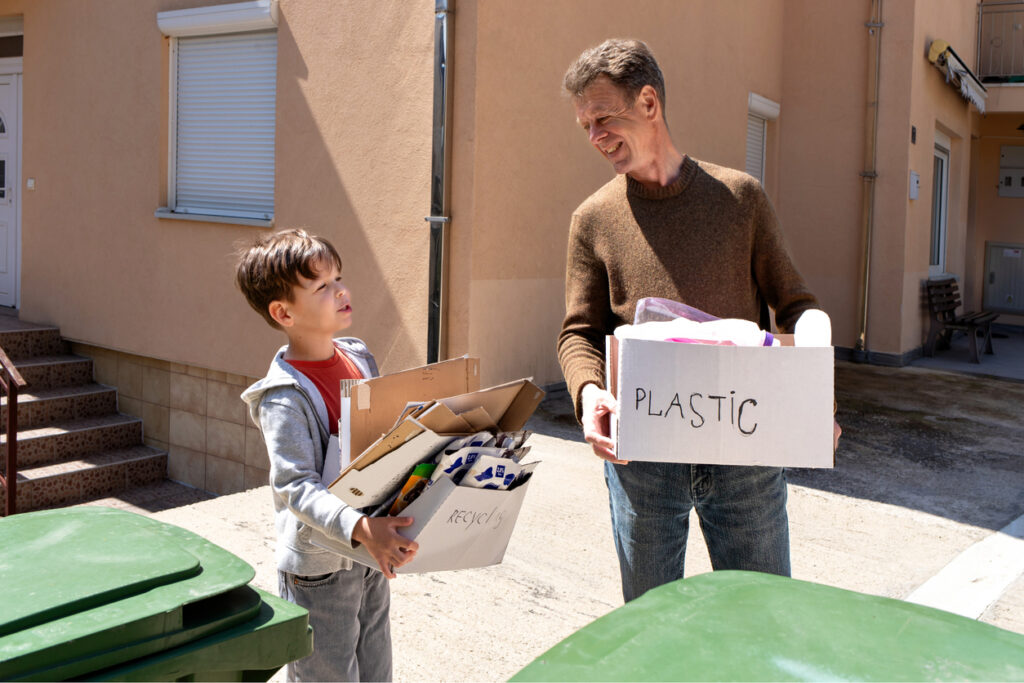
It was easy to think garbage disappeared once someone threw it away or a truck carried it off. Children rarely imagined landfills, waste mountains or overflowing dumps. The question becomes more meaningful now that we see how much the environment absorbs what we forget. What seemed gone was never really gone. The things we throw out, avoid or ignore still exist somewhere and have effects. That childhood curiosity quietly teaches us responsibility. It asks us to be aware of how we treat our surroundings and reminds us that every choice leaves a trace behind whether we notice or not.
6. Why does rain smell so fresh after a hot day

Back then, rain felt magical especially when it arrived after hours of heat. The air suddenly smelled new and clean and it made us want to run outside barefoot. Later on we discovered science behind that scent, yet the wonder never fully disappears. The smell of rain is a reminder of refreshment, renewal and comfort. It is funny how the smallest shift in nature can change the mood of an entire day. That same feeling follows us in life as small changes often bring surprising peace. Sometimes relief comes quietly like rain on dusty ground.
7. What makes a balloon float away
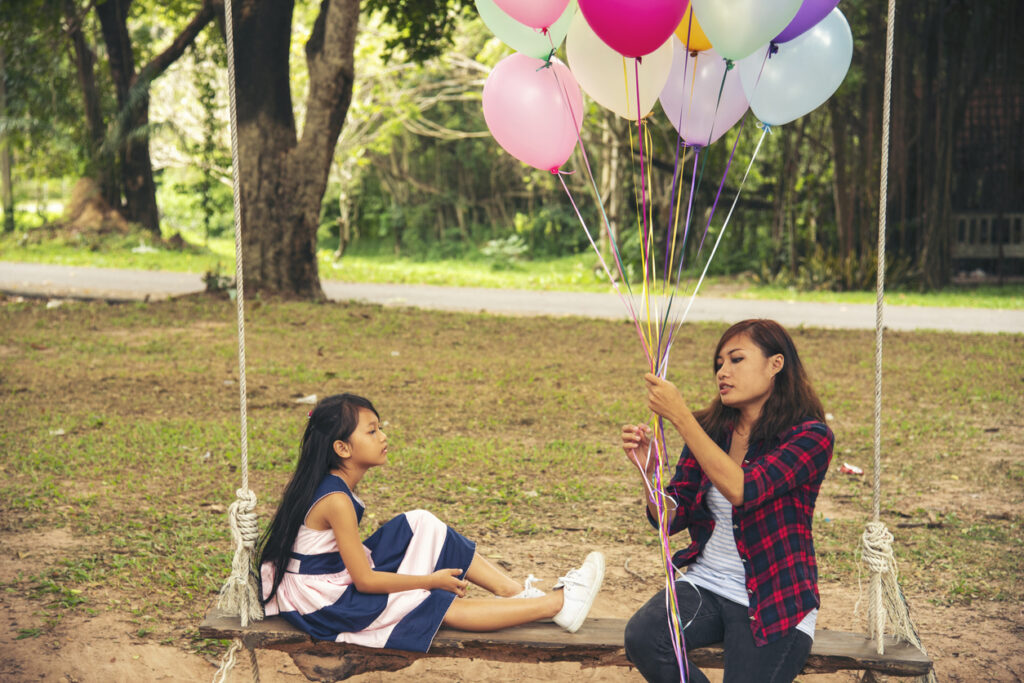
As kids, balloons looked like playful objects with minds of their own, flying upward as though they were chasing the clouds. We learned later that lighter gas makes them float, but the question still carries a simple sense of wonder. Watching something rise after being released feels meaningful even now. It reminds us that letting go can sometimes lift what we are holding on to. Maybe we float in life when we stop forcing everything to stay where it is. That childhood moment with a balloon gently teaches that not everything meant to rise should be held down.
8. Why can we not see the stars during the day

Many of us tried looking for stars in the afternoon sky, hoping they were hiding somewhere close by. It felt unfair that something so bright at night could disappear so easily in daylight. Learning that sunlight simply outshines them reveals how visibility works. Sometimes beautiful things are still present even when we cannot see them clearly. Dreams, faith, opportunities and growth can exist quietly until the right moment comes. The stars never left the sky, and many good things in our lives never leave either. They just wait for darkness to reveal them again.
9. Will dinosaurs ever come back

Children imagine dinosaurs returning and walking down the street as if history might repeat itself in full size. The curiosity came from seeing pictures that made them feel alive. As adults we learn extinction cannot be reversed in the same way, but parts of the past still show up in new forms. Birds, fossils and discoveries keep that history close to us. The question becomes less about bringing something back exactly as it was and more about understanding what remains. Childhood curiosity teaches us to respect what once existed while noticing how life keeps transforming what it leaves behind.
10. Why do we laugh when things go wrong
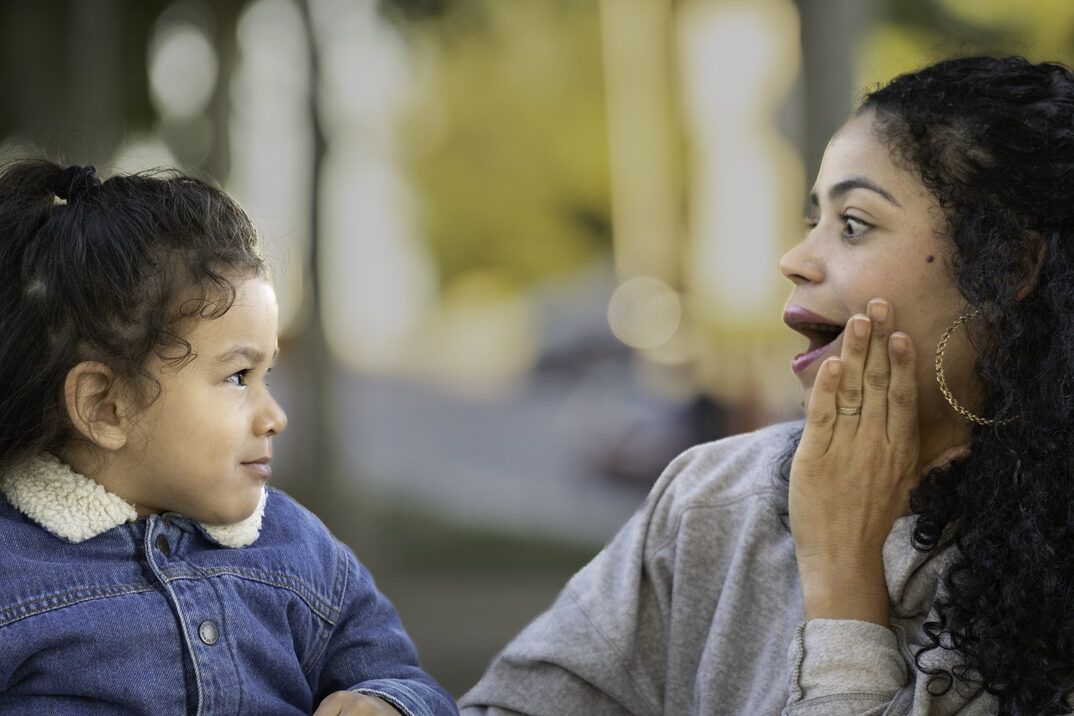
As children, we sometimes laughed after slipping on the floor or dropping something at the wrong moment. We did not think about embarrassment or timing. Laughter just came out as a reaction to surprise or discomfort. Growing up shows that laughter still protects us from pressure, helps us release fear and connects us to others during awkward moments. It is a strange but comforting response that softens heavy feelings. The question stays relevant because it reminds us that humor is not always about jokes. Sometimes it is how we handle human moments that could easily overwhelm us.
11. What exactly makes a perfect day

Kids often think the perfect day involves treats, fun, no chores and endless playtime. As adults, the picture quietly shifts into something calmer. A perfect day might now be waking up in peace, feeling understood, finishing simple tasks or enjoying a warm meal. It becomes less about excitement and more about comfort. The question is still worth asking because what we enjoy continues to evolve as we grow. Childhood dreams of perfection show us how expectations change, yet the desire for happiness remains the same. We just learn to notice simple joys instead of chasing bigger ones.
12. Will we ever stop asking questions like these

This question might be the most lasting one from childhood. Many of us worried about losing our curiosity once we grew older and became busy with routines. Instead, life keeps giving new things to learn, wonder about and revisit. We might not ask the same playful questions out loud, but the instinct to understand our world stays with us. Curiosity becomes quieter but also deeper. It helps us make sense of challenges, choices and memories. Childhood questions were never meant to disappear. They simply matured with us, still guiding how we explore every part of living. Keep asking and keep growing.
This story 12 Questions We Asked as Kids That Still Deserve Answers was first published on Daily FETCH


