
1. Too Futuristic To Fit In
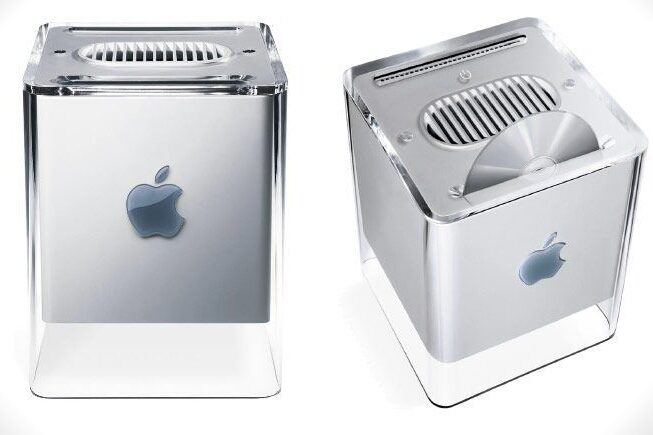
Some gadgets feel like they arrived too early and people were not ready to welcome them. The Power Mac G4 Cube looked like a tiny computer from the future. It was quiet, compact and built with a sleek glasslike shell that turned heads but its premium price and limited upgrade options made it difficult to love. People admired its beauty but struggled to understand why they needed something so advanced. Today, small stylish desktops are everywhere which makes the Cube feel like a pioneer whose audience had not yet learned to appreciate what it offered. Also, this was the first Apple computer which didn’t have a fan, which was an obsession Steve Jobs had his entire professional life since the Apple II which kept burning out with the expansion boards. Timing really matters.
2. The Scanner That Solved Nothing

The CueCat was a funny little device shaped like a toy cat that plugged into the computer and scanned special barcodes in magazines. Its purpose was to take users to websites faster but it felt like extra work to scan a code just to view information already printed on the page. People could simply type what they wanted directly into their browsers. Even though it failed because no one needed it, the idea of linking print to digital experiences later returned through QR codes which are now normal. It just needed a simpler approach to become useful.
3. A Headset That Tried Too Hard
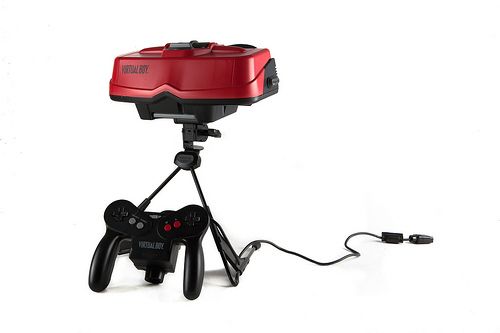
Nintendo’s Virtual Boy promised to take gaming into a strange new world of immersive visuals. It forced players to press their faces into a headset with a red tinted screen that strained the eyes. Instead of feeling futuristic, it felt uncomfortable and confusing. Kids expected fun but ended up with headaches and disappointment. Though it vanished quickly from store shelves, its belief in fully immersive gaming turned out to be a prediction of what virtual reality would become later. It was too awkward and expensive for its time but the idea of seeing games in 3D eventually caught on.
4. A Console With Big Dreams
The Apple Pippin tried to mix entertainment, internet access and computer functions into one box connected to a television. Families expected simple gaming but received something that seemed complicated and unfamiliar. It did not have a strong library of games so it could not compete with more popular consoles. What seemed like confusion at the time turned out to be a blueprint for the interactive streaming systems we use today. Smart TVs and gaming devices now blend learning, browsing and entertainment just like the Pippin attempted. Its failure quietly shaped how modern living room technology works altogether.
5. A Computer That Never Reached Everyone
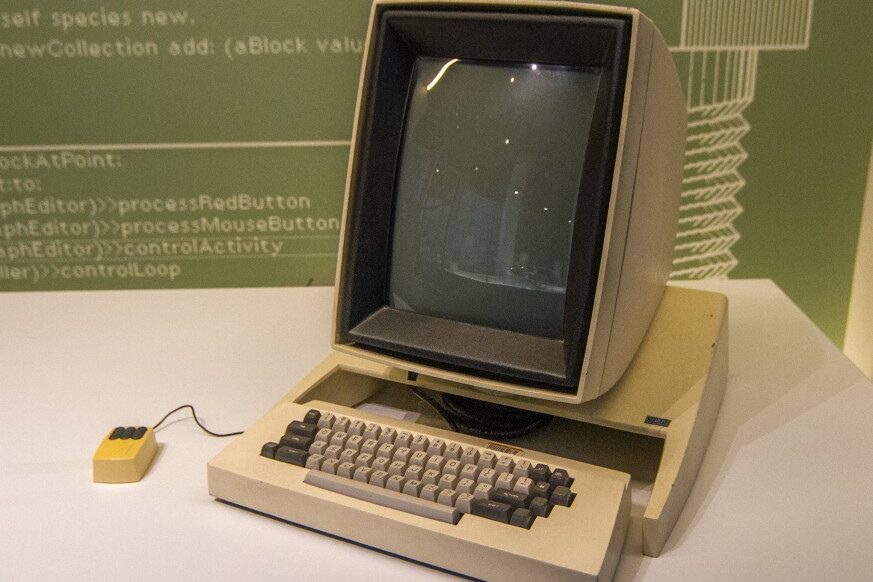
The Xerox Alto introduced the ideas of clicking a mouse, using icons and seeing windows on a computer screen. It looked like something from another era far ahead of the computers people knew. The problem was that it never reached homes or schools so regular users never experienced it. Only researchers and professionals had access to it, so its brilliance lived in the shadows. Today, every computer uses the same basic concepts it introduced. Many people never heard of it, yet it shaped every screen they interact with. Its market failure did not stop its ideas from spreading.
6. A Watch That Lost Its Time
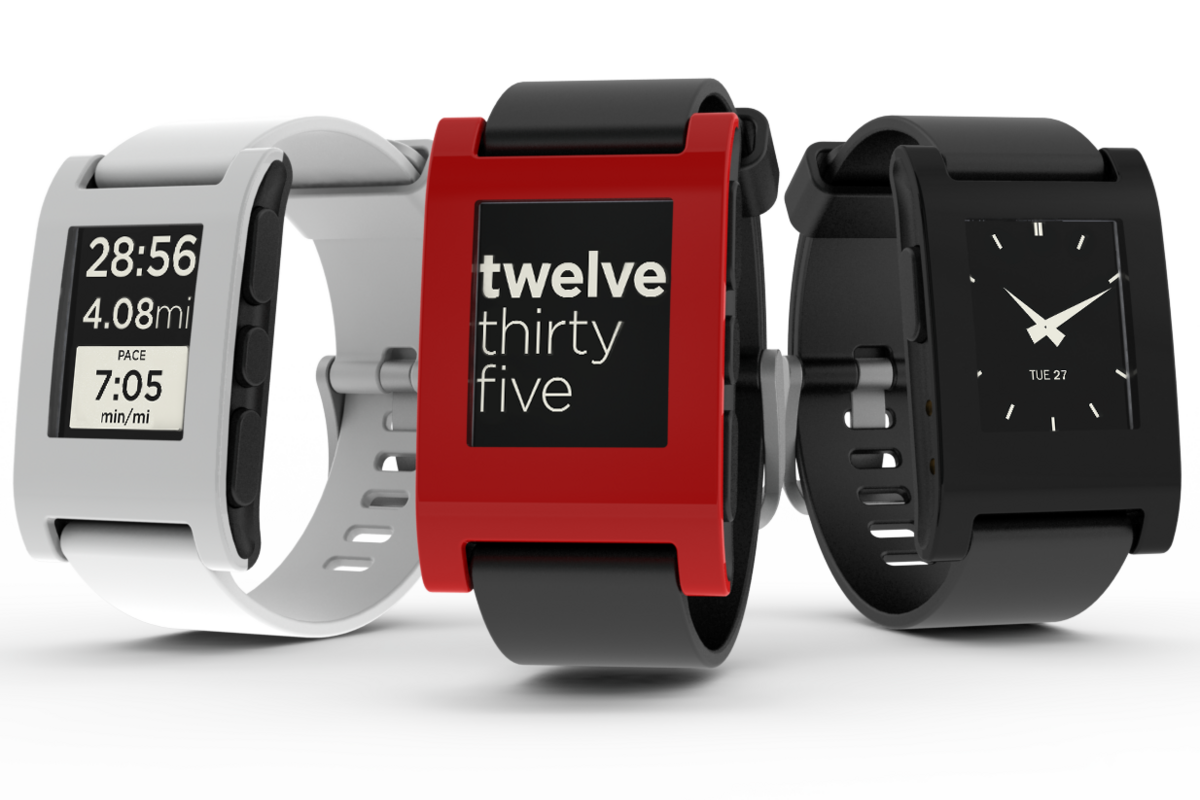
The Pebble smartwatch was loved by early tech fans because it offered notifications, fitness features and customizable screens on the wrist. It looked simple but felt incredibly helpful. Even with loyal supporters, it struggled to compete with bigger companies that entered the same space. Its price was appealing but it lacked the advanced features its competitors quickly offered. As other brands improved battery life and added new sensors, Pebble could not keep up. Still, it showed the world how useful a digital assistant on the wrist could be. Modern smartwatches now follow the path that Pebble created.
7. Organizers That Could Not Stay Relevant
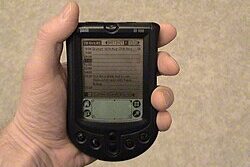
Early personal digital assistants like Palm devices helped people manage schedules, store phone numbers and jot down notes without paper. They were exciting tools at first but slowly began to feel limited as phones grew smarter. Once mobile phones became capable of browsing the web, storing apps and connecting to email, there was no reason to carry two separate devices. The PDA could not evolve fast enough so it quietly disappeared. What once felt like powerful handheld computing simply became a normal feature inside every smartphone. The idea survived even though the gadgets that introduced it did not.
8. Glasses That Arrived Before Society
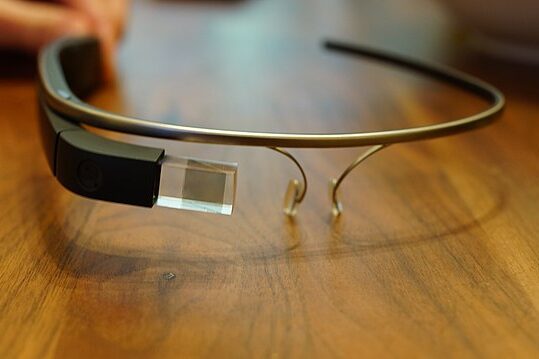
Google Glass attempted something bold by putting a small digital screen in everyday eyewear. It could record video, display directions and access information while the user kept their hands free. However, people felt uncomfortable with the idea of being recorded without their knowledge and the glasses looked strange in public. Instead of being seen as innovative, they became socially awkward and even intrusive. Though it disappeared from daily life, the idea later inspired smart headsets used in factories, surgeries and industry training. Society needed a clearer purpose before accepting wearable screens as helpful instead of unsettling.
9. Boxes That Tried To Smarten Televisions
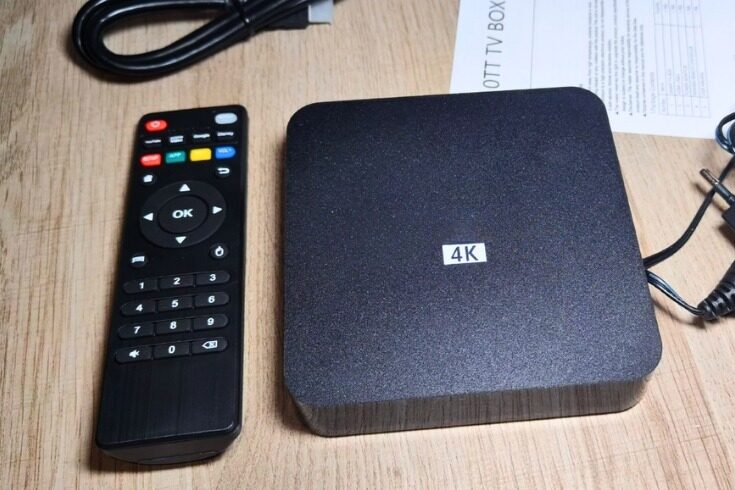
Long before smart TVs existed, companies sold add on boxes that connected televisions to the internet. They promised a new way to browse videos and websites but the experience felt slow and tricky to use. Most people still relied on cable channels and DVDs, so streaming did not feel necessary yet. The devices were ahead of household habits and internet speeds. Even though they failed in stores, their vision became real once streaming became the center of entertainment. Today, televisions come with built in apps that do exactly what those early boxes attempted to introduce too soon.
10. Fitness Devices That No One Believed
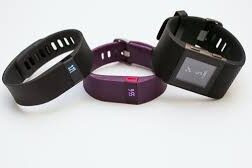
Early wearable fitness gadgets sounded unnecessary when they first appeared. People questioned why anyone needed a small device to track steps, heart rate or sleep. Many early products felt inaccurate, plain or strangely shaped, so users did not trust them. When smartphones later connected to better sensors and apps, people began seeing the value of tracking their health. The idea slowly shifted from pointless to practical. Those early failures showed companies how necessary accuracy and comfort were. What began as an odd trend turned into a normal health tool worn by athletes, busy workers and casual walkers everywhere.
11. A Flying Idea That Never Took Off
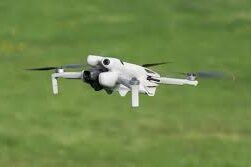
The early mini drone market included ambitious products that promised advanced flight features in devices small enough to fit in one hand. Some never shipped properly, others broke easily and many could not deliver what they advertised. People imagined capturing smooth aerial videos and exploring new perspectives, but they received unreliable machines. Even though the products failed, they inspired a wave of better drones built for photography, travel exploration and even rescue work. A disappointing beginning helped teach manufacturers how important stability, battery strength and camera quality were. Now drones are common tools instead of strange toys.
12. Console Hybrids That Felt Confused
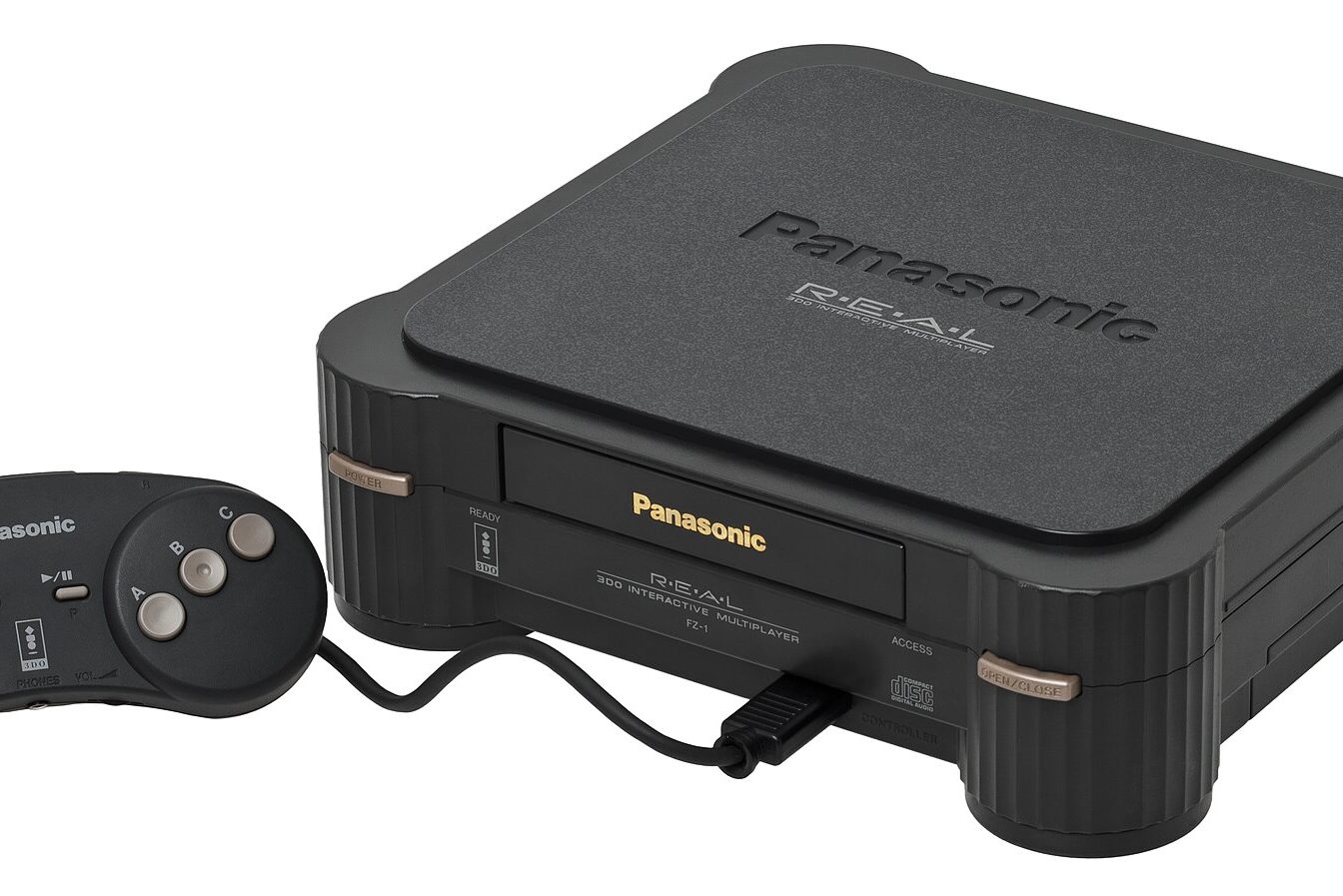
Some early gaming consoles tried to mix internet browsing, computer tools and media playback along with traditional games. They struggled to speak clearly to any audience. Gamers wanted strong titles, families wanted something simple and tech fans wanted advanced controls. Without clear direction, these consoles faded quickly as others focused strictly on play. Their mistakes eventually guided modern systems that now combine streaming apps, voice features, downloads and multiplayer gaming while still prioritizing games first. The unsuccessful hybrids paved the way for successful entertainment platforms. They showed that mixing features could work if gaming stayed at the center.
13. Smart Home Gadgets Before Connectivity
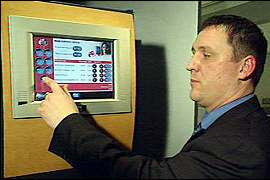
There were early refrigerators, speakers and appliances that tried to connect to the internet before homes were fully ready. Most people did not have strong WiFi or consistent data speeds, so smart appliances felt slow and confusing. Even when they worked, the features seemed unnecessary because users did not see what problems they solved. Over time, faster networks and voice assistants made the same ideas feel useful instead of experimental. The failed inventions helped companies understand that smart home technology would only succeed when convenience became clearer. The dream needed better surroundings before it could flourish.
14. The Apple Newton That Saw Tomorrow
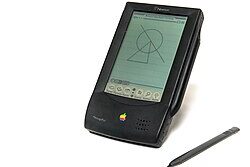
The Apple Newton looked like a chunky handheld notebook that promised digital writing, note storage and mobile thinking long before people were ready for it. Its handwriting recognition felt clumsy and the price kept everyday customers away. Many saw it as an ambitious tool that tried to replace paper too soon. Even though it struggled to succeed, its idea of personal computing in your pocket eventually grew into modern smartphones and tablets. The Newton imagined a world that did not exist yet. Today, we carry the same dream in slimmer devices that finally delivered what the Newton started.
This story 14 Failed Gadgets That Accidentally Predicted the Future was first published on Daily FETCH


