
1. The Wet Nose Belief

Growing up, many of us heard that a dog’s nose must be wet to show good health, and it seemed believable because everyone repeated it so confidently. I once saw a dog owner panic over a dry nose after his pet woke from a nap, convinced something was wrong. A dog’s nose can be dry for many harmless reasons like waking up, being in warm weather, or simply having a natural texture. Instead of focusing on how wet or dry a nose feels, it is wiser to pay attention to appetite, behavior, playfulness, and overall energy because those signs reveal more.
2. Dogs Only Eat Grass When Sick
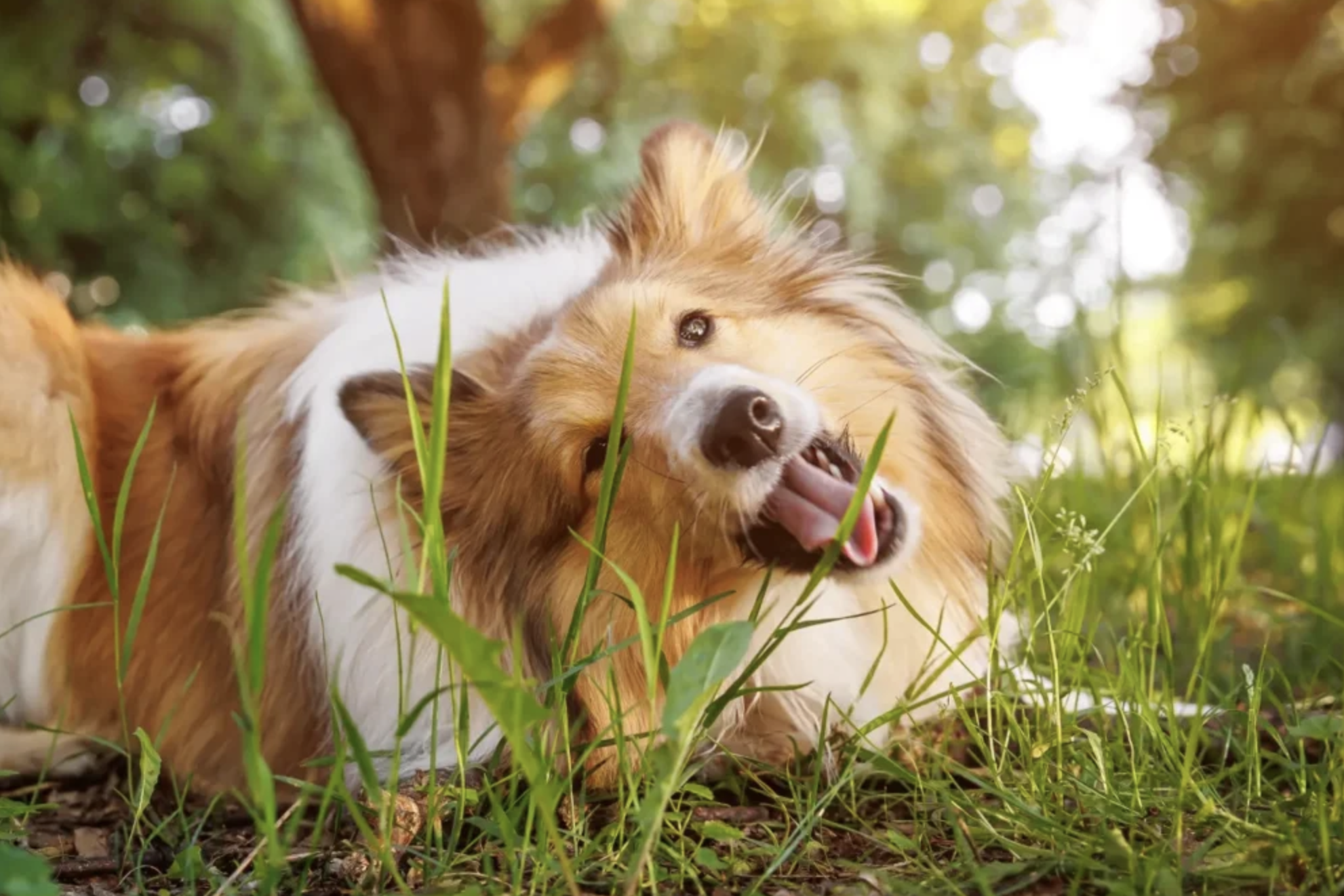
Most people see a dog chewing on grass and immediately assume something is wrong, as if the dog is trying to fix its own stomach troubles. The sight alone can make anyone nervous, especially if a dog spits it out or vomits afterward. However, eating grass is also a curious and playful behavior that many dogs simply enjoy. Some chew it for taste, texture, or entertainment, not because they feel ill. While constant grass eating could signal digestive discomfort, occasional nibbling is completely normal. Dogs explore their world through their mouths, and sometimes grass is just part of their discovery.
3. Purring Always Means Happiness

A cat’s purr is often seen as a symbol of comfort and love, making it easy to assume they purr only when happy. I used to think my cat purred solely because she enjoyed her cozy spot beside me. While purring can show contentment, cats also purr when stressed, in pain, or trying to calm themselves. It is a natural self soothing behavior, not just a sign of joy. If a purring cat hides, avoids food, or acts worried, that purr may carry a different message. Paying attention to posture, eyes, and movement helps understand their feelings better.
4. Cats Always Land on Their Feet
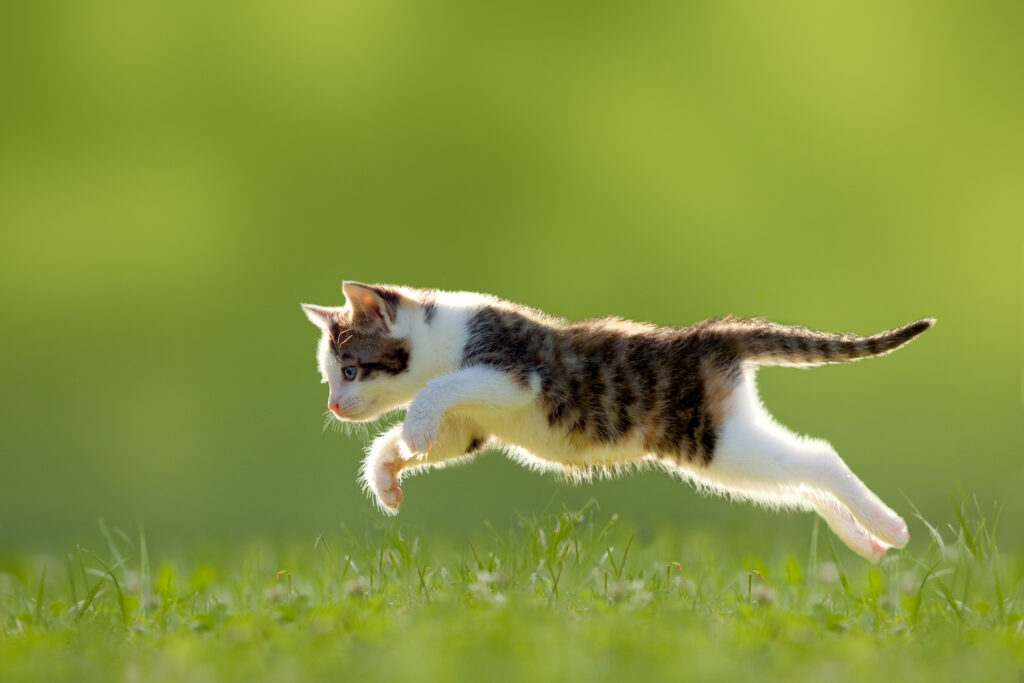
People love to repeat the idea that cats never get hurt when they fall, as if their bodies always know how to land perfectly. It sounds magical, especially because cats are flexible and skilled at twisting midair. Yet accidents still happen because their reflexes are not flawless. Cats can slip, misjudge height, or fall awkwardly from tall places like windows, balconies, or high shelves. Injuries are common when owners believe the myth and leave dangerous spaces unprotected. Cats are talented, but not invincible, and they still need safe environments that reduce risky falls instead of relying on instinct alone.
5. Dogs See Only Black And White

Many people imagine dogs living in a dull world where everything looks gray, and that idea has been passed around for years like common knowledge. Although their vision is not as vibrant as human vision, dogs do see color. They mainly pick up shades of blue and yellow, while colors like red appear muted. This limited color range means they experience a softer, simpler version of what we see, but certainly not pure black and white. Knowing this helps when choosing toys, training tools, or objects they need to find quickly, since bright blue or yellow stands out clearly.
6. Hugging Always Makes Dogs Happy

Hugging feels like love to humans, so it is easy to assume our pets feel the same warmth when we squeeze them tightly. Many people hug their dogs thinking it is comforting, but some dogs feel trapped instead of cherished. A dog may tolerate a hug without enjoying it, and their body language can reveal discomfort through stiffness, turning away, or trying to escape. Dogs communicate affection differently, preferring gentle touches, space, or calm closeness. Respecting their boundaries shows care. Offering pets attention in ways they actually enjoy strengthens trust more than assuming the human version of affection works.
7. A Dog’s Mouth Is Cleaner Than a Human Mouth
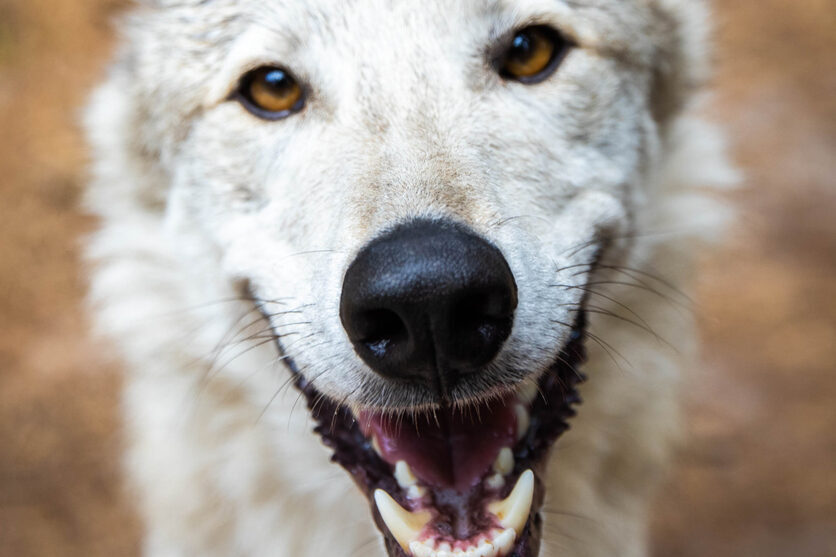
Some people claim dogs have cleaner mouths just because they lick wounds or because it seems natural when they groom themselves. Although their saliva has helpful properties, it does not mean their mouths are sanitized. Dogs explore the world with their tongues, licking floors, toys, shoes, and random objects outside. Their mouths contain bacteria suited to their bodies, not cleaner than ours, just different. A few dog kisses are usually harmless for owners, but it is still smart to avoid letting dogs lick wounds or get too close to sensitive areas. Good dental care keeps them healthier overall.
8. Pets Can Skip Yearly Checkups If They Look Fine
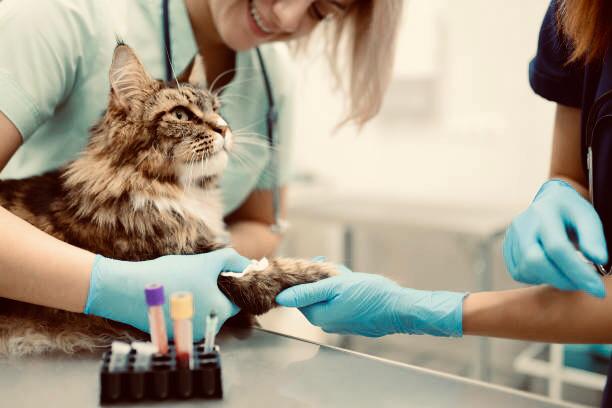
It is easy to believe a pet is perfectly healthy just because they eat, play, and seem energetic. Many animals naturally hide pain or discomfort, which makes illnesses harder to notice in early stages. Waiting until symptoms appear can lead to bigger health problems that are harder and more expensive to treat. Regular checkups help detect hidden conditions and support preventive care like screenings, vaccinations, and dental checks. Even if a pet appears completely normal, yearly visits build long term health protection. A healthy looking pet deserves consistent care so small issues never have the chance to grow bigger.
9. Feeding Pets Table Scraps Is No Big Deal
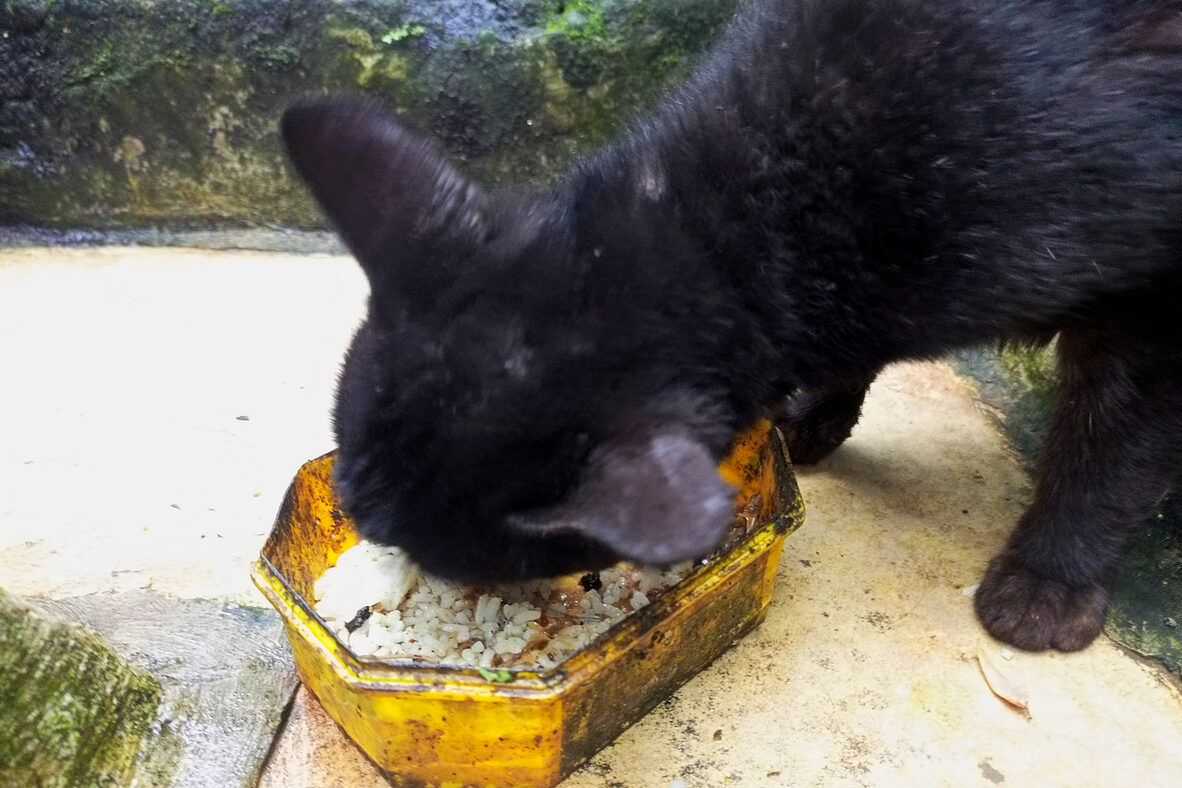
Sharing food from the table feels like kindness, especially when pets stare with hopeful eyes. Many think a small scrap cannot do harm, but human meals often contain ingredients that upset pet stomachs. Bones, fatty meats, chocolate, seasonings, and salty foods can cause pain, choking, or serious digestive trouble. Pets do not understand the risks, so it is our job to protect them from foods that seem harmless. Using treats specifically meant for pets keeps them safe and still makes them feel included. Feeding with care shows love more than giving in to those irresistible begging eyes.
10. Female Pets Should Have Babies Before Being Spayed
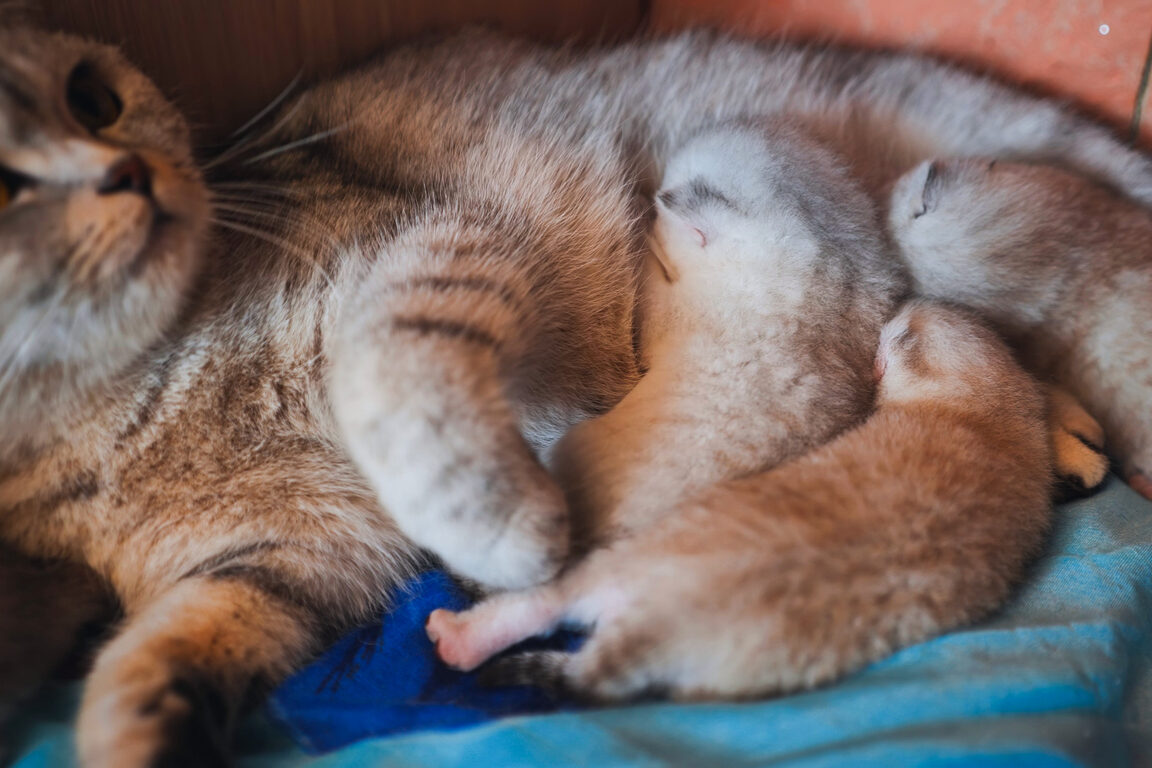
Many people believe that letting female pets have at least one litter keeps them healthier or happier. It sounds nurturing, yet it does not improve behavior, personality, or physical wellbeing. Spaying before breeding age can actually prevent certain diseases and reduce stress caused by heat cycles. It also supports reducing overpopulation, which leads to many abandoned animals in shelters. Having babies does not create a more complete pet, it simply adds unnecessary risks. Choosing to spay responsibly protects their long term health. Caring for a pet means giving them safety, not forcing motherhood as a requirement for love.
11. Fleas And Ticks Are Only Warm Weather Problems

Many owners assume pest problems disappear once cold weather arrives, making them relax on prevention during winter. What they may not realize is that fleas and ticks can survive indoors and continue causing trouble even when temperatures outside drop. Pets can bring pests inside from short walks, shared spaces, or contact with other animals. Once inside, these insects can reproduce and spread. Consistent prevention matters more than seasonal guessing because infestations are harder to eliminate than they are to prevent. Using recommended treatments throughout the year protects pets and homes from discomfort, disease, and unnecessary stress caused by pests.
12. Rabbits Should Eat Lots Of Carrots
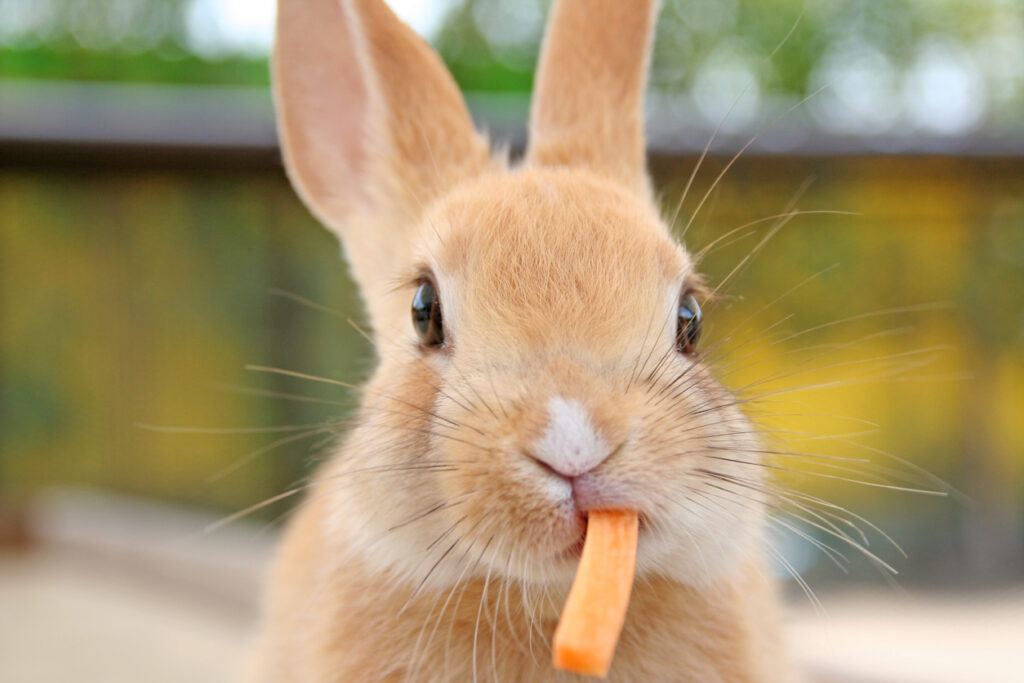
Because cartoons show rabbits chewing carrots endlessly, many people assume carrots are a primary food for them. In truth, rabbits should eat mostly hay to support digestion and protect dental health. Carrots contain natural sugar and should only be small, occasional treats. Too many sugary foods can cause digestive issues or tooth problems. Fresh leafy greens, hay, and clean water are the foundation of a healthy rabbit diet. While a carrot now and then is fine, it should never replace real rabbit nutrition. Caring for rabbits means choosing what benefits them instead of following famous fictional images.
13. Cats Can See in Total Darkness
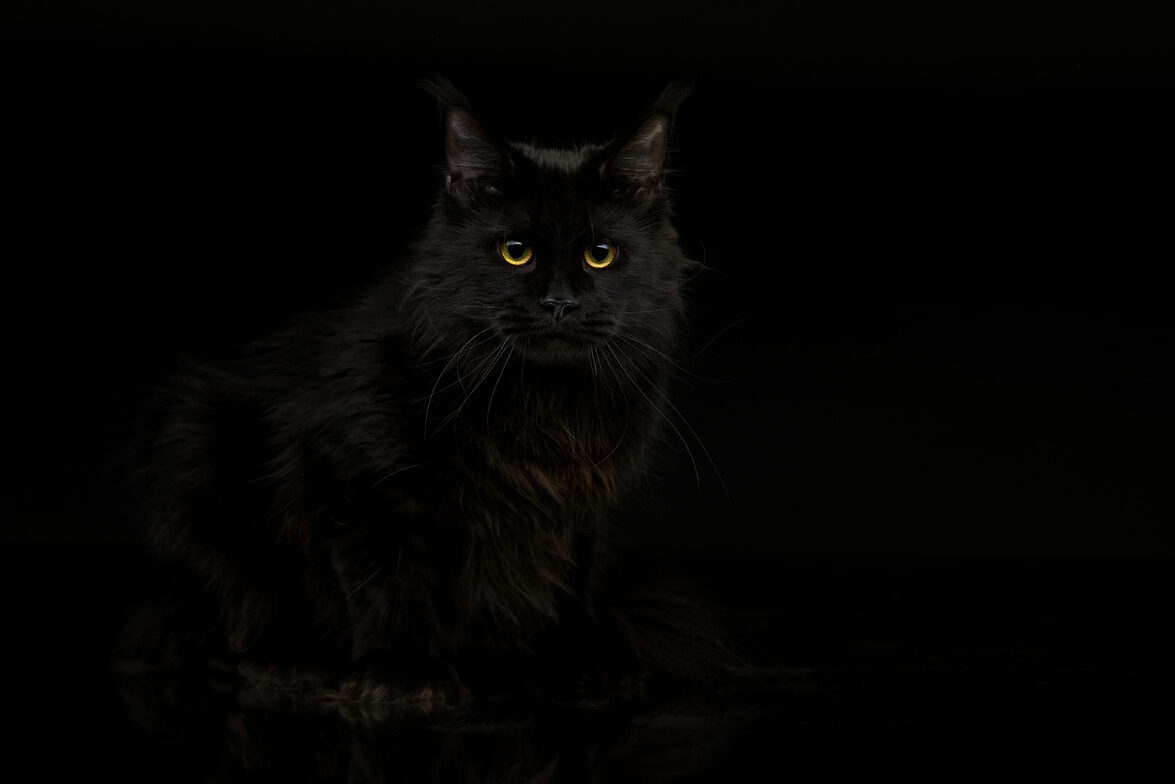
Cats are known for their impressive night vision, leading many to think they can see perfectly in complete darkness. It is true that cats see far better than humans in low light because their eyes adjust quickly and reflect light efficiently. Yet they still need at least a little bit of light to see clearly and navigate safely. In total darkness, they rely on more than sight. Their strong sense of hearing and the sensitivity of their whiskers help them detect movement and objects around them. Cats are skilled night explorers, but they still follow the same natural limits.
14. One Dog Year Equals Seven Human Years

The idea that one dog year equals seven human years sounds simple, making it easy for people to accept and repeat. While it tries to explain how fast dogs age, the formula is not accurate. Dogs mature differently depending on breed, size, and genetics. Larger dogs age more quickly than small dogs, and puppies develop rapidly in early life stages, making one number impossible to apply to every dog. Understanding a dog’s needs based on their unique growth helps provide the right care. A general rule will never describe every dog. Paying attention to their specific stage matters most.
15. A Warm Pet Nose Means Illness

Owners often worry when their pet’s nose feels warm, assuming a fever or serious illness is developing. Nose temperature naturally changes throughout the day depending on sleep, environment, activity, or simple dryness. A warm or dry nose alone is not a reliable sign of sickness. What gives better clues are changes in behavior like reduced energy, vomiting, poor appetite, unusual posture, or visible discomfort. Focusing on the whole pattern rather than one feature prevents unnecessary panic. A nose is only one small part of the body and does not tell the full story about how a pet feels overall.
16. Older Pets Cannot Learn New Tricks

People often think training only works when pets are young, assuming older animals are too set in their ways to learn. Age does not take away the ability to understand new commands or behaviors. Older pets can still learn when training is consistent, positive, and patient. Teaching them keeps their minds active and strengthens the bond between pet and owner. Learning also boosts their confidence and prevents boredom. Instead of assuming age is a limitation, it helps to see training as enrichment. A pet that wants to learn can still grow, no matter how young or old they are.
17. Cats Hate Water Without Exception
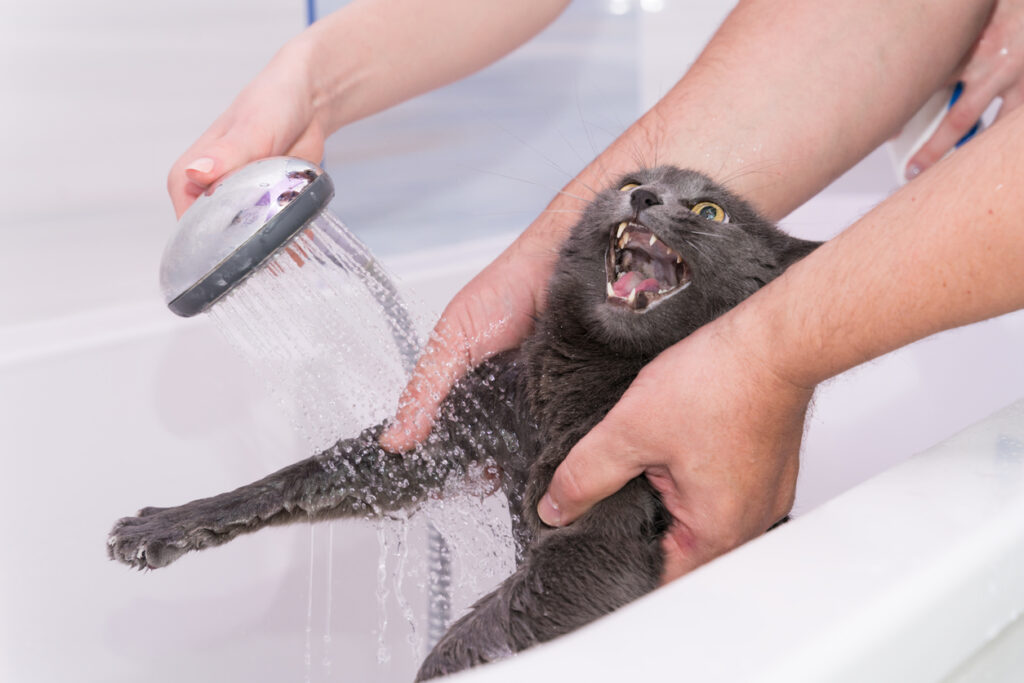
Many people assume every cat avoids water and panics at the thought of getting wet. While plenty of cats dislike bathing or being splashed, not all of them feel the same. Some cats enjoy playing with running water, dipping their paws, or watching sinks and faucets closely. Certain breeds are even more comfortable around water. A cat’s preference depends on personality, experience, and curiosity. Respecting their comfort is important, but it is good to remember that not every cat fits the stereotype. Treating them individually instead of assuming one behavior for all helps them feel understood and secure.
18. A Yard Replaces Exercise For Dogs

A big backyard seems like a perfect playground for dogs, leading owners to believe outdoor space is enough exercise. Although running around the yard is helpful, it does not replace mental stimulation, social interaction, and structured walks. Dogs need varied experiences, smells, and environments to stay engaged. A yard provides space, but routines like walking, training, and playtime keep them emotionally and physically satisfied. Without stimulation, dogs may become bored, anxious, or destructive even with plenty of space. A yard is a bonus, not a substitute. Real exercise includes connection, discovery, and shared activities that support healthy behavior.
19. Trendy Pet Foods Are Automatically Healthier

Fancy packaging and appealing labels make certain pet foods seem superior, especially when they resemble human meals. It is easy to assume the most expensive or trendy food must be the best choice. Yet what matters most is nutritional balance, not marketing claims or ingredient glamour. Pets have different dietary needs depending on age, size, and health conditions. The most popular product may not match their requirements. Choosing food based on hype can ignore what your pet’s body truly needs. Good nutrition supports development and long term health, and informed decisions protect pets better than following fashionable food trends.
20. Tail Wagging Always Means Happiness

A wagging tail often looks cheerful, making people think every wag expresses excitement or friendliness. Dogs use their tails to communicate many feelings, including nervousness, alertness, curiosity, or uncertainty. The direction, speed, and posture of the tail all carry different meanings. A stiff or slow wag might show discomfort, while a relaxed body with a playful wag shows joy. Observing the whole body gives a clearer picture than focusing on the tail alone. Understanding their signals builds trust and safety. Knowing these truths helps us love our pets responsibly. If this changed how you see them, share it with another pet owner.
This story 20 Pet Myths Everyone Repeats and What Vets Actually Say was first published on Daily FETCH


