
1. Cap’n Crunch Bo’sun Whistle
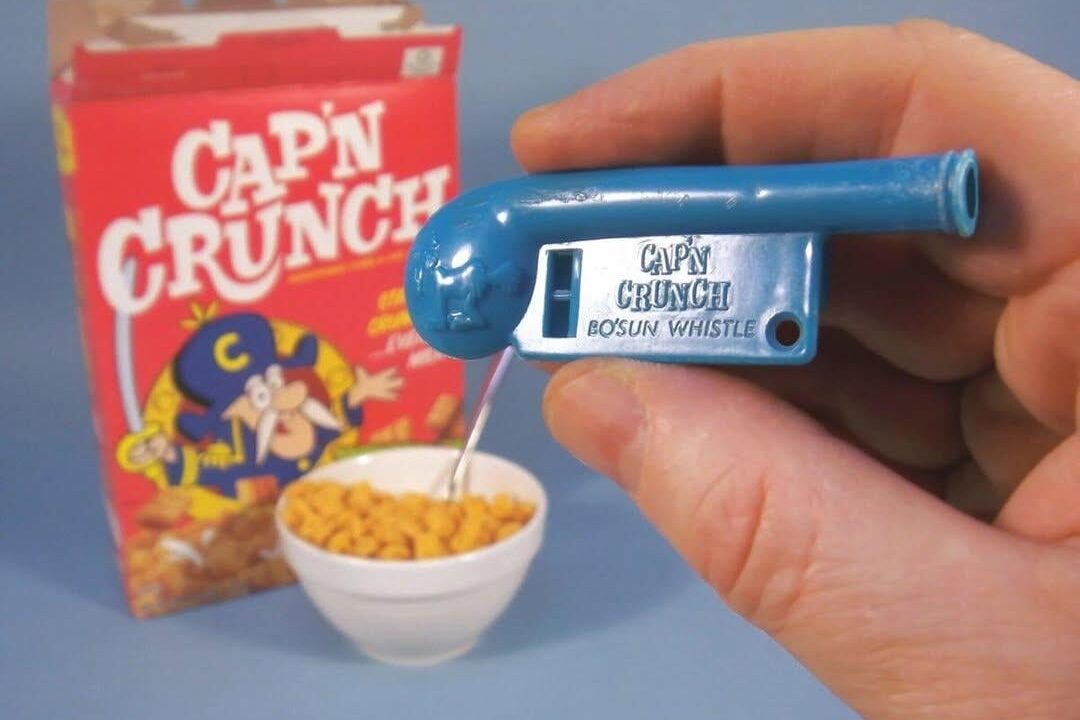
Distributed in the early 1970s in Cap’n Crunch cereal, this simple plastic whistle became one of the most infamous cereal box prizes in history. It was designed to mimic a boatswain’s whistle, or “bo’sun” whistle, to fit the nautical theme of the cereal mascot. Due to a manufacturing quirk, the whistle could, when played correctly, produce a 2600 Hz tone. This frequency was a specific tone used by the phone system at the time, and some hobbyists famously discovered that it could be used to trick payphones into allowing free long-distance calls, demonstrating a surprising real-world consequence for a simple plastic toy.
2. Lone Ranger Secret Compartment Ring
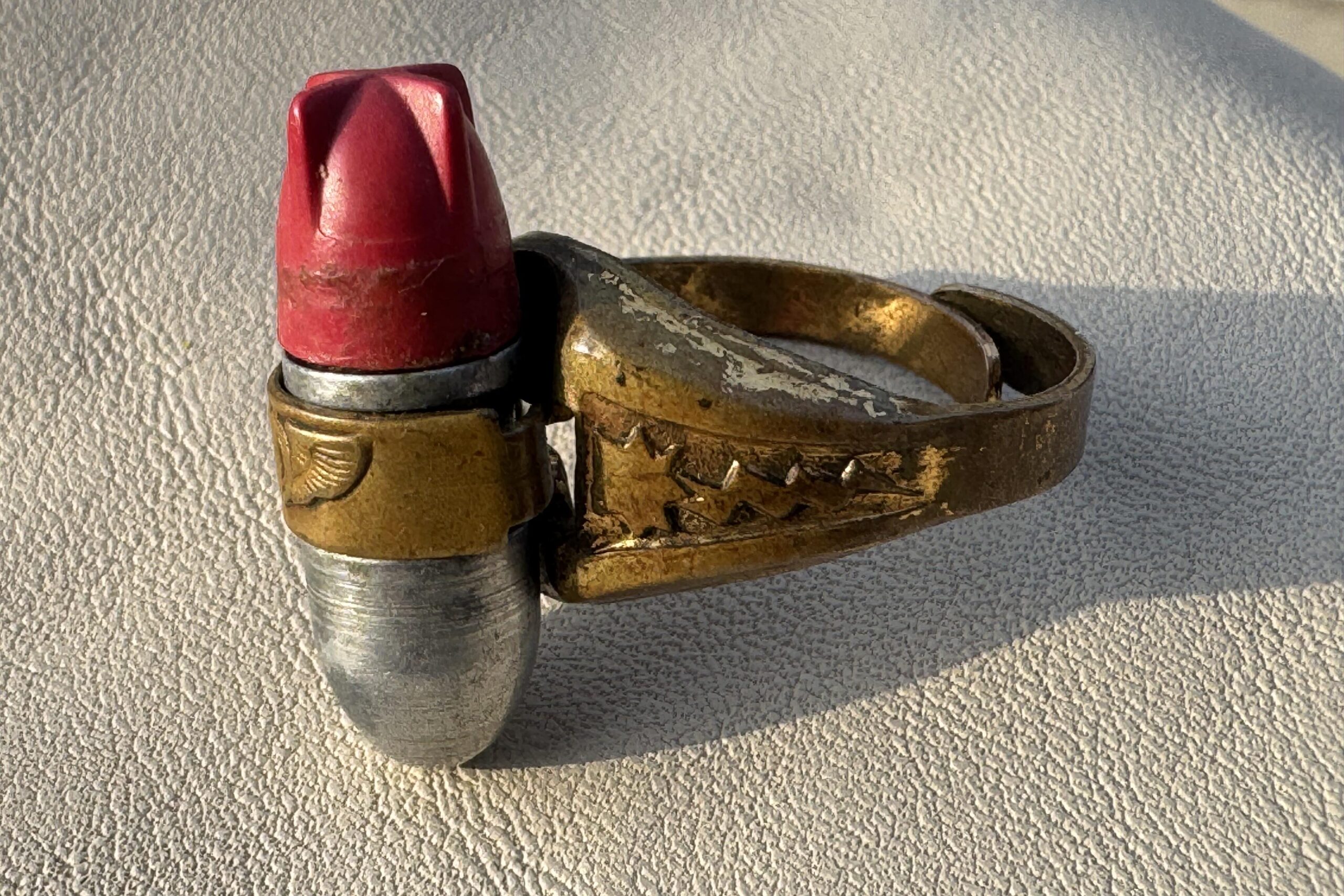
A popular premium in the late 1940s and early 1950s, this metal ring from General Mills’ Kix cereal captured the imagination of children everywhere. It featured a small, detachable face (often depicting the Lone Ranger) that lifted to reveal a secret compartment underneath. Kids could use this tiny space to hide a rolled-up note or picture, making them feel like a genuine secret agent or member of the Lone Ranger’s team. This ring epitomized the era’s fascination with radio-show tie-ins and the enduring allure of a secret hidden in plain sight.
3. Captain Midnight’s Decoder Rings
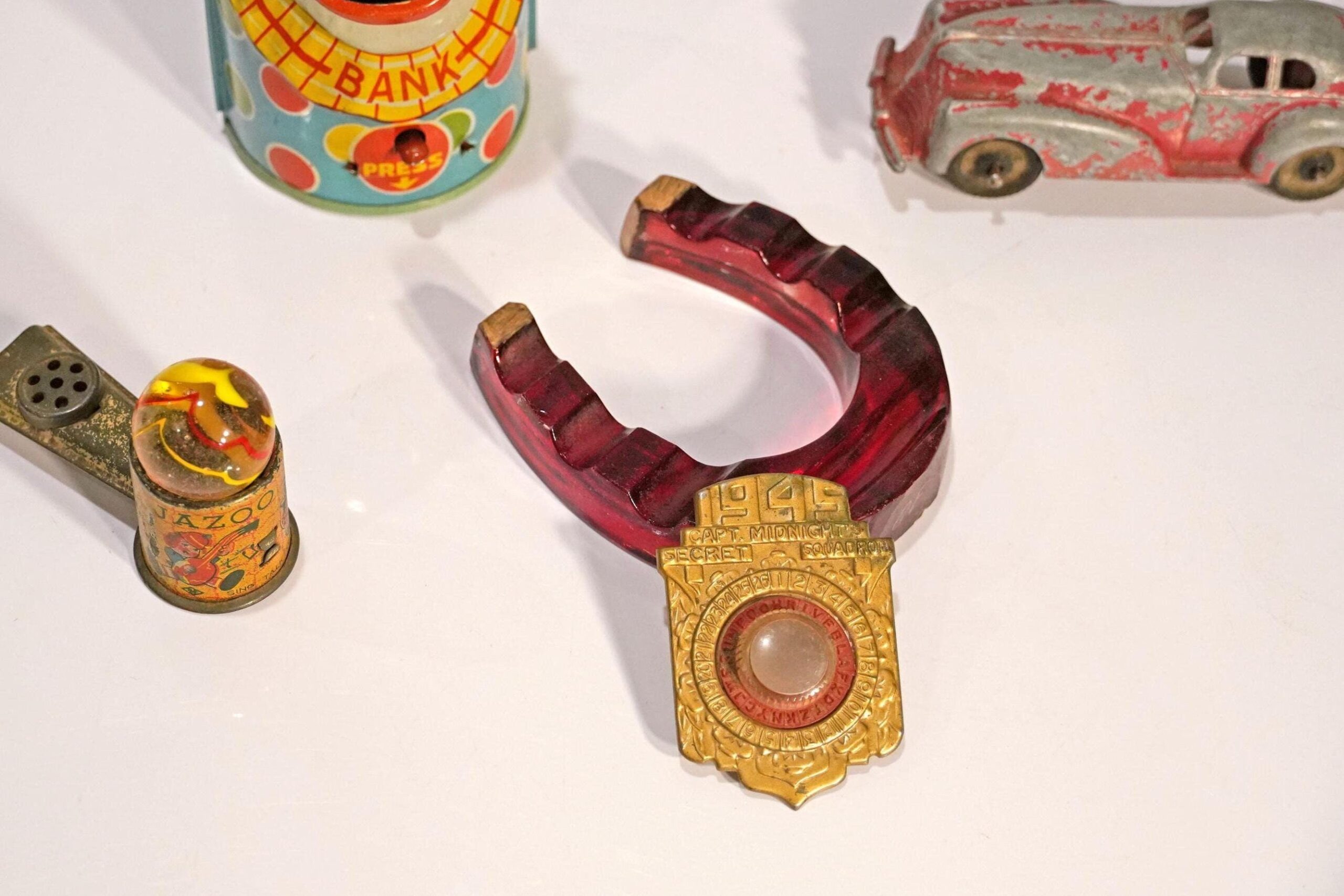
A staple of the “Golden Age” of cereal premiums, these rings were offered by Ovaltine (though often associated with cereal campaigns) and General Mills’ Kix in the 1940s and 50s. They were tie-ins with the popular Captain Midnight radio program and later, the TV show. The rings weren’t just jewelry; they were functional tools that allowed young fans to decode secret messages broadcast during the program. The excitement of transcribing a seemingly gibberish cipher into a real message made these rings one of the most interactive and collectible prizes of all time.
4. Funny Jungleland Moving Pictures Book
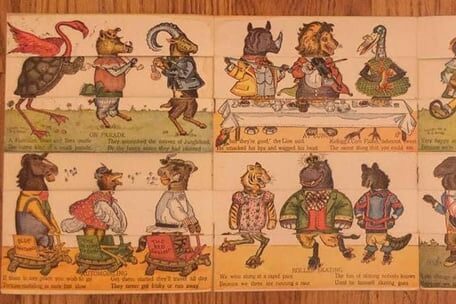
The original cereal prize, offered by Kellogg’s Corn Flakes starting in 1909, wasn’t initially inside the box, but was a mail-in offer for a dime and proof of purchase. This was a 32-page booklet that featured colorful, whimsical illustrations of animals and included hinged panels that allowed children to mix and match the heads, bodies, and feet of the creatures, creating humorous ‘moving pictures.’ The campaign was wildly successful, distributing over 2.5 million copies by 1912, proving that a unique premium could significantly boost cereal sales and establish a powerful marketing blueprint for the future.
5. Kellogg’s Pep Pin-Back Buttons
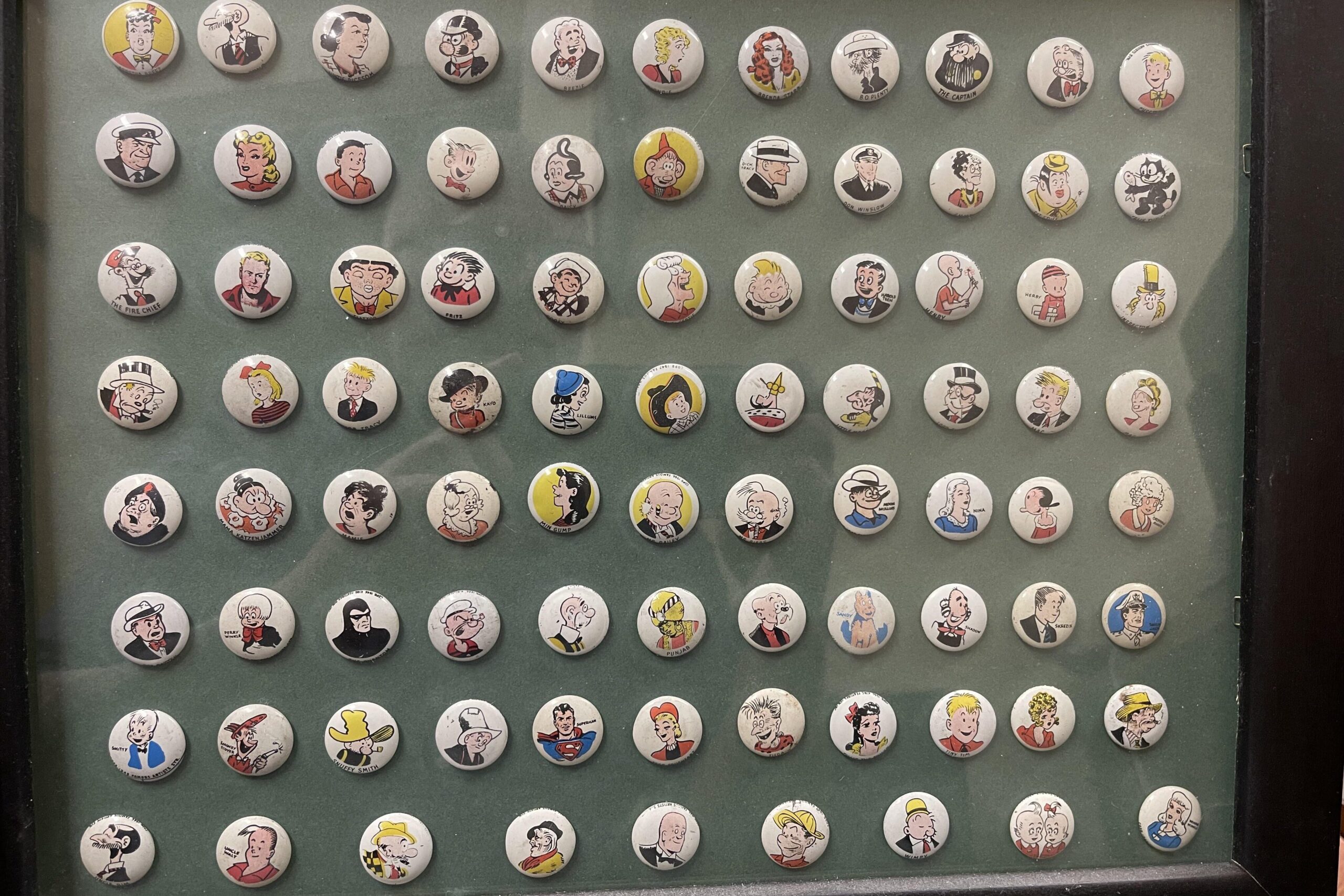
During World War II, Kellogg’s offered collectable pin-back buttons in every box of Pep cereal, starting in 1945. This premium was an early, widespread example of collectible character merchandising. The pins featured various designs, including U.S. Army squadron insignia and, more famously, characters from newspaper comic strips like Dick Tracy, Little Orphan Annie, and The Lone Ranger. With numerous sets released over time and 18 different buttons in each set, the pursuit of a complete collection drove immense brand loyalty among children and young adults.
6. Wacky WallWalkers
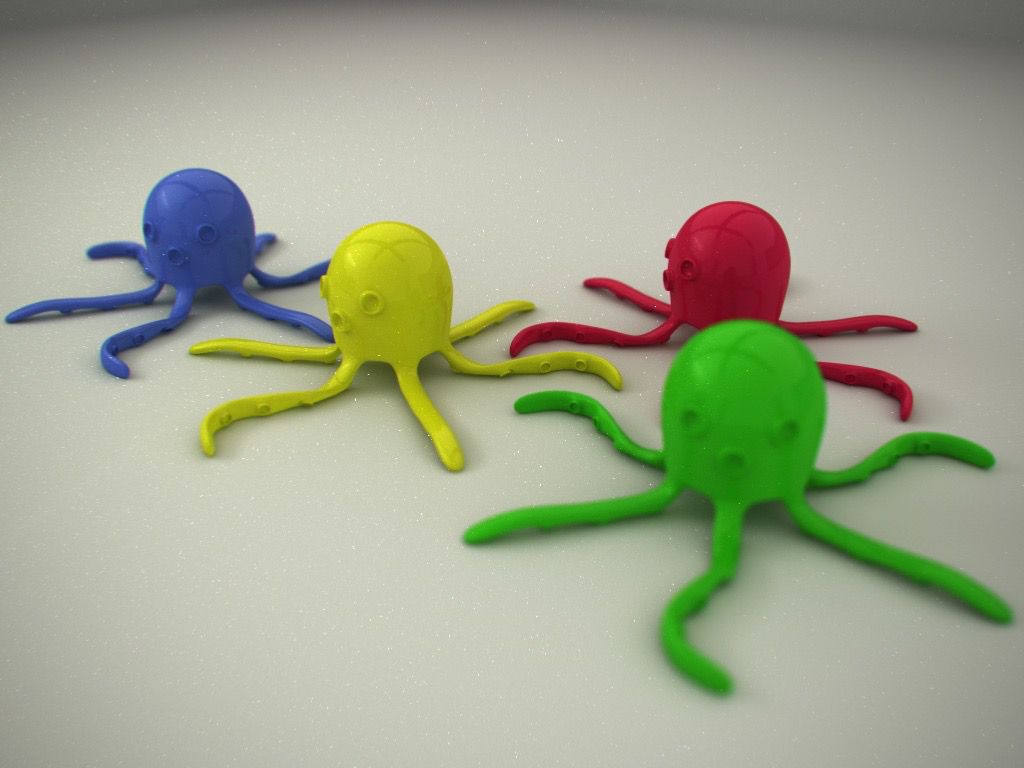
A massive fad of the mid-1980s, the Wacky WallWalker was a sticky, octopus-shaped plastic toy that was famously included in Kellogg’s cereals like Froot Loops and Rice Krispies in 1986. When thrown onto a vertical, smooth surface, the toy’s pliable, high-tack rubber legs would sequentially ‘unstick’ and ‘restick’ to the surface, causing it to “walk” down the wall. Its inclusion in cereal boxes brought the popular novelty item to millions of homes, making it one of the most coveted prizes and leading to countless attempts to retrieve the toy from the deepest crevices of a bag of cereal.
7. 3D Baseball and Football Cards
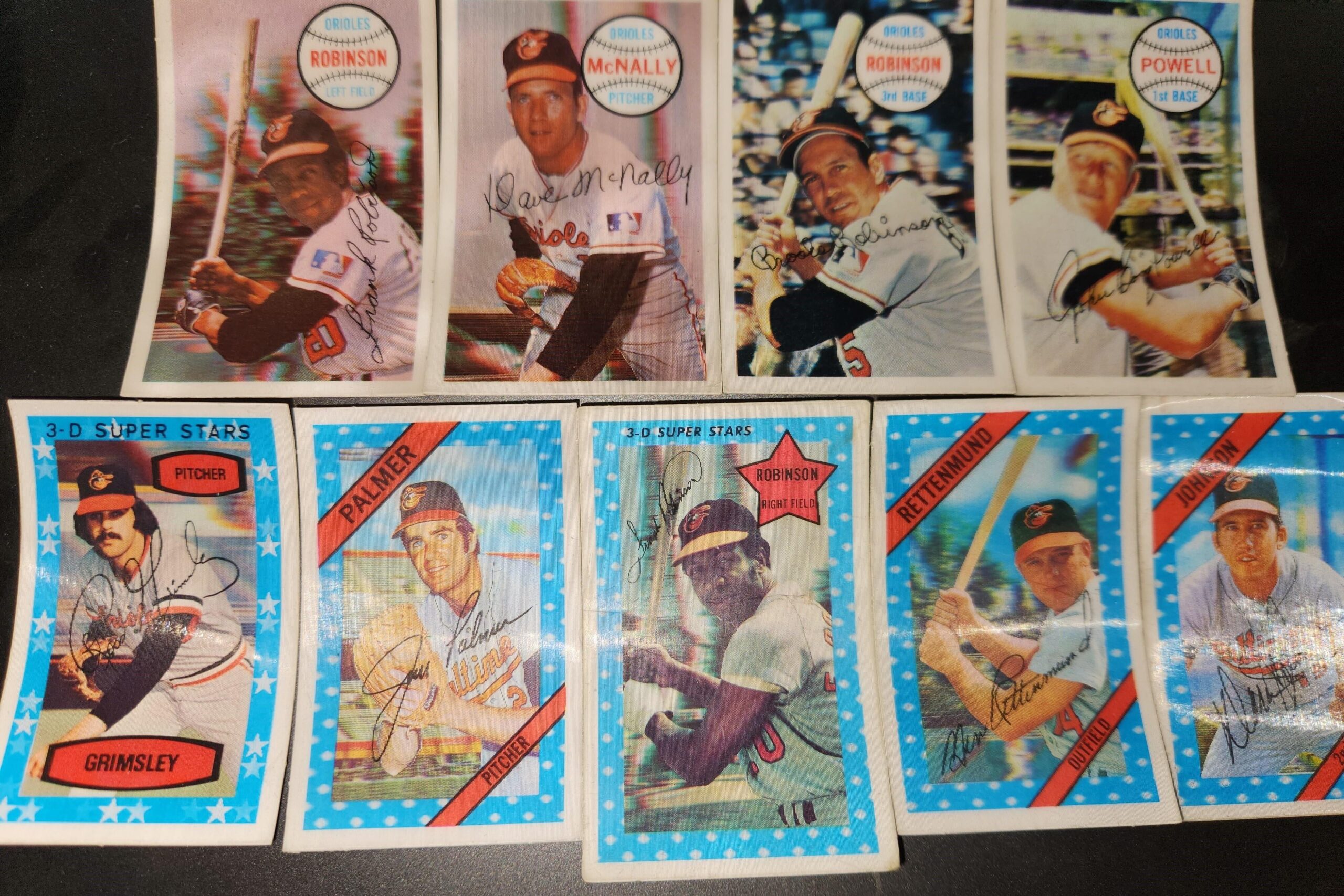
From 1970 to 1983, Kellogg’s cereals, primarily Corn Flakes, included collectible 3D sports cards produced by Optigraphics. These were unique because they used lenticular printing—a technology that allows an image to appear to have depth or even animation—to make the players look three-dimensional. Collecting the full series of Major League Baseball or NFL players, often featuring star athletes of the era, was a major pastime, offering a high-quality, memorable, and enduring collectible that rivaled traditional trading cards.
8. Star Wars Posters
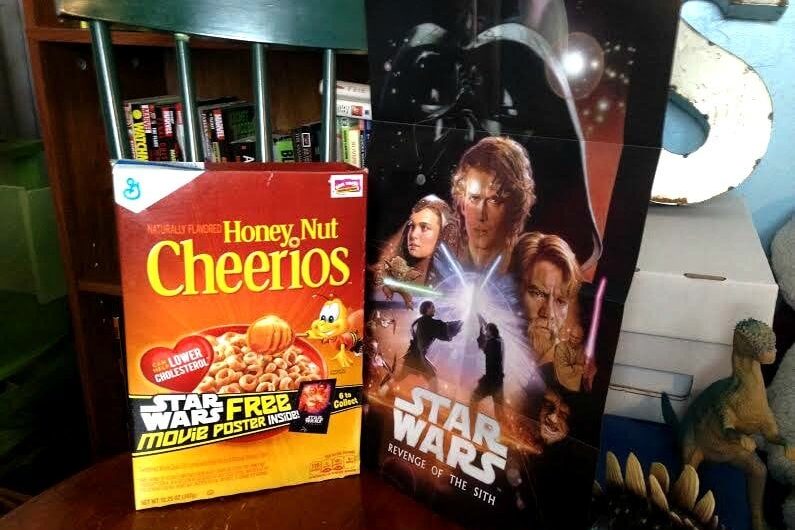
General Mills leveraged the enduring popularity of the Star Wars saga by including exclusive movie posters in boxes of cereal like Cheerios and Cinnamon Toast Crunch, particularly during the lead-up to new film releases, such as the special edition releases in the 1990s and The Force Awakens in 2015. These premiums were often folded, perforated sheets that featured high-quality artwork, character collages, or movie scenes. They were a simple but effective way to tap into a huge pop-culture phenomenon, turning a breakfast box into a direct tie to a blockbuster franchise.
9. Freakies Cereal Figures
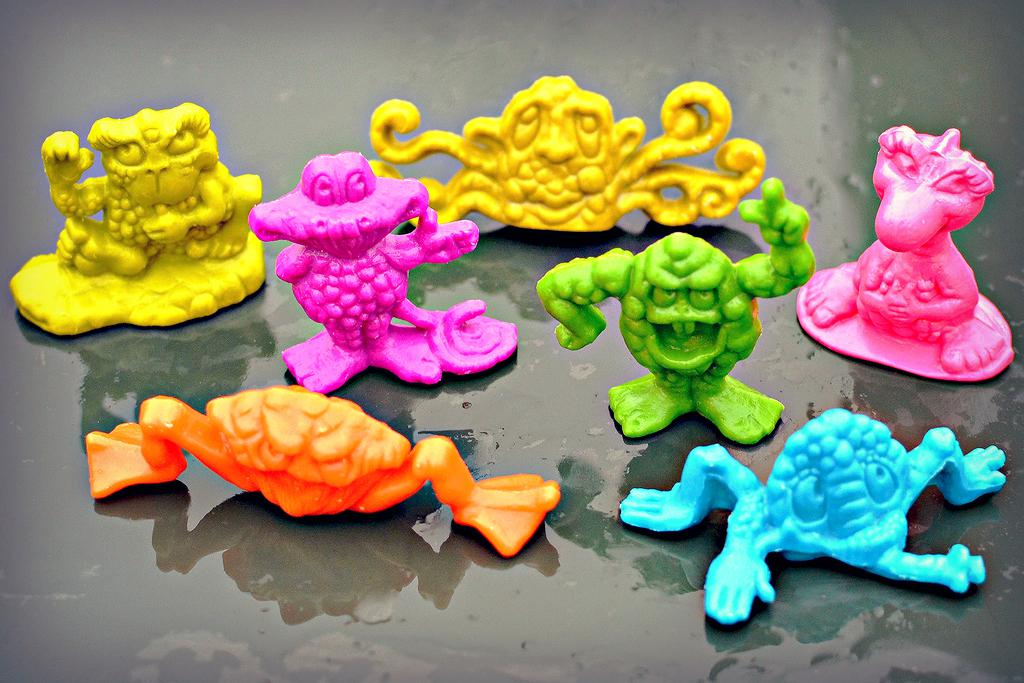
In the 1970s, Ralston’s short-lived Freakies cereal offered a set of seven highly collectible plastic figures, each representing one of the cereal’s monstrous, yet friendly, mascots (Boss Moss, Grumble, etc.). The cereal was heavily promoted with television commercials showing the quirky monsters living in a “Freakies Tree” and searching for their favorite food. The plastic prizes were detailed, colorful, and unique to the brand, encouraging children to collect all seven characters, and they have since become highly sought-after vintage collectibles.
10. Dinosaur Egg Watchers (Dino Eggs)
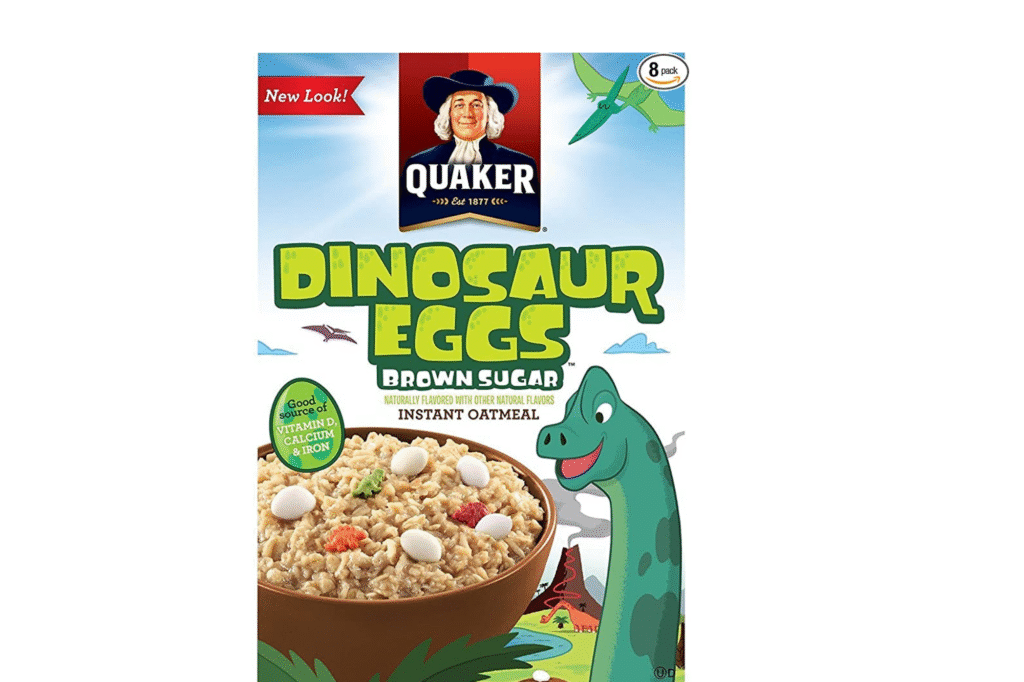
Quaker’s Dinosaur Eggs instant oatmeal, introduced in the 1990s, became a beloved breakfast favorite thanks to its fun, interactive twist. The oatmeal featured small, candy-coated “eggs” that would dissolve in the hot oatmeal, revealing colorful dinosaur-shaped pieces inside. Kids were drawn to the excitement of watching the “eggs” hatch as they stirred their breakfast, turning a simple meal into a mini prehistoric adventure. This clever gimmick blended food with imagination, making breakfast feel like a discovery. The concept was so popular that Quaker continued to produce various versions of the product over the years, cementing Dinosaur Eggs Oatmeal as one of the most memorable breakfast novelties of its time.
11. Cabbage Patch Kids Spoon
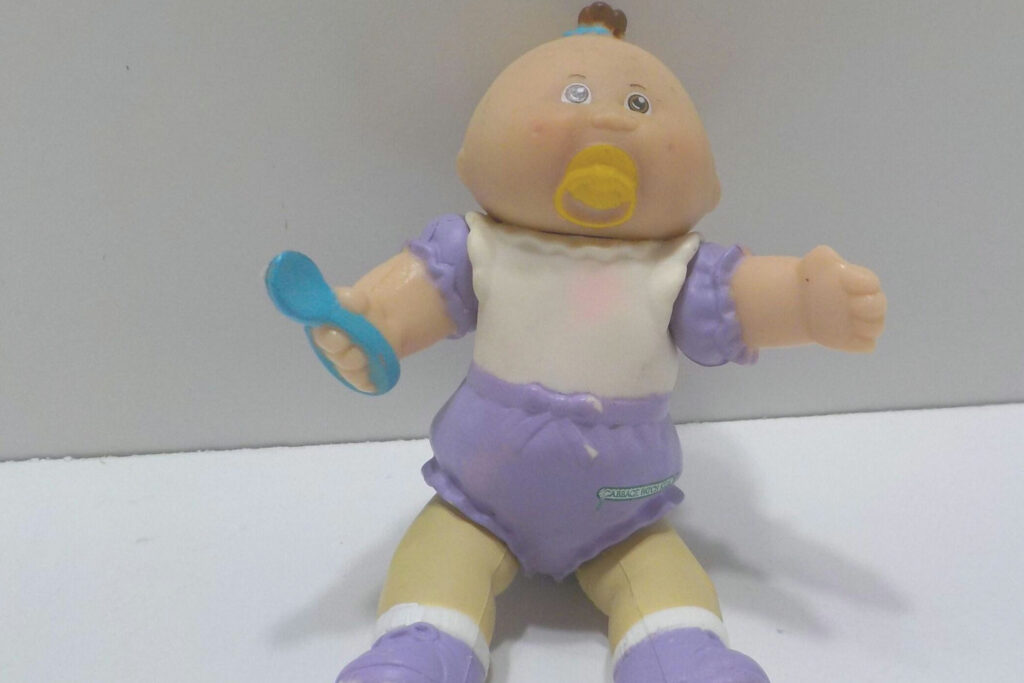
A popular premium in the 1980s, this prize capitalized on the Cabbage Patch Kids craze. The prize was a simple plastic spoon, often with a colorful handle, that featured a small, decorative Cabbage Patch Kid figure attached to the top. While a simple utensil, it made eating cereal a direct connection to a hugely popular toy franchise, giving children a themed tool for breakfast and a small, functional keepsake for their collection.
12. Color-Changing Disney Spoons
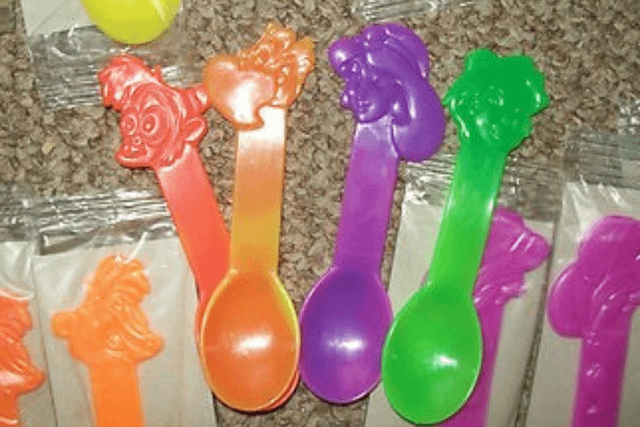
Kellogg’s captured the imagination of the 1990s with color-changing plastic spoons tied to major Disney film releases, such as The Lion King and Toy Story. The spoons, usually white or clear, would change to a bright color when exposed to cold milk. This interactive element provided a moment of magic at the breakfast table, turning a mundane item into a fun novelty and ensuring that every child wanted to collect the entire series of characters.
13. Chex Quest CD-ROM
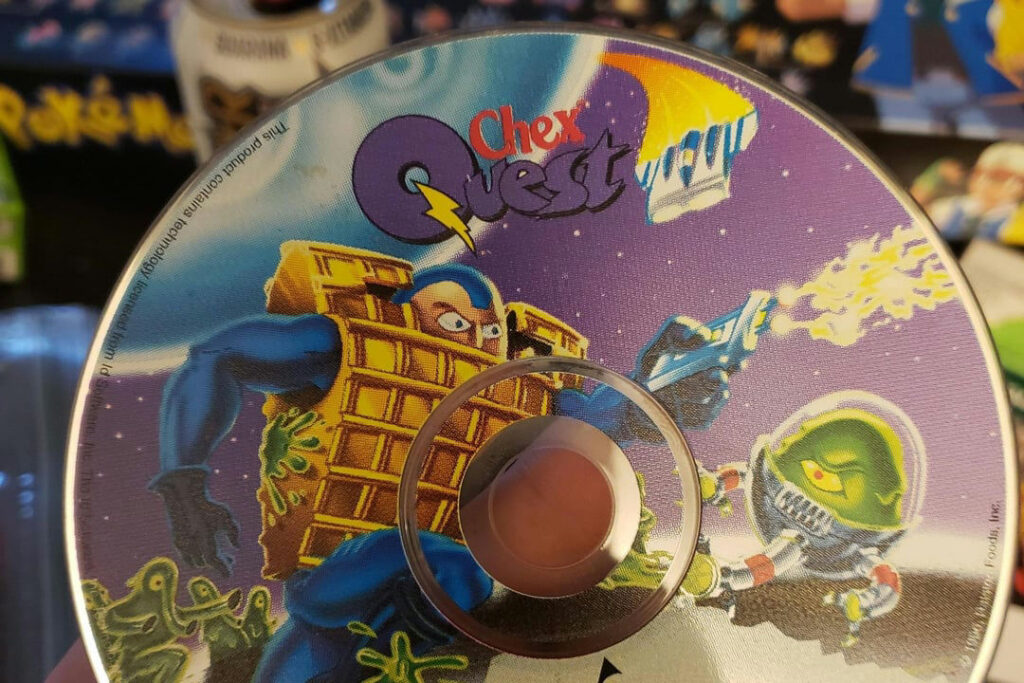
In 1996, General Mills’ Chex cereal took the cereal prize into the digital age by including a full PC video game, Chex Quest, on a CD-ROM. This was a non-violent “total conversion” of the popular first-person shooter Doom. The goal of the game was to save the Chex people from invading Flemoids using only a “Zorcher” to teleport the slimy invaders away. Its inclusion was a groundbreaking promotional move that appealed to older children and remains a fondly remembered and historically significant premium for merging food marketing with emerging home computing technology.
14. Post Miniature Bicycle License Plates
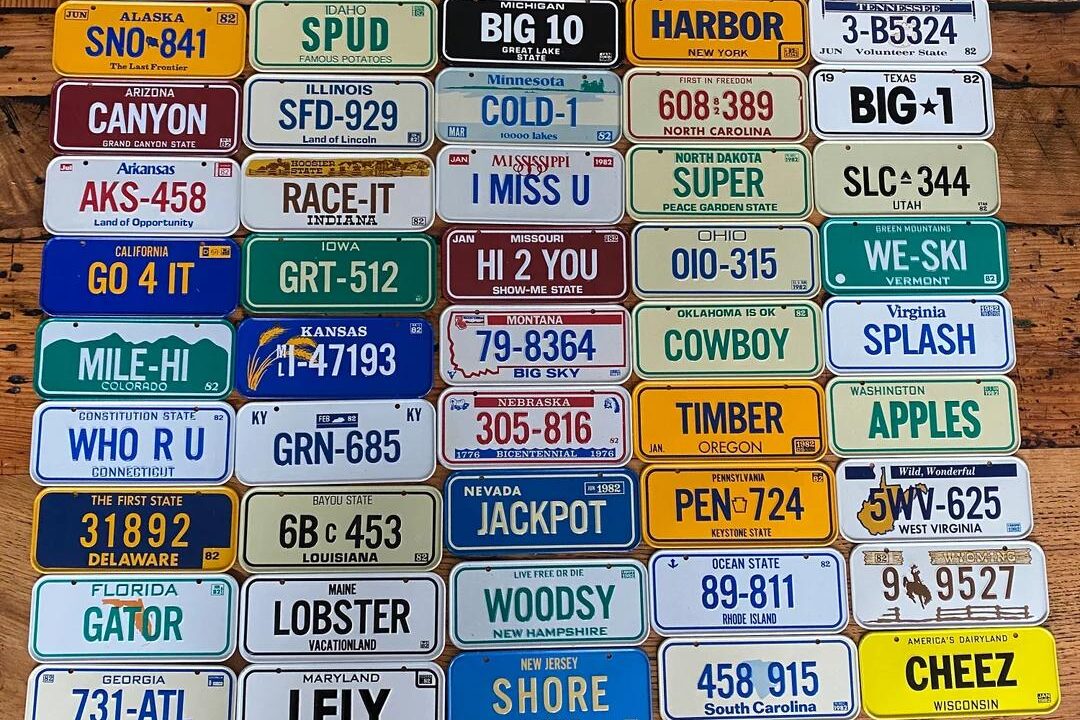
Offered in Post cereals, particularly Honeycomb and Alpha-Bits, during the 1960s and 1970s, these prizes were small, colorful metal or plastic license plates. They often came with a sheet of letters and numbers so kids could personalize them with their own name or nickname. Designed to be attached to a bicycle or a toy wagon, the mini license plate allowed children to customize their gear, giving a sense of individuality and a cool piece of décor for their two-wheeled rides.
15. Hot Wheels Cars
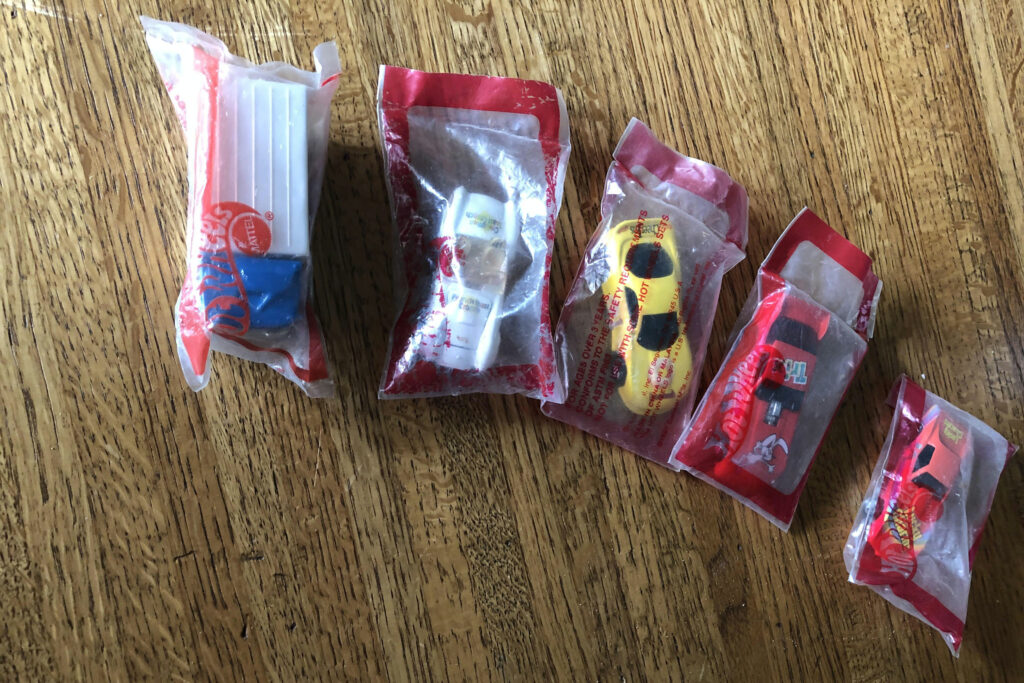
A perennial favorite, the inclusion of genuine Hot Wheels cars in General Mills cereals like Cheerios and Honey Nut Cheerios has been a recurring promotion. Unlike cheap plastic replicas, these were often full-sized, high-quality die-cast vehicles. The appeal was instant: a durable, collectible toy that could be raced immediately after fishing it out of the box. These promotions were particularly successful because they leveraged an already strong toy brand, making the cereal box an instant source for a desirable, high-value toy.
16. Crater Critters
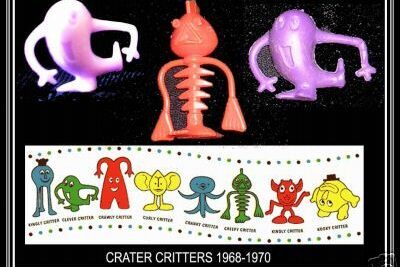
This set of collectible figures was one of the popular series of toys included in Kellogg’s cereal boxes during the 1970s. The Crater Critters were small, plastic, often brightly colored, and had a variety of bizarre, alien-like designs that tapped into the era’s interest in space and science fiction. They were designed to be assembled or to interlock, encouraging kids to collect the full set of quirky characters and create their own alien world.
17. Batman Periscope
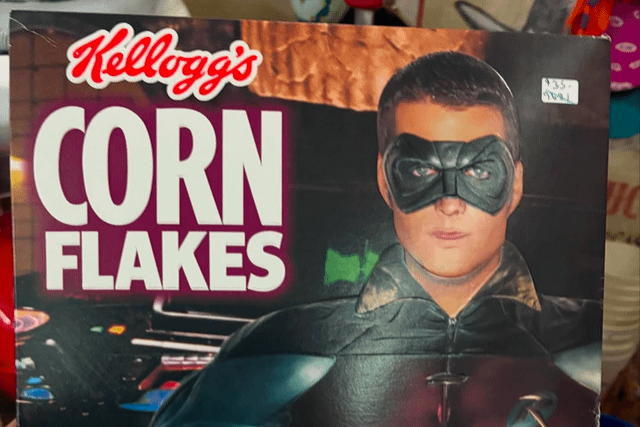
In the 1960s, Kellogg’s offered a Batman Periscope inside its boxes of cereal, capitalizing on the popularity of the Batman television show. This was a simple plastic device that, when assembled, used mirrors to allow children to see over objects or around corners. The toy was directly linked to the spy gadgets and adventures of the Caped Crusader, empowering kids to engage in secret agent play, making even a mundane backyard a source of high-stakes adventure.
18. Plastic Submarines with Baking Powder
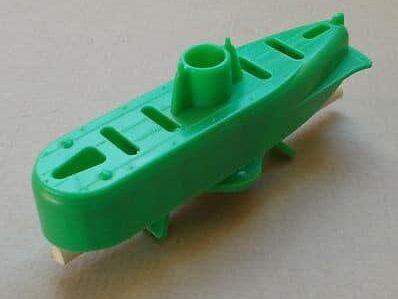
One of the most fondly remembered water-activated premiums, these small, plastic submarines were a common sight in the 1950s and 60s, notably in Cap’n Crunch and Quaker Oats cereals. The submarine featured a tiny compartment where children could place a pinch of baking powder or baking soda. When placed in water, the chemical reaction would release carbon dioxide gas, causing the miniature sub to sink to the bottom and then, as the bubbles collected, slowly rise back to the surface, creating an exciting, bubbling effect. This prize introduced children to a fun, simple principle of chemistry and buoyancy.
19. Darkwing Duck Fanny Pack
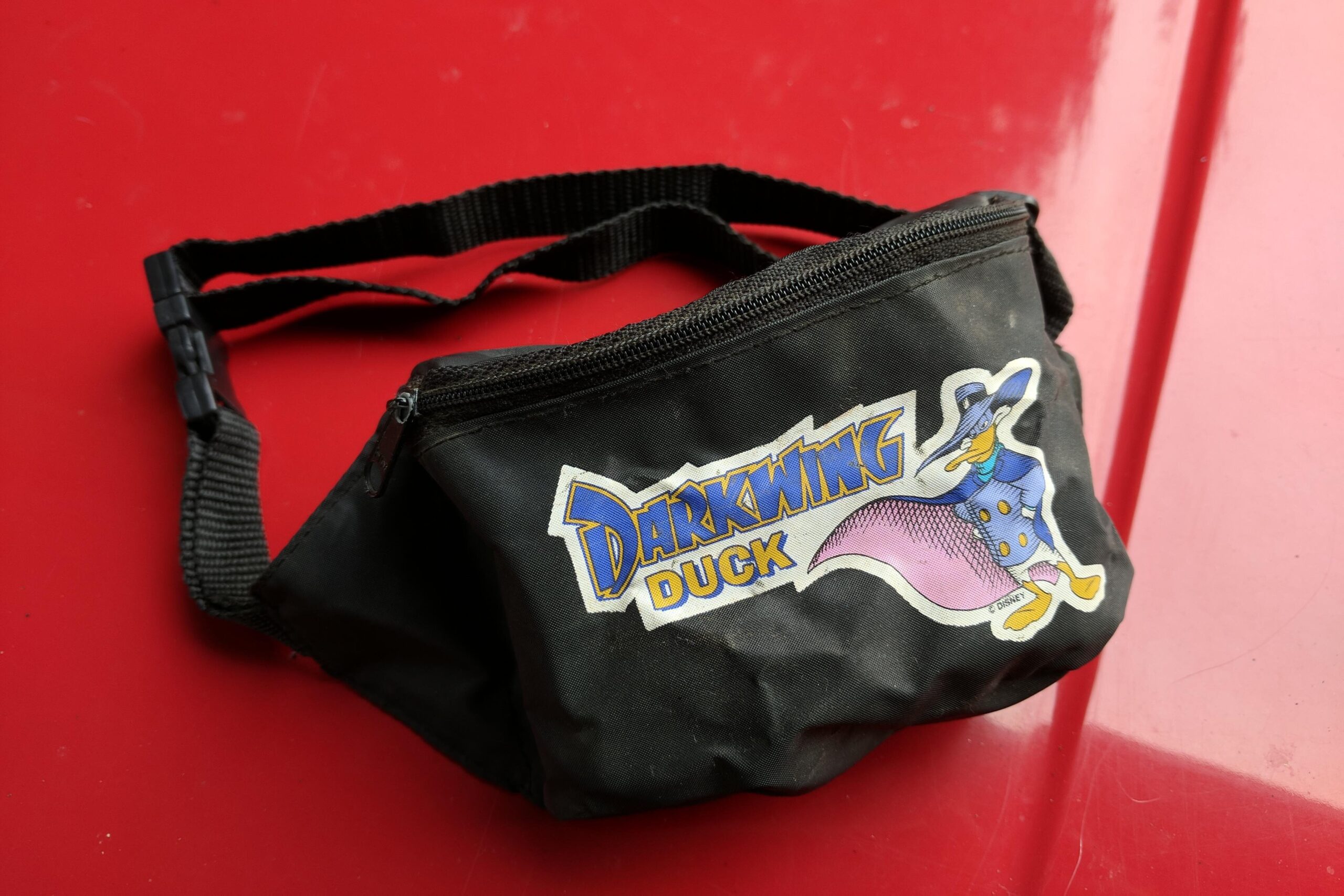
In the early 1990s, the Disney Afternoon animated series Darkwing Duck was a massive hit, and Kellogg’s Corn Flakes offered a promotional fanny pack featuring the show’s logo. This prize tapped directly into the 90s fashion trend, giving kids a small, functional bag to store their treasures. The unexpected blend of a cartoon hero and a popular accessory made this a fun, timely collectible that perfectly captured the era’s pop culture.
20. Mini Flashlights and Toy Guns
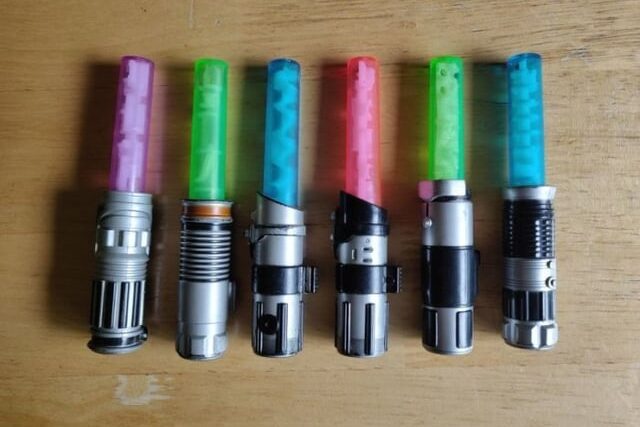
In the mid-20th century, cereal boxes frequently included small, functional, and sometimes controversial items. Promotions included miniature plastic flashlights (often powered by a single small battery) and small, cheap toy guns or pistols. While modern sensibilities have phased out toys of a military or potentially hazardous nature, these early premiums were a huge draw, offering a novelty item that had a practical, albeit simple, application in a child’s imagination.
Whether it was a practical gadget, a collectible character, or a piece of pop culture history, these tiny premiums played a huge role in the excitement of a childhood morning. The anticipation of what might be in the next box is a feeling that remains a beloved part of history.
We hope this list has sparked a joyful memory of digging through a box of cereal to find that wrapped, hidden treasure
This story 20 Cereal Box Prizes That Made Breakfast Worth It was first published on Daily FETCH


