
1. Seinfeld, The Chinese Restaurant
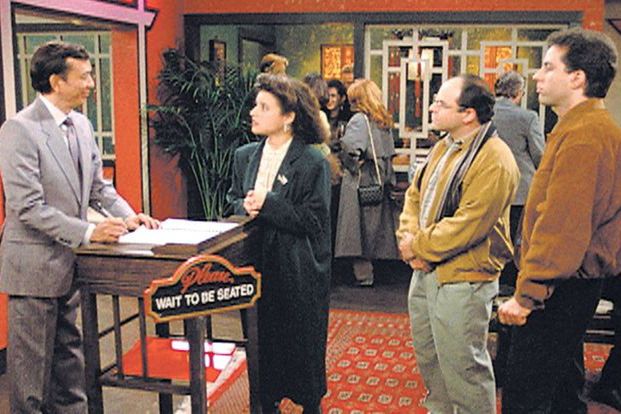
The series that would become one of the most successful sitcoms of all time was almost cancelled after its sparsely viewed first season, leaving the production team with only a limited order for season two. The episode “The Chinese Restaurant” was instrumental in proving the show’s unique “show about nothing” format could work, despite initial network skepticism. The entire episode takes place as Jerry, George, and Elaine wait endlessly for a table at a Chinese restaurant, showcasing the mundane yet hilarious friction of their lives. NBC executive Rick Ludwin, a champion of the show, cited its inventive, bottle-episode format and commitment to character-driven humor as evidence of its brilliance, successfully lobbying the network to produce a full second season order.
2. Star Trek: The Original Series, The City on the Edge of Forever
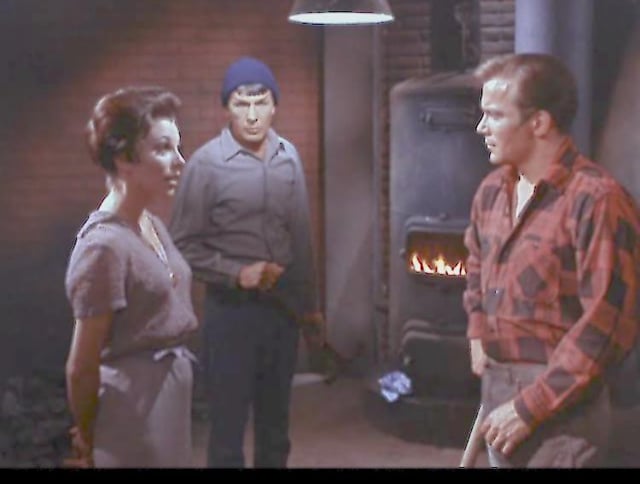
Gene Roddenberry’s sci-fi epic was constantly on the bubble during its initial run due to low ratings, but its third season was secured largely because of this seminal first-season episode. “The City on the Edge of Forever” saw Kirk and Spock travel back in time to 1930s America, where Kirk falls in love with a pacifist social worker, Edith Keeler, only to discover she must die to save the future. The episode, penned by renowned science fiction writer Harlan Ellison, was lauded for its exceptional writing, emotional depth, and moral complexity, earning a Hugo Award for Best Dramatic Presentation. Its profound impact proved that Star Trek could deliver moving, high-concept drama, solidifying its critical prestige and helping sway network executives to keep the troubled production alive for another year.
3. Lost, Pilot
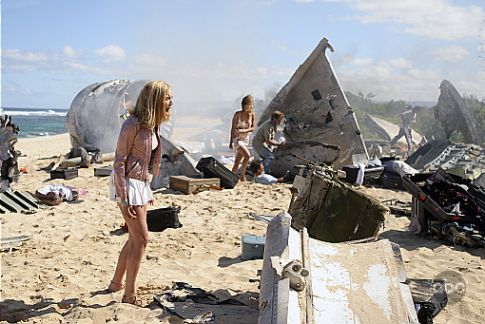
The fate of J.J. Abrams’ ambitious mystery-box drama rested almost entirely on its costly two-part premiere, which ABC heavily invested in despite massive risks. The “Pilot” episode opens with a terrifying, viscerally shot plane crash that immediately grounds the audience in the chaos and introduced the sprawling cast of characters with captivating flash-cuts. With an estimated budget between $10 and $14 million, it was one of the most expensive pilots in TV history at the time. Its massive critical acclaim and phenomenal ratings, it was ABC’s highest-rated series debut in years, immediately guaranteed the series a full season order, proving the network’s gamble had paid off and kicking off a cultural phenomenon.
4. Futurama, The Late Philip J. Fry
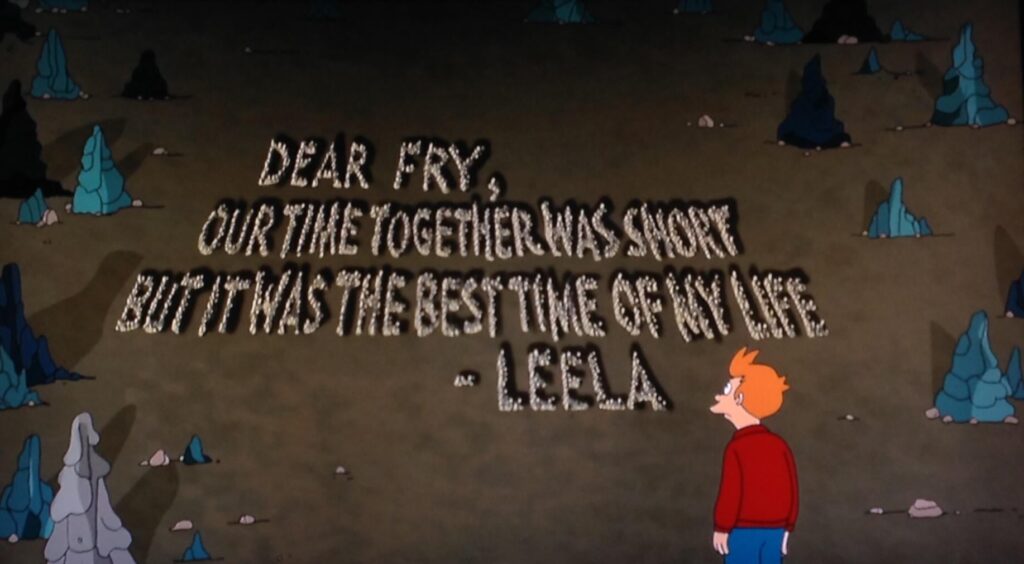
Matt Groening’s animated sci-fi comedy had a famously tumultuous history of cancellations and revivals, but this particular episode from the revived Comedy Central run is often credited with keeping the show creatively vibrant and commercially viable. “The Late Philip J. Fry” is a deeply emotional, time-traveling story where Fry, Bender, and the Professor get stuck traveling forward in time, forcing Fry to come to terms with the loss of his relationship with Leela. The episode struck a chord with critics and fans for its masterful blend of high-concept physics, witty humor, and genuine heart, leading to a prestigious Emmy win for Outstanding Animated Program. This success helped secure Futurama’s final two seasons on Comedy Central, reinforcing its status as a consistently brilliant series.
5. Breaking Bad, Ozymandias
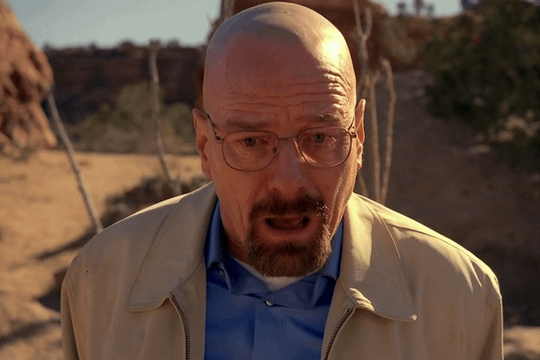
While Breaking Bad was already a critical darling, it had been a bubble show for its first few seasons before its reputation and Netflix viewing made it a cultural force. However, it was “Ozymandias,” late in the fifth season, that served as the creative high point that critics and fans pointed to as confirmation of its masterpiece status, sealing its legacy as one of the greatest TV dramas of all time. This episode features the total, catastrophic unraveling of Walter White’s life and empire, including major character deaths and a devastating confrontation with his family. The sheer cinematic quality and relentless emotional intensity of the episode earned widespread praise, being called the best episode of television ever made by some, driving huge final-season ratings, and practically ensuring the subsequent prequel series, Better Call Saul.
6. Firefly, “The Train Job”
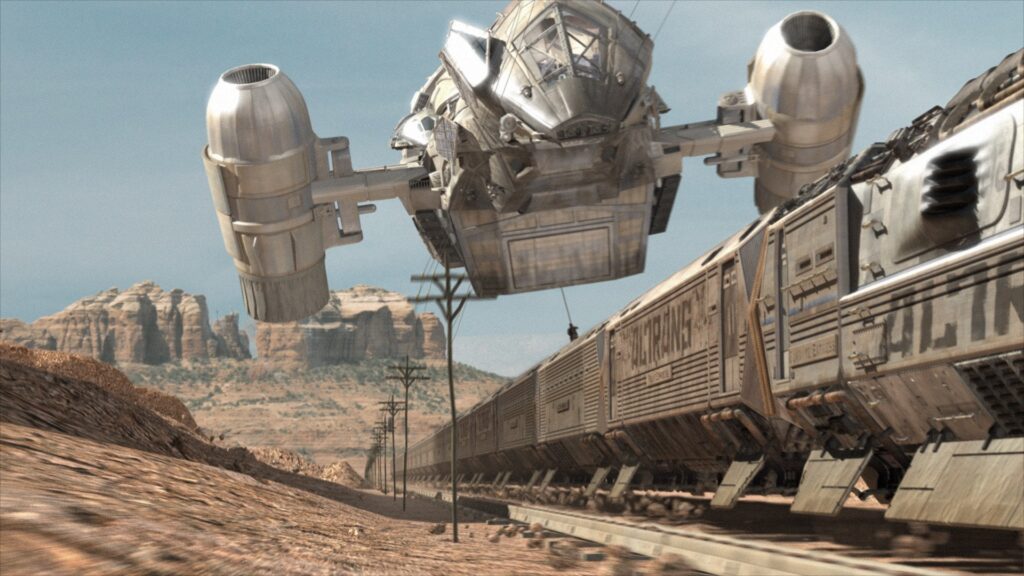
Joss Whedon’s beloved space western, Firefly, struggled with network interference from Fox, which aired the episodes out of chronological order and initially premiered with the less-preferred pilot. “The Train Job,” originally the second episode, was chosen by Fox to air first because the network believed it was more action-packed and representative of a typical adventure. Though the series was ultimately cancelled prematurely, this action-focused, character-defining episode introduced the Serenity crew’s unique dynamic and moral code to a broader audience in a more immediate way than the original, slower-paced pilot. Its strength in showcasing the show’s potential helped cultivate the fiercely loyal cult following that ultimately secured the movie continuation, Serenity, years after its initial cancellation.
7. Arrested Development, The One Where They Build a House
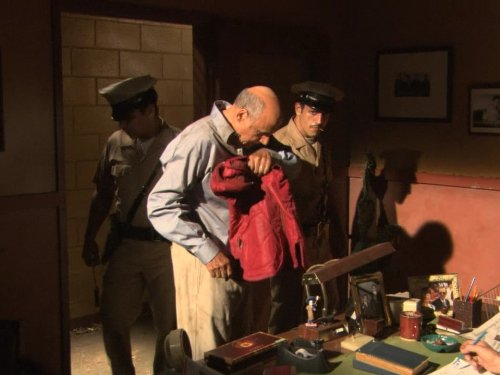
This famously low-rated but critically adored sitcom faced cancellation after its first season due to low viewership. The 2004 Writers Guild of America (WGA) Awards ceremony provided a surprising turning point: the show won two major awards, including for “The One Where They Build a House.” This episode, a tightly-written parody of reality TV and melodramatic family drama, showcases the series’ rapid-fire gags, meta-humor, and character consistency at its best. The unexpected industry recognition and the episode’s undeniable creative strength persuaded Fox to order a second season, proving the show’s unique comedic voice was valuable, even if its audience was initially small.
8. Buffy the Vampire Slayer, The Wish
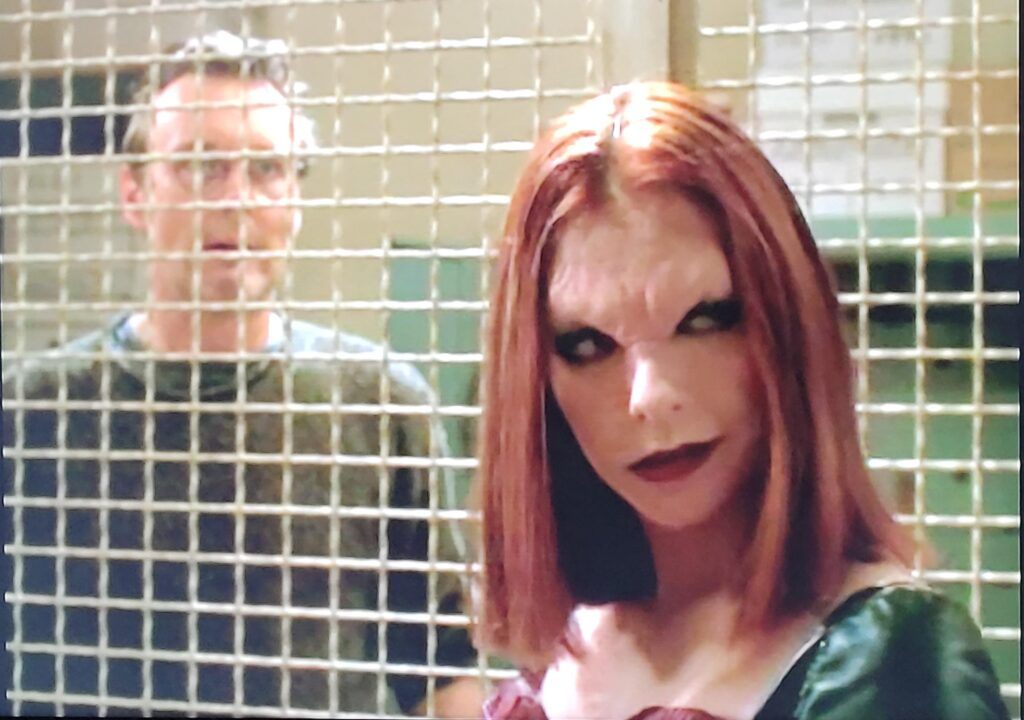
Though a cult favorite, Buffy faced an uncertain future after its third season, with its original network, The WB, showing signs of weariness. “The Wish” is a classic alternate-reality episode where a disgruntled student wishes that Buffy had never come to Sunnydale. The result is a brilliantly bleak look at a world without its hero, showcasing the stakes of the series and the value of its central relationships. The episode’s strong ratings and critical praise for its dark tone and excellent character work reminded the network of the show’s continued creative vitality. This success, combined with the season’s strong performance, helped secure its continuation and eventual move to UPN, extending its life for three more seasons.
9. The Office, Casino Night
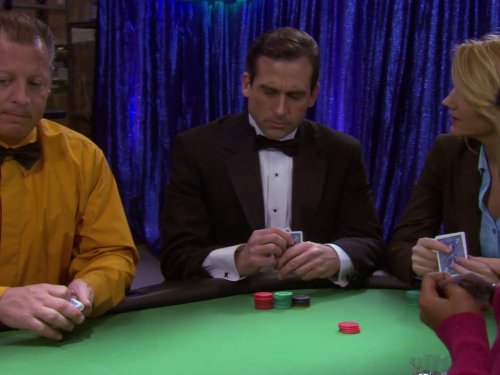
By its second season, the U.S. version of The Office had struggled with inconsistent ratings, with some speculation that NBC might not renew it. “Casino Night,” the final episode of that season, marked a critical and emotional peak that changed the narrative around the show’s future. The episode features the emotional climax of the on-again, off-again romance between Jim and Pam, ending with a shocking, unscripted kiss that thrilled fans. The combination of laugh-out-loud comedy and genuine, high-stakes relationship drama proved the show could achieve mass appeal without sacrificing its unique style. Its success silenced cancellation rumors, firmly establishing the show as a solid performer for NBC and guaranteeing its long-term future.
10. ER, Love’s Labor Lost
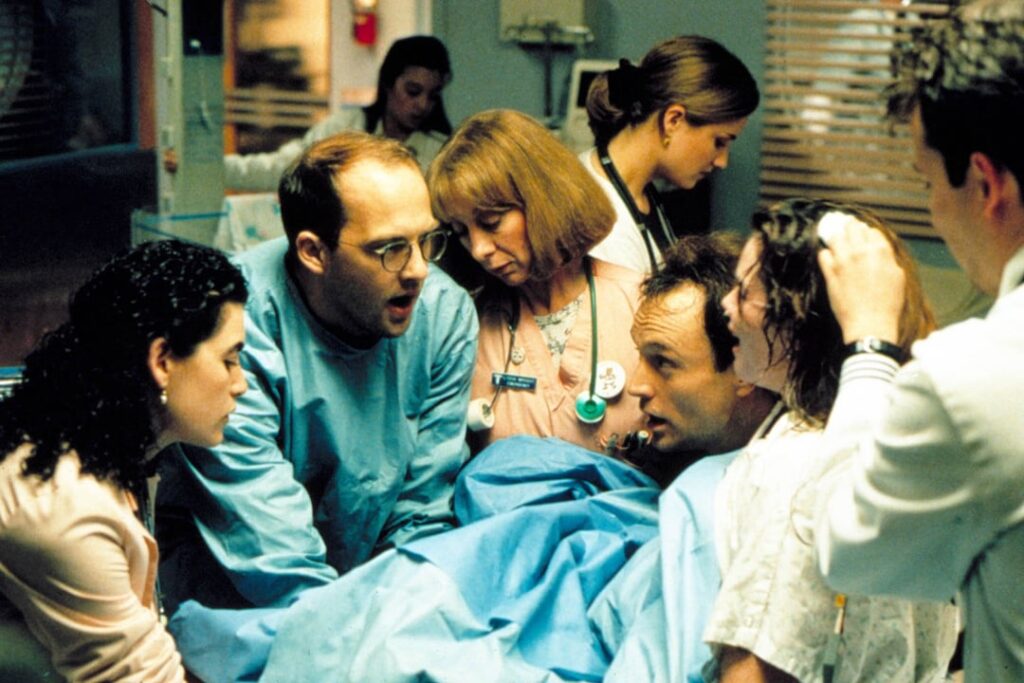
The first season of ER was a massive ratings success, but the single episode “Love’s Labor Lost” is often credited with establishing the medical drama’s serious, emotional core that cemented its long-term critical respect. The episode follows Dr. Mark Greene as he deals with a seemingly simple labor case that turns tragic due to his exhaustion and a series of complications, ultimately costing the mother her life. The intense, real-time depiction of medical error and emotional fallout was raw and devastatingly effective. It won an Emmy Award for Outstanding Writing for a Drama Series, proving the show’s dramatic excellence went beyond its fast pace, securing its position as a critically essential hit for NBC.
11. The Expanse, CQB
After its first season, the high-budget science fiction series The Expanse was struggling to find a large enough audience to justify its cost, leading to early rumblings of potential cancellation. “CQB,” the fourth episode of the first season, was the moment that many critics and fans cited as the show’s creative breakthrough. This episode delivers a tense, meticulously staged space battle that is visually stunning and crucial to the show’s central conspiracy plot, demonstrating the series’ blockbuster potential and its commitment to hard science-fiction realism. The episode became a favorite, showcasing the show’s quality and complexity, which was a key factor in building the passionate fan base that eventually led to Amazon Prime Video picking up the series after its initial cancellation by Syfy.
12. Community, Modern Warfare
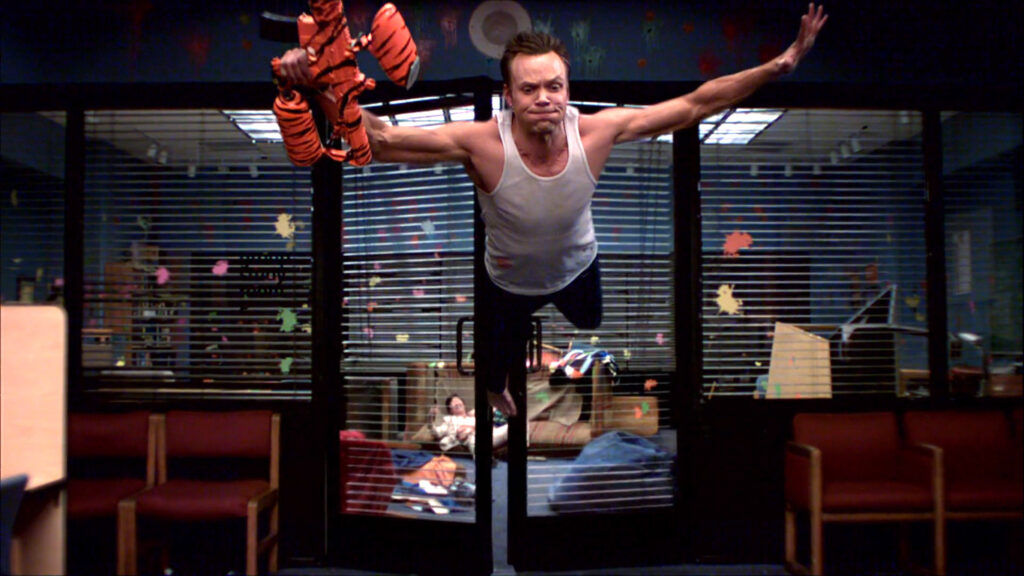
Community was a critical favorite that was always on the chopping block due to its low live ratings on NBC. “Modern Warfare,” the season one finale, is a beloved episode where a benign game of paintball turns into a high-stakes, action-movie parody across the campus. The episode was a breakout success, showcasing the show’s inventive meta-humor and willingness to break format, which became its signature style. The buzz and critical attention generated by this ambitious, film-genre-parodying episode convinced NBC to give the show another chance. This episode is widely seen as the turning point where Community fully embraced its unique comedic identity, which carried it through subsequent troubled seasons.
13. The Simpsons, Bart the Genius
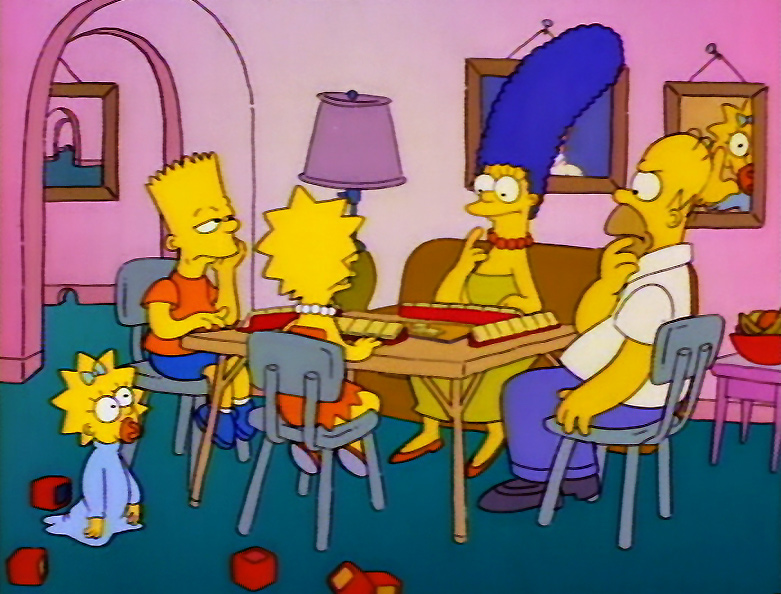
Following the success of its short segments on The Tracey Ullman Show, The Simpsons premiered as a full series in 1989. While the pilot was controversial for animation issues, “Bart the Genius,” the second episode, immediately clarified the show’s satirical brilliance and heart. In this episode, Bart successfully cheats on an intelligence test and is enrolled in a school for gifted children, leading to comedic chaos and a surprisingly poignant realization of his true self. The episode was the first to feature Bart’s iconic line, “Eat my shorts,” and its immediate success in ratings and positive reviews demonstrated that the show could successfully balance anarchic comedy with genuine family warmth, validating Fox’s investment in the show’s long-term future.
It’s easy to assume that great television simply happens, but these stories prove that a show’s survival often hangs on a delicate balance of quality, timing, and luck.
Like this story? Add your thoughts in the comments, thank you.
This story 13 TV Shows Saved by a Single Episode was first published on Daily FETCH


