
1. Jellyfish
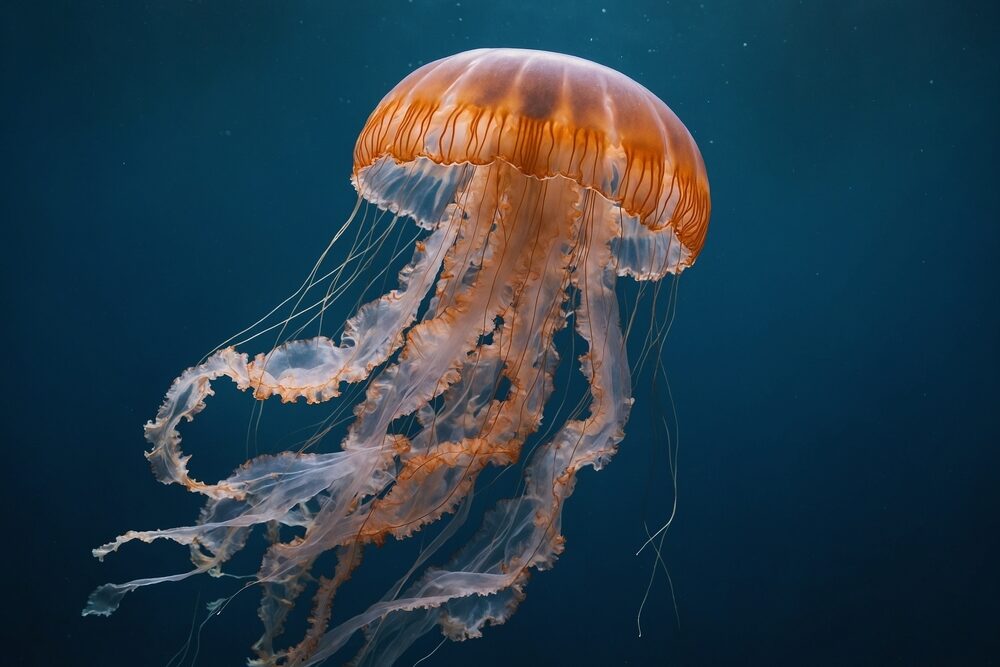
Some creatures manage to survive and thrive without the one thing most of us can’t imagine living without—a brain. From ocean drifters to tiny freshwater animals, these species prove that survival doesn’t always require complex thinking. No brain, no heart, no problem. Jellyfish have been drifting through the oceans for over 500 million years without a central brain. Instead, they rely on a nerve net, a decentralized system that helps them swim, respond to light, and even catch prey. It’s one of nature’s simplest yet most successful designs. Their tentacles are lined with stinging cells that react automatically to touch, stunning anything unlucky enough to brush against them. This makes jellyfish effective hunters without ever needing to “think.” Their design is so efficient that they’ve survived multiple mass extinctions, proving that brains aren’t always necessary for survival.
2. Starfish
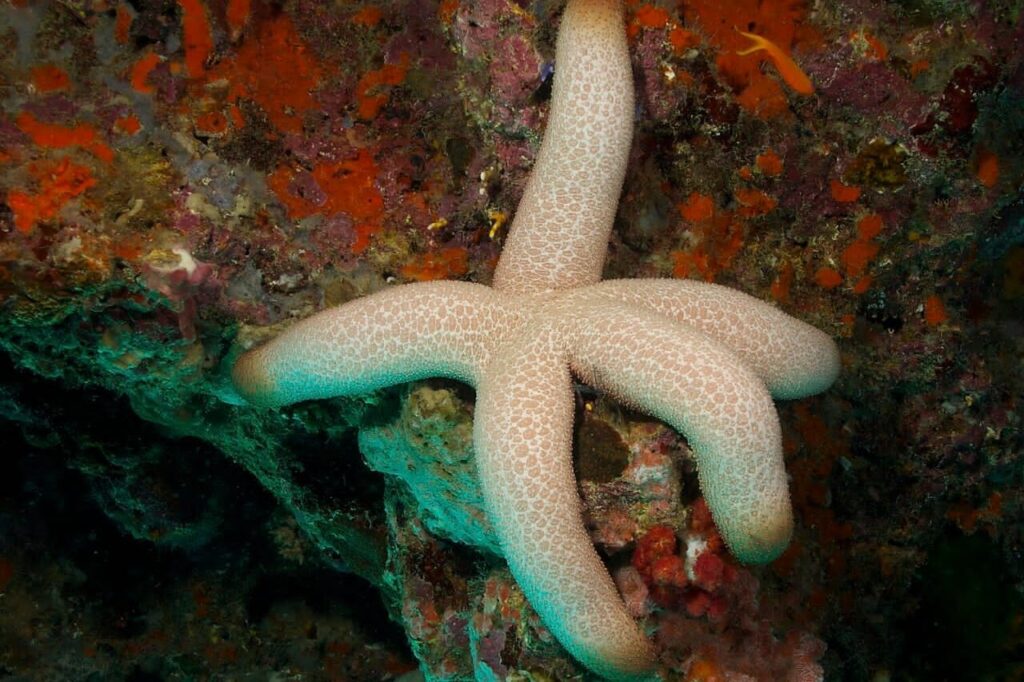
Starfish don’t have brains, but they have a clever way of getting by. Each arm contains part of a nerve ring that coordinates movement, allowing them to crawl across the ocean floor, flip themselves over, and even pry open clams. The nerve ring acts like a simple communication system, letting the arms “talk” to one another without needing a central processor. What’s more, sea stars can regenerate entire arms if they lose one, and in some cases, an arm can grow into a whole new starfish. Their slow but purposeful movements show how coordination doesn’t always require a brain.
3. Sponges
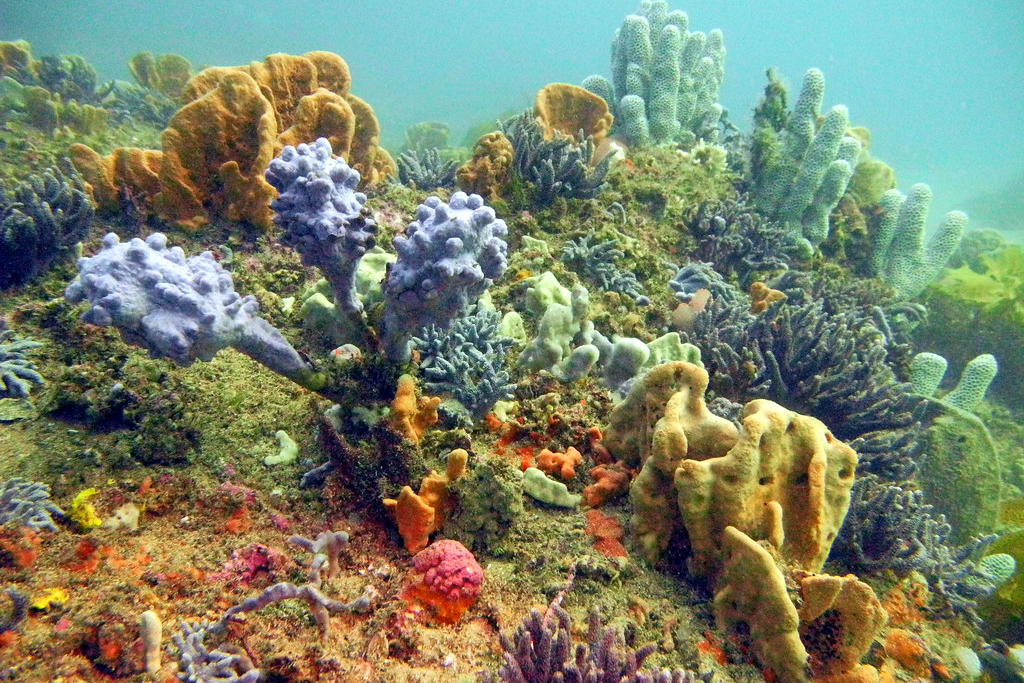
Sponges may look like stationary rocks, but they’re living creatures that have thrived for hundreds of millions of years, without brains, nerves, or muscles. Instead, they survive by filtering water through tiny pores in their bodies, trapping bacteria and plankton for food. The pumping action is carried out by specialized cells called choanocytes, which work together to keep water flowing. This simple cellular coordination allows sponges to clean vast amounts of seawater every day. They also play an important role in ecosystems by recycling nutrients and creating habitats for other marine animals. Their success proves that survival doesn’t always require complexity.
4. Sea Urchins
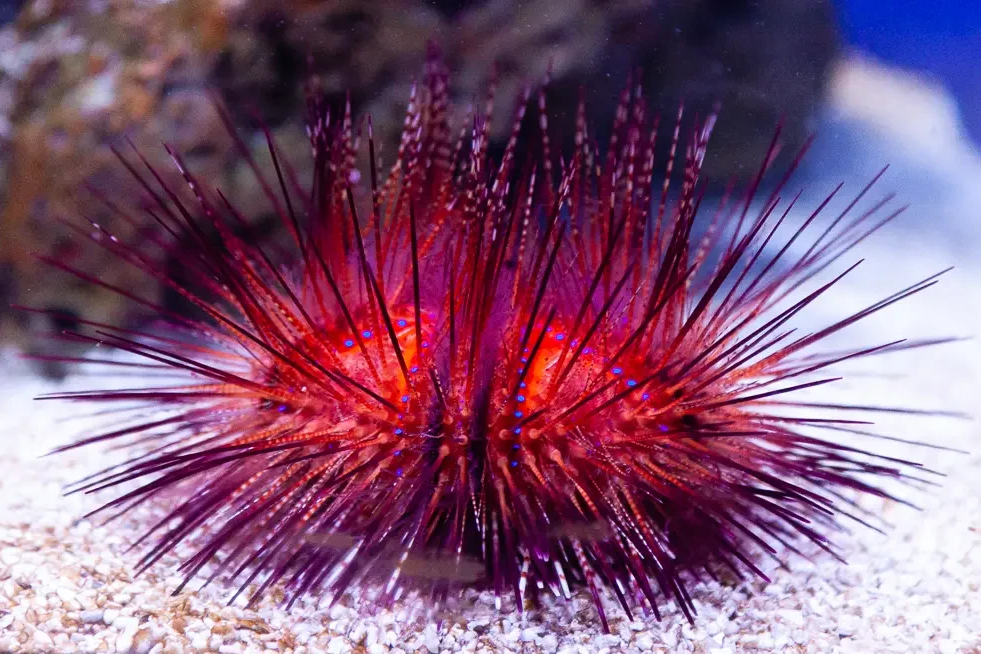
Sea urchins are spiny, round creatures with no brain and no eyes, yet they’re far from helpless. Instead of centralized control, they rely on thousands of tiny light-sensitive cells spread across their bodies. This lets them detect changes in light and shadow, which helps them avoid predators and find hiding spots. They also use tube feet, powered by a water vascular system, to crawl across rocks and cling to surfaces. Despite their simple biology, sea urchins shape marine environments by grazing on algae and maintaining balance in coral reef ecosystems. Their survival strategy shows that even basic sensory tools can be enough to thrive.
5. Ctenophores
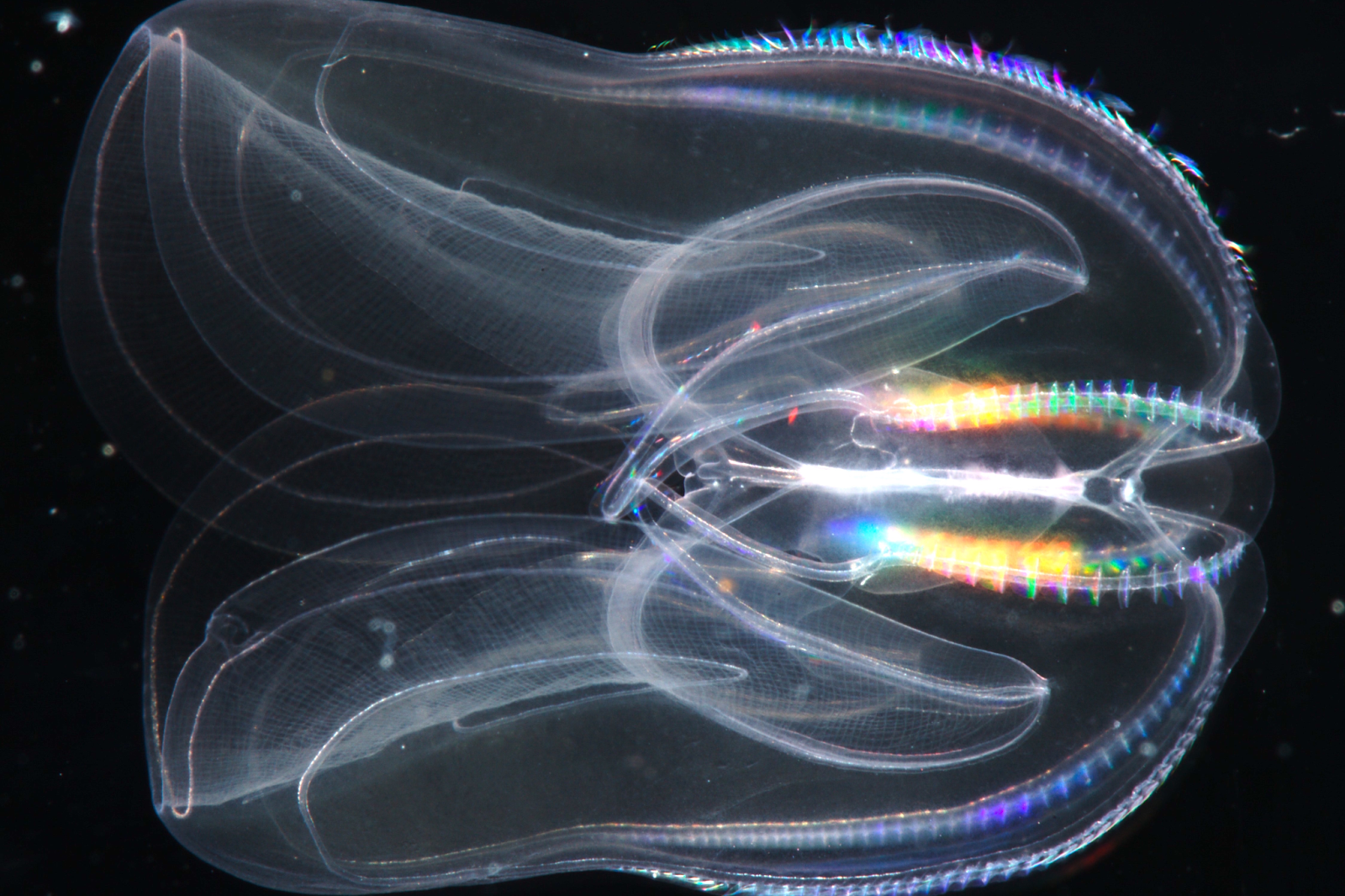
Also known as comb jellies, ctenophores are shimmering, translucent animals that glow with bioluminescence in the ocean’s depths. Unlike jellyfish, they don’t sting their prey; instead, they use sticky cells and rows of cilia, tiny hairlike structures, that beat in coordinated waves to move and capture food. They navigate their environment by responding to chemical cues and light, without the need for a brain. Remarkably, ctenophores are among the earliest branches of the animal kingdom, possibly even predating jellyfish. Their efficient, brain-free design has kept them thriving for over 500 million years, making them one of nature’s most dazzling survivors.
6. Flatworms
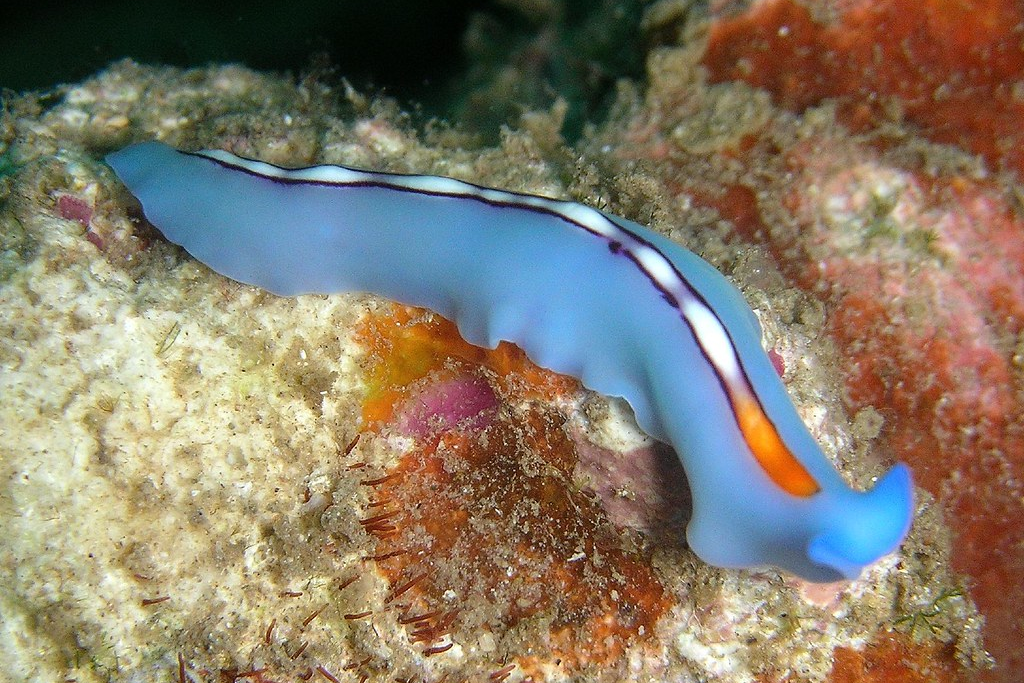
Flatworms, or planarians, are simple creatures that often lack a true brain, yet they manage to perform surprisingly complex tasks. Instead of a central brain, many rely on clusters of nerve cells to sense light, touch, and chemical changes in their surroundings. They’re famous for their incredible regeneration abilities, if cut into pieces, each fragment can grow into a whole new worm. Flatworms also respond to stimuli with accuracy, avoiding light and gliding smoothly across surfaces in search of food. Their simplicity makes them a favorite subject in scientific research, helping scientists understand the basics of nerve function and regeneration.
7. Hydra
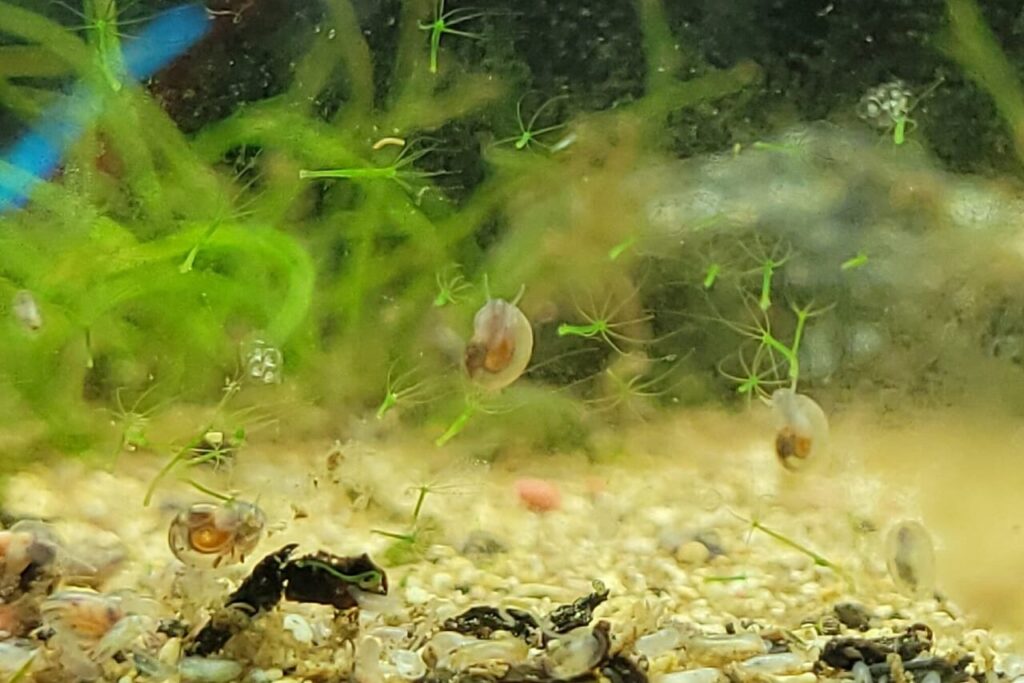
Hydra are tiny freshwater animals that might be brainless, but they’re anything but passive. These creatures use a nerve net, similar to jellyfish, that allows them to sense touch and light, coordinating their tentacles to catch prey like small crustaceans. Hydra are also known for their near-immortal biology. They continually renew their cells, showing no signs of aging under the right conditions. This has made them a fascinating subject for aging research, as scientists study how they manage to defy time. Despite their size and simplicity, Hydra thrive in ponds and streams, showing that resilience can come without complexity.
8. Slime Molds
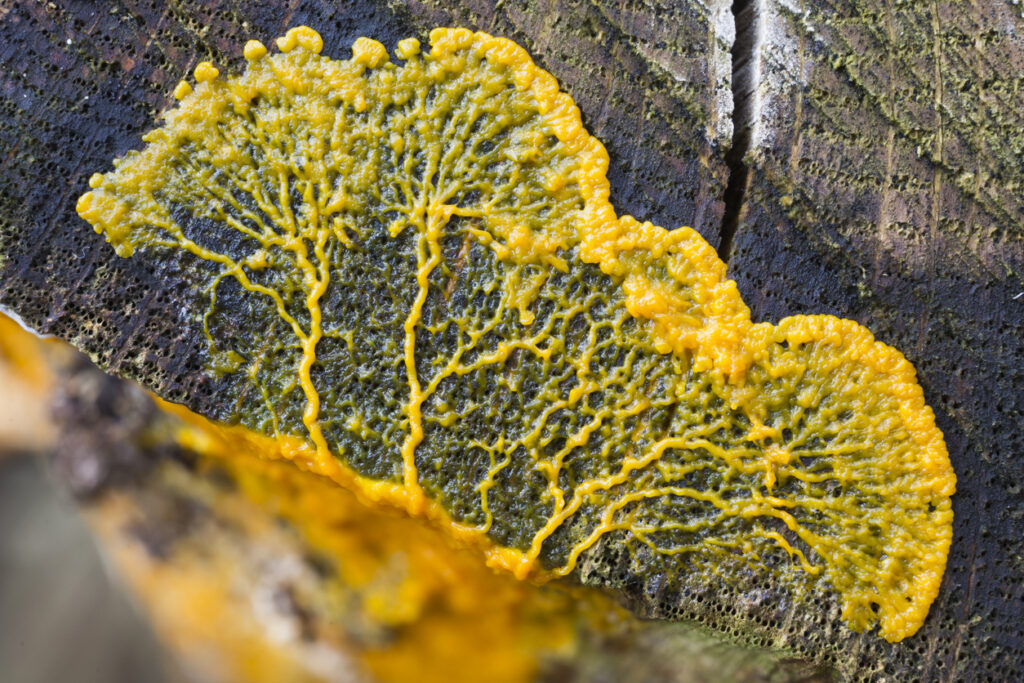
Slime molds aren’t animals but single-celled organisms that live together in colonies, behaving in ways that mimic intelligence. Without a brain or neurons, they can still solve mazes, find the shortest paths to food, and adapt when faced with obstacles. Scientists have marveled at their ability to map efficient networks, even mimicking human-designed systems like railways. They do this through chemical signaling, spreading out in all directions and retracting from dead ends until they find the best route. Their problem-solving skills demonstrate that “thinking” doesn’t always require a brain, it can emerge from simple patterns and cooperation.
9. Corals
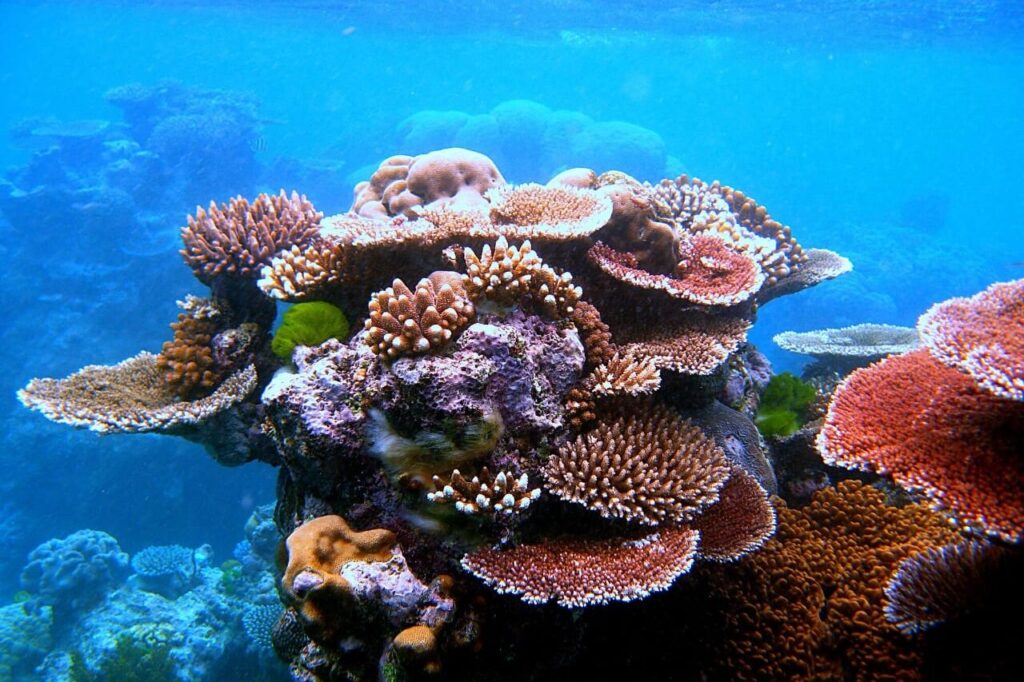
Though they appear like colorful rocks, corals are living animals made up of tiny polyps that function together as colonies. Without a brain, corals feed by extending tentacles to catch plankton and absorb nutrients, while also relying on a partnership with algae that live inside them. These algae provide food through photosynthesis, making coral reefs some of the most productive ecosystems on Earth. Corals reproduce, build massive reef structures, and host countless marine species, all without centralized control. Their cooperative lifestyle highlights how brainless creatures can still play a crucial role in shaping entire ecosystems.
This story 9 Species That Can Live Without a Brain (and Still Get Stuff Done) was first published on Daily FETCH


