
1. They walked almost everywhere
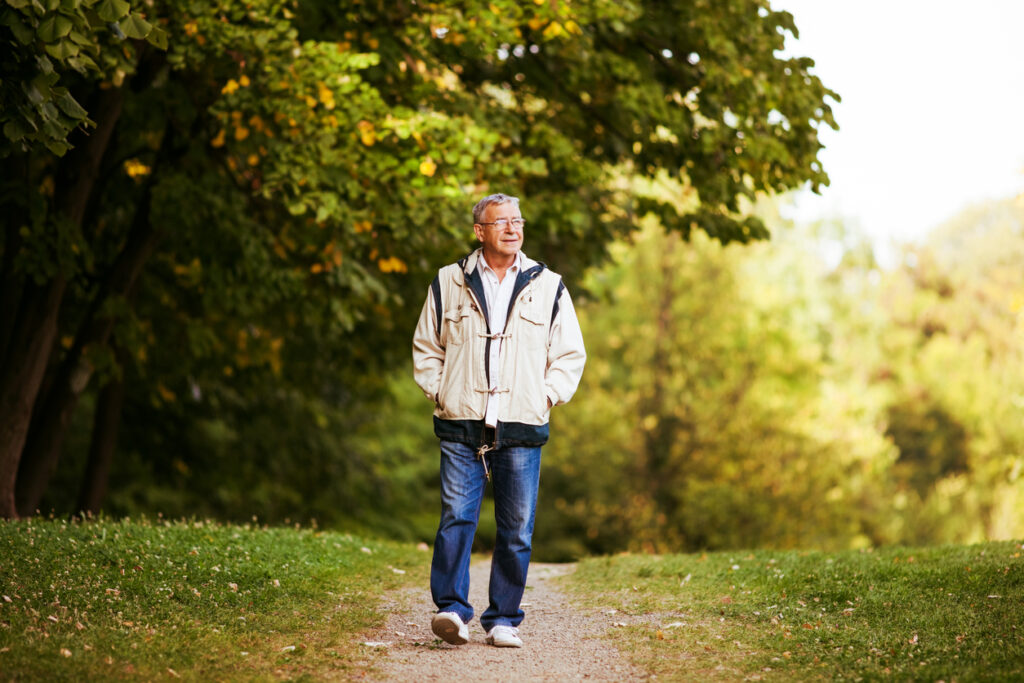
Back then, walking was simply part of life. Fewer cars meant most trips were done on foot, whether heading to school, visiting family, or going to the market. There was no need to plan steps or count them on a watch, the miles came naturally. Walking strengthened legs, boosted stamina, and kept hearts healthy without anyone thinking of it as exercise. They didn’t separate fitness from living because the two were the same. Each errand and visit added up, making their days full of motion. Their health was tied to movement, and walking was their everyday foundation.
2. They did chores by hand
Household chores once meant rolling up sleeves and putting in effort. Laundry was scrubbed and wrung out, dishes cleaned without machines, and floors shined from hand scrubbing. Each of these tasks demanded energy and strength, turning simple routines into natural workouts. Carrying water, hauling baskets, and lifting heavy items built stamina over time. Instead of gadgets doing the work, their bodies bore the load. These daily motions kept arms, legs, and backs strong while homes stayed tidy. Fitness wasn’t a choice, it was a byproduct of living. In keeping up with chores, they unknowingly kept themselves in shape.
3. Yardwork was a weekly workout
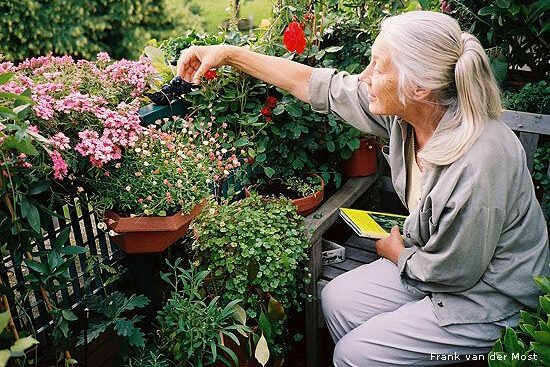
Maintaining a yard wasn’t optional, and it certainly wasn’t easy. Mowing grass with push mowers, raking leaves into neat piles, or shoveling snow demanded effort and consistency. Every season came with its own kind of physical challenge, but they tackled it because it was necessary. Yardwork strengthened muscles, improved endurance, and provided hours of outdoor movement without needing a structured fitness plan. Their workouts were hidden in the responsibilities of homeownership, and every task added to their health. While today many hire help or rely on machines, their strength came from putting in the labor week after week.
4. Manual labor jobs were more common
Work itself often doubled as exercise. Farming, construction, and factory shifts filled long days with lifting, bending, carrying, and standing. These jobs required constant movement and built natural strength over time. Unlike today, when many people sit for hours at desks, their livelihoods demanded endurance and energy. They didn’t need to schedule gym sessions after work, because the work provided the same benefits. Their muscles, stamina, and posture were shaped by long hours of physical tasks that came with earning a living. Fitness wasn’t something to think about separately, it was part of daily breadwinning responsibilities.
5. No delivery services
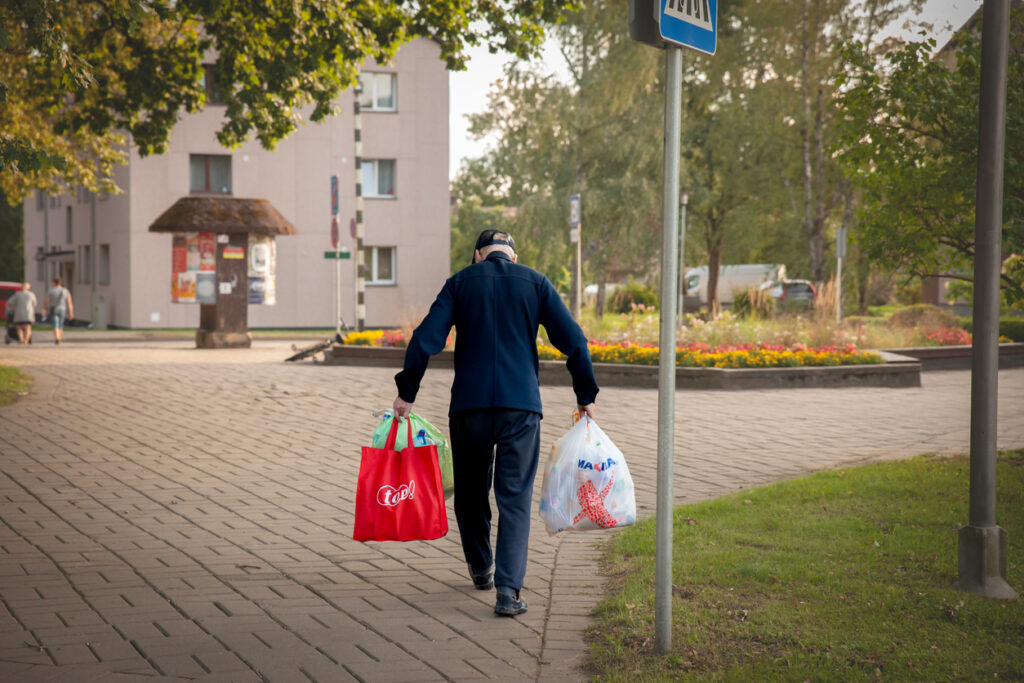
Groceries and household items weren’t dropped off at the doorstep. People walked to markets, filled baskets, and carried everything back themselves. These errands were not just about shopping, they were small endurance tests. Bags filled with food and essentials became weights that worked arms and core. Sometimes the trips were frequent, since fridges were smaller and food spoiled faster. Carrying loads home built strength and kept people moving without even realizing it. What we now call resistance training happened naturally through these daily tasks. Staying active wasn’t a plan, it was simply a part of surviving and providing.
6. Stairs were unavoidable
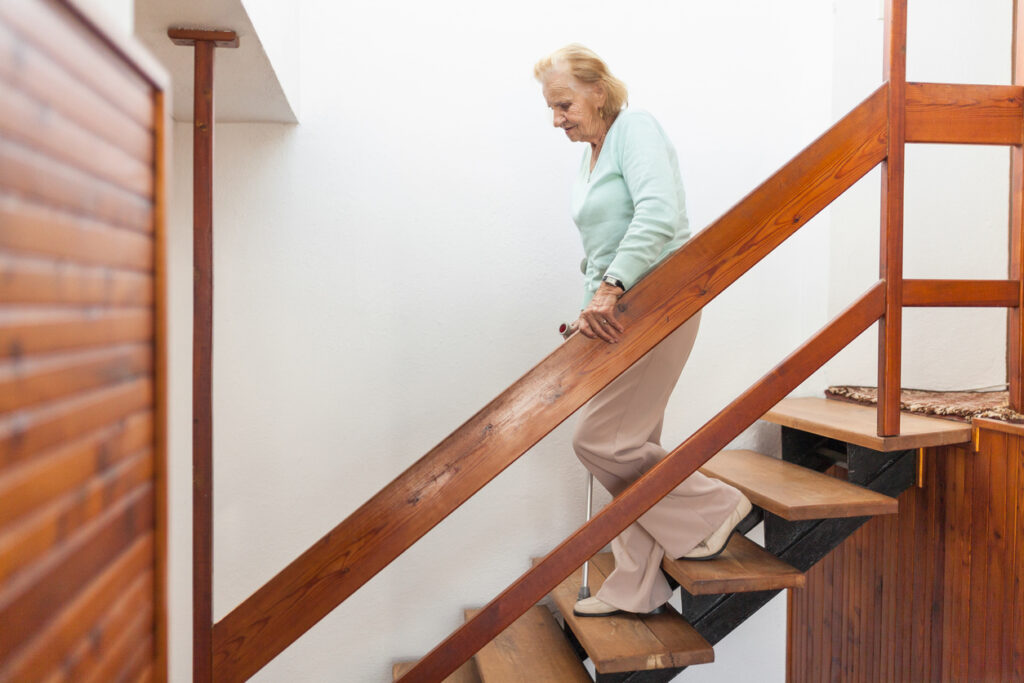
Climbing stairs was an ordinary part of daily living. Multi-story houses, workplaces, and schools meant people went up and down several times a day without even thinking of it. Elevators weren’t everywhere, so legs and lungs took the load. This natural activity helped build endurance, strengthen muscles, and keep circulation steady. Over years, these repeated climbs acted as a simple but effective workout that supported good health. They didn’t climb steps for exercise, they climbed because life required it. Fitness was baked into the routine, and stairs became a daily reminder that motion was unavoidable but beneficial.
7. Bikes weren’t just for fun
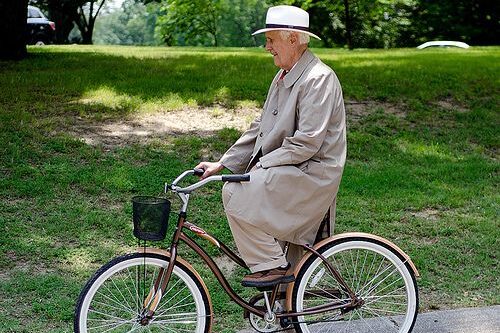
Bicycles were not reserved for weekend leisure, they were an important mode of transportation. People rode to work, ran errands, or visited loved ones on two wheels. Pedaling across towns and neighborhoods demanded effort, improved stamina, and kept legs strong. The bike was both practical and health enhancing, helping them cover distance efficiently while also staying active. What is now an organized fitness class in gyms was once a normal trip to the market. Riding was necessity, not luxury, but it came with the added reward of natural exercise that blended seamlessly into the rhythm of everyday life.
8. No binge-watching

Leisure time did not revolve around endless hours in front of a screen. With fewer channels and no internet, people filled their evenings with hobbies, social visits, or simply getting things done. Movement was more common than sitting, and inactivity was rare. Instead of binge-watching shows, they might walk around the neighborhood, repair something, or spend time outdoors. This difference kept their bodies in motion without much thought. While today’s entertainment often encourages hours of sitting, their lifestyle demanded activity. Entertainment was balanced with movement, making fitness less of a task and more of a natural part of life.
9. They cooked from scratch
Preparing meals required more energy than heating something quickly. Vegetables had to be washed, chopped, and stirred, bread needed kneading, and pots had to be lifted on and off the stove. Cooking was a physical process that kept people on their feet and constantly moving around the kitchen. Standing for long stretches, carrying ingredients, and working with heavy cookware made meal preparation an active part of the day. Instead of fast food or prepackaged shortcuts, meals came with effort and care. The result was not just healthier food, but also healthier bodies through the act of cooking itself.
10. They danced more often
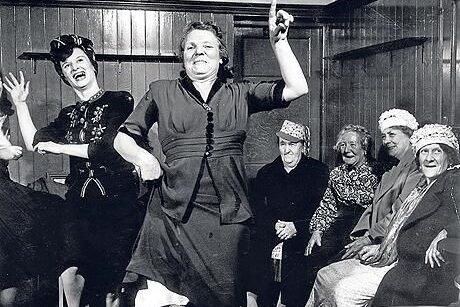
Dancing was part of community life and celebrations, from weddings to social gatherings. It wasn’t just entertainment, it was movement disguised as joy. People danced for hours, lifting their spirits while giving their bodies a workout. Every spin, step, and rhythm engaged muscles, improved balance, and boosted energy. Unlike structured exercise, dance felt fun and natural, but it carried all the health benefits of a serious workout. For them, it wasn’t about burning calories, it was about connection and celebration. Staying active came easily through traditions like dancing, which combined movement with happiness and social togetherness.
11. Kids played outside all day
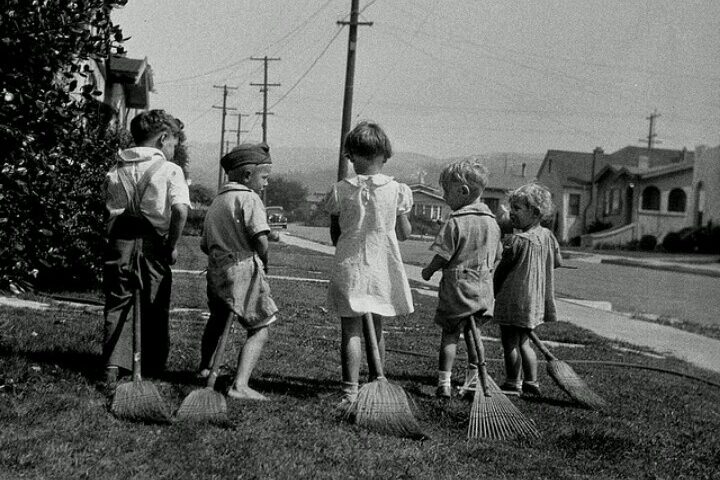
Childhood was full of outdoor play that kept kids moving from morning to night. They ran, climbed, biked, and played games that demanded energy and imagination. This constant activity gave them strong muscles and stamina while shaping habits that lasted into adulthood. Without screens or gadgets keeping them indoors, being active was simply what kids did. The laughter and games doubled as exercise, making fitness fun and natural. Parents rarely worried about keeping children active, because the outdoors provided everything they needed. That daily play laid the foundation for healthier, more active lives as they grew older.
12. Fewer labor-saving gadgets
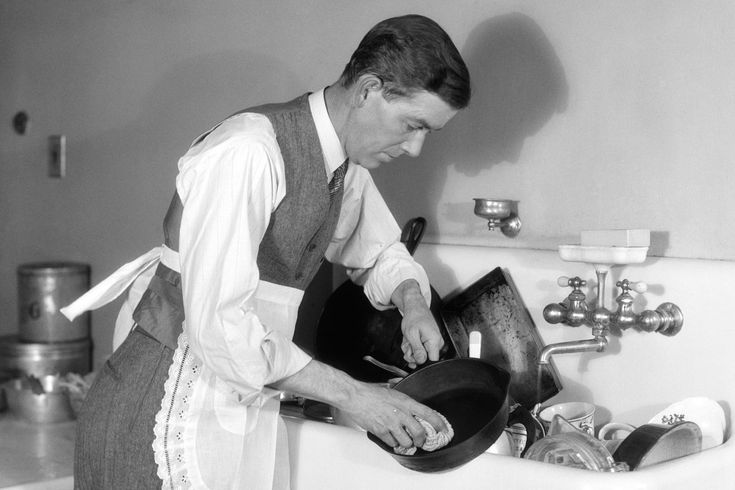
Homes required muscle power, not machines, to stay tidy and functional. Carpets had to be beaten, clothes hung outside, and lawns cut with manual mowers. Tasks took longer and demanded effort, but that effort kept bodies moving. Every chore doubled as a workout without anyone calling it that. Today’s gadgets may save time, but they also take away opportunities for activity. For our grandparents, fitness was not separate from chores. Their daily routines built strength and resilience while also keeping homes in order. Labor wasn’t just survival, it was the exercise that shaped their bodies over time.
13. They worked later in life
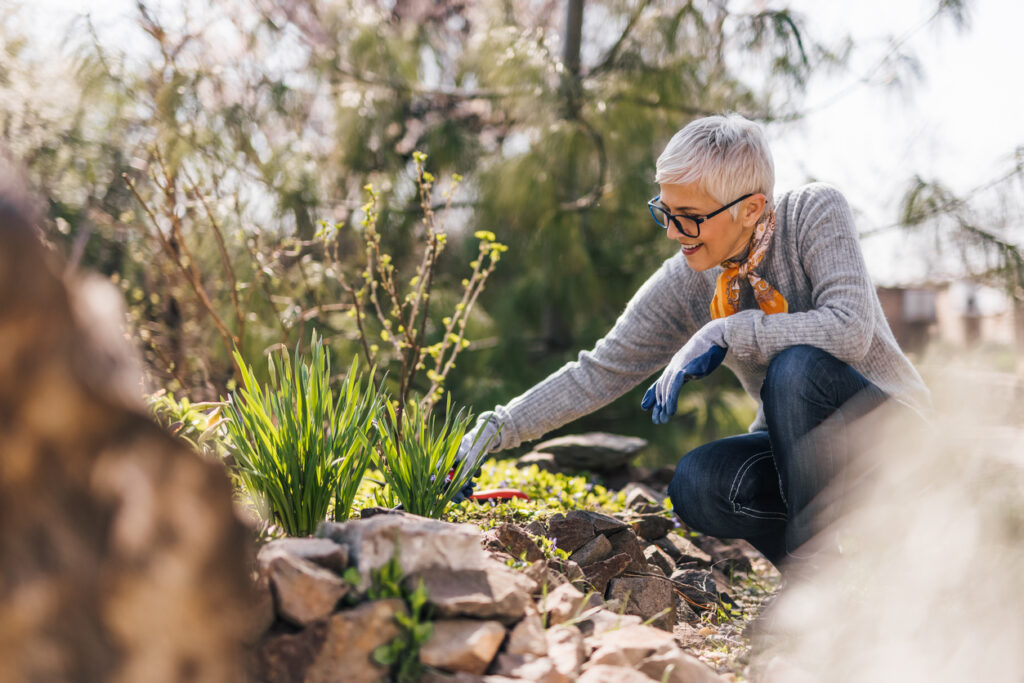
Slowing down completely wasn’t common in older generations. Many continued farming, gardening, or taking on jobs well into their senior years. Staying engaged in physical tasks gave them purpose while also keeping them healthy. They didn’t see work as a burden, it was simply part of life. Their bodies stayed conditioned because they never stopped moving, even in later years. Instead of sitting back in retirement, they kept their days filled with steady motion. That habit of staying active delayed decline and allowed them to live healthier, stronger lives long after most people today choose to slow down.
14. They simply moved more
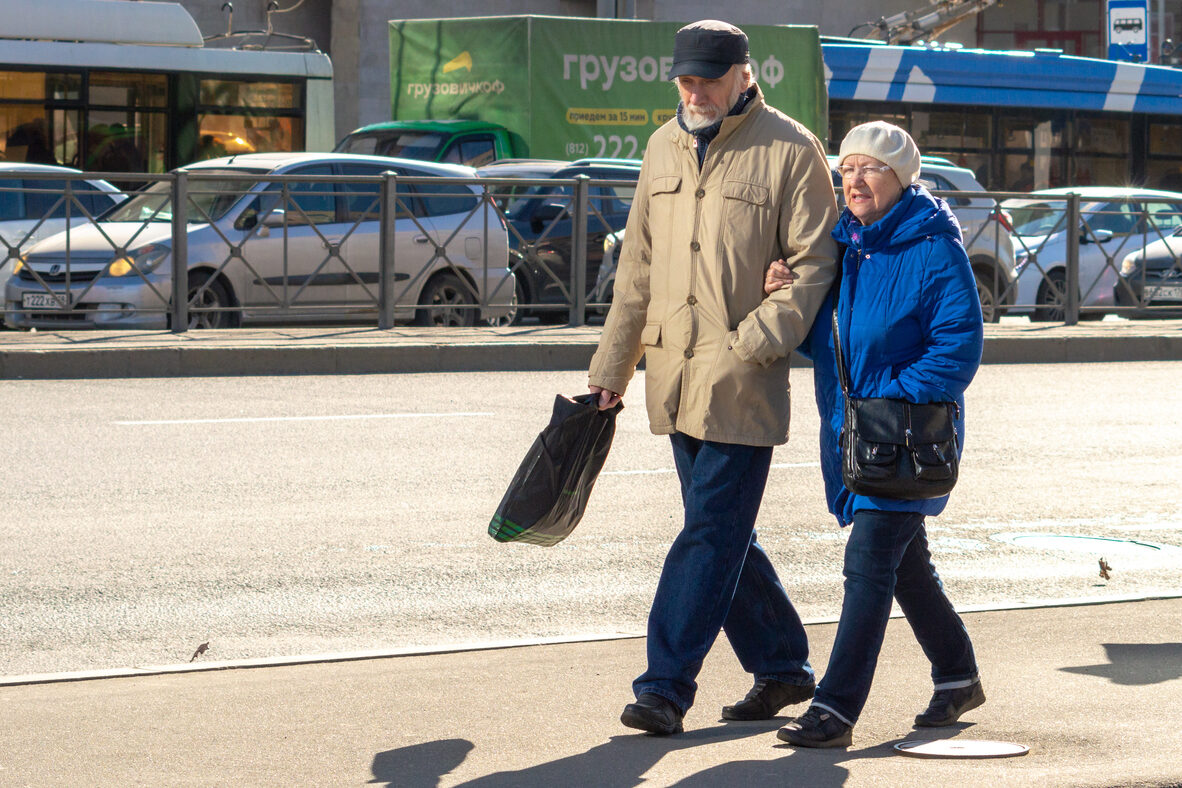
Everything added together showed how movement was woven into daily living. Walking, chores, yardwork, and dancing were not separate activities, they were natural parts of life. Fitness wasn’t about gyms or schedules; it was about necessity and rhythm. They didn’t think of themselves as exercising, they were simply living. Each small motion built a foundation of strength, flexibility, and endurance that kept them healthy. Maybe that’s the real lesson for us today. Movement doesn’t have to be forced; it just needs to be included in our routines. Our grandparents lived this truth, and their health reflected it.
This story 14 Reasons Our Grandparents Didn’t Need a gym to Stay in Shape was first published on Daily FETCH


