
1. Three’s Company
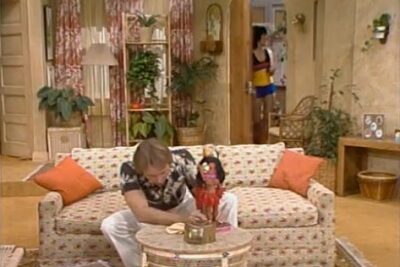
Jack, Janet, and Chrissy’s Santa Monica flat had one of the most recognizable living rooms on television, thanks to its patterned couch and ever-busy front door. But if you watched closely, you would notice the layout changed often. Bedrooms moved, walls shifted, and even the kitchen doorway seemed to migrate without explanation. The inconsistencies somehow made the space feel more alive, almost like another character in the show. What kept it charming was the constant energy of the trio. No matter where the doors led, the living room remained the heart of their chaotic, funny, and warm home life.
2. The Brady Bunch

The Brady family’s sunken living room with shag carpet and a grand staircase felt instantly familiar. It was the center of family gatherings, heart-to-hearts, and playful banter. Yet with six kids and just one bathroom, the rest of the house seemed impossible to figure out. Bedrooms were rarely consistent, and the kitchen somehow held the entire family without feeling cramped. Viewers didn’t mind, though, because the warm atmosphere made the layout details seem unimportant. The living room was where the Brady magic happened, with those stairs silently watching over countless episodes filled with laughter, sibling rivalry, and memorable family moments.
3. The Jeffersons
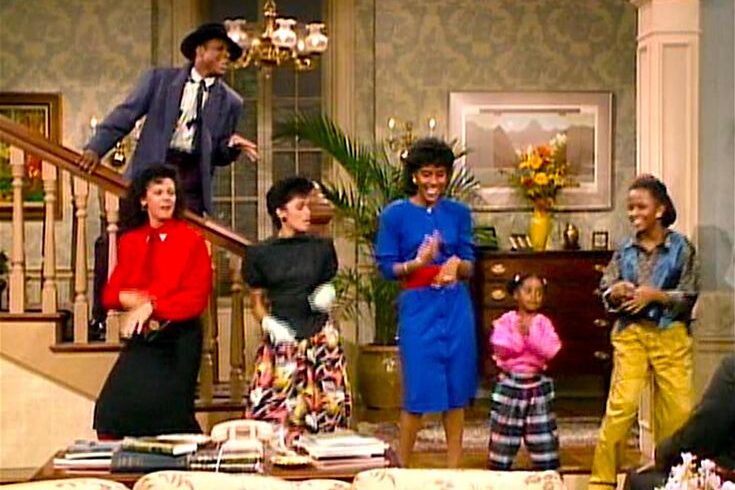
George and Weezy’s deluxe apartment in the sky had a living room that was the picture of success. The balcony view, elegant furniture, and polished style made it unforgettable. But the rest of the apartment barely appeared on screen. Bedrooms were almost never shown, and mysterious hallways led to nowhere. The living room carried most of the show’s conversations and comedic moments, often serving as the backdrop for George’s bold personality. It proved that even without showing every corner, a single well-designed space could hold enough character and charm to feel like the true center of an entire television world.
4. All in the Family
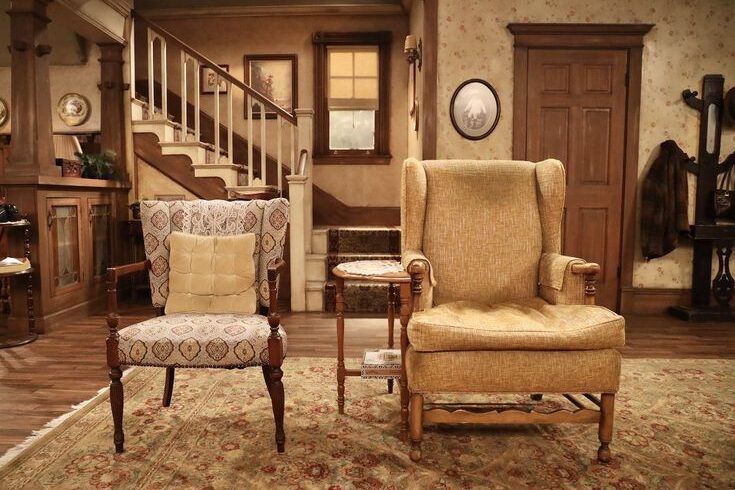
Archie Bunker’s worn armchair was the undisputed focal point of the Bunker living room. Around it, the set felt intimate and lived-in, even if viewers rarely saw much beyond it. The kitchen was glimpsed occasionally, and the staircase hinted at the upstairs, but most of the house stayed hidden. This did not matter, because every major discussion, argument, and joke unfolded right there in the living room. It became a gathering place for the cast and audience alike, with Archie’s chair anchoring every scene. That small space was enough to hold years of unforgettable moments in American television history.
5. Good Times
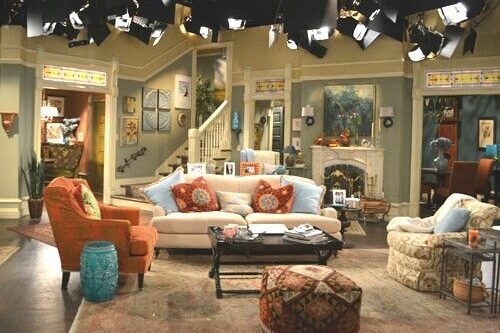
The Evans family’s Chicago apartment was small but full of life. The living room served as the stage for almost every moment, from lighthearted jokes to emotional family talks. Bedrooms were rarely shown, and the bathroom might as well have been in another building. Yet the closeness worked perfectly, making the set feel like a real home where space was limited but love was abundant. The walls felt familiar, the furniture well-used, and the laughter genuine. That single room represented resilience, humor, and togetherness, reminding viewers that a home’s heart has little to do with how many rooms it has.
6. Sanford and Son

Fred Sanford’s living room was unlike any other. It doubled as his business, overflowing with knick-knacks, mismatched furniture, and items he planned to resell. The clutter added character, but it also meant his private spaces were almost never seen. Occasionally, a hallway or upstairs area was hinted at, but nothing was shown clearly. This kept the focus on the interactions between Fred and Lamont, which were always front and center. The living room’s chaotic style mirrored Fred’s quick wit and resourceful nature, making it a place where humor and heart mixed in a way only this sitcom could pull off.
7. One Day at a Time
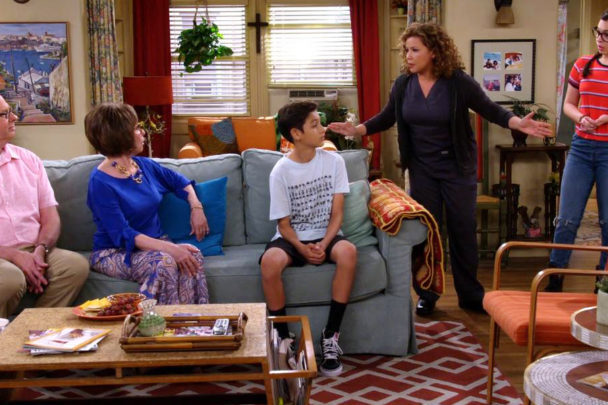
Ann Romano’s apartment was instantly warm and welcoming, with the living room and kitchen always in sight. It was where her daughters laughed, argued, and grew up in front of our eyes. But the rest of the apartment remained oddly vague. Bedrooms were rarely consistent, and the bathroom might as well have been imaginary. Still, the set worked beautifully. The living room’s open design pulled the audience into every conversation, making it feel like part of the family. It showed that even a partial view of a home can be enough to create a lasting sense of connection.
8. The Mary Tyler Moore Show
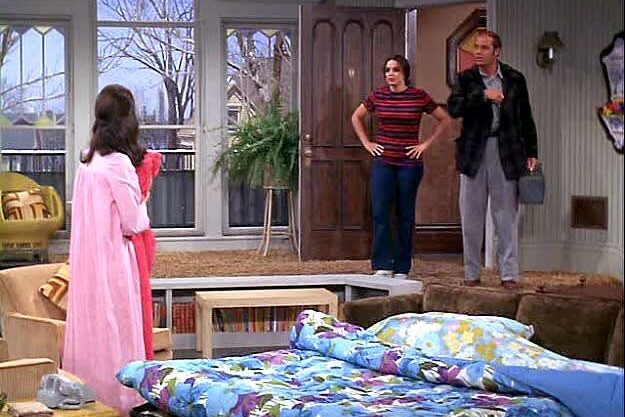
Mary Richards’ Minneapolis apartment was chic and welcoming, from its open layout to the big windows that filled the room with light. The living room hosted most of her gatherings, while the kitchen was more of a small nook than a full room. Other areas of the apartment seemed to shift or disappear altogether between seasons. Still, the space felt personal and full of character. It reflected Mary’s independent spirit, making viewers want to drop by for coffee. The incomplete layout didn’t matter, because the living room was exactly where all the warmth and laughter naturally unfolded.
9. Rhoda
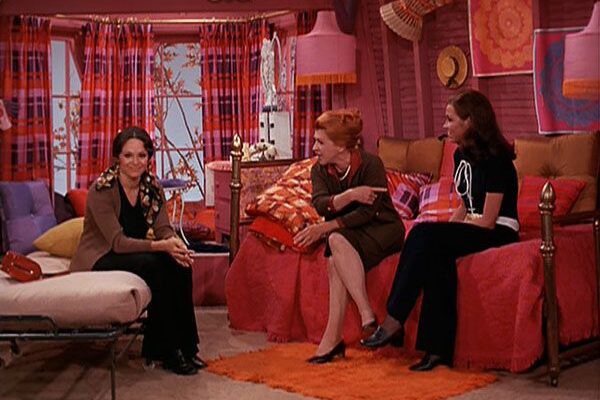
Rhoda Morgenstern’s New York apartment had a unique 1970s vibe, filled with warm colors and funky details. But trying to figure out its layout was a challenge. Hallways led nowhere, bedrooms seemed to vanish, and the kitchen could appear in different spots. Despite the shifting design, the apartment felt lively and relatable. It was the backdrop for friendship moments, dating adventures, and plenty of Rhoda’s quick comebacks. The setting was less about architectural accuracy and more about atmosphere. It worked because it felt like Rhoda’s personality, slightly unpredictable but always warm, inviting, and ready to share a good story.
This story 9 Iconic ’70s Sitcom Living Rooms That Made Us Wonder Where the Rest of the House Went was first published on Daily FETCH


