
1. The Moon’s Pull on the Sea
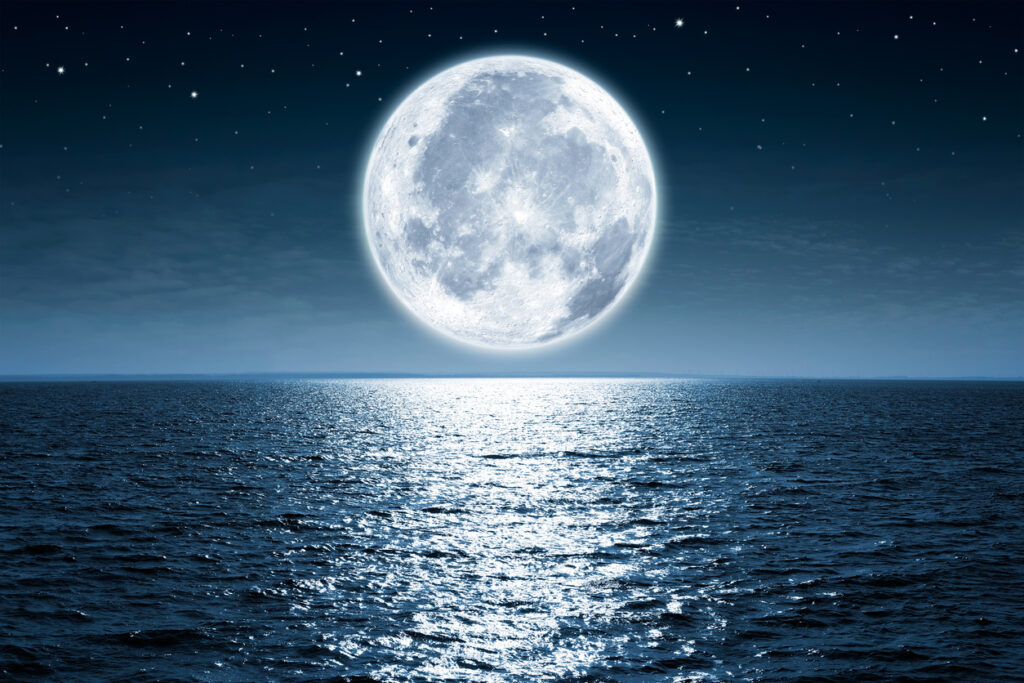
It is easy to forget the moon does more than light up the night. Its pull moves tides, shaping where fish and other marine life go. Sharks often follow these shifts, sometimes closer to where people swim. Scientists studying patterns have noticed that certain moon phases seem to line up with more shark activity. It does not mean the moon causes attacks, but it might set the stage. Like a gentle hand steering the ocean’s rhythm, the moon can create moments where sharks and swimmers cross paths more often than usual.
2. Brighter Nights Invite More Activity

On a clear night with a full moon, the ocean can glow enough to make you see your own shadow in the water. Sharks, with their sharp senses, can use that extra light to spot movement more easily. While most shark bites happen in the day, brighter nights might keep sharks hunting longer. It is not about them seeking people, but about increased chances of seeing anything moving near the surface. In those rare moments when human activity overlaps with their feeding times, a chance encounter becomes a little more likely than it would on a darker night.
3. Tides That Move the Menu
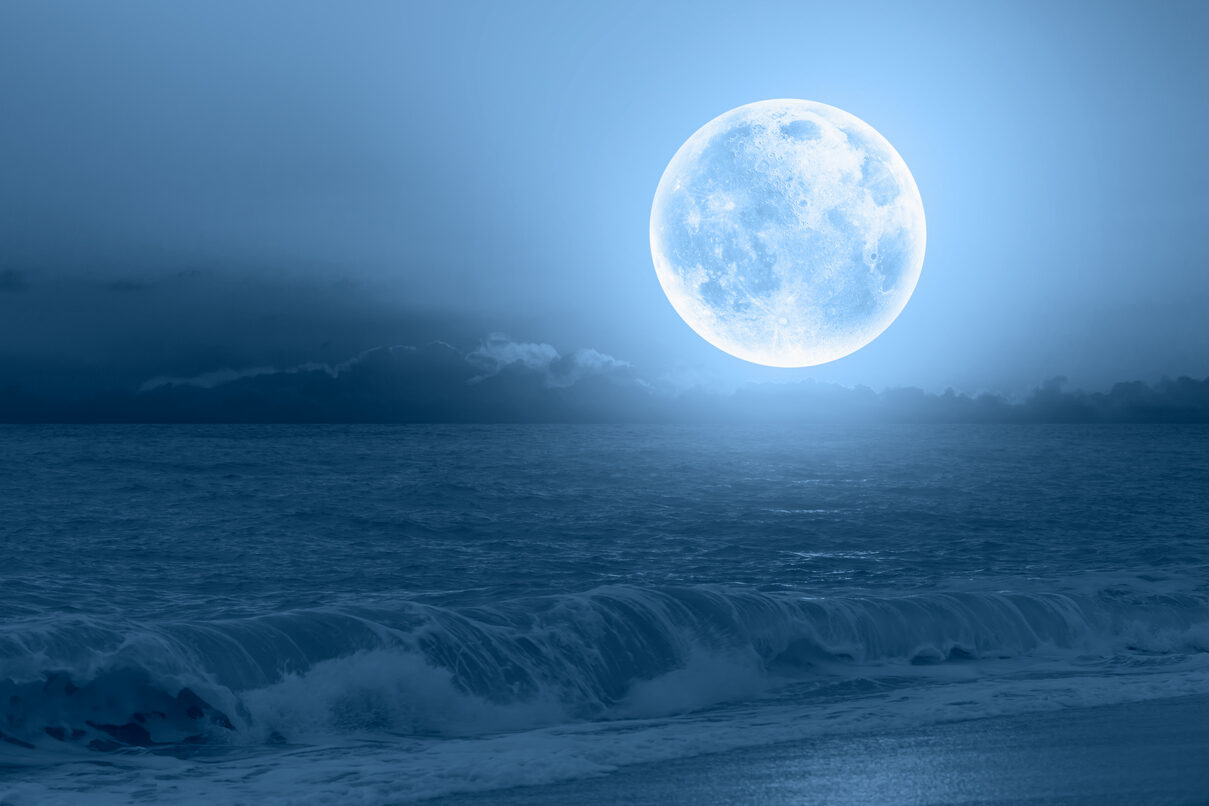
Full and new moons create stronger tides that pull and push the shoreline in dramatic ways. Fish, seals, and other prey follow those changes, sometimes moving into areas closer to beaches. Sharks follow the food, so when the buffet shifts toward shallower water, so do they. This is not about the moon calling sharks in, but about nature’s currents guiding them to where the action is. When their routes match with where people are swimming or surfing, the possibility of an encounter grows, even if only slightly, and it all starts with the moon’s subtle push on the ocean.
4. Prey Acting Strangely Under Moonlight
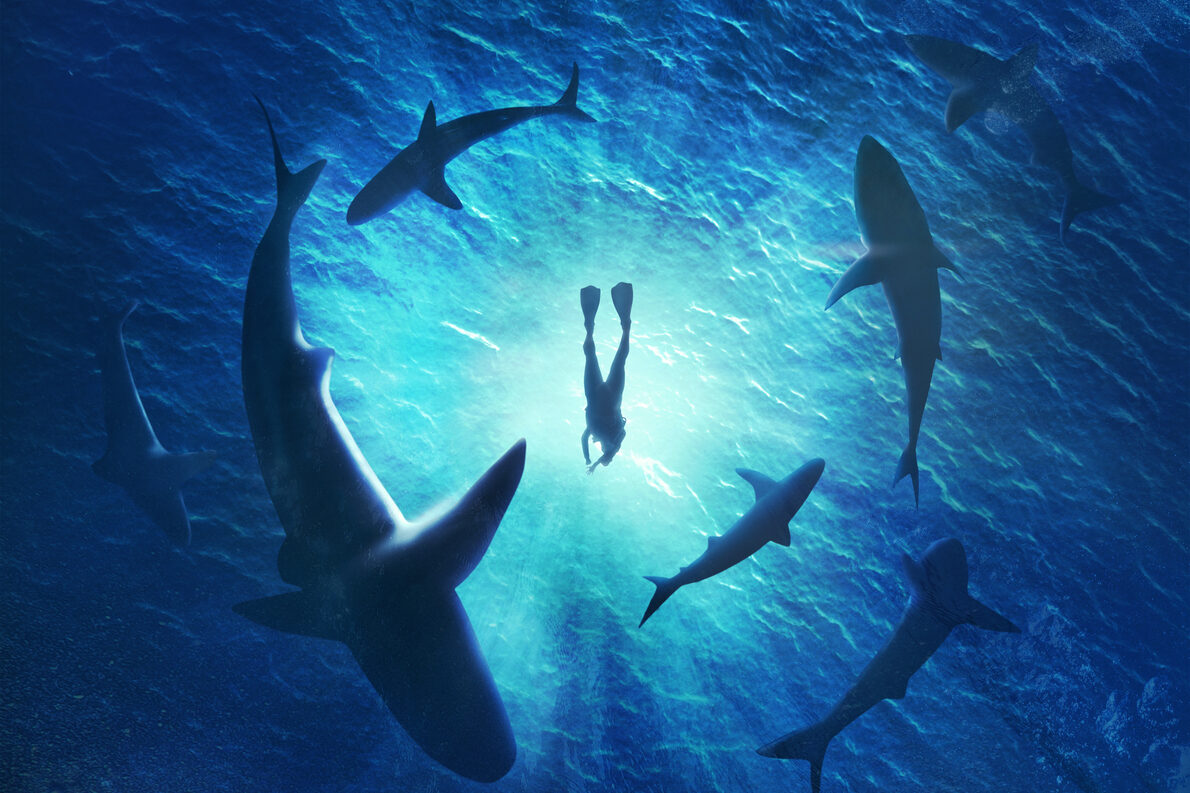
When the moon shines full, many ocean creatures act differently. Some become more active, darting through the waves, while others hide in quiet corners. Sharks respond to these changes, adjusting their hunting patterns to match. A sudden shift in prey behavior could lead them to places they usually skip. Surfers or swimmers in those same spots may unknowingly enter a busier hunting ground. It is not that sharks are drawn to people; they are simply following the natural signs around them. Sometimes, those signs just happen to lead to where human activity is already taking place in the water.
5. A Small but Noticeable Effect

Even scientists agree the moon is not a main cause of shark attacks. Still, patterns show the lunar cycle can create conditions that slightly raise the odds. These shifts are subtle, like a faint breeze you only notice when you stop to feel it. Factors such as time of day, water temperature, and the amount of fish in the area play bigger roles. Yet the moon’s influence is worth noting because it works quietly in the background. It reminds us that the ocean’s story is made up of many moving parts, and the moon is simply one of them.
6. More People in the Water at Night

Warm, bright nights often tempt surfers and swimmers to stay out longer than usual. With a glowing moon above, it feels safe and magical to enjoy the water after sunset. Unfortunately, dusk and dawn are prime feeding times for many shark species. When people linger during these hours, the overlap with shark activity grows. It is less about the moon pulling sharks in and more about it keeping us in their world a little longer. The ocean is their home, and staying aware during these times can make all the difference in avoiding an unwanted close encounter.
7. Sharks Sensitive to Subtle Changes
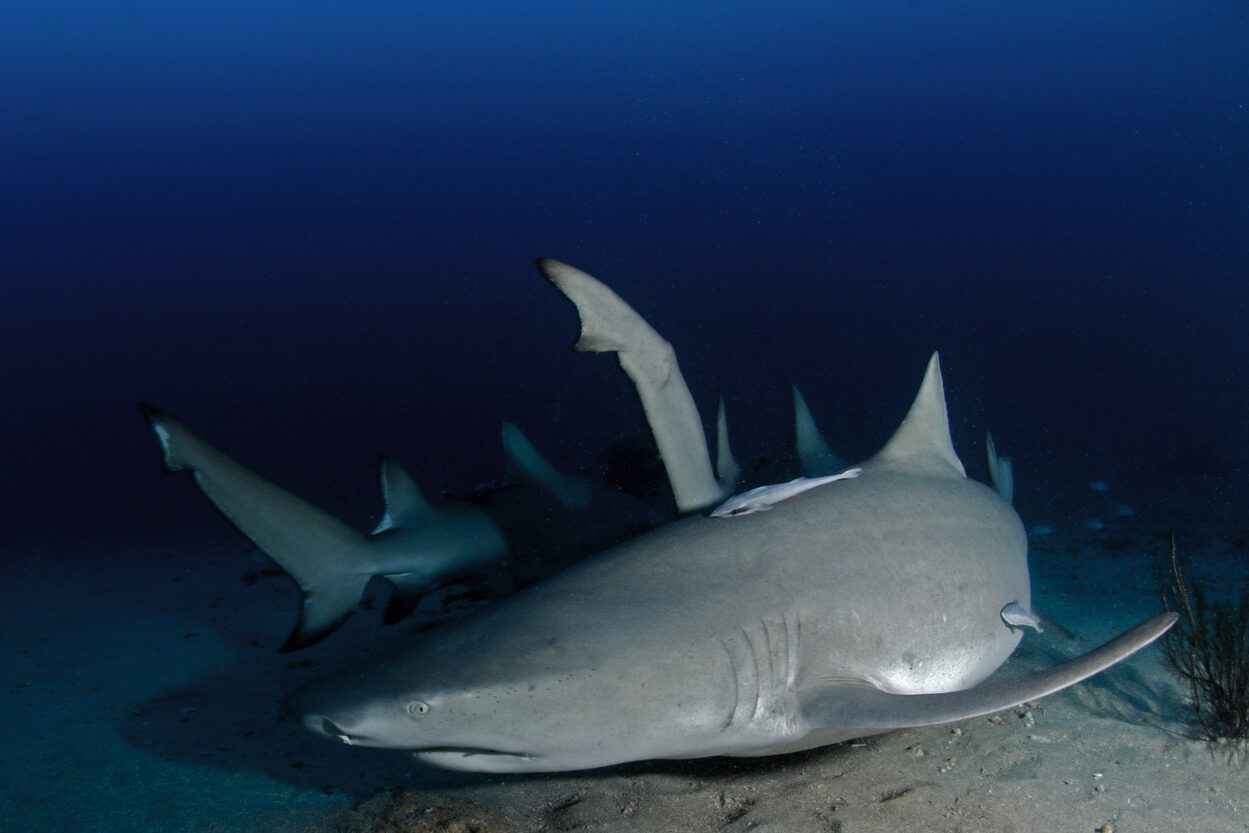
Not all sharks react the same way to light and tides, but species like bull sharks and blacktip sharks are highly sensitive to even the smallest shifts. A change in water pressure, current, or brightness might alter their hunting routes without them realizing it. These adjustments could take them into shallower waters or closer to coasts, especially during certain moon phases. For humans, this means the timing of when we enter the water matters. While the difference in risk is small, understanding how finely tuned sharks are to their environment can help us respect their patterns and swim wisely.
8. Possible Changes in Migration
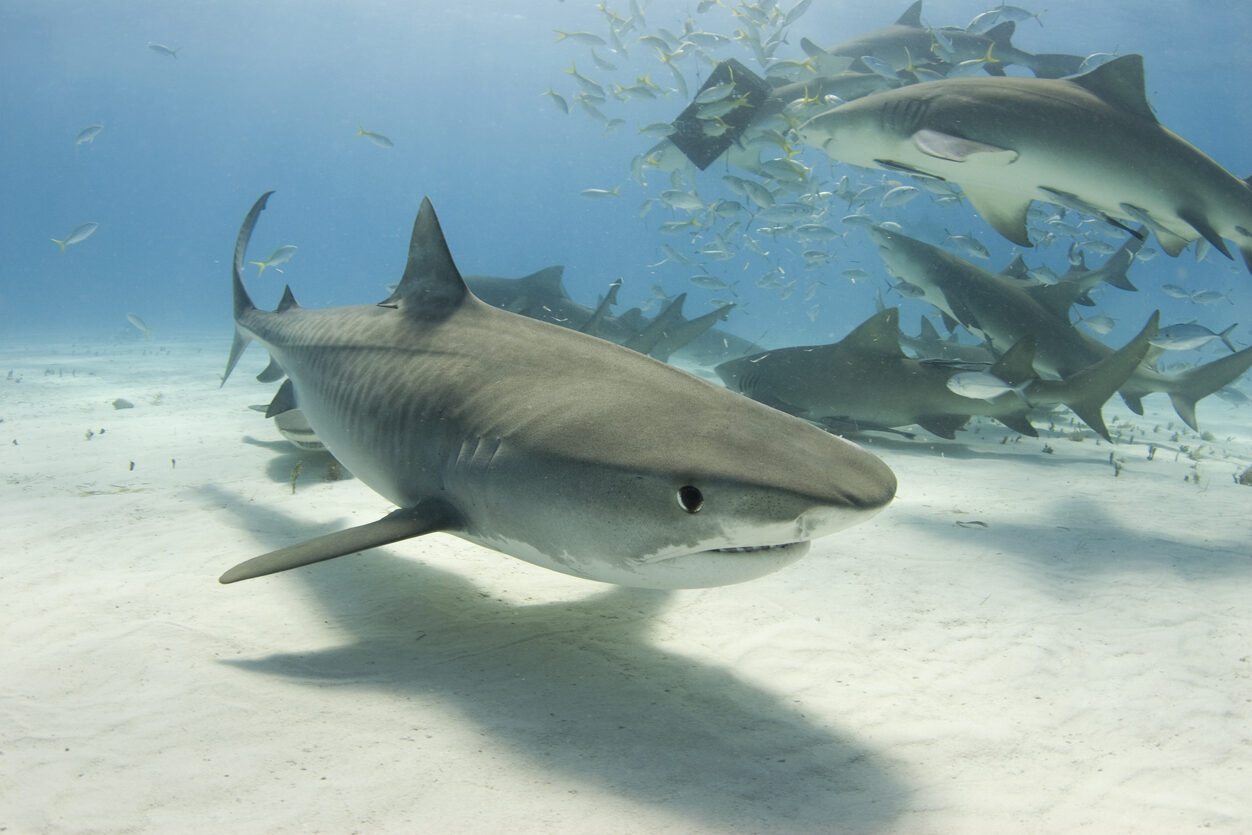
Some sharks, like tiger sharks and great whites, travel long distances in search of food and breeding grounds. Researchers think that moon phases may play a role in signaling movement, perhaps encouraging them to pass through coastal areas at certain times. This does not mean they arrive looking for humans, but if migration overlaps with popular swimming spots, the chances of meeting them could rise slightly. The moon’s effect here is indirect but intriguing. It is one more way nature’s timing might influence when and where humans and sharks share the same stretch of water for a while.
9. Why the Moon Is Just One Piece

It is important to remember that the moon is only one factor in a long list of conditions that affect shark behavior. Things like baitfish migration, water clarity, and even weather can matter more in many cases. However, the moon’s influence stands out because it works on a reliable schedule, shaping tides and light with clockwork precision. That makes it easier for scientists to track and study its effects. While no single factor explains all shark encounters, combining what we know helps paint a fuller picture and gives us small ways to lower risks when enjoying the ocean.
10. Staying Aware Without Fear
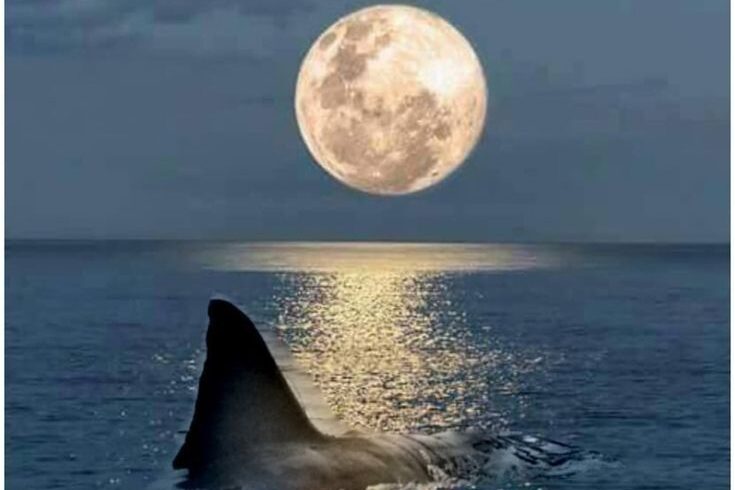
In the end, the idea that full moons bring more shark activity is both fascinating and easy to overthink. The risk of a shark attack remains very low, no matter the phase of the moon. Still, it is wise to avoid swimming at dawn or dusk during full or new moons, especially in known shark-prone areas. Awareness is not about fear; it is about respecting the ocean’s rhythm. The moon may guide tides and behavior, but it is only one part of the story, and we can choose how and when we share the water with its wild residents.
This story Do Full Moons Bring More Shark Attacks? 10 Reasons Scientists Say Maybe was first published on Daily FETCH


