
1. Helltown, Ohio
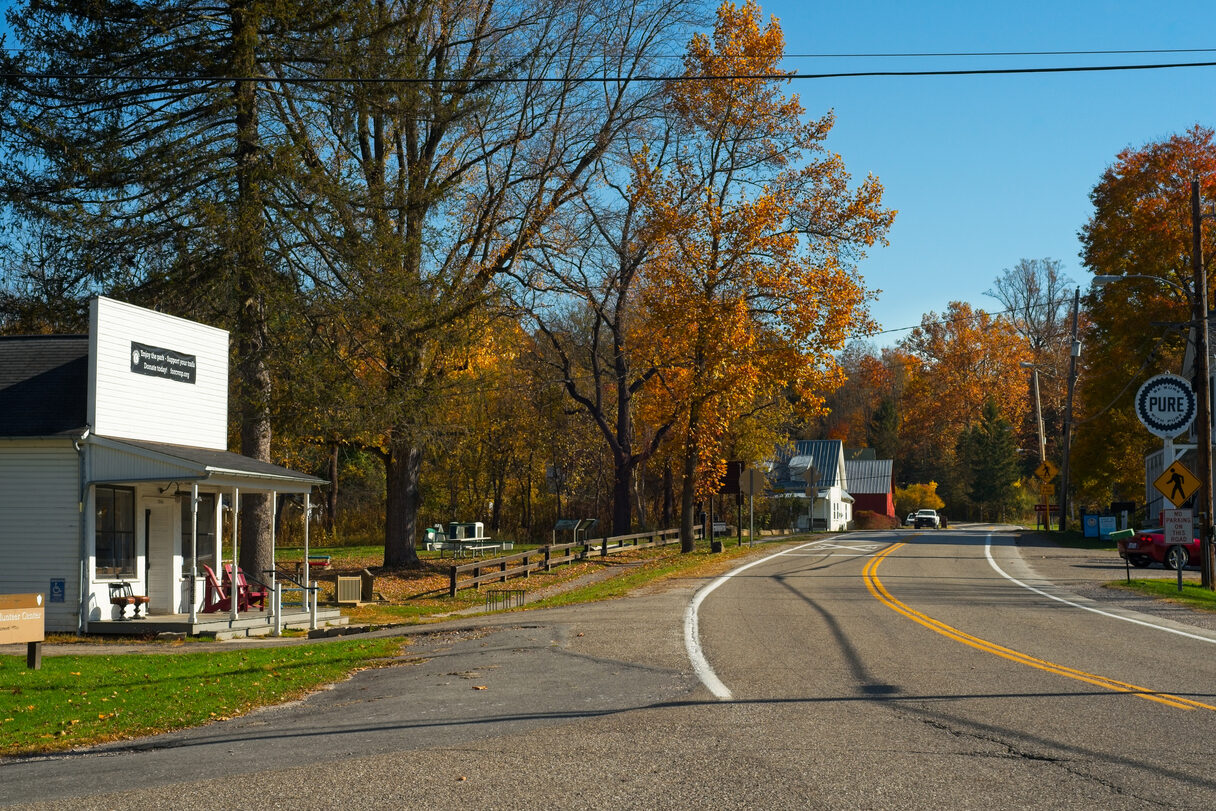
Tucked in Boston Township, Ohio, Helltown’s quiet roads tell a strange story of federal buyouts in the 1970s when homes were seized to expand Cuyahoga Valley National Park. What followed were wild rumors of satanic cults, mutants, and hidden experiments. Locals still shake their heads at outsiders chasing ghosts, yet the empty homes and blocked-off roads make it easy to see why stories took root. It’s not evil here, just eerie. Helltown is a reminder that sometimes the scariest thing is how quickly a real town can disappear into legend.
2. Cecil Hotel, Los Angeles, California
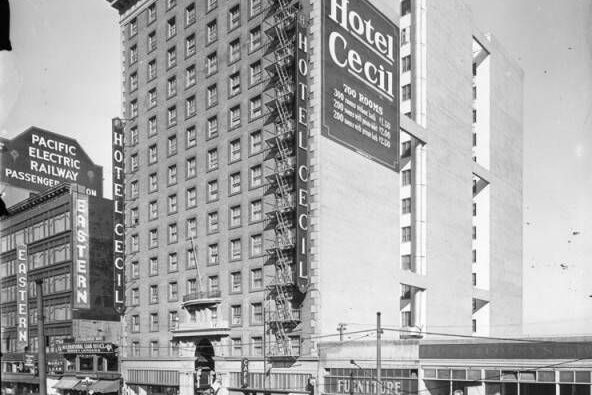
In downtown Los Angeles, the Cecil Hotel’s real-life tragedies gave birth to its reputation as one of America’s most haunted places. From the Great Depression to modern times, its history includes violence, suicides, and the mysterious 2013 death of Elisa Lam, ruled an accident but still haunting the internet. Now rebranded, the building stands as both historic and infamous. Locals no longer whisper of curses; they talk about forgotten residents and systemic failures. The Cecil isn’t haunted by ghosts as much as by memories of human desperation that echo through its halls.
3. Portlock, Alaska
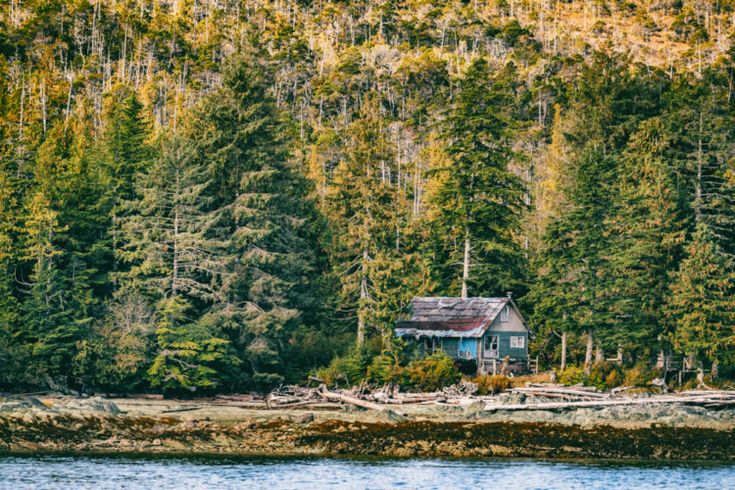
Portlock, also called Port Chatham, sits abandoned on Alaska’s remote southern coast. Stories from the mid-1900s claim fishermen vanished and strange screams filled the forests, spawning tales of a creature called Nantiinaq. Whether it was bears, paranoia, or something unknown, residents packed up and left. Today, moss covers the cabins and silence rules the shoreline. Locals avoid camping near it, and even skeptics admit the isolation feels unnatural. Portlock isn’t a tourist trap; it’s a ghost town where nature reclaimed everything, and something unseen still seems to watch from the trees.
4. Dudleytown, Connecticut
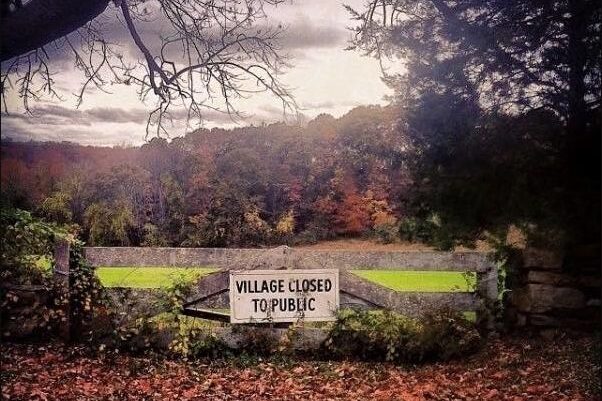
Hidden within Connecticut’s Litchfield Hills, Dudleytown’s ruins are off-limits to the public, yet legends still draw curious visitors. Stories of curses and madness trace back to the 1700s when the Dudley family settled here. Over time, the forest swallowed the homes and people whispered of ghosts. In reality, poor soil and isolation caused the town’s fall, not demons. Today, the Dark Entry Forest Association protects the land, warning visitors to stay out. What remains of Dudleytown isn’t haunted by spirits, just the endless human fascination with cursed places and forbidden woods.
5. Bridgewater Triangle, Massachusetts
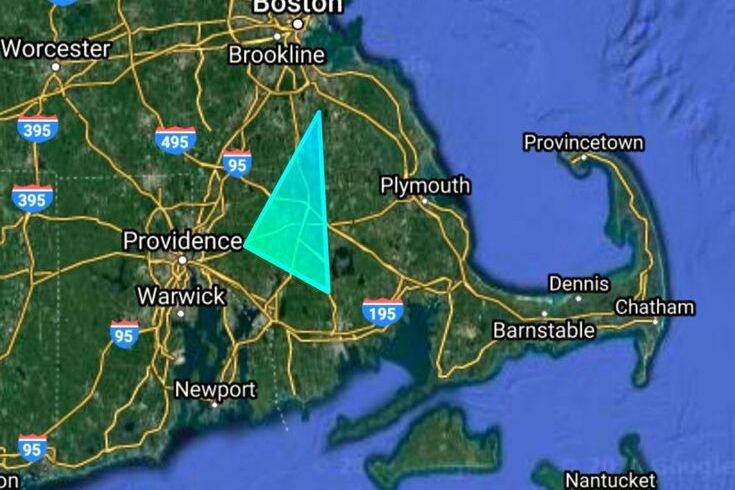
The Bridgewater Triangle is a 200-square-mile patch of southeastern Massachusetts that has fueled decades of paranormal talk. UFO sightings, glowing orbs, and even Bigfoot reports mix with Native American lore and colonial history. Hockomock Swamp, the heart of it, is misty and dense, perfect for the imagination to run wild. Scientists blame marsh gas and shadows; believers claim portals and energy shifts. Either way, the stories persist. Locals treat it with equal parts skepticism and pride, knowing few regions capture the weird, wild American mystique quite like this haunted triangle.
6. Centralia, Pennsylvania
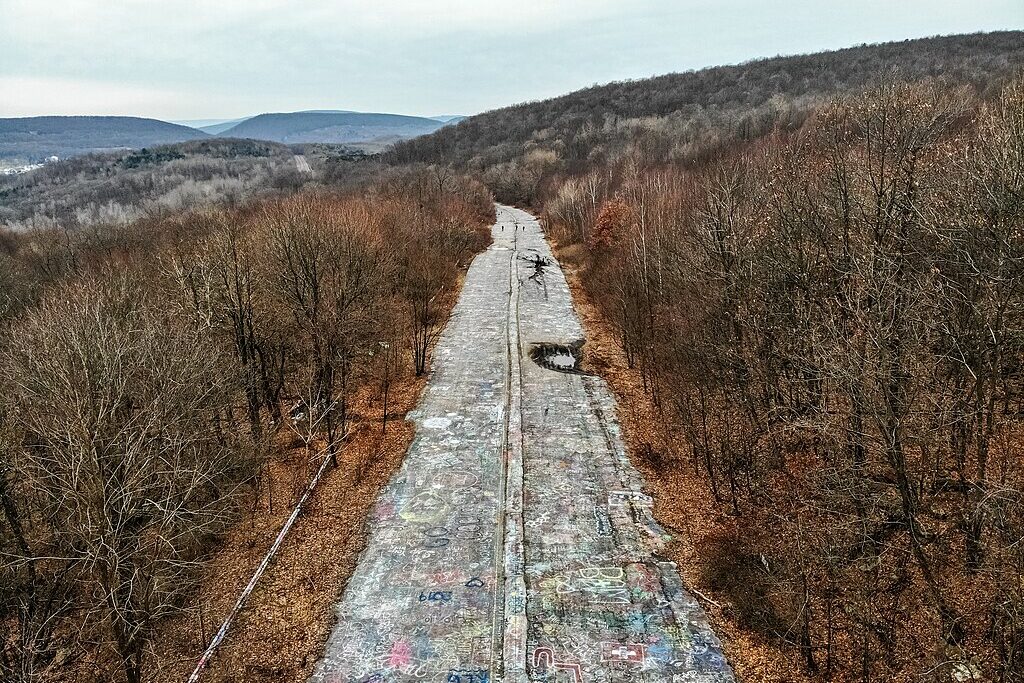
Centralia’s story is real horror. A coal seam fire ignited beneath the town in 1962 and has burned for decades. As gases rose and the ground cracked, families fled, leaving behind empty streets and smoking earth. By the 1990s, nearly everyone was gone. Only a handful of homes still stand, and even they sit above slow-burning danger. Centralia isn’t haunted by ghosts, it’s haunted by human error and time. Visitors come for eerie photos, but locals see it as a cautionary monument to how greed and negligence can literally set a town on fire.
7. Skinwalker Ranch, Utah
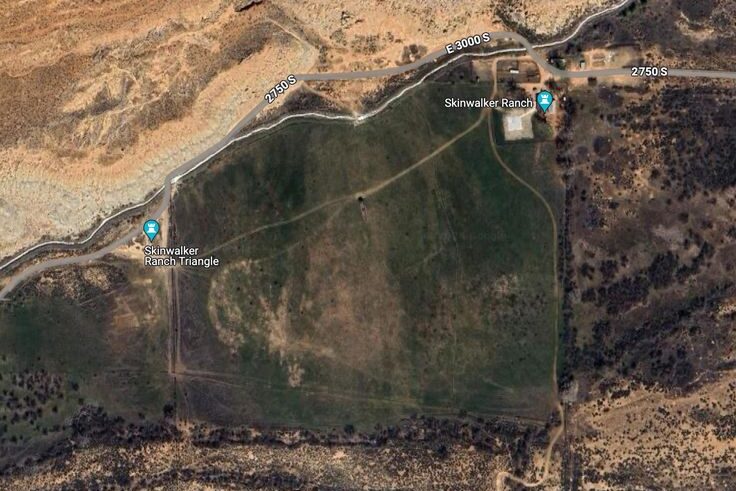
In Utah’s Uintah Basin, Skinwalker Ranch has become a magnet for UFO enthusiasts and paranormal investigators. Strange lights, cattle mutilations, and unexplained noises fill decades of reports, though hard evidence remains elusive. Native legends of shapeshifting “skinwalkers” predate the ranch’s fame, blending cultural stories with modern speculation. Today it’s private property heavily monitored, and locals keep their distance. Whether it’s government testing, magnetic anomalies, or pure myth, Skinwalker Ranch has earned its reputation as the strangest place in the American West, a mystery that science and superstition continue to share uneasily.
8. Bodie, California
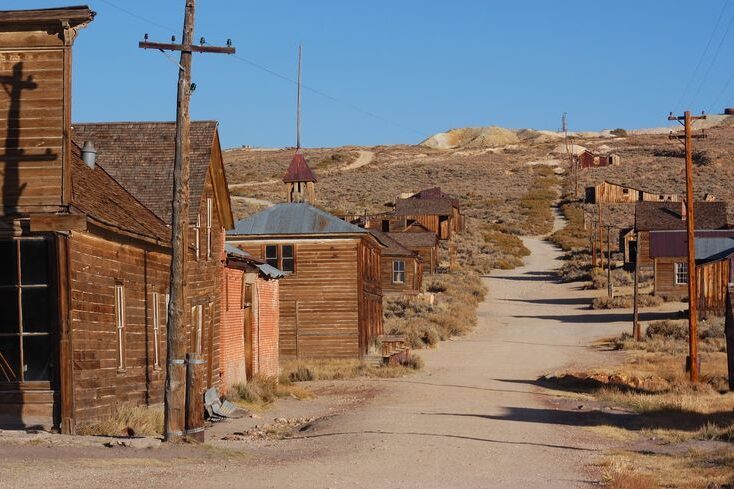
Once a booming mining town in the Sierra Nevada mountains, Bodie is now a perfectly preserved ghost town. Abandoned in the early 1900s, it became a California State Historic Park known for its “arrested decay.” Visitors whisper about the “Bodie Curse,” claiming bad luck follows anyone who steals artifacts. Rangers have received hundreds of returned items, often with apology notes attached. The town’s eerie silence and weathered buildings make it feel alive with echoes of its rough past. Bodie’s true haunt isn’t ghosts, it’s the weight of a dream that ended in dust and wind.
9. Devil’s Tramping Ground, North Carolina
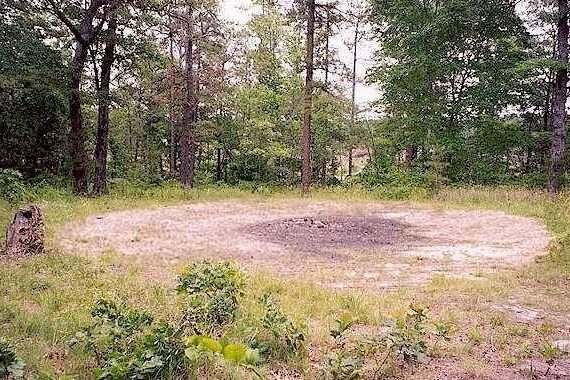
South of Siler City, a mysterious barren circle sits in the middle of the forest. For centuries, locals have claimed the Devil himself uses the spot to pace in circles at night, leaving the ground too cursed for anything to grow. Scientists have tested the soil, finding little to explain the patch’s lasting barrenness. Skeptics blame salt content and compaction, while believers warn not to bring pets near. Whether science or superstition, the circle endures. The Devil’s Tramping Ground remains one of North Carolina’s oldest and strangest unsolved natural curiosities.
10. Clinton Road, New Jersey
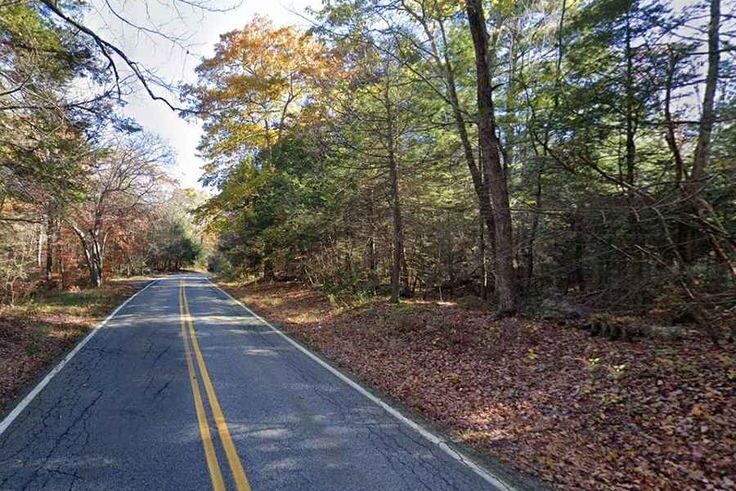
Clinton Road in West Milford is one of New Jersey’s most infamous stretches of asphalt. Its legends include phantom trucks, ghost children, and strange gatherings deep in the woods. Some stories stem from real accidents and crimes, others from pure imagination. The long, winding road lacks cell service and lighting, making every rustle in the trees feel ominous. Locals say it’s just an ordinary rural road, but thrill-seekers swear something follows them at night. True or not, Clinton Road proves how isolation can make even the ordinary feel unnervingly supernatural.
11. Lake Lanier, Georgia
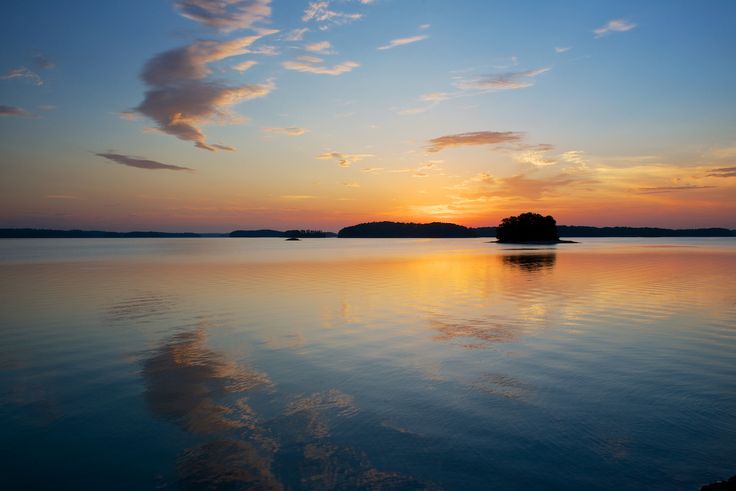
Lake Lanier’s serene waters hide a dark past. Built in the 1950s, it flooded several communities and cemeteries, displacing hundreds. Since then, hundreds of drownings have occurred, giving rise to ghostly legends of unseen hands and restless spirits. Locals blame cold currents, poor visibility, and alcohol for the tragedies, not curses. Still, the stories persist. Beneath the waves lie remnants of old towns, bridges, and graves, a haunting history literally underwater. Lake Lanier’s mystery isn’t in monsters but in how a man-made lake can hold so much grief and beauty at once.
12. Bennington Triangle, Vermont
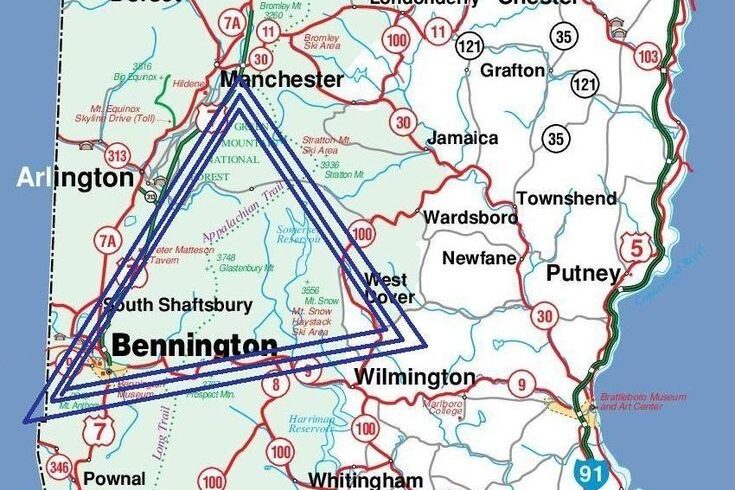
Between Glastenbury Mountain and nearby towns lies the Bennington Triangle, a region marked by five unexplained disappearances between 1945 and 1950. The missing ranged from hunters to hikers, all vanishing without a trace. Theories span from serial killers to magnetic anomalies, though most point to the wilderness itself as rugged, disorienting, and easy to get lost in. Locals treat the forest with respect and caution, knowing how quickly fog and cold can change everything. The Bennington Triangle endures as Vermont’s most haunting mystery, where nature itself might be the only suspect.
13. Bell Witch Cave, Tennessee
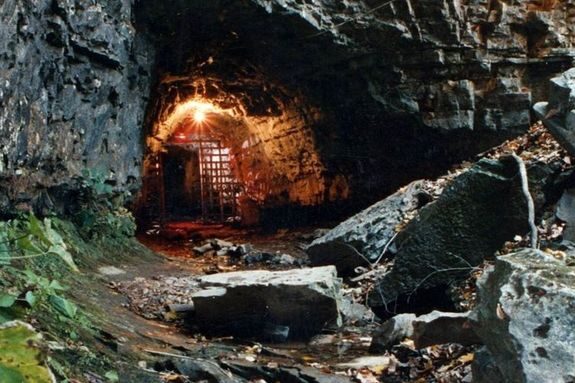
Near Adams, Tennessee, the Bell Witch legend is one of America’s oldest ghost stories. In the early 1800s, the Bell family claimed to be tormented by a vengeful spirit that spoke, struck, and even predicted deaths. The nearby Bell Witch Cave became tied to the legend, though its link is symbolic more than proven. Visitors report eerie feelings and strange whispers inside. Locals see it as folklore, a mix of history and superstition that shaped Tennessee’s storytelling culture. The Bell Witch remains less about proof and more about the power of belief itself.
14. Slaughterhouse Canyon, Arizona
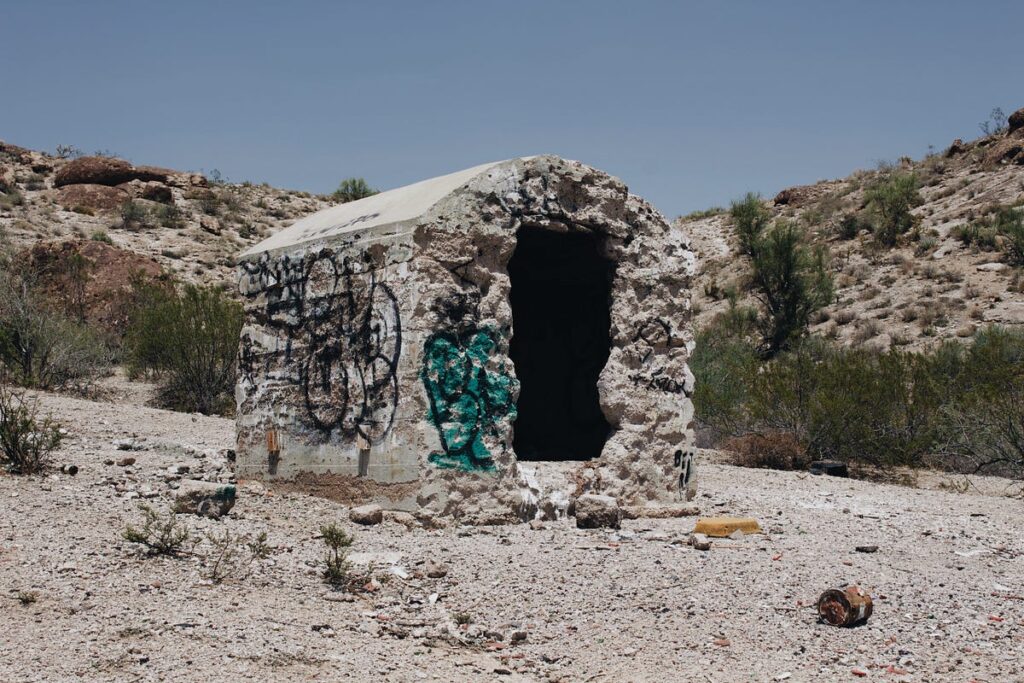
Also known as Luana’s Canyon, this Arizona ravine earned its gruesome name from a 19th-century legend of a starving family. The story tells of a mother who went mad after her husband never returned, taking her children’s lives in despair. There’s no record to prove it happened, yet hikers swear the place feels heavy with sorrow. The canyon’s isolation amplifies every sound, every gust of wind. Whether haunted by tragedy or silence, Slaughterhouse Canyon reminds visitors how stories can make even the sunniest desert feel cloaked in shadows.
15. Dead Children’s Playground, Alabama
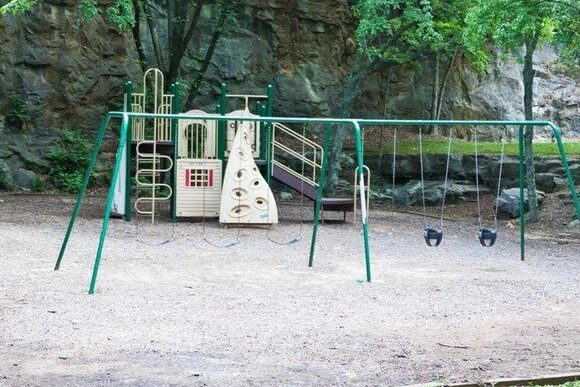
Behind Huntsville’s Maple Hill Cemetery sits a small park with swings and slides that earned a chilling nickname. Locals say the swings move on still nights and faint laughter echoes in the dark. The truth is simpler: the wind tunnels through the nearby cliffs, setting the swings in motion. Yet the playground’s location beside one of Alabama’s oldest cemeteries makes the legend hard to shake. Parents bring their kids by day, but few linger after dusk. Whether haunted or not, the place holds an innocence wrapped in quiet unease.
16. Stull Cemetery, Kansas
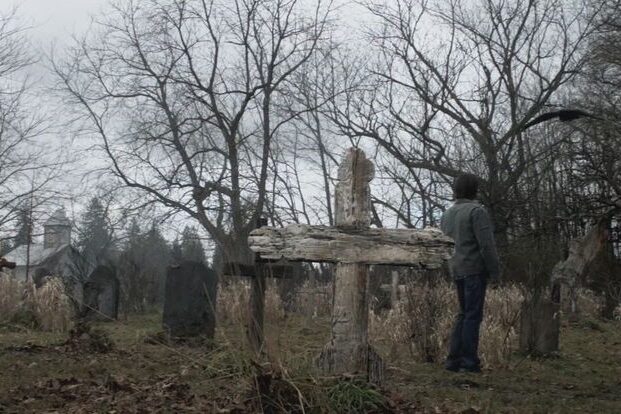
Tucked outside Lawrence, Kansas, Stull Cemetery has long been branded the “Gateway to Hell.” The legend grew from stories of strange lights and whispered rituals, but the truth is far more ordinary. The old church that once stood there collapsed decades ago, and locals simply want privacy. Trespassing fines are real, even if demons are not. Despite repeated debunking, visitors still sneak in hoping to feel something supernatural. In the end, Stull isn’t cursed—it’s a quiet resting place miscast as a portal by people who couldn’t leave folklore alone.
17. The Myrtles Plantation, Louisiana
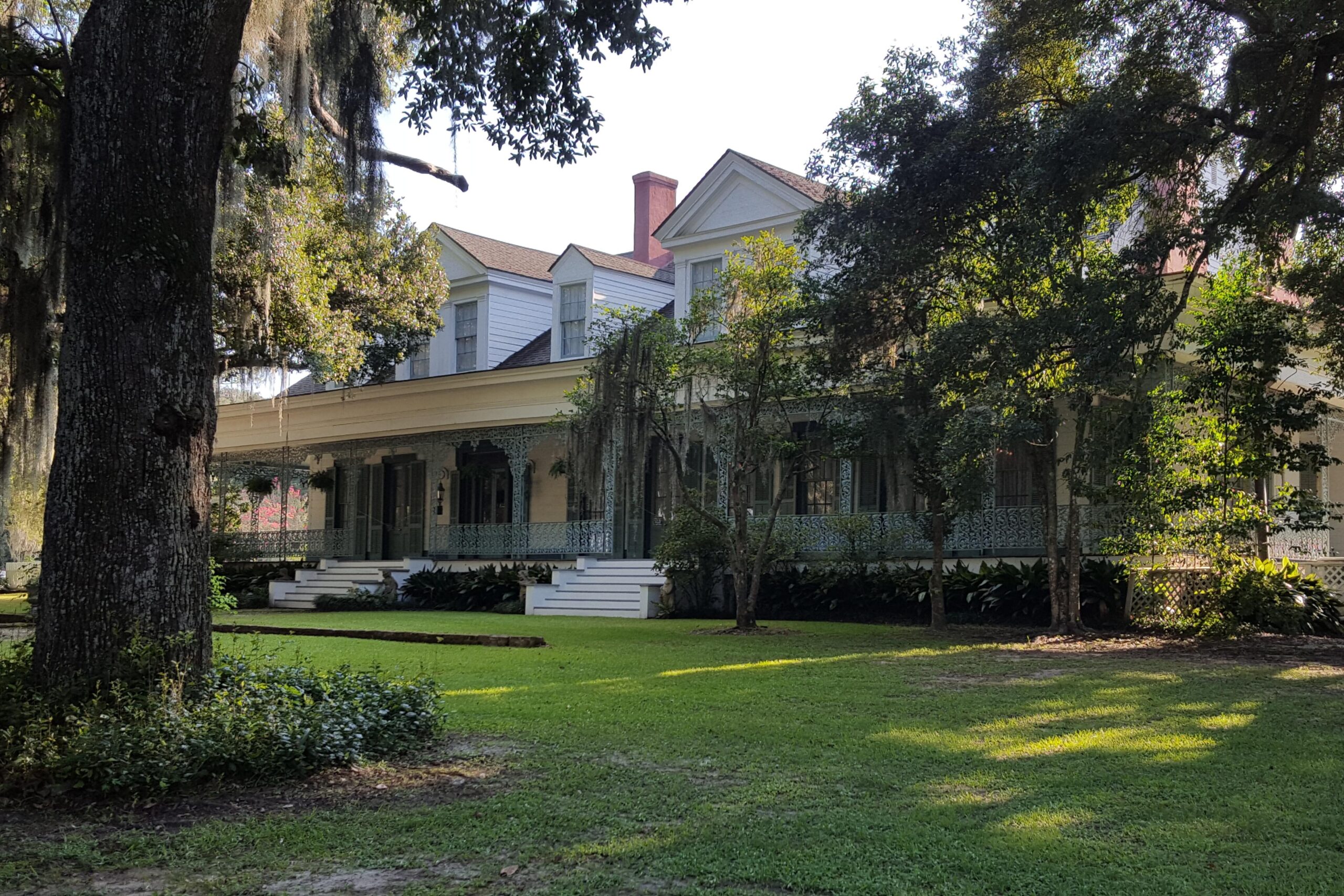
In St. Francisville, Louisiana, the Myrtles Plantation markets itself as one of America’s most haunted homes. Stories of murdered slaves and tragic family deaths fill the air, though historians have disproved much of it. Still, guests claim to see figures in mirrors and hear footsteps in empty rooms. The house’s beauty contrasts its lore, making the experience equal parts eerie and elegant. Locals accept the ghost stories as part of tourism but know the real history is human, not supernatural. The Myrtles’ lasting power lies in its mix of charm and mystery.
18. Pine Barrens, New Jersey
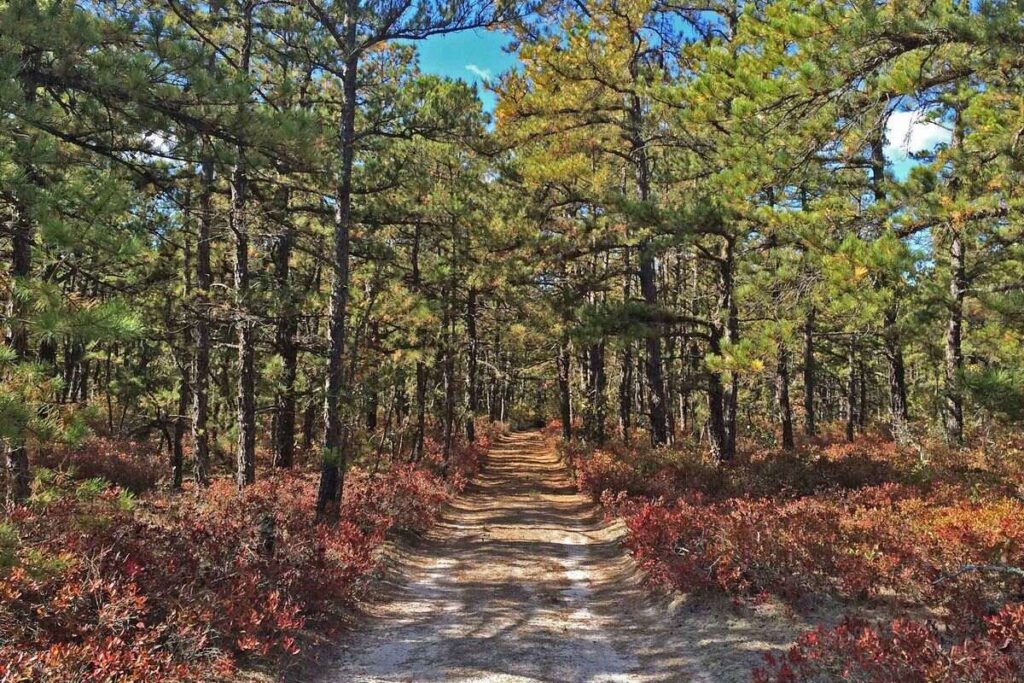
Stretching across southern New Jersey, the Pine Barrens are vast, quiet, and full of legend. The most famous tale is that of the Jersey Devil, said to be the cursed thirteenth child of Mother Leeds. Despite centuries of sightings, no proof exists beyond folklore. Locals embrace the myth as state pride but warn of real dangers: ticks, snakes, and getting lost. The sandy soil and twisted pines give the region its eerie character. Whether monster or myth, the Pine Barrens remain one of America’s strangest and most misunderstood landscapes.
19. Ashley’s Restaurant, Florida
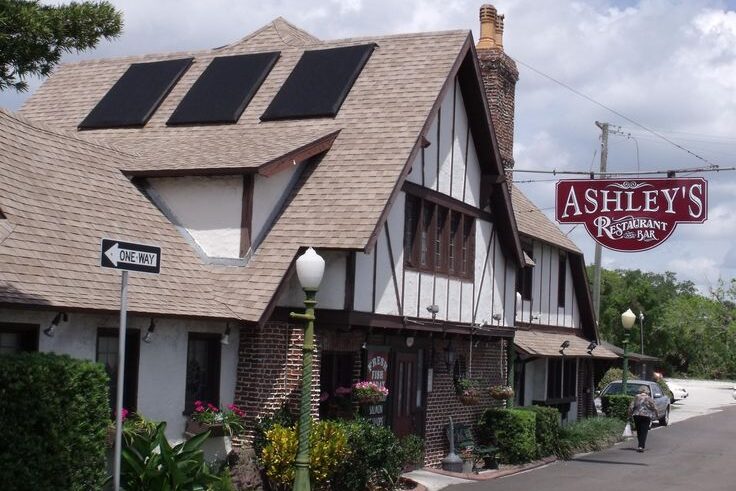
Ashley’s Restaurant in Rockledge has been serving comfort food for decades, but diners come as much for the ghost stories as the menu. Legend says a woman named Ethel was killed nearby in the 1930s and never left. Staff report flickering lights, moving silverware, and whispers from empty hallways. Most chalk it up to old wiring and imagination, but the stories persist. Locals treat it as a fun haunt, part of Florida’s colorful history. Whether ghost or good marketing, Ashley’s keeps the spirit of mystery alive with every meal.
20. The Ridges, Ohio
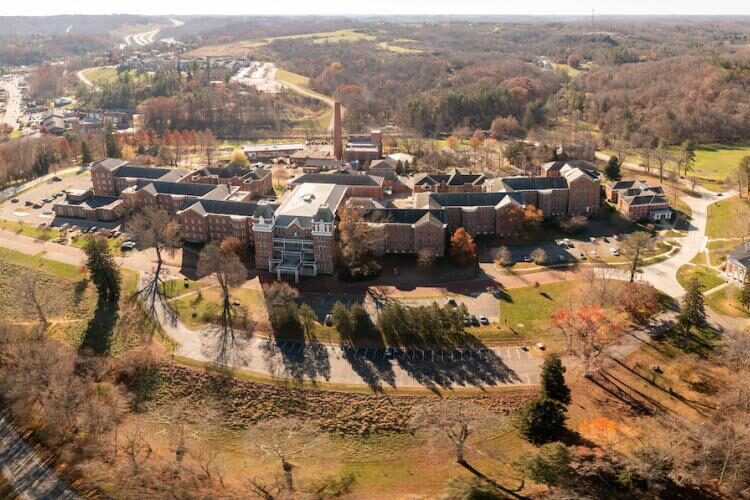
Once the Athens Lunatic Asylum, The Ridges is now owned by Ohio University and used for art and archives. Yet one room still carries a chilling mark: the faint outline of a woman named Margaret Schilling, whose body was discovered there in 1979. Scientists attribute the stain to natural decomposition, but visitors feel a heavy quiet in the air. The building’s gothic halls and tragic past make it a magnet for ghost hunters. Whether haunted by souls or sorrow, The Ridges holds history that refuses to fade.
21. Archer Avenue, Illinois
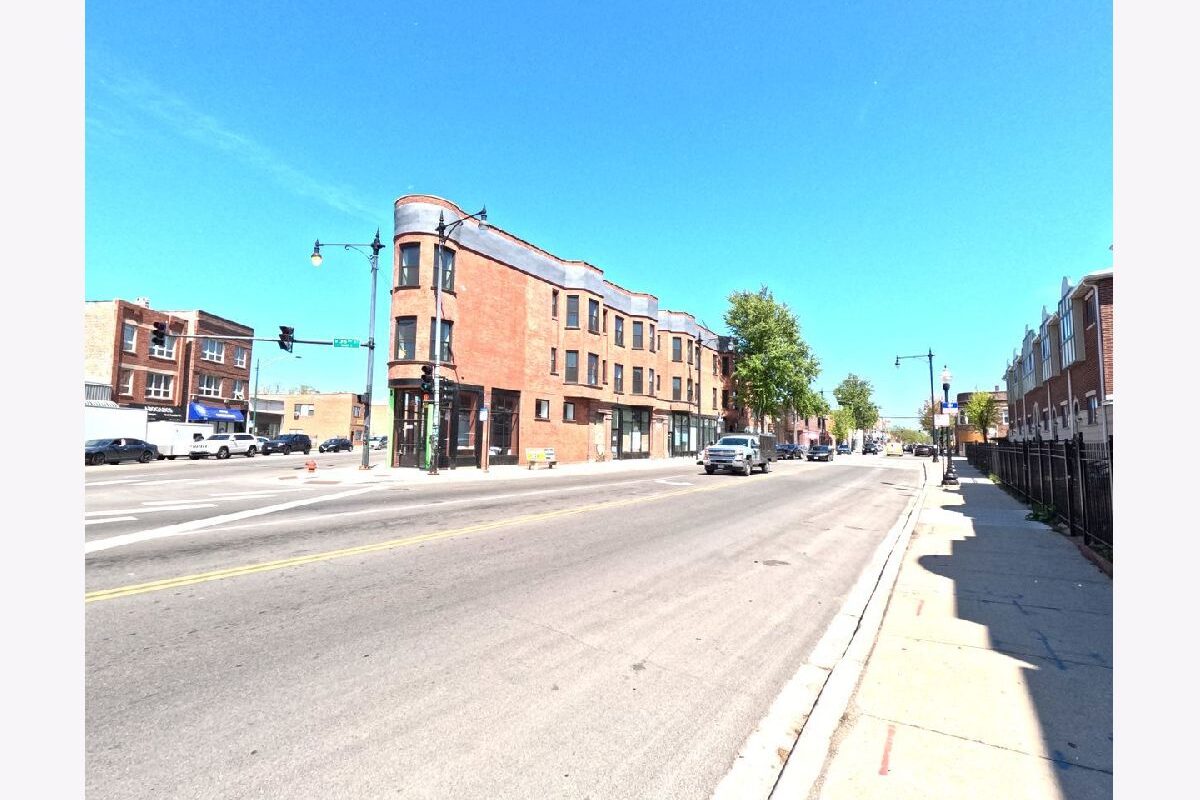
Along Chicago’s southwest side, Archer Avenue looks ordinary until night falls. Then the legend of Resurrection Mary returns. Since the 1930s, drivers have reported a young woman in white who asks for a ride and vanishes at the cemetery gates. Some say she is a composite of real accidents. Others keep their distance after midnight. Whether belief or caution guides you, the story endures because the road invites imagination and memory. Most people pass with nothing more than nerves, a glance at the iron fence, and a steadier grip on the wheel. It never quite fades from local talk.
22. Black Angel Statue, Iowa
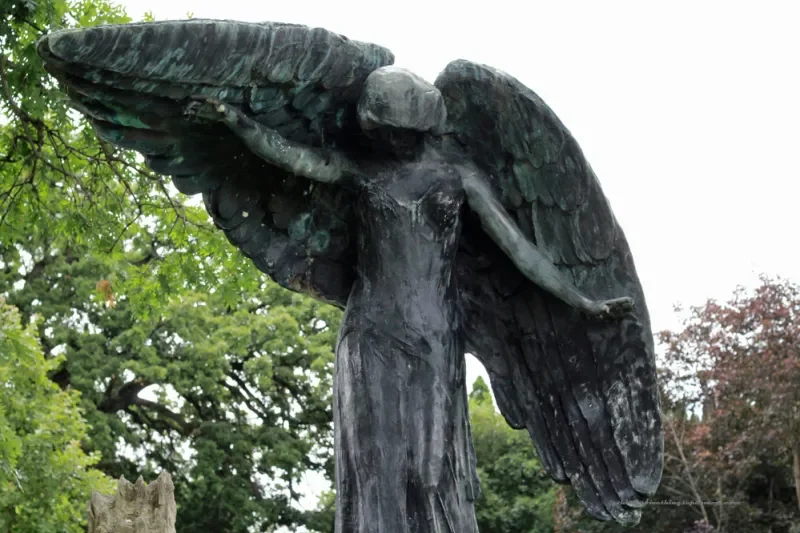
In Iowa City’s Oakland Cemetery, a tall bronze angel stands dark from years of weather and time. Oxidation turned her black and stories followed, warning students not to touch or tempt a curse. Most locals treat it as folklore, yet few linger beneath her wings after dusk. Mementos gather at the base in quiet offerings, coins and flowers that say please and thank you at once. People come for photos, then lower their voices without thinking. Whatever the truth, the statue’s presence does the work of a myth, steady and watchful and hard to forget. Especially at night.
23. The Stanley Hotel, Colorado
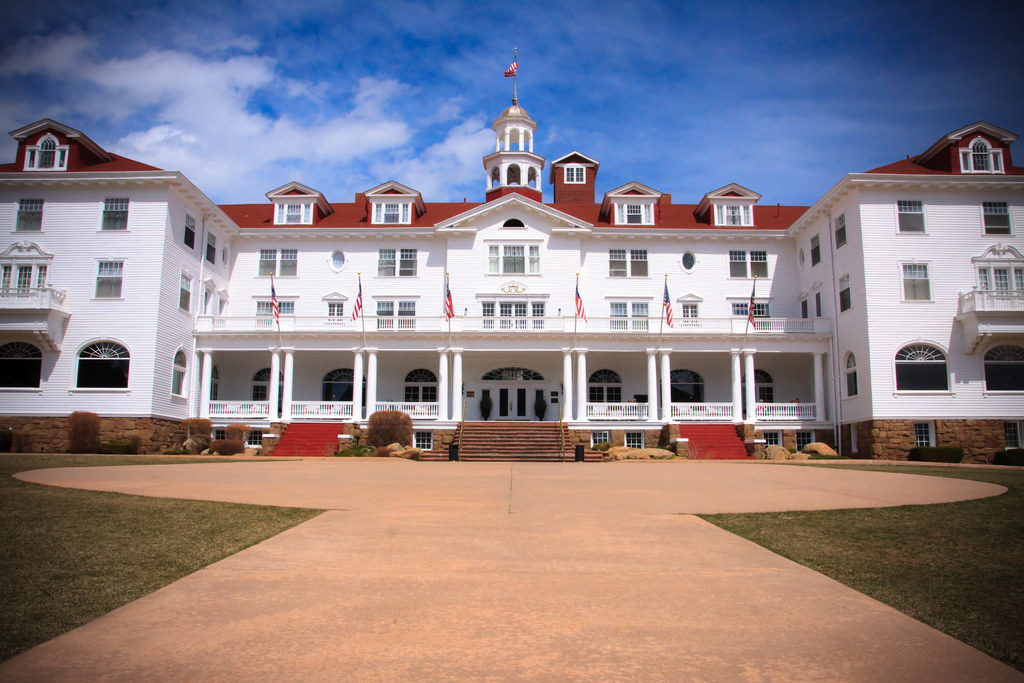
In Estes Park, the Stanley Hotel gleams against the Rockies with polished wood and persistent lore. Stephen King’s stay helped spark The Shining, and the building has carried that shadow kindly ever since. Guests report footsteps, laughter down empty halls, and a lobby piano that seems to find its own keys. Staff keep stories gentle and hospitality first. Locals admire the view and visit for dinner, then head home before midnight. It feels less like a haunted house and more like a grand hotel with a dramatic personality that sometimes announces itself. The legend lives comfortably beside good service.
24. The Villisca Axe Murder House, Iowa
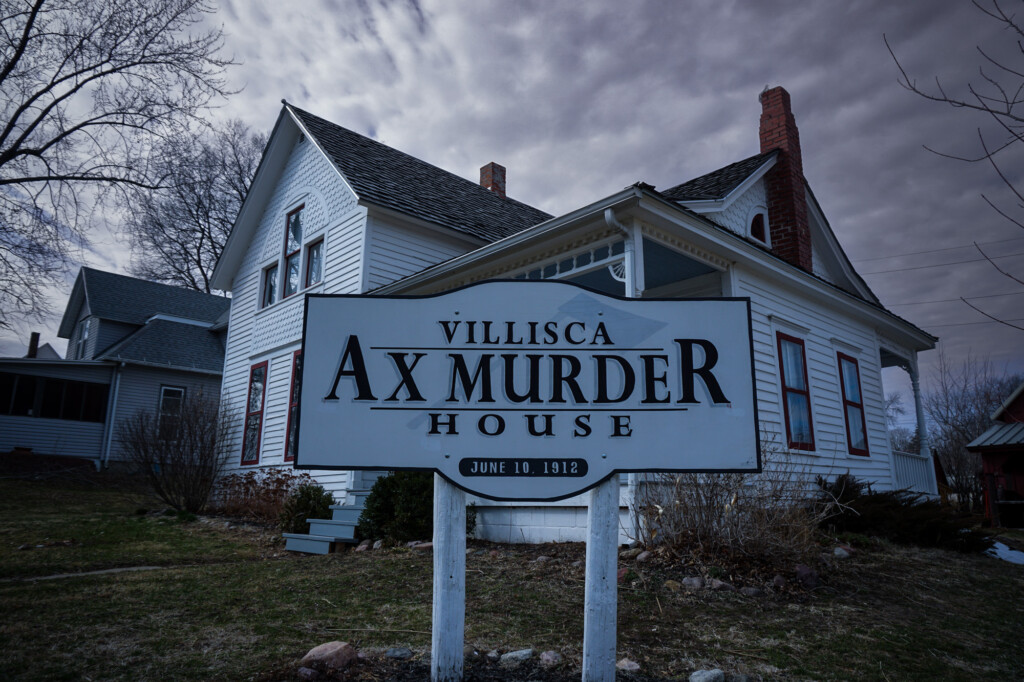
Villisca looks like any small Iowa town until you step inside the house on the corner. In 1912, eight people were murdered here with an axe, and no one was convicted. The rooms are furnished to the period, and tours emphasize careful history over jump scares. Visitors sometimes report footsteps, whispers, or children’s laughter from nowhere. Others only feel a slow sadness that settles while the guide names the victims. Locals do not turn the tragedy into spectacle. They remember the people first. The house remains a difficult place that asks for quiet and earns it. From everyone visiting.
25. Monte Cristo Homestead, Washington
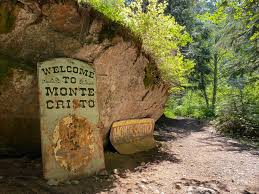
Reaching Monte Cristo in Washington means hiking or biking a mountain corridor to modest remains. In the 1890s the town boomed, then faltered when floods and profits failed to match the hype. Foundations and machinery sit among trees, more museum than mystery. Many confuse it with a grand homestead that no longer exists. For a truly tragic site nearby, people point to Wellington on today’s Iron Goat Trail, where a 1910 avalanche hurled two trains into a ravine. Monte Cristo is eerie in a quiet way, and Wellington is heartbreak you can still feel in the air (for many).
26. Bachelor’s Grove Cemetery, Illinois
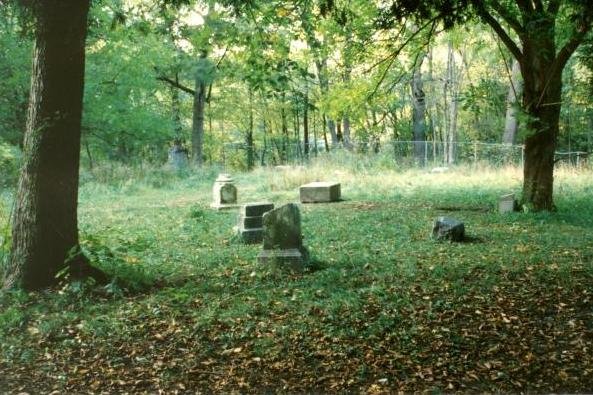
Tucked beside a Cook County forest preserve, Bachelor’s Grove Cemetery is tiny and tangled with stories. People talk about floating lights, phantom cars on the access road, and a woman in white cradling a child. Vandalism scarred the site in past decades, but restoration and patience changed the mood. The walk in is short, yet the trees close quickly and the atmosphere thickens. Some visitors capture misty shapes and swear they were not alone. Others hear only branches. Either way, most leave speaking more softly than they arrived, as if the place had asked and they agreed to listen.
27. Elfin Forest, California
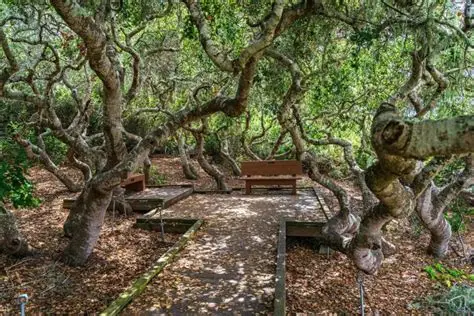
Near Escondido, the Elfin Forest looks like ordinary chaparral until the wind goes still. Legends tell of a white witch and unsettled spirits, stories that grew from rumor more than records. The trail network is open and the views are lovely on clear afternoons. Locals suggest finishing early, respecting neighbors, and packing out everything you bring. Many visitors notice nothing unusual beyond bird calls and distant traffic. Others insist whispers ride the breeze when the grove grows quiet. The forest does not argue either way. It simply holds space for caution, curiosity, and the stories people carry in from home.
28. Whaley House, California
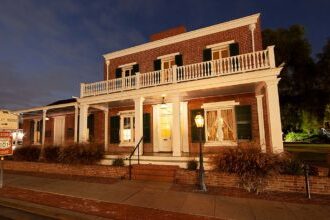
San Diego’s Whaley House looks cheerful from the street and unexpectedly colder inside. Built on former gallows grounds, it served as a courthouse, a family home, and now a museum. Guides share reports of boots on the stairs, doors that shut gently, and perfume without a source. Skeptics point to drafts and old lumber. Believers collect moments room by room. Most visitors leave impressed by the preservation and the professionalism of the storytelling. The house’s power is not jump scares but atmosphere, the sense that history has not finished. It lets you decide what you felt and why.
29. The Moundsville Penitentiary, West Virginia
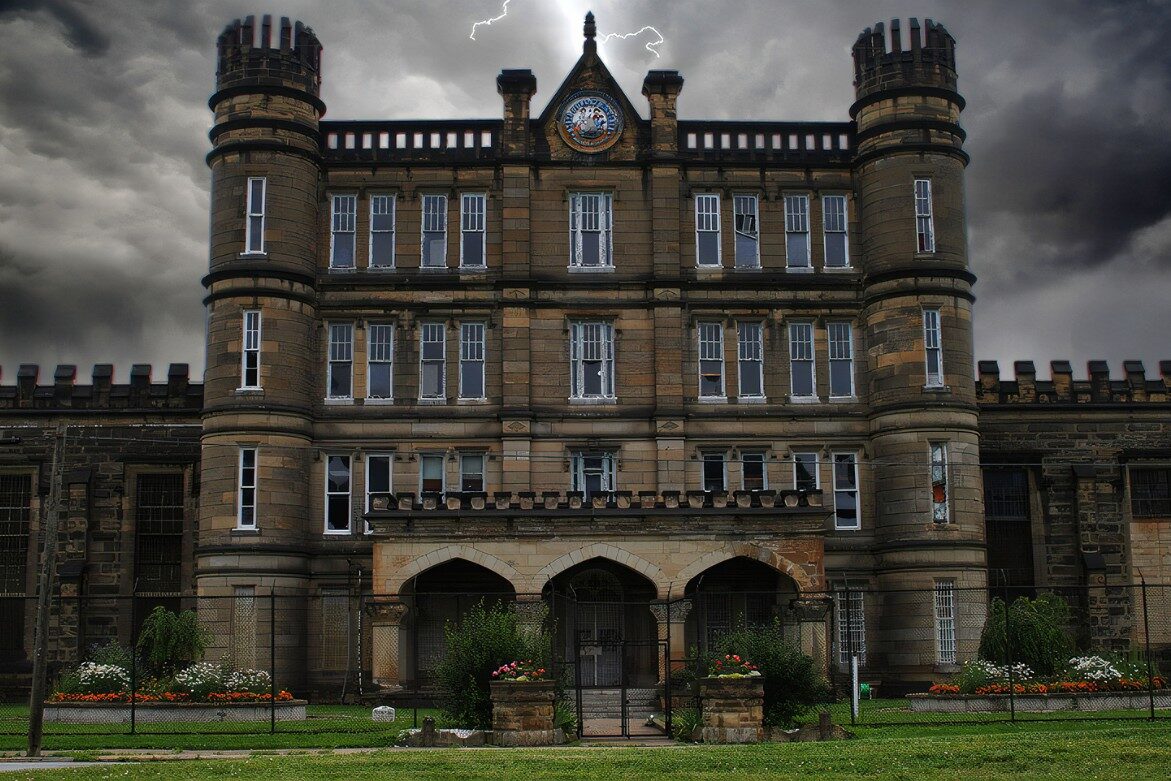
In Moundsville, the old West Virginia Penitentiary still looks like a castle that forgot to be kind. Executions happened here and riots too. Now tours cross cell blocks where paint peels in long curls and footsteps bounce off iron. People report shouts and shadows that do not match the group. Former staff remember the routine and the weight of what happened. Locals respect the history and often avoid late drives past the walls. The penitentiary is not a movie set. It is a place that held thousands of lives, and some say the energy never quite left. Through every corridor.
30. Crescent Hotel, Arkansas
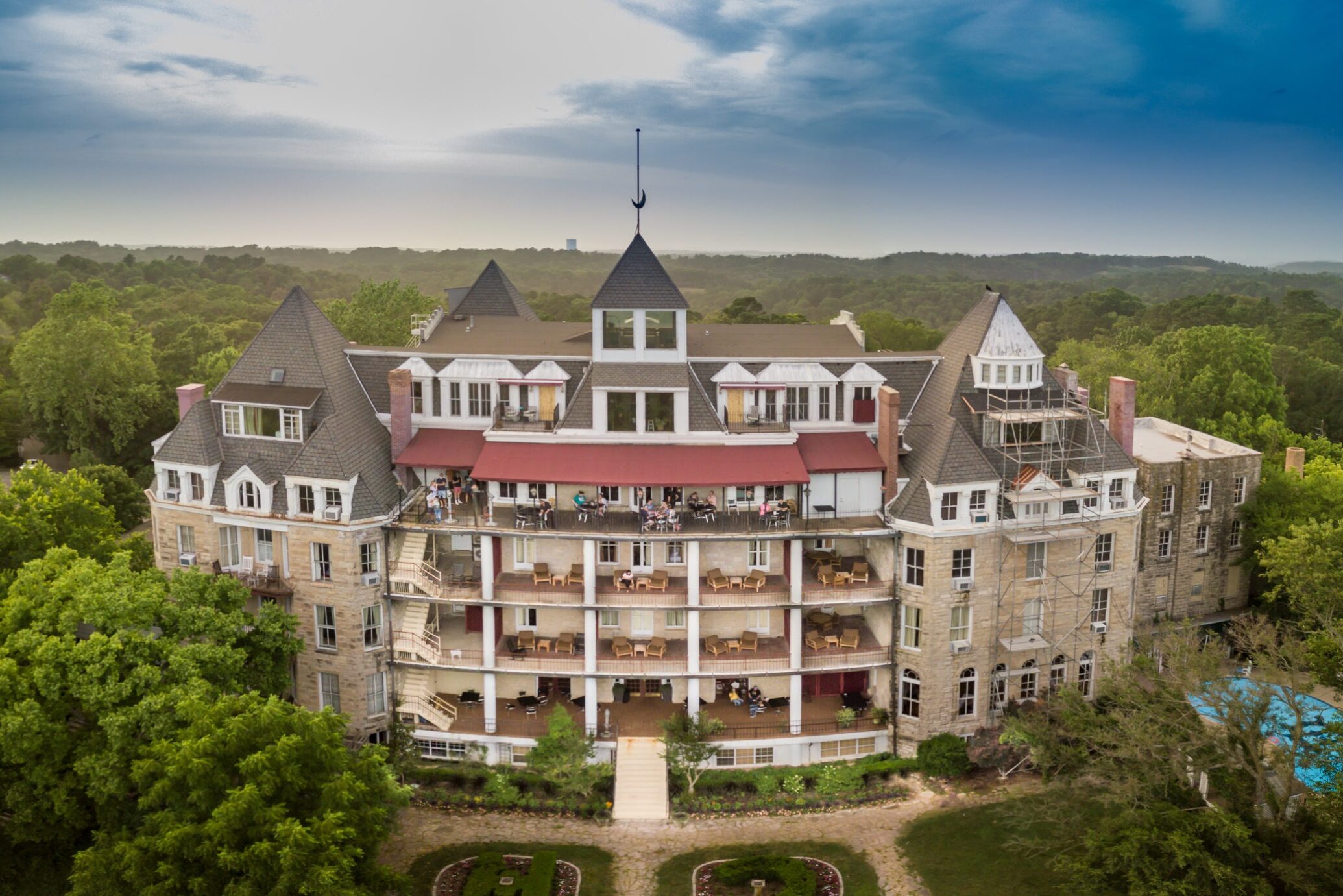
Eureka Springs wears the Crescent Hotel like a crown, all stone, porches, and sweeping Ozark views. Its past includes a notorious chapter as a fake cancer hospital run by a persuasive showman, a history that adds weight to the ghost stories. Guests talk about figures at the foot of their beds and knocks at doors with nobody outside. Staff will tell you some rooms feel heavier than others. The hotel thrives on hospitality and folklore together. Book a room and you get both at once, a stay with vintage charm and prickling curiosity that lingers after checkout, especially on clear nights.
31. The Bellamy Bridge, Florida
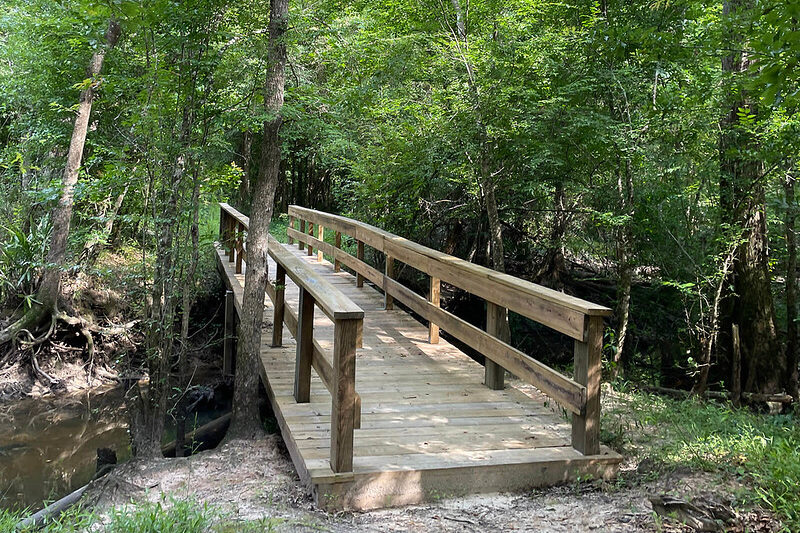
Down a shaded heritage trail in Marianna stands Bellamy Bridge, tied to a tale of a young bride named Elizabeth. The story says she died in a fire and returned as a figure near the water. Visitors sometimes report a pressure in the chest or a flicker that will not resolve into a person. By day the walk is simple. After dark the trees feel closer and the path asks for quiet. Most people leave with photos and a shiver they cannot explain. Legend or memory, the bridge has a way of changing an ordinary night into a remembered evening.
32. Old Alton Bridge, Texas
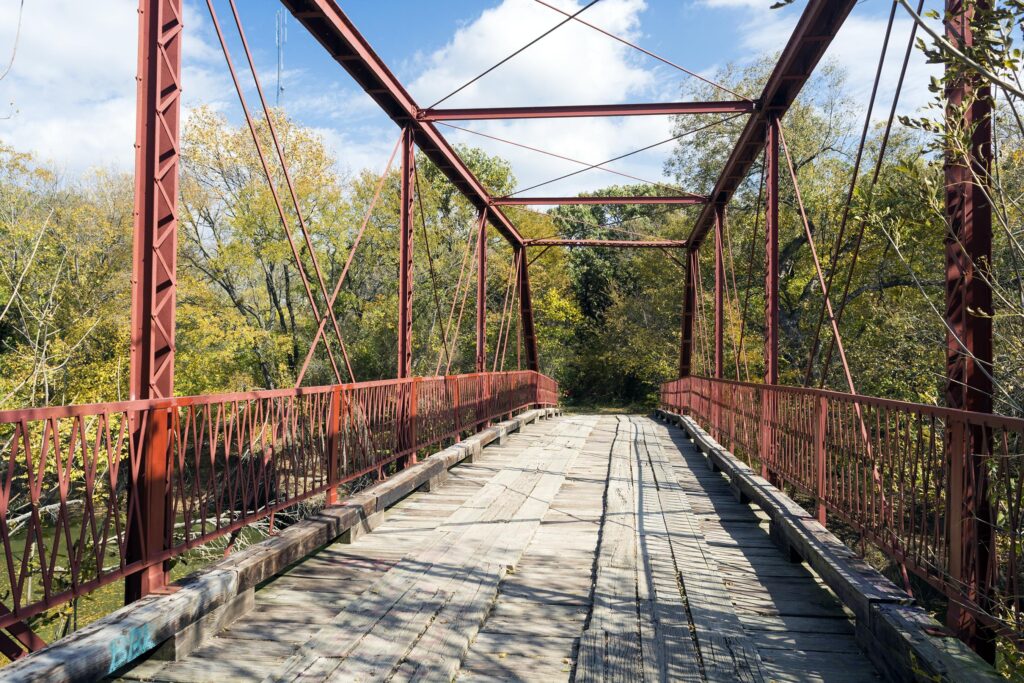
Between Denton and Copper Canyon, Old Alton Bridge carries a second name that draws late night visitors. Goatman’s Bridge has stories of a horned figure in the trees and red eyes watching from the brush. Paranormal groups set up recorders. Teenagers dare each other to cross at midnight. The bridge itself is closed to traffic and open to nerves. Some visits pass with crickets and creek water. Others end early when the air feels heavy. Either way, word of mouth keeps the legend moving, and most people bring company, take a photo, then double check the darkness behind them.
33. Waverly Hills Sanatorium, Kentucky
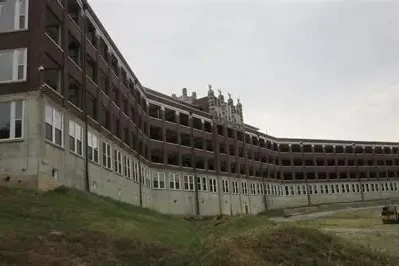
On a hill outside Louisville, Waverly Hills Sanatorium looks like a gothic fortress built to face sorrow. Thousands battled tuberculosis here before antibiotics changed everything. The body chute that moved the dead discreetly is part of the documented past. Today tours blend careful history with reports of shadows, voices, and sudden cold. Skeptics and believers walk the same halls and leave quieter than they arrived. It is less spectacle than reflection, a place that invites empathy for patients and staff who carried impossible days. The building stands like a lesson that echoes long after you step back into the light.
34. Devil’s Pool, Victoria Falls
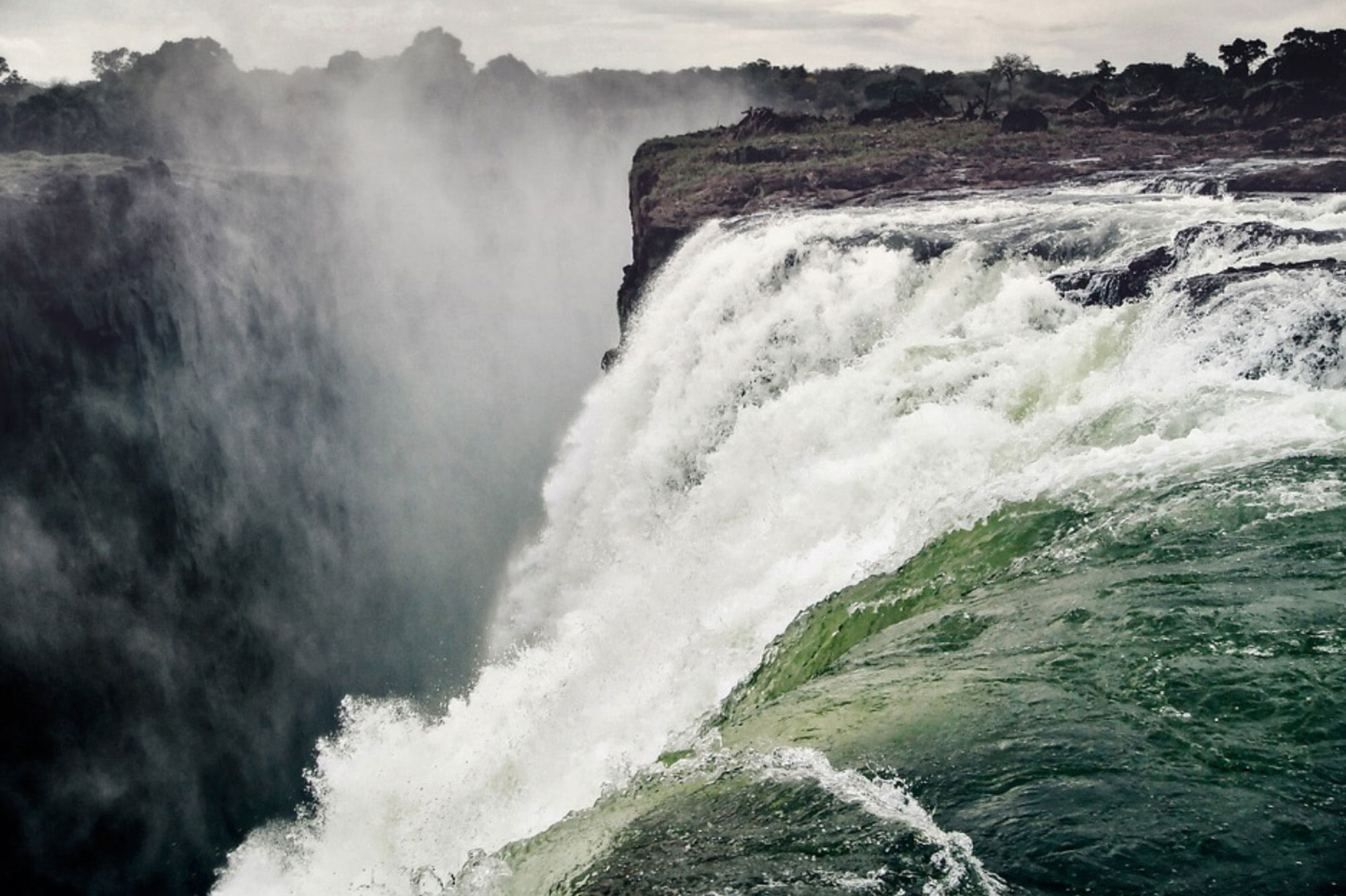
There is no Devil’s Pool inside Glacier National Park, despite viral lists that say otherwise. The famous Devil’s Pool is at Victoria Falls where guided swims are allowed in dry season. Montana certainly has dangerous pools, slick ledges, and cold currents, and hikers should treat them with caution. The mix up persists because the name sounds right and the internet loves dramatic photos. If someone points you to Devil’s Pool near Glacier, they have the wrong country. Choose a marked trail, respect the water, and keep tall stories separate from the ones that can truly save you.
35. Doveland, Wisconsin
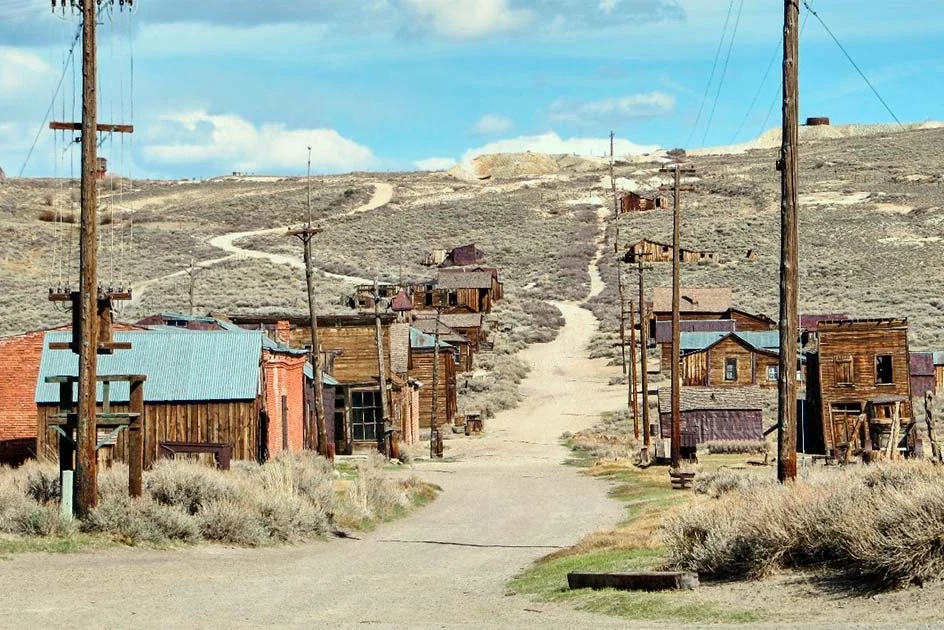
Doveland, Wisconsin lives mostly online, a town people swear existed but leaves no trace in maps, newspapers, or records. Some remember a snow globe, a highway exit, or grandparents who lived there. Others insist it was erased by mistake or design. Local historians have never confirmed it. As a modern ghost story, Doveland is less about a place and more about memory shaped by repetition. Ask around and you will get confident answers in opposite directions. That tension is the engine of the tale. It travels easily because it asks for belief only in the idea that belief is contagious.
36. Lake Ronkonkoma, New York
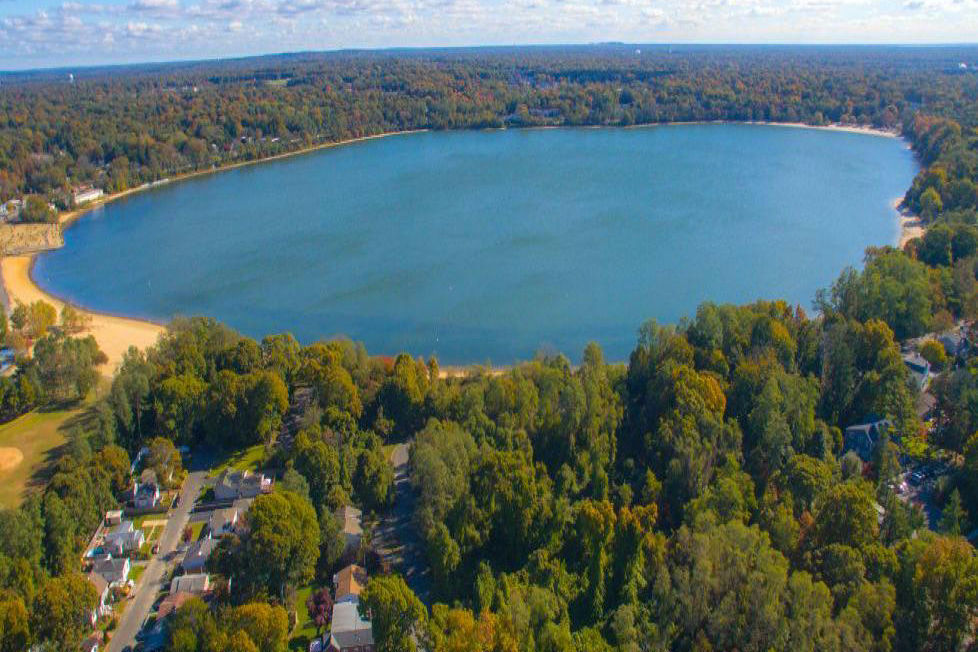
On Long Island, Lake Ronkonkoma looks peaceful until you learn its reputation. For decades, drownings there have skewed toward young men, a pattern that shaped a haunting legend about a Native American princess who pulls swimmers down. Locals respect the water and warn about cold shock, sudden drop offs, alcohol, and poor visibility. Divers mention equipment snagging and currents that change quickly. Families often choose other places to swim. Whether you believe the curse or not, the safety record is sobering. The lake is a mirror that reflects more than the sky, and people now bring caution along with towels.
37. El Campo Santo Cemetery, California
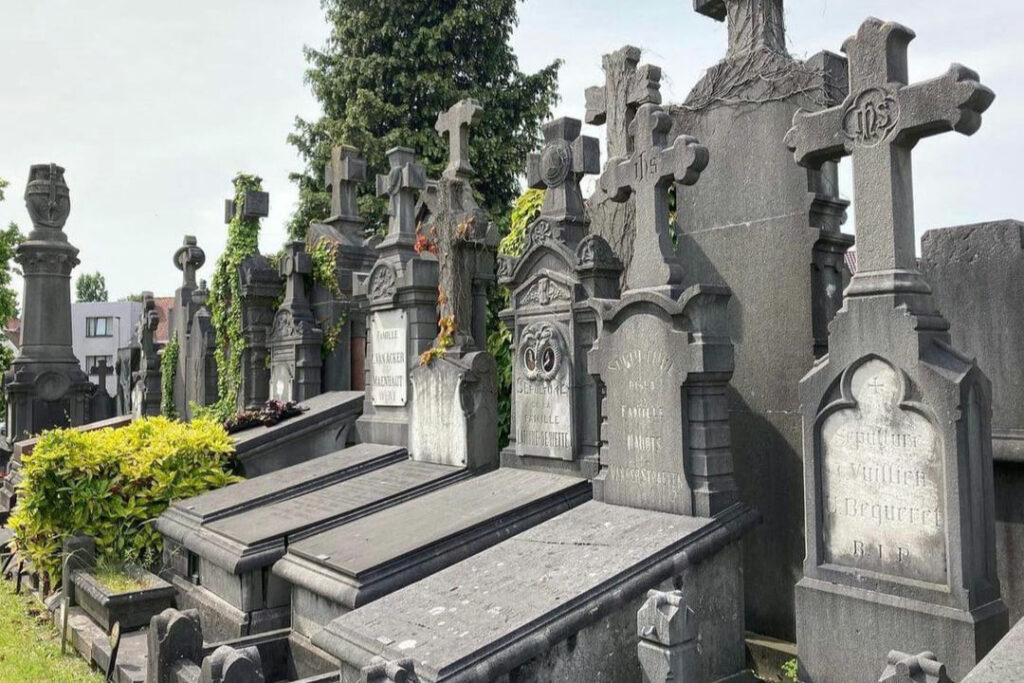
In Old Town San Diego, El Campo Santo Cemetery is smaller than you expect and stranger than you imagine. Parts of the burial ground were paved over in the 1800s, and some graves still lie beneath sidewalks and shop floors. Employees report flickering lights and cold spots that arrive without reason. Tourists step carefully when they notice brass markers in the street indicating graves below. The feeling is more uneasy than frightening. It is the sensation of walking over history that never moved. The past and present overlap here, and people learn quickly to walk slowly and speak softly, when nearby.
38. Huguenot Cemetery, Florida
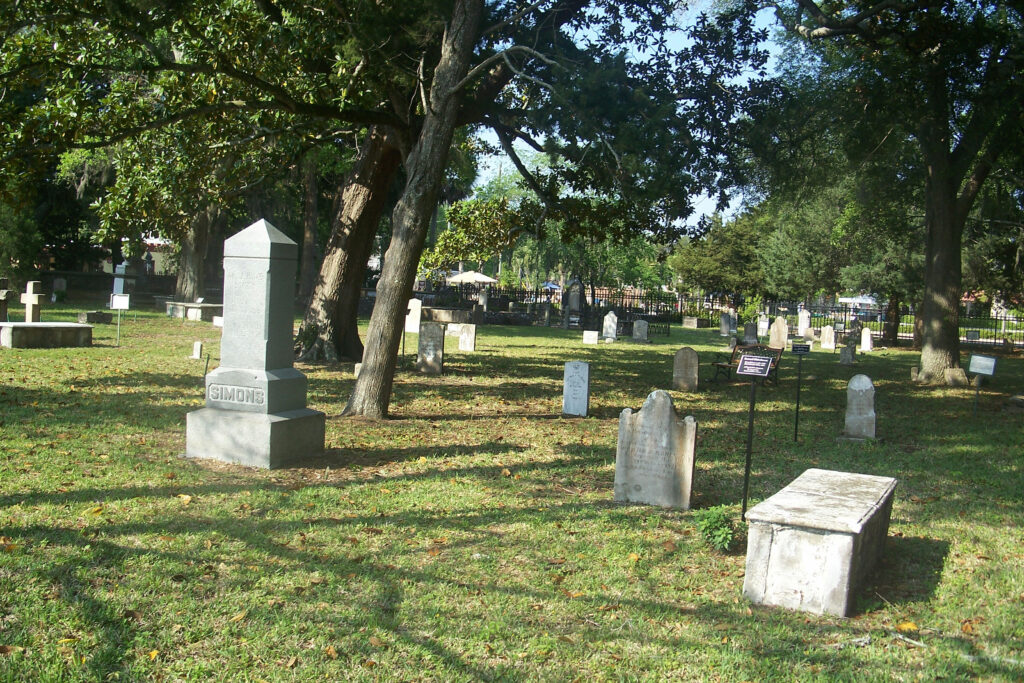
Across from St. Augustine’s Old City Gates, Huguenot Cemetery holds many victims of nineteenth century yellow fever. Twisted oaks and aging stones give the small ground a stage for stories told on lantern tours. Shadows misbehave and the wind carries voices from the street. Visitors talk about dreams after visiting, not nightmares exactly, just a feeling that lingers. Some residents will not step inside at night, and others will only pass by. Whether or not you believe in ghosts, the cemetery feels like a threshold where sorrow remains orderly and time pauses long enough to look back, before leaving.
39. Cahawba, Alabama
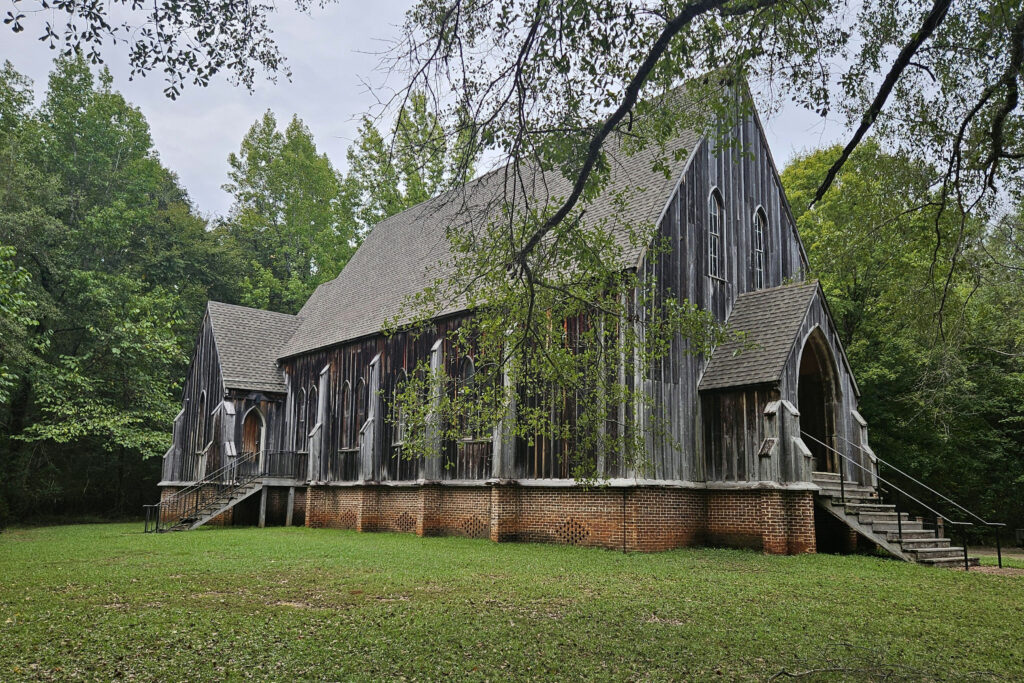
Old Cahawba was Alabama’s first capital and is now a lovely ruin at a bend in the river. Floods, mosquitoes, and economics pushed residents away, and the woods moved in. Visitors sometimes hear hoofbeats where streets once ran or see lantern glows that refuse to be traced. Archaeologists study foundations and storylines while preservationists keep trails walkable. Locals from nearby towns rarely dramatize. They simply say it is beautiful and sad. Cahawba is not a horror tale. It is a landscape that remembers, and the quiet there convinces people to lower their voices and look longer than they planned.
40. Fort Mifflin, Pennsylvania
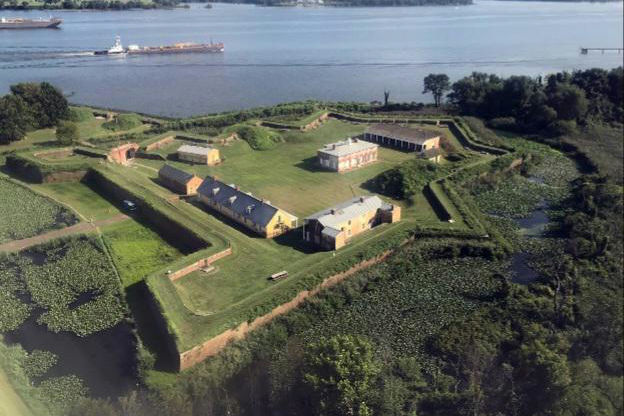
Built in 1771 on the Delaware River, Fort Mifflin carries Revolutionary War scars and later duty as a Civil War prison. Day tours fill the casemates and barracks with context. At night, caretakers and guests report footsteps, cries, and the feeling that someone just turned a corner. Locals are proud of the fort yet many avoid it after hours. It does not need theatrics. The history performs on its own. Stand on the parade ground and listen to the water and you will understand why people keep their voices low. Here the past does not sleep. It waits politely.
41. The Crescent Mine, Oregon
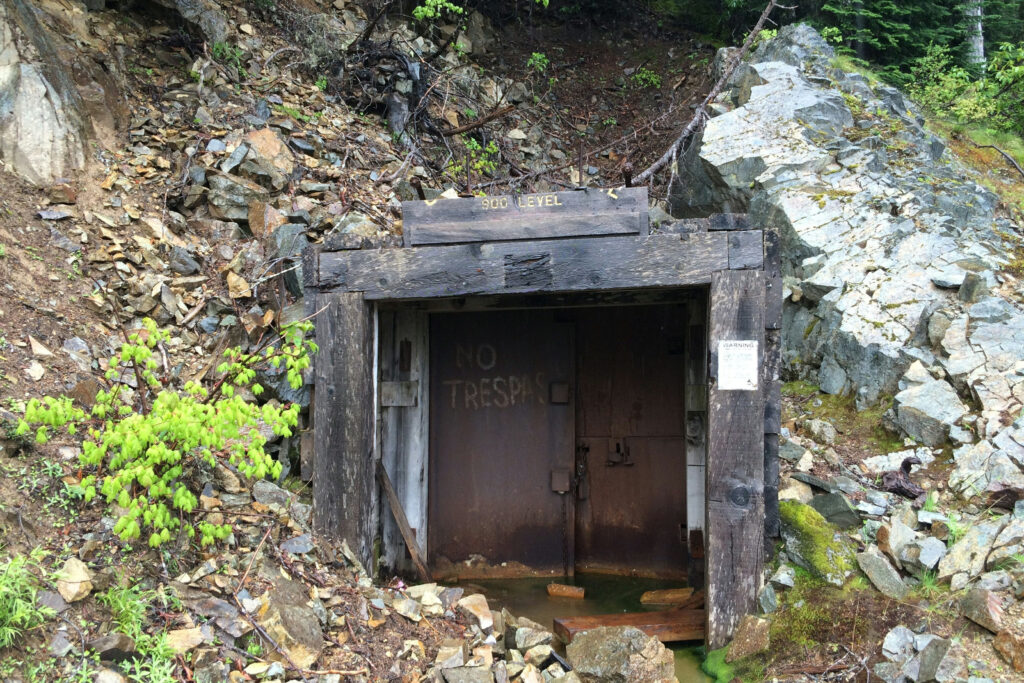
Near Sumpter, Oregon, the Crescent Mine was once part of the mining boom that built frontier towns. When the gold played out, the tunnels went silent and locals moved on, leaving timbers and equipment to the mountain winds. Modern interest came from paranormal groups who filmed unusual audio and strange lights deep inside. Whether the cause is unstable old structures or something unseen, visitors feel a chill that has nothing to do with temperature. The mine sits in a valley where nature reclaimed everything. It is a place where history whispers and curiosity grows louder the further you go.
42. Elfreth’s Alley, Pennsylvania
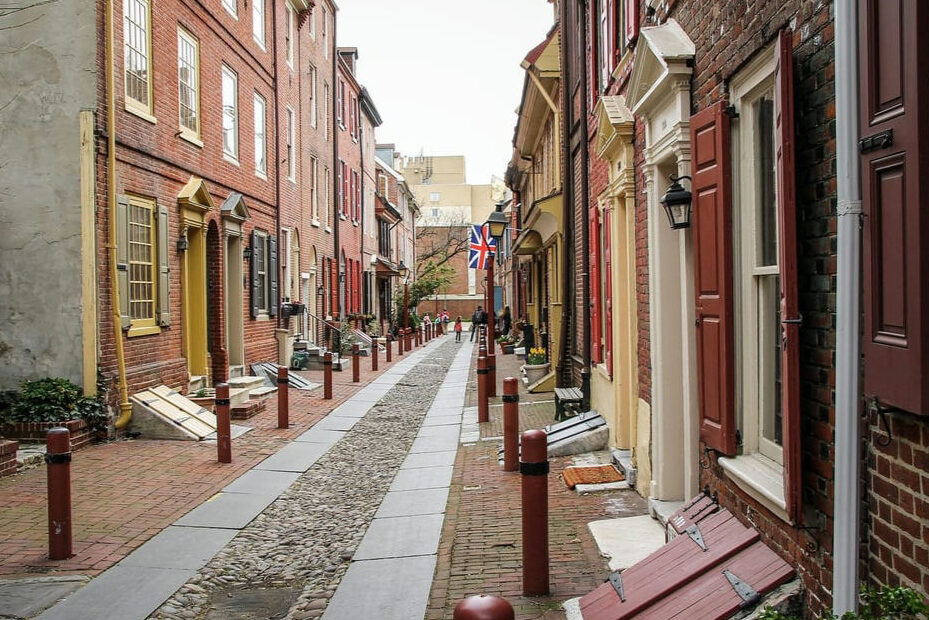
Elfreth’s Alley in Philadelphia has been continuously lived in since 1703, lined with brick homes and flagstone that still hold the past. Residents occasionally mention lights turning on or soft voices behind old doors, but they protect the alley’s dignity above ghost tours. Tourists visit for colonial charm and often sense something else, like footsteps matching theirs too closely. It is not a frightening place, just one that wears time like a companion. People who live there understand that old walls remember. Sometimes they remind visitors with a creak or whisper as they pass through America’s oldest residential street quietly.
43. Prospect Place, Ohio
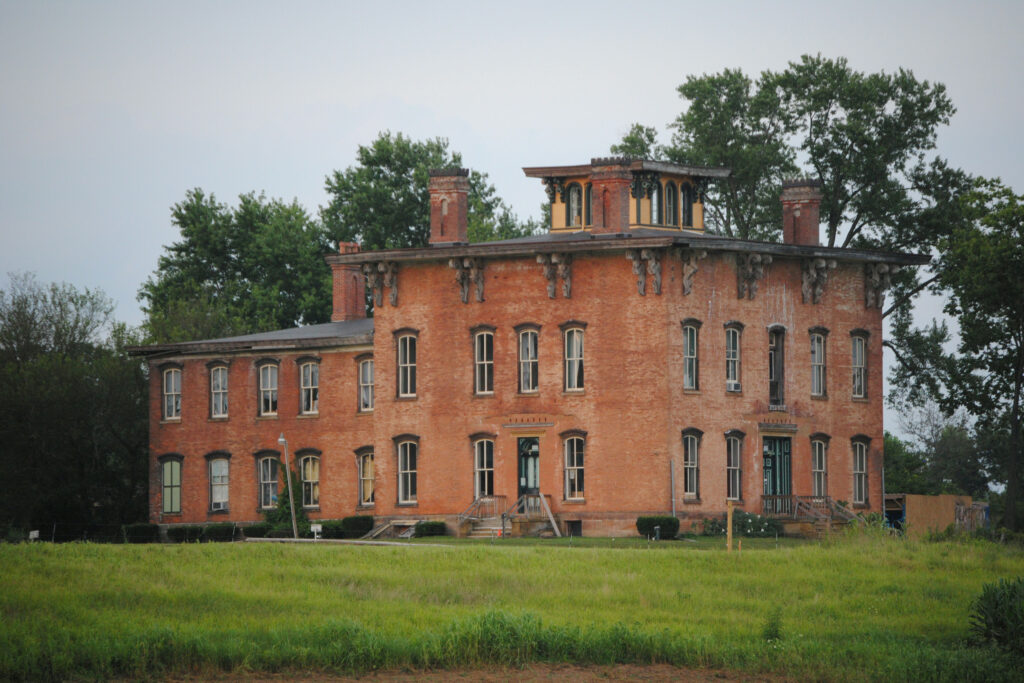
In Trinway, Prospect Place is a grand mansion that once sheltered enslaved people escaping to freedom along the Underground Railroad. Later it became a hotel and then sat vacant, collecting stories and shadows. Guests during ghost hunts report cold pockets, footsteps in the attic, and voices that do not match any living person in the building. The home is now under restoration, honoring what it meant to so many. Even skeptics admit the house carries strong energy. Its history refuses to sit still. It seems to speak for the courage and sorrow it witnessed, especially when lights flicker unexpectedly nearby.
44. Old Talbott Tavern, Kentucky
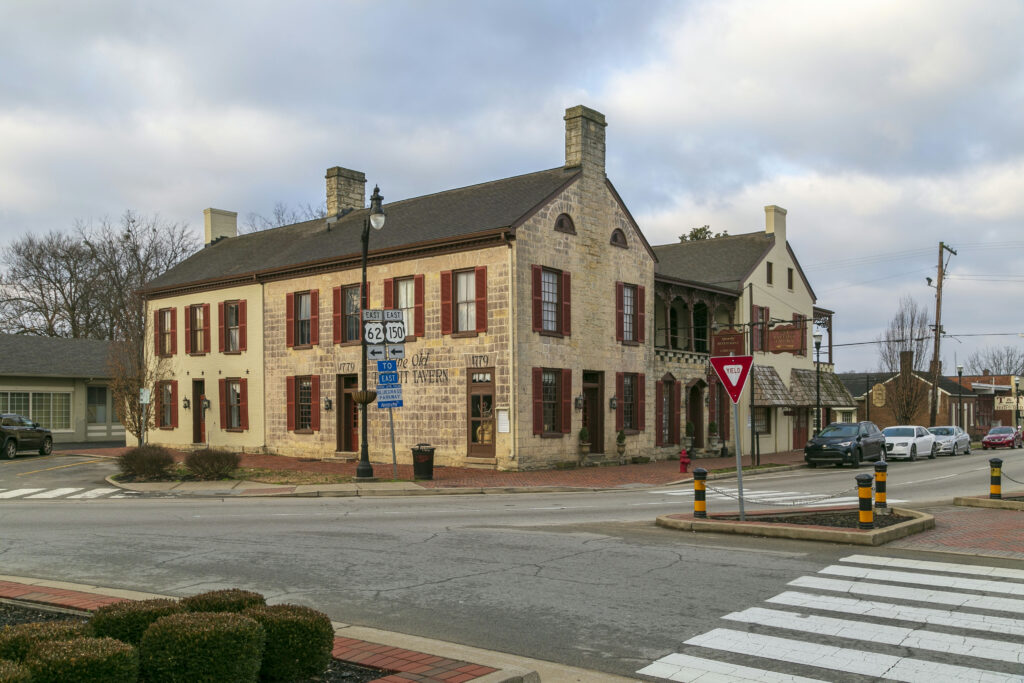
In Bardstown, the Old Talbott Tavern has welcomed travelers since the late 1700s, including historical figures like Abraham Lincoln and Jesse James. With centuries of guests come countless stories of footsteps overhead and laughter drifting without a source. Some say a woman in period clothing moves near the staircase. The tavern embraces its past gracefully, serving good Kentucky meals while time hangs close around the beams. People come for the legends and stay for comfort, leaving unsure whether they felt a breeze or a presence. The building remains a lively stop where history and mystery dine quietly side by side.
45. The Lemp Mansion, Missouri
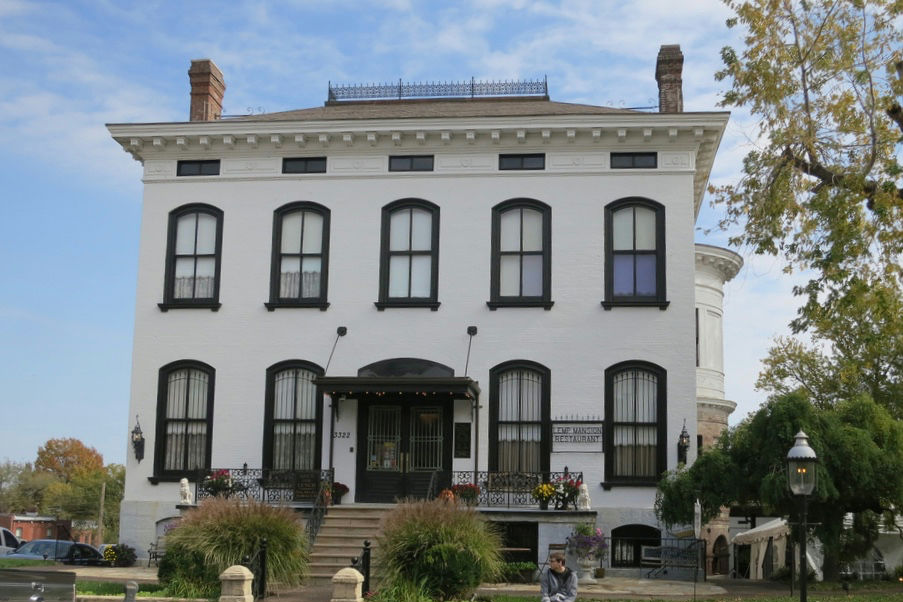
In St. Louis, the Lemp Mansion stands with elegance and sorrow intertwined. The once powerful brewing family that lived there suffered several suicides within its rooms, leaving behind a legacy of grief. Today the mansion operates as a restaurant and inn, but some visitors claim unseen hands brush their shoulders or voices call from upstairs. Employees know the stories but focus on hospitality first. Even guests who do not believe often leave admitting the house feels heavy. The Lemp Mansion holds history gently, reminding everyone that wealth cannot shield a family from tragedy or memory lingering long after.
46. Jerome, Arizona
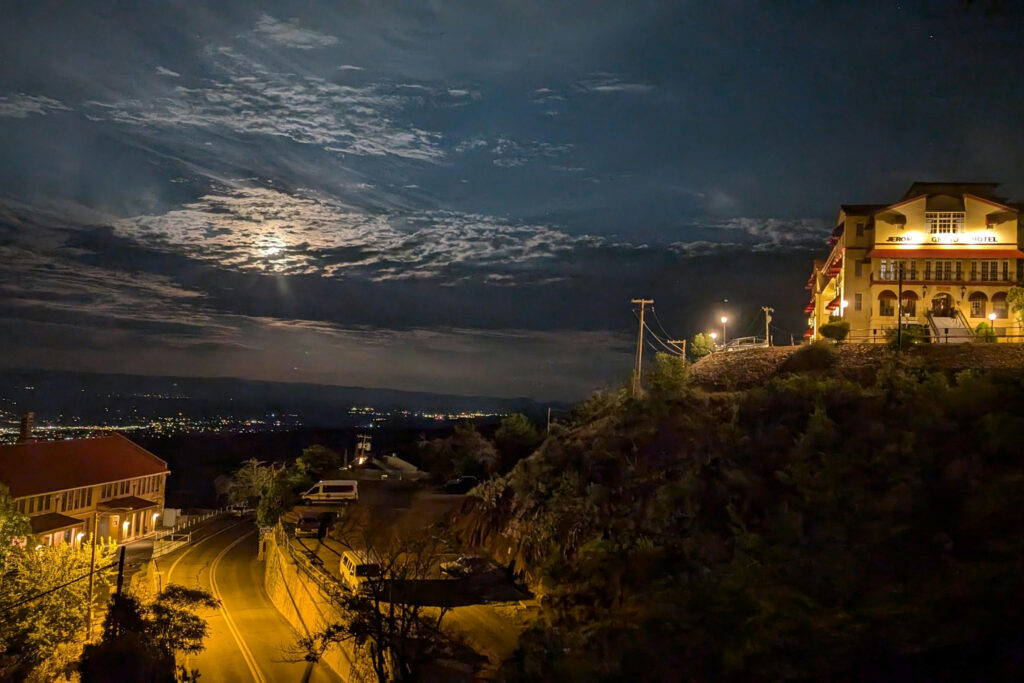
Jerome clings to Cleopatra Hill with stubborn charm, once fueled by copper riches and rough edges. When the mines shut down and workers left, the town nearly disappeared. Then artists and entrepreneurs brought life back. Yet parts of Jerome stay eerily still, especially the former hospital turned hotel, where guests say nurses’ shoes tap along the floors. Wind through cracked windows explains some of it, but not everything. Locals roll their eyes but close curtains before bed. Jerome is a town that survived its ghosts, and sometimes lets them walk politely alongside the living.
47. The Driskill Hotel, Texas
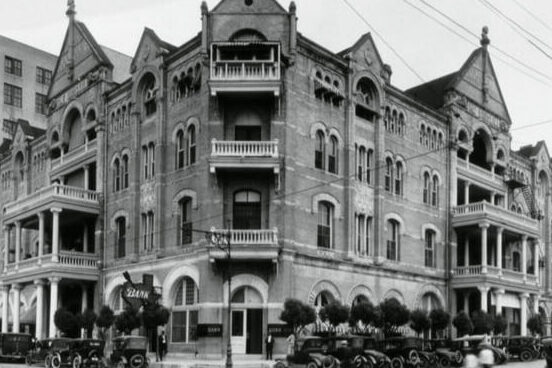
Austin’s Driskill Hotel, built in 1886, remains one of Texas’s grandest landmarks. Politicians, performers, and everyday guests fill its glowing lobby, while stories of lingering spirits quietly follow the chandeliers. Some people hear children laughing down empty corridors or glimpse a woman in Victorian clothing fading into a wall. The staff know the tales well but say the hotel’s real magic is in its architecture and history. Even so, many visitors sleep lightly in its rooms. The Driskill feels like a place where every moment leaves an imprint, and some simply refuse to check out completely.
48. The Washoe Club, Nevada
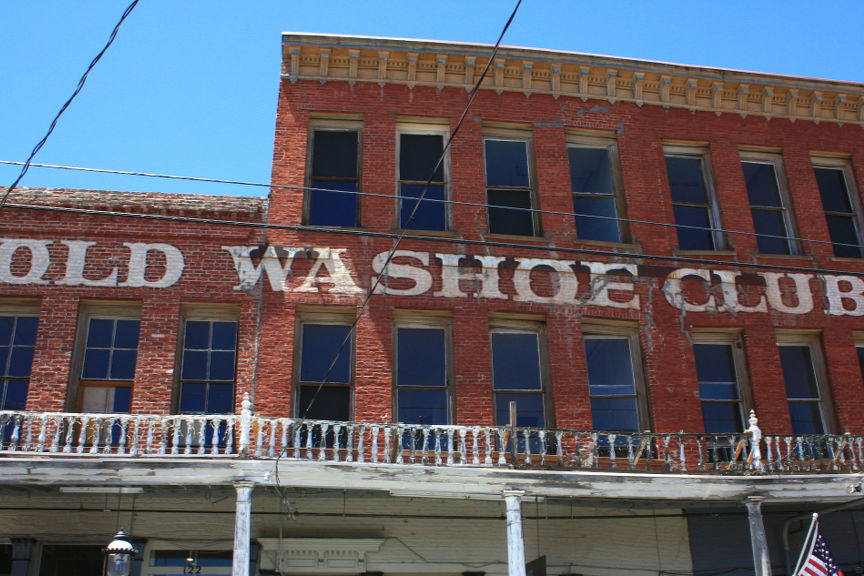
In Virginia City’s lively historic district, the Washoe Club once hosted wealthy mine owners and later sheltered bodies during harsh winters. Today its elegant saloon welcomes curious travelers while the upper floors remain steeped in dusty mystery. People claim to see figures drifting through locked doors or feel a chill pass through hallways where no one stands. The building is proud of its past and does not hide the darker chapters. Walk its staircase and it is easy to imagine that a few residents stayed behind to keep an eye on the living.
49. The Devil’s Tree, New Jersey
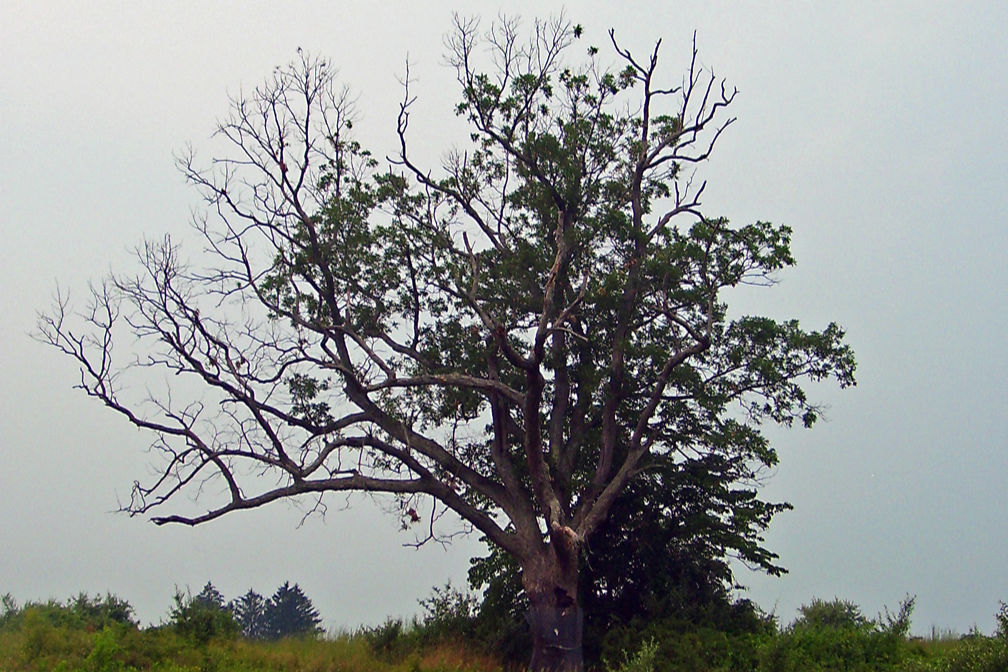
In Bernards Township stands an unassuming oak known as the Devil’s Tree. Folklore ties it to tragic events and sinister gatherings from long ago, though facts are harder to confirm. Visitors report unsettling silence nearby, as if birds refuse the branches. Some feel watched or suddenly chilled, while others see just a lonely tree. Locals mostly leave it alone, knowing curiosity does not always bring comfort. Whether cursed or misunderstood, the Devil’s Tree remains a legend rooted deeply in the ground and in the people who caution strangers to keep distance and respect the land around it.
50. Greenbrier Ghost, West Virginia
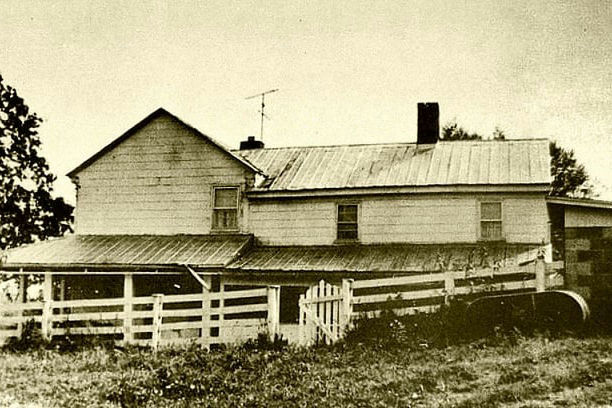
Greenbrier County holds a unique legal legend. In 1897, a young woman named Zona Heaster Shue died, and her mother insisted her ghost appeared to reveal she had been murdered. The husband was later convicted, making it the only American case where testimony attributed to a ghost influenced the verdict. The house is gone but the story survives. Residents treat the tale with quiet seriousness, recognizing that grief shaped every word. It is not a spooky attraction but a reminder that justice sometimes arrives through belief, memory, and a mother’s refusal to accept unanswered questions.
51. The Riddle House, Florida
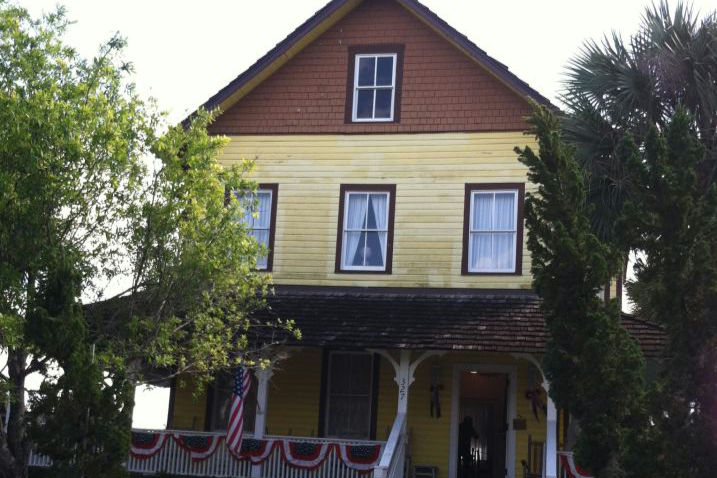
Originally in West Palm Beach, now preserved in Yesteryear Village, the Riddle House once served as a funeral parlor before becoming a private home. Stories claim a former employee died in the attic and still protests visitors who climb the stairs. Guides mention slamming doors and sudden voices. The house stands carefully restored, offering history lessons with a side of goosebumps. Locals view it as a cultural treasure first and a haunted landmark second. Still, many prefer to explore the lower floors, leaving the attic to those who enjoy walking where tales might be waiting.
52. Trans-Allegheny Lunatic Asylum, West Virginia
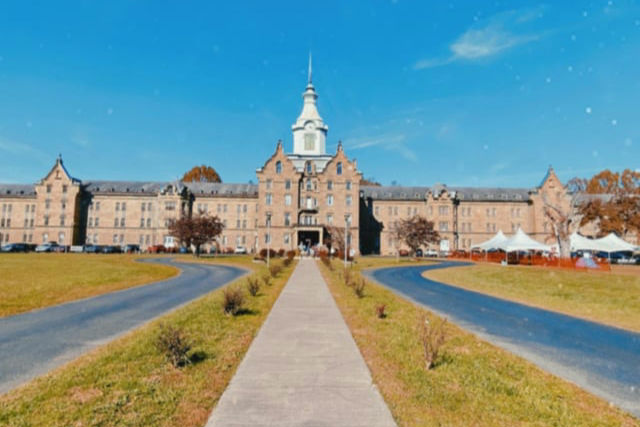
In Weston, the Trans Allegheny Lunatic Asylum is one of the largest hand cut stone buildings in America and once housed thousands of patients under difficult conditions. Long corridors and high ceilings remain, filled now with museum exhibits, historic tours, and occasional nighttime investigations. Shadows and voices are reported often, though so is empathy for those who lived here. The asylum’s story is about humanity and the need for care that arrived too late. Visitors leave more thoughtful than frightened, aware that the building’s weight comes from real lives and real struggles that time has not yet softened.
53. The Devil’s Backbone, Texas
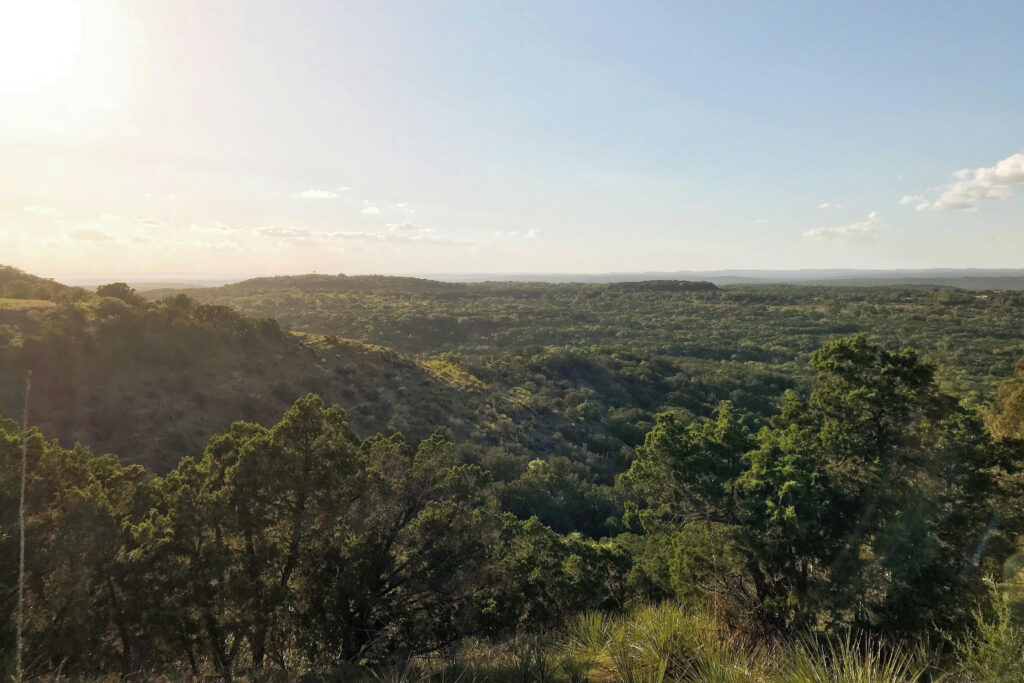
Running along a limestone ridge near San Antonio, the Devil’s Backbone is a scenic drive wrapped in stories of phantom riders and soldiers from long past conflicts. Campers hear hoofbeats or children’s laughter on still nights, though no one can explain the source. Wildlife and imagination create their own partnership in the dark. Locals who grew up nearby say it feels beautiful and unsettling at once. The ridge asks travelers to admire the view and mind the quiet places along the way. The Devil’s Backbone keeps its legends close and shares just enough to keep people wondering.
This story 53 Places Locals in the U.S. Refuse to Talk About (And Tourists Shouldn’t Ask About) was first published on Daily FETCH


