
1. Heavy Panting That Doesn’t Ease Up
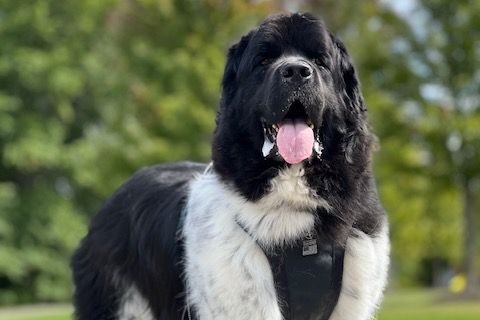
Most dogs pant when they’re tired or excited, but if the panting goes on long after they’ve calmed down, it might be a red flag. This kind of panting is louder, heavier, and often sounds strained. Your dog may also pace or look restless. The American Kennel Club explains that excessive panting is one of the earliest signs of heatstroke. If your dog hasn’t been running around and still can’t seem to catch their breath, it’s time to move them into the shade, offer cool water, and watch closely. Don’t assume it will pass on its own.
2. Gums That Turn Bright Red or Purple
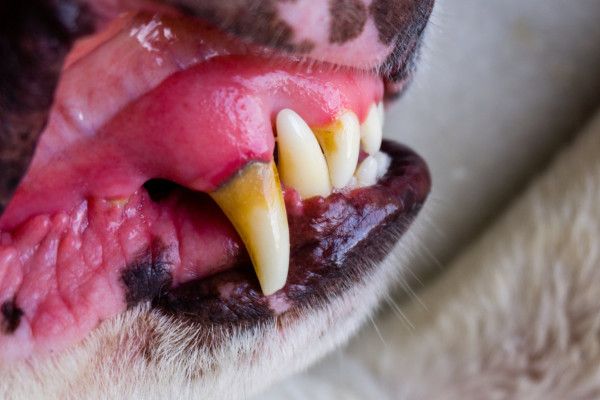
You may not check your dog’s gums often, but they can actually say a lot. Normal gums are usually bubblegum pink, moist, and soft. If they suddenly turn bright red or deep purple, it could mean your dog’s circulation is struggling to keep up with rising internal temperatures. The Humane Society points out that discolored gums during hot weather may indicate overheating. Dry or sticky gums are also a bad sign. If your dog seems off and their gums don’t look right, get them out of the heat and contact your vet as soon as possible.
3. Sudden Weakness or Lethargy
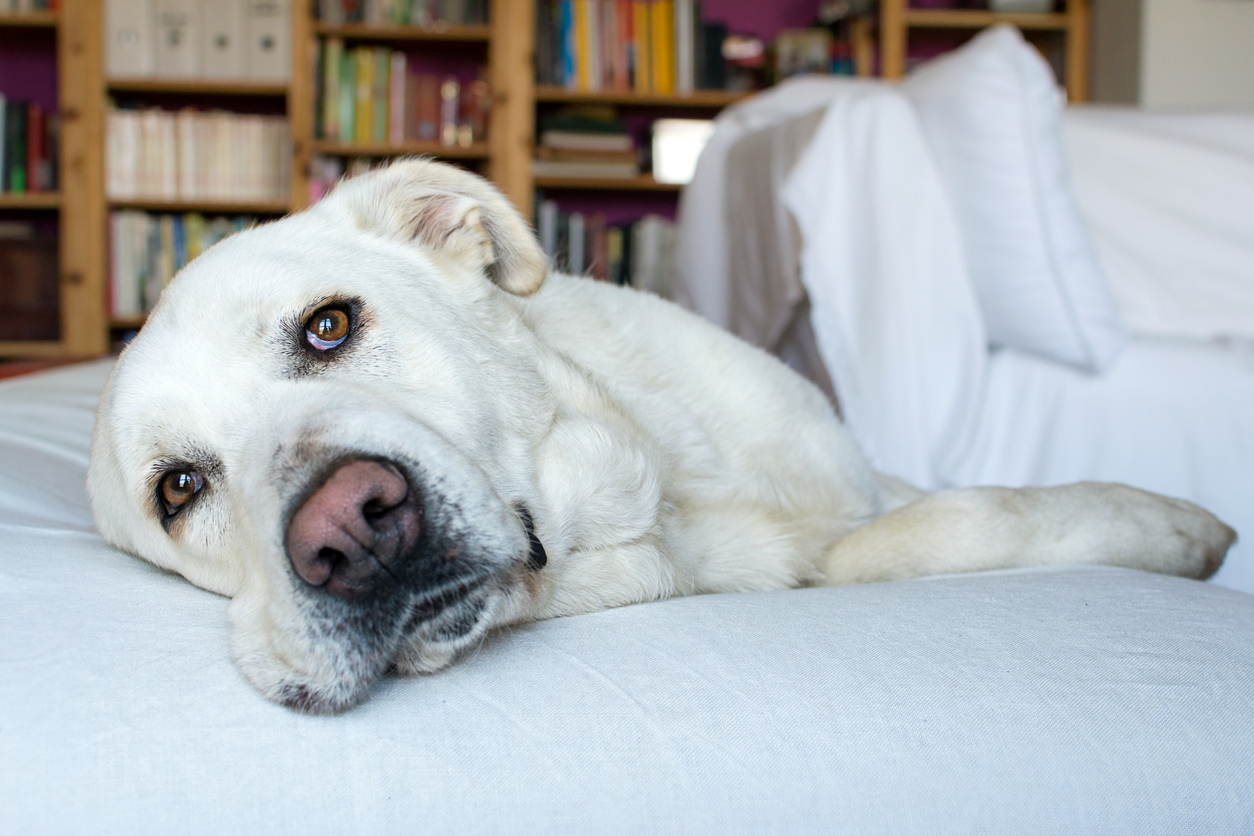
Every dog has lazy days, but when your usually energetic buddy suddenly slows down or lays flat and won’t get up, something could be wrong. Overheating causes dogs to conserve energy to protect their organs. The American Veterinary Medical Association warns that lethargy can be an early symptom of heat exhaustion. If your dog seems wobbly, uninterested in treats, or not even responding to their name, take it seriously. Bring them inside, offer small sips of water, and help them rest in a cool place. If it doesn’t improve fast, it’s best to call the vet for help.
4. Excessive Drooling That Feels Off
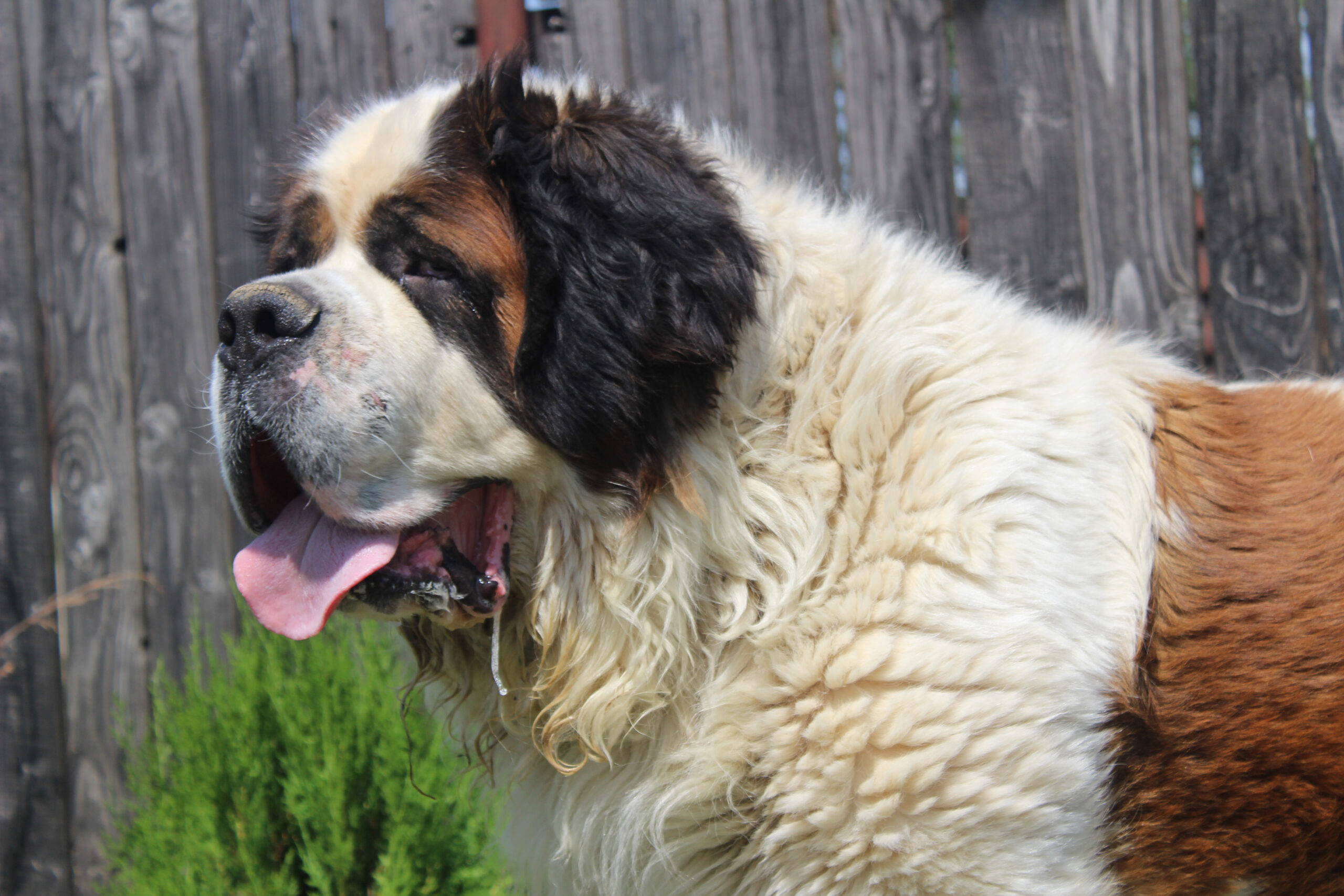
Some breeds naturally drool more than others, but if the drooling becomes sudden, thick, or unusually heavy, it might not be normal. Excessive drooling is one of the body’s ways to deal with high heat. According to PetMD, dogs who are overheating often drool more because their bodies are trying to cool down. If you notice strings of saliva or your dog looks like they just drank a gallon of water without touching their bowl, take action. Combine this with panting or weakness and it becomes a clear call to help your dog cool down quickly.
5. Vomiting or Loose Stool

Nobody likes to deal with doggy messes, but when vomiting or diarrhea happens out of nowhere, especially in hot weather, it’s a warning. As internal temperatures rise, blood flow is pulled away from the digestive system, making it harder to function. VCA Animal Hospitals explain that vomiting and diarrhea can be symptoms of heatstroke in dogs. This kind of reaction puts your pet at high risk of dehydration too. If it happens while they’ve been in the sun or after exercise, don’t wait. Bring them inside, let them rest, and get in touch with your vet right away.
6. Glazed Eyes or Confusion
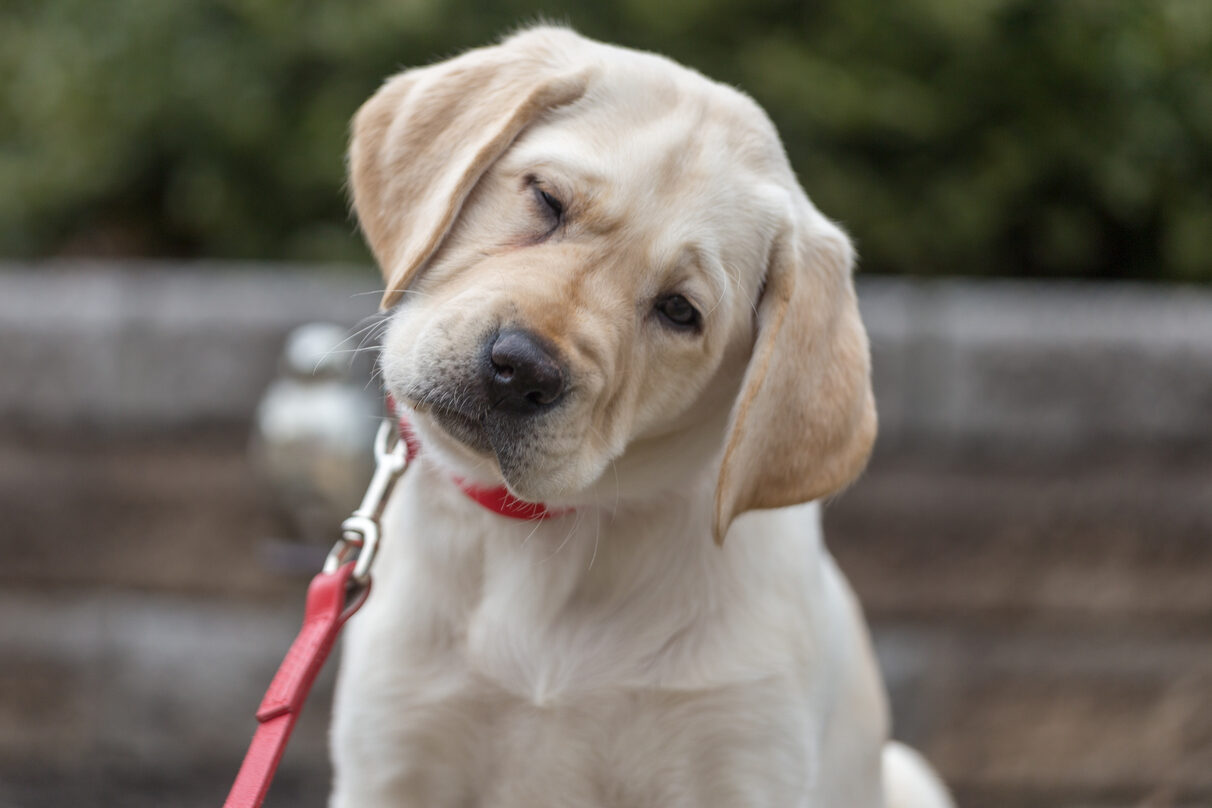
If your dog suddenly looks spaced out or confused, it’s more than just a dazed moment. They might stare blankly, walk the wrong way, or act like they don’t recognize their surroundings. This behavior often shows that the brain is being affected by rising body heat. The ASPCA shares that mental confusion is a sign that heat stress is getting serious. If your dog stops responding to their name or can’t seem to focus, help them rest somewhere cool and monitor their condition closely. It’s better to call your vet than wait for it to get worse.
7. Fast Breathing or Heart Rate
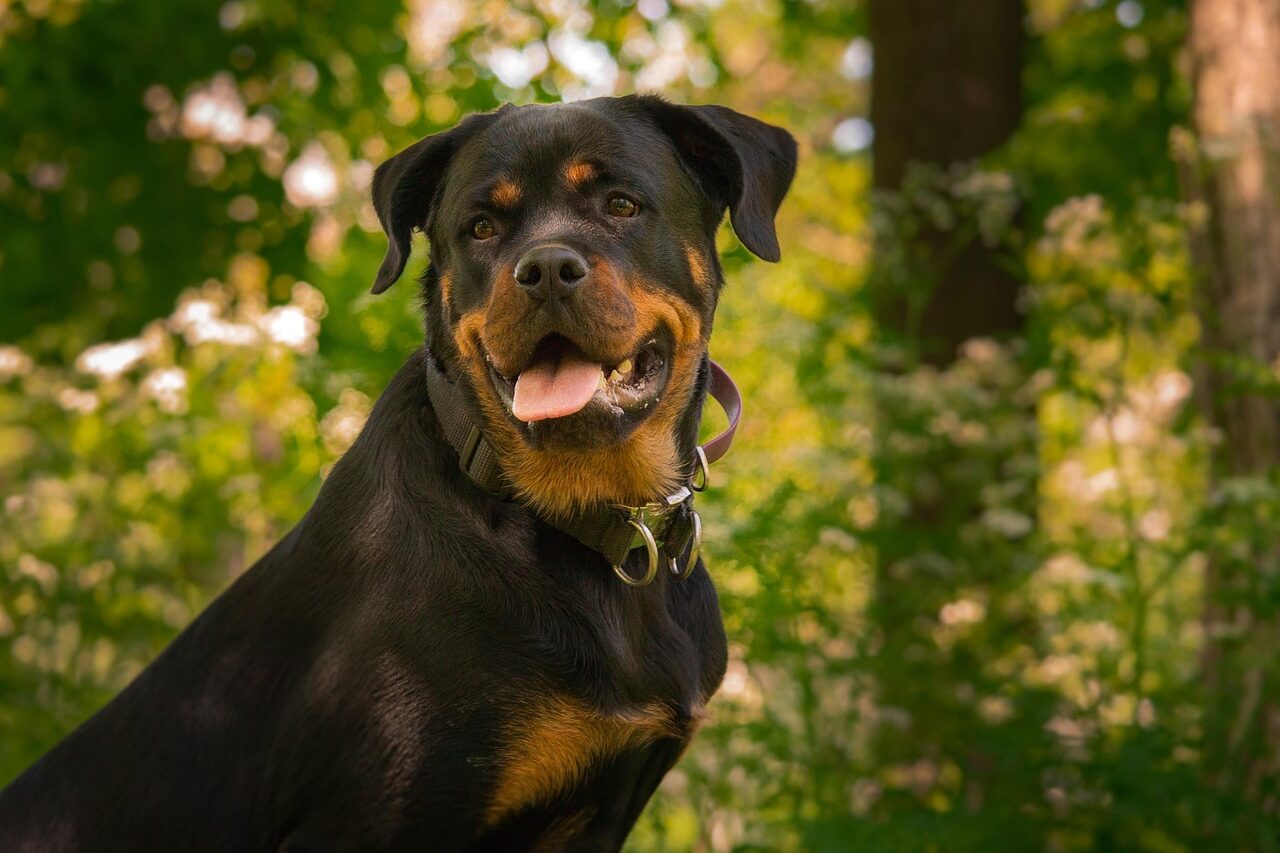
Dogs breathe faster when they’re excited, but rapid breathing at rest is something else. You might see your dog’s chest rise quickly or hear short, shallow breaths. This means the heart is working harder to cool the body, and it’s a major warning. According to the Pet Poison Helpline, fast breathing and pulse changes are common in dogs with heatstroke. Feel their chest gently to check for unusual thumping or racing. If it feels fast and paired with tiredness or drooling, take steps to lower their temperature right away. This isn’t something to hope will pass on its own.
8. Wobbly or Unsteady Walking
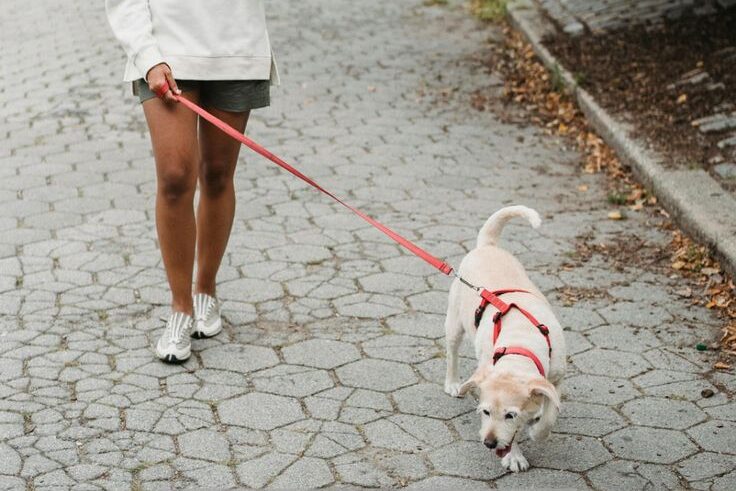
Dogs are usually sure-footed, so if your pet suddenly stumbles, loses balance, or walks in a strange pattern, it’s a big deal. These movements may look like clumsiness, but they can mean your dog’s muscles and brain are having trouble keeping up due to heat stress. The American Veterinary Medical Association includes stumbling as a key sign of heatstroke. Don’t assume your dog is just tired or playful. Offer water, lay a cool damp towel over their back, and call your vet. Staggering can quickly turn into collapse if not treated right away with medical attention.
9. Ignoring Water or Food
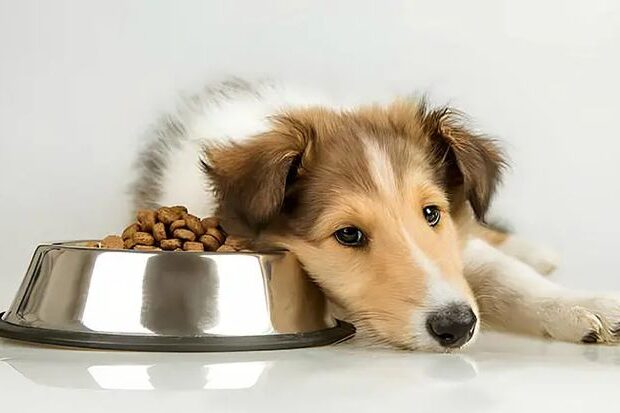
Most dogs are quick to lap up water after a walk or even a short trip outside. If yours doesn’t seem interested in their bowl or turns away from treats they normally love, it may be a warning. Dehydration makes dogs feel sick and dizzy. Banfield Pet Hospital notes that losing the urge to drink is a late-stage dehydration symptom. Offer water in small amounts or try ice cubes if they resist. You can also wet their mouth with a damp cloth. If they still refuse water after a few minutes, a vet visit is definitely the next step.
10. Shaking, Seizures, or Fainting
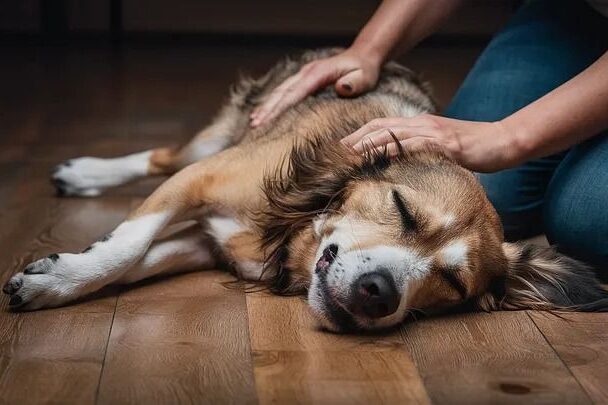
If your dog begins to shake, twitch, or worse, falls over and doesn’t get up, don’t wait. This is an emergency. Seizures or collapse mean the body is in full crisis and brain function is being severely affected. PetMD says that this kind of episode often points to advanced heatstroke or organ failure. Try to lower your dog’s temperature by wetting their body with cool water, not ice cold, and rush them to the vet. Even if they come to quickly, don’t skip the clinic. Internal damage can happen quietly and worsen even after the episode ends.
11. Temperature Higher Than 103°F
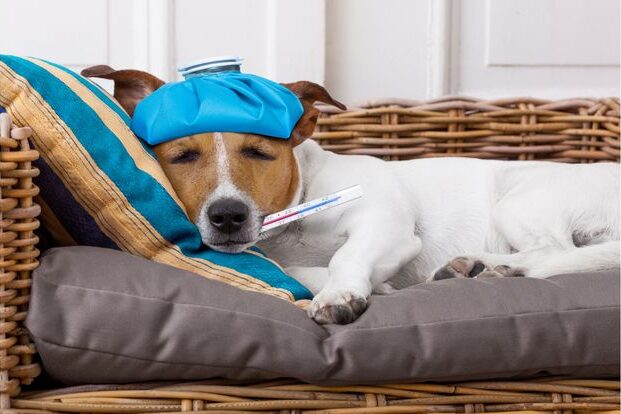
If you have a pet thermometer, it could be your most important tool on hot days. A dog’s normal body temperature ranges between 101- and 102.5-degrees Fahrenheit. Anything over 103 means the heat is getting dangerous. The American Kennel Club says a dog reaching 105 degrees is in real danger. A quick rectal reading can help you make a fast call to action. If you’re seeing other signs along with a high temp, cool your dog down with wet towels, give small sips of water, and get to a vet. Don’t assume they’ll bounce back without help.
What to Do If Your Dog Is Overheating
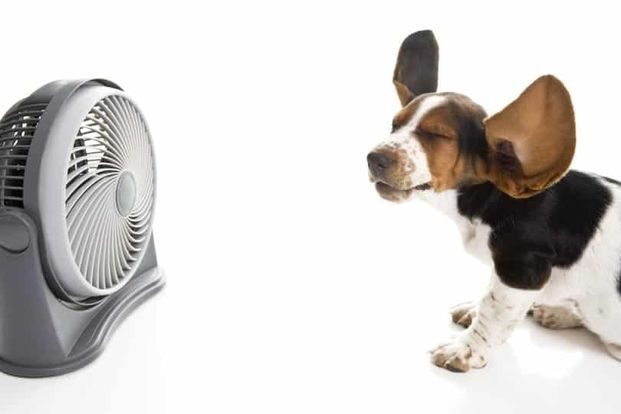
If your dog shows any of these signs, stay calm but act quickly. Move them into a shaded area or an air-conditioned room. Offer small amounts of cool water, not ice cold, to help lower their body temperature gently. Wet a towel with cool water and place it on their belly, paws, or underarms. You can also use a fan to help cool them down slowly. Avoid using ice or cold baths. Even if your dog seems to recover, it’s important to visit the vet right away. Heatstroke can cause internal damage that isn’t immediately visible.
This story 11 Signs Your Dog Is Too Hot and You Might Not Realize It was first published on Daily FETCH


