
1. Video calls
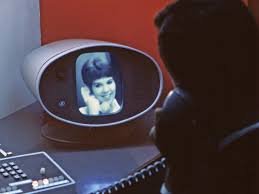
They imagined a world where talking through a screen would be normal, and that vision didn’t stay in sci‑fi. Bell Labs in the 1950s and ’60s developed early videophones like the Picturephone, showcasing them at the World’s Fairs and even rolling out booths in New York, Chicago, and Washington D.C. Although expensive and limited back then, the essence was captured. Fast‑forward to today: video calling is the default way to catch up, work, learn, or heal. Zoom, FaceTime, Teams, all trace back to those mid‑century visions. What was once high‑end R&D is now available on every phone and laptop around the world.
2. Personal Communicators and Watches
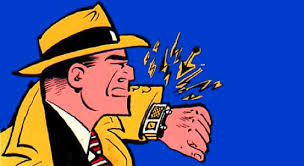
In the late 1950s and early ’60s, futurists imagined a world where tiny wrist gadgets and pocket devices could send messages, monitor health, and display information—visions that appeared in science magazines and speculative fiction. Arthur C. Clarke even described a “personal transceiver” so compact every person could carry one, capable of calling, direction finding, and retrieving information. Decades later, smartwatches like the Apple Watch and fitness trackers like Fitbit have made those wrist-worn predictions real, offering messaging, health tracking, voice control, and more. Meanwhile, smartphones have fulfilled the dream of an all-in-one communicator, combining phone, GPS, messaging, internet, and app functionality. What once seemed like science fiction is now an everyday necessity.smartphones combined phone, messaging, GPS and more into one sleek gadget. Now we can’t imagine life without them, it’s exactly what those 1950s futurists had in mind.
3. Robot vacuum cleaners
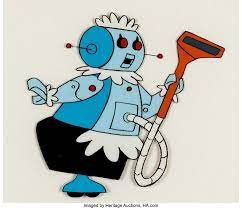
The promise of robot vacuum cleaners wasn’t just wishful thinking for future homes. By 1950 Popular Mechanics and other outlets were publishing illustrations and ideas for self‑cleaning homes using waterproof materials, hosed-down rugs, and automated cleaning systems. Today, the Roomba and its software‑controlled relatives deliver on that vision. Small, efficient, and app‑enabled, they quietly and faithfully clean floors day after day, just like those mid‑century predictions imagined.
4. Home screen shopping
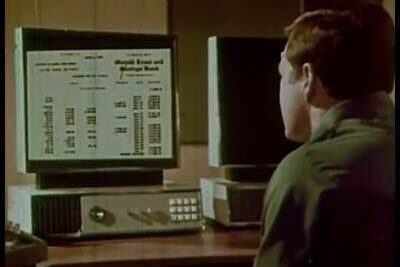
That “shop from home” idea wasn’t born in Silicon Valley. In 1967 Philco‑Ford’s “1999 A.D.” A short film envisioned “fingertip shopping” using a video screen in your house to pick groceries, clothes, and goods, and even check out via a second console. While their concept used separate screens, the core idea is now real: today, we browse Amazon, order groceries, pay bills and more, all through a handheld or voice‑activated device, delivered straight to our door.
5. Self‑driving cars
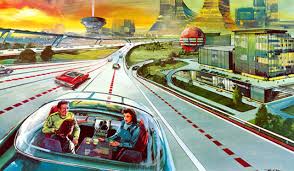
Disney’s 1958 TV special and other futurists dreamt of cars that drove themselves along intelligent highways. Their vision showed autonomous vehicles communicating with road infrastructure to navigate safely. Now we have Waymo, Tesla’s Autopilot, and others testing and rolling out autonomous driving. Though still evolving, these systems reflect exactly what sci‑fi and futurists pictured, cars that think for themselves, in partnership with smart roads.
6. Home computers
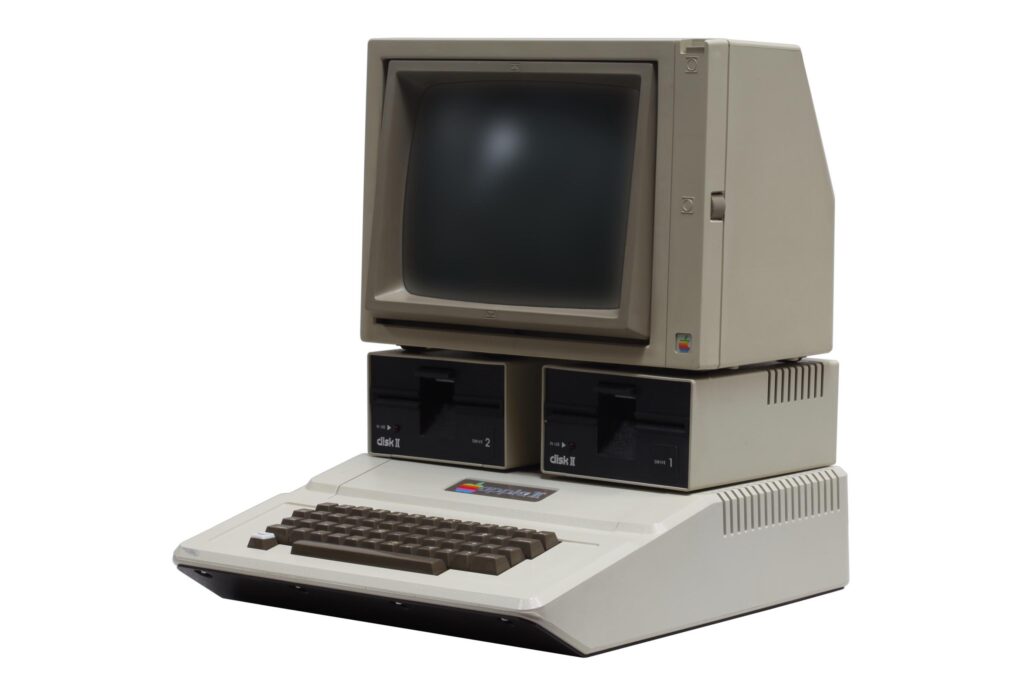
Back in the 1950s, some futurists believed household computers wouldn’t be used only for math or accounting, they imagined them helping with homework, storing recipes, playing games, and organizing daily life. This wasn’t just wild speculation: illustrated projections and early tech articles often pictured families using machines alongside their daily routines. By the 1980s and ’90s we saw the Apple II, Commodore 64, and eventually PCs enter homes, performing exactly those tasks, games, school assignments, hosting digital recipe boxes, and even early desktop publishing. Today, home computers and tablets are central to learning, leisure, and home management, fulfilling that early mid‑century vision.
7. Working from home

The notion of telecommuting isn’t new: 1960s futurists predicted virtual offices where employees would “report” for work via screens, using video and data links for meetings and collaboration. That vision was driven by improvements in communication tech, and it imagined a world where geography didn’t limit productivity. Decades later, especially during the 2020s, telecommuting became mainstream thanks to internet and video conferencing platforms like Zoom, Teams, and Slack. Now “working from home” is widely accepted, and used for meetings, collaboration, and daily work routines just as those earlier futurists pictured.
8. Home health monitoring
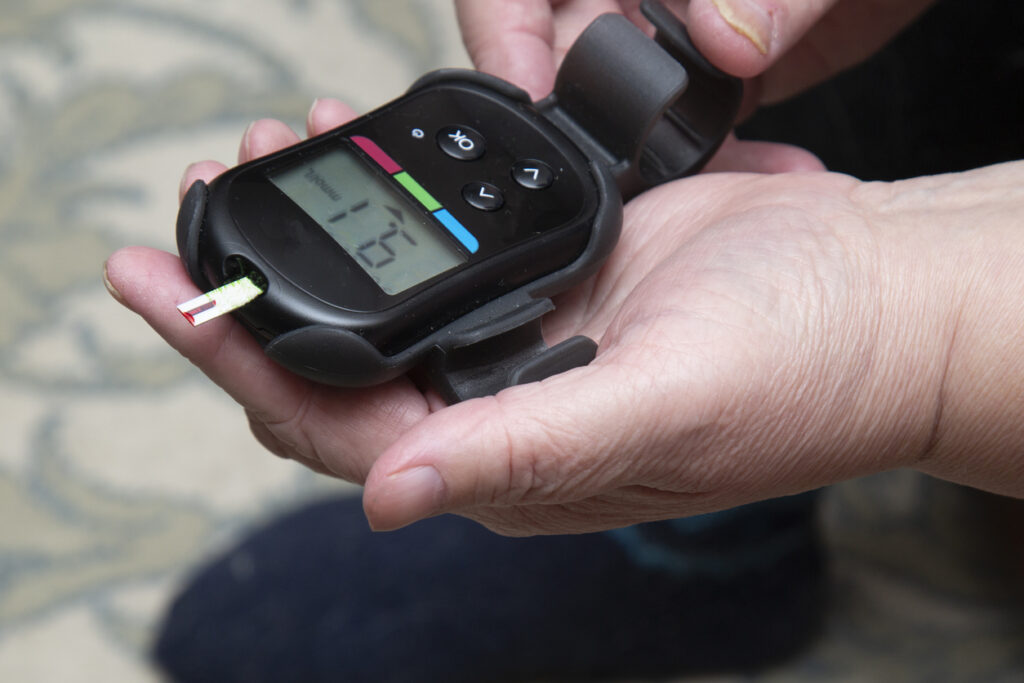
In the 1950s, some technologists predicted at-home medical diagnostics: devices to check your health, send updates to doctors, and keep medical records on chips. The idea included remote checkups and continuous monitoring, imagine a medical assistant in your living room. Today’s reality includes wearables and smart devices that track heartbeat, sleep, blood oxygen, glucose, and more, often integrated with mobile apps and telehealth services. Doctors can review this data remotely, and even diagnose or treat without in-person visits. What started as futuristic daydreaming is now part of many homes and healthcare systems.
9. Talking home assistants
Some mid‑century visionaries predicted that homes would someday interact with residents: playing music, answering questions, controlling lights and appliances through a central voice-activated system. It sounded like fiction then, houses that talk back? Too wild! Today’s reality is Alexa, Google Assistant, Siri, and other AI-powered assistants embedded in smart speakers, thermostats, doorbells, and appliances. They respond to voice commands, answer your queries, play your playlists, and adjust your lights or thermostat. The vision of a conversational home center managing daily life is here, and commonplace.
This story 9 Wild Predictions 1950s Futurists Actually Got Right was first published on Daily FETCH


