
1. Michael Landon Had an Explosive Temper
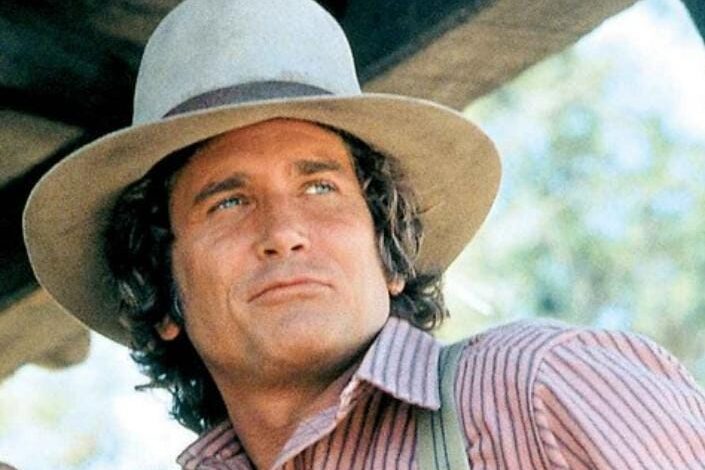
Michael Landon, who played Charles Ingalls and also served as a producer and director, often ruled the set with a commanding presence. Reports and cast memoirs describe moments where he would scowl or lash out when scenes didn’t meet his vision, rendering him something of an “iron fist.” His behavior immensely influenced the younger cast, with Melissa Gilbert recalling how he would “praise us when we did well. And then he would scowl if we weren’t completely connected”. Though nurturing at times, especially with child actors, his intensity could quickly turn confrontational. Several accounts describe tense atmospheres when Landon didn’t approve of performances or direction. Co-stars like Karen Grassle have recounted feeling mocked or belittled by Landon, who reportedly made derogatory remarks toward her. This volatile dynamic shaped the off-screen mood, contrasting sharply with the warm family portrayed on-screen.
2. The Affair That Ended His Marriage
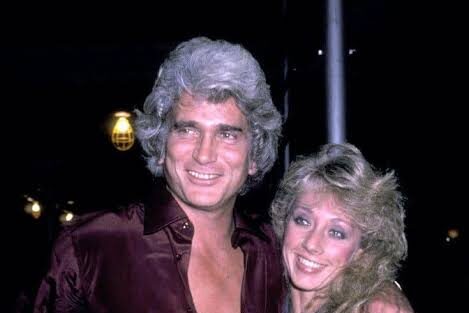
During production, Landon became romantically involved with Cindy Clerico, a young makeup artist on the show while still married to Lynn Noe, which contributed to his divorce in 1982. This marked a significant turning point: he divorced his wife Lynn Noe, his partner of nearly 20 years, and soon married Clerico in 1983. The tabloid coverage of this affair shattered his clean-cut public image and had ripple effects throughout the cast and crew. In her memoir Prairie Tale, Melissa Gilbert revealed how she was caught in the middle of conflicting loyalties. She didn’t attend Landon’s second wedding and described the turmoil as leaving her “in a horribly, uncomfortable position”. The fallout rippled across relationships on set, as Landon’s private actions crashed into the image of wholesome fatherhood he portrayed.
3. Tension Between Laura and Mary
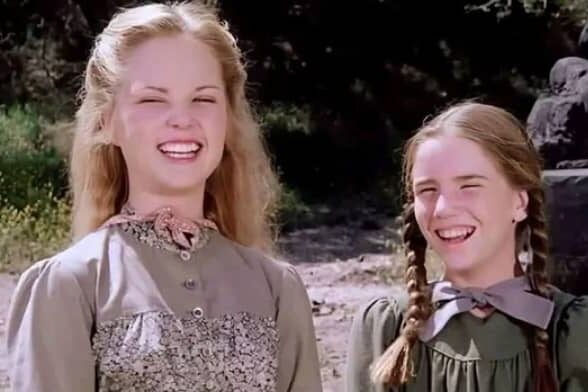
Child actresses Melissa Gilbert (Laura) and Melissa Sue Anderson (Mary) had a challenging working relationship. Gilbert has described Anderson as “cold and distant,” indicating their bond never fully warmed on set. Anderson, in turn, admitted feeling isolated, especially as the show increasingly centered on Laura’s character. Feeling sidelined seems to have been painful for Anderson. She later expressed resentment toward the shifting fan and production focus away from her role as Mary. The contrast between on-screen sisterly love and off-screen detachment highlights just how differently each actor experienced the show’s relentless spotlight. But Anderson later denied any deep-seated feud, calling rumors “absolutely false”
4. Katherine MacGregor’s Private Nature
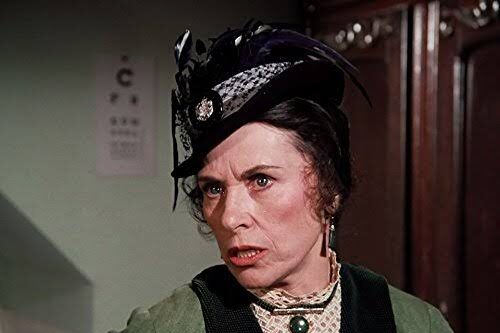
Katherine MacGregor, the actress behind Mrs. Oleson’s sharp-tongued matriarch, was known to be intensely private. Her reserved personality didn’t mesh well with a large ensemble cast and a public that expected beloved characters to open up. Her preference for solitude led her to skip the show’s final reunion special, a rare move in TV circles. MacGregor’s absence hinted at deeper disconnection with cast members. She chose not to appear alongside her former colleagues when reflecting on the series’ legacy. Renowned for her comedic timing on-screen, off-screen she was content to stay distant and let her performance speak for itself, reportedly due to her religious pursuits and preference for solitude.
5. Cast Hid Dark Issues Under a Moral Façade
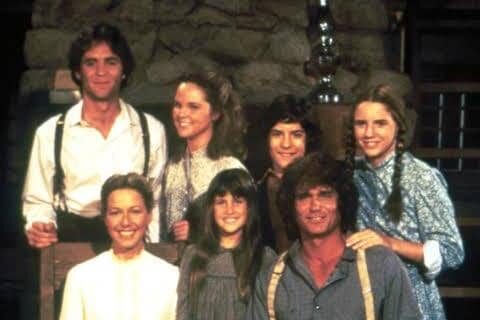
Many of the cast members grappled with personal struggles, addiction, family loss, mental health challenges, while portraying virtuous, tight‑knit frontier families on screen. The show’s strong moral tone meant that actors felt pressure to appear unflawed, which only deepened the divide between their public personas and private pain. Melissa Sue Anderson later shared how life off‑camera often included whispers of darker topics, despite the cheerful veneer. Christine, a crew assistant, once remarked in a cast reunion panel: the set felt protective for child actors , but that protection sometimes masked underlying tension as adults struggled behind closed doors. The audience saw moral simplicity, but behind the scenes it was anything but simple.
6. Landon’s Drinking and Chain-Smoking Habit
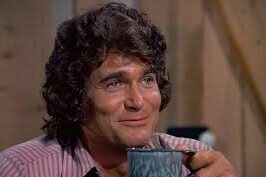
Though Charles Ingalls was the model of integrity, Michael Landon battled hidden habits that contradicted his wholesome image. He routinely drank vodka from a coffee mug during filming and chain-smoked cigarettes on set, even in front of his child co‑stars. Remarkably, cast members say he managed to stay composed and authoritative, never visibly impaired. Alison Arngrim recalled a “Mad Men–style” atmosphere behind the scenes: cigarettes, glasses of gin, and regular alcohol consumption were commonplace. Yet she noted the crew remained careful and respectful when the kids were around, maintaining a veneer of professionalism even amid those habits.
7. The Show’s Final Explosion Was Real

In the 1984 TV movie Little House: The Last Farewell, Landon staged the demolition of the Walnut Grove sets using actual TNT. It was his response to NBC’s cancellation, and his way of preventing others from reusing the town. Almost every building was blown to bits, except the church and the Ingalls’ modest home, both spared for their symbolism. Melissa Gilbert described the scene as a “longest funeral I’d ever attended,” emotionally draining both cast and crew. The detonation wasn’t just a plot device, it was literal closure. As children and adults stood watching, many cried openly, grieving the end of a decade‑long chapter.
8. He Wrote Himself the Hero
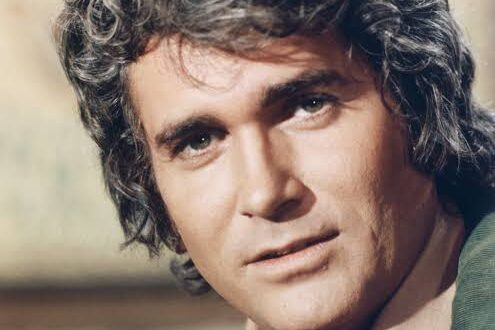
Behind the lens, Landon often crafted narratives that placed Pa Ingalls at the center of rescue and redemption. He held considerable creative control, writing, directing, and producing over 90 episodes, and used that to ensure his character received the most dramatic arcs. While this gave Landon the spotlight, other cast members quietly felt sidelined. They found themselves in repetitive supporting roles, sometimes with less emotional nuance than Ingalls. Over time, as the show evolved away from the novel‑based ensemble, this imbalance caused friction, fueling resentment among actors whose stories were crowded out.
9. Favorite Faces Were Still Keeping Secrets
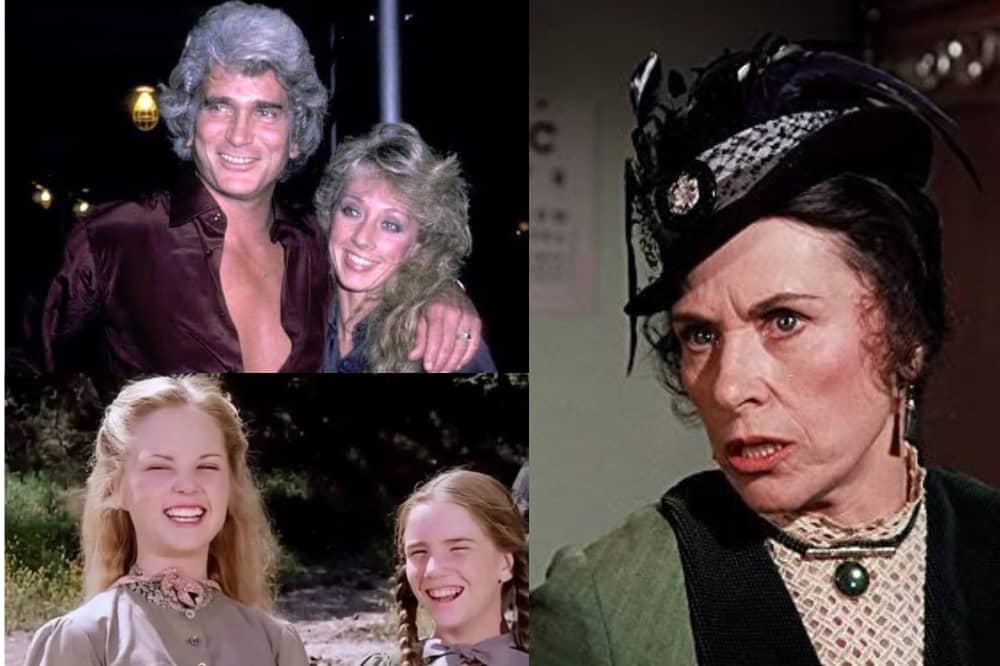
Despite the beloved image of familial closeness and camaraderie, many cast members maintained emotional distance. Melissa Sue Anderson confessed she felt like an outsider as the focus shifted toward Laura’s character. She admitted feeling “cold and distant”, a fine line between professional boundaries and personal isolation. Katherine MacGregor, who played Mrs. Oleson, exemplified this private reality. She declined to participate in the final cast reunion and never offered on‑camera reflections later in life, a choice that spoke volumes about her guarded nature. And while Melissa Gilbert grew closer to Landon’s family, her relationship fractured when his real‑life affair surfaced, leaving her in an awkward and painful spot.
This story 9 Dark Truths Behind ‘Little House on the Prairie’ was first published on Daily FETCH


