
From Silent Lunches to Nap Time for Teens, Not Every Country Plays by the Same Classroom Rules
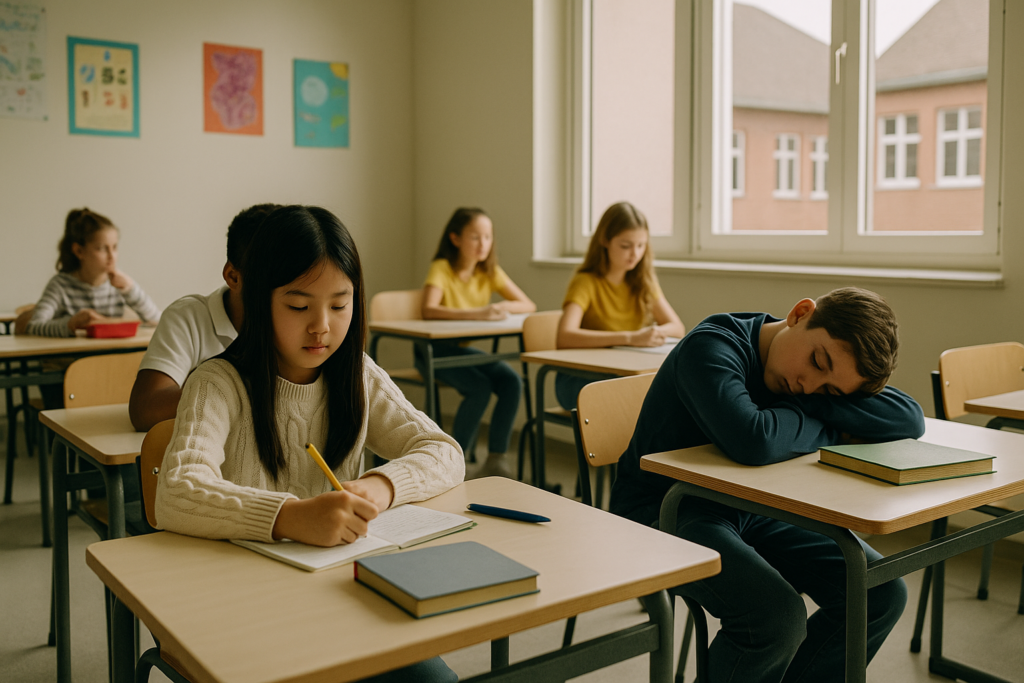
We tend to think of school as a fairly universal experience—desks in rows, lunch in a noisy cafeteria, and maybe a pop quiz before the bell rings. But peek into classrooms around the world, and you’ll find wildly different rules shaping the way kids learn, behave, and even socialize. In some countries, students scrub toilets before math class. In others, they nap at their desks between subjects. There are places where your hairstyle could get you sent home, or where owning a cell phone in school is illegal. What one culture sees as good discipline, another might call over-the-top.
These surprising school policies from across the globe reveal how deeply education is shaped by cultural values—from national identity to health priorities to social order. Each of these rules might shock the average American parent or student, but they’ve become normal elsewhere. And in many cases, they’re working. So before you write off a policy as too strict or too soft, take a closer look. The classroom might be the most revealing mirror of a country’s soul.
1. Japan Requires Students to Clean the School
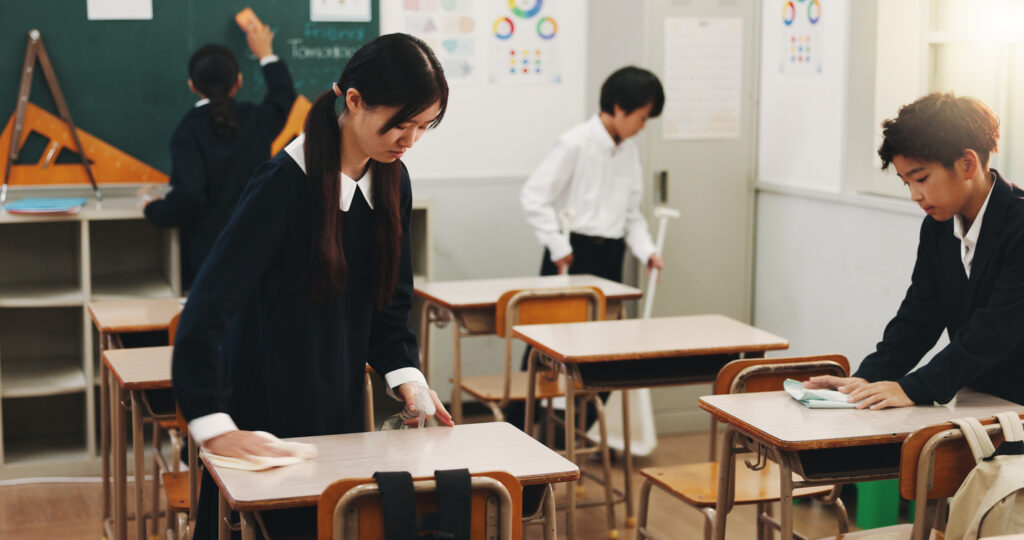
In Japan, students don’t just learn algebra or literature—they clean their own classrooms, scrub the toilets, and sweep the stairwells before they go home. This daily routine, called osoji, starts as early as first grade and continues through high school. Kids are divided into rotating cleaning teams, often supervised by their homeroom teacher, and everyone participates—no exceptions. There are no janitors in most public schools. Instead, students spend up to 20 minutes each day wiping windows, picking up trash, and polishing floors with cloths on their hands and knees.
It’s not about free labor—it’s about instilling humility, discipline, and community responsibility. The idea is that students will be less likely to litter, vandalize, or act entitled when they’re the ones maintaining the environment. According to Japan’s Ministry of Education, this practice also helps foster equality, since students and teachers clean side by side. While some Western critics question whether it cuts into academic time, Japan continues to rank in the top 10 globally for reading and math. Compared to American schools, where janitors are expected to clean up after students, the Japanese model flips the script: the school isn’t just a place you go—it’s a place you take care of.
2. France’s Ban on Phones at all Grade Levels
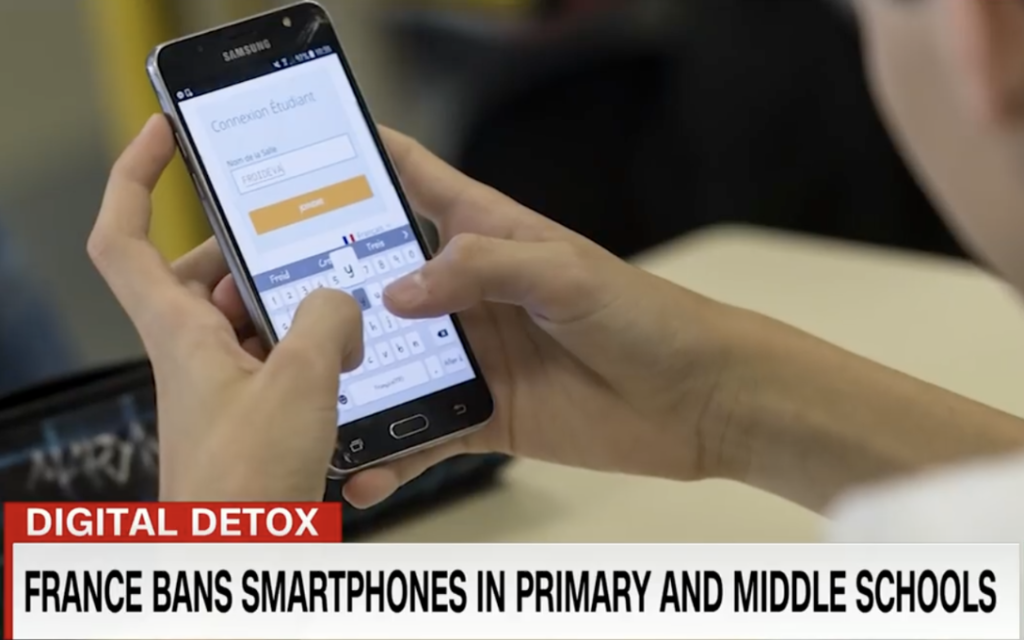
Since 2018, students across France have been legally banned from using their phones during the school day, not just in class, but during lunch, recess, and even bathroom breaks. The rule, part of the Loi sur l’école de la confiance (Law for a School of Trust), applies to all children under 15, covering both public and private institutions. Phones must be switched off or locked away, and many schools use secure pouches or lockers to enforce compliance. The goal? Reduce distraction, limit cyberbullying, and encourage face-to-face interaction in a world that’s increasingly addicted to screens.
To most American students, this level of restriction would feel unimaginable. In the U.S., over 75% of middle and high schoolers report using their phones during the day, often with few real consequences. But in France, the government views phone bans as essential to protecting childhood and academic focus. French teachers report fewer classroom disruptions, and parents, many of whom were skeptical at first, now support the policy. Some high schools with older students allow limited phone use, but even then, many teens voluntarily unplug. In a culture that values intellectual depth and philosophical conversation, the message is simple: save the scrolling for after class.
3. South Korean Teens Study Until Midnight—and That’s Considered Normal
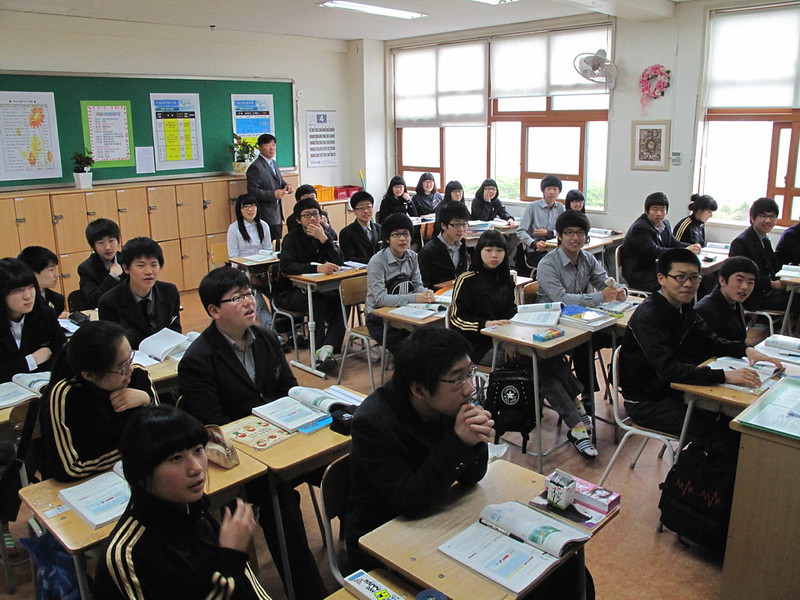
In South Korea, the school day doesn’t end at 3 p.m., it often stretches past midnight. After a full day at regular school, millions of students attend private after-school academies called hagwons, where they cram for critical exams in math, science, and English. These sessions can last until 10 or 11 p.m., with some students studying even longer at home. The pressure comes from South Korea’s hyper-competitive university entrance system, especially the infamous Suneung test, which essentially determines a student’s entire future, from job prospects to marriage eligibility.
This kind of academic grind would be considered extreme in most of the U.S., where after-school hours are filled with sports, part-time jobs, or downtime. But in South Korea, education is a national obsession. Families spend more on private tutoring than any other country, averaging $350 a month per student, according to government data. The government has tried to limit late-night studying by enforcing 10 p.m. curfews on hagwons, but many parents and students skirt the rules. While critics warn of burnout, mental health issues, and youth suicide rates, the highest among OECD countries—supporters argue that the system produces disciplined, high-achieving students. For many teens, this relentless schedule is simply the cost of keeping up.
4. Finland Says No to Homework—and Still Outperforms Everyone
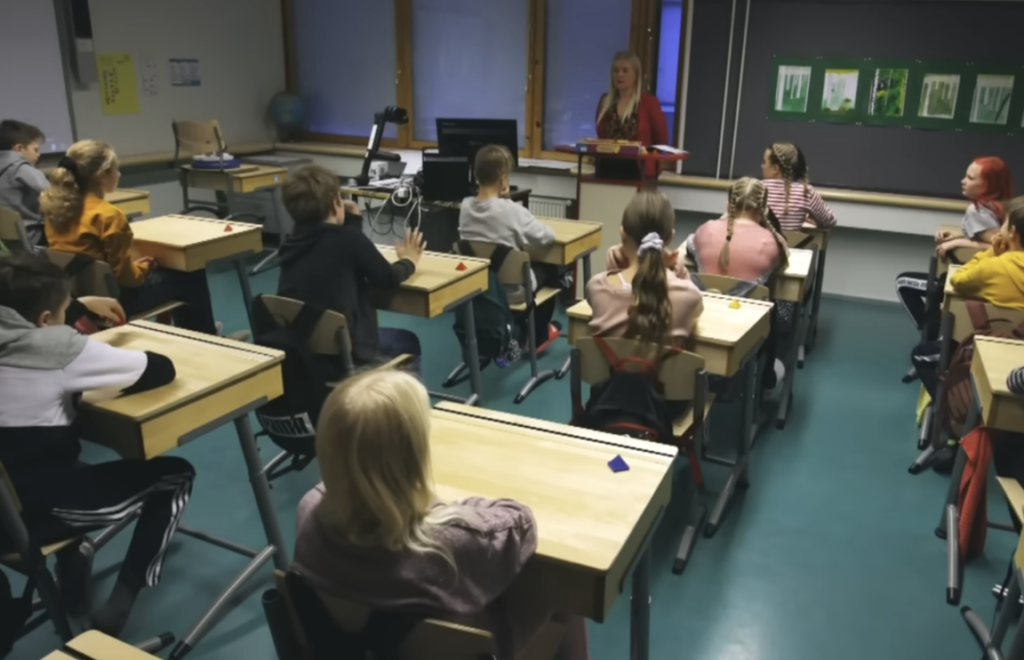
In Finland, students enjoy what many American kids can only dream of: barely any homework, shorter school days, and very few standardized tests. The average Finnish elementary student gets under 30 minutes of homework per night, and high schoolers rarely spend more than an hour. School starts later in the morning, ends around 2 p.m., and is punctuated by frequent 15-minute outdoor breaks. Yet despite this relaxed pace, Finnish students consistently rank in the top five globally for reading, math, and science on the OECD’s PISA exams.
How? Finnish educators focus on depth over speed, collaboration over competition, and trust over control. Teachers are required to earn a master’s degree and are given near-complete autonomy in the classroom. There’s no national standardized testing until age 16, and grades don’t become a major focus until upper secondary school. While American schools often emphasize measurable performance and constant assessment, Finland invests in teacher quality, play-based learning, and student well-being. The result is a system that produces not just strong academics, but happy, well-rounded kids. In Finland, less really does mean more.
5. Germany Sorts Students Into Career Paths at Age 10
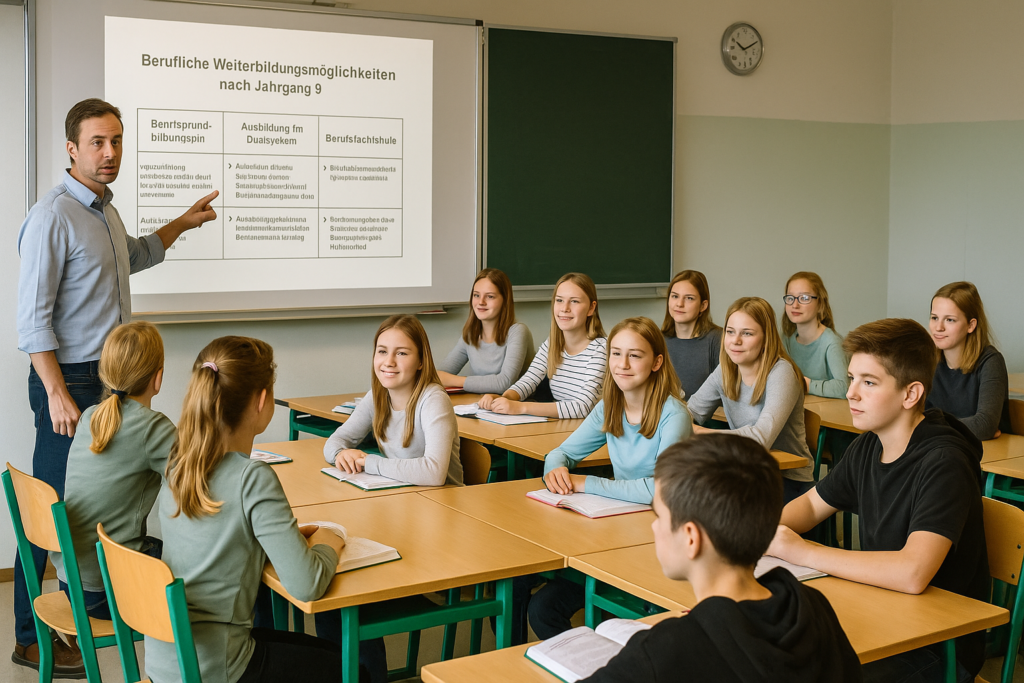
In Germany, students don’t all follow the same educational road. By the time they’re around 10 years old, they’re placed into one of several academic tracks that determine much of their future. The three main types are Gymnasium (college prep), Realschule (for mid-level technical careers), and Hauptschule (for vocational and trade work). Placement is based on teacher recommendations, academic performance, and sometimes parental preference, but once you’re on a path, it can be hard to switch. The goal is to match a student’s abilities and interests to a specific future, not funnel everyone into university.
To many Americans, this kind of early sorting feels limiting, if not downright unfair. But in Germany, it’s seen as practical and efficient. Only about 30% of German students attend Gymnasium, and yet the country boasts one of the world’s strongest economies, thanks in part to its respected apprenticeship system and skilled labor force. While critics argue that the system can reinforce class divisions, supporters say it reduces dropout rates and ensures students aren’t pushed into academic tracks that don’t suit them. In Germany, the idea isn’t that every student should go to college, it’s that every student should be prepared for real life.
6. In India, School Uniforms Aren’t Just About Dress Codes
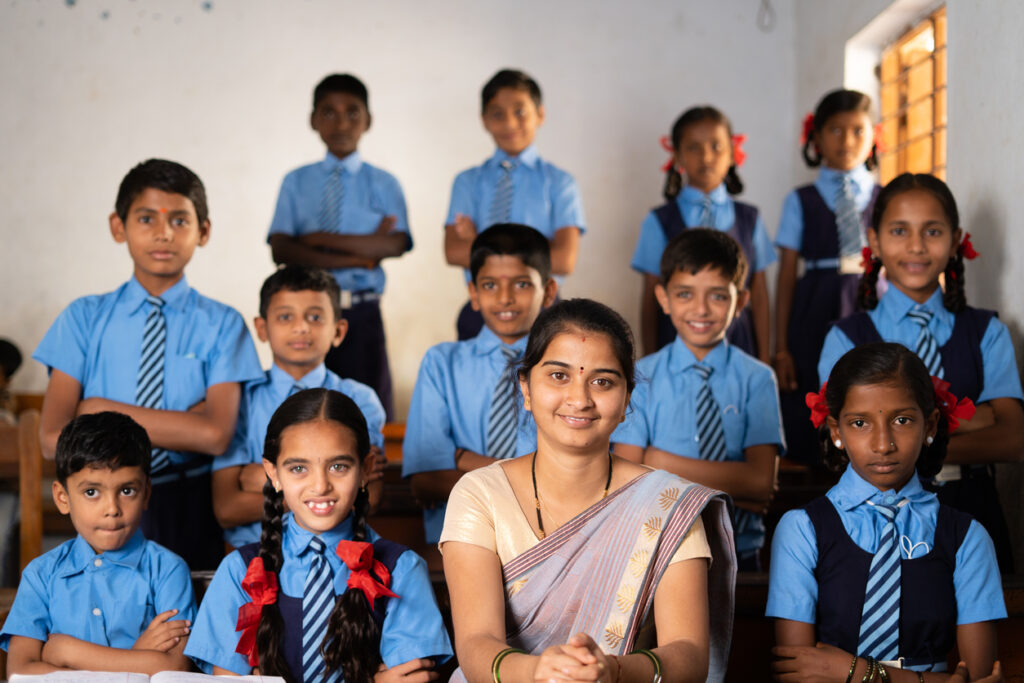
Across India, nearly all schools, public or private, rural or elite, require students to wear uniforms. But this isn’t just about looking tidy. In a country with vast income disparities, uniforms are viewed as a great equalizer. Whether a student comes from a mud-brick village or a luxury apartment in Mumbai, the same crisp shirt and pressed trousers or pleated skirt help level the social playing field. The practice also emphasizes discipline, modesty, and belonging. Uniforms are usually color-coded by school and grade level, and some even vary by weekday or activity. Schools often pair these expectations with grooming rules, including polished shoes, tidy hairstyles, and no flashy accessories.
In the US, school uniforms tend to be debated as a matter of personal expression or school safety. But in India, the issue is tied to identity, dignity, and access. When nearly 22 percent of the population lives below the poverty line, uniforms help ensure no child is singled out for having too little or too much. While some critics argue it limits individuality, many see it as a visual cue that says: here, everyone deserves to learn. For millions of Indian students, the uniform is a daily reminder that school is meant to unite, not divide.
7. Saudi Arabia Separates Boys and Girls in Almost Every School
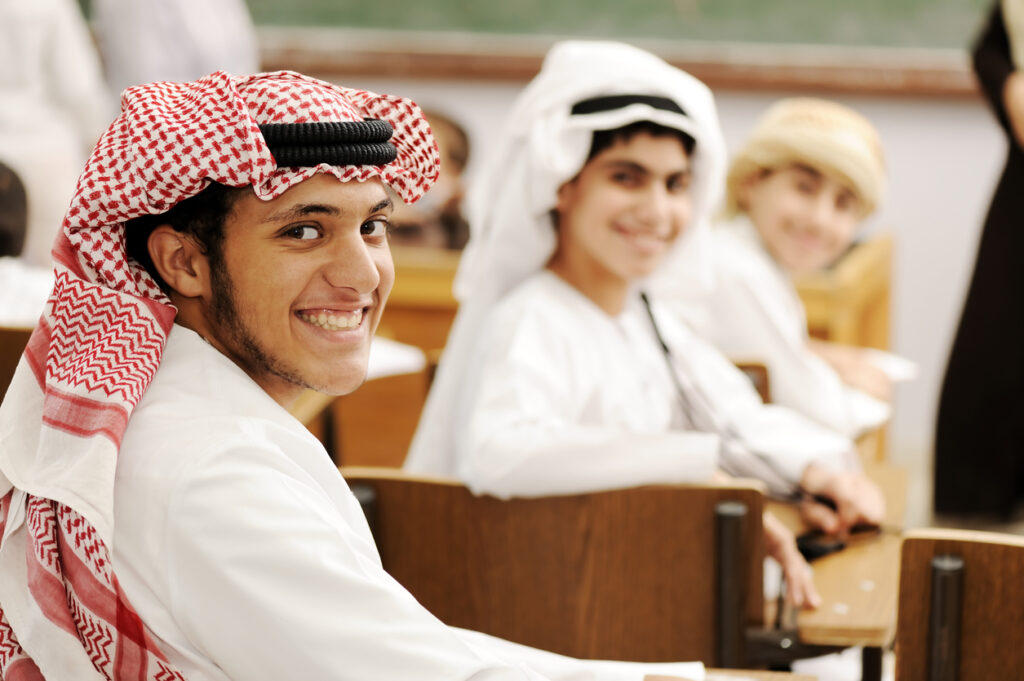
In Saudi Arabia, education is shaped by a deeply conservative cultural and religious framework, and that includes strict gender segregation. From first grade through university, boys and girls typically attend separate schools. Even in coeducational universities, male and female students are often taught in different classrooms, or divided by walls or screens during lectures. Teachers are assigned based on the gender of the students, with women teaching girls and men teaching boys. The curriculum is largely the same, but girls’ schools may place greater emphasis on domestic sciences alongside academics.
To most Americans, this level of separation would seem outdated or discriminatory. In the US, coed classrooms are seen as a way to promote equality, social development, and mutual respect. But in Saudi Arabia, the policy reflects a broader cultural value system that emphasizes modesty and distinct gender roles. In recent years, some reforms have introduced more flexibility, including expanded college majors for women and mixed-gender training programs in private institutions. Still, for most Saudi students, learning continues to happen in gender-specific environments. It’s a powerful example of how education can reflect not just national goals, but deeply held cultural and religious beliefs.
8. In Australia, a Day in the Bush Can Count as a Day in Class
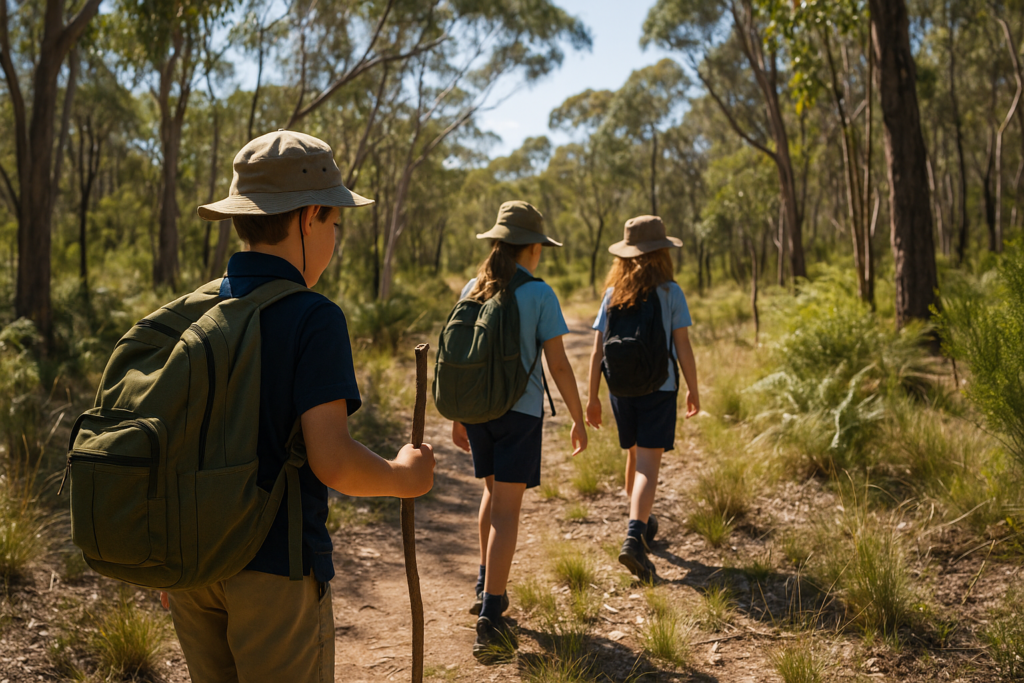
In many Australian schools, especially in rural or progressive regions, outdoor education is considered just as important as textbooks and tests. Students may spend an entire day hiking, camping, or learning survival skills in the bush. These outdoor education days are often built into the school calendar and are treated as core curriculum, not a reward or field trip. The goal is to teach resilience, leadership, environmental awareness, and real-world problem-solving. Students might build shelters, cook over a fire, or learn first aid, all under the supervision of trained outdoor instructors.
In the US, where liability concerns and budget constraints often limit outdoor learning to the occasional field trip, this level of immersion feels almost radical. But in Australia, where nature is both beautiful and unforgiving, educators believe kids need hands-on experience to truly understand their environment and themselves. Outdoor education also helps combat mental health struggles, improve focus, and foster teamwork. Some schools even partner with Indigenous leaders to teach traditional land knowledge. For Australian students, the classroom doesn’t always have four walls—and sometimes the best lessons come with dirt under your nails.
9. In China, Students Pause Class for Daily Eye Exercises
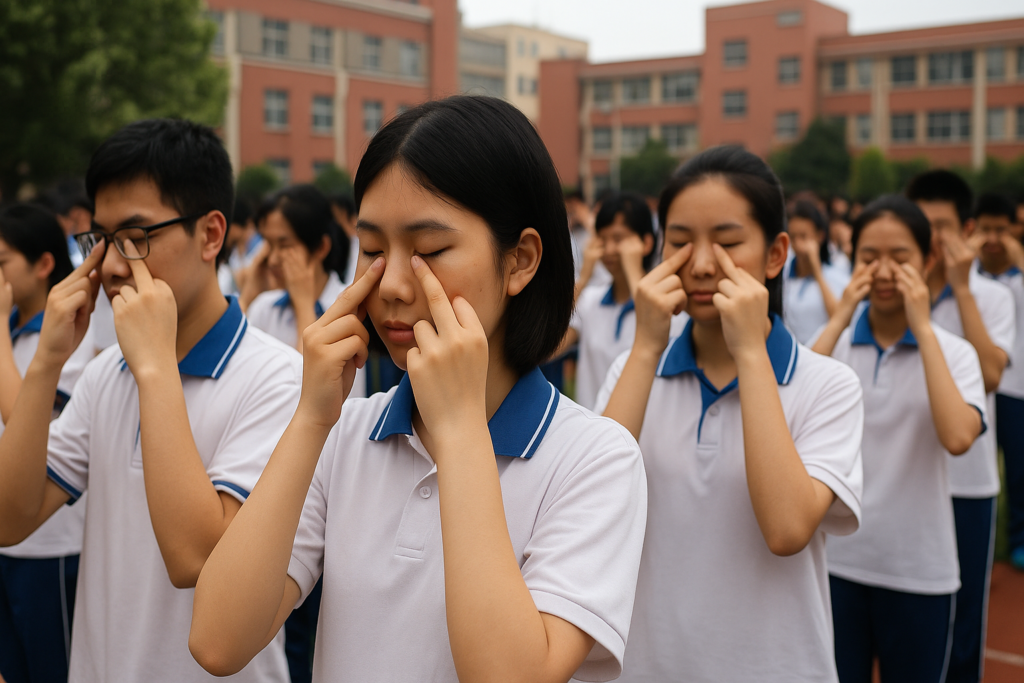
Twice a day in schools across China, everything stops for eye exercises. Set to soft music and broadcast over the loudspeaker, these short routines guide students through a series of facial massages and eye movements designed to relieve strain and prevent nearsightedness. Kids press their fingers along their brows, temples, and cheeks in synchronized motions, often with eyes closed and backs straight. The practice dates back to the 1960s and is mandated by the Ministry of Education for students from elementary through high school.
It might seem odd to American students, who rarely pause for anything besides lunch or gym. But with over 70 percent of Chinese high school students now diagnosed with myopia, these exercises are part of a broader public health push. Some critics argue the method lacks strong scientific proof, but others say it’s less about instant results and more about long-term awareness and discipline. Schools also encourage outdoor time and blue light limits to protect eyesight. In a country where academic success often comes at the cost of health, these few quiet minutes a day serve as a reminder that even high achievers need to rest their eyes.
10. UK Schools Crack Down on Energy Drinks Like They’re Contraband
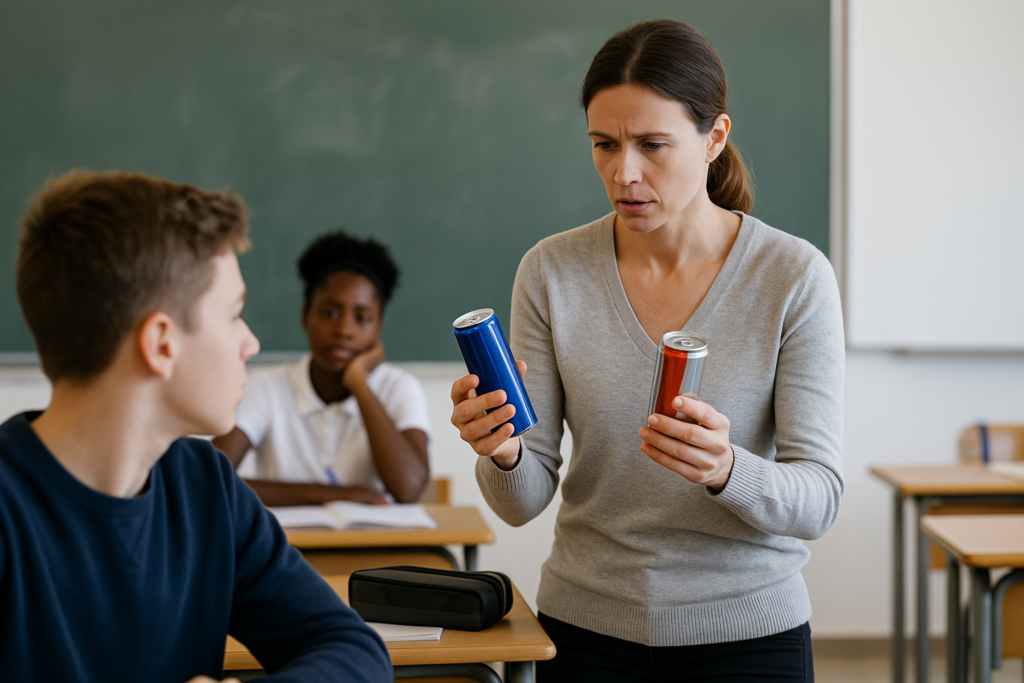
In the United Kingdom, many schools treat energy drinks the same way they treat cigarettes or alcohol they’re banned outright. Students are not allowed to bring or consume high-caffeine drinks like Monster, Red Bull, or Prime on school grounds, and in some cases, even supermarkets restrict sales to those under 16. The concern isn’t just about sugar. Studies have linked energy drink consumption in teens to headaches, heart palpitations, sleep issues, and aggressive behavior. Some schools enforce the rule with bag checks and confiscations, and repeat offenders may face detention or parental meetings.
To American students, who often chug energy drinks before practice or exams, this kind of crackdown might feel excessive. But in the UK, educators argue that the risks outweigh the perks. A study by the British Medical Journal found that nearly one in three UK teens regularly consumed energy drinks and that many of them showed decreased academic performance and increased behavioral issues. Some school systems have even launched national campaigns to educate kids and parents about the effects. The message is clear: energy and focus should come from rest and nutrition, not a can with a lightning bolt on it.
11. In Kenya, School Starts with a Full-Body Inspection
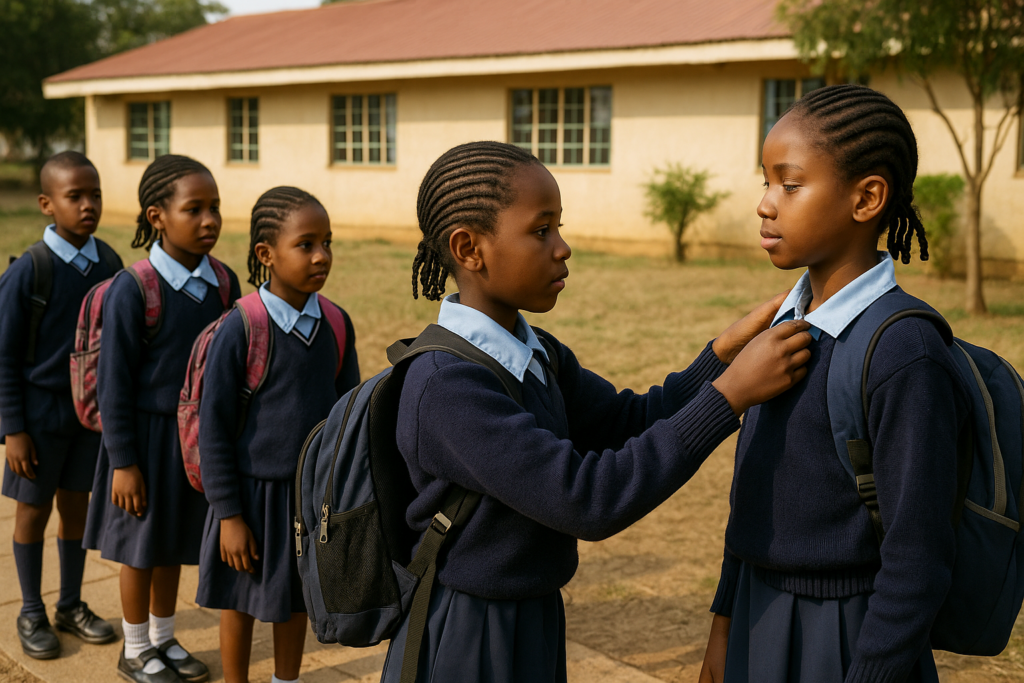
Before the first lesson begins in many Kenyan schools, students line up outside for a mandatory morning inspection. Teachers or prefects check uniforms for cleanliness, inspect shoes for polish, and sometimes even examine fingernails and ears for hygiene. Hair must be neat and natural, with no braids, dye, or styling products allowed. Jewelry, makeup, and even chipped nail polish are grounds for reprimand. If a student fails inspection, they might be sent home, given extra chores, or made to stand in front of the class for correction.
To American students, especially in public schools where personal grooming is largely a private matter, this kind of scrutiny would feel invasive. But in Kenya, morning inspection is a long-standing tradition meant to promote discipline, pride, and attention to detail. Uniforms are seen not just as dress code, but as a reflection of self-respect and school identity. Many schools believe that starting the day with order leads to more respectful behavior and better focus. While critics say it’s overly harsh, supporters view it as a simple, daily ritual that reinforces standards—and keeps everyone accountable from head to toe.
12. In the Netherlands, Most Kids Bike to School—Rain or Shine
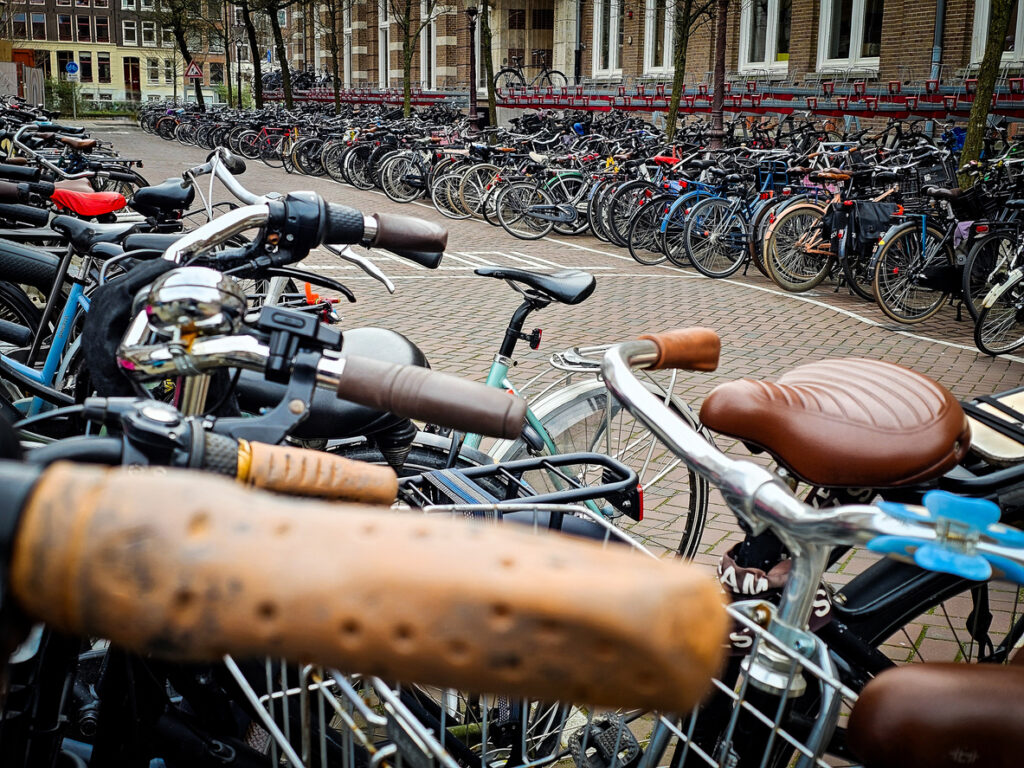
In the Netherlands, the morning school rush doesn’t mean traffic jams or yellow buses. It means bicycles. Roughly 60 to 75 percent of Dutch students bike to school daily, starting as young as four or five. Dedicated bike lanes run through every city and village, with intersections designed for cycling safety and massive bike parking areas outside schools. Helmets are rarely worn, and even bad weather doesn’t stop the routine—students just throw on ponchos and pedal through. Cycling isn’t a special activity here. It’s part of the national identity.
In the US, only about 2 percent of students bike to school, mostly due to safety concerns or long commutes. But in the Netherlands, biking is encouraged from an early age as a way to build independence, reduce emissions, and support physical and mental health. Many schools offer cycling proficiency courses around age 10 to ensure kids understand traffic rules and safety. The result is a culture where children are trusted to navigate their neighborhoods with confidence. For Dutch students, the journey to school is more than just a commute—it’s a daily lesson in freedom and responsibility.
13. In Thailand, Your Haircut Can Get You Sent Home
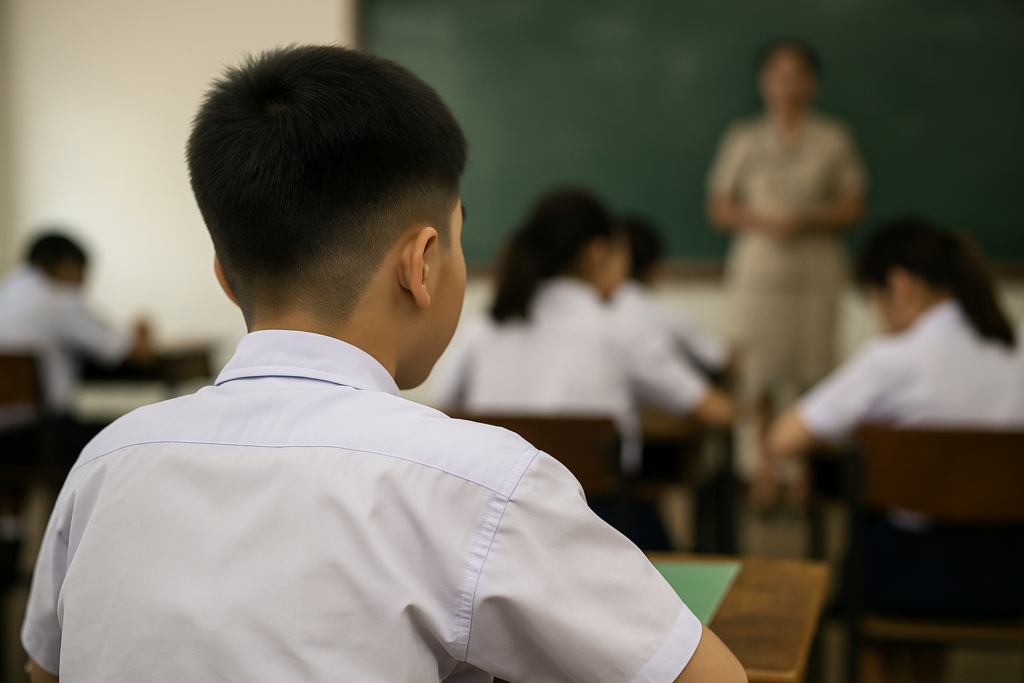
In Thai public schools, student hairstyles are regulated with military-level precision. Boys are often required to keep their hair no longer than two inches, neatly trimmed above the ears and collar. Girls must wear short, shoulder-length cuts with no layers, coloring, bangs, or styling products. Violations can result in warnings, demerits, or immediate punishment. In some cases, teachers have been known to cut students’ hair in front of their classmates using scissors kept on hand for just that purpose.
To American students, who often use their hairstyles as a form of identity, this kind of control would seem extreme. But in Thailand, the policy is tied to ideas of modesty, discipline, and school unity. The rules were first introduced in the 1970s as part of a broader movement to reduce Western influence and reinforce national identity. While some schools have relaxed the restrictions in recent years, many still enforce them strictly. Student protests and social media campaigns have sparked national conversations about personal freedom and body autonomy, but for now, that haircut still has to pass inspection before class begins.
14. In Brazil, Students Are Taught How to Be Citizens—Not Just Test-Takers
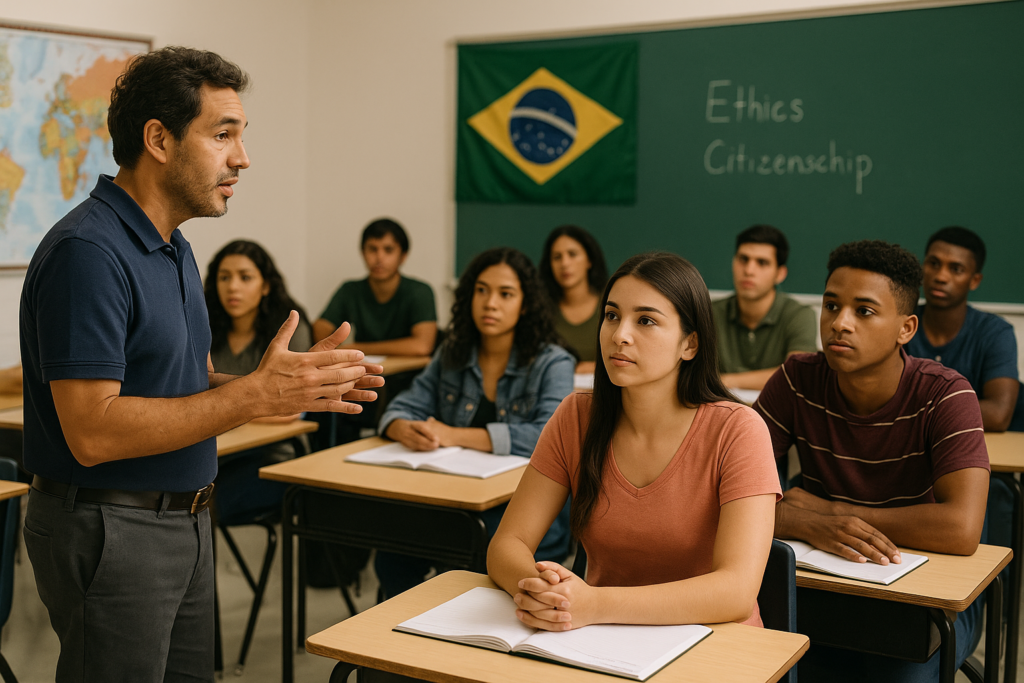
In Brazil, education isn’t just about academics. It’s about ethics. Many schools across the country include mandatory classes in citizenship, moral reasoning, and civic responsibility, often under subjects like Ética or Cidadania. These lessons begin as early as primary school and cover topics such as human rights, political participation, environmental stewardship, and social justice. Students are encouraged to discuss real-world issues, from racism to corruption, and reflect on their responsibilities to their communities. These classes are integrated into weekly schedules alongside core subjects like math and science.
In the US, civics education has largely faded from classrooms or been limited to dry textbook facts. But in Brazil, it’s treated as a foundation for democracy. After emerging from decades of military dictatorship, Brazil rewrote its national education goals to emphasize equality, participation, and critical thinking. Some schools use mock elections, debate clubs, or volunteer projects to bring the lessons to life. Critics argue that the classes can vary widely in quality, but supporters see them as vital in a country still grappling with deep inequality. In Brazil, teaching kids how to be good citizens is just as important as teaching them long division.
15. Argentina Lets Teenagers Elect Their Own Principal
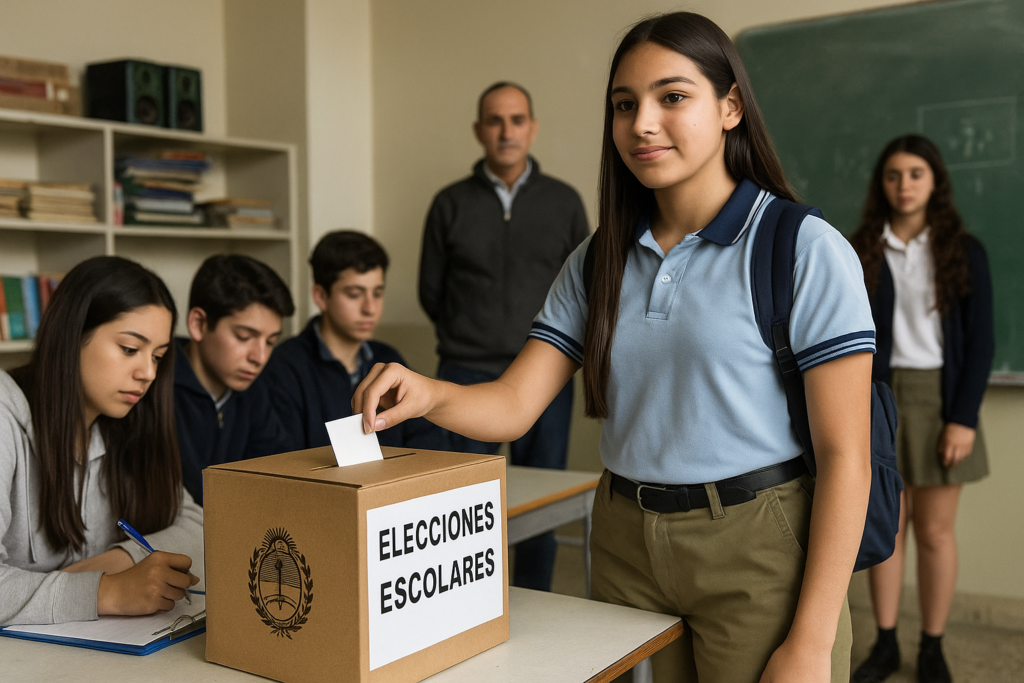
In some progressive high schools in Argentina, students don’t just vote for class president, they vote for the principal. Known as centros de estudiantes, these student-run governments have real power and often participate in the selection of school leadership, policies, and programming. During election seasons, candidates campaign on platforms that address school conditions, class schedules, and teacher evaluations. Debates are held, flyers are posted, and the final vote is conducted democratically, with students as the electorate. Teachers and administrators usually have oversight, but the process is designed to be student-led.
To most American teens, this level of school involvement sounds more like fantasy than reality. While U.S. student councils may fundraise for prom or organize spirit week, they rarely influence how schools are run. In Argentina, the goal is to teach young people political agency and democratic values through real-world experience. The practice gained traction after the country’s return to democracy in the 1980s, and today it continues to thrive in public schools that want to emphasize civic education. For Argentine students, casting a vote for your own principal isn’t a novelty, it’s a right.
16. South African Students Sing Their Anthem in Five Languages Every Morning
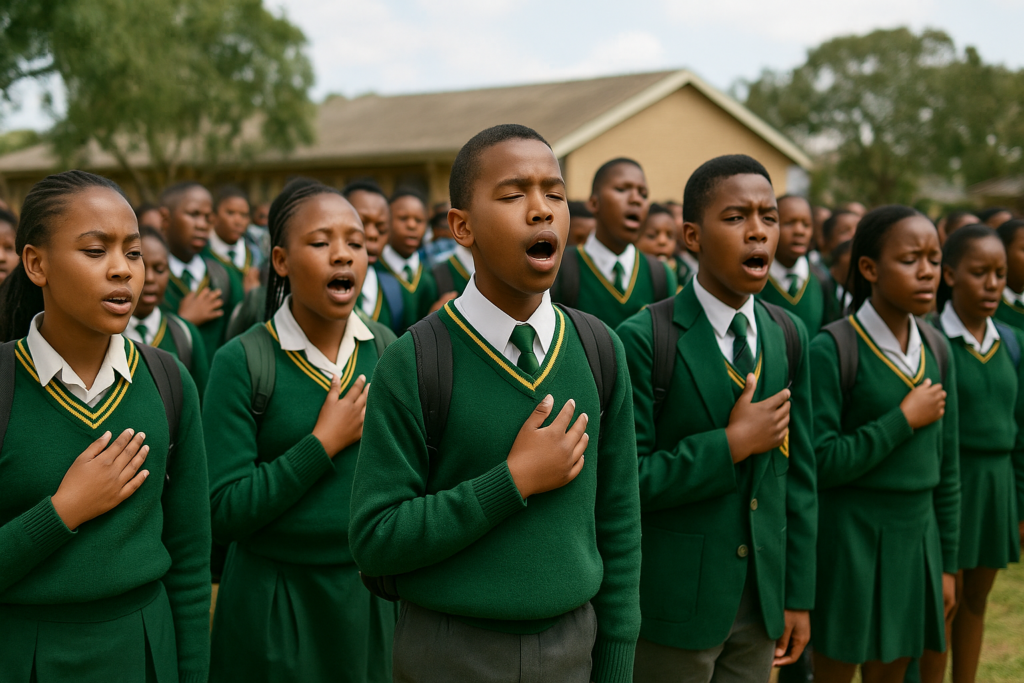
In South Africa, many schools begin the day with a stirring ritual: students singing the national anthem, Nkosi Sikelel’ iAfrika, which weaves together five of the country’s eleven official languages, Xhosa, Zulu, Sesotho, Afrikaans, and English. The anthem is a deliberate symbol of post-apartheid unity, crafted to reflect the country’s cultural and linguistic diversity. In some schools, this multilingual approach extends beyond the anthem. Morning announcements, classroom discussions, and even school plays rotate through different languages to ensure representation and inclusivity.
In the US, where most school rituals begin and end with the Pledge of Allegiance in a single language, this kind of daily linguistic celebration would feel radically inclusive. But in South Africa, it’s a national priority. The post-1994 education reforms emphasized language as a tool for healing and rebuilding identity. By learning to pronounce and respect each other’s mother tongues, students aren’t just absorbing lessons, they’re living reconciliation. While some schools in wealthier areas may lean toward English-only instruction, public schools across the country keep the multilingual morning tradition alive as a way to build pride and unity in every child.
17. In Norway, There’s No Such Thing as Indoor Recess
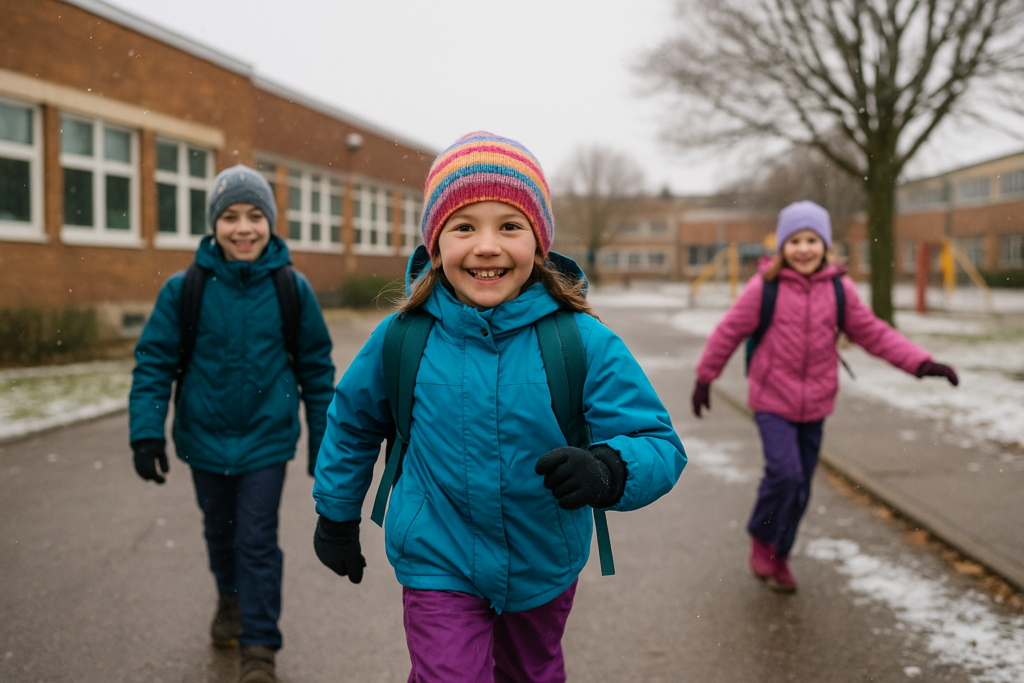
In Norway, kids head outside for recess in rain, sleet, or snow—and sometimes even during class. Outdoor time isn’t canceled due to cold weather. In fact, it’s embraced. Schools expect parents to send children in full waterproof gear, thermal layers, and sturdy boots, because recess happens no matter what. Many elementary schools go beyond traditional play and hold entire lessons outdoors, a practice called uteskole (outdoor school), where students might study ecology in a forest or practice math by measuring tree branches. The guiding philosophy: nature teaches patience, resilience, and joy.
To American parents used to rainy-day schedules and snow-day cancellations, this might seem harsh. But in Norway, it’s part of a broader belief that children thrive when they’re connected to the environment. Research shows that Norwegian children have better balance, coordination, and mental focus as a result. And while other countries worry about screen time, Norwegian educators are more concerned with making sure kids get muddy, tired, and windblown. Their national motto sums it up: There’s no bad weather—only bad clothing.
18. In Cuba, Every Student Gets a Free Government-Issued Snack
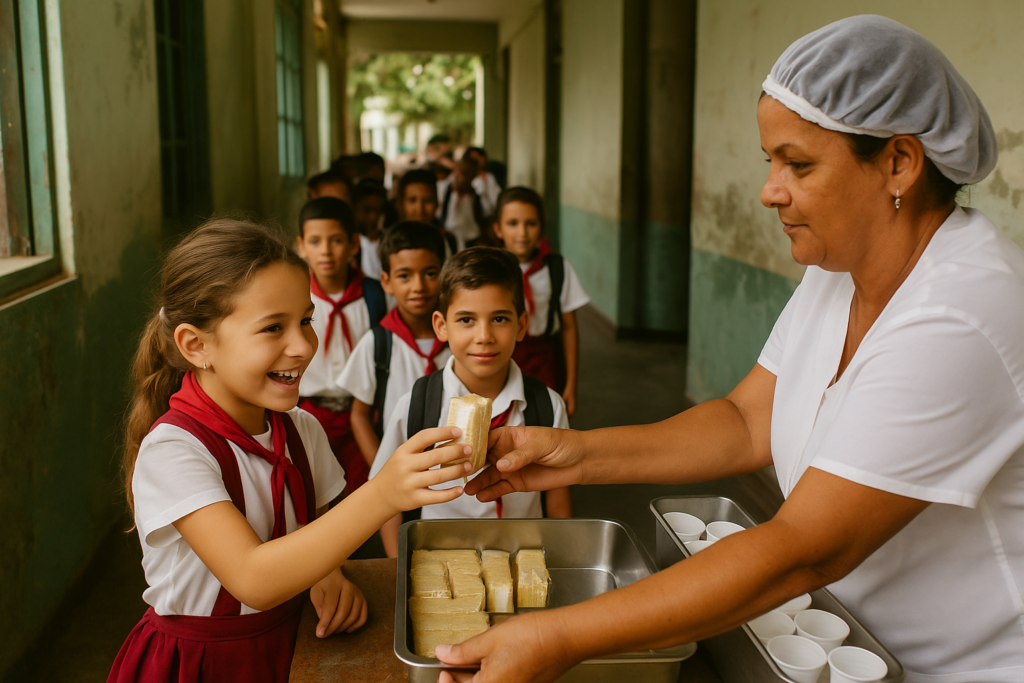
In Cuba’s public schools, education and food go hand in hand. Every child receives a daily snack typically a glass of milk and a small roll or biscuit, provided directly by the government. This practice begins in preschool and continues through primary grades, meant to ensure no child goes hungry during the school day, regardless of family income. The system operates under the country’s larger philosophy of universal access to health, education, and basic needs, even under economic hardship. Schools distribute the same snack to everyone, reinforcing the idea that all students are equal.
For Americans, this small gesture might sound modest, but it highlights a big cultural difference. While many US students rely on school meals, they also face lunch debt, cafeteria hierarchy, or inconsistent access depending on their zip code. In Cuba, the snack is simple but symbolic school is a place where every child is seen, fed, and taught. Despite economic limitations, the country maintains a 99 percent literacy rate, and the daily snack is one small way it supports students’ readiness to learn.
19. In Sweden, Students Call Teachers by Their First Names
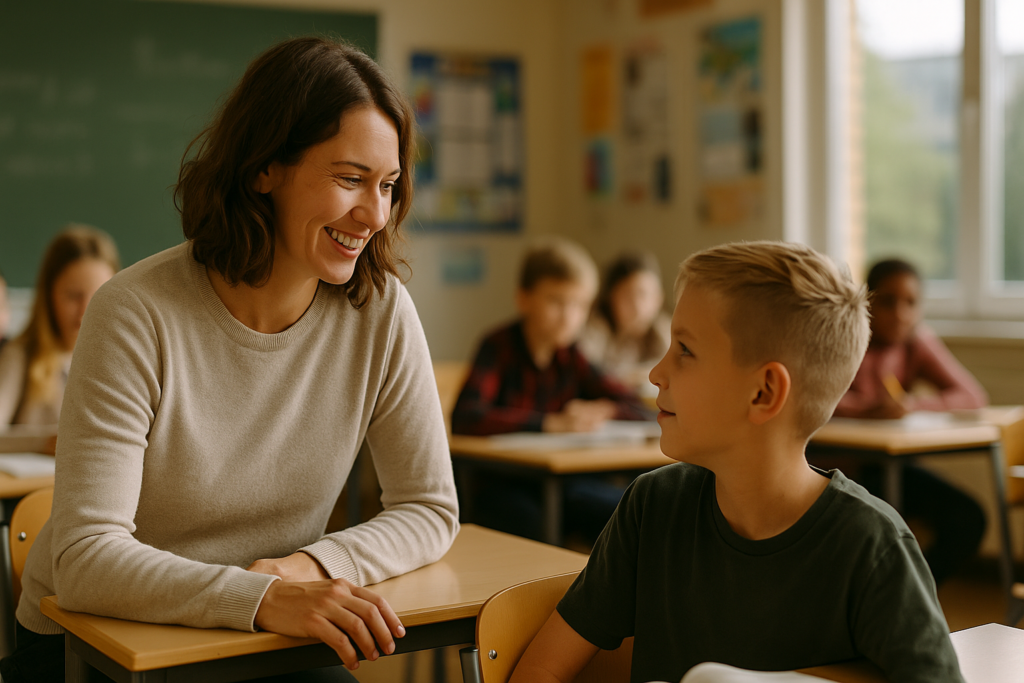
Walk into a Swedish classroom, and you might hear a student casually greet their teacher by first name. That’s not rudeness, it’s the norm. In Sweden, formal titles are rarely used in schools. Teachers and students are expected to engage in open dialogue as equals, and the informality helps break down hierarchy. Students are also encouraged to question authority respectfully, offer input on class decisions, and view the school as a collaborative space rather than a top-down institution.
To American students, where “Mr. Smith” or “Ms. Jones” is the standard, this would feel startlingly casual. But in Sweden, the philosophy is simple: mutual respect is earned through trust, not titles. Studies have shown that this approach creates more engaged learners and stronger student-teacher relationships. It also reflects Sweden’s broader cultural value of egalitarianism, where status and seniority matter less than participation and authenticity. For Swedish kids, calling your teacher by their first name isn’t disrespectful, it’s part of learning to think for yourself.
20. In Singapore, Rule-Breakers Reflect in Public “Shame Seats”
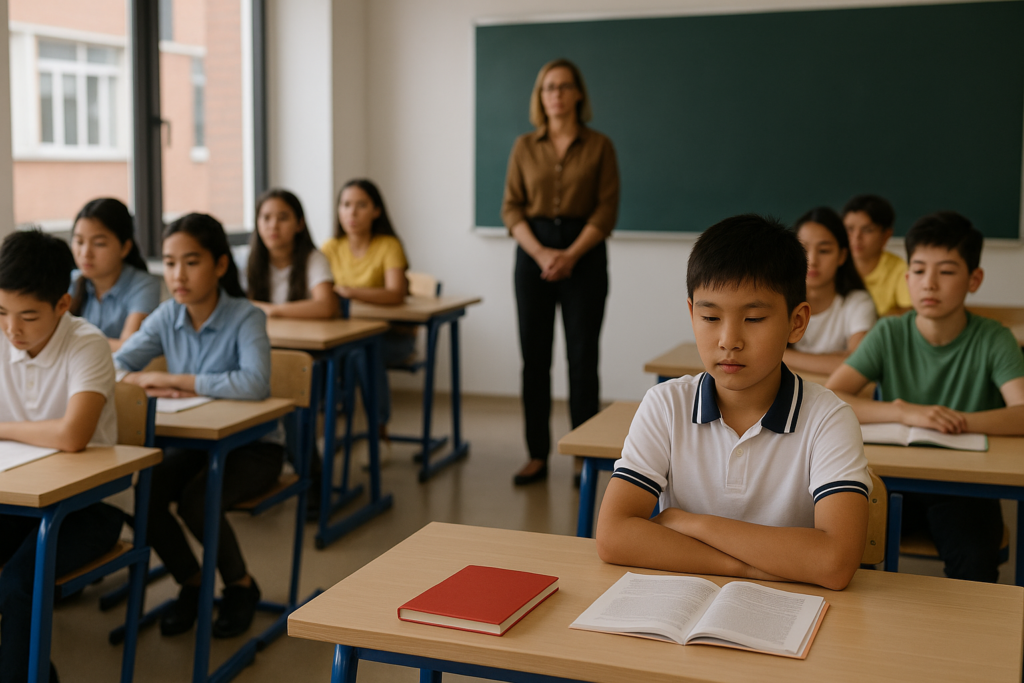
In Singapore’s famously high-performing school system, discipline is firm and very public. Many schools use what’s called a “reflection corner”—a designated desk, chair, or even floor mat placed in the back or front of the classroom. Students who misbehave are sent there to sit silently and write about their behavior, how it impacted others, and how they plan to change. Everyone can see who’s there, and part of the consequence is visibility. Some schools also use “behavior charts” posted on the wall to track infractions, and while corporal punishment is legal for boys, it’s increasingly rare and highly regulated.
To American families used to private detentions or restorative justice circles, this approach may seem harsh. But in Singapore, it’s seen as a deterrent and a way to maintain high classroom standards. Students are taught that discipline is about reflection, accountability, and keeping group harmony. Critics worry that the public element promotes shame, but defenders argue that it reinforces structure and prepares students for the real-world consequences of actions. In Singapore, excellence begins with order—and order begins with visible rules.
What If These Were Your Kid’s School Rules?
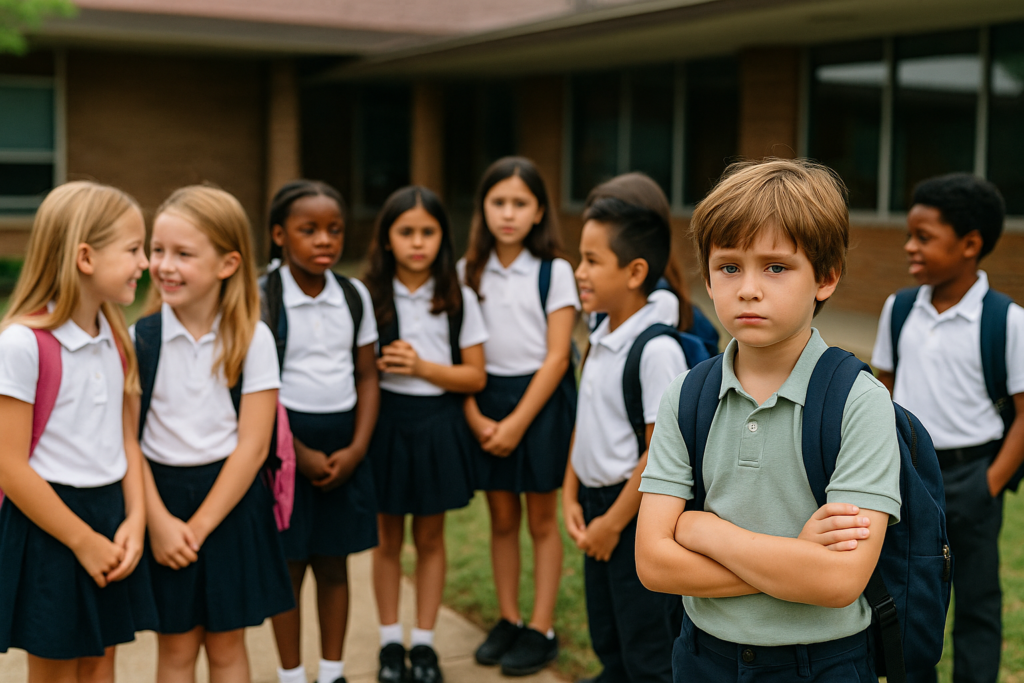
From milk and reflection corners to eye massages and outdoor math, these 20 school rules prove that education isn’t just about what you learn—it’s about how you’re shaped. Around the world, classrooms reflect everything from national identity to climate, discipline styles to deep-rooted values. What feels normal in one country can seem shocking in another. But each of these rules reveals a deeper question: what do we really want our schools to teach?
Would you be on board with uniform inspections or daily ethics lessons? Could your child handle biking to school in a snowstorm, or singing a national anthem in five languages? Which of these rules do you wish American schools would adopt—and which ones make you grateful for cafeteria pizza and gym class? We’d love to know what you think. Drop a comment and tell us: which classroom would your kid thrive in?
This story, 20 School Rules from Around the World That Would Shock Most Americans was first published on dailyfetch.net.


