
1. Chevy Nova – “No Go” Myth

Let’s start with a classic: Chevy’s Nova. It’s said that when GM introduced the Nova in Latin America, locals avoided it because in Spanish “no va” means “doesn’t go.” Sounds bad, right? But this story is more myth than marketing mishap. In fact, experts confirm the Nova sold well in countries like Mexico and Venezuela. As one Spanish-language specialist put it, “The story thrives on the misconception that ‘Nova’ and ‘no va’ mean the same, which is not true”.
So why does the tale persist? It’s become a beloved cautionary fable, fun to retell, even if it’s not real. Chevrolet was mindful of global naming, but “Nova” is still a familiar word in Spanish (think “bossa nova” or Pemex’s Nova fuel). And Spanish speakers understand that “no funciona,” not “no va,” is how you’d say “doesn’t work.” As one linguist observed, it’s like confusing “carpet” with “car pet”
2. AYDS Candy – Disease Association Disaster
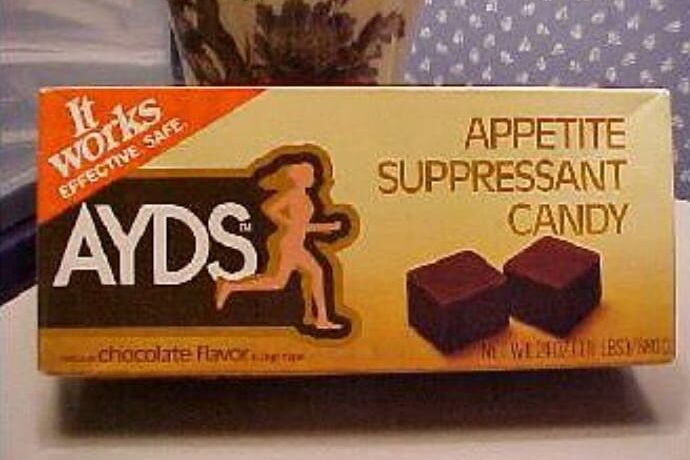
In the late 1970s and early ’80s, AYDS was a beloved diet candy, marketed as a delicious appetite suppressant. But as AIDS made headlines, the candy’s name became tragically awkward. Suddenly “AYDS” sounded like “AIDS,” the disease notorious for weight loss, a cruel twist of fate for a weight-loss treat. By the mid-’80s, sales dropped sharply; the company even tried rebranding to “Diet AYDS” or “AYDSLIM,” but it was too late.
One branding critic noted, “Despite its past success, Ayds Diet Candy’s sales began to plummet … the name ‘Ayds’ bore an unfortunate resemblance to this deadly affliction”. They poured around $200,000 into a name change, yet consumers wouldn’t buy a candy that sounded like a terminal disease. It’s a poignant reminder: even the best products can be sunk by timing, context, and a tragic name coincidence.
3. Colgate Kitchen Meals – Toothpasty Detour
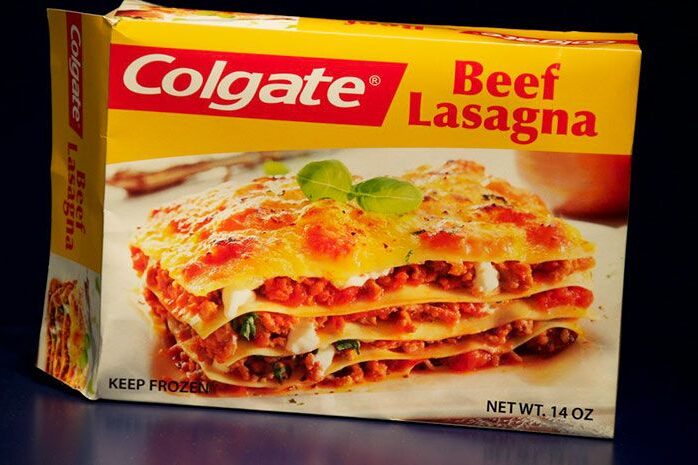
Colgate, the toothpaste giant, once thought it could expand into the ready-meals market in the 1980s. Their logic? People trust Colgate for cleanliness, why not for kitchen convenience? The product line included frozen dinners, but there was one big problem: consumers couldn’t shake the mental link between minty toothpaste and microwave meat. The gap was just too wide. People simply couldn’t stomach the idea of gel-tooth flavor leftovers. The venture fizzled quickly, showing that brand identity matters, especially across wildly different categories. Lesson learned: sometimes less is more.
4. Pepsi’s “Resurrect Ancestors” English-to-Chinese Oops
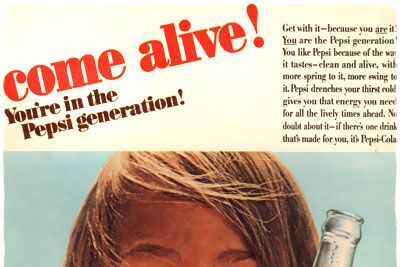
In the 1960s, Pepsi’s catchy “Come alive” slogan became infamous in China, translated awkwardly into something like “Pepsi brings your ancestors back from the grave.” The result? A PR nightmare of unintended cultural offense. Whether it’s true or apocryphal, the story spread far and wide. But even the possibility of mixing ancestral reverence with carbonated soda was enough to scare marketers. It’s become a cautionary tale about trusting slogans to translators without context.
5. Gerber Baby – Misleading Labels
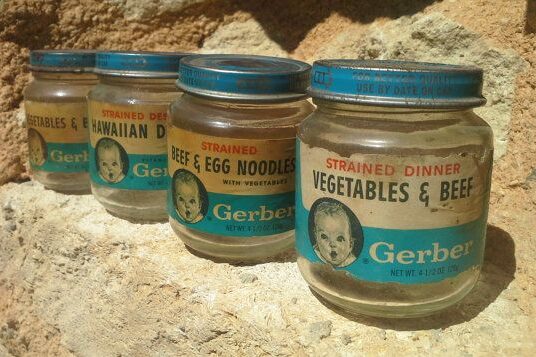
Gerber’s iconic baby-faced jar became a symbol of trust, but in Africa, where many people rely on pictures more than words, it backfired. Shoppers thought the pictured baby was inside the jar. In cultures with lower literacy rates, labels often show literal contents, so Gerber’s cute logo looked misleading. The company had to do damage control by clarifying the label and building trust. It shows how imagery can unintentionally mislead, especially in markets where reading was once less common. A brand’s icon can be its downfall if misunderstood.
6. Coors – “Turn It Loose” – “Suffer Diarrhea”
Coors tried to bring their upbeat “Turn it loose” slogan into Spanish-speaking markets, only to have it translated as “suffer from diarrhea.” Yes, that’s what some sources found: an ad campaign meant to encourage carefree fun wound up advising indigestion. The beer brand had hoped to expand with the same tagline, but cultural nuance turned a relaxed message into a health warning. Despite the embarrassment, and some viral mockery, the slogan stayed in certain markets briefly before Coors pulled it. This misstep reminds marketers just how easily slang can shift meaning, and why testing translations is so important. One marketing post said it best: “Slang verbatim can often be impossible”.
7. Ford Pinto – Something Embarrassingly Small on a Man
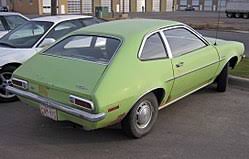
In the 1970s, Ford launched the Pinto, a subcompact car named after a speckled horse. But in Brazil, “pinto” is slang for something embarrassingly small on a man, turning the model into an accidental joke. Brazilian drivers couldn’t take the name seriously—and neither could the market. Ford quickly renamed the car “Corcel,” meaning “stallion,” and removed the original badging entirely. While the rebrand helped locally, the Pinto’s global image never fully recovered—especially after its safety issues back in the U.S. Today, the Pinto is a textbook case in why global brands must check names for unintended meanings before launch.
8. KFC – “Finger-Lickin’ Good” China Misfire
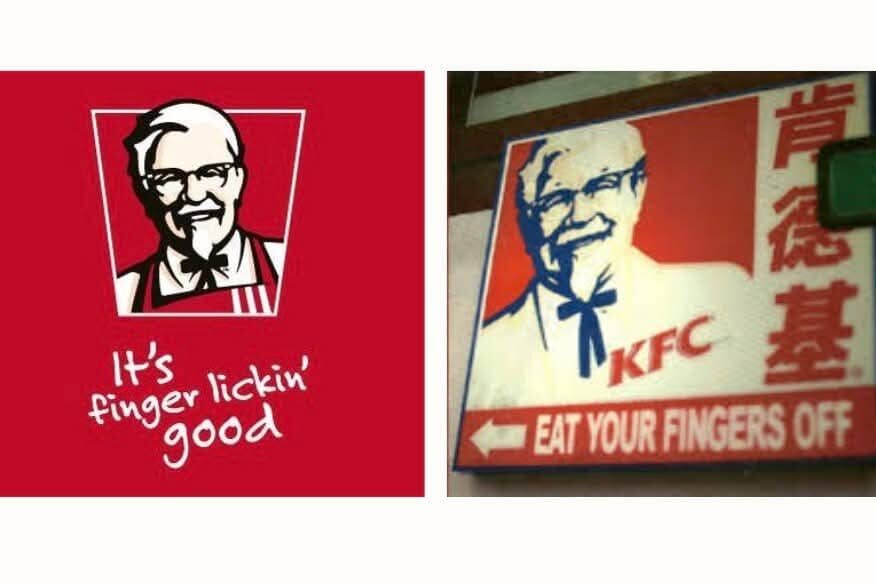
When KFC stepped into China, its beloved slogan “Finger-Lickin’ Good” didn’t translate smoothly in the 1980s. Instead, it came off as “Eat your fingers off”. The clumsy phrasing raised eyebrows and left Chinese customers more amused than hungry. While KFC didn’t face a full-scale crisis, the mistranslation quickly became a popular case study. It underscores the risks of literal translation: a phrase that feels playful in English can border on bizarre, or gross, when translated word-for-word. It taught KFC and others a key lesson: always blend translation with cultural adaptation.
9. Vicks – A Name that Didn’t Work in Germany
When Vicks VapoRub tried to introduce its cold remedies to German-speaking markets, they bumped into a pronunciation problem. The English “Vicks” sounded like the German slang word for “vixen”, a crude term referring to… well, you get the idea. To avoid awkward associations, the brand changed its name to “Wick VapoRub” in Germany and Austria because the “V” in German is pronounced like the English “F”, ensuring it was safer and easier to pronounce. This tweak wasn’t just cosmetic. It showed how even simple product names can carry hidden meanings in other tongues. Brands must check phonetics and slang everywhere they plan to launch, no matter how small the change seems.
10. HSBC – “Assume Nothing” – “Do Nothing”
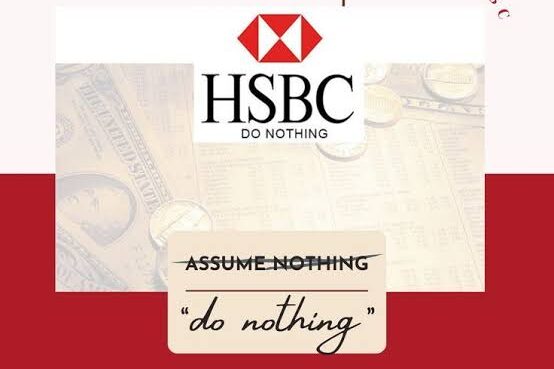
HSBC rolled out their global campaign slogan “Assume Nothing” in 2009 to underscore a message of trust and openness. Unfortunately, during localization, the tagline got mistranslated in several markets as “Do Nothing,” which carried the opposite meaning, suggesting inaction, apathy, or laziness. This mishap harmed their global image and led to a costly fix from the bank, reportedly upwards of $10 million to rewrite and relaunch the campaign properly. This incident became a prime example of why direct translation isn’t enough, brands need “transcreation” (creative localization) to account for nuance, cultural expectations, and tone. From this blunder, HSBC learned the hard way: when you go global, you must assume a lot, except that slogans may need reinvention across borders.
11. Mitsubishi Pajero – Name Too Naughty

When Mitsubishi launched the Pajero SUV globally, they didn’t initially realize that in Spanish, “pajero” is a crude insult roughly equivalent to… I can’t tell you that, do your findings. Arriving in Spain, Latin America, and North America, the name triggered giggles, jokes, and outright rejection. So, Mitsubishi renamed it “Montero” in these markets, a name meaning “hunter,” and with far better reception. This clean rename prevented a reputation disaster and is now taught in marketing classes as a must-do cultural check. It’s a reminder: name your car with global ears in mind, or risk becoming the butt of jokes across continents.
12. Apple Newton – Too Smart to Shake Hands
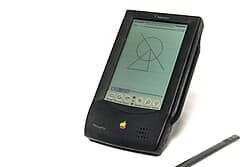
In 1993, Apple debuted the Newton MessagePad, the world’s first personal digital assistant. It promised revolutionary handwriting recognition, unfortunately, the tech couldn’t keep up. Early reviews flagged it as unreliable and slow, with jokes in Doonesbury dubbing its transcription “egg freckles”. Users even had to adapt their penmanship to avoid errors. As one enthusiast put it, “Handwriting recognition was crap… you had to learn to write Newton”. Despite hardware upgrades, price cuts, and software fixes, Newton never overcame its early reputation. In 1997 Steve Jobs scrapped the line, but the device’s long-term impact endures. It introduced ARM processors to mainstream computing, influenced later handheld devices, and paved the way for smartphones and tablets. Newton’s “failure” became a profound lesson in timing, technology readiness, and the importance of first impressions.
This story 12 Times Global Brands Got It Hilariously, Expensively Wrong was first published on Daily FETCH


