
1. Tomatoes (Europe)
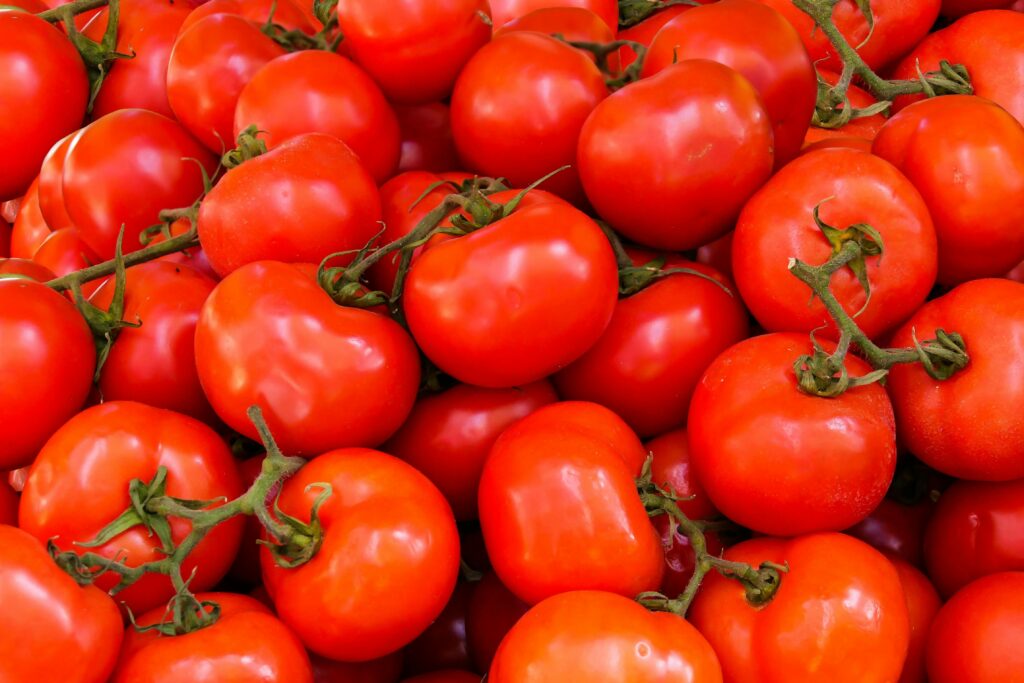
Back in the 1700s, Europeans saw tomatoes as “poison apples,” fearing they were deadly because they’re part of the nightshade family. Aristocrats even avoided eating them, worried the acidic fruit would leach lead from their pewter plates and kill them. Over time, people realized the fears were unfounded and that tomatoes were safe and delicious. Today, of course, tomatoes are a staple in cuisine worldwide, from Italian pasta sauces to fresh salads.
2. Raw Milk (U.S.)

Selling raw (unpasteurized) milk is illegal in many U.S. states because it can carry harmful bacteria like E. coli or Listeria. Supporters argue it retains more natural enzymes and flavor, and in some places, you can buy it through cow-share agreements or with strict licensing. The law reflects a cautious balance between safety and consumer choice, while pasteurization is the default to protect public health, raw milk advocates continue to push for more access.
3. Foie Gras (California)
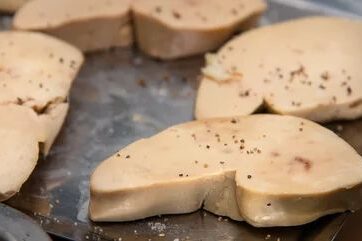
California banned the sale and production of foie gras made via gavage in 2012 due to concerns about force-feeding ducks or geese, something animal rights groups strongly opposed. The law targets the so-called gavage method, which critics say is cruel. Despite this, individuals can still bring it into the state for personal use. In contrast, restaurants elsewhere in the U.S. continue serving it freely.
4. Foie Gras (New York City)
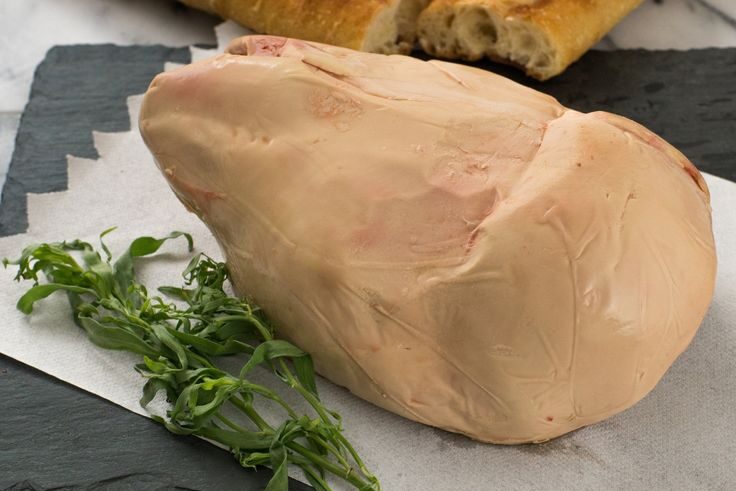
NYC enacted a ban on foie gras in 2019, arguing similar animal welfare issues. In September 2022, a State Supreme Court injunction halted enforcement, and in June 2024 the court struck down the ban as conflicting with state agricultural law. Current status: It’s legal again to sell and serve foie gras in NYC restaurants as of mid‑2024. This reversal highlights how food laws can ebb and flow depending on legal and public opinion over time.
5. Absinthe (U.S. & Europe)
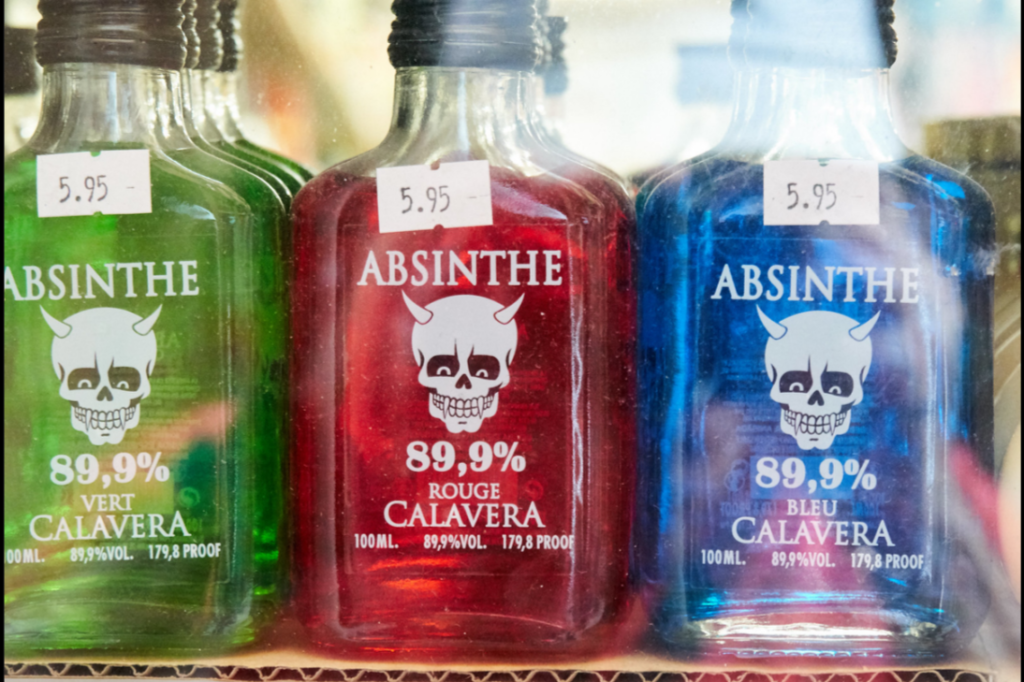
Absinthe was banned in many countries (~1900–1915) due to exaggerated fears about thujone’s hallucinatory effects. The U.S. prohibition lasted from 1912 until regulated legalization in 2007. Today, thujone must be ≤10 ppm and labeling is controlled. In Europe, absinthe bans were lifted gradually; Switzerland (2005), France (2011), and others. Under EU law absinthe is legal with regulated thujone levels Modern research debunked those myths, and today absinthe is legal again under regulated levels of thujone. It’s once more enjoyed as a cultural and historical spirit, complete with the traditional sugar cube and spoon ritual.
6. Kinder Eggs (U.S. Toy Inside)
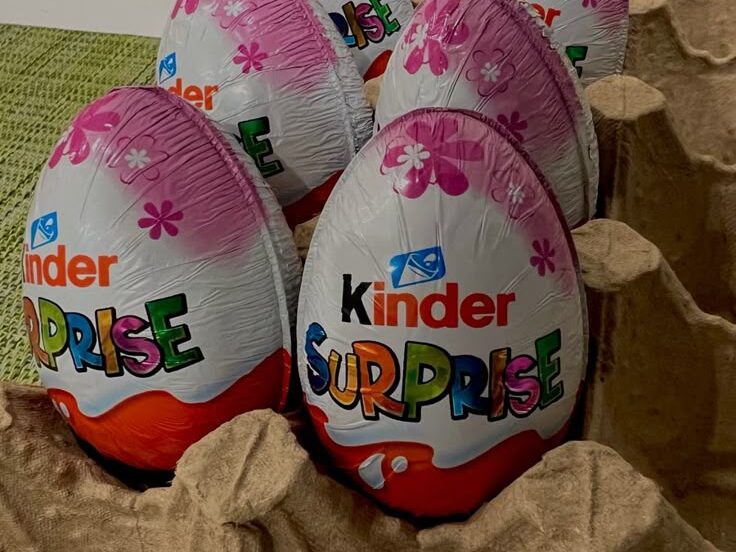
Under the 1938 Federal Food, Drug, and Cosmetic Act, it’s illegal to sell candy containing “non-nutritive objects” embedded within it, aimed at preventing choking hazards from hidden toys, and U.S. authorities have seized thousands of imported eggs at the border. Despite this, Kinder Joy, a compliant version separating toy and chocolate, is legally sold here. Many fans still consider it a pale substitute for the original surprise.
7. Sassafras (U.S. Root Bark)

In the 1960s, the FDA banned the use of sassafras root bark and oil in commercial food products after studies showed its safrole compound could cause cancer in lab rats. As a result, traditional root beer switched to safrole-free extracts or artificial flavors. Although home brewers may still use treated leaf extract (filé powder), sassafras root is off-limits in mass production.
8. Haggis (U.S. Sheep Lungs)

Since 1971, importing and selling traditional Scottish haggis in the U.S. has been illegal due to the inclusion of sheep lungs, which are banned in meat products. That means authentic haggis is hard to find here, even in specialty stores. Some importers and restaurants skirt the ban by using lung-free versions or modifying the recipe for compliance, but traditional haggis remains legally restricted.
9. Horse Meat (U.S. Sales)
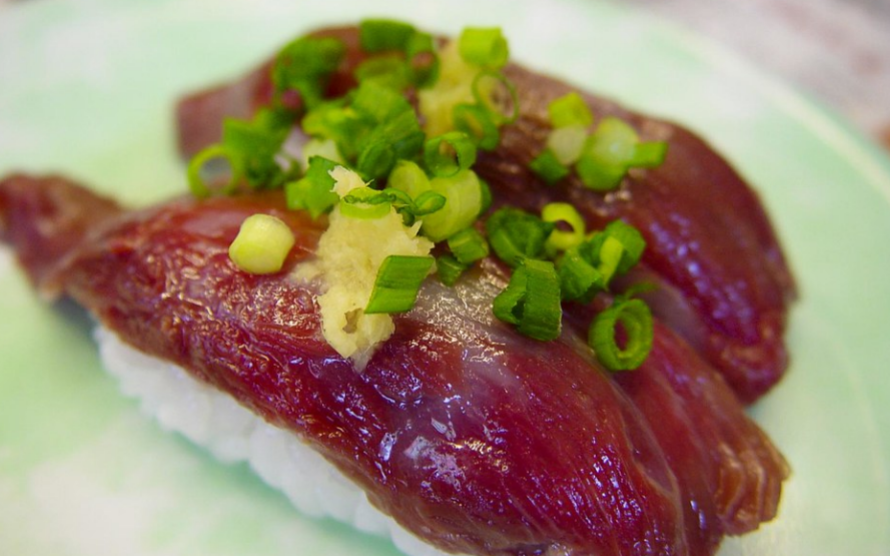
Eating horse meat isn’t directly illegal, but there are no USDA‑inspected slaughterhouses in the U.S. since funding for inspections was cut in 2006, and the last plants closed in 2007. While a few restaurants disguise it under different names, widespread sale is effectively blocked because of the regulatory gap. Without inspection, sale for human consumption is essentially impossible. Some state laws even bar consumption outright. This creates a situation where consumption remains technically legal, but access is nearly impossible.
10. Casu Marzu (EU Live Maggot Cheese)

Casu marzu, a Sardinian cheese teeming with live maggots, is banned across the EU, including Italy, for food safety concerns by health authorities due to safety risks from live larvae. Despite the ban, it’s still made and consumed locally in Sardinia as a cherished cultural tradition, though underground. Its notorious nature, mastication of live larvae, is part of its appeal and controversy.
11. Shark Fins (U.S. States & Federal)
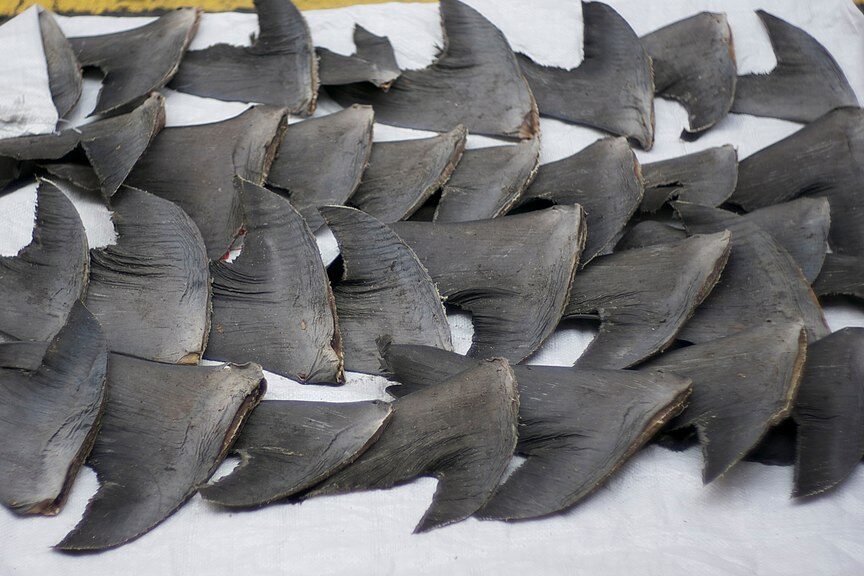
Shark fin soup was once a lucrative delicacy, but concerns about cruel “finning”, cutting off fins at sea and dumping the shark, led to bans in many places. Fourteen U.S. states and three territories prohibit the trade of shark fins . At the federal level, a national ban, the Shark Fin Sales Elimination Act, went into effect on December 23, 2022, making it illegal to possess, transport, or sell shark fins. Still, enforcement is uneven; investigations have found shark fin products illegally still being served in restaurants .
12. Fugu (Japan & U.S.)
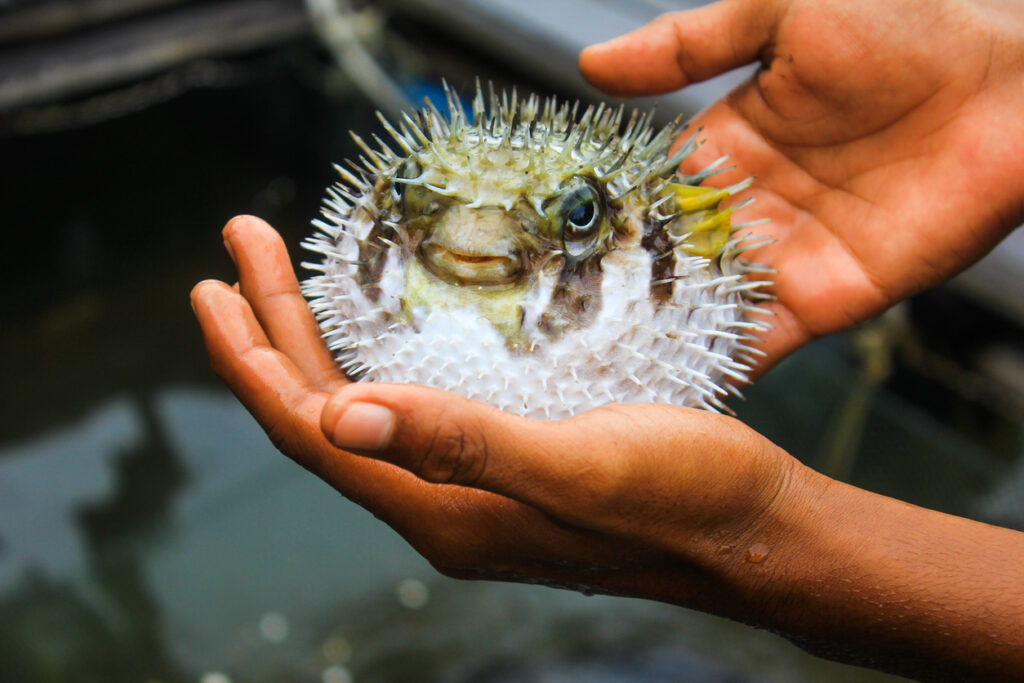
Fugu, the deadly pufferfish, can be brilliantly delicious, or fatal if mishandled. In Japan, chefs train for years under apprenticeships and must pass rigorous exams (written, practical, and identification) to earn a license . In the U.S., fugu isn’t banned, but only licensed experts or certified restaurants can legally prepare and serve it.The FDA tightly restricts importation, and only one species under a specific protocol and subject to automatic detention due to tetrodotoxin concerns. Violating rules or consuming improperly prepared fugu carries serious risk of neurotoxin poisoning.
13. Blackcurrants (U.S.)
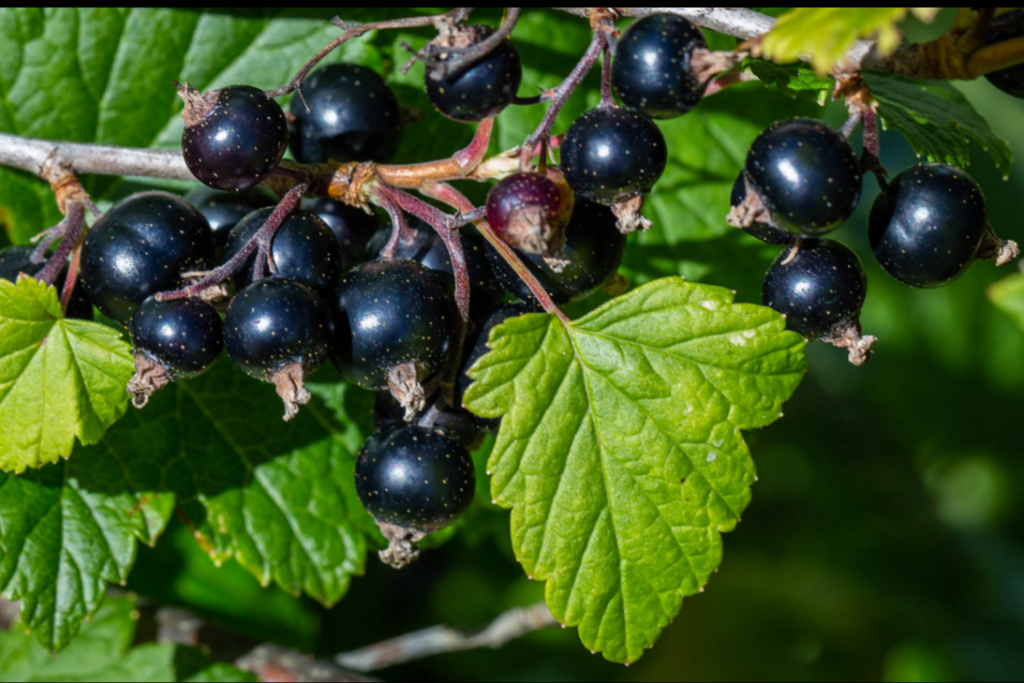
Federal ban on blackcurrant cultivation, sale, and transport was enacted around 1911 (woodland disease concerns), fully lifted in 1966, though many states maintained bans into the 2000s. This is White pine blister rust spread via currants triggered this ban, a disease harmful to timber. Disease-resistant varieties and fungicides later enabled repeal. For about a century, growing or selling blackcurrants was banned in many states. Over time, resistant varieties were developed and restrictions lifted gradually in 2003. Today, blackcurrants are legal in nearly all states, but the historical ban still surprises some fruit lovers *(Note: citations specific to legislation needed; omitted for brevity)*.
14. Trans Fats (U.S. & Worldwide)

Artificial trans fats, found in processed foods like margarine, cookies, and fried items, were once widespread. Medical research linked them strongly to heart disease, prompting the FDA to remove them from the “generally recognized as safe” (GRAS) category in 2015, requiring removal by June 18, 2018, and extended to January 1, 2020 for existing inventory. Many countries, including Singapore, banned their use entirely by 2021 . Today, food manufacturers use healthier fats, dramatically reducing heart-disease risk.
15. Chewing Gum (Singapore)

In 1992, Singapore banned the sale and import of chewing gum to reduce litter and prevent damage to public infrastructure like train sensors and elevator buttons . While gum chewing wasn’t outlawed, only therapeutic gum, such as for dental health, is now permitted through pharmacies. In 2004, exceptions were made for therapeutic/dental/nicotine gum sold by pharmacists or doctors. Personal chewing of gum remains legal but spitting litter is fined. The move is credited with cleaner public spaces and smoother transit operations.
This story 15 Popular Foods That Were Once Illegal, And Some Still Are was first published on Daily FETCH


