
1. French Fries Came From Belgium
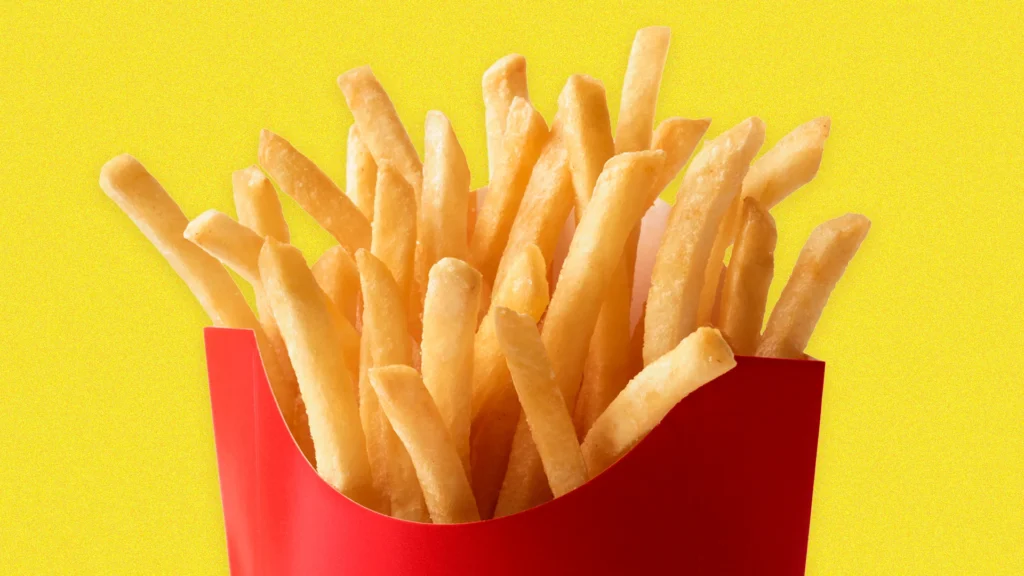
French fries are beloved worldwide, but their name is completely misleading. While Americans called them “French” after hearing the language spoken by Belgian soldiers in World War I, the fries themselves were born in Belgium. According to the BBC, Belgians had been deep-frying thin strips of potatoes since at least the 1600s. They even substituted them for fish when rivers froze over. The term “French fries” just stuck, mostly because it sounded more familiar to English speakers. So next time you dip those crispy sticks in ketchup, you’re really indulging in a Belgian invention, not a Parisian one.
2. German Chocolate Cake Was Born in Texas
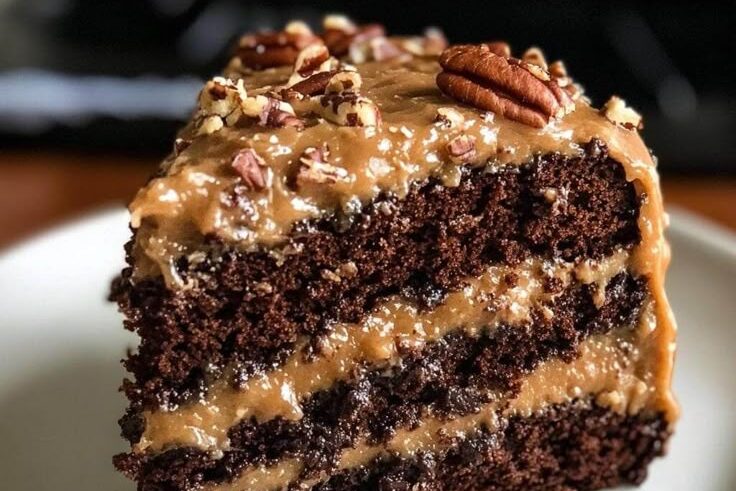
Despite its rich name, German chocolate cake has nothing to do with Germany. The dessert gets its name from Samuel German, an American who developed a sweet baking chocolate for the Baker’s Chocolate Company in the 1850s. The first published recipe using his chocolate appeared in a Dallas newspaper in 1957 and took off quickly. According to the New York Times, the name got shortened from “German’s Chocolate Cake” to “German Chocolate Cake,” confusing many into thinking it had European roots. The cake itself, topped with coconut and pecan frosting, is a sweet piece of Texas history.
3. Sphinx Cats Are From Canada, Not Egypt
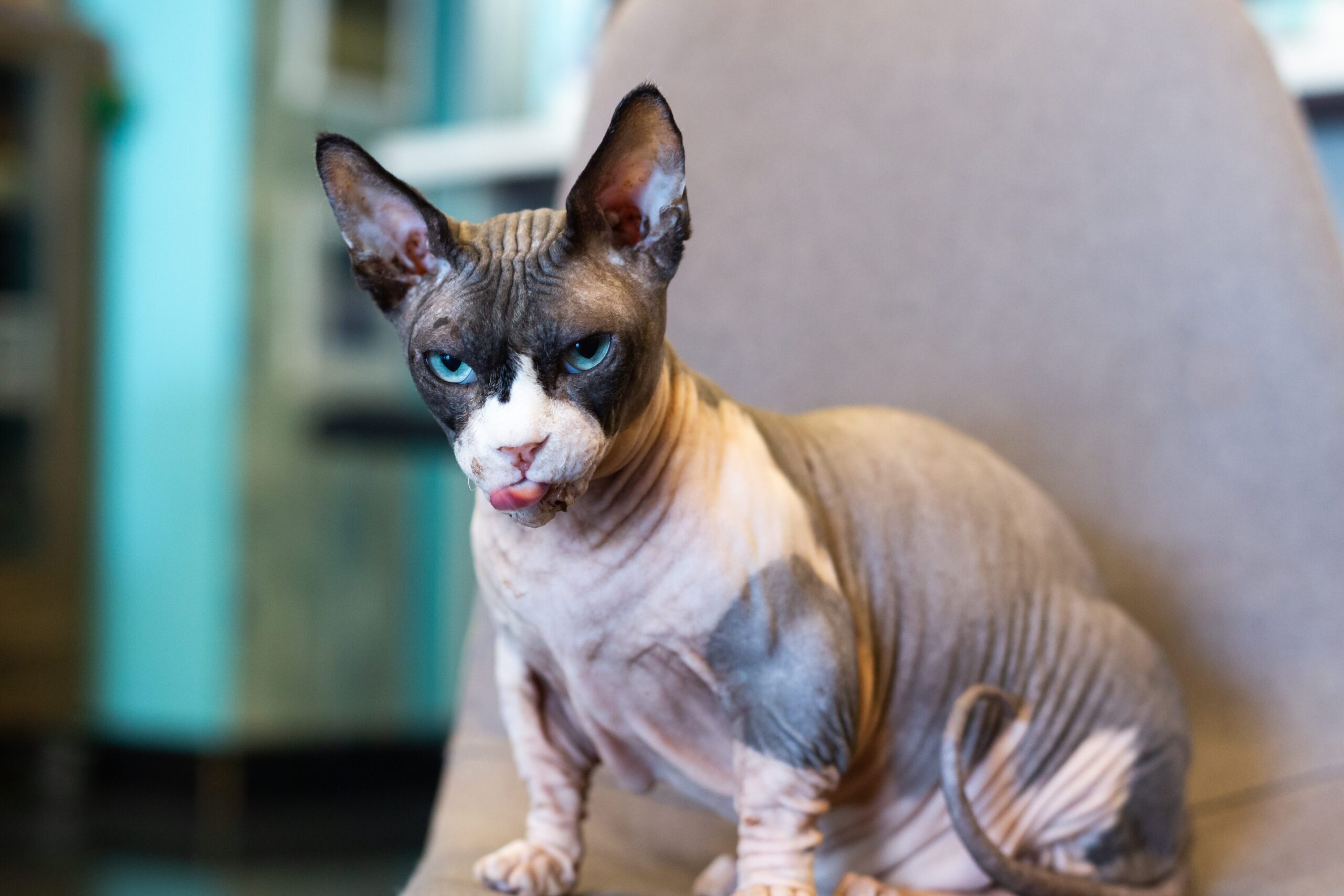
You might think Sphinx cats come from the land of pyramids and pharaohs, but they were actually developed in Toronto. Their striking hairless look is the result of a natural genetic mutation that breeders in Canada embraced and refined in the 1960s. According to National Geographic, they have no actual connection to ancient Egypt, other than their statuesque appearance. They’re often mistaken for being exotic and historic, but these cats are more hockey than hieroglyphics. It’s a good reminder that origin stories can be misleading, especially when names play into visual stereotypes.
4. Turkish Taffy Started in Brooklyn
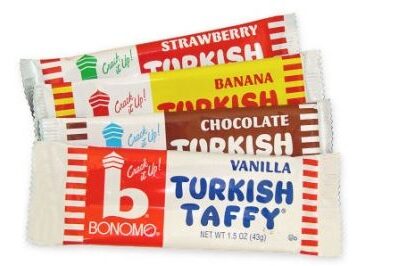
It sounds like something you’d find in an Istanbul sweet shop, but Turkish Taffy was born in Brooklyn in the 1930s. Created by Herman Herer and sold by Bonomo, the name was nothing more than clever branding. According to Candy Favorites, the candy’s creators wanted it to sound old-world and exotic, even though it was made on American soil. It became wildly popular in New York, especially when slapped on a counter to break into pieces. There’s nothing Turkish about the recipe or its ingredients. Sometimes, a good name is just that, a good way to get noticed.
5. Panama Hats Are Really From Ecuador
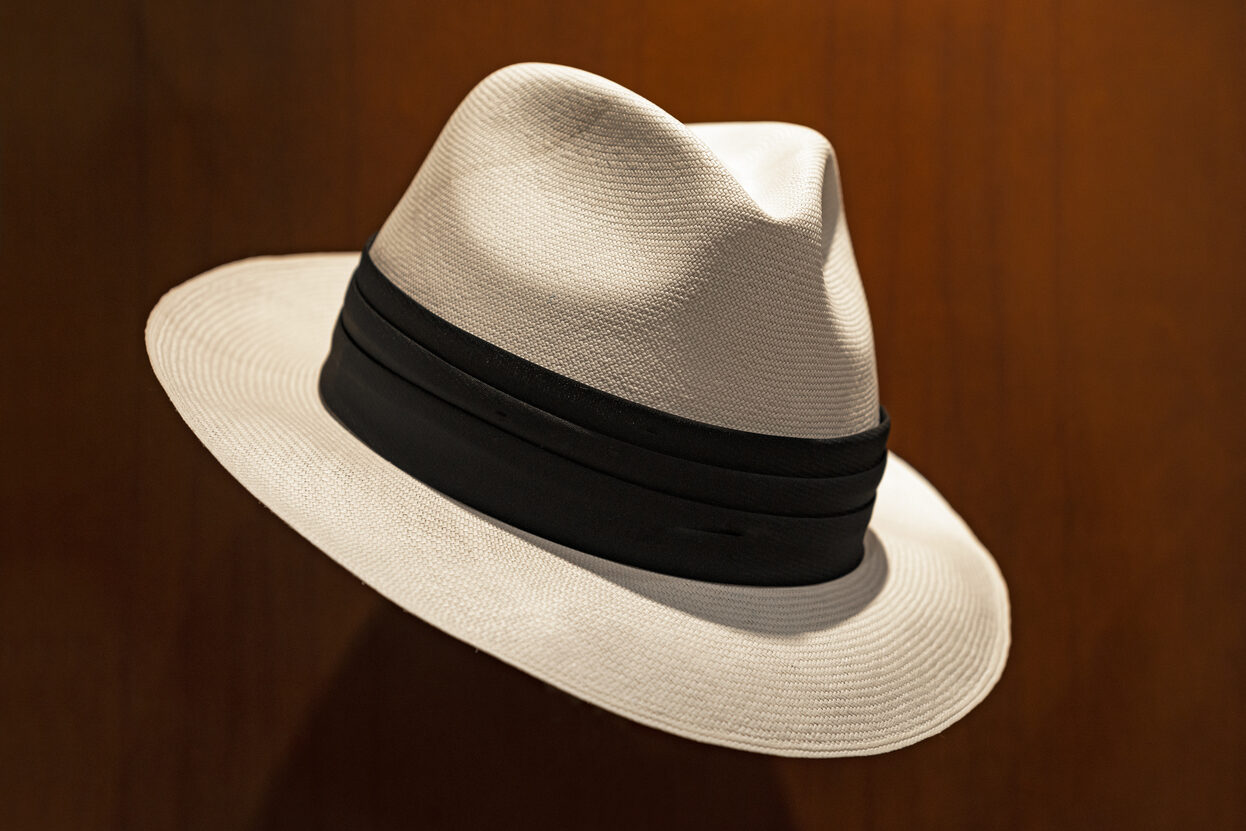
Despite their name, Panama hats are handwoven in Ecuador using toquilla straw. The confusion began because the hats were exported through Panama, especially during the construction of the Panama Canal. President Theodore Roosevelt was famously photographed wearing one during a canal visit in 1906, helping the name stick. According to Smithsonian Magazine, the name was more about trade routes than actual origin. Ecuadorians have made these hats for centuries, and the intricate weaving process is even recognized by UNESCO. So while the label says Panama, the craftsmanship is all Ecuadorian. It’s a case of branding outshining birthplace.
6. Chinese Checkers Came Out of Germany
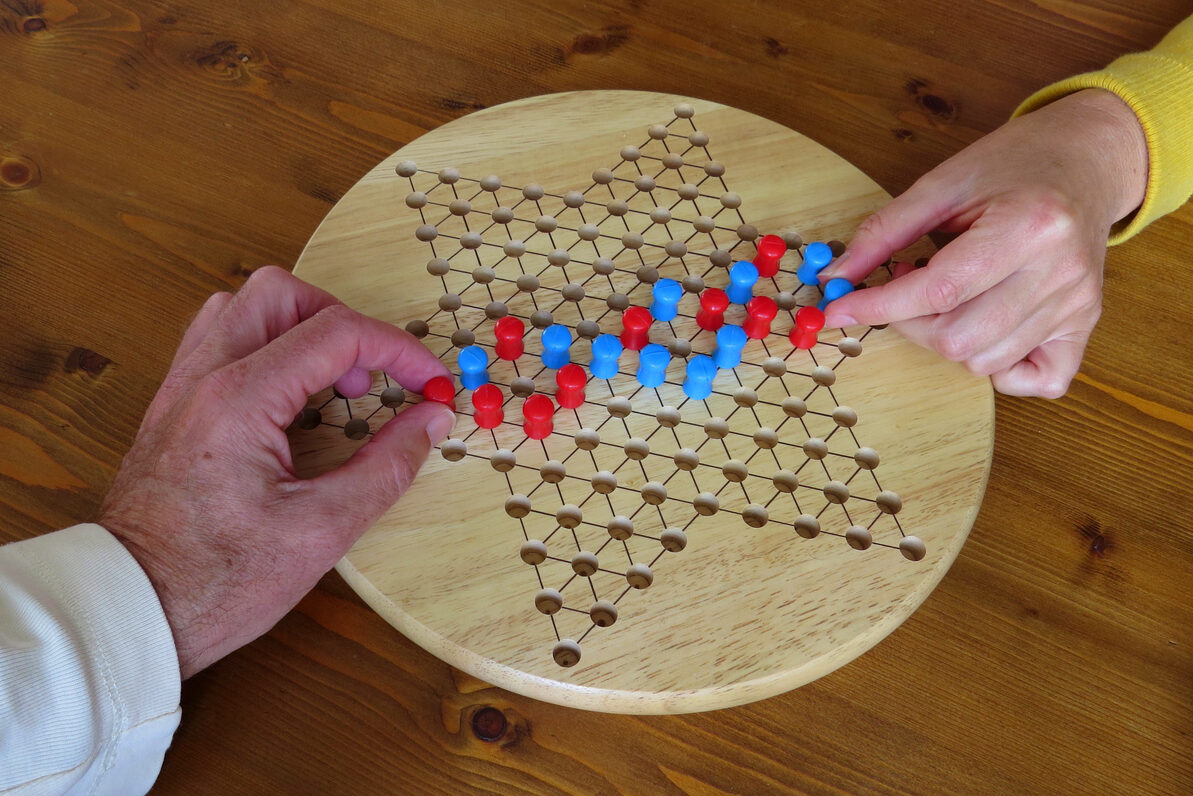
Chinese Checkers looks like an ancient game from East Asia, but it was actually invented in Germany in 1892. Originally called “Stern-Halma,” it was a variation of an American game called Halma. According to The Strong National Museum of Play, it was renamed “Chinese Checkers” by American marketers in the 1920s to give it a more exotic appeal. There’s no real Chinese history behind it, and the game is virtually unknown in China. The renaming was a smart branding move that worked far better than the original title. It’s a classic case of catchy names shaping perception.
7. Hawaiian Pizza Was Created in Canada
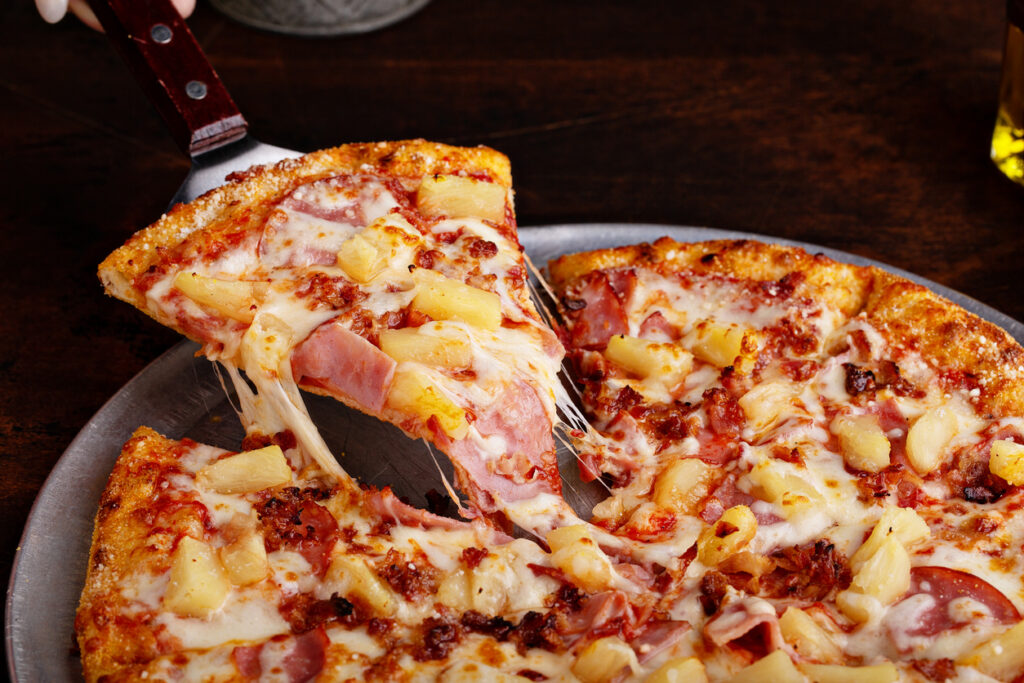
Love it or hate it, pineapple-topped pizza wasn’t born on a tropical island. Hawaiian pizza was invented in Ontario, Canada in 1962 by Sam Panopoulos, a Greek immigrant looking to try something new. He added canned pineapple and ham to a pizza and named it after the brand of pineapple he used. According to CBC, it was just a quirky flavor experiment that took off. Hawaiians themselves didn’t create the combo, and it’s not a native dish. So the next time someone tells you pineapple doesn’t belong on pizza, tell them it started with Canadian curiosity, not island tradition.
8. French Toast Has Ancient Roman Roots
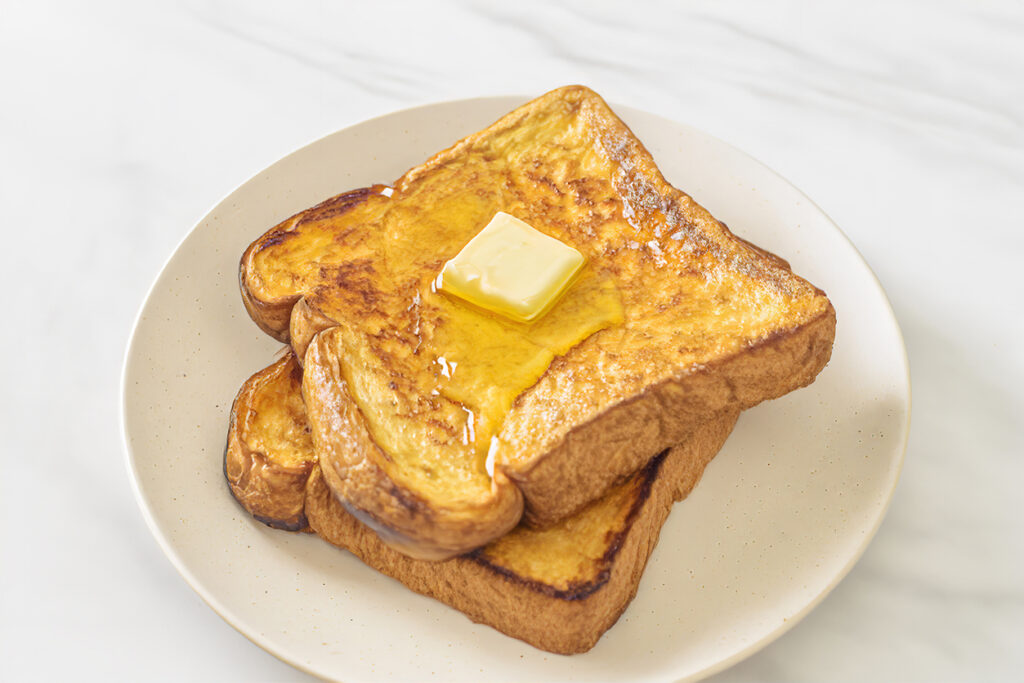
Before it was “French,” this sweet breakfast treat had been around for centuries. Recipes for soaking bread in milk and eggs before frying it go all the way back to Ancient Rome. According to History.com, the term “French toast” only appeared much later, and not even in France. One story says a man named Joseph French tried to market it in 1724 but left off the apostrophe in “French’s toast.” Over time, the dish picked up a fancy name and stuck. So while it sounds like a Parisian café staple, its roots are far older and much more Roman.
9. Russian Dressing Is Purely American
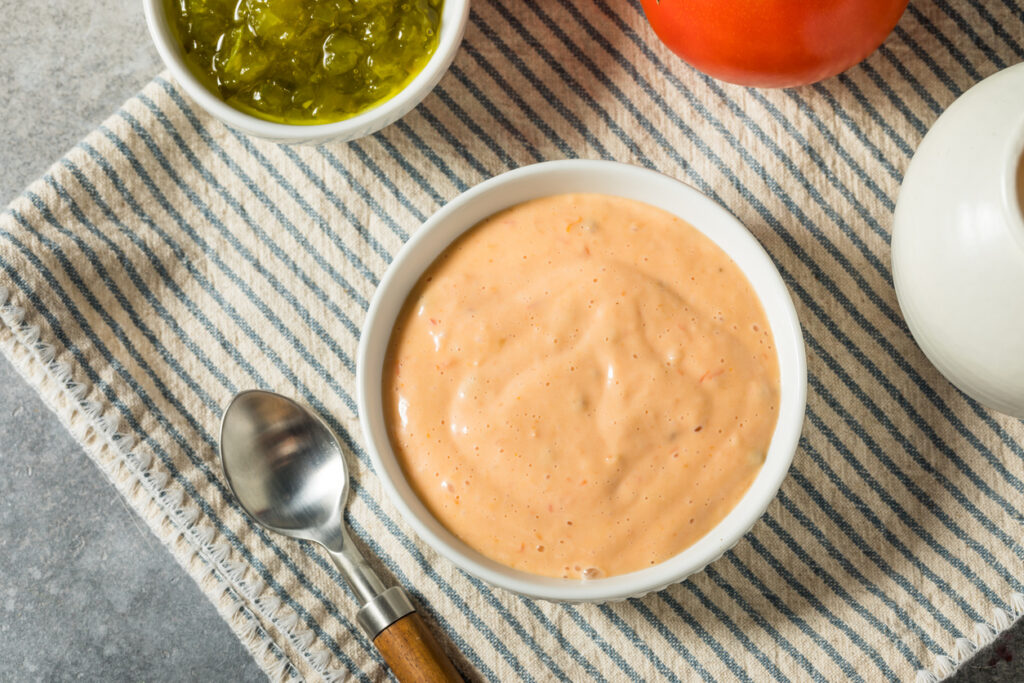
Zesty and creamy, Russian dressing is often linked to Eastern European cuisine, but it’s as American as apple pie. It was created in New Hampshire in the early 1900s, and the name may have come from the original use of caviar in the recipe. According to The Washington Post, there is no evidence that Russians ever used or claimed this type of salad dressing. These days, it’s most commonly found on Reuben sandwiches or as a bold topping for salads. While the name hints at Moscow roots, the recipe was born and raised in New England.
10. Arabic Numerals Were Invented in India

Even though we call them Arabic numerals, the digits we use every day were first developed in India. Indian mathematicians came up with the decimal system and the concept of zero around the 6th century. Arab scholars later adopted and spread these ideas across the Islamic world and into Europe. According to Smithsonian Magazine, Europeans encountered the system through Arabic texts, which is why the name stuck. It’s a case where the delivery method outshined the actual creators. Today’s entire number system owes its origin to Indian innovation, not the Arabic world it’s commonly credited to.
11. Fortune Cookies Were Baked in California
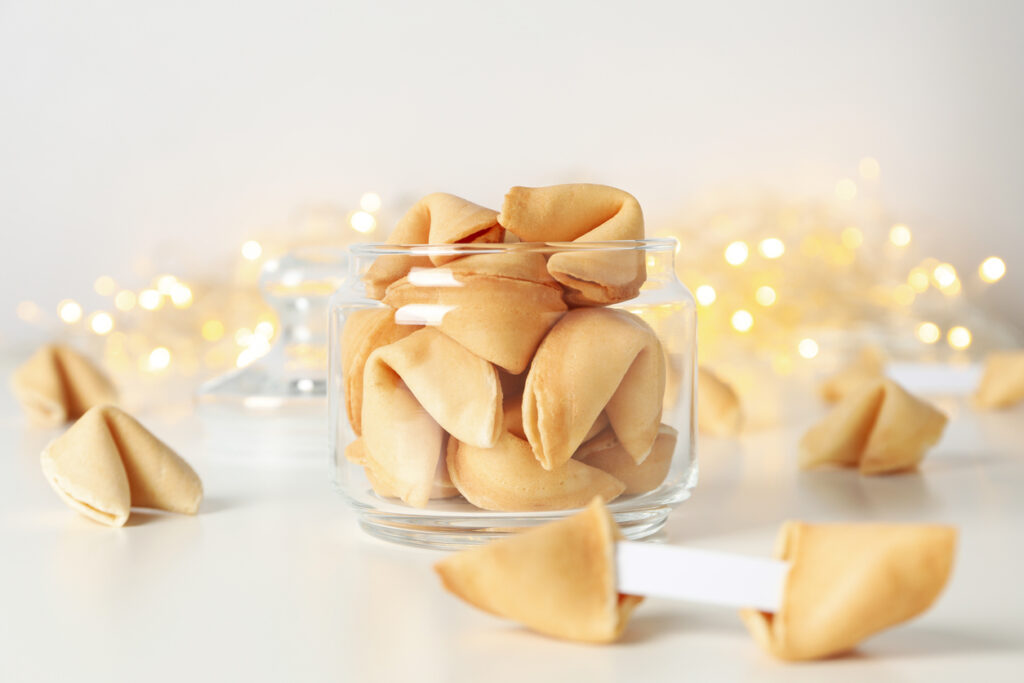
Those little folded cookies with paper fortunes inside might seem like the perfect end to a Chinese meal, but they were created in California. The exact origin is debated, but most sources credit Japanese-American bakers in San Francisco or Los Angeles in the early 1900s. According to NPR, they were inspired by a Japanese cracker called “tsujiura senbei.” Chinese restaurants adopted the cookie later, especially after World War II. In China, people are puzzled by them because fortune cookies aren’t part of traditional cuisine. So next time one arrives with your chow mein, know it’s more West Coast than Eastern temple.
12. Boston Cream Pie Is Actually a Cake
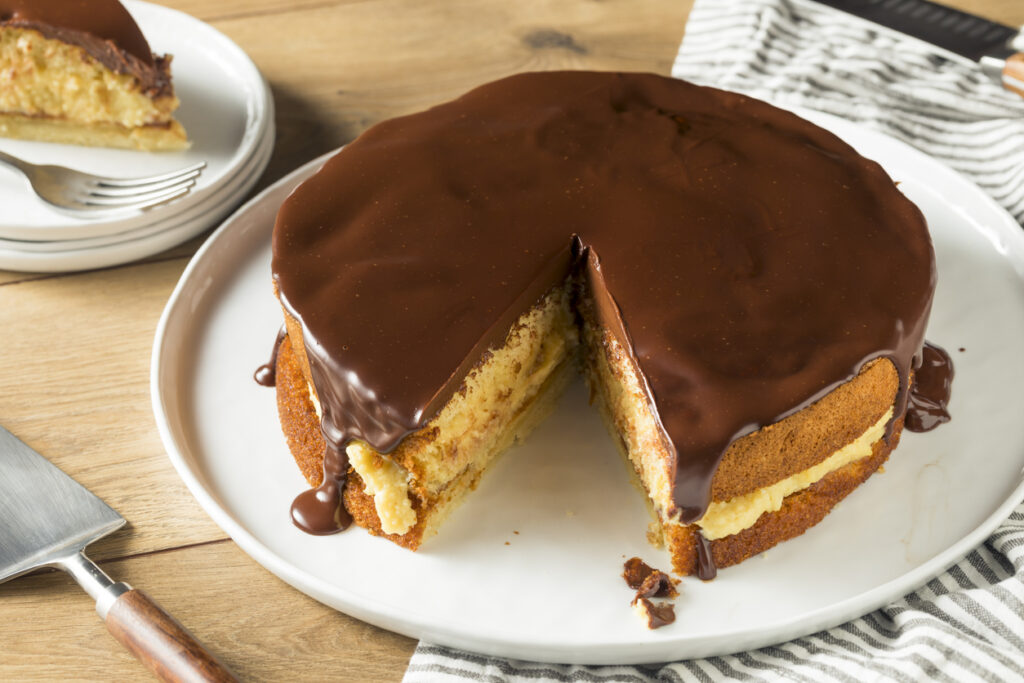
Despite the name, Boston cream pie isn’t a pie at all. It’s a cake layered with pastry cream and topped with chocolate glaze. It was created at Boston’s Parker House Hotel in the 1850s. According to the hotel’s historical archives, early American kitchens often used “pie” pans for both cakes and pies, so the name just stuck. Today, it’s the official dessert of Massachusetts. So while it might confuse anyone expecting a crust and filling, it’s really a delicious naming accident from a time when baking equipment didn’t care about categories.
13. Mongolian Beef Was Born in Taiwan
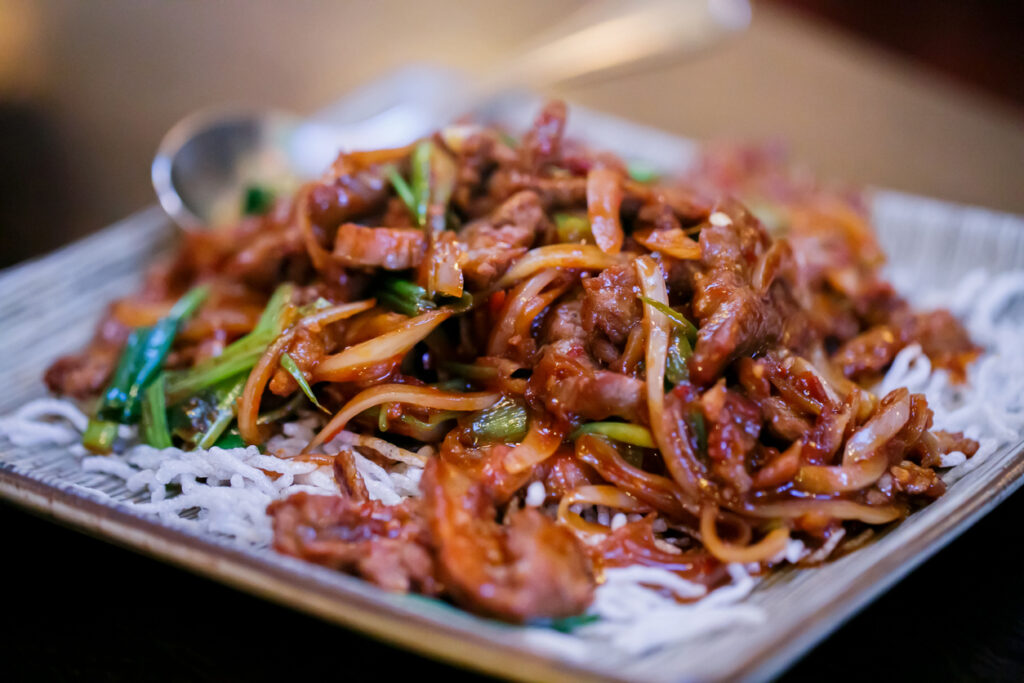
Savory, saucy, and full of stir-fry flavor, Mongolian beef sounds like something you’d order in Ulaanbaatar. In reality, it’s a Taiwanese invention. The dish was created in the 1950s and 60s as part of teppanyaki-style dining, which became popular in Taiwan’s postwar era. According to TasteAtlas, Mongolian beef has no ties to actual Mongolian cuisine. It was named to evoke a sense of adventure and foreign flair. The dish later traveled to American Chinese restaurants, where it became a staple. So if you’re picturing grasslands and yurts while eating it, your taste buds are being misled.
14. Swiss Cheese Isn’t All That Swiss
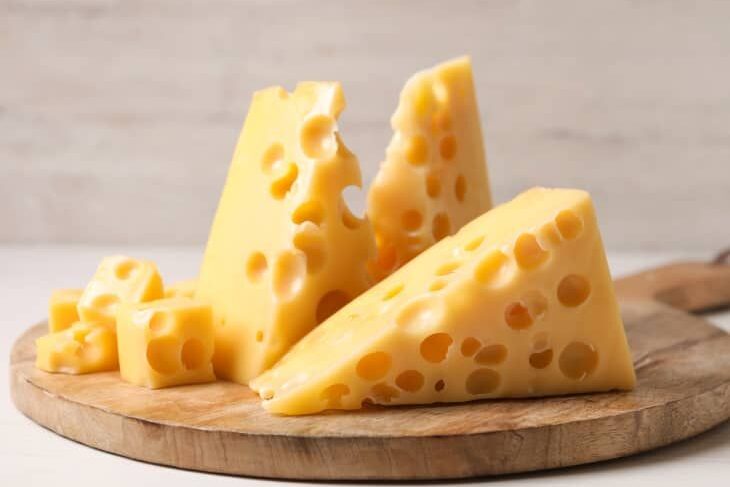
Swiss cheese, the kind most Americans recognize with its cartoonish holes, isn’t exactly what’s eaten in Switzerland. It’s modeled after Emmental, a traditional cheese from the Emme Valley. American cheesemakers adapted the recipe to suit local production needs and preferences. According to the Wisconsin Cheese Makers Association, the Swiss government even has strict regulations about what qualifies as true Emmental. The “Swiss cheese” label is mostly a marketing shortcut used in the U.S. Real Swiss cheeses are more complex in flavor and variety than what comes wrapped in your deli aisle. The holes are real, but the name is stretched.
15. Persian Cats Were Perfected in Europe
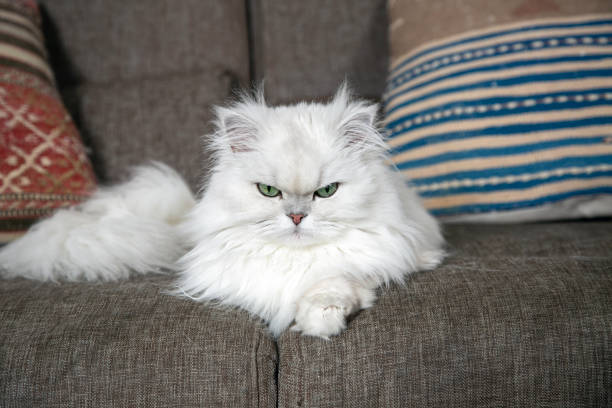
Those luxurious long-haired cats known as Persians seem like they’d come from ancient Persia, but the ones we know today were shaped in Europe. Early long-haired cats did come from regions near modern-day Iran, but according to The Cat Fanciers’ Association, the breed’s defining features were developed in the United Kingdom and Italy through selective breeding. The flat faces, large eyes, and plush coats are mostly a Western creation. While the name nods to their origin, modern Persians have more in common with European cat shows than ancient silk roads.
16. English Muffins Came From New York
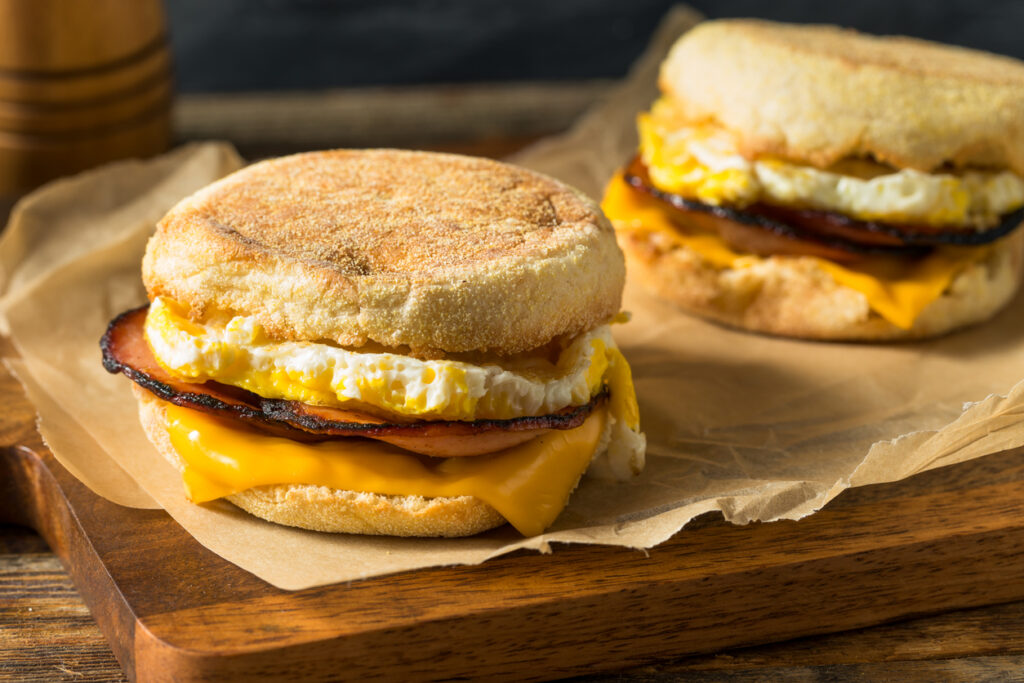
They may carry the name “English,” but these breakfast staples were actually created in New York City. In 1894, a British immigrant named Samuel Bath Thomas opened a bakery and sold what he called “toaster crumpets,” later known as English muffins. According to the brand’s official history, the texture and flavor were tailored to suit American tastes. Ironically, they’re rarely eaten in England, where traditional crumpets remain more common. The muffins caught on in the U.S. and became a breakfast classic, especially with eggs or butter. Just another case of a product being more English in name than in practice.
17. French Dip Sandwich Came From Los Angeles
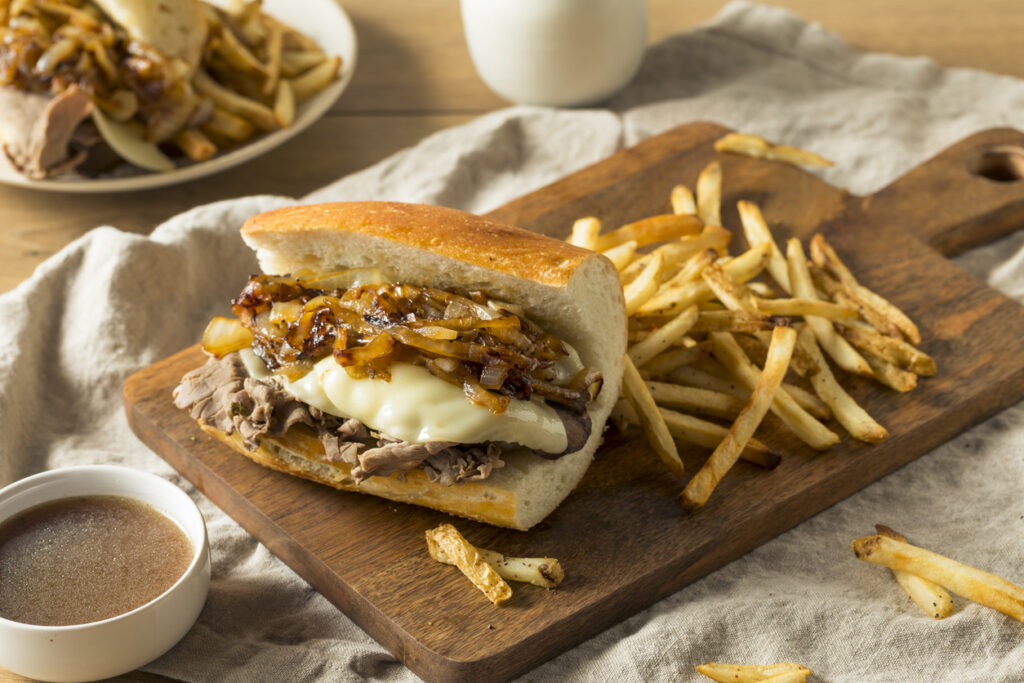
The French Dip sandwich may sound like a café special from Paris, but it was born in Los Angeles in the early 1900s. Two local restaurants, Cole’s and Philippe’s, both claim to have invented the sandwich. According to Smithsonian Magazine, it got its name either because the meat was served on a French roll or because it was created for a customer with a French background. The au jus dipping sauce was likely added later to enhance flavor. While the sandwich feels upscale, its roots are firmly planted in California’s casual dining scene, not a French bistro.
18. Spanish Flu Likely Started in Kansas

The Spanish Flu pandemic of 1918 didn’t start in Spain. The earliest known outbreaks were reported in military camps in Kansas. Spain got stuck with the name because it was neutral during World War I and freely reported on the virus, unlike other countries that censored wartime news. According to the CDC, the virus likely spread rapidly due to troop movements. Spain’s honesty in reporting made it seem like the epicenter, even though they were simply transparent. It’s a sobering reminder that history sometimes gives credit where it isn’t due, especially during chaotic times.
19. Jerusalem Artichokes Aren’t From Jerusalem
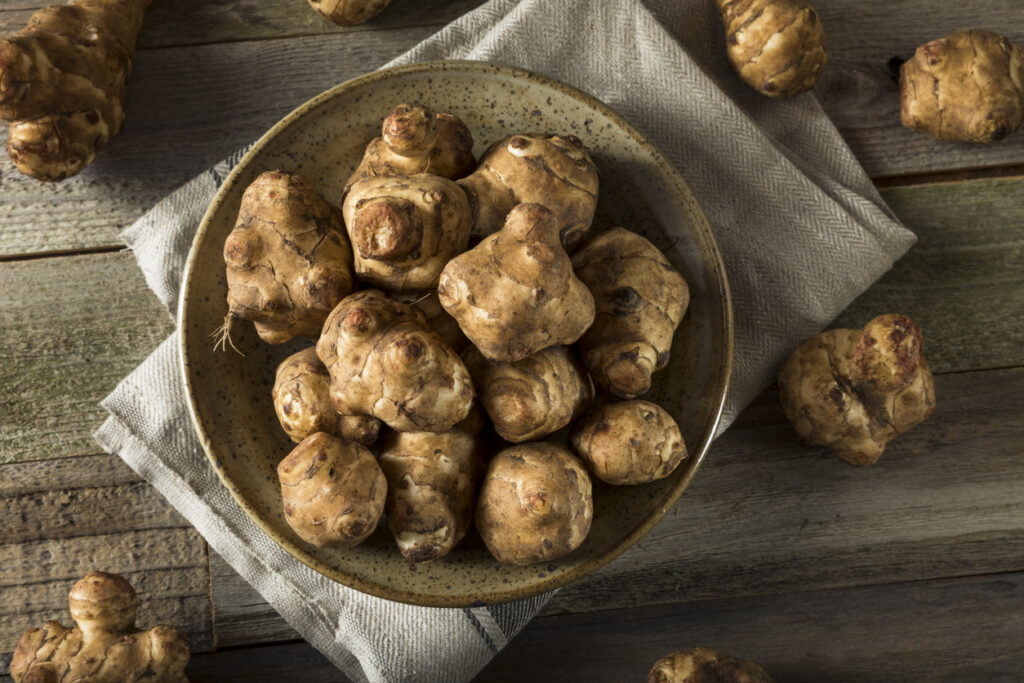
These knobby little root vegetables are neither artichokes nor from Jerusalem. They’re native to North America and belong to the sunflower family. The name “Jerusalem” is believed to be a corruption of the Italian word “girasole,” meaning sunflower. According to Bon Appétit, European settlers misunderstood the term and started calling them Jerusalem artichokes. The name stuck, even though the flavor has more in common with a potato than an artichoke. Today, they’re sometimes marketed as “sunchokes” to clear up the confusion, but the original name still lingers on menus and in grocery aisles.
20. Dutch Oven Was Perfected in the U.S.
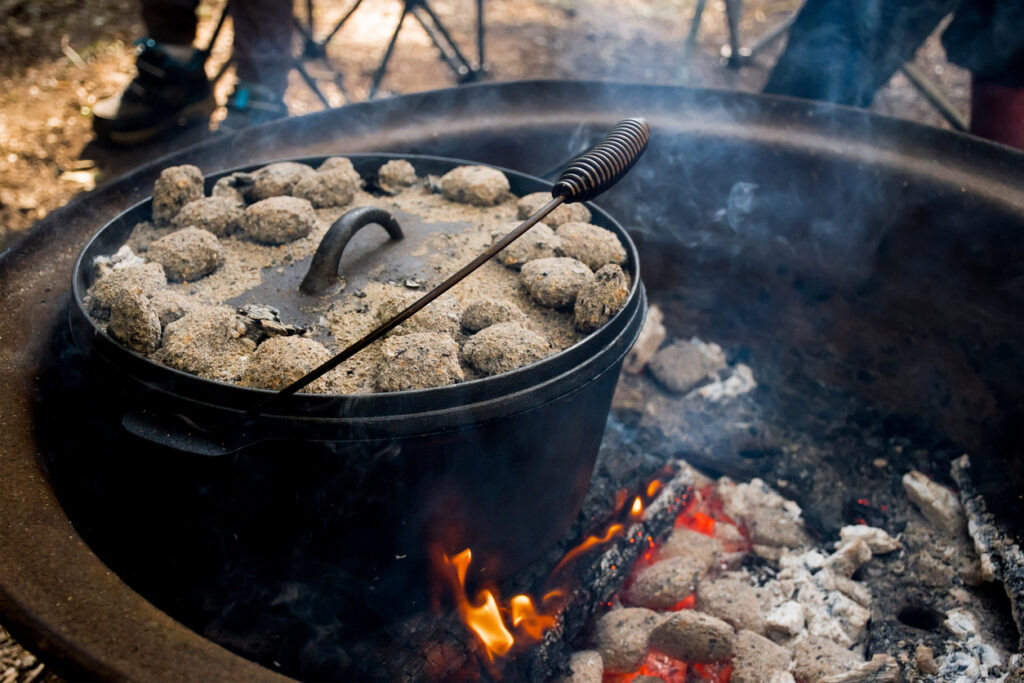
While Dutch ovens were inspired by Dutch casting techniques, the heavy cookware we know today was refined in America. The Dutch originally developed a method for casting metal using sand molds. Englishman Abraham Darby learned the technique and brought it to England, where it eventually spread to the American colonies. According to America’s Test Kitchen, Paul Revere and others improved the design by adding legs and a rimmed lid for holding coals. Though the name honors Dutch innovation, the oven’s iconic style and utility are thanks to early American craftsmanship and outdoor cooking culture.
21. American Cheese Isn’t Entirely American
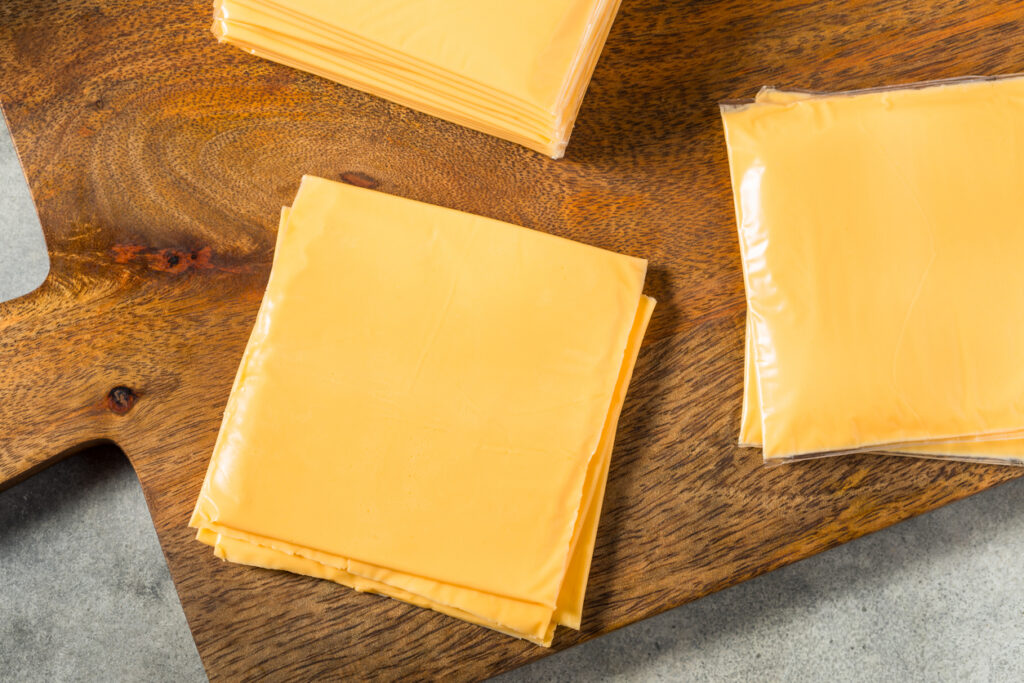
You’ve probably unwrapped a slice of it at some point, but American cheese isn’t quite the all-American food it sounds like. It was developed using techniques borrowed from Swiss and British cheesemaking. In the early 1900s, James Kraft perfected a method of pasteurizing and processing cheese for longer shelf life. According to Smithsonian Magazine, this made it ideal for sandwiches and mass production. It’s labeled “American” more for branding than origin. While it helped define burgers and lunchbox staples, the roots are a global blend that just happened to melt perfectly into American life.
22. Canadian Bacon Isn’t Popular in Canada
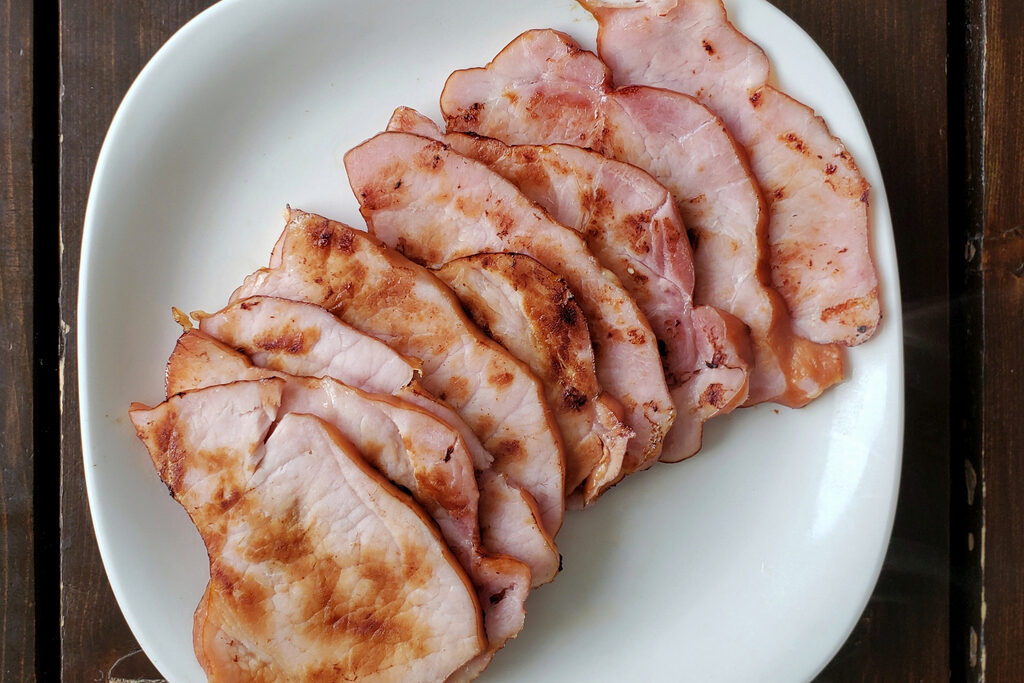
What Americans call Canadian bacon is not what most Canadians eat or even recognize. The round, lean slices popular in the U.S. are actually closer to what Canadians call “back bacon.” According to TasteAtlas, traditional Canadian bacon is cured pork loin, often rolled in cornmeal or spices. In Canada, regular bacon strips are more commonly eaten. The U.S. version got its name because it resembled Canadian styles more than fatty streaked bacon. It stuck, even if it rarely makes a plate in Canadian homes. It’s another case of a name surviving longer than the habit that inspired it.
23. French Manicure Was Made for Hollywood

That clean, pale pink polish with crisp white tips might feel like something you’d find in a Parisian salon, but it was created in America. The French manicure was developed by Jeff Pink, founder of nail company Orly, in the 1970s for film sets. According to Glamour Magazine, it was designed to match any costume quickly and naturally. When it caught on in Hollywood, he named it the “French manicure” to give it an air of sophistication. French women eventually embraced it, too, but the style began on the hands of actresses, not café waitresses.
24. Scotch Tape Was Invented in Minnesota
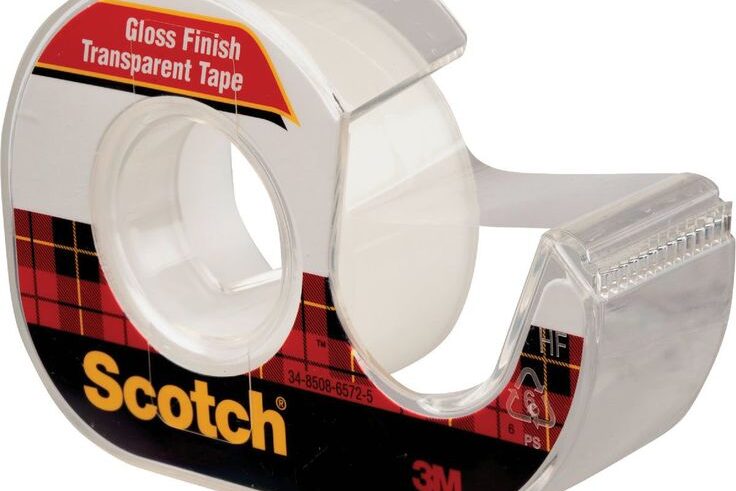
Scotch Tape didn’t come from Scotland, and the name has a surprisingly stingy backstory. The tape was created by 3M engineer Richard Drew in the 1930s to help auto painters achieve cleaner lines. Early versions used minimal adhesive, leading frustrated users to accuse the company of being “Scotch,” slang at the time for being cheap. According to 3M’s own company history, the name stuck, and improved versions of the tape soon followed. Today it’s a household staple, but its origins are more about problem solving and sticky feedback than tartans or bagpipes.
25. Swedish Fish Were Made in Canada
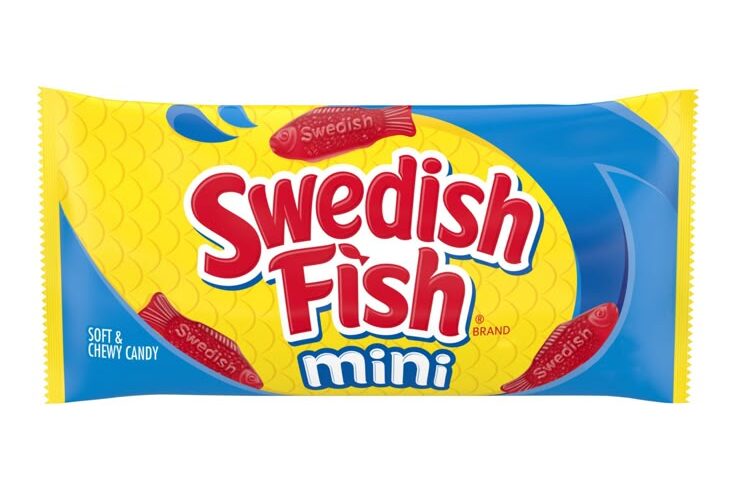
They’re chewy, fruity, and shaped like little fish, but Swedish Fish are more Canadian than Scandinavian. The candy was first developed in the 1950s by Swedish confectionery company Malaco for the North American market. According to Candy Warehouse, they were produced in Canada and designed to represent Swedish culture in a playful way. The red fish became popular in the U.S., but they’re not widely eaten in Sweden. The name helped sell the product overseas, but the actual snack became a North American favorite. It’s a sweet example of cultural packaging swimming further than its original waters.
26. Bermuda Shorts Started with Bankers

Bermuda shorts feel like a beach vacation essential, but their origin story begins with office attire. In the 1920s, British military and bankers stationed in Bermuda needed cooler clothes for the tropical climate. According to the Bermuda Tourism Authority, they adapted uniform trousers into short pants paired with long socks. The locals embraced the look, and eventually the style spread beyond the island. The name “Bermuda shorts” came from where they became iconic, but the idea started with practicality, not resort wear. Today they’re worn worldwide, blending formality and freedom in a way that keeps history walking.
27. Danish Pastries Came from Austria

Those flaky, buttery treats we call Danish actually came from Austrian bakers. In the 1850s, a strike among Danish bakery workers led to a shortage of fresh bread and sweets. Bakery owners hired workers from Austria, who introduced laminated dough techniques to Denmark. According to The Danish Agency for Culture, locals quickly adopted and refined the recipes. The pastries became a hit and eventually traveled the world under the name “Danish.” The Austrians may have brought the dough, but the Danes made it their own. It’s a layered history, much like the pastry itself.
28. Welsh Rarebit Isn’t a Rabbit
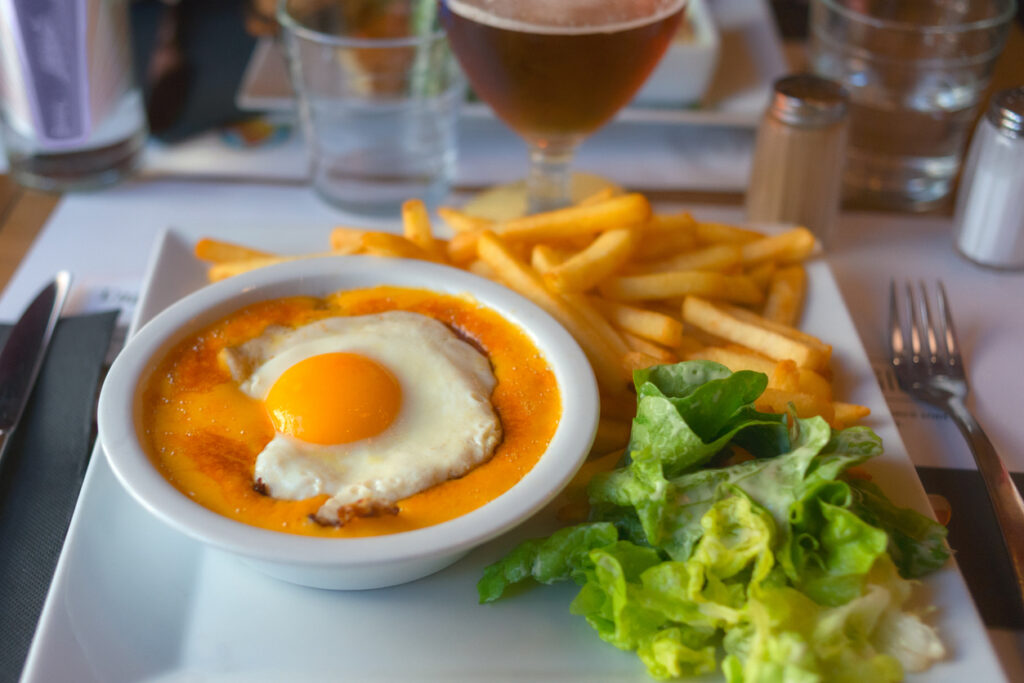
Welsh rarebit is a cheesy, comforting dish that often surprises newcomers who expect, well, rabbit. The name is actually a joke. In the 18th century, “rarebit” was a term used to poke fun at the Welsh, implying that cheese on toast was their version of a meat dish. According to Oxford Reference, the dish was originally called “Welsh rabbit” before being changed to “rarebit” to avoid confusion. It’s made with melted cheese, mustard, and ale, served warm on toast. The recipe is real, the rabbit is not, and the humor is still hiding in plain sight.
29. Baked Alaska Was Born in New York
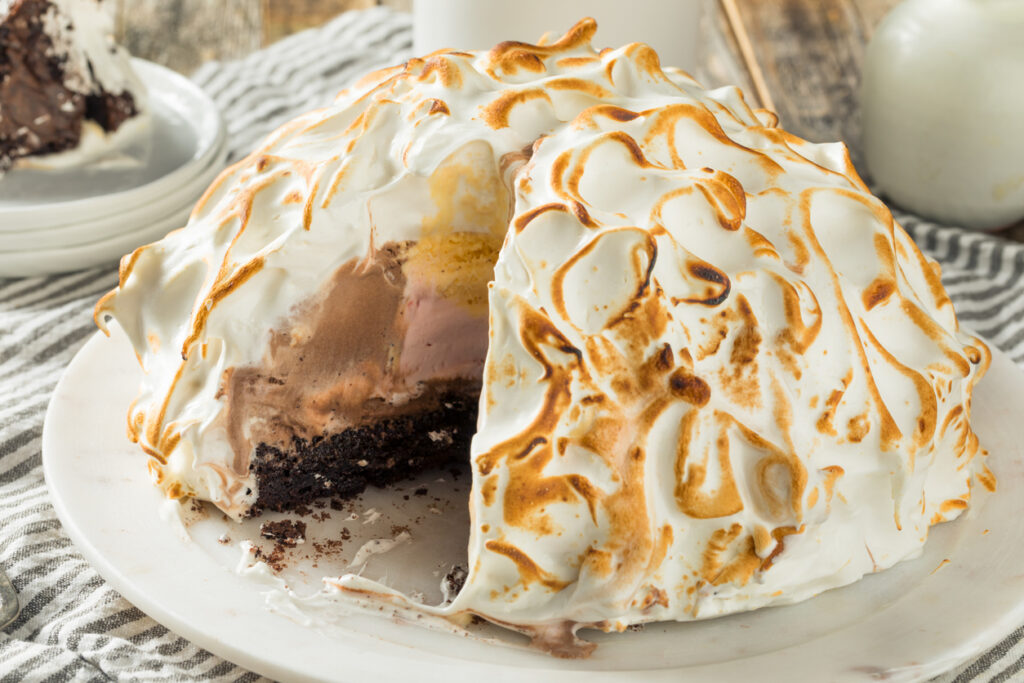
Despite the frosty name, Baked Alaska was invented in a hot kitchen. In 1867, chefs at Delmonico’s Restaurant in New York created the dish to honor the U.S. acquisition of Alaska. It consists of cake and ice cream insulated with whipped meringue and briefly baked to brown the outside. According to the Smithsonian, the meringue acts as a barrier, keeping the ice cream cold even in the oven. The contrast of cold and heat made it a culinary marvel at the time. While Alaska inspired the name, the dish was all Lower Manhattan creativity.
30. Irish Coffee Was Perfected in San Francisco
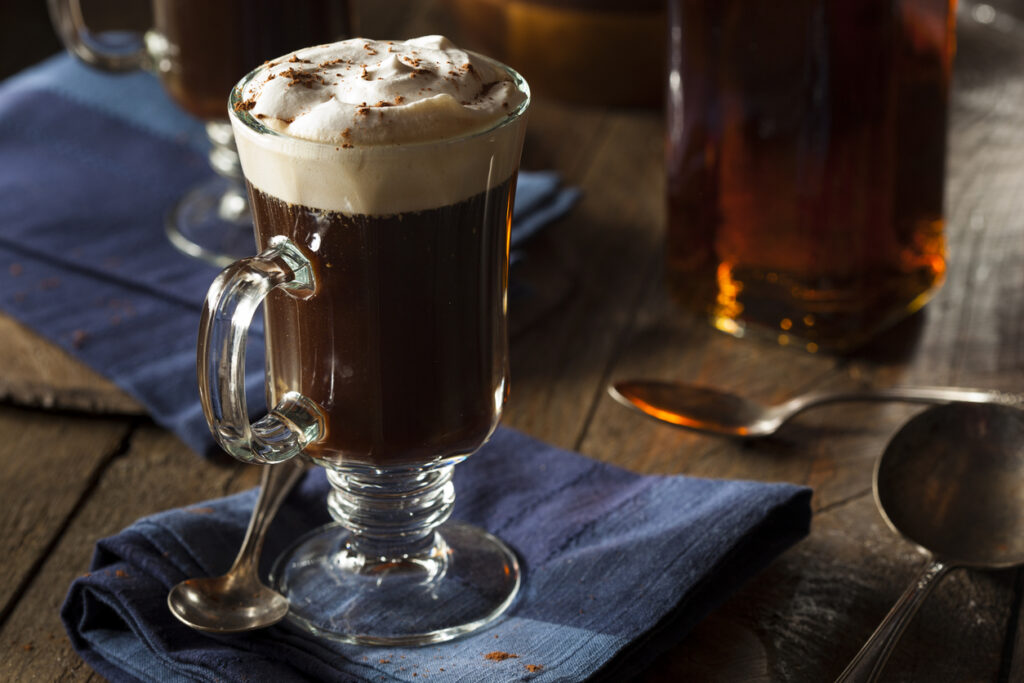
Irish coffee feels like a warm pub classic, but the version most people know today came together in San Francisco. The original idea came from Ireland, where airport chef Joe Sheridan combined coffee and whiskey to warm up travelers. According to the Buena Vista Café, American journalist Stanton Delaplane brought the idea to San Francisco in the 1950s. There, bartenders at Buena Vista perfected the whipped cream float and sugar balance, creating the modern drink. So while the heart of it is Irish, the version most of us enjoy was born under California’s fog, not Ireland’s rain.
31. Cuban Sandwich Was Born in Florida
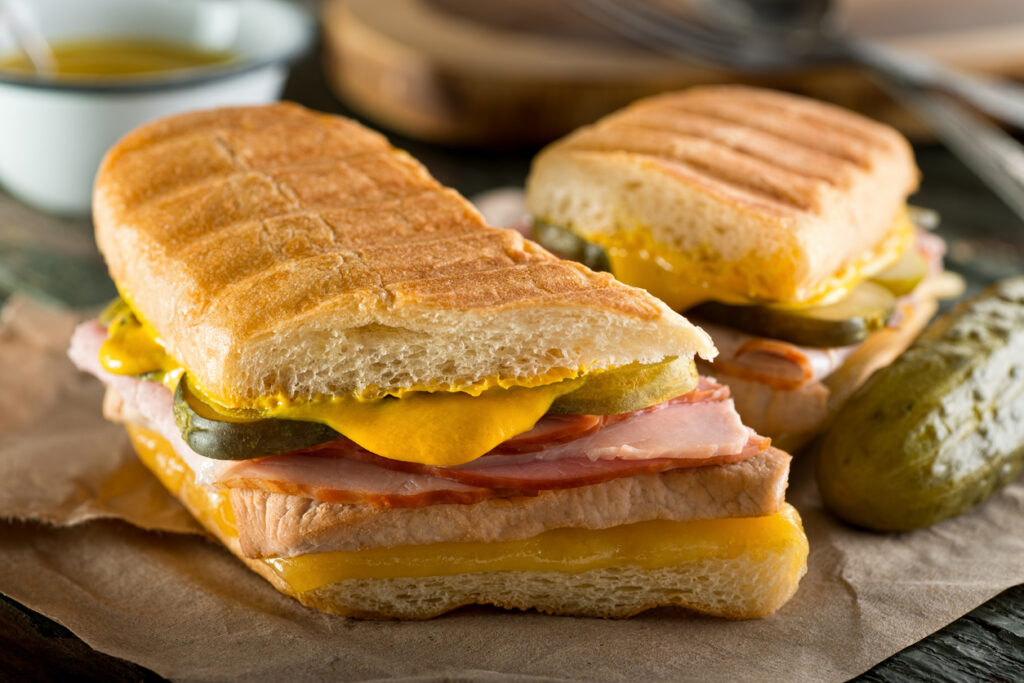
While it proudly carries Cuba in its name, the Cuban sandwich as we know it was actually developed in Florida. Cuban immigrants working in cigar factories in Tampa and Miami created the sandwich using pork, ham, Swiss cheese, pickles, and mustard on Cuban bread. According to the Tampa Bay Times, the sandwich was designed for easy lunches during work breaks. Over time, each city added its own twist, sparking a friendly rivalry over who did it best. Although it reflects Cuban heritage, the sandwich’s roots and rise happened in American neighborhoods shaped by immigrant culture and shared appetite.
32. Alaska Pollock Is Mostly Caught in Russia
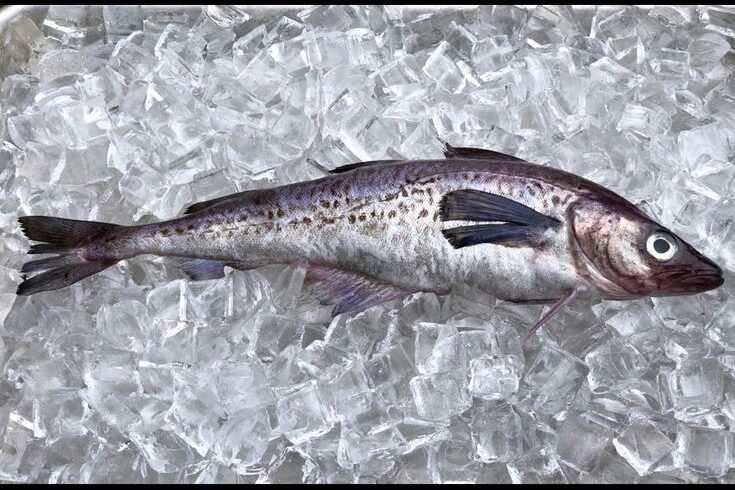
You’ve probably eaten Alaska pollock in fish sticks, imitation crab, or fast food fish sandwiches. But despite its name, much of it doesn’t come from Alaska. In fact, a large portion is harvested in Russian waters, particularly in the Sea of Okhotsk. According to the Marine Stewardship Council, both the U.S. and Russia are major players in the pollock industry. The “Alaska” label usually refers to the species, not its location. It’s widely used because the fish is affordable, mild, and abundant. So that crispy fillet you just bit into may have traveled farther than you thought.
33. Neapolitan Ice Cream Was Made for Americans
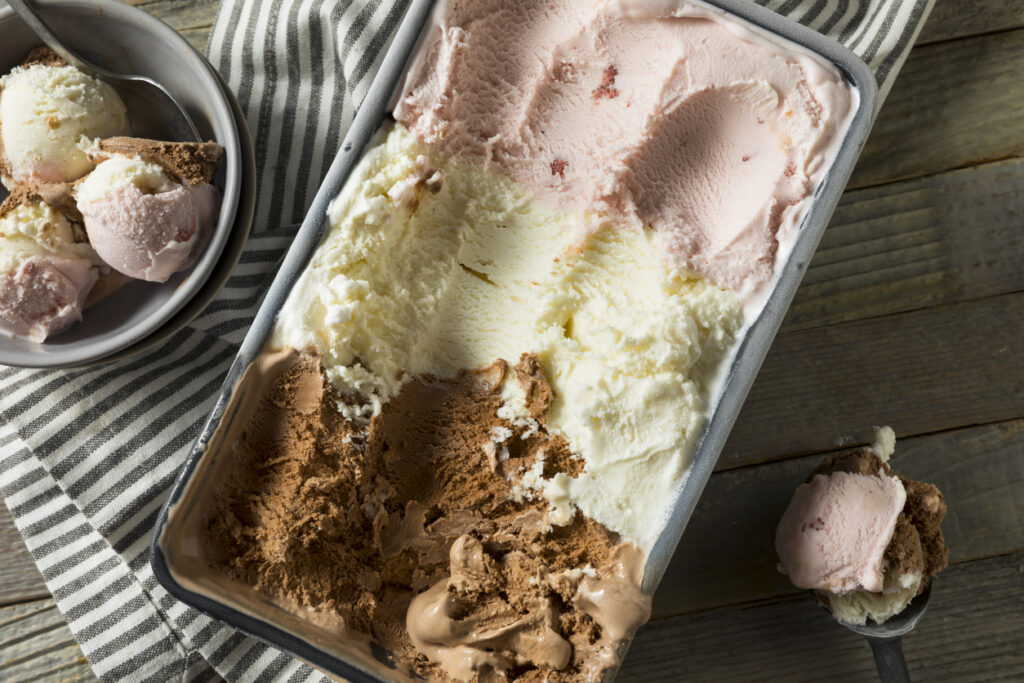
With its tidy stripes of chocolate, vanilla, and strawberry, Neapolitan ice cream seems like a gift from Italy. But the triple-flavored treat was created by Italian immigrants in the United States. They wanted to honor their heritage while appealing to American tastes. According to PBS, the colors and flavors often represented the Italian flag and were layered to save space. Naples may have inspired the name, but the product itself was crafted with the U.S. market in mind. It became popular because it gave everyone a choice in one scoop. The taste of unity started with a clever idea.
34. Brussels Sprouts Were Refined in the Netherlands
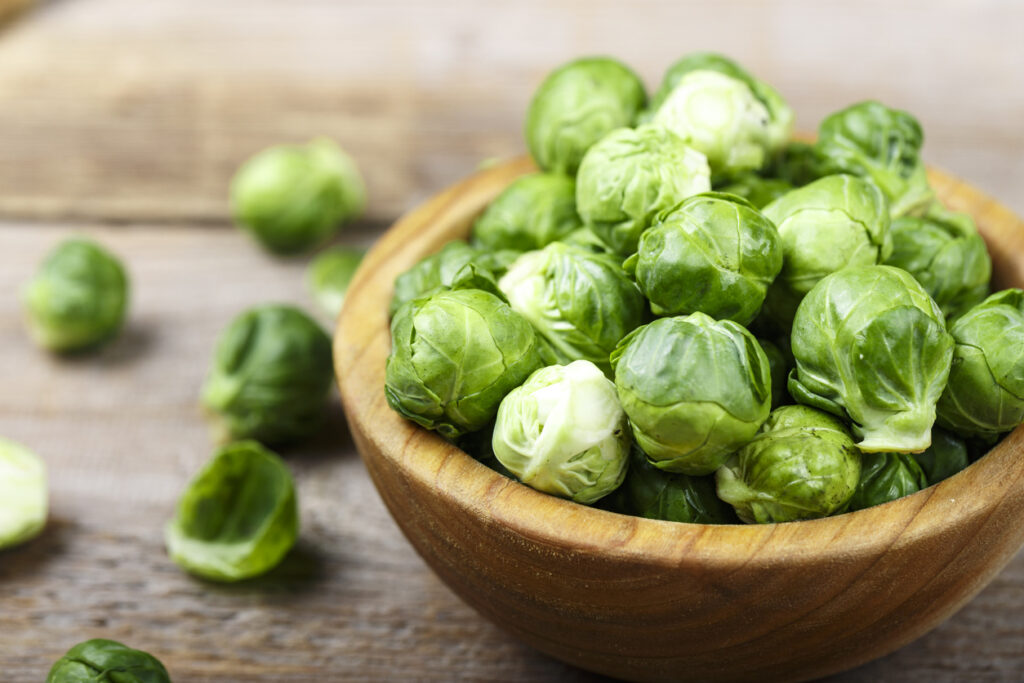
Even if you’ve hated them since childhood, modern Brussels sprouts deserve a second chance. The vegetable originated around Belgium, but its current sweeter, less bitter version was developed in the Netherlands during the 1990s. According to NPR, Dutch scientists selectively bred the sprouts to reduce sulfur compounds, making them taste milder. These new varieties became widely adopted across grocery stores and restaurants. So while the name still pays homage to Brussels, the reason kids complain about them less now is thanks to Dutch innovation. What was once dreaded on the dinner plate now has a fresh and friendlier comeback.
35. Napoleon Pastry Was Named for Naples
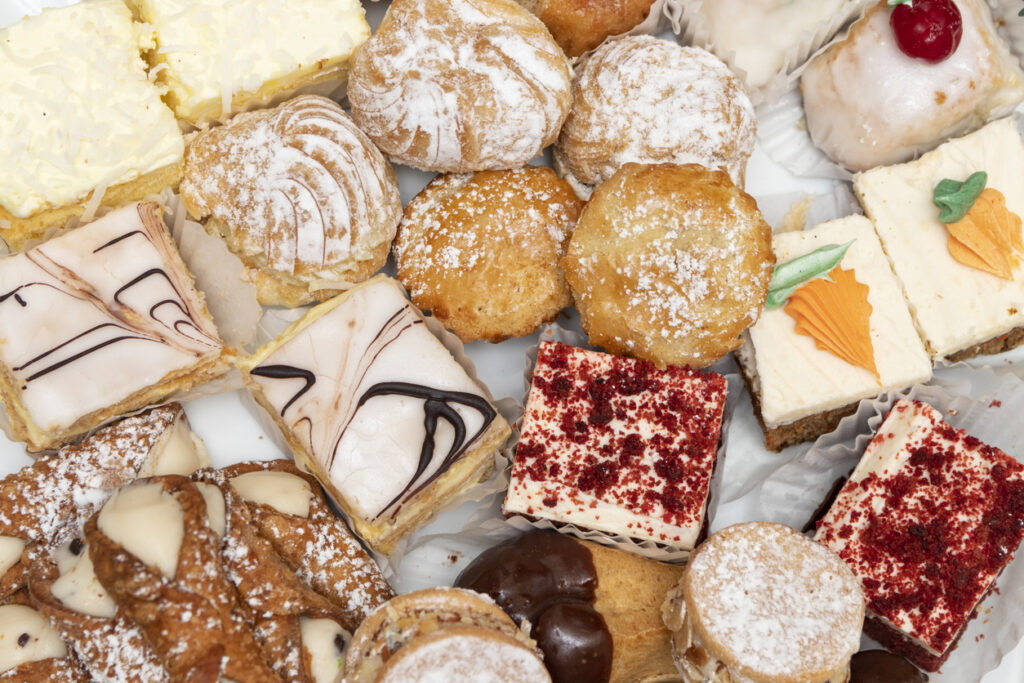
The Napoleon pastry, also known as mille-feuille, didn’t get its name from the famous French emperor. Instead, it’s believed to be a misinterpretation of “napolitain,” meaning “from Naples.” According to Larousse Gastronomique, the layered puff pastry dessert became popular in France but may have had roots in Italian baking traditions. Over time, the name evolved into “Napoleon,” and the association with France grew stronger. Despite its delicate structure and refined taste, the dessert’s history is a patchwork of regional influence. Like many dishes on this list, the name alone doesn’t tell the full story of where it truly began.
36. French Horns Were Mostly Made in Germany
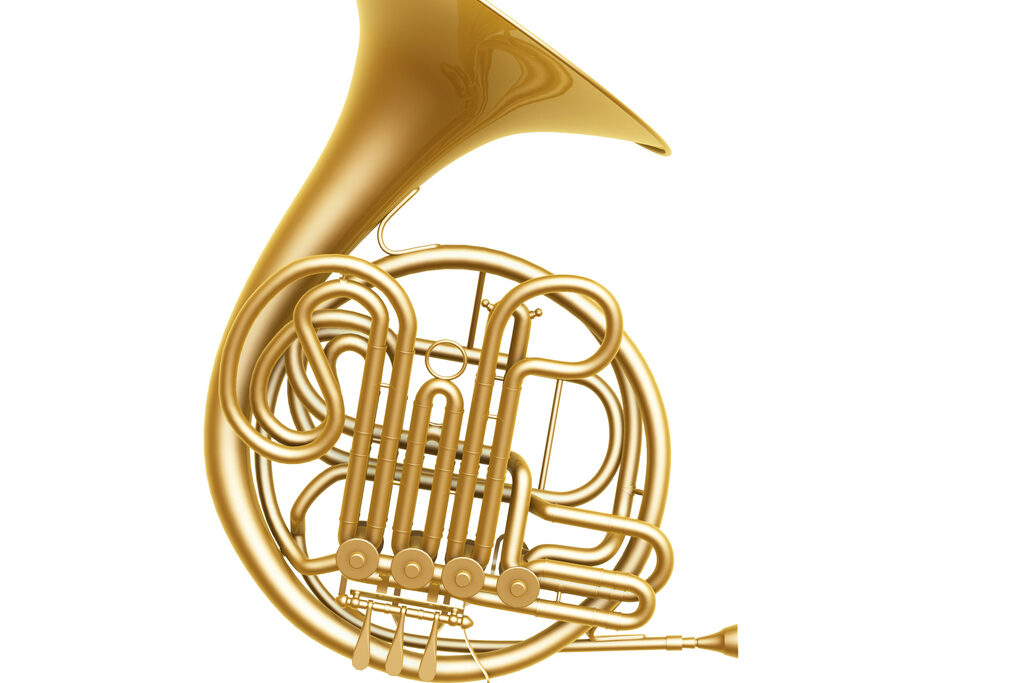
The elegant curves and deep tones of the French horn are widely recognized, but the instrument itself wasn’t made in France. Its modern form developed primarily in Germany and Austria, where skilled instrument makers refined the design during the 17th and 18th centuries. According to the International Horn Society, the “French” label likely came from English-speaking musicians who used French-style horns at the time. The term stuck, even though Germany contributed most to its evolution. So while it sounds regal and French by name, the heart of the instrument plays to a Central European rhythm.
37. Indian Ink Came from China
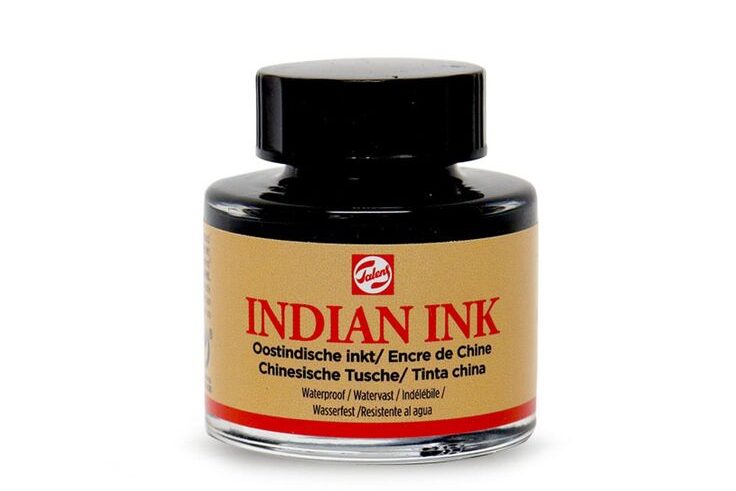
Indian ink is used in calligraphy, drawing, and tattoos, but its origin traces back to ancient China. The ink was created from soot and animal glue, and was commonly used by Chinese scholars and artists as early as 2500 BC. It later made its way to India, where it gained widespread popularity and eventually entered European markets through trade. According to Encyclopaedia Britannica, the term “Indian ink” became standard in the West because of the region’s colonial trade ties. The art may be timeless, but the name reflects trade routes more than true invention.
This story 37 Things You Thought Came From One Place But Totally Didn’t was first published on Daily FETCH


