
1. Coca‑Cola

Pharmacist John Pemberton invented this fizzy concoction on May 8, 1886 as a “valuable brain tonic” and pain reliever it even contained cocaine and caffeine from coca leaves and kola nuts. Originally, it was pitched as a cure for headaches, nerve disorders, exhaustion, and even morphine addiction. The formula blended coca leaf extract (about 9 mg of cocaine per glass), kola nut caffeine, sweeteners, and carbonated water.
It was sold in Jacob’s Pharmacy in Atlanta for five cents, promoted as a temperance-friendly alternative to alcohol, something both soothing and invigorating. By 1903, cocaine was removed due to changing laws, and by then, Coke had transformed into a mainstream soft drink though it still carried that legacy of being a “patent medicine.”
2. Pepsi
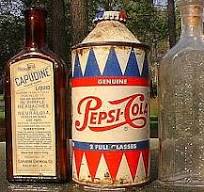
What you now know as Pepsi began in 1893 as “Brad’s Drink,” concocted by Caleb Bradham, a North Carolina pharmacist. He marketed it as a digestive aid, specifically targeting dyspepsia (indigestion), hoping to help customers regulate their stomachs after rich meals. Soon renamed Pepsi-Cola in 1898, it leaned into that medical past, with ads touting relief for “dyspepsia” and gas. Over time, it too evolved into a household soda, shedding its medicinal identity but its roots were firmly in the pharmacy world.
3. Dr Pepper
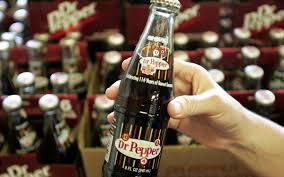
Created in 1885 by a pharmacist in Waco, Texas, Dr Pepper was promoted as a brain tonic designed to restore vim, vigor, and vitality. The blend of 23 flavors was sold as an energizing and mentally stimulating ideal for weary workers and intellectuals alike. Rather than being sweet for sweetness’ sake, it was sold at drugstore soda fountains carefully formulated to appeal as a health‑minded beverage. Over time, those health claims faded, but the name and unique flavor stuck and here we are, enjoying it purely for taste.
4. Root Beer
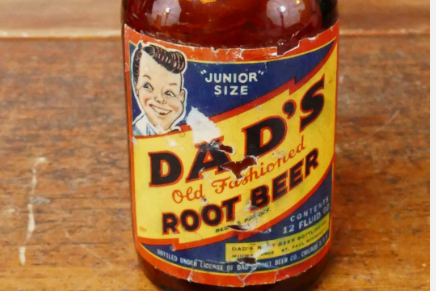
Root beer’s journey started in the late 1800s, brewed by pharmacists and home apothecaries using roots like sassafras, sarsaparilla, and herbs to make a health elixir. Believed to aid digestion, relieve joint pain, and cleanse the blood, these homemade tonics were staples at soda fountains. Eventually, brewers like A&W commercialized it in the early 20th century, transitioning root beer from pantry remedy to mainstream soft drink with the strong herbal qualities of its original formulas still echoing through modern versions.
5. Tonic Water

Bitter, fizzy tonic water owes its origin to quinine, used for centuries to prevent and treat malaria. British colonial officers in India mixed quinine with soda water, sugar, and lime making it more palatable. That was the birth of the tonic water we know today. Later, bartenders further sweetened the mix and it became the classic mixer in cocktails, most famously the gin and tonic. What began as a medical necessity in malarial regions is now a beloved mixer in your fridge.
6. Ketchup

In the 1830s, American physician Dr. John Cook Bennett marketed ketchup and even “tomato pills” as a cure for indigestion, diarrhea, and jaundice. He believed the tomato held medicinal value and sold it in oral form, widely supported by farmers and copycat producers across Ohio and beyond.These patent medicine versions didn’t taste much like today’s ketchup. Sold between 1834 and the 1850s, they were eventually overshadowed by culinary versions like Henry Heinz’s 1876 recipe that emphasized flavor over health benefits.
7. Chocolate
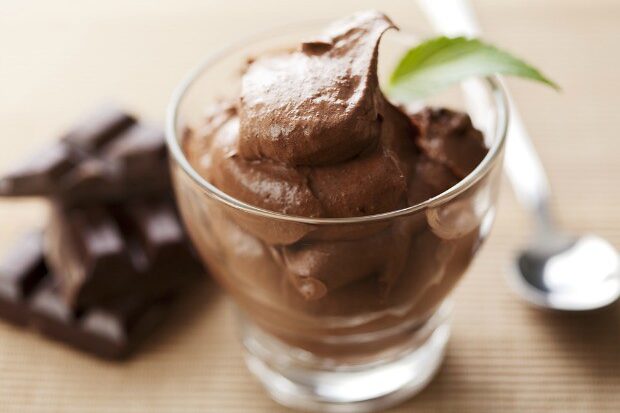
Ancient Mesoamerican cultures such as the Maya and Aztec prized chocolate as a bitter, spiced beverage. It was believed to boost energy, vitality, and even libido, used in sacrificial rituals and medicinal practices. While not a “pharmacy product” in the Western sense, it was respected for its stimulating and restorative qualities. By the 16th century, Spanish colonizers brought chocolate to Europe, where it evolved into a luxury item that was also prescribed for fatigue and indigestion. Apotheken (pharmacies) began selling chocolate-based tonics infused with spices like cinnamon and chile, framing it as a health-improving drink.
8. Coffee

Coffee’s story as medicine dates back to the 15th century in the Islamic world. Sufi practitioners in Yemen used it to stay awake during late-night religious rituals, claiming focus, alertness, and relief from fatigue. When coffee reached Europe in the 17th century, it was often recommended by physicians for ailments like headaches, liver and kidney troubles, and depression. Vienna and London apothecaries stocked coffee alongside herbal formulas, suggesting its popularity rose from both taste and supposed therapeutic benefits.
9. Tea
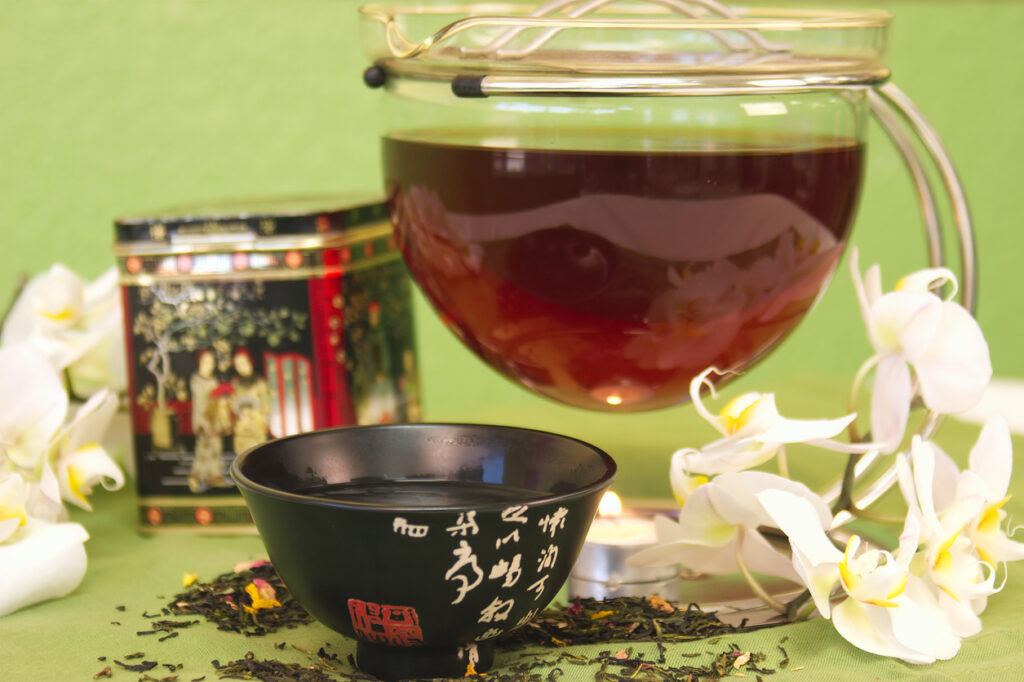
In China, tea was consumed medicinally for millennia. Buddhist monks used it to stay mentally alert during long meditation sessions, and early medical texts recommended it for headaches, digestion, and fatigue. Around 300 CE, Hua Tuo even used tea during anesthesia! By the 17th century, tea reached Europe, where it found a place in apothecaries alongside herbal infusions. It was recommended for everything from calming nerves to aiding digestion, and was sometimes combined with spices like ginger in “drinking teas” sold for wellness.
10. Wine

The ancient Greeks and Romans regularly prescribed wine for a variety of medical uses. As an antiseptic, it was used to clean wounds; mixed with herbs, it treated digestive issues; and, in moderate doses, it was used for pain relief and mood enhancement. Hippocrates famously called it “a humble servant to the body.” Physicians like Galen routinely mixed wine with medicinal botanicals such as myrrh, sage, and thyme, believing it enhanced therapeutic effects. Wine’s dual role as food and medicine blurred the line between everyday consumption and medical treatment highlighting how central it was to ancient health systems.
11. Beer

In medieval Europe, beer was more than a drink; it was often safer than water due to the boiling and fermentation process killing germs. While there’s a popular myth that everyone preferred beer over water, historical records indicate people still drank water when clean sources were available, though beer remained a key hydration choice, especially in the north where grape-growing was limited. Monasteries in particular promoted “small beer” a low-alcohol brew and even had patron saints of brewing like Arnold of Soissons, who urged locals to drink beer during epidemics to avoid contaminated water.
This “brew for your belly” doubled as nutrition, offering calories and minerals, especially when water sources were risky or unreliable. So beer’s path from medicinal beverage to social staple shows how necessity and hygiene combined to make it a trusted daily drink.
12. Honey

Honey has been used as a wound-healing agent since ancient Egypt around 3000 BC, as recorded in papyri like the Edwin Smith and Ebers documents. Its natural antibacterial and tissue-regenerating qualities thanks to hydrogen peroxide, low pH, and high sugar help protect wounds and speed healing. Modern research supports its effectiveness against resistant bacteria like MRSA, and today, medical-grade honeys like manuka are used in clinical dressings.
Honey’s enduring reputation comes from both history and science. Studies show it draws moisture from wounds, creates a protective barrier, and fights inflammation, making it a go-to in chronic wound care and burn treatment. Its transformation from ancient remedy to modern hospital staple highlights how natural medicine can stand the test of time.
13. Garlic
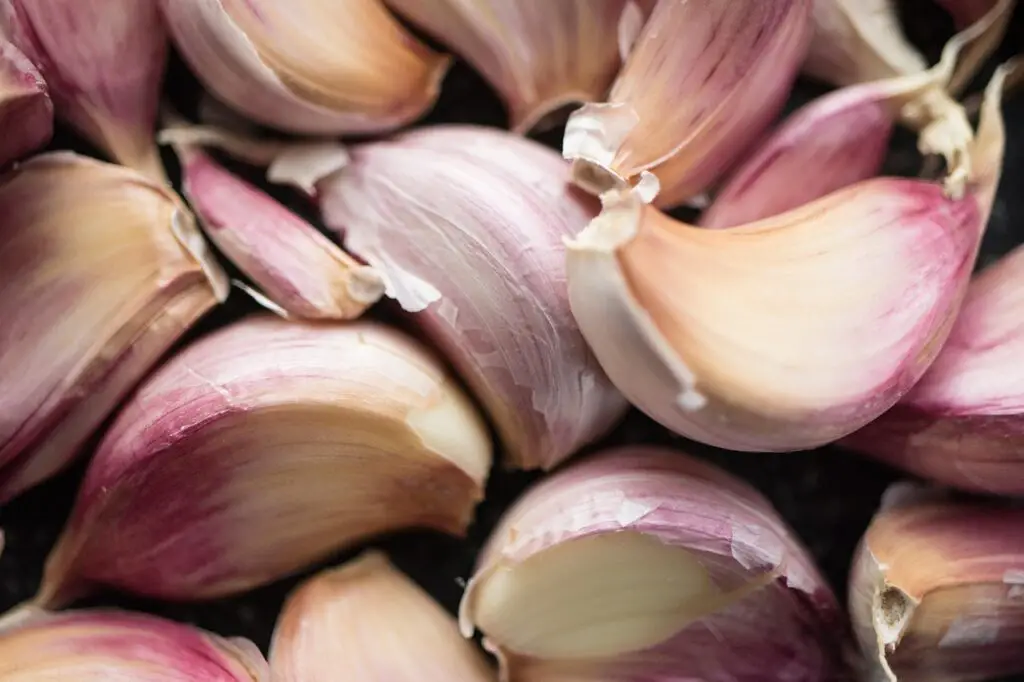
Garlic has a long-standing place in traditional medicine around the world. Ancient doctors used it to treat infections, lower cholesterol, and stimulate the immune system. Modern science confirms that garlic’s active compound, allicin, possesses antimicrobial and heart-health benefits. Though tasty in our kitchens, garlic was prized for more than flavor. Studies have shown it can reduce blood pressure and fight bacteria and fungi. Medical texts still recommend it today as a natural support for cardiovascular and immune health keeping its medicinal legacy alive.
14. Ginger
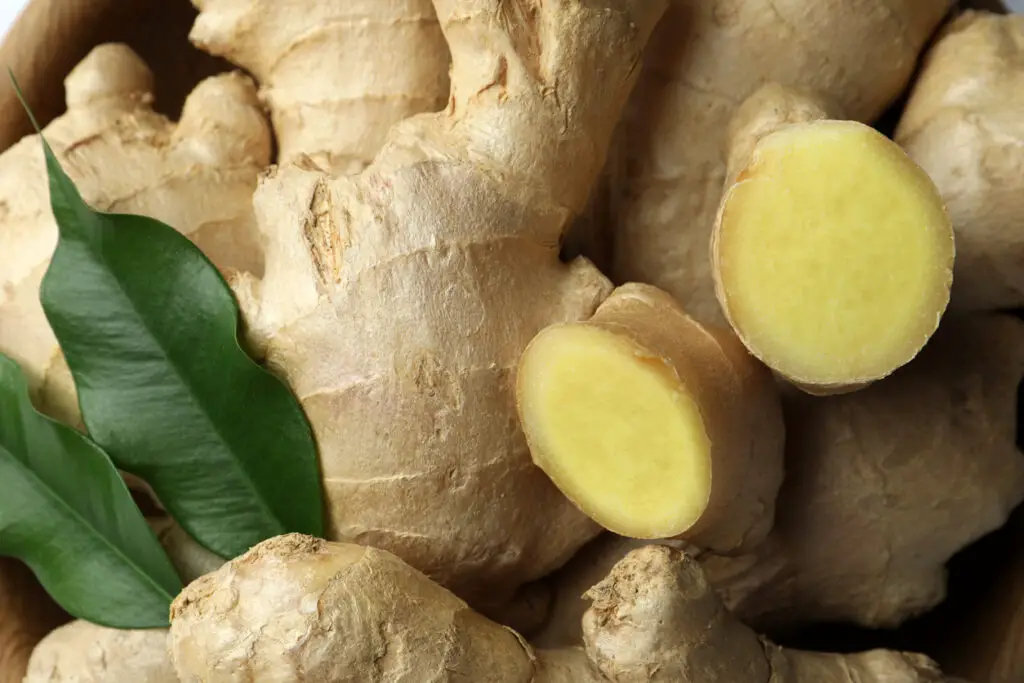
Ginger has been used for thousands of years in Ayurveda, Ayurvedic and Chinese medicine, prized for relieving digestive issues, nausea, and inflammation. Research shows it contains compounds like gingerol, which help soothe stomach cramps, reduce motion sickness, and reduce inflammation. From tea to supplements, its warm, spicy flavor hides potent therapeutic benefits. Today, it’s still recommended for morning sickness, post-operative nausea, and muscle soreness showing how an age-old remedy stays relevant in modern wellness.
15. Turmeric
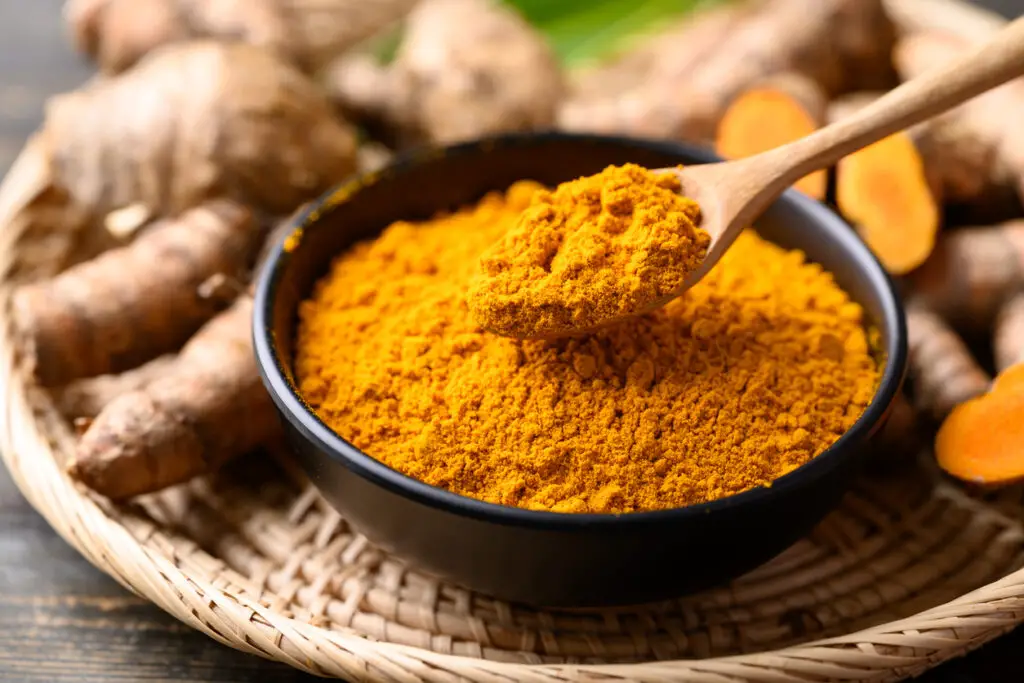
In traditional Ayurvedic and Chinese medicine, turmeric was used to combat pain, aid digestion, and reduce inflammation. Its active ingredient curcumin has strong antioxidant and anti-inflammatory properties supported by recent lab and clinical studies. People today take turmeric for joint pain, digestive issues, and overall health. It’s often paired with black pepper to enhance absorption. Turmeric’s journey from ancient remedy to trendy supplement shows how traditional healing still influences contemporary health practices.
16. Mustard
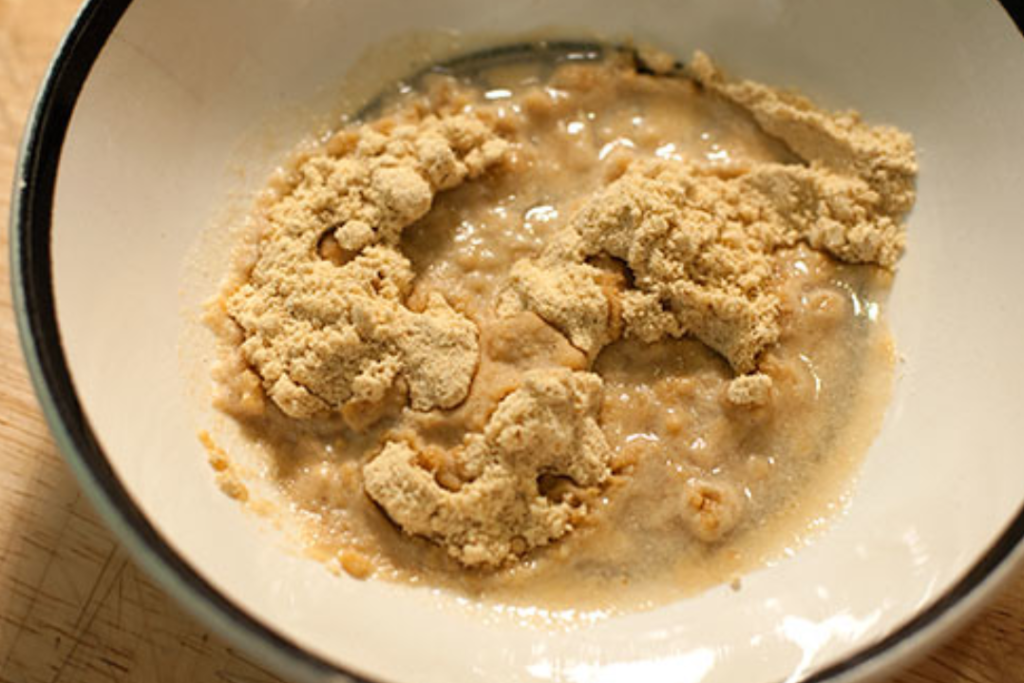
Ancient healers from Egyptians to Greeks and Romans used mustard seed in poultices and plasters to treat congestion, arthritis, and sore muscles. A mustard powder paste was wrapped in fabric and placed on the chest or aching joints, warming the area and stimulating circulation. This remedy remained part of conventional medicine into the early 20th century, with versions sold in pharmacies and even adopted by hospitals and navies. Though not a cure-all, mustard packs sometimes called “blisters” were commonly used for bronchitis, pneumonia, back pain, and rheumatism. While today they’re mostly home remedies, the practice shows how people relied on plants’ natural warmth to support healing.
17. Licorice Root
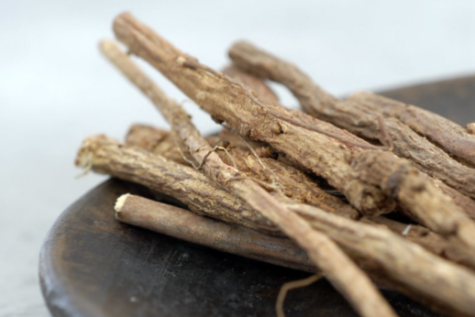
Licorice root has been a soothing herb in Chinese and Western medicine for centuries. Traditionally used to ease sore throats, coughs, ulcers, and respiratory issues, its sweetness comes from glycyrrhizin, a compound with anti-inflammatory and antiviral effects. Ancient physicians combined licorice with other herbs to treat ulcers and digestive problems, often using it as a harmonizer in formulas. Modern studies support these uses: licorice can calm sore throats, support digestive health, and reduce gastric ulcers. However, high doses or prolonged use can raise blood pressure and cause water retention, so current guidelines recommend moderation.
18. Chewing Gum

Long before the bubble-gum era, people chewed tree resins for health. Around 9,000 BC, Scandinavians chewed birch bark tar, perhaps to ease toothaches. Meanwhile, the Maya chewed chicle (sapodilla tree resin), which helped quench thirst or suppress hunger. These natural gums had functional uses cleaning teeth, freshening breath, and soothing digestive issues. Even Greek, Native American, and other cultures valued them medicinally. Modern chewing gum took these roots and added flavor, but the earliest gums were truly functional wellness aids.
19. Yogurt
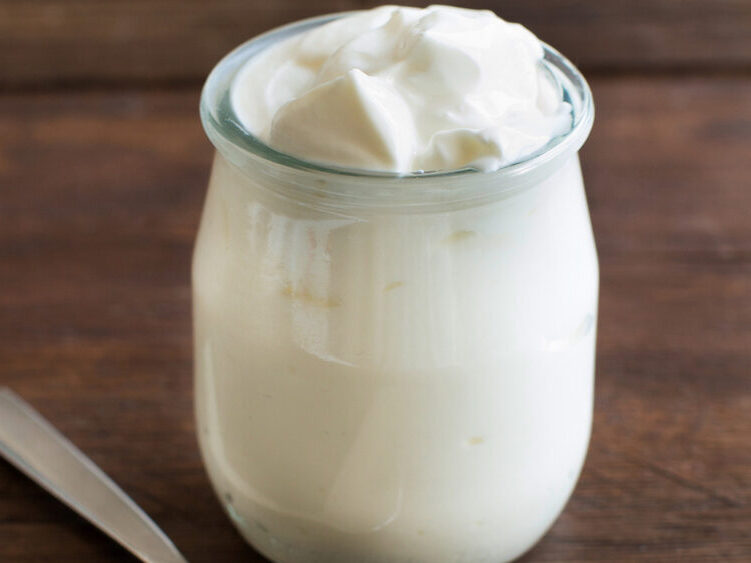
Yogurt dates back to around 5000 BC in Central Asia and Mesopotamia, known for its gut-healing properties. Ancient cultures prized it for improved digestion and health; 15th-century Ottoman doctors even served yogurt to French royalty to treat diarrhea. With live bacterial cultures like Lactobacillus, yogurt helps digest lactose, supports beneficial gut flora, lowers blood pressure, and may reduce the risk of diabetes or heart disease. Over time, it moved from folk remedy to a health food staple but its ancient promise of digestive wellness remains true.
20. Fermented Foods

Fermented foods sauerkraut, kimchi, kefir have been digestive remedies for millennia. Egyptians and other ancient people preserved vegetables by fermentation to extend shelf life and maintain nutrition. In the 15th century, Ottoman Sultan Suleiman and others endorsed yogurt and fermented drinks to treat digestive upset. Today, we recognize fermented foods as natural sources of probiotics and prebiotics that promote gut and immune health. They help balance gut flora, reduce inflammation, and may support cardiovascular and metabolic wellness. These age-old staples now stand as evidence that simple preservation methods can hold powerful health benefits.
This story 20 Foods and Drinks That Were Originally Sold as Medicine was first published on Daily FETCH


