
1. Crocodiles
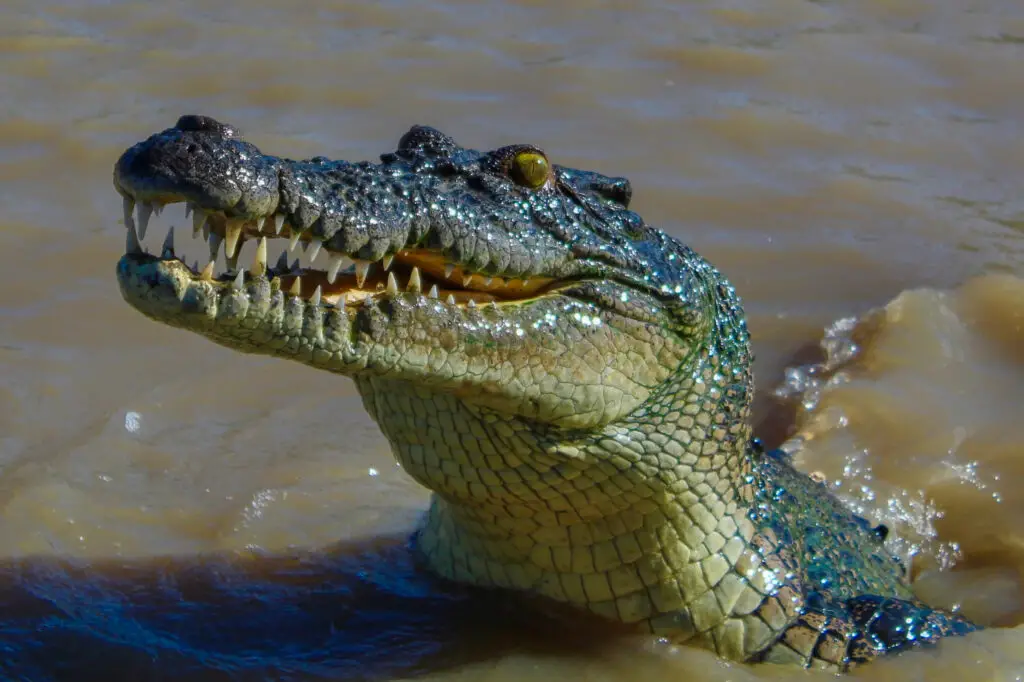
While often labeled as “living fossils,” modern crocodiles haven’t remained entirely unchanged for millions of years, but their body plan has remained relatively consistent. Their evolutionary history includes periods of rapid change and diversification, alongside periods of slower evolution. Crocodiles are like living fossils, having remained virtually unchanged for around 200 million years. Their armored bodies, stealthy hunting tactics, and powerful jaws make them one of the most efficient predators on Earth. They lurk in rivers and swamps, waiting patiently for the perfect moment to strike, a strategy that has kept them at the top of their food chain for millions of years. Despite their fearsome reputation, crocodiles also play a crucial role in their ecosystems by controlling fish populations and creating habitats for other animals. Their ability to regulate their body temperature and survive long periods without food adds to their resilience.
2. Sharks
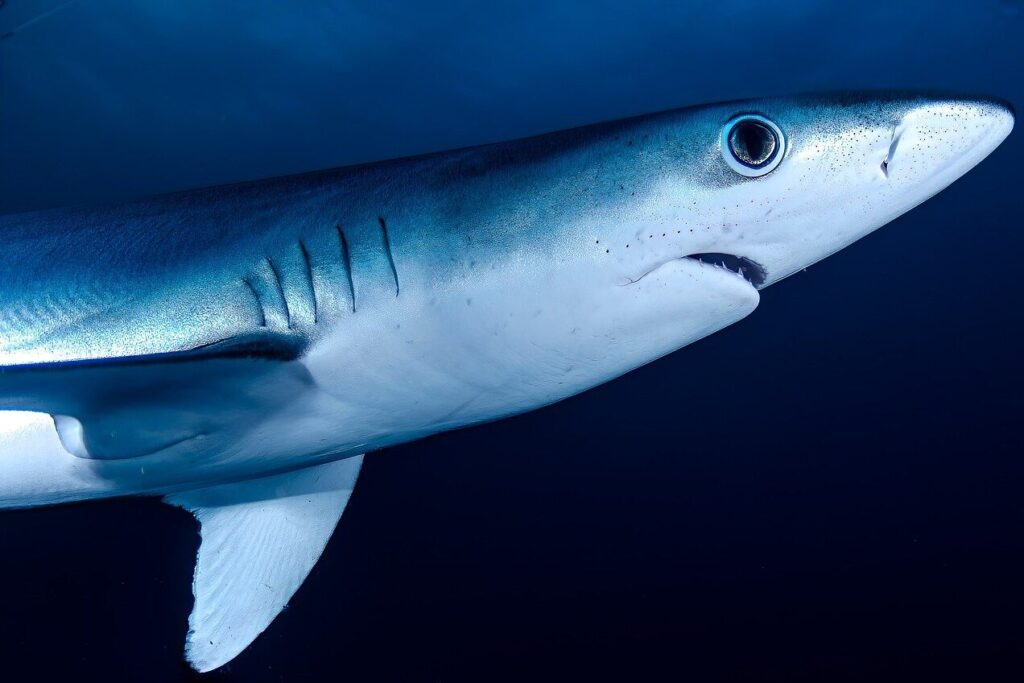
Sharks have roamed the oceans for over 400 million years, making them one of the oldest surviving species on the planet. Their sleek, hydrodynamic bodies are built for speed and precision, allowing them to be top predators in marine environments. Sharks’ keen senses, including the ability to detect electrical fields, make them incredibly efficient hunters. This evolutionary perfection has helped them survive multiple mass extinction events. Beyond their hunting prowess, sharks contribute significantly to ocean health by maintaining the balance of marine ecosystems. Their slow reproduction rates and long lifespans are balanced by their adaptability and hunting skills.
3. Horseshoe Crabs
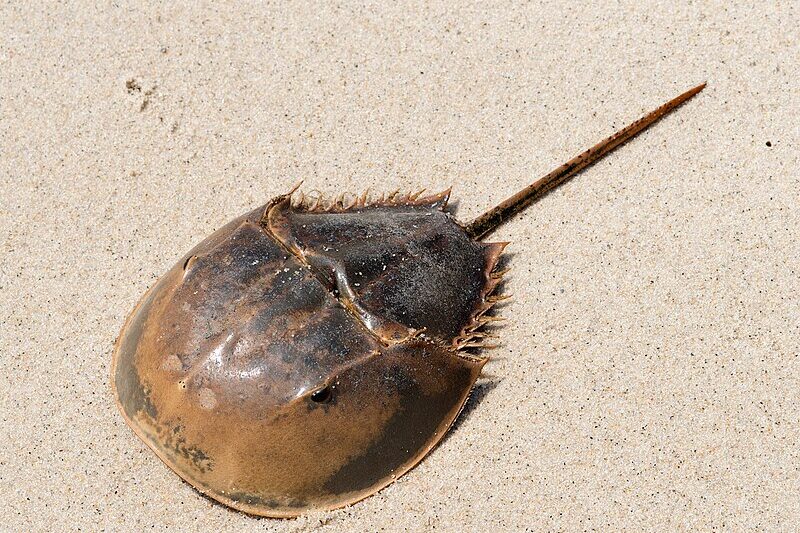
Horseshoe crabs, often referred to as “living fossils” have existed for over 445 million years, predating even the dinosaurs. Their distinctive, armored shells and long tails have changed little over the ages, a testament to their effective design. Beyond their ancient lineage, horseshoe crabs have a unique blue blood that contains a substance crucial for modern medicine, it’s used to test vaccines and ensure they are free from bacterial contamination. Their spawning rituals on beaches also support various shorebird species, making them an important part of coastal ecosystems. The horseshoe crab is a fascinating example of how nature’s ancient designs can still hold immense value today.
4. Jellyfish
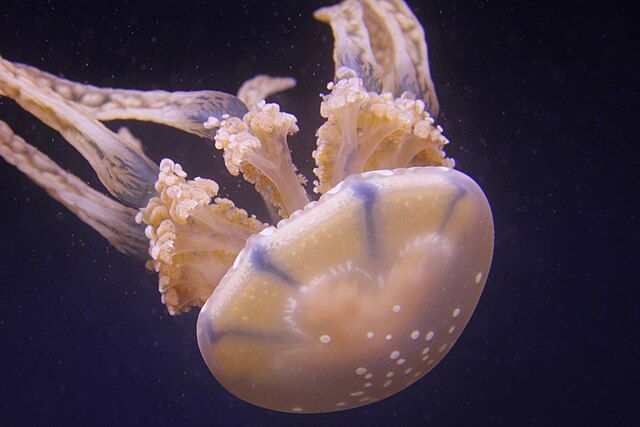
Jellyfish are remarkable for their simplicity and longevity, having existed for more than 500 million years. Without a brain, heart, or bones, they drift through oceans, yet they have outlasted nearly every other living creature. Some species of jellyfish are even thought to be biologically immortal, capable of reverting to earlier life stages when stressed or injured. Their ability to survive in diverse marine environments, from shallow waters to the deep sea, shows how evolution favored their minimalist yet effective design. Jellyfish also play a vital role in marine food webs, serving as both predators and prey. Their graceful, translucent bodies and pulsating movements have fascinated humans for centuries, embodying the enduring power of nature’s simplest forms.
5. Octopuses
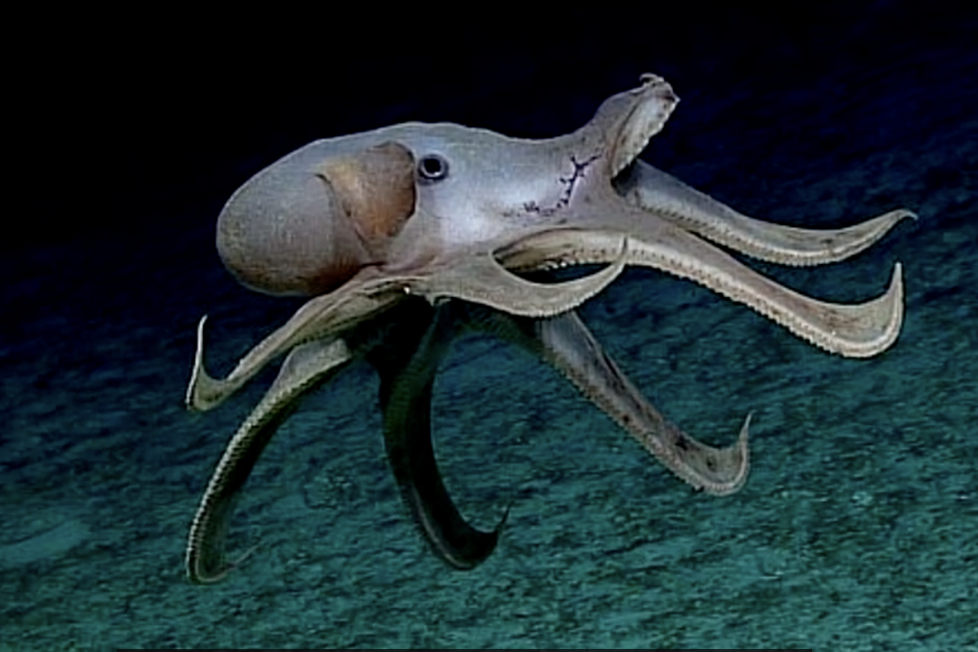
Octopuses, which have existed for at least 330 million years, are fascinating for their unique combination of intelligence and physical adaptability. With three hearts, nine brains (one central brain is located between their eyes, and each of their eight arms has a smaller brain or ganglion, allowing the arms to act semi-independently), and soft, boneless bodies, they can squeeze into tiny crevices to escape predators or hunt prey. Also, their problem-solving skills and ability to use tools make them stand out among marine animals. This cleverness, combined with their camouflage talents, allows octopuses to thrive in diverse ocean environments. Their short lifespans, typically ranging one to five years, don’t stop them from being masters of survival. The earliest known octopus relative, Syllipsimopodi Biden, had ten arms and lived during the Carboniferous period. This evolutionary success story shows how brains and flexibility can be just as important as physical strength in the animal kingdom.
6. Ants
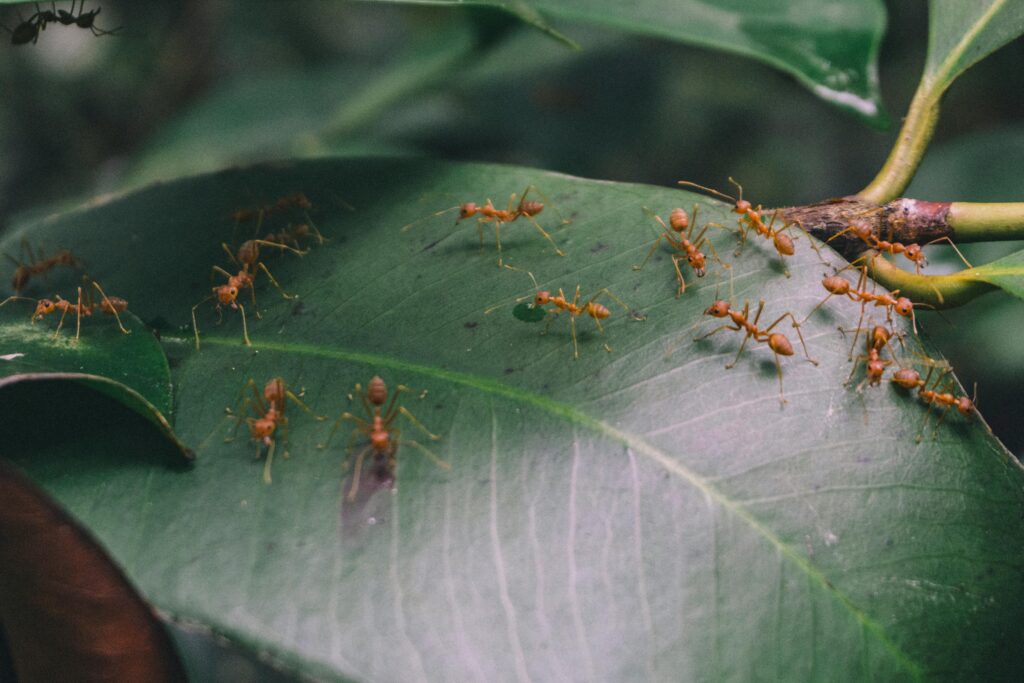
Ants may be small, but their impact is massive. They have existed for approximately 140 to 168 million years, emerging during the late Jurassic and Early Cretaceous periods. These insects have evolved from wasp-like ancestors and have since diversified into a vast array of species. They also have complex social organizational structures that allow them to farm fungi, build intricate nests, and wage wars with rival colonies. Acting as a collective super-organism, ants demonstrate how cooperation can lead to extraordinary success. Their ability to adapt to almost every environment on Earth highlights their evolutionary brilliance. From leaf-cutter ants farming crops underground to army ants coordinating massive raids, their teamwork is unmatched.
7. Spiders
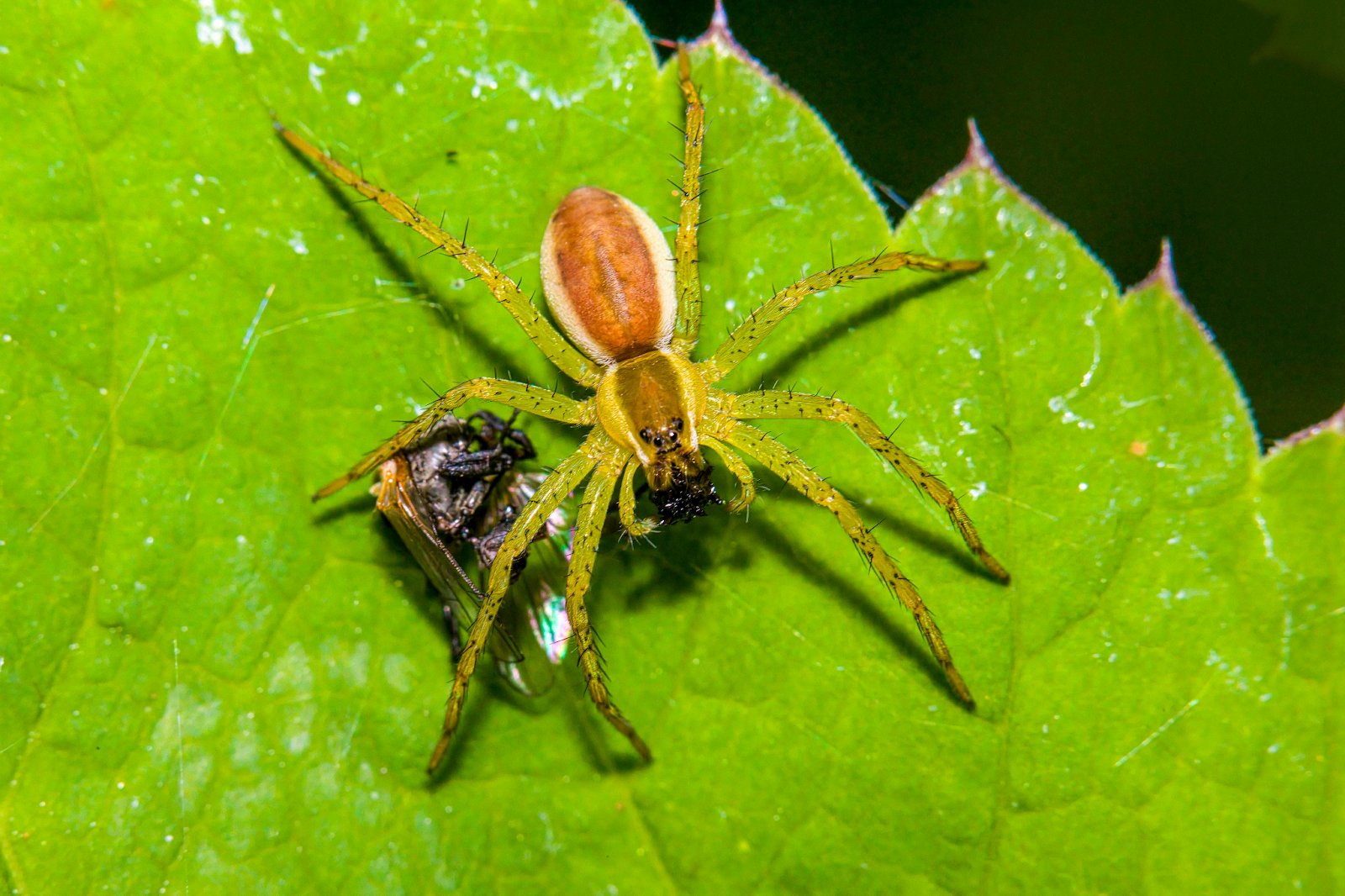
Spiders have mastered the art of survival with their silk. Spider silk has a higher strength-to-weight ratio than steel. This means that a strand of spider silk can withstand a greater force for its weight than a similar strand of steel. They use it to build webs, trap prey, and even parachute through the air. This incredible material and their diverse hunting strategies have made spiders dominant insect predators for over 300 millions of years, evolving from earlier arachnid ancestors during the Carboniferous period. Different species like trapdoor spiders that ambush prey and orb-weavers crafting delicate webs, spiders showcase evolutionary innovation.
8. Eagles
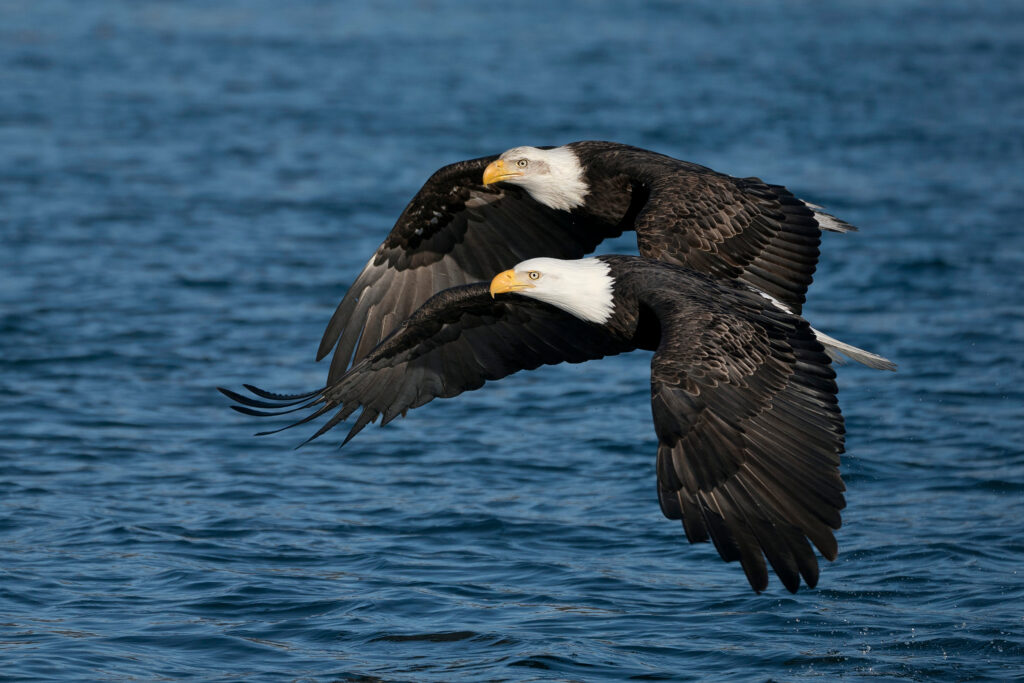
Eagles are the embodiment of aerial precision. These birds have existed for approximately 36 million years, evolving from a group of birds known as Kites. The earliest eagles were called sea eagles, which then diversified into various species found across the globe. Their unmatched eyesight allows them to spot prey from miles away, while their powerful talons and swift flight make them formidable hunters. This combination of vision and strength has made eagles apex predators in many ecosystems. Their evolutionary design balances speed, power, and sensory acuity, enabling them to thrive in diverse environments from mountains to coastlines. Eagles also symbolize freedom and strength in many cultures, including being adopted as the National bird of the United States.
9. Cockroaches
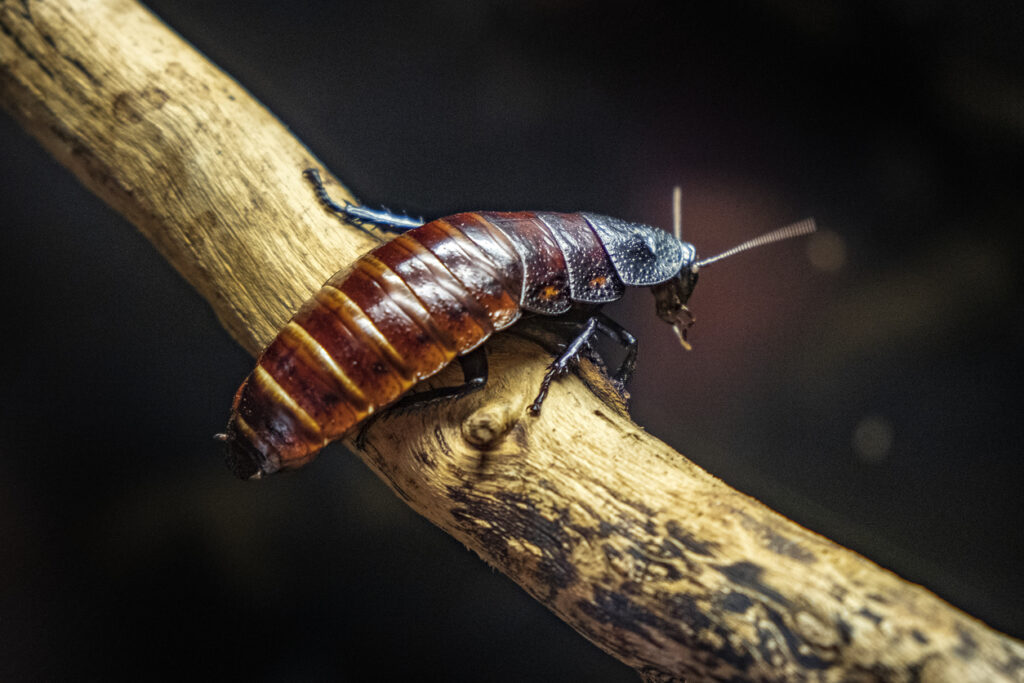
Cockroaches have been around for over 320 million years, surviving multiple mass extinctions, with fossils indicating their presence during the Carboniferous period, significantly before the dinosaurs. While the exact ancestors of modern cockroaches might have appeared slightly later, the fossil record shows that their lineage is extremely old. Their resilience is legendary, they can live without food for weeks and even survive decapitation for a time. Though not the most glamorous creatures, their adaptability to various environments and rapid reproduction make them nearly indestructible. Their survival strategy is simple: be tough, reproduce quickly, and hide well.
10. Cuttlefish
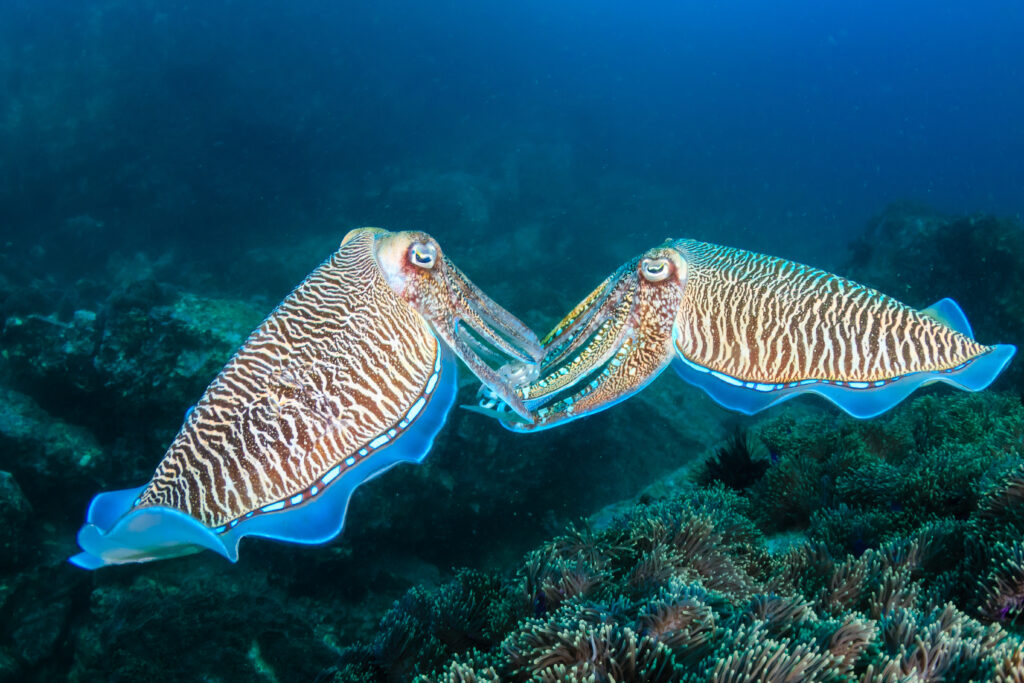
Cuttlefish are underwater illusionists with extraordinary camouflage abilities. Cuttlefish, along with octopuses and squid, are cephalopods; animals from an ancient branch of the tree of life that have been trolling the oceans for more than 500 million years. Cuttlefish were around long before the first shark or fish ever evolved.They can change their skin color and texture instantly, using this ability for both camouflage and communication. Cuttlefish possess specialized pigment cells called chromatophores, which are controlled by muscles and neurons in their brain. These cells allow them to instantly alter their skin’s appearance, creating intricate patterns and textures to match their environment. Their complex nervous systems and problem-solving capabilities further solidify their position as some of the most intelligent invertebrates in the ocean.
11. Crows
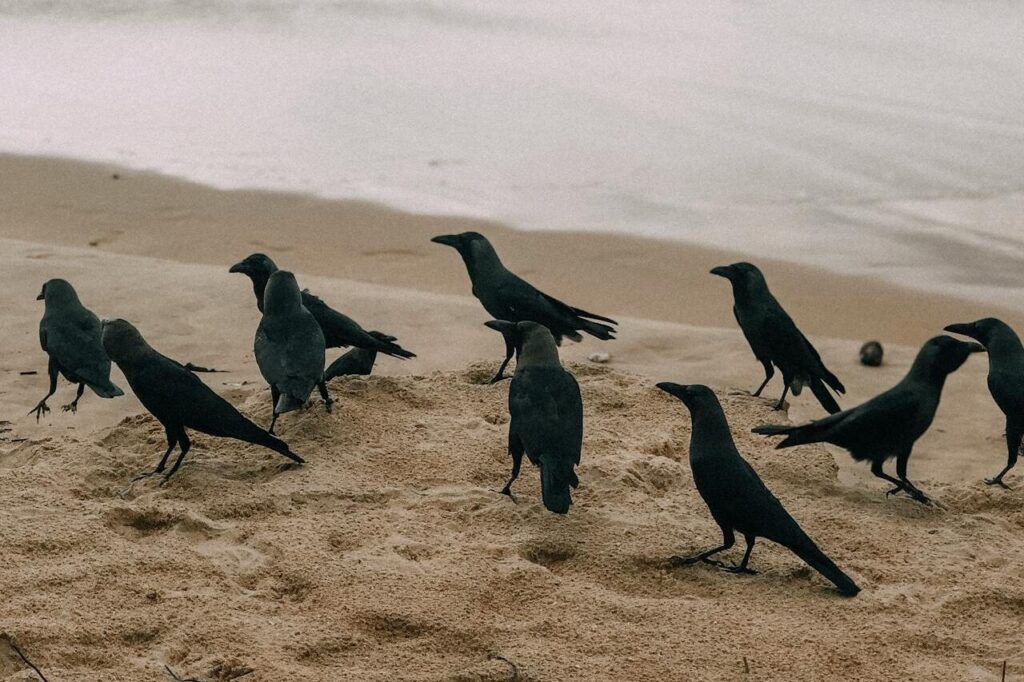
Crows have been around for some 17 million years, first appearing in the Miocene Period. Crows are also known for their remarkable intelligence. They use tools, remember human faces, and solve complex problems. Their social structures and communication skills rival those of some primates. This cognitive prowess has allowed crows to adapt to urban environments and thrive worldwide. Certain crow species, like the New Caledonian crow, are renowned for their tool use, crafting tools from twigs and other materials to extract food. They can even create compound tools by combining multiple elements. They can also tackle tasks that require reasoning, planning, and even analogical thinking.
12. Coelacanths
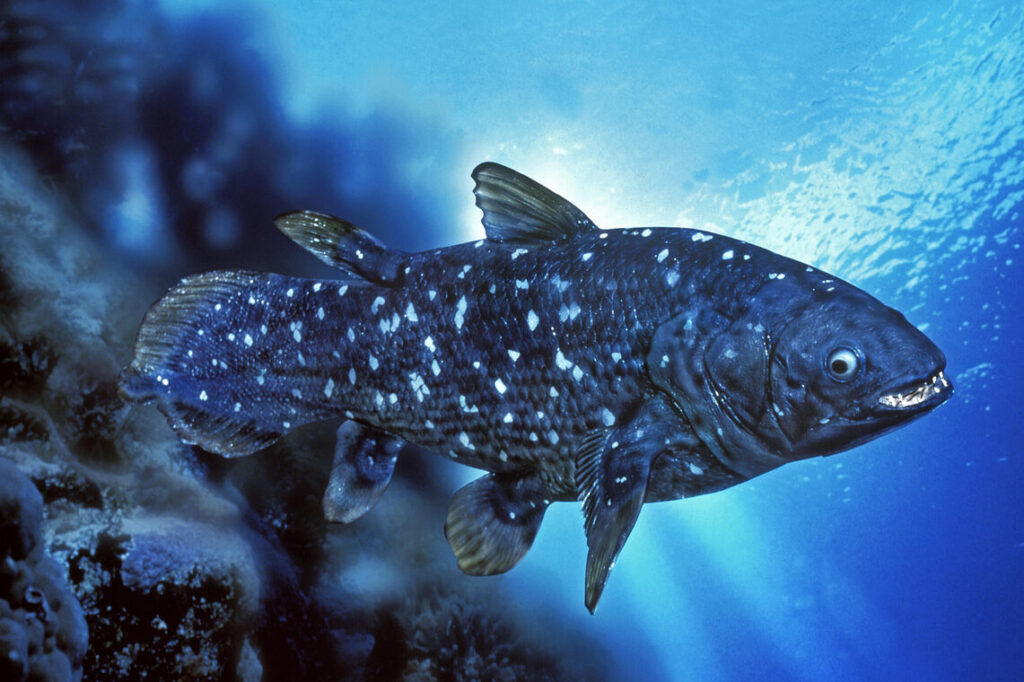
Sometimes the deep sea hides secrets that remind us of the past. Coelacanths, thought extinct for millions of years, reappeared in 1938 and stunned the world. These fish have lived for around 400 million years, sporting lobe-like fins that look almost like the beginnings of legs. Their ability to glide in deep, dark waters has kept them largely unchanged. While modern coelacanths live quietly far below the surface, they remain symbols of survival. Their story is a reminder that life can linger in hidden places, waiting to resurface when least expected, connecting us directly with Earth’s ancient history.
13. Tuataras
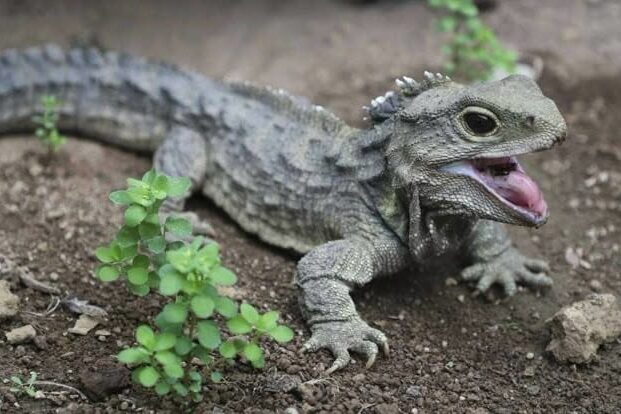
On remote islands of New Zealand, tuataras quietly carry the story of a lost world. They are not lizards, though they resemble them, but survivors of a reptilian lineage dating back 200 million years. Their unusual features include a third eye on top of their heads, sensitive to light, and a slow lifestyle that allows them to live over a century. Tuataras grow slowly, reproduce late, and thrive best without predators. Though nearly wiped out, conservation brought them back from the brink. They are living snapshots of a time when dinosaurs roamed, persisting patiently in their small corner of the world.
14. Nautiluses
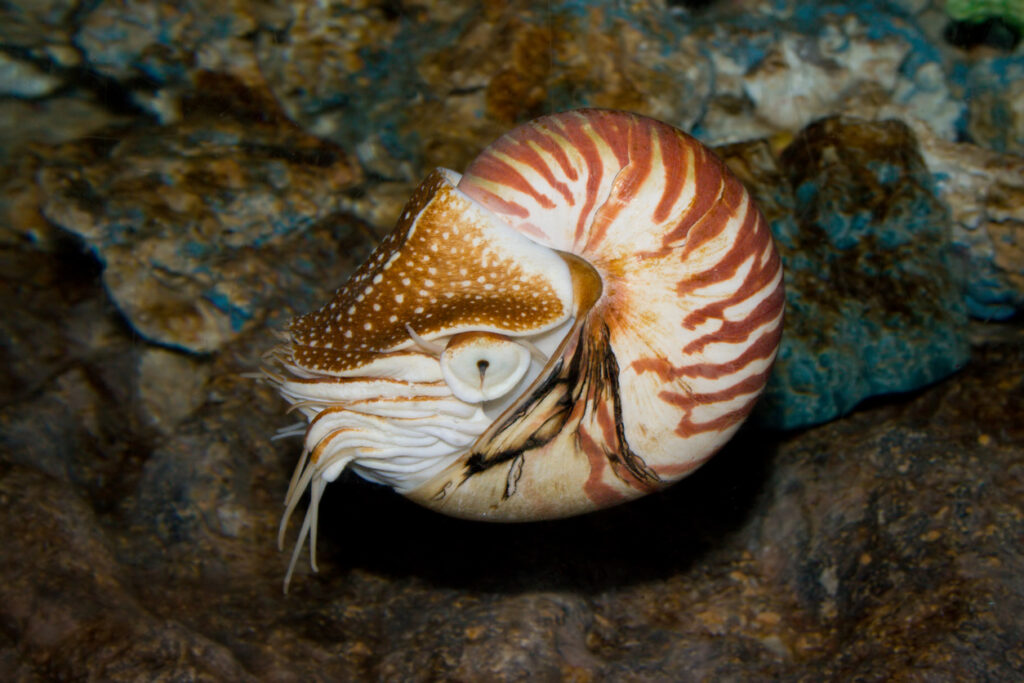
When you see a nautilus shell, perfectly spiraled and chambered, you are holding half a billion years of history. These shelled cephalopods once thrived in seas filled with ammonites and trilobites. Unlike their cousins the squid and octopus, nautiluses have hardly changed at all. Their shells act as buoyancy devices, letting them drift in the ocean depths with quiet grace. They rise at night to feed, retreating by day to deeper waters. Their survival reflects how effective their design has always been. Each nautilus reminds us that beauty, simplicity, and endurance can carry a species across countless ages.
15. Lampreys
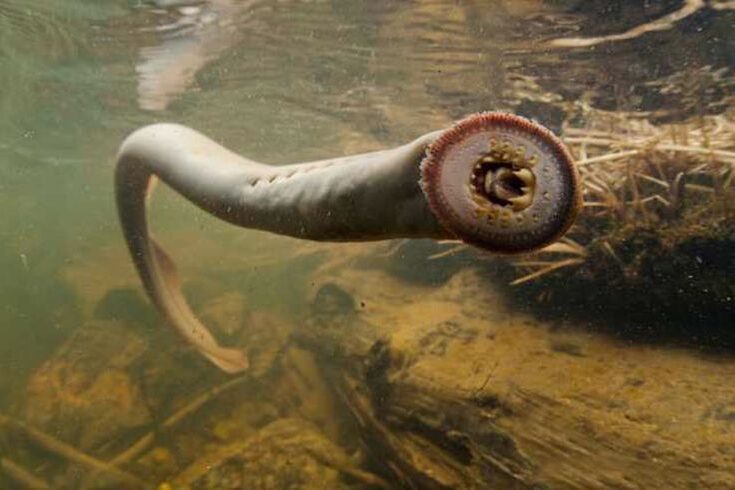
Lampreys may seem unsettling at first glance, with their round sucker mouths lined with teeth, but their history is remarkable. They have existed for more than 360 million years, surviving multiple extinctions and retaining their primitive design. Unlike most fish, they have no jaws, yet their suction-feeding lifestyle works well for them. Some species latch onto larger fish, while others simply filter feed. Their eel-like bodies reflect one of the earliest stages in vertebrate evolution. Lampreys thrive in rivers and oceans, a reminder of how survival often comes from sticking with what works rather than constant change.
16. Alligators

Alligators take us back to the Cretaceous period, about 80 million years ago. Their strong jaws, armored hides, and patience as ambush predators all mirror the traits that kept their ancestors thriving. Unlike crocodiles, alligators prefer freshwater rivers and swamps, where they wait silently for prey. Their adaptability has helped them survive threats, from ice ages to human hunting, and even make a comeback from near extinction. As apex predators, they keep ecosystems balanced. Watching an alligator glide through the water is like seeing a living fossil in motion, a link between prehistoric swamps and the wetlands we know today.
17. Dragonflies
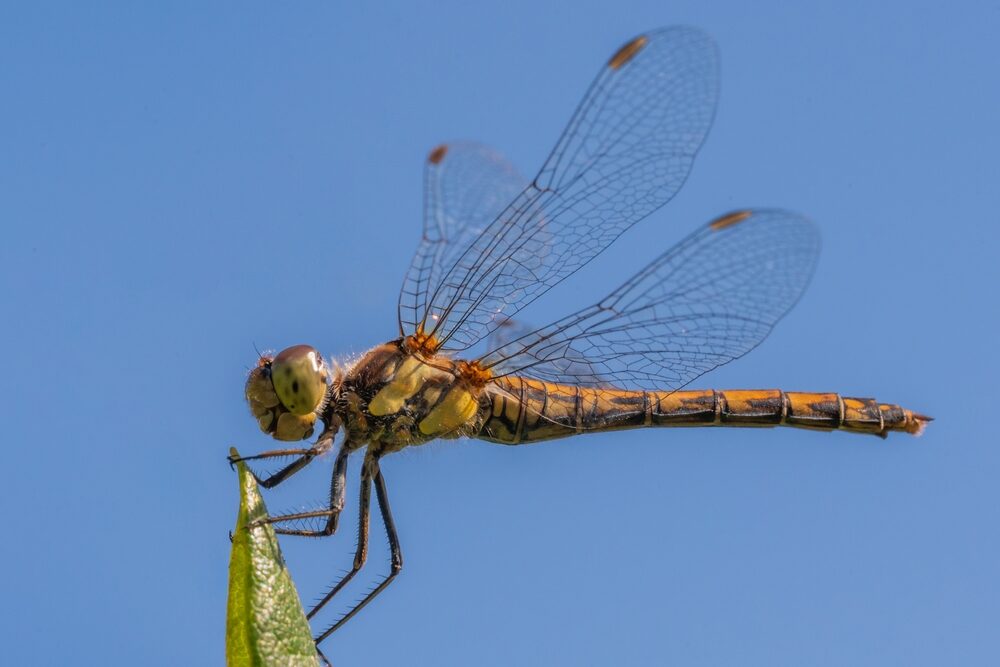
Dragonflies, flashing across ponds in bursts of color, are more ancient than many realize. They have been on Earth for over 300 million years, with ancient relatives boasting wingspans over two feet wide. Today’s dragonflies may be smaller, but they are still some of the most skilled fliers in nature. They can hover, fly backward, and dart at high speeds, making them expert hunters of mosquitoes and other insects. Their giant eyes and shimmering wings connect us to a prehistoric world. Even as landscapes changed dramatically, dragonflies thrived, proving that agility and precision can preserve life for millions of years.
18. Bats
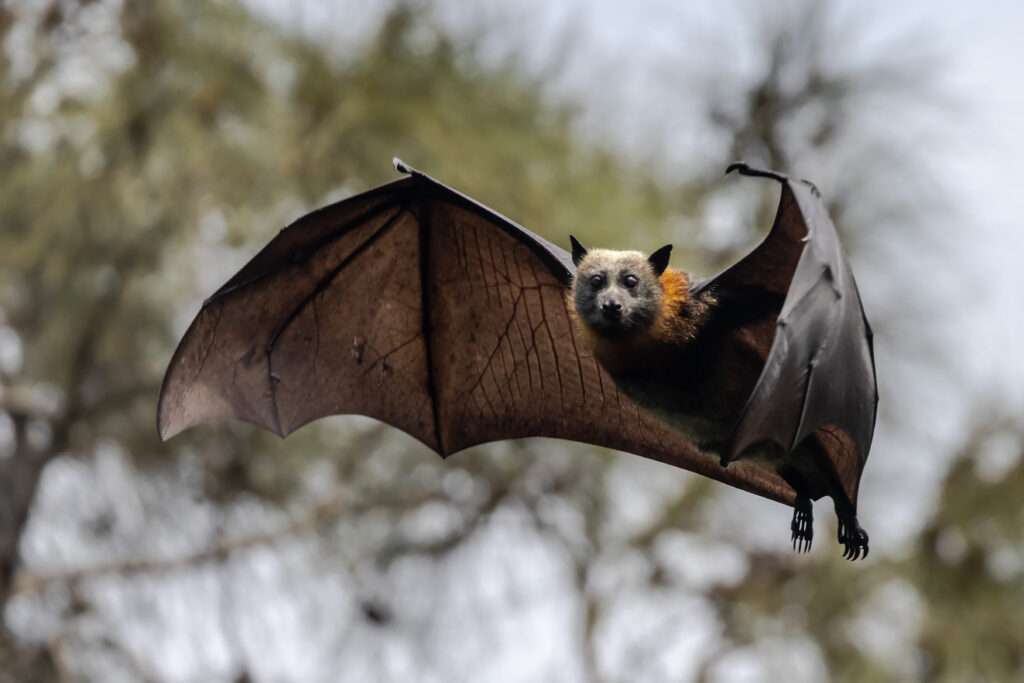
Bats have flown through the night skies for about 50 million years, their fossil records showing how little their design has changed. Using wings adapted from hand bones, they became the only true flying mammals. What makes bats extraordinary is their echolocation, a system of sound that lets them hunt in complete darkness. They pollinate flowers, spread seeds, and keep insect populations in check, playing vital roles in nature. From fruit bats in tropical forests to tiny insect-eating species in caves, their variety shows their adaptability. Quietly, bats prove that ancient designs can remain vital to the modern world.
19. Turtles
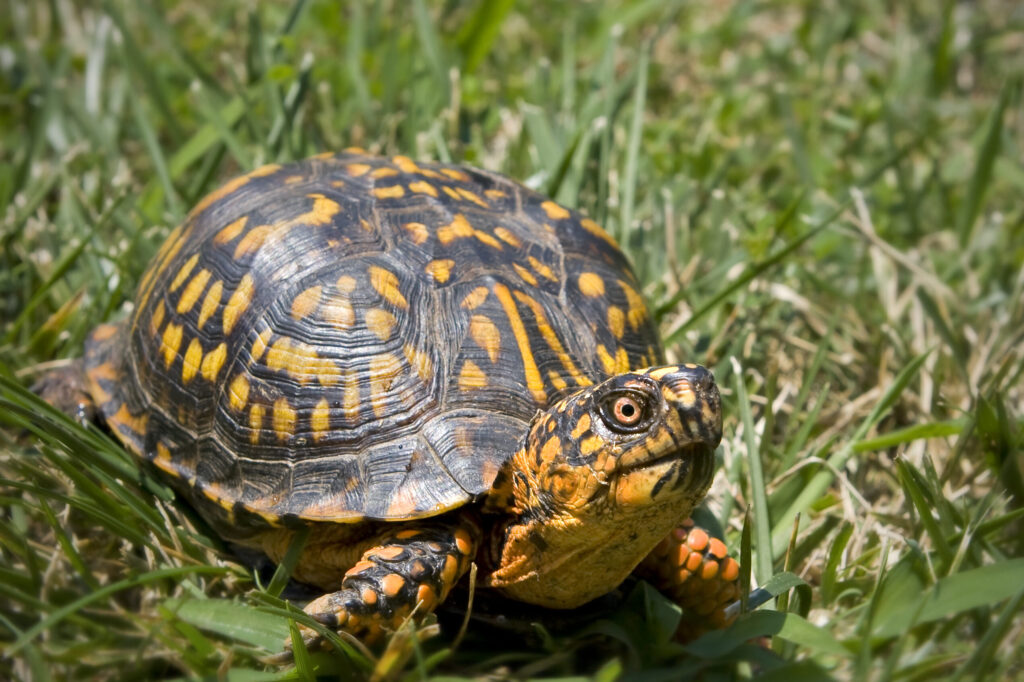
Turtles, with their domed shells and steady pace, are reminders of patience in evolution. They first appeared about 220 million years ago, already equipped with the protective armor that defines them today. Fossils show early turtles alongside dinosaurs, yet they endured while many giants vanished. Their shells shield them, while their calm adaptability carries them through oceans, rivers, and deserts. From sea turtles crossing oceans to tortoises on land, they thrive in diverse habitats. Their longevity and slow growth symbolize survival through stability. Turtles remind us that in nature, sometimes persistence and patience matter more than speed or strength.
20. Lungfish
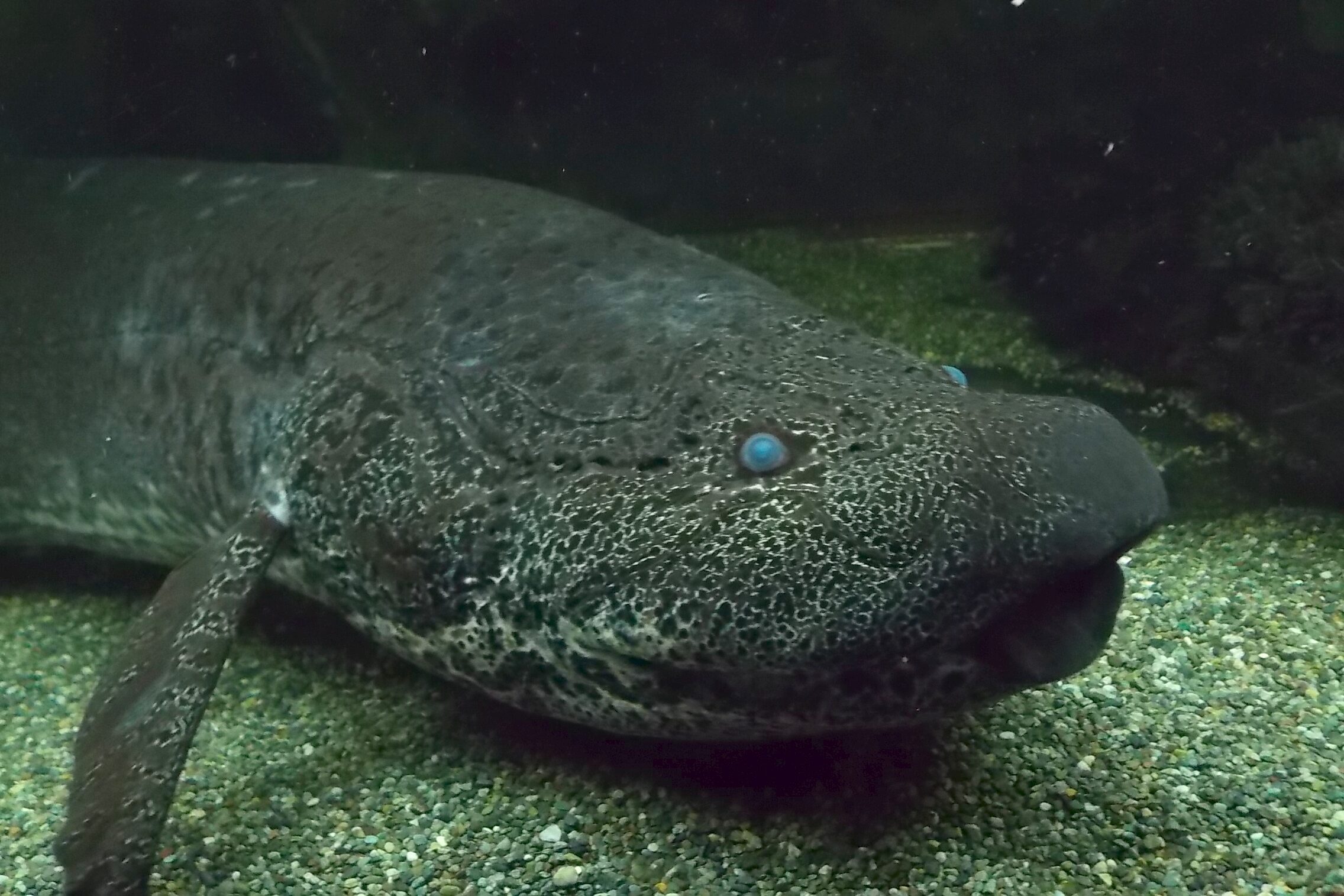
Lungfish sit at the edge of water and land, living links to one of life’s greatest transitions. Around for 400 million years, they can breathe both through gills and lungs. In droughts, they bury themselves in mud and survive for months without water, waiting until rains return. This amphibious lifestyle made them pioneers of adaptability. Fossils reveal early lungfish experimenting with fins that hinted at limbs. Modern species in Africa, South America, and Australia still carry this legacy. Their survival is a reminder of how resilience comes in many forms, especially when life demands adjustment to shifting environments.
21. Armadillos

Armadillos may look unusual today, but their armored design has ancient origins. Their ancestors date back 60 million years, and some grew to enormous sizes, like the extinct glyptodonts that resembled moving tanks. Modern armadillos are smaller, but their bony plates protect them from predators while they forage for insects and roots. Their digging habits shape soil and influence ecosystems, showing how even small animals play big roles. Found mainly in the Americas, they continue to adapt and thrive. Their quiet persistence highlights how nature’s solutions often endure, whether in the massive forms of the past or in today’s smaller survivors.
22. Giant Salamanders
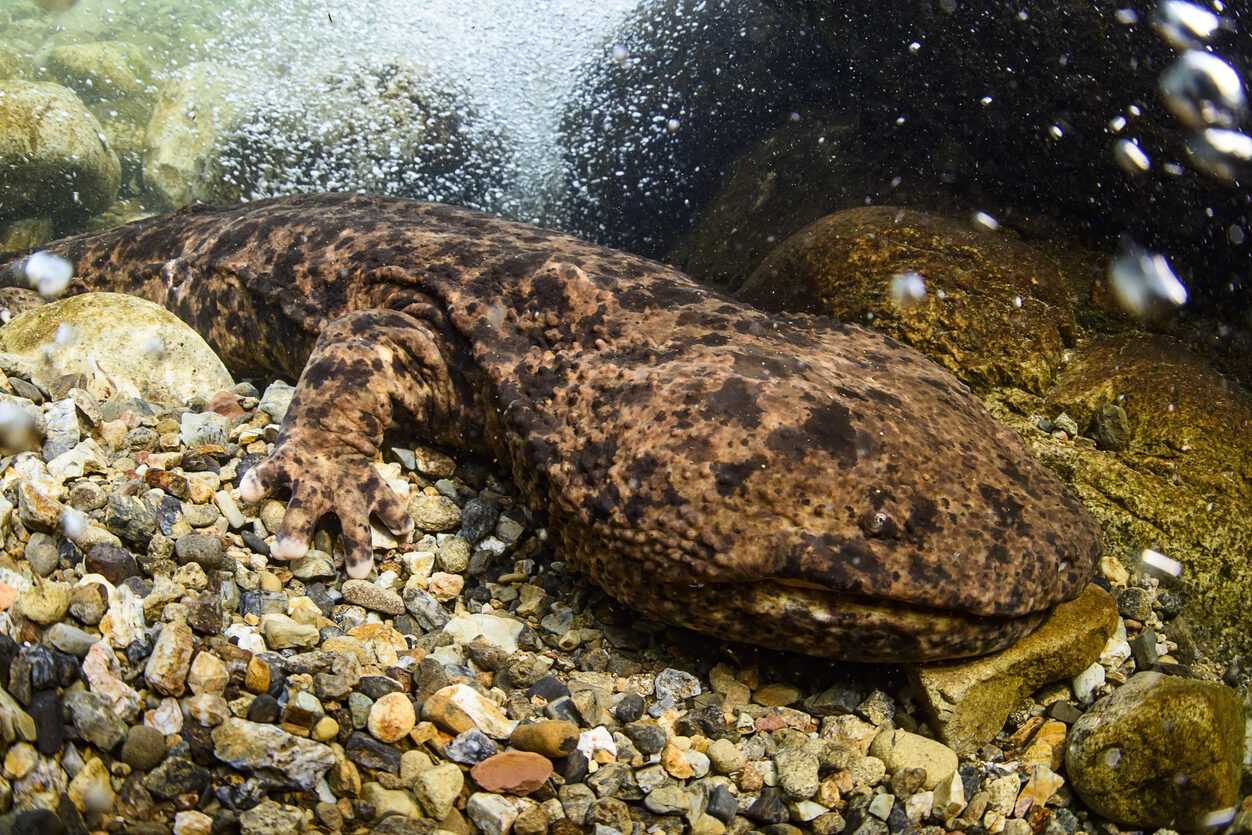
Giant salamanders are like shadows of the Jurassic, having existed for about 160 million years. Found in streams and rivers, especially in Asia, they can grow over five feet long. These amphibians breathe partly through their skin, which is covered in folds to absorb oxygen from the water. They feed on fish and insects, lurking quietly beneath rocks before striking. Their sluggish movements and longevity echo the patience of ancient creatures. Despite their size, they remain vulnerable, with many now endangered due to pollution and habitat loss. Still, their presence keeps us connected to the age of dinosaurs.
23. Opossums
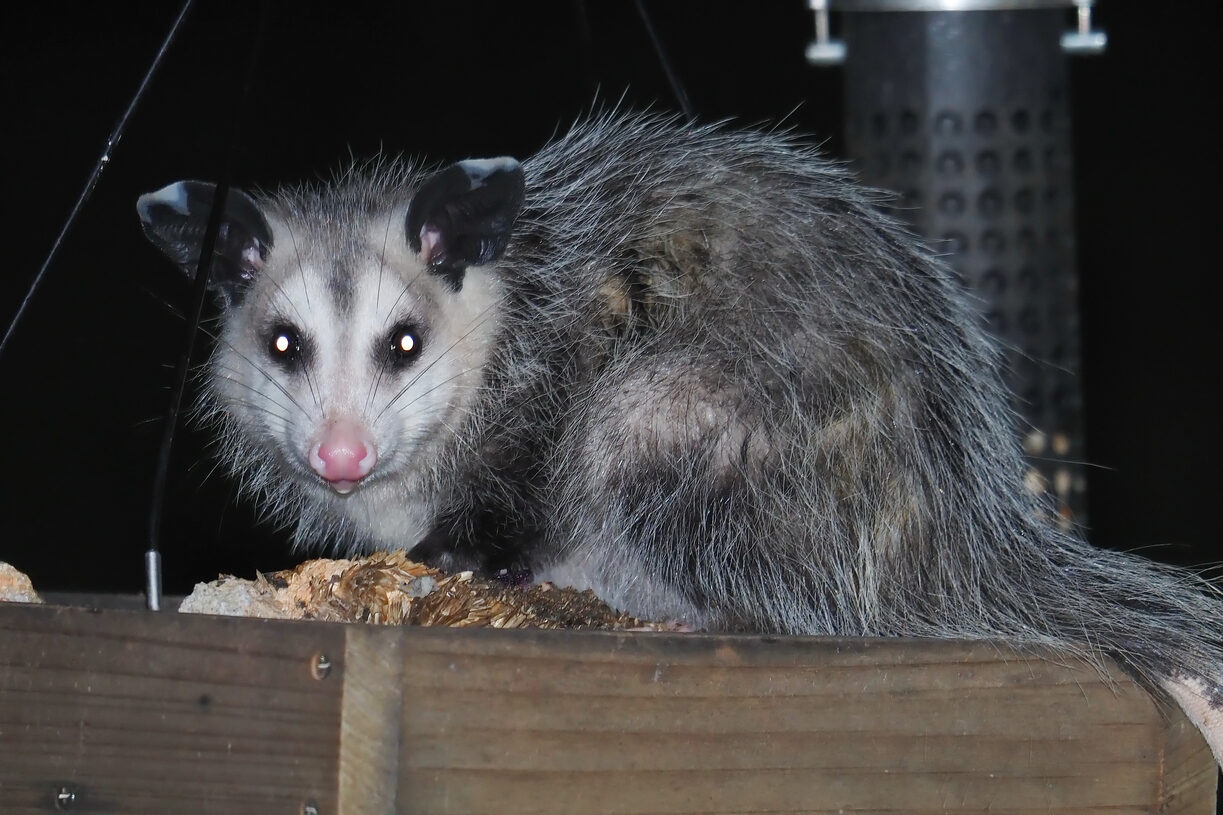
Opossums are humble marsupials, often overlooked, yet their lineage goes back about 70 million years. Surviving the mass extinction that wiped out the dinosaurs, they endured by being adaptable and opportunistic. Known for their ability to play dead when threatened, they thrive in forests, cities, and rural areas alike. With sharp teeth and prehensile tails, they make resourceful scavengers. Opossums also help control tick populations, making them surprisingly useful neighbors. Their survival through changing times shows how resilience does not always come with size or strength but with flexibility and cleverness, quietly ensuring their place in modern landscapes.
24. Sturgeon
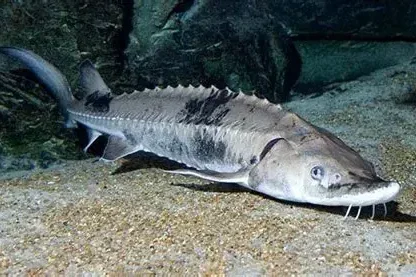
Sturgeons swim through rivers and lakes as though time itself has barely touched them. Around for 200 million years, they are large, bony fish with armored plates instead of scales. Growing to impressive sizes, some species reach over fifteen feet long. Their slow growth and late maturity make them vulnerable to overfishing, but their ancient design is as striking as ever. They are filter feeders and bottom dwellers, using sensitive barbels to detect food. Sturgeons remind us that rivers carry more than water; they hold lifelines from the deep past, linking today’s ecosystems with prehistoric freshwater worlds.
25. Hagfish
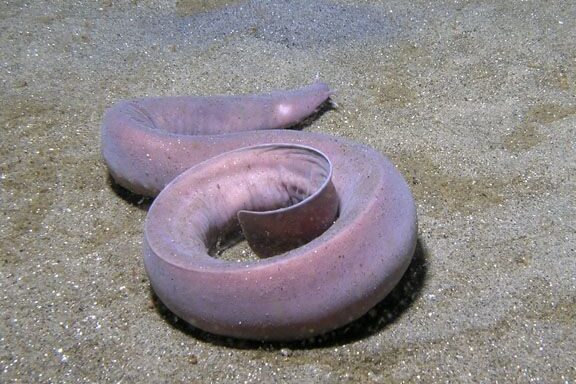
Hagfish are among the strangest survivors, existing for about 300 million years. They have no jaws, no bones, and rely on a simple yet effective feeding strategy. These eel-like scavengers slip into dead or dying animals and consume them from within. Their defense mechanism is slime, produced in large amounts to clog the gills of predators. Equally unusual, hagfish can tie themselves in knots to scrape slime away. Despite their odd appearance, they help recycle nutrients in the ocean. Their persistence across geological ages proves that survival sometimes comes from being strange, specialized, and perfectly suited to your niche.
26. Crinoids
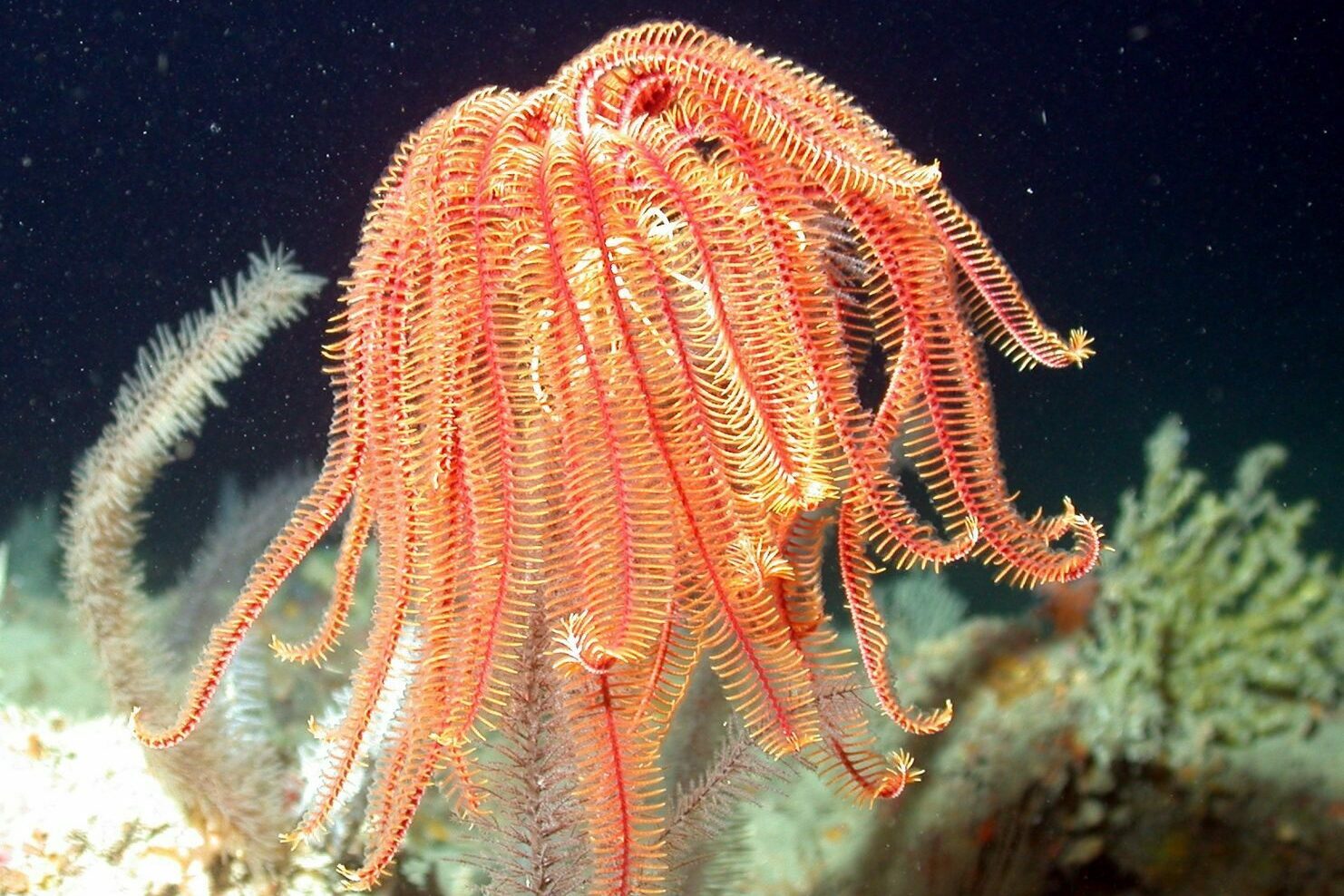
Crinoids, also called sea lilies, may look like plants anchored to the sea floor, but they are animals related to starfish. Their fossil record stretches back 450 million years, once dominating ancient seas in vast meadows. Today, some still live in deep waters, waving feathery arms to catch drifting plankton. Though far fewer than in their prime, crinoids remain remarkable examples of endurance. Their delicate appearance hides their ancient story, where oceans shifted and species vanished around them. To find a crinoid alive is like seeing a thread unbroken between the oceans of the past and the seas we know.
27. Sea Urchins
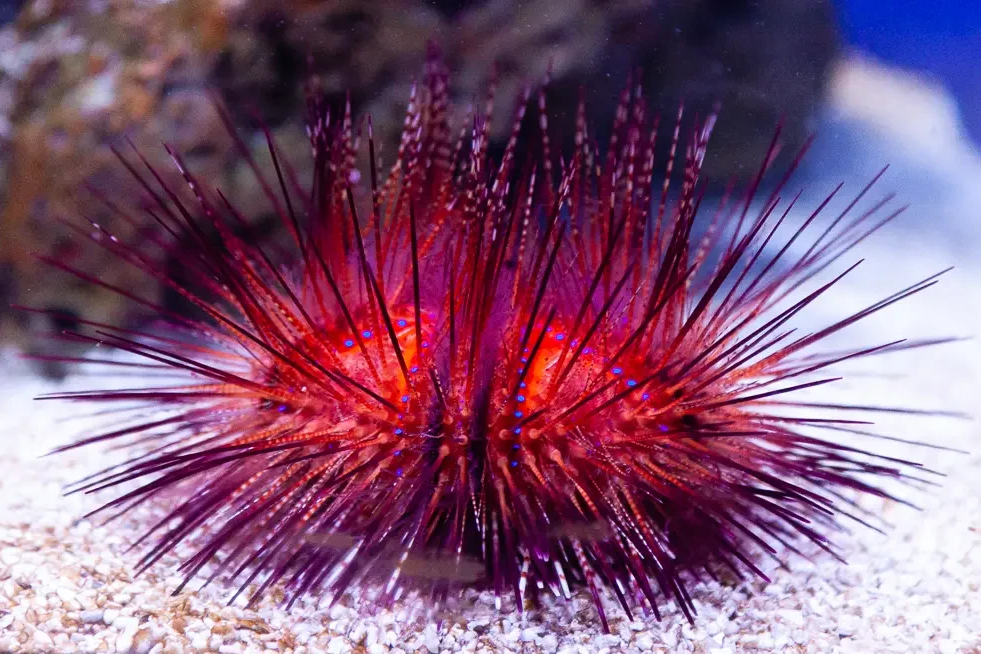
Sea urchins, spiny spheres dotting rocks and reefs, trace their roots back nearly 450 million years. Their design has hardly changed, and for good reason. Using tube feet and movable spines, they graze on algae and recycle nutrients. Their round shapes and spiny defenses make them difficult prey, ensuring their place in marine ecosystems. Some species have lifespans stretching over a century, quietly thriving on the seafloor. While humans often see them as obstacles when swimming, their persistence tells another story. Sea urchins remind us that resilience sometimes looks simple, but it carries the weight of ages behind it.
28. Starfish

Starfish, or sea stars, are ocean wanderers that have remained virtually unchanged for around 450 million years. With their five arms and ability to regenerate lost limbs, they embody resilience. Fossils reveal that ancient sea stars looked strikingly similar to those we see clinging to rocks and reefs today. They move using tube feet and hunt by everting their stomachs to digest prey outside their bodies. Despite their simplicity, they are key players in marine ecosystems. Their survival demonstrates that nature’s designs, when effective, can last through unimaginable stretches of time, linking ancient oceans to those of our present day.
29. Silverfish
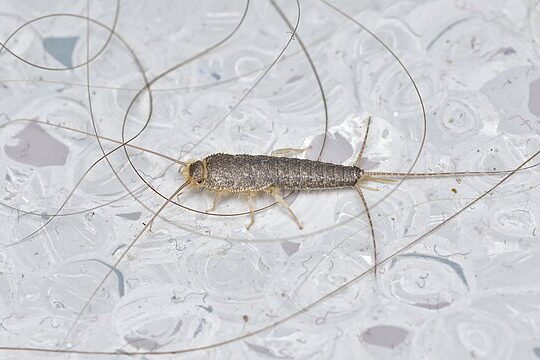
Silverfish are small, fast-moving insects often found scuttling in our homes, yet they have a lineage dating back around 400 million years. Their elongated bodies and quick, darting movements have kept them successful for ages. They thrive in dark, moist spaces, feeding on starchy materials like paper and glue. While humans consider them pests, silverfish are survivors that never needed wings or advanced features to endure. Their ancient design has persisted since long before mammals existed. To see one today is to glimpse an insect whose story stretches back to the earliest days of terrestrial life on Earth.
30. Horseshoe Shrimp
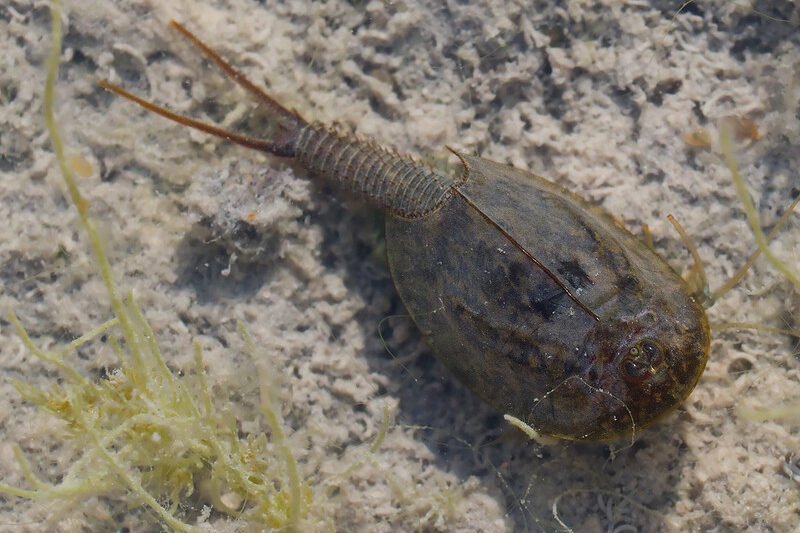
Horseshoe shrimp, though only discovered in the 1950s, are living representatives of a lineage dating back 500 million years. These tiny crustaceans, also called cephalocarids, inhabit muddy seafloors and are rarely seen. They have simple bodies, with no eyes and few appendages, yet their design is efficient. Their survival over such immense time is a quiet triumph of function over flash. Living in obscurity, they escaped the pressures that ended so many other species. The horseshoe shrimp’s survival highlights how small, unnoticed creatures can often carry the weight of ancient history into the modern world.
31. Monotremes
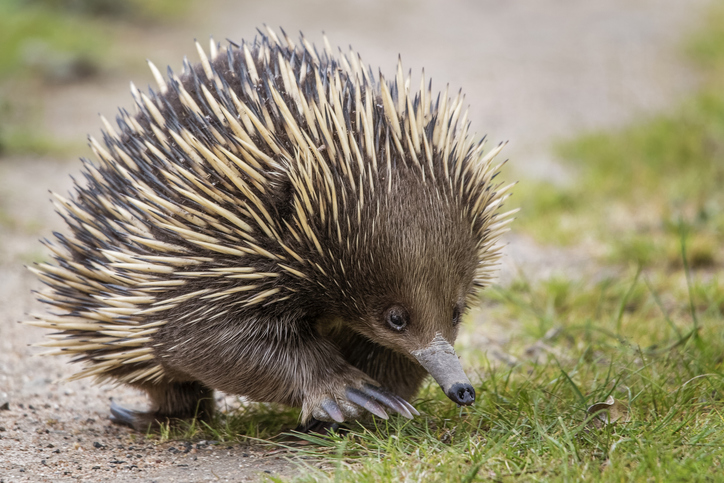
Monotremes, including the platypus and echidna, are mammals with unusual traits that trace back 110 million years. Unlike most mammals, they lay eggs, a feature inherited from reptilian ancestors. The platypus combines a duck-like bill, webbed feet, and the ability to detect electrical signals in water, making it one of the strangest animals alive. Echidnas, covered in spines, dig for ants and termites with specialized snouts. Though their features seem mismatched, they are survivors that bridge evolutionary gaps. Monotremes show us that life can keep traits from the past while still thriving in the present, blending old and new seamlessly.
32. Rays

Rays, from stingrays gliding along sandy bottoms to manta rays soaring in open waters, trace their ancestry back 150 million years. Related to sharks, they share cartilaginous skeletons and graceful movements that make them masters of the sea. Their flattened bodies and wing-like fins allow them to maneuver with elegance, while their varied diets help them adapt to different habitats. Fossil evidence shows their form has remained steady since the Jurassic. Whether small or massive, rays carry forward an ancient design perfected long ago. Their survival reflects nature’s tendency to preserve beauty and efficiency when both serve so well.
33. Scorpions

Scorpions scuttle across deserts and forests as survivors from 430 million years ago. Among the first animals to step onto land, their design remains instantly recognizable. With pincers, segmented bodies, and venomous stingers, they are skilled predators of insects and small animals. Fossils show giant scorpions once prowled ancient swamps, some nearly two feet long. Modern scorpions are smaller, yet their strategy of ambush and defense has kept them thriving. Their eerie glow under ultraviolet light adds mystery, but their story is simple: resilience through adaptation. Scorpions connect us to a time when land was just beginning to welcome life.
34. Lobsters
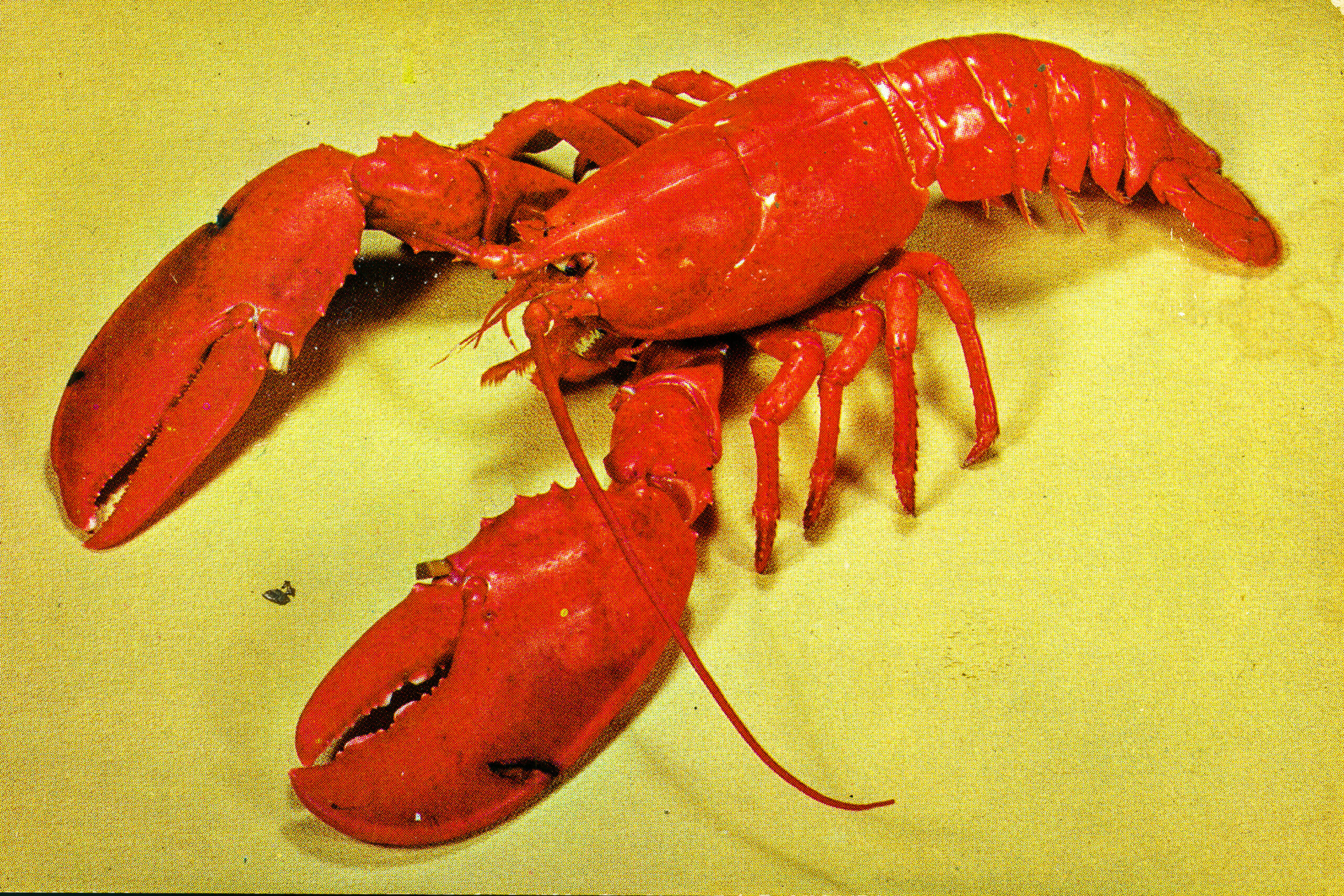
Lobsters crawl along ocean floors today much as they did 360 million years ago. Fossils of ancient lobsters look strikingly similar to modern ones, with segmented bodies, strong claws, and antennae. Their hard shells protect them, while their powerful pincers make them skilled hunters and scavengers. Lobsters grow slowly and can live for decades, some even surpassing a century. Their design, perfected long ago, has proven durable through countless changes in Earth’s seas. Lobsters remain reminders of persistence in simplicity, creatures that carried their ancient traits forward with little need for change as oceans transformed around them.
35. Crabs
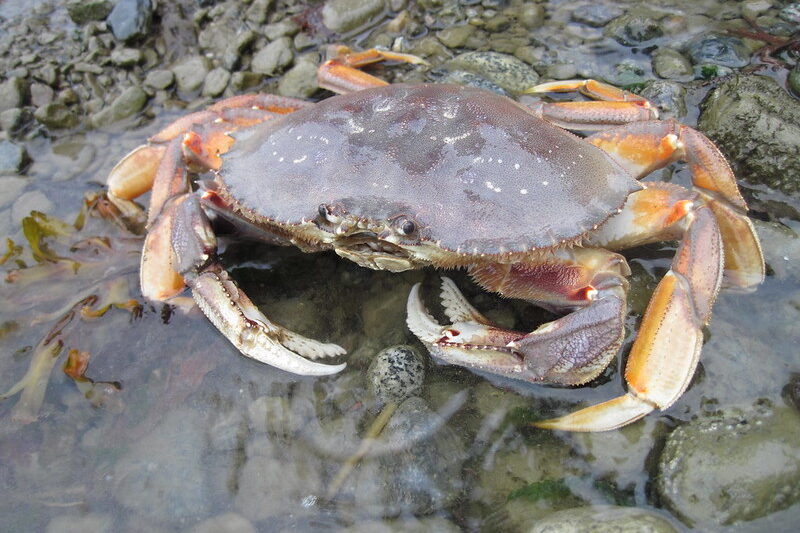
Crabs may seem commonplace, but their body plan has been perfected for 150 million years. With hard shells, strong claws, and sideways scuttles, crabs have conquered oceans, rivers, and even land. The evolutionary process known as carcinization has seen multiple crustaceans evolve into crab-like forms, a sign of its effectiveness. Fossil crabs already looked much like those we see today in tide pools and kitchens. Their adaptability ensures their place almost everywhere water meets land. Crabs remind us that when nature finds a winning formula, it repeats it, carrying that success across ages and into our daily encounters.
36. Millipedes
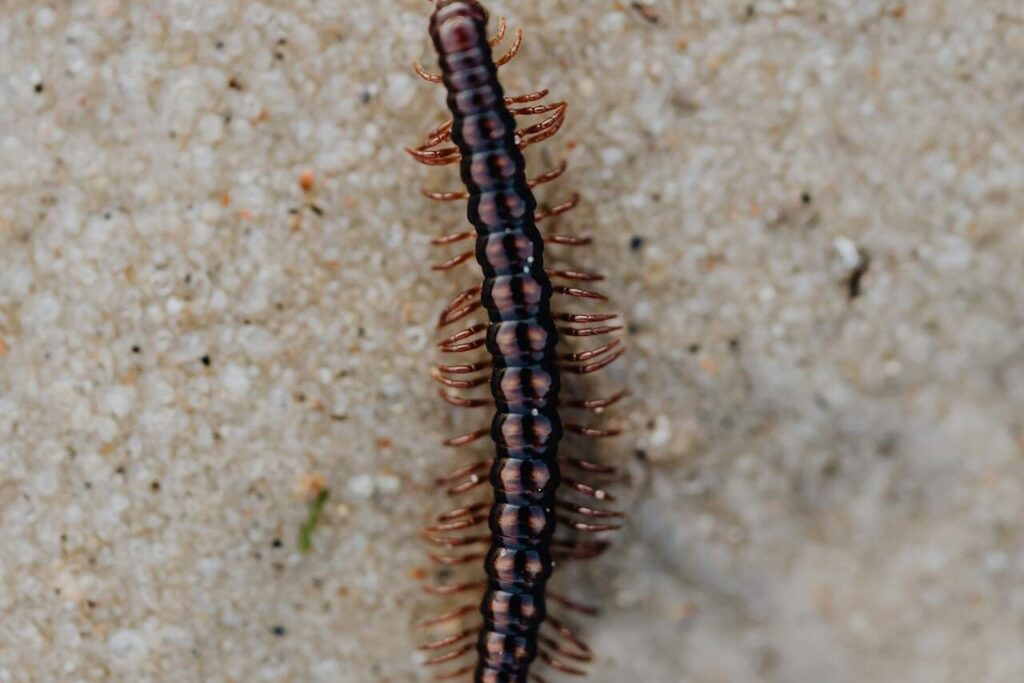
Millipedes were among the first large animals to walk on land about 400 million years ago. Fossils of their giant ancestors show species stretching over six feet long. Today’s millipedes are smaller but still carry the same segmented, multi-legged design. They feed mostly on decaying plant matter, recycling nutrients and playing quiet but vital ecological roles. Their ability to curl into tight coils for defense is simple yet effective. Millipedes have endured vast environmental shifts by sticking to their modest niche. Their persistence is proof that life often succeeds not through flashiness but through steady service to the soil.
37. Velvet Worms

Velvet worms, soft-bodied creatures covered in velvety skin, have been around for 500 million years. Though they look worm-like, they are unique predators, shooting jets of sticky slime to trap prey. Found in damp forests, they crawl slowly on stubby legs, connecting modern biodiversity to ancient seas where their ancestors once thrived. Their survival across multiple mass extinctions is remarkable. Velvet worms are living bridges between the ocean’s earliest creatures and today’s land animals. Their story shows that even the smallest, strangest organisms can outlast giants, carrying a legacy of resilience tucked into forests and leaf litter.
38. Polypterus
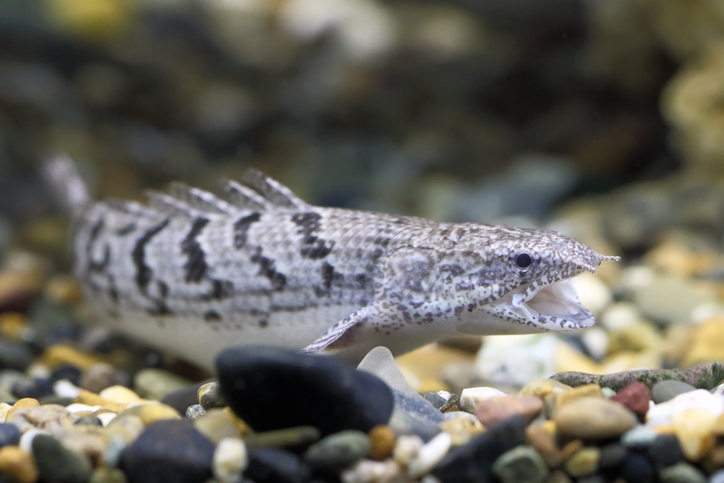
Polypterus, or bichirs, are freshwater fish from Africa with origins about 100 million years ago. They are sometimes called dinosaur fish because of their primitive traits, like lungs that allow them to breathe air and thick, armored scales. Their ability to gulp air at the surface helps them survive in oxygen-poor waters, while their elongated bodies let them move with snake-like grace. These fish show how ancient adaptations remain useful in today’s environments. Polypterus represent living windows into a world where fish first experimented with traits that would eventually lead creatures onto land, blending old endurance with present survival.
39. Anchovies and Sardines
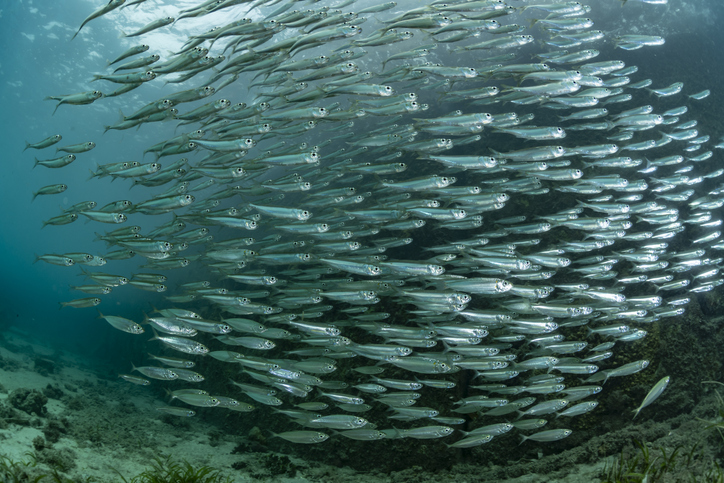
Anchovies and sardines may seem ordinary, but their group, the clupeiforms, has been around for about 140 million years. Their schooling behavior is one of nature’s oldest strategies for survival, protecting individuals through the safety of numbers. These small fish feed countless predators, from seabirds to whales, making them linchpins in marine ecosystems. Their streamlined shapes and rapid reproduction have kept them abundant through time. Though often overlooked as humble food fish, their persistence is a reminder that even the smallest species can carry vast histories, shaping both ecosystems and human diets through generations.
40. Stick Insects
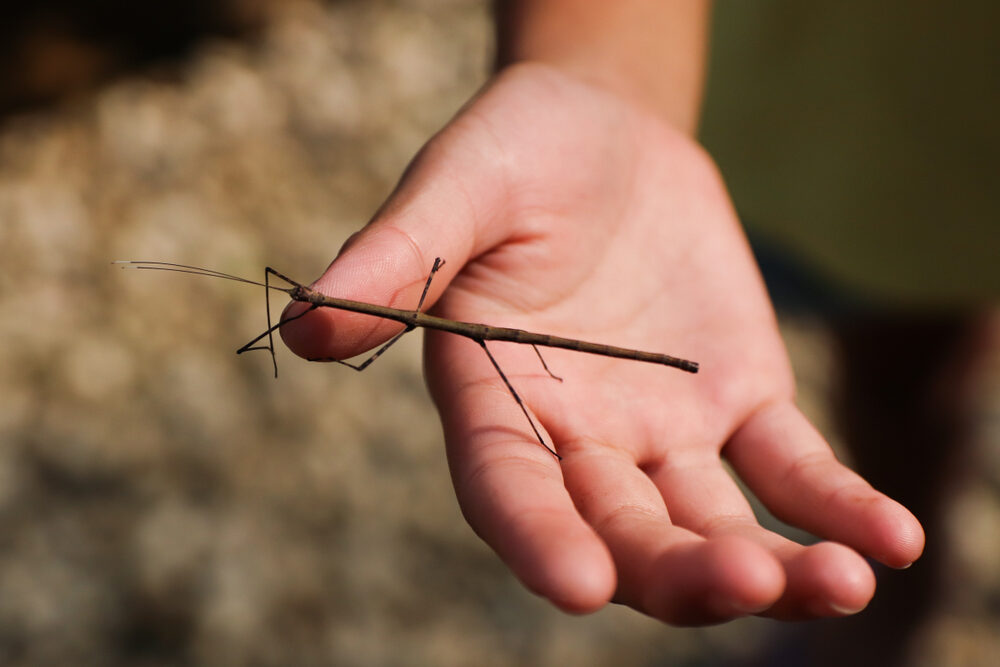
Stick insects, with their uncanny twig-like disguises, trace their history back about 126 million years. Fossils show that even ancient stick insects mimicked plants almost perfectly, an evolutionary trick that has stood the test of time. Their camouflage protects them from predators, allowing them to blend into branches and leaves. Found in forests around the world, they live quietly, often going unseen. Their survival reflects how sometimes invisibility is the best defense. Stick insects close our journey through living prehistory, reminding us that life endures in many forms, from giants of the deep sea to silent twigs in the trees.
This story 40 Prehistoric Creatures Still Alive Today was first published on Daily FETCH


