
1. Coke’s “World Peace” under Capitalism
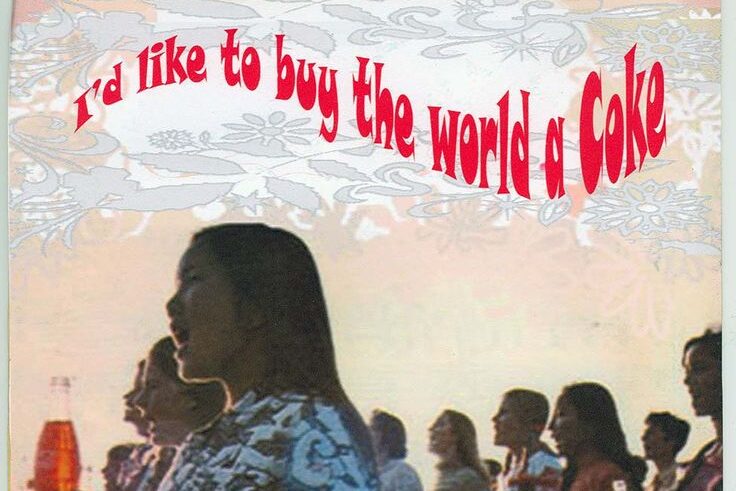
The 1971 Coca-Cola “Hilltop” ad—famous for “I’d Like to Buy the World a Coke”—painted a utopian vision of global unity. But beneath the hand-holding and harmony, critics saw a subtler message: world peace, brought to you by soda. The campaign fused consumerism with idealism, turning a soft drink into a symbol of unity—while boosting Coke’s global identity. Was it about peace or product placement?
2. CK Jeans and the Provocative Brooke Shields
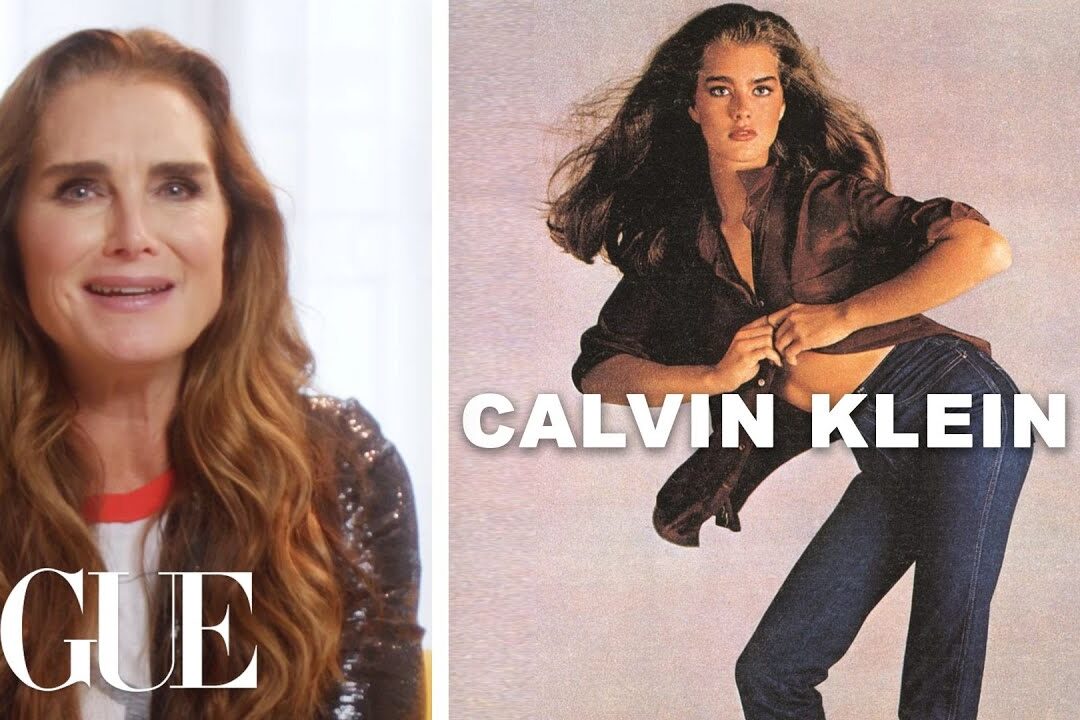
“Nothing comes between me and my Calvins.” That tagline launched 15-year-old Brooke Shields into icon status—and controversy. Many found the ad sexually suggestive and exploitative, especially with Shields’ age. Networks banned it, debates flared, and Calvin Klein got exactly what it wanted: attention. But it also kicked off a larger conversation about exploitation in fashion advertising.
3. Taco Bell’s Chihuahua and Racial Stereotypes
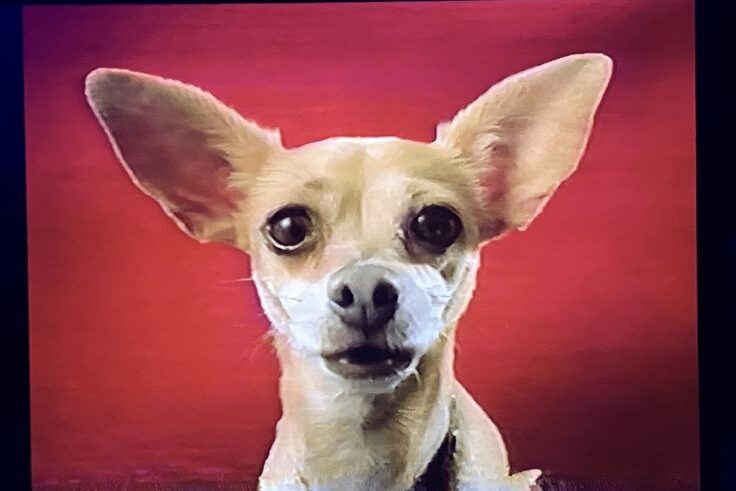
“¡Yo quiero Taco Bell!” became a 1990s catchphrase, but not everyone laughed. Critics said the campaign reduced Latino culture to a caricature. While the chihuahua was undeniably popular, the backlash raised serious questions about racial stereotypes in advertising—and whether “cute” can cross a cultural line.
4. Joe Camel: Cartoonizing Cigarettes for Kids?
With sunglasses and swagger, Joe Camel didn’t look like a health hazard. That was the problem. A 1991 study found kids recognized Joe Camel as easily as Mickey Mouse. Public health groups accused the brand of targeting children. The campaign was dropped in 1997 after mounting pressure, marking a major turning point in tobacco marketing.
5. McDonald’s “Mac Tonight” Moon‑Head Flip

Originally created in the ’80s to promote dinner hours, McDonald’s moon-headed lounge singer “Mac Tonight” had jazzy charm. But in the 2010s, internet trolls transformed him into “Moon Man,” a hate meme laced with racist lyrics. The Anti-Defamation League eventually listed Moon Man as a hate symbol—a bizarre, disturbing twist for a fast-food mascot.
6. Pepsi’s Jenner Protest Ad; Tone‑Deaf Tray of Social Justice
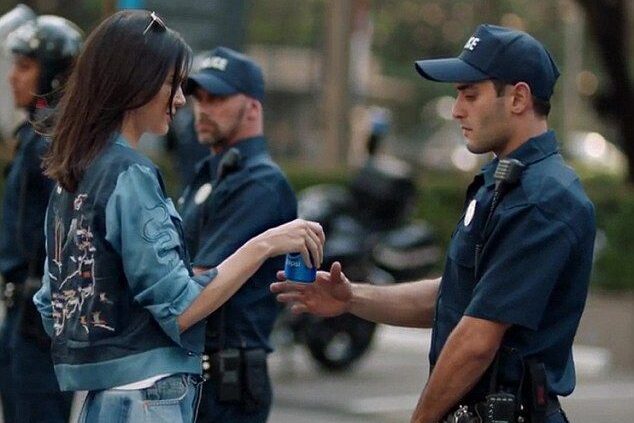
In 2017, Pepsi released a protest-themed commercial featuring Kendall Jenner diffusing tensions by handing a cop a soda. Meant to symbolize unity, it landed as tone-deaf. Critics said it trivialized real activism, and Bernice King even tweeted a photo of her father at a protest, calling out the ad’s sanitized depiction. It was pulled within 48 hours.
7. Apple’s “1984”; Rebellion or Propaganda?
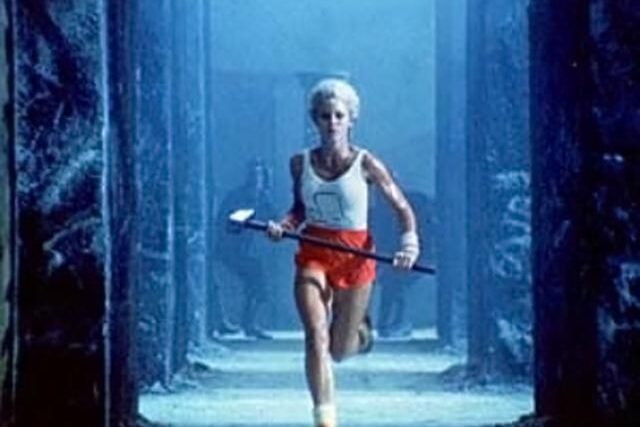
Apple’s legendary “1984” Super Bowl spot cast itself as a revolutionary underdog taking on IBM. But as Apple grew into a tech giant, some critics saw the ad as ironic. Was it warning against corporate control—or just offering a sleeker version of it? Either way, it became a masterclass in myth-making through advertising.
8. Burger King’s “Subservient Chicken” Came to Life

In 2004, Burger King’s “Subservient Chicken” let users type in commands to control a person in a chicken suit. It was absurd, viral, and deeply interactive. But it also blurred the line between fun and unsettling—putting power dynamics and brand manipulation under a digital microscope.
9. Folgers’ “Wife, Brew Better!” Coffee
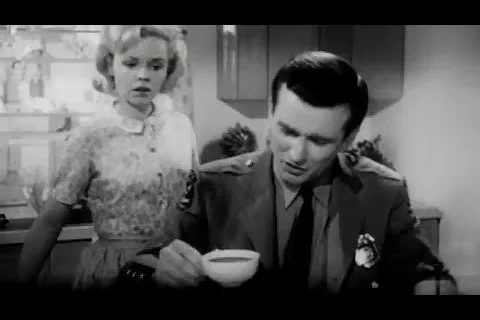
Those old Folgers commercials weren’t just about coffee—they reinforced 1960s gender roles. Wives were scolded for bad brewing, husbands played the smug critic, and the message was clear: your worth might boil down to breakfast. Today, they’re cited as textbook examples of casual sexism in advertising history.
10. Taster’s Choice’s Soap-Opera Coffee
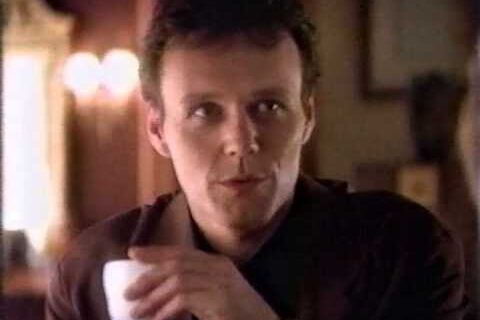
In the ‘90s, Taster’s Choice turned coffee commercials into mini love stories. Viewers tuned in for the romantic tension as much as the product. The campaign boosted sales, but also raised eyebrows—was it still an ad, or serialized storytelling disguised as one? Either way, it showed just how emotionally immersive commercials could get.
11. Chevy Nova’s Language Flop
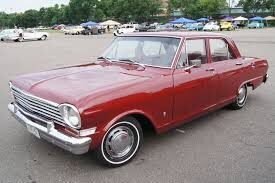
You’ve probably heard this one: Chevy Nova failed in Latin America because “no va” means “doesn’t go.” Sounds like a branding disaster—but it’s mostly myth. The car sold reasonably well, and GM was aware of the translation. Still, the story lives on as a cautionary tale about global naming blunders, real or not.
12. Nike’s Beatles “Revolution” Mix-Up
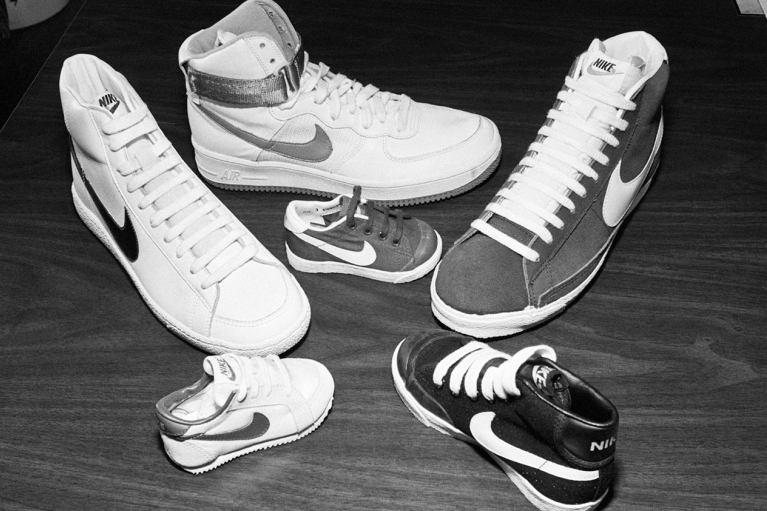
In 1987, Nike used the Beatles’ “Revolution” in a sneaker ad—without the band’s permission. Yoko Ono had licensed the rights, but Paul McCartney and others were outraged. They sued, arguing the music’s meaning was distorted by corporate use. It became a landmark dispute over artistic integrity vs. commercial rights.
13. Dr Pepper’s “I’m a Pepper” Cult Vibe
Dr Pepper’s 1970s jingle—“I’m a Pepper, he’s a Pepper…”—was more than catchy. It built a community around identity, not just soda. Some praised the campaign’s brilliance; others found it eerie how quickly a soft drink created a fan culture. Was it belonging—or branding gone too far?
14. Charmin’s Mr Whipple and the Toilet-Paper Obsession
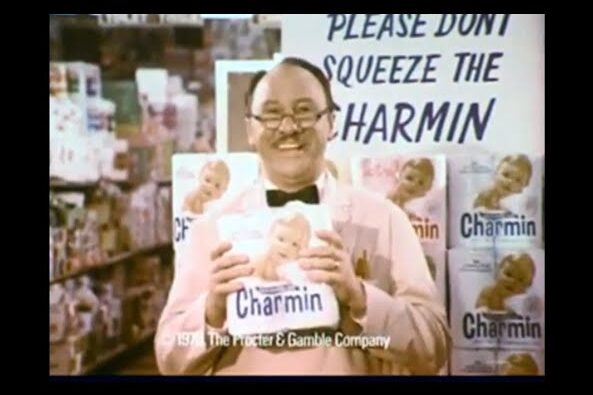
“Please don’t squeeze the Charmin!” ran for over 20 years, with grocer Mr. Whipple secretly doing exactly that. The campaign turned a bathroom product into a cultural icon—but also brought private behavior into public space. It was cheeky and innocent on the surface, yet it subtly pushed the boundaries of what was “okay” to sell—and how intimately.
This story 14 Classic American Commercials That Snuck In Weird or Controversial Easter Eggs was first published on Daily FETCH


