
Alligator, Mississippi
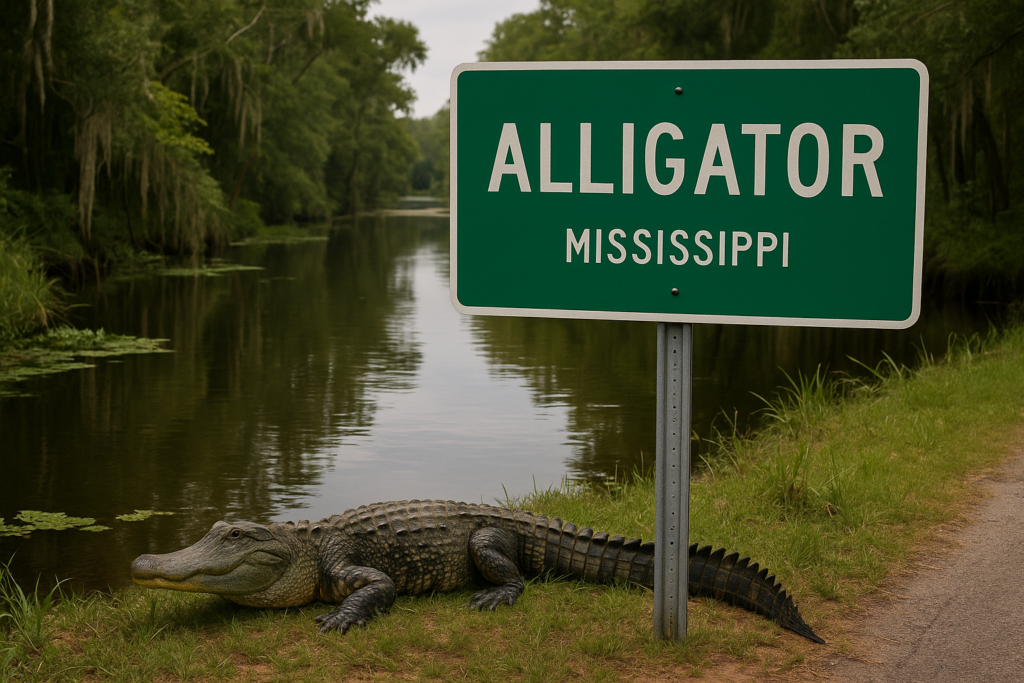
You don’t name a town Alligator because you’re trying to sound cuddly. This tiny Mississippi Delta community got its name the old-fashioned way by scaring people. Back in the late 1800s, settlers swore they saw gators cruising through the bayous like they owned the place. Others claim the name came from a steamboat called Alligator that once chugged along the river. Either way, with swampy lowlands, slow-moving water, and heat that feels like it has teeth, the name stuck like a warning sign on a dock.
Today, fewer than 200 people live in Alligator, and while you won’t find a souvenir shop shaped like a reptile, the town still has bite. It doesn’t do gimmicks, no plastic gator heads, no “Welcome to the Swamp” signs. Just a sleepy stretch of road with a name that makes you double-check the water before you dip a toe in. In a world of cute town names like Daisy or Happy, Alligator is a growl, not a grin.
Bat Cave, North Carolina
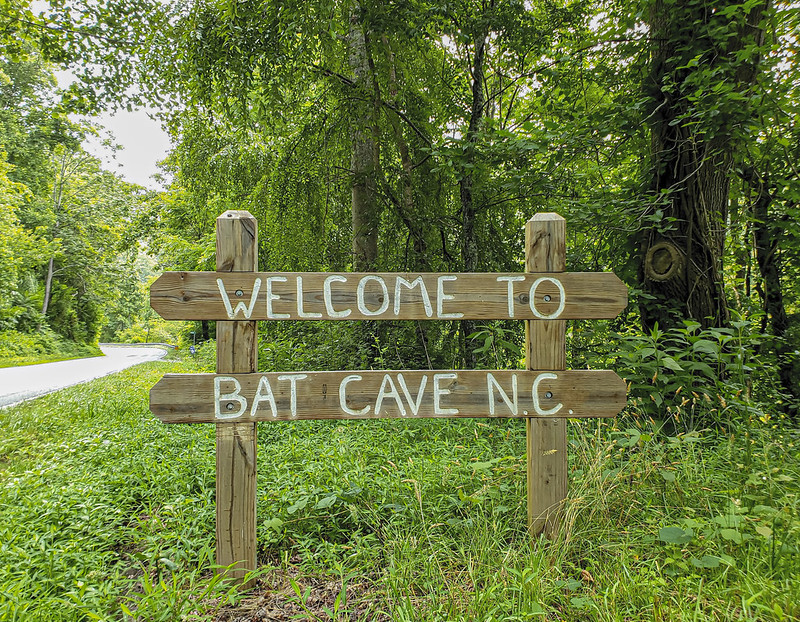
No, it’s not a Batman theme park, and yes, the name is entirely legit. Tucked into the Blue Ridge Mountains, Bat Cave got its name from a real cave full of real bats, thousands of them, flapping around in the dark like it’s their full-time job. In the 1800s, explorers heard the fluttering wings and squeaky chatter coming from a massive cave entrance and decided to let the bats have top billing. Respect.
Today, the actual cave is closed off (both to protect the bats and spare humans from too much guano drama), but the town still leans into its eerie charm. There’s no neon bat sculpture or superhero gift shop, just a winding road, a quiet community, and a welcome sign that makes road-trippers hit the brakes for a photo. It’s a reminder that not every town with a spooky name needs to sell T-shirts. Sometimes, the bats are enough.
Buffalo, New York
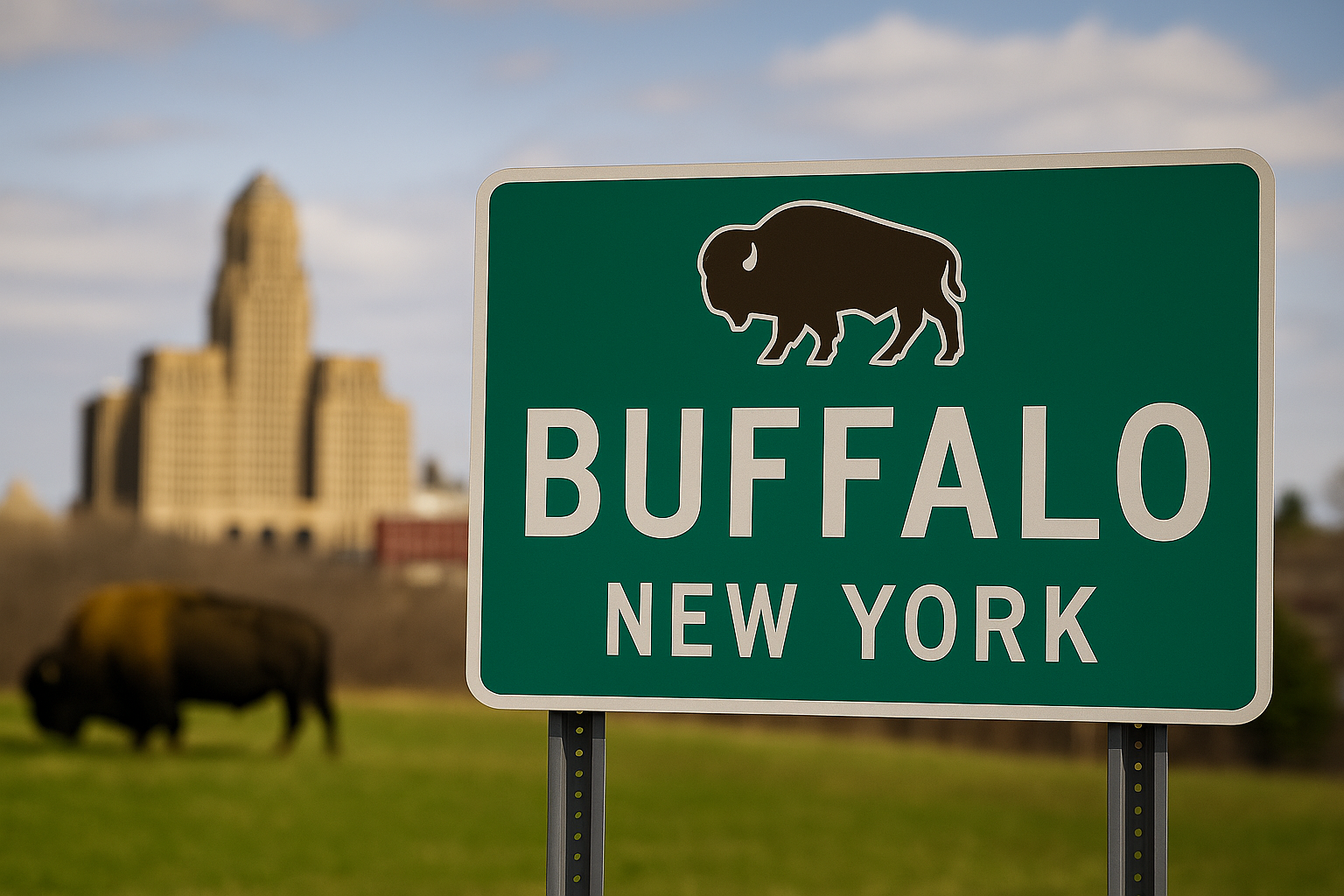
There may not be any actual buffalo roaming through western New York, but that hasn’t stopped this city from fully embracing its name. The origin story is murky; some say it came from Buffalo Creek, others claim it’s a twist on the French term beau fleuve, meaning “beautiful river.” Either way, the name stuck, conjuring up images of stampeding bison even if the nearest herd was hundreds of miles away.
Today, Buffalo’s gone all-in on the name. You’ve got the Buffalo Bills, buffalo wings (which, fun fact, contain zero buffalo), and enough city pride to fill a stadium. The name suggests muscle and momentum, and even during tough times, Buffalo has charged forward like its mythical namesake. Whether the bison were ever actually here or not, the city has proven it doesn’t need horns to be headstrong.
Chicken, Alaska
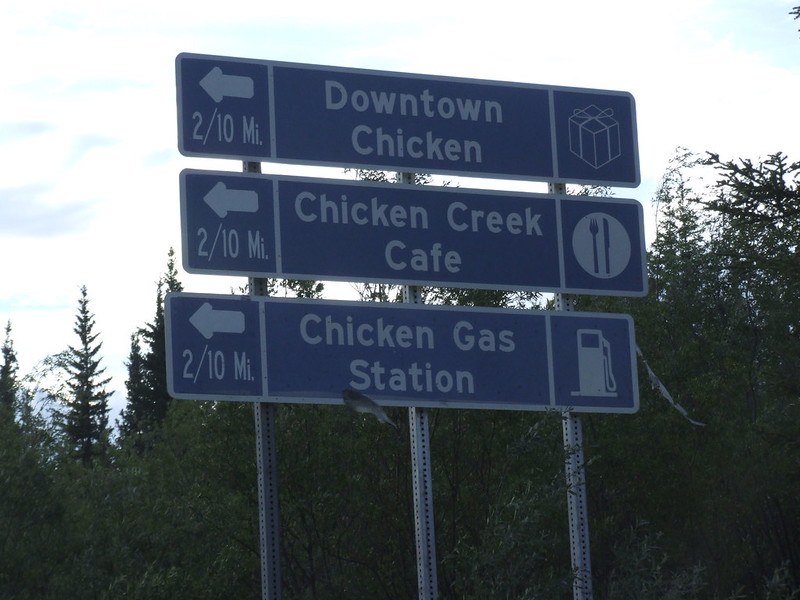
You’d think the town was named for poultry pride, but really, it was all about spelling anxiety. Back in the late 1800s, gold miners tried to name their new settlement after the ptarmigan, a local bird that kept many of them fed. The only problem? No one could agree on how to spell “ptarmigan,” and no one wanted to look foolish in official documents. So, in a stunning display of practicality (and perhaps hunger), they called it Chicken instead. Same bird, fewer silent letters.
Today, Chicken is home to a few year-round residents and a flock of summer tourists who come for the quirky signs, giant metal chicken sculptures, and outhouse races. There’s no cell service and no frills, but what it lacks in connectivity, it makes up for in pure personality. Whether you’re buying a T-shirt from the Chicken Creek Saloon or snapping a selfie next to a 10-foot rooster, this place proves one thing: if you’re going to be off the map, you’d better have a name people remember.
Cougar, Washington
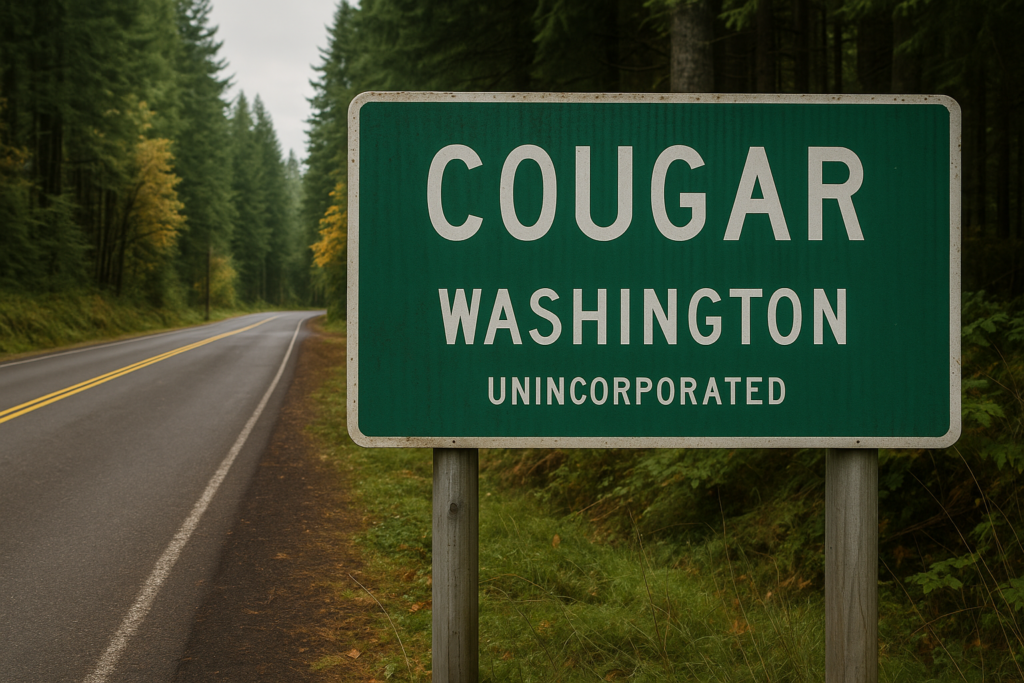
With a name like Cougar, you might expect a town full of toothy grins and rugged independence, and you wouldn’t be too far off. Nestled near the base of Mount St. Helens, Cougar got its name from the stealthy mountain lions that once prowled the old-growth forests like ghostly royalty. Early loggers swore they heard them scream at night, though it’s unclear if it was the cats or the men who were more startled. Either way, the name stuck, giving the place just the right amount of wilderness swagger.
These days, Cougar is more of a launchpad for hikers, volcano-chasers, and people who wear a lot of flannel without irony. The cougars themselves are rarely spotted, having taken the whole “elusive predator” thing very seriously. But the name still holds power. It’s scratched into trail signs, printed on diner menus, and whispered with a mix of respect and caution by campers who hear twigs snap at night. Cougar doesn’t sell plush mascots. It sells the feeling that something wild is still out there, watching.
Deer Lodge, Montana
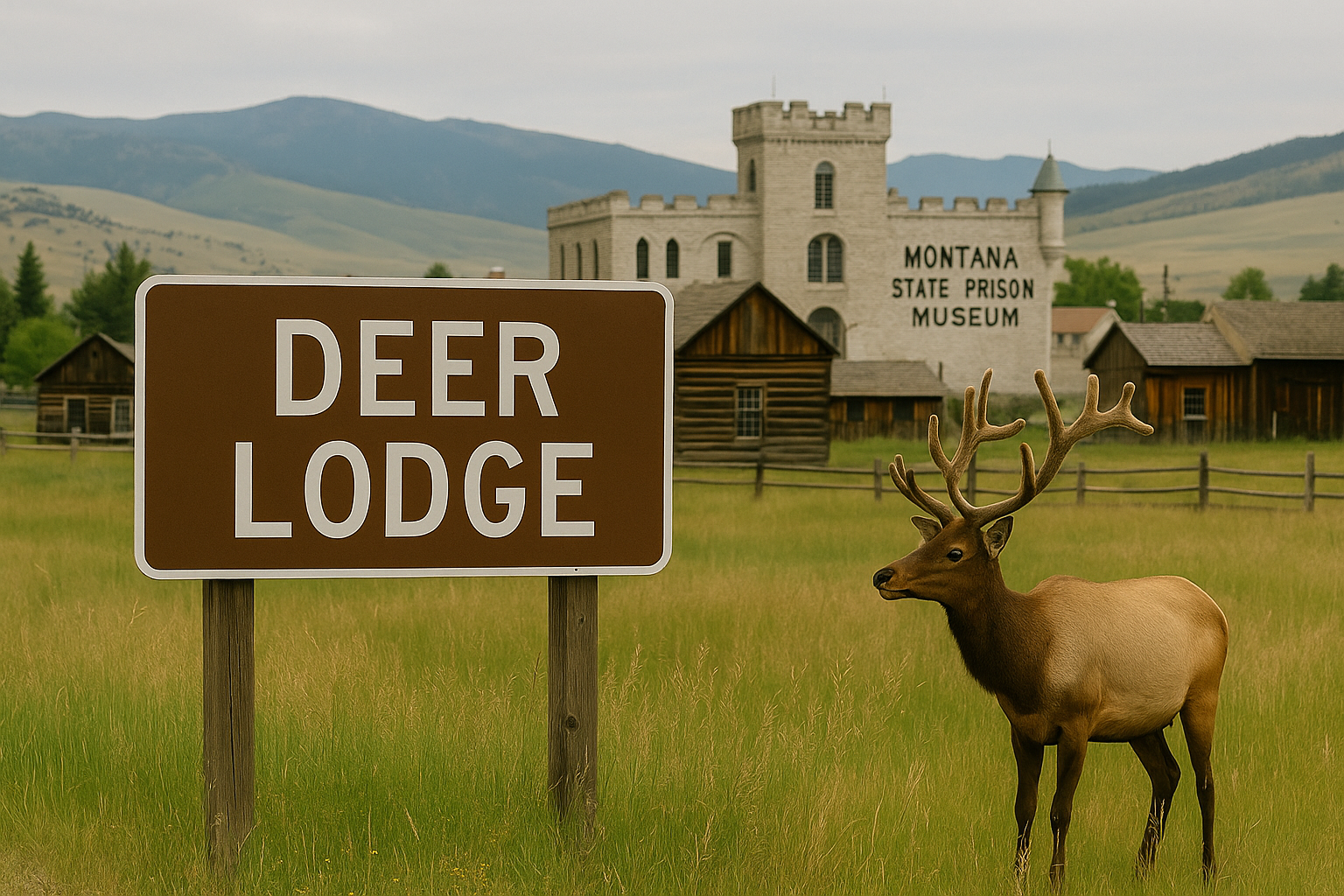
This town’s name should be carved into a wooden sign hanging above a five-star wilderness spa. But back in the 1800s, it wasn’t pampering that inspired the name. It was a steaming geothermal mound that looked (supposedly) like a deer’s antlers bursting from the earth. Native tribes held the spot sacred, early trappers romanticized it, and the name “Deer Lodge” settled in like snow on a Montana pine. It wasn’t just scenic. It was poetic. A natural lodge. For deer. As one does.
Fast forward to today, and Deer Lodge is best known not for elegant wildlife accommodations but for its historic prison museum. (Yes, really.) The Montana State Prison was once the biggest draw here, and now it’s a surprisingly fascinating tourist stop. So, while the deer have moved on and the mound may not resemble much of anything anymore, the name still delivers rustic charm. “Deer Lodge” sounds like a retreat, even if it once meant solitary confinement.
Dogtown, Massachusetts
Dogtown, Massachusetts
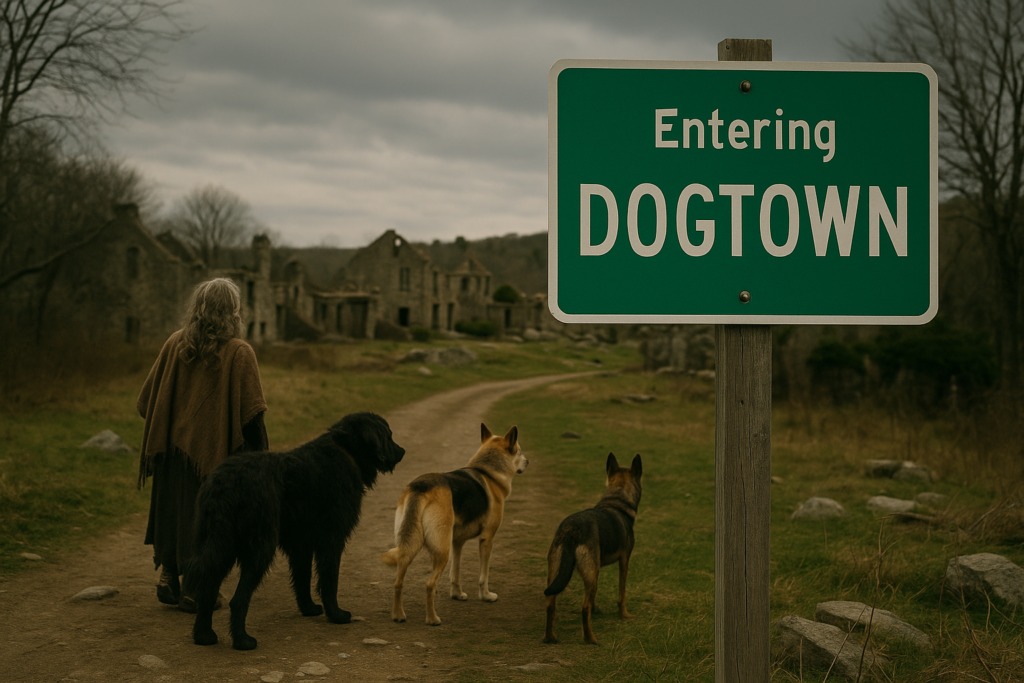
If Salem has its witches, Dogtown has its watchdogs. After the Revolutionary War, this inland village on Cape Ann began to empty, first the merchants, then the fishermen, and finally most of the men. Left behind were widows, outcasts, and fiercely independent women who stayed put, often with large dogs at their sides. These weren’t lapdogs. They were guardians with growls that could be heard for miles. As the human population dwindled, the howling remained, and so did the name. “Dogtown” wasn’t a compliment. It was a warning.
Today, the dogs are long gone, but the name still snarls. Dogtown is now a mossy patchwork of hiking trails and cellar holes, with giant boulders carved with words like “Help” and “Courage” that somehow make the place feel creepier. There are no signs for souvenirs or themed diners, just stories of witches, hermits, and spirits that still pace the woods. You don’t visit Dogtown for comfort. You visit to see what’s left when civilization backs away, and the wild starts whispering again.
Eagle, Colorado
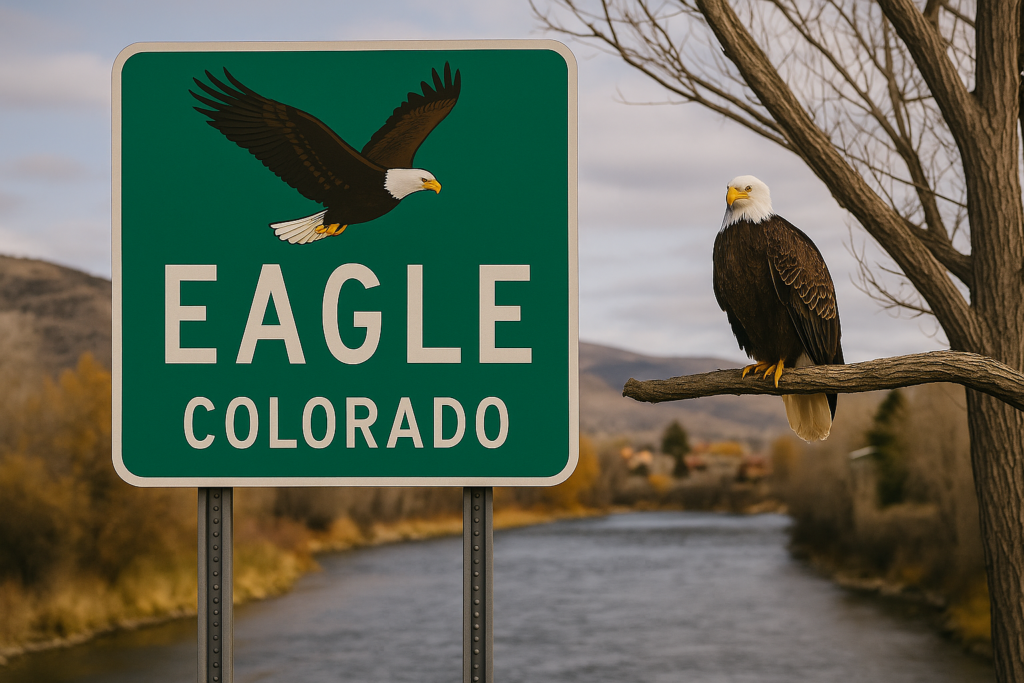
Some towns are named after people. Others are named after commodities. Eagle, Colorado? Named after something that soars, screeches, and might snatch your trout mid-cast. Early settlers spotted bald eagles nesting in the cottonwoods along the Eagle River and figured the name was both patriotic and practical. The birds were majestic, the river was teeming, and the symbolism was just too perfect to pass up. Unlike towns named for obscure relatives or railroad executives, Eagle had branding potential from day one.
Today, the eagles are harder to spot, but the name still flies high. Locals slap it on schools, team mascots, and bumper stickers as if it were a regional badge of honor. The town itself has evolved into an outdoor playground with hiking, biking, and enough fly fishing to keep the spirit of the river alive. Even if the only eagle you see is on a hat, the message is clear: this place was built on altitude, attitude, and the belief that a bird of prey beats a town council member any day.
Fox, Arkansas
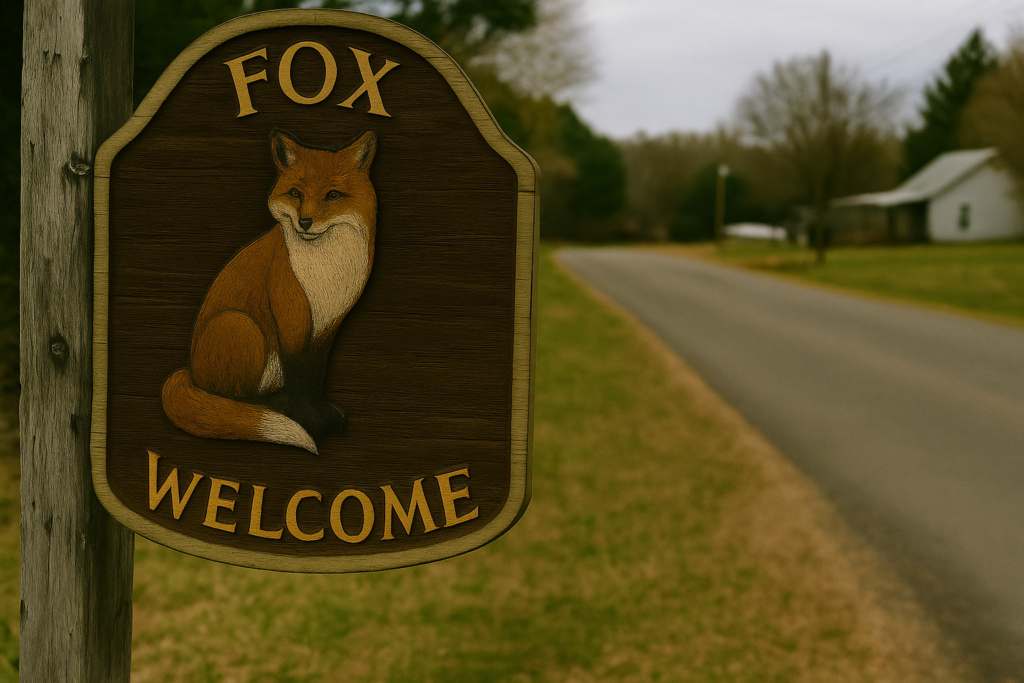
This Ozark mountain town didn’t need a branding consultant to come up with its name, just a few fast-moving chicken thieves. In the early 1900s, gray foxes darted through the underbrush and raided henhouses with such regularity that locals started referring to the area simply as “Fox.” The name stuck, not because it was poetic, but because it was accurate. And maybe a little bit flattering to the culprits.
Today, Fox remains a tight-knit rural community with fewer than 300 residents and a great deal of local pride. You won’t find chain stores or traffic lights, but you might find a hand-painted fox on a school mural or peeking out from a carved welcome sign. It’s a place where the name says everything clever, low-profile, and just a little bit wild. Even if you don’t spot a fox, you’ll know you’re in their territory.
Goose Creek, South Carolina
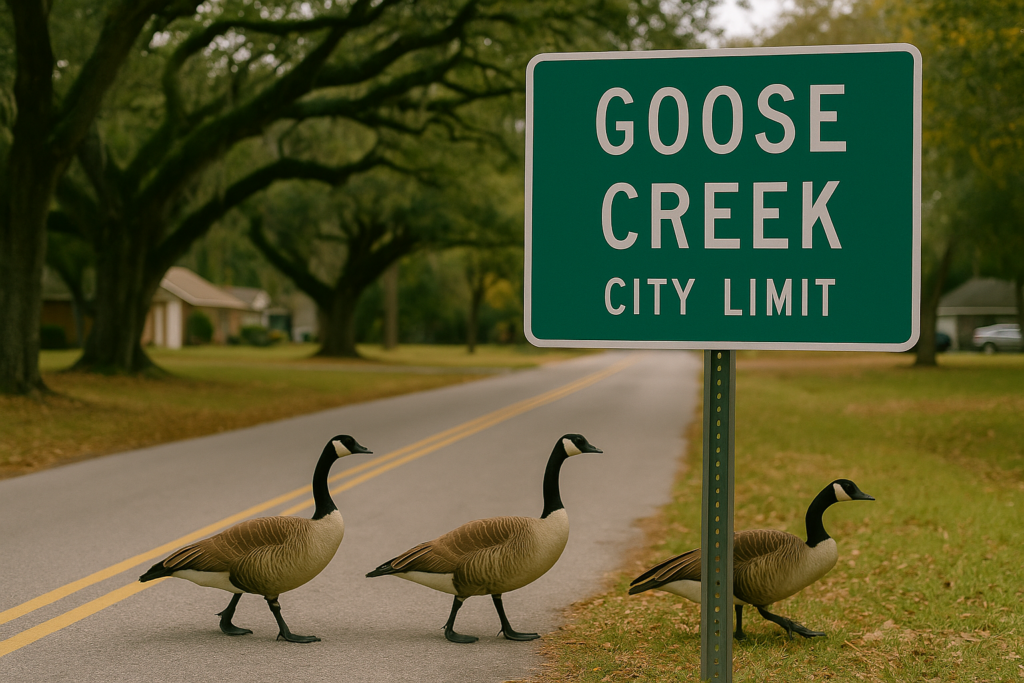
Before Goose Creek became one of South Carolina’s fastest-growing suburbs, it was best known for the sheer volume of honking not from traffic but from geese. Back in the colonial era, flocks of wild geese used to gather in the winding tidal creeks north of Charleston, honking their way through migration season like feathery New Yorkers in rush hour. The name was a no-brainer: settlers just called it what they heard. By the early 1700s, Goose Creek had made its way onto maps, complete with all the goose gossip one small town could carry.
These days, the birds may have moved on, but the name remains loud and proud. Goose Creek leans more residential than rural now, filled with neighborhoods, schools, and the occasional goose-themed playground. Locals still honor their avian roots in small ways, whether through park names, city events, or fond stories of rogue geese blocking traffic near Walmart. It’s a name that balances charm with chaos, reminding us that sometimes nature doesn’t whisper it honks.
Horse Cave, Kentucky
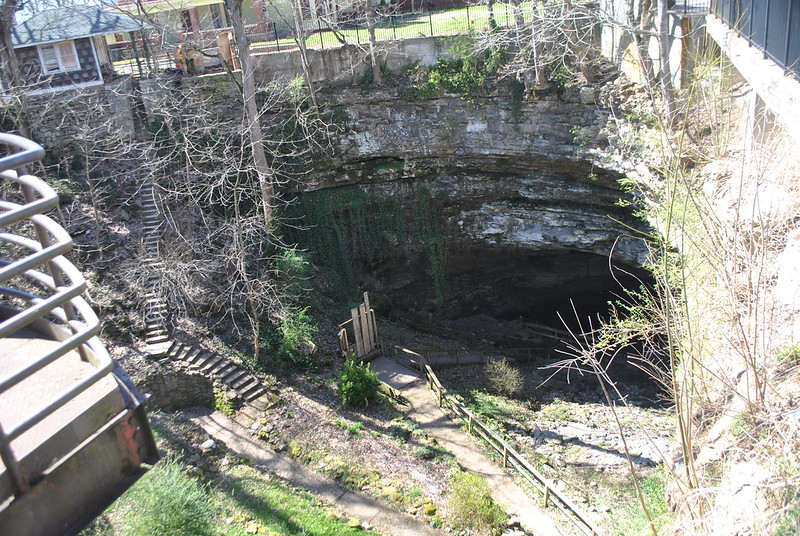
Despite sounding like a misstep in frontier real estate, who wants a cave full of horses? Horse Cave actually got its name from a massive cavern near the town where, according to local lore, wild horses once took shelter during storms. Early settlers saw the animals gathered near the cave’s yawning entrance and figured they’d stumbled onto the equine version of a cozy B&B. Whether or not the horses ever went spelunking is beside the point. The cave was big, the horses were there, and the name practically wrote itself.
Today, Horse Cave leans into its subterranean charm. The Hidden River Cave flows directly beneath downtown and draws curious tourists with its underground boardwalks and museum. The town has resisted turning its name into a joke, but you still might spot a few horse-themed murals and signs trotting through the streets. It’s the kind of place where history and geography shake hands, and the cave’s presence is less legend than limestone fact. Come for the quirky name; stay for the literal underground river.
Iguana, New Mexico
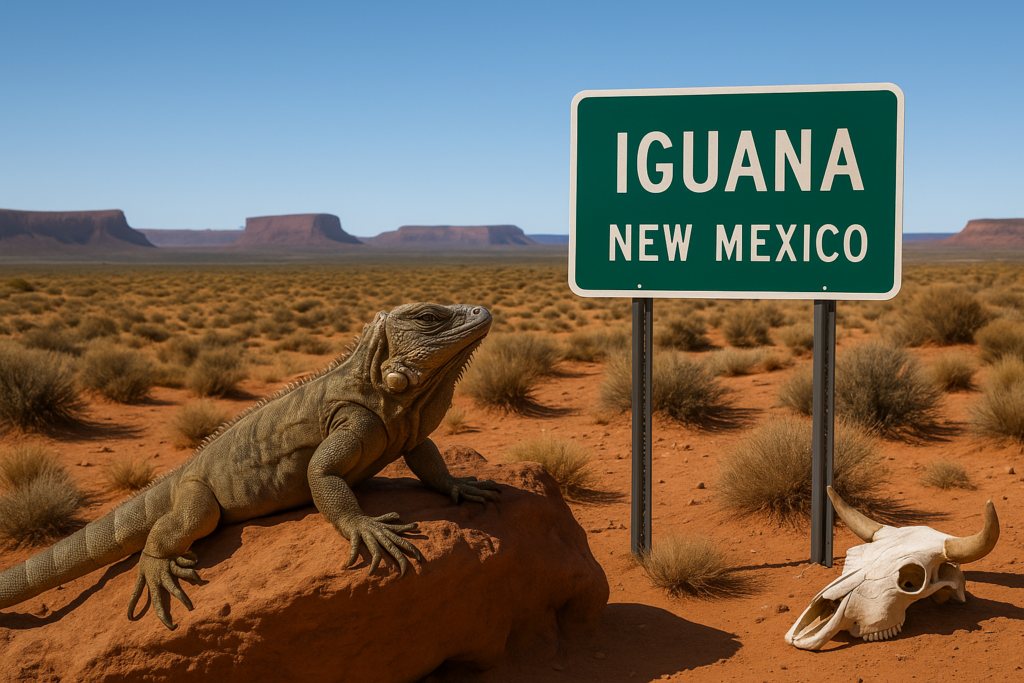
If you blink, you’ll miss it, and if you squint, you still might wonder how a desert outpost ended up with such a tropical name. In the late 1800s, railroad crews laying track through this parched New Mexico stretch reportedly spotted spiny lizards sunning themselves on the rocks and joked that they looked like the iguanas they’d seen further south. Whether it was the heat or homesickness, the name Iguana stuck, eventually appearing on maps even though a post office or proper town never followed.
Today, Iguana is more mirage than municipality. There’s no main street, no souvenir stand shaped like a lizard, just a sunbaked road, some scattered stones, and a sign that makes travelers do a double-take. But the name hangs on like a desert legend. It’s a reminder that even the emptiest places once made someone stop, point, and say, “You know what this looks like?”
Jaguar, Texas
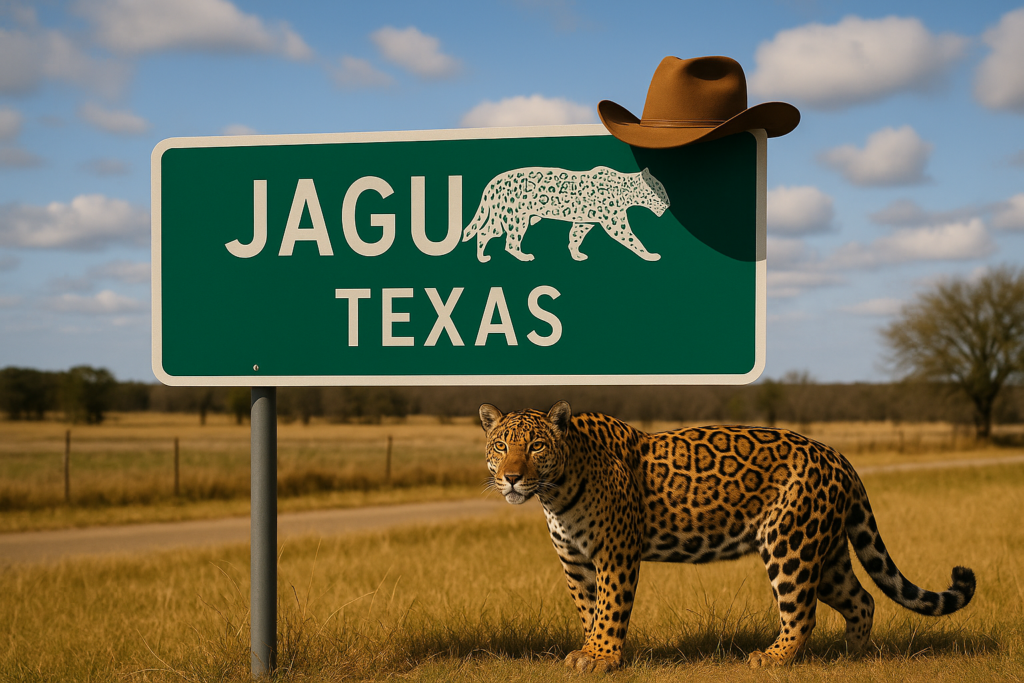
Jaguar, Texas, sounds like a branding exercise cooked up by a car dealership, but the truth is older and far wilder. Spanish explorers in the 1700s recorded sightings of large, spotted cats in the Rio Grande Valley. While some modern historians believe they mistook ocelots or cougars for jaguars, others point to evidence that real jaguars once roamed southern Texas before being pushed southward by hunting and habitat loss. The name lingered in oral history, land records, and local legend, eventually marking a town that may never have seen a jaguar in recent memory but certainly remembered one.
Today, Jaguar is more a myth than a metropolis, but it has teeth. The name shows up in school mascots, regional businesses, and conservation discussions about rewilding the Southwest. Scientists and wildlife advocates have floated the idea of restoring jaguar habitats in Arizona, New Mexico, and, yes, even Texas. Whether or not the big cats return, the name still carries a shadow of their power: stealthy, rare, and hard to pin down. Jaguar may be small, but its namesake was once king of this terrain.
Kitty Hawk, North Carolina
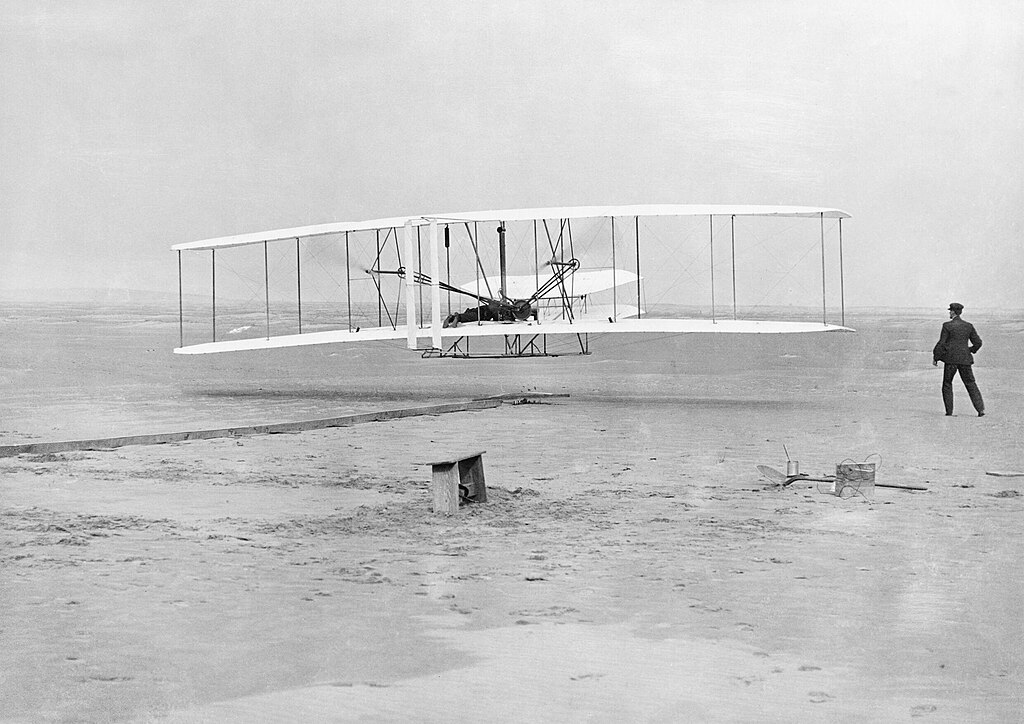
Before it became synonymous with aviation history, Kitty Hawk was already winning the award for “Town Name Most Likely to Confuse Visitors.” Despite sounding like a cartoon character or an oddly specific bird, the name likely originated from a Native Algonquian phrase, possibly “keetee hawk,” which might have meant “swampy hunting ground” or “goose creek.” No actual kitty-sized hawks were flying around, but the phrase had just enough mystery and movement to stick. When the Wright brothers touched down in 1903, the quirky-sounding village became immortalized with the first successful powered flight.
Today, Kitty Hawk leans more like a beach town than a launch pad. You’ll find kite shops, surf shacks, and seafood diners dotting the coastline, but no evidence of felines with wings. That said, the town fully owns its spot in the national mythology. It’s like naming your town “Rocket Dog” and watching it end up in every textbook. Whether you’re chasing wind, waves, or your inner aviation geek, Kitty Hawk proves that a strange name can take you places, especially when paired with a couple of bold brothers and a flyer made of canvas and guts.
Lizard, California
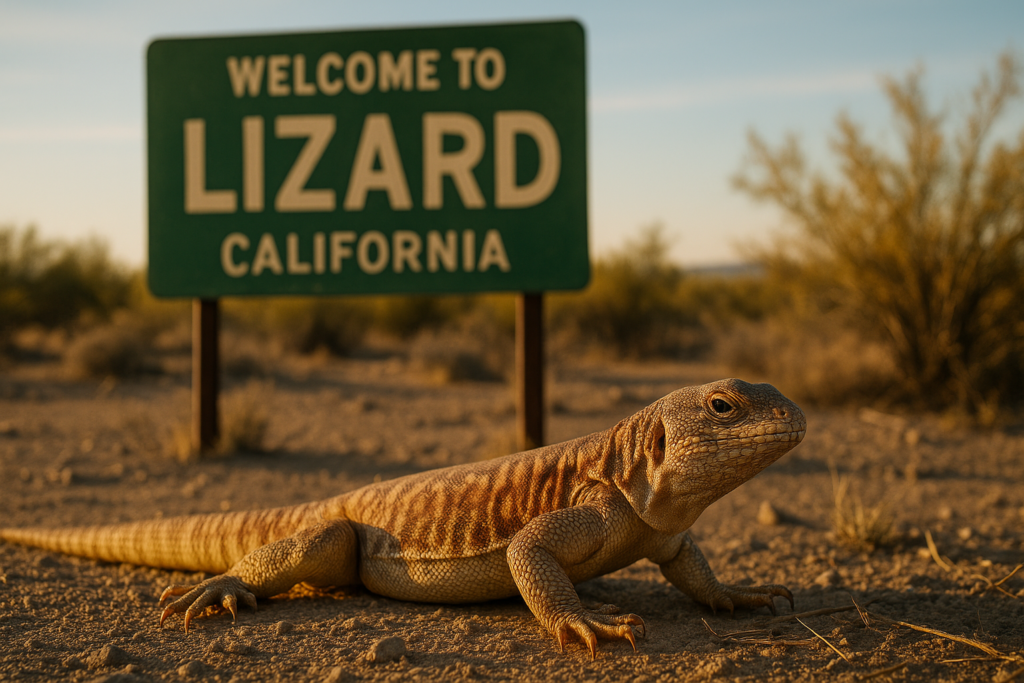
Lizard might sound like a joke, but in the parched reaches of the Mojave Desert, it made perfect sense. Early 20th-century railway workers gave the name to a remote siding where lizards were just about the only things moving in the heat. Desert spiny lizards and side-blotched lizards would scurry across the sand, sunbathe on hot metal rails, and even wander into supply crates. The workers started referring to the stop as “Lizard” in work logs, and eventually, the name stuck simple, accurate, and strangely enduring.
Today, there’s not much left of Lizard. It’s a place you pass rather than visit, a spot on old railroad maps and dusty GPS searches. But the name captures something about the desert: tough, dry, and adapted to extremes. Even without a post office or permanent population, Lizard lives on in stories from desert explorers and curious travelers who want to say they found the end of the line. It’s the kind of name that doesn’t promise much, just a sun-scorched truth.
Moose Lake, Minnesota
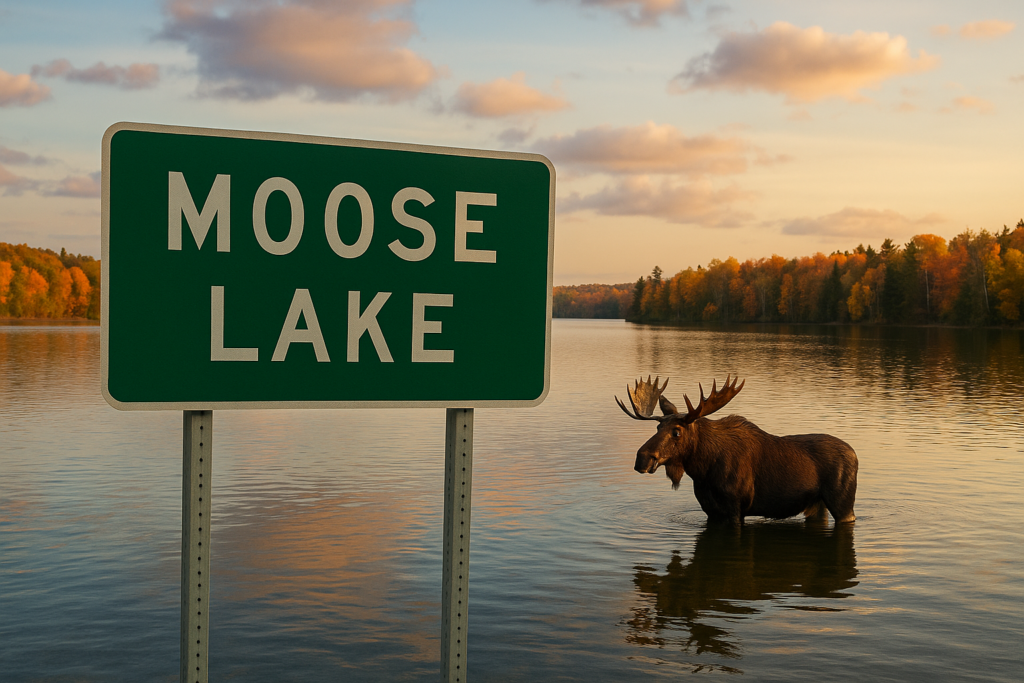
You’d expect a place named Moose Lake to be crawling with moose. And once upon a time, it was. In the 1800s, early settlers and Ojibwe tribes shared sightings of hulking, antlered giants wading through the lake’s shallows, or munching on saplings near the banks. The name wasn’t poetic; it was practical. When you see enough moose in one place, you name the town after them and move on. The area even became a draw for hunters and photographers hoping to spot the massive mammals up close.
These days, the moose population has dipped, but the name still carries weight. You’ll find moose statues, murals, and the occasional lodge gift shop selling “moose poop” chocolate. The town itself leans into the branding like a tourist in antlers. Even if you don’t catch a glimpse of the real thing, the vibe is unmistakable: wild, woodsy, and proudly northern. It’s not just a lake. It’s a moose state of mind.
Owl’s Head, Maine
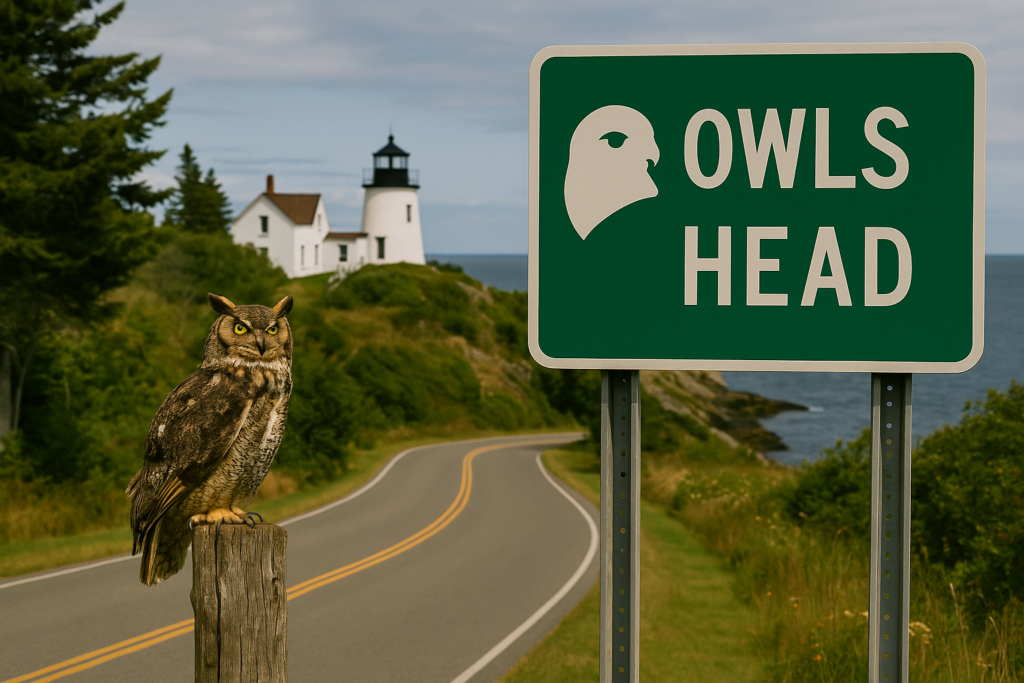
No, it’s not a Halloween-themed town or a hotspot for bird enthusiasts wearing monocles. Owls Head earned its name from a rocky coastal promontory that, if you squint hard enough and maybe skip lunch, sort of resembles the head of an owl. Early European sailors used the distinct shape as a navigational marker while hugging Maine’s jagged shoreline, and the name stuck faster than barnacles on a lobster trap.
Today, Owls Head is a postcard-perfect blend of rocky cliffs, lighthouses, and lobster rolls. The famous Owls Head Light still guards the coast, and yes, actual owls can be spotted there if you time it right and bring binoculars. The town might be small, but the name packs mystery, avian flair, and just enough oddity to make it unforgettable. Whether you’re here for birdwatching or the views, it’s a hoot either way.
Panther, West Virginia
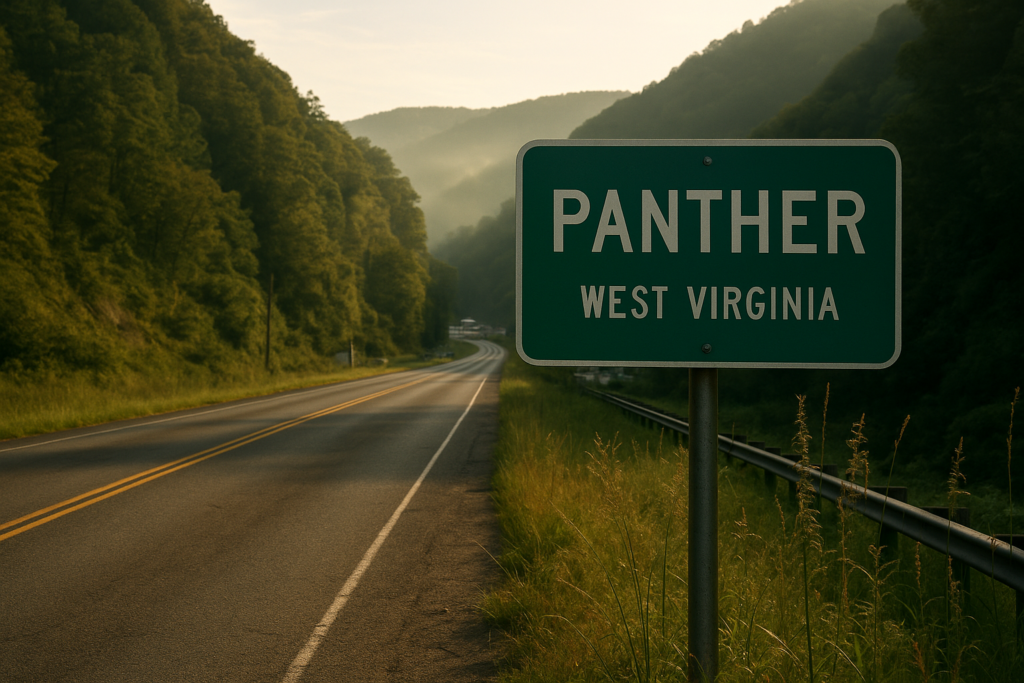
Deep in the coal-dusted folds of Mingo County, Panther earned its name the way all great legends do: with a shiver, a shadow, and a whole lot of screaming. Locals in the 1800s insisted they heard blood-curdling cries from the woods and spotted sleek shapes slinking through the underbrush. Were they Panthers? Probably not. More likely mountain lions or maybe just the Appalachian wind playing tricks. But the name stuck like coal soot on a porch rail and turned into a warning, a myth, and a map marker all in one.
Today, Panther is a small town with big claws. The name appears on signs, schools, and front porches, not as a novelty but as a declaration. Around here, you don’t need to see a panther to believe one might still be watching. The fog rolls in fast; the ridgelines are thick with trees, and the stories? They stick around longer than most visitors. Panther doesn’t just nod to the wild; it wears it like a badge, sharp-toothed and proud.
Pelican Rapids, Minnesota
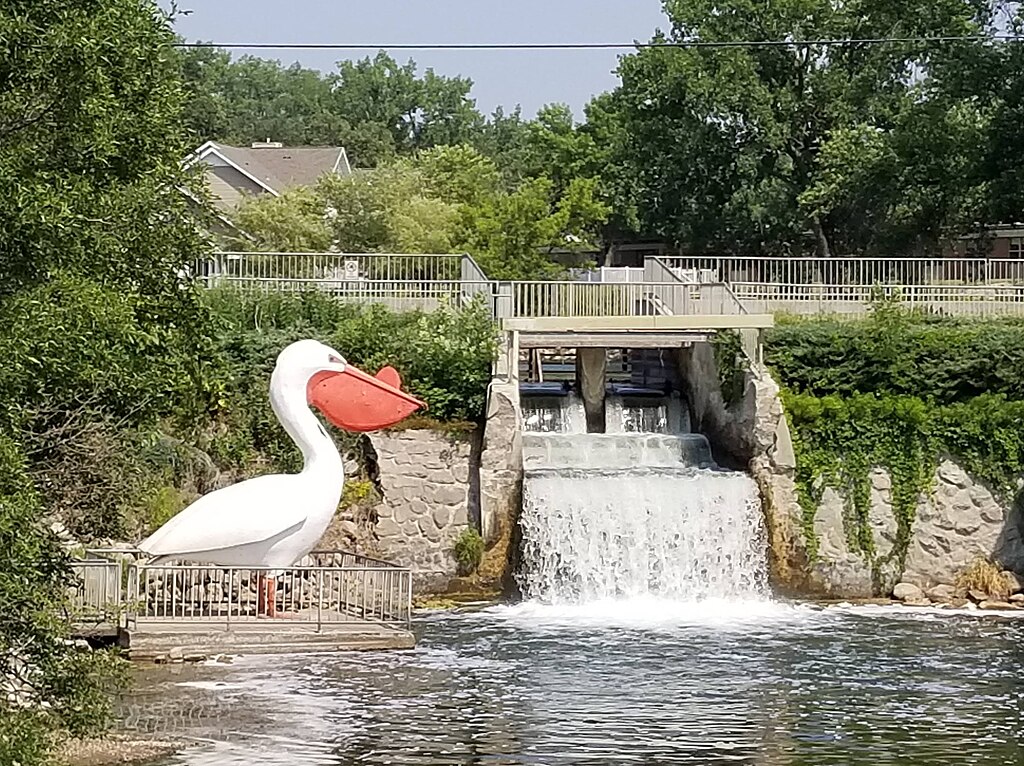
If you thought pelicans were strictly coastal creatures, Pelican Rapids is here to ruffle your assumptions. Back when the area was first settled, white pelicans, big, beaky, and frankly a little goofy-looking, were known to gather around the tumbling rapids of the Pelican River. Locals took one look at those oversized birds balancing like pros in fast-moving water and figured, yep, that’s our town mascot. The name practically wrote itself, and by the 1880s, it was official.
These days, Pelican Rapids leans into its feathery legacy with pride. There’s a massive concrete pelican named “Pelican Pete” greeting you as you drive into town, just in case you forgot where you were. The actual birds still stop by during migration, proving they’ve got better travel sense than most people. It’s a charming blend of small-town hospitality and unexpected birdwatching because nothing says Minnesota quite like a pelican in the rapids and a fish fry on Friday night.
Porcupine, South Dakota
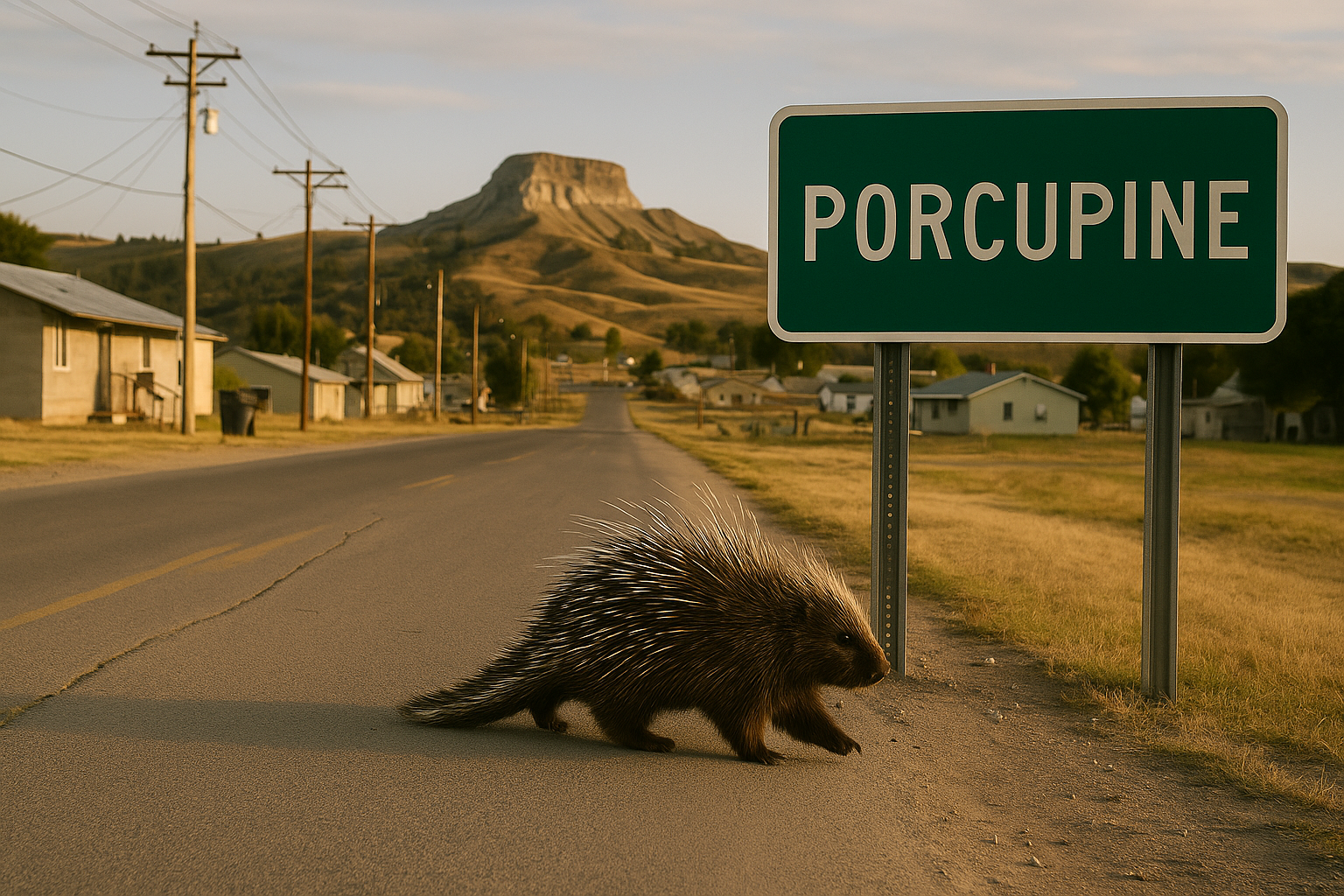
If you’re expecting to find porcupines waddling down Main Street, prepare to be slightly disappointed but not too much. This unincorporated community on the Pine Ridge Reservation got its name from the nearby Porcupine Butte and Porcupine Creek, where the quill-covered critters were once a common sight. According to Lakota tradition, the porcupine is a symbol of self-protection and quiet strength, traits that still resonate with the people of this resilient town.
Porcupine might not have a stoplight, but it’s rich in history and cultural weight. It played a pivotal role in the American Indian Movement in the 1970s, and today, it serves as a hub for activism, storytelling, and community life on the reservation. The name may be a bit prickly, but it’s fitting. Just like its namesake, this place might look soft from a distance, but try messing with it, and you’ll remember it the hard way.
Raccoon Township, Indiana
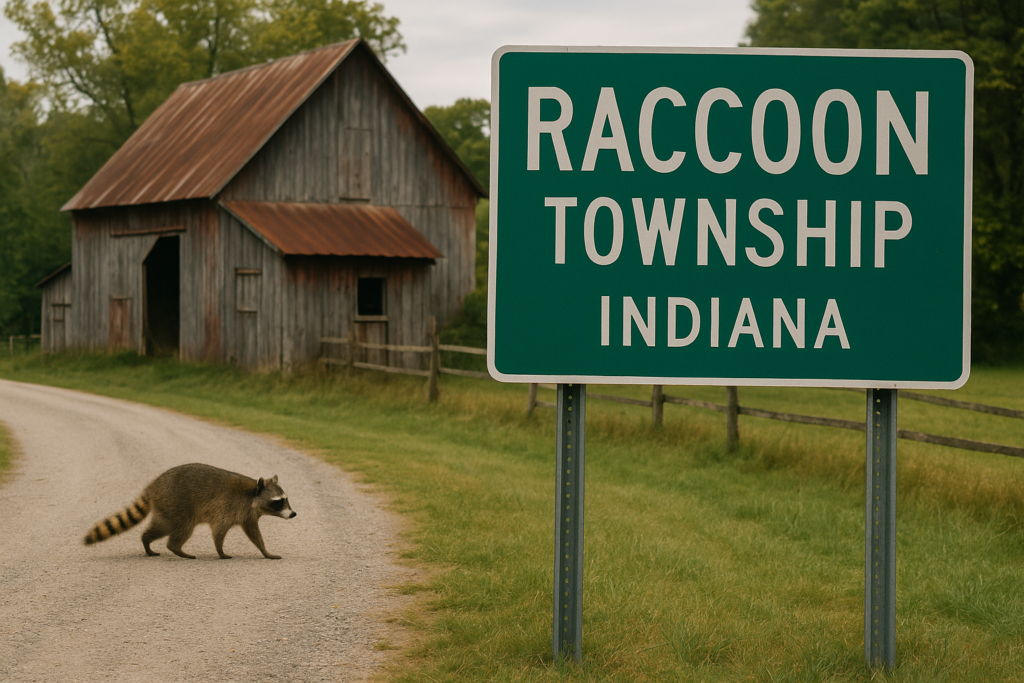
No, you won’t need to show your ID to a raccoon at the border, but you might want to keep your snacks locked up. Raccoon Township earned its name from Big Raccoon Creek, a winding waterway once flanked by enough ring-tailed bandits to form a woodland crime syndicate. Back in the 1800s, settlers complained of overturned corn bins, stolen eggs, and muddy paw prints left like calling cards across cabin porches. Whether you cursed them or admired their thieving ingenuity, the raccoons got top billing.
Today, Raccoon Township is a rural patchwork of fields and forests that still feels a little feral around the edges. Locals have embraced their mischievous mascot with a mix of pride and resigned affection. You won’t find raccoon souvenirs or roadside raccoon statues, but you will find an area that’s quietly stubborn, slightly scrappy, and more original than most zip codes twice its size. Just don’t leave your garbage out overnight. They’re still watching.
Salmon, Idaho
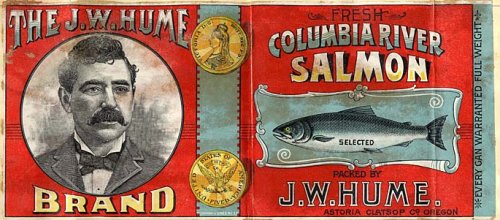
Nestled along the Salmon River in the heart of Idaho’s wilderness, the town of Salmon was named for the fish that once surged upriver in massive, glittering waves. Indigenous tribes like the Shoshone-Bannock depended on these runs for food, trade, and ritual, building an entire way of life around the cycle of the salmon’s return. When fur traders and explorers arrived in the early 1800s, they followed the same river paths and adopted the name already spoken with reverence by the people who had lived there first.
Today, the salmon runs have dwindled due to dams and habitat loss, but the town still honors its namesake in every way imaginable. There are salmon statues, fishing festivals, river tours, and conservation efforts aimed at restoring the fish’s ancient migration routes. Locals speak of the salmon not just as wildlife but as a symbol of endurance and return. In Salmon, the river still runs cold and clear, and the name is more than geographic. It’s a tribute to something wild, necessary, and worth fighting to protect.
Tiger, Georgia
Tiger, Georgia
Perched near the edge of the Blue Ridge Mountains, Tiger is a town with a name that raises eyebrows and sparks debate. Some say the name came from the wild winds that echoed through the valleys like a tiger’s roar. Others claim it honors a Cherokee chief known as Tiger Tail, who once passed through the area. Still, others believe it was chosen to stand out when settlers filed paperwork for a post office in the late 1800s. Whatever the origin, “Tiger” was short, punchy, and unforgettable, and it’s been turning heads ever since.
Today, the town of Tiger is small but confident, with scenic wineries, rolling hills, and signs that proudly display its big-cat name. Local businesses incorporate the imagery, using paw prints and stripes in their logos, and the name adorns everything from school mascots to roadside attractions. Even visitors who are unfamiliar with the story recall the name. Tigers don’t try to be something they’re not. It leans into the mystery, the folklore, and the suggestion that there’s still a little wild left in the Georgia mountains. And maybe, a roar on the wind.
Turtle Lake, North Dakota
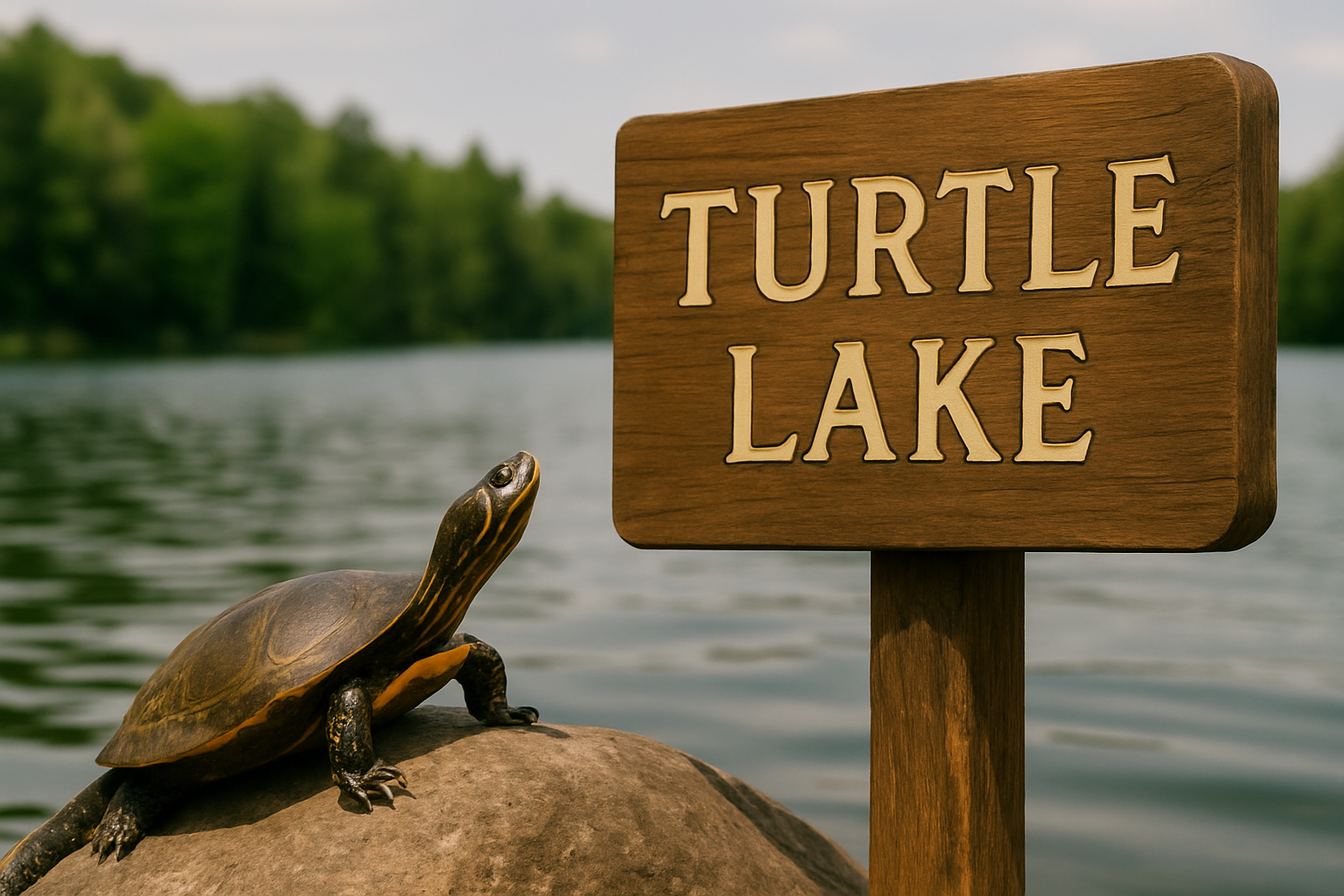
Turtle Lake earned its name the old-fashioned way by being surrounded by actual turtles. Early settlers noticed painted and snapping turtles crawling out of the water, digging nests in gardens, or basking in the sun on flat rocks near the shoreline. The sightings were so frequent that it seemed only natural to name the area after its most visible residents. Some local stories even claim the lake itself resembled the shape of a turtle when viewed from above, adding a layer of charm to an already fitting name.
These days, Turtle Lake is a quiet prairie town that leans into its slow-and-steady identity. Summer events sometimes feature turtle races, and the town’s signage and school spirit wear the name like a cozy shell. Though you might not see as many turtles as in years past, the name still offers a gentle, grounded sense of place. In a state filled with straightforward town names, Turtle Lake has one that feels almost whimsical, reminding visitors that some names are earned one plodding footstep at a time.
Turkey, Texas
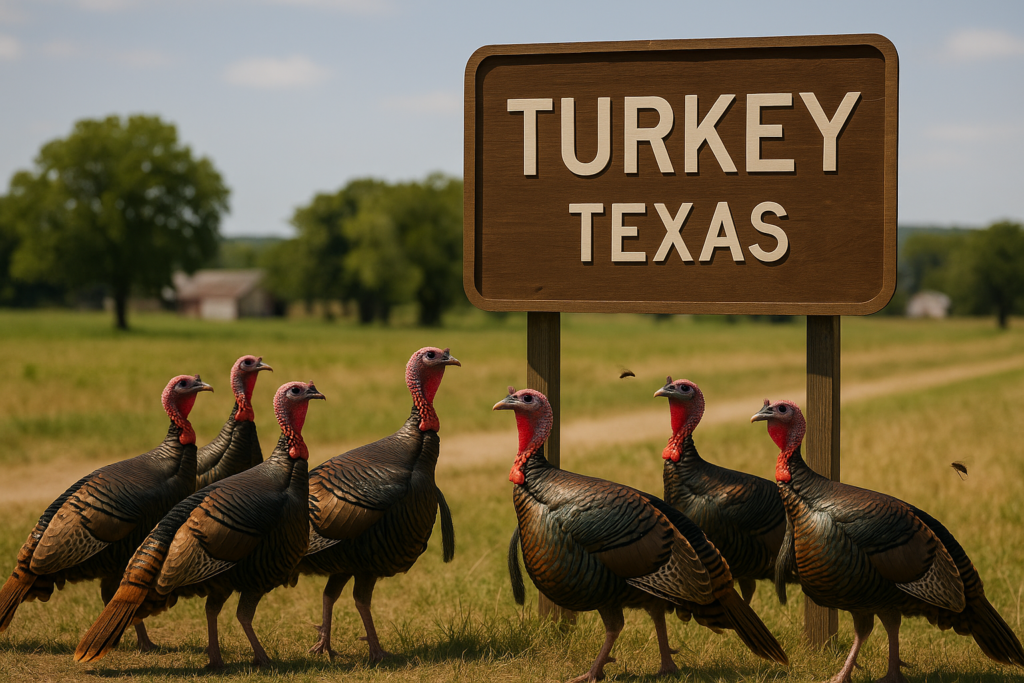
Once known as “Turkey Roost,” this town in the Texas Panhandle got its name from the enormous flocks of wild turkeys that gathered along nearby creeks in the late 1800s. Early settlers described trees so full of turkeys that they appeared to be growing feathers. When it came time to establish a post office, the name was trimmed to just “Turkey,” a move that made the town sound more like a punchline than a place. However, residents embraced it, and the name became an integral part of the town’s identity.
Today, Turkey wears its name with pride and a wink. The town celebrates “Turkey Fest” each year with parades, concerts, and plenty of bird-themed décor. It’s also the hometown of Western swing legend Bob Wills, giving the quirky place a surprisingly rich cultural footprint. Visitors snap photos with the signs, purchase turkey souvenirs, and leave with a story to tell. In a state known for big cities and serious names, Turkey proves that small-town charm sometimes gobbles louder than you’d expect.
Vulture, Arizona
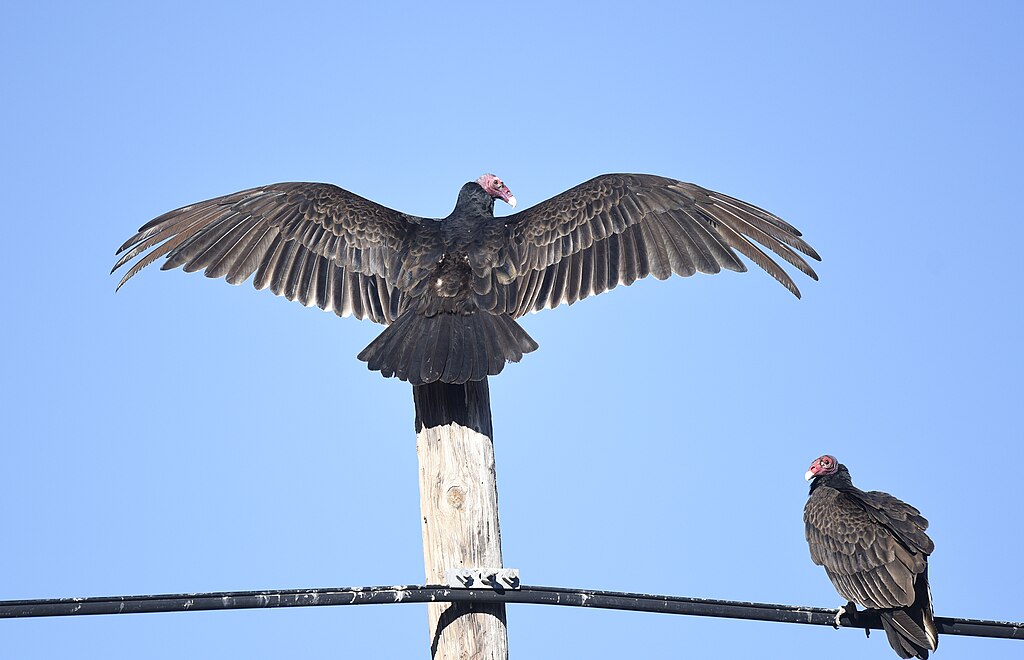
The name “Vulture” may sound ominous, but it’s firmly rooted in Arizona’s gritty gold rush history. In 1863, a prospector named Henry Wickenburg discovered a rich vein of gold near what would become Vulture Peak. The birds circling overhead were likely attracted by carrion or just the desert thermals that gave the area its name. Wickenburg called his find the Vulture Mine, and a boomtown quickly sprang up around it, drawing miners, gamblers, and opportunists to the remote, vulture-haunted hills.
Today, the remnants of Vulture City still stand as a preserved ghost town, with crumbling buildings, rusted tools, and tales of hauntings that attract curious travelers. The name adds a cinematic flair to the area, conjuring images of outlaws and scavengers in equal measure. While the vultures still glide silently above the desert, the name has become more than a description of local wildlife. It’s a symbol of survival in a harsh landscape, a tribute to the scavengers that thrive where others can’t, and a lasting reminder of the wild, rough-edged chapter that built this part of the West.
Weasel, Wisconsin
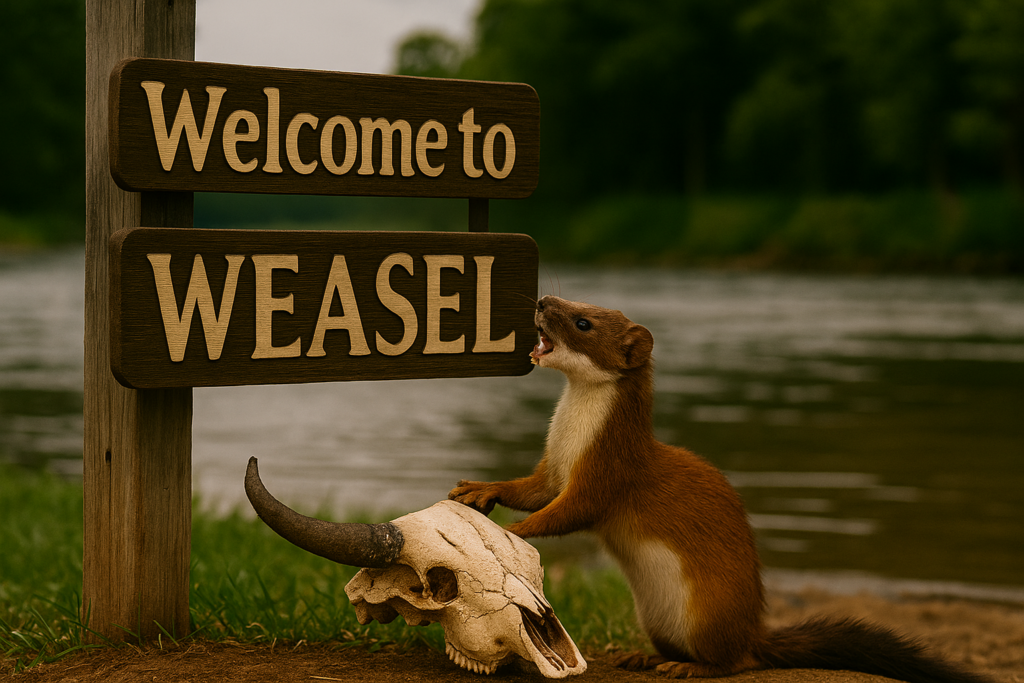
Hidden deep in the forests of northern Wisconsin, the unincorporated community of Weasel has one of the most unexpected animal-inspired names in the country. The story behind it is rooted in both ecology and folklore. In the 1800s, trappers and farmers frequently encountered long-tailed weasels darting through the snow, slipping between logs, and raiding chicken coops with sneaky precision. Locals began referring to the area as “Weasel Country,” and the name eventually found its way onto early maps and mail routes.
Though it never grew into a bustling town, Weasel remains on the books as a dot surrounded by pines, cabins, and a touch of legend. You won’t find souvenir shops or a town square, but the name alone draws the occasional traveler curious to see if the place lives up to its reputation. In a state where towns are often named after trees, lakes, or saints, Weasel stands out as a small, defiant nod to the wilderness. It’s a place named not for grandeur or beauty but for cunning, survival, and the kind of wildness that hides just beyond the treeline.
Wolf Point, Montana
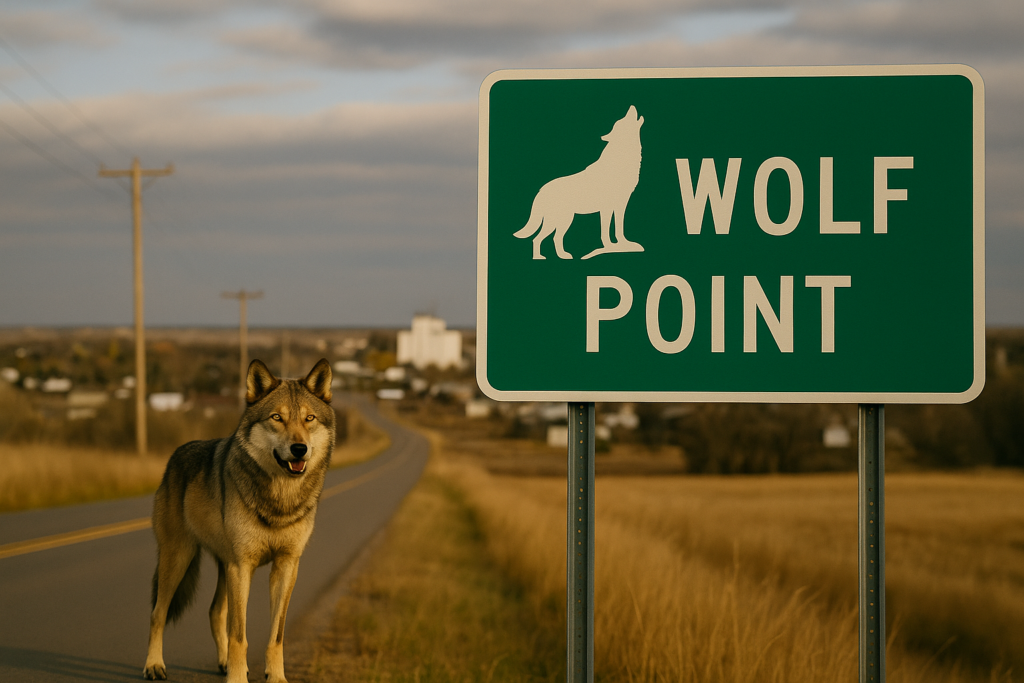
Set along the Missouri River in northeastern Montana, Wolf Point got its name during the heyday of the fur trade. In the early 1800s, the area served as a key outpost for traders and Native American tribes exchanging goods, and wolf pelts were among the most sought-after items. Trappers often piled up hides from gray wolves hunted in the surrounding plains, and the spot became known for this grisly landmark. Whether the name came from the presence of wolves or the piles of pelts, “Wolf Point” was descriptive, vivid, and stuck fast.
Today, Wolf Point is the largest town on the Fort Peck Indian Reservation and home to the Wild Horse Stampede, one of the oldest rodeos in the state. While wolves have long vanished from the region, the name continues to evoke a sense of wilderness, survival, and grit. It hints at a time when humans and predators shared the land in uneasy tension. In a place where winters are punishing and horizons seem endless, Wolf Point doesn’t just mark a location. It tells a story of teeth, trade, and the raw edge of American expansion.
Yellow Jacket, Colorado
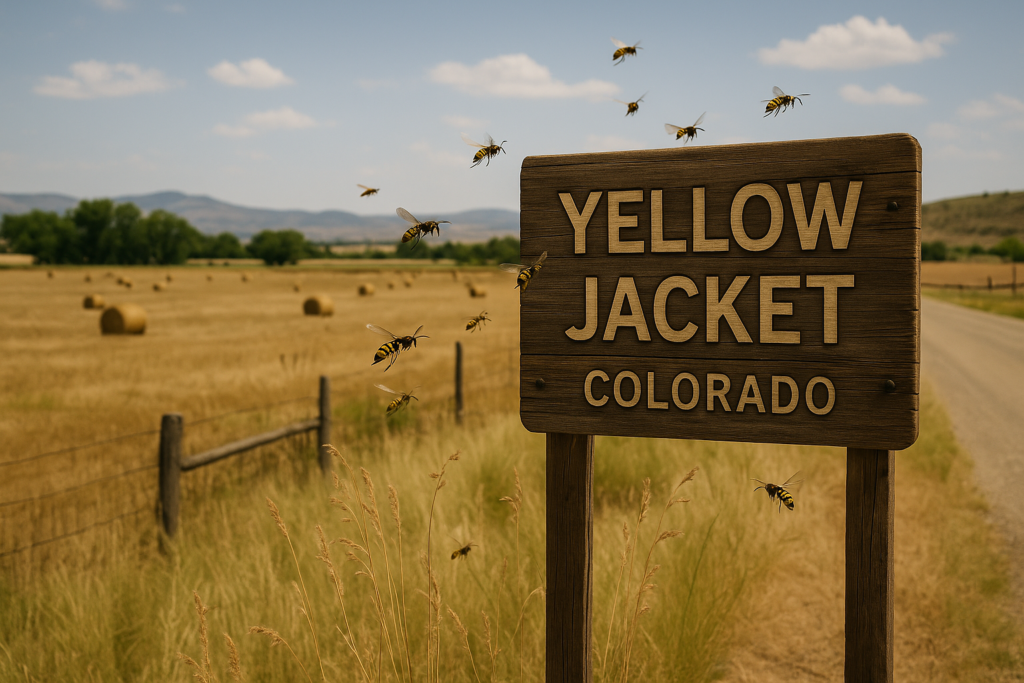
Yellow Jacket, a small community in southwestern Colorado, got its name the hard way from the swarms of yellow jacket wasps that plagued early settlers trying to farm the arid land. The insects were aggressive, territorial, and seemingly everywhere. Some accounts suggest the name originated as a complaint passed between neighbors, but it quickly caught on. When it came time to establish a post office in the early 1900s, “Yellow Jacket” was the name on everyone’s lips, part warning, part local legend.
Today, Yellow Jacket remains a remote, agricultural area with a name that still carries a sting. There’s no theme park or roadside attraction, but the name draws curious glances from travelers who imagine angry clouds of wasps hovering over hayfields. Locals mostly take it in stride, with a mix of pride and practicality. In a state filled with majestic place names like Aspen and Durango, Yellow Jacket offers something earthier, a reminder that not everything about settling the West was scenic. Sometimes, it was itchy, buzzy, and painful. And worth naming anyway.
Zebra, Missouri
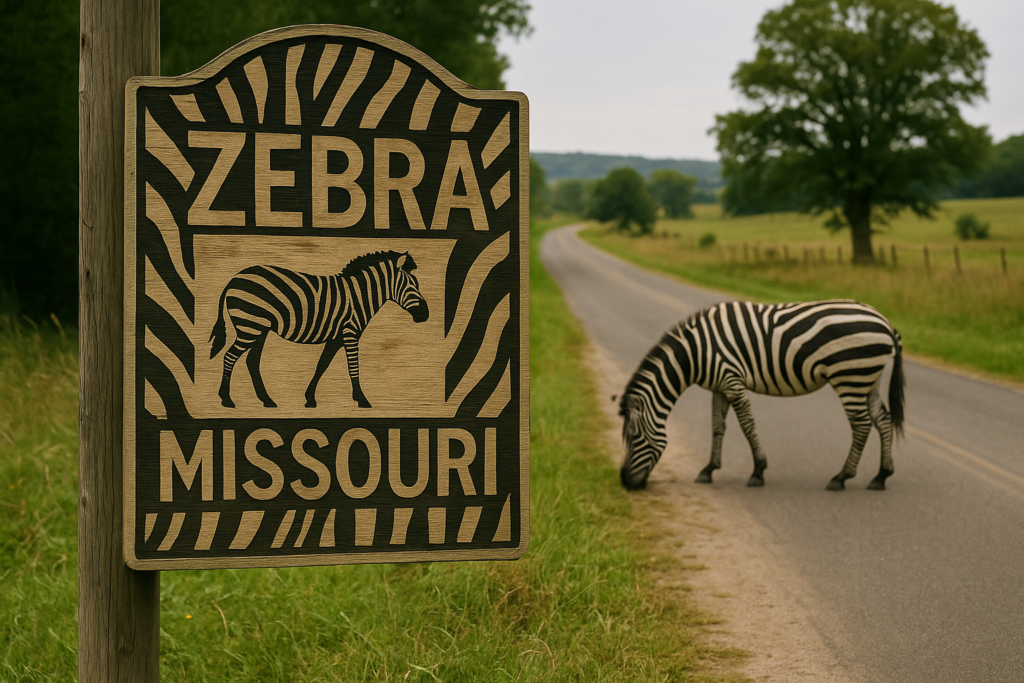
In the quiet hills of the Ozarks, Zebra stands out for its name alone, quirky, unexplained, and impossible to forget. No wild zebras ever roamed this part of Missouri, but local lore offers a few theories. Some say a settler painted his wagon in black-and-white stripes that reminded neighbors of the African animal. Others claim the name was picked simply to stand out on postal records. Whatever the truth, Zebra earned its spot on the map and in every list of unusual American place names.
There’s no zoo, striped landmark, or official origin plaque in Zebra, just a small, unassuming community with a name that sparks curiosity. Travelers sometimes stop for a quick photo, drawn in by the oddity of it all. In a state filled with names tied to saints, rivers, and native wildlife, Zebra feels like an inside joke that somehow stuck. It may not have an epic backstory, but it doesn’t need one. The name does all the talking.
Behind the Sign
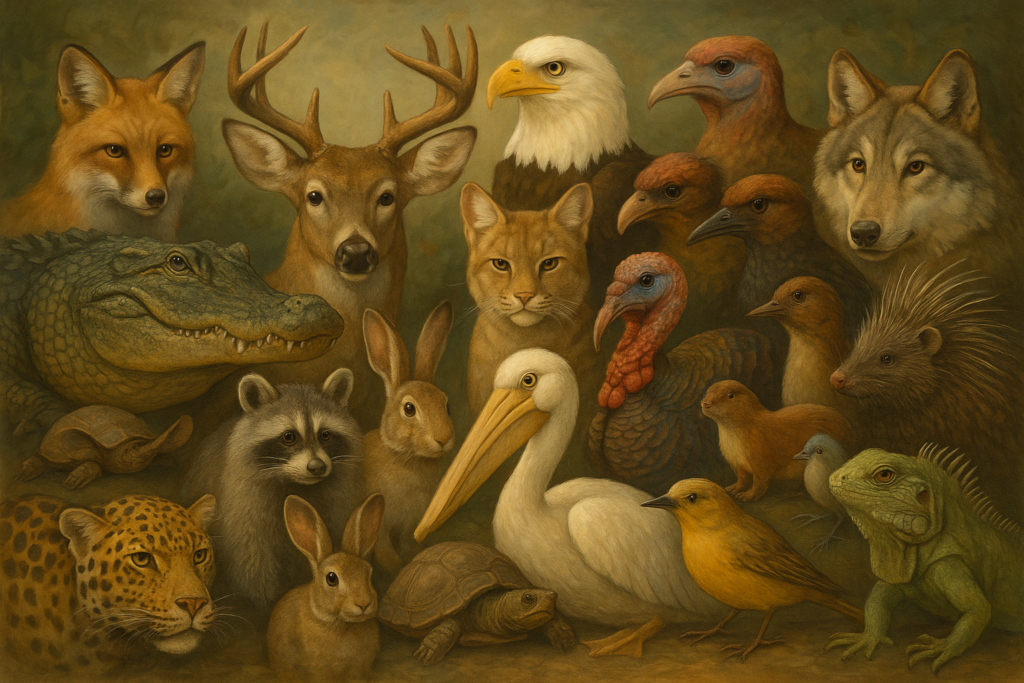
From swamps to deserts, prairie creeks to ghost towns, America’s animal-inspired place names are more than just curious labels, they’re little echoes of what once lived, wandered, or captured the imagination. Some names honor real creatures that shaped the land. Others are rooted in tall tales, lucky sightings, or even misspellings. But all of them offer a glimpse into how people have tried to make sense of wildness—by naming it, living alongside it, and, sometimes, turning it into legend.
Whether you’re passing through Chicken, wondering about zebras in Missouri, or snapping a selfie under the Bat Cave sign, these 30 places remind us that even the smallest dots on the map have stories worth hearing. Nature may have moved on, but the names still howl, strut, crawl, and soar across the American landscape.
The story An A-Z List of 31 U.S. Places Named After Animals—And the Stories Behind Them was published initially on Daily Fetch.


