
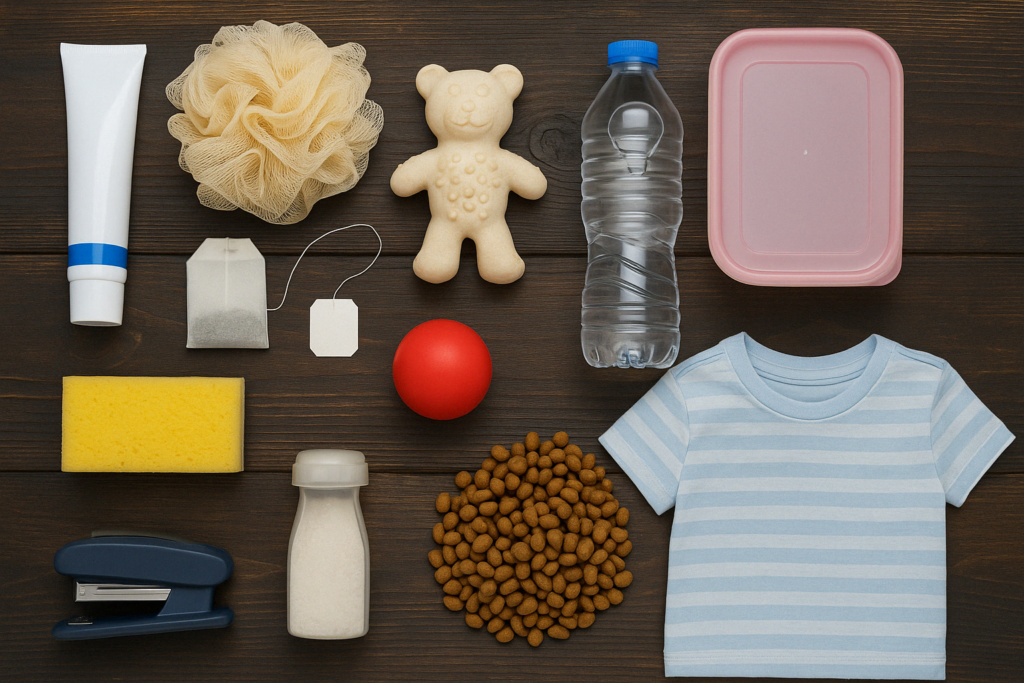
You’re eating plastic- and so is your dog. Not abstractly, but through daily items like toothpaste, teabags, and clothes. Pets ingest it too, through food, toys, and grooming. Microplastics have been found in human blood and dog feces, and linked to health issues like inflammation and hormone disruption. It’s not just an environmental issue- it’s personal. The good news? It starts at home. Here are 10 common sources of plastic exposure for you and your pets- and how to avoid them.
1. Tea Bags
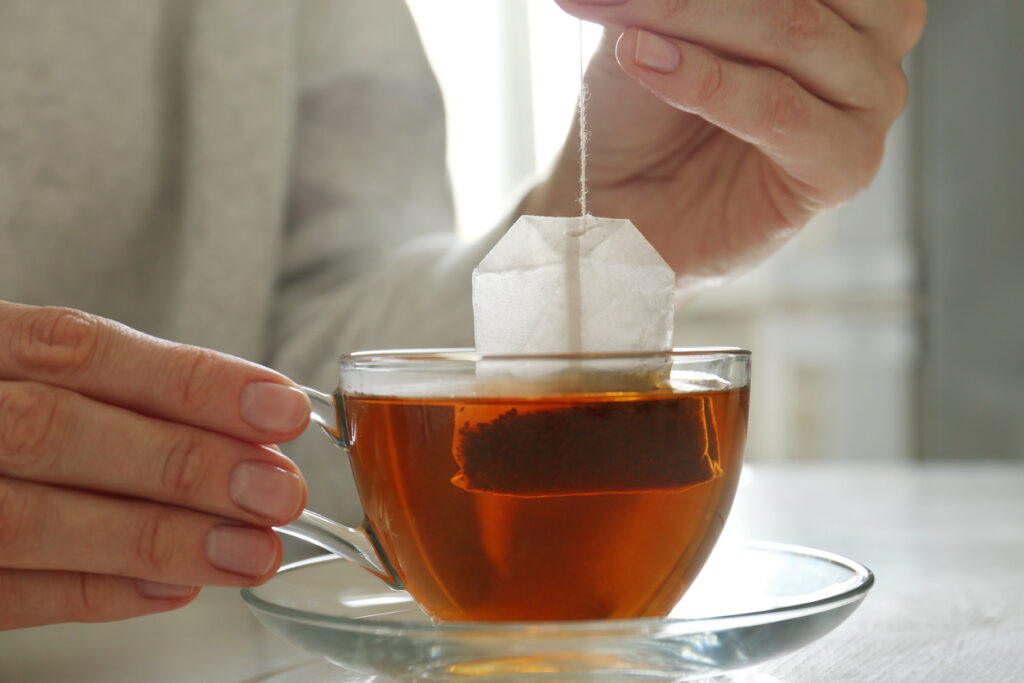
Many tea bags contain plastic that sheds billions of microplastics when steeped in hot water. A McGill study found that one bag can release up to 11.6 billion particles per cup. Pets aren’t safe either- used bags in compost or trash can expose them too. Choose unbleached paper tea bags or loose-leaf tea with a stainless steel infuser to avoid turning tea time into plastic time.
Source: National Geographic
2. Synthetic Clothing
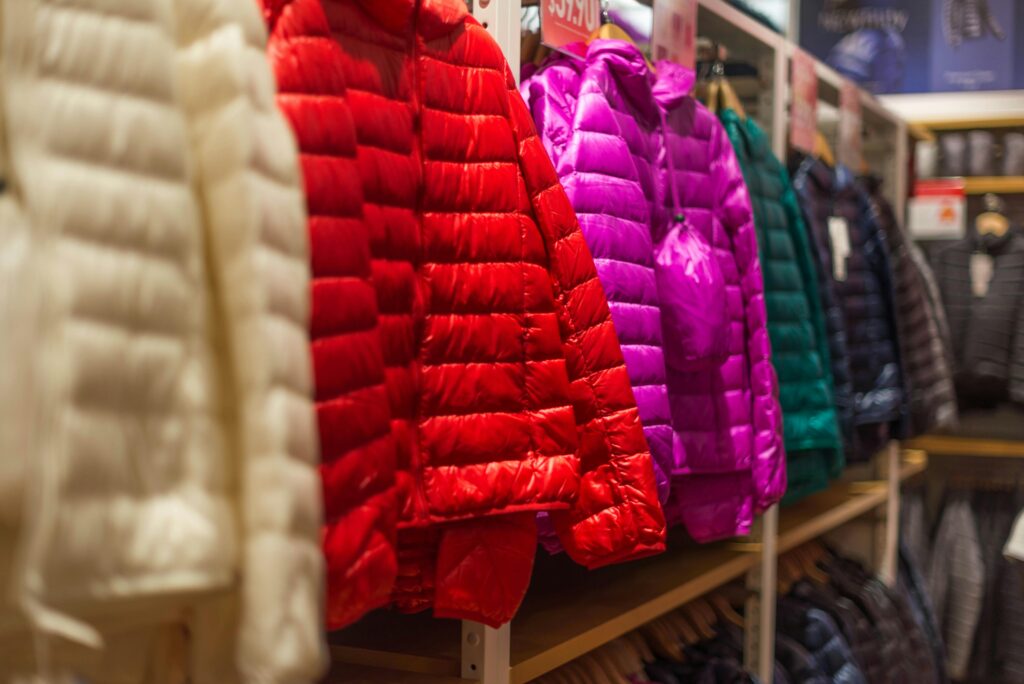
Washing synthetic clothes like fleece releases microplastic fibers into water systems. These fibers, which evade filters, make up 35% of ocean microplastics and end up in our food and water. Pets are exposed too. To help, wear natural fabrics and use laundry bags that trap microfibers when washing synthetics.
Source: International Union for Conservation of Nature (IUCN)
3. Chew Toys and Pet Balls

That squeaky toy your dog loves might be releasing harmful chemicals like BPA and phthalates. Many pet toys are made from plastics that degrade over time, especially with chewing or sun exposure, creating microplastics that your pet unknowingly swallows. A 2021 study found that some toys exceed human safety limits. Choose BPA-free, non-toxic toys made from natural rubber, cotton, or wool to reduce your pet’s plastic exposure.
Source: ScienceDaily
4. Food Storage Containers
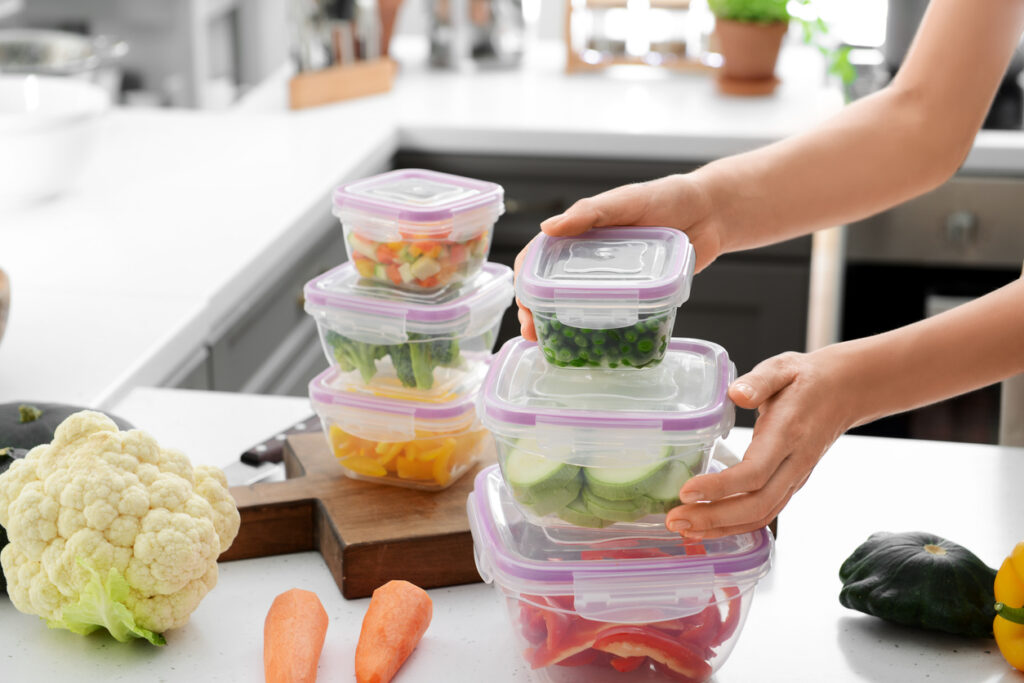
Plastic food containers—even BPA-free ones- can leach hormone-like chemicals, especially when heated or scratched. A 2020 study found they shed nanoplastics, which may enter the bloodstream. Microwave-safe doesn’t mean microplastic-safe. Pets are at risk, too—many eat food stored in degrading plastic bins or bags lined with polyethylene. Over time, plastic flakes can contaminate meals. Switch to glass, stainless steel, or ceramic containers to reduce exposure and keep food safer for both humans and pets.
Source: ASU News
5. Tap Water
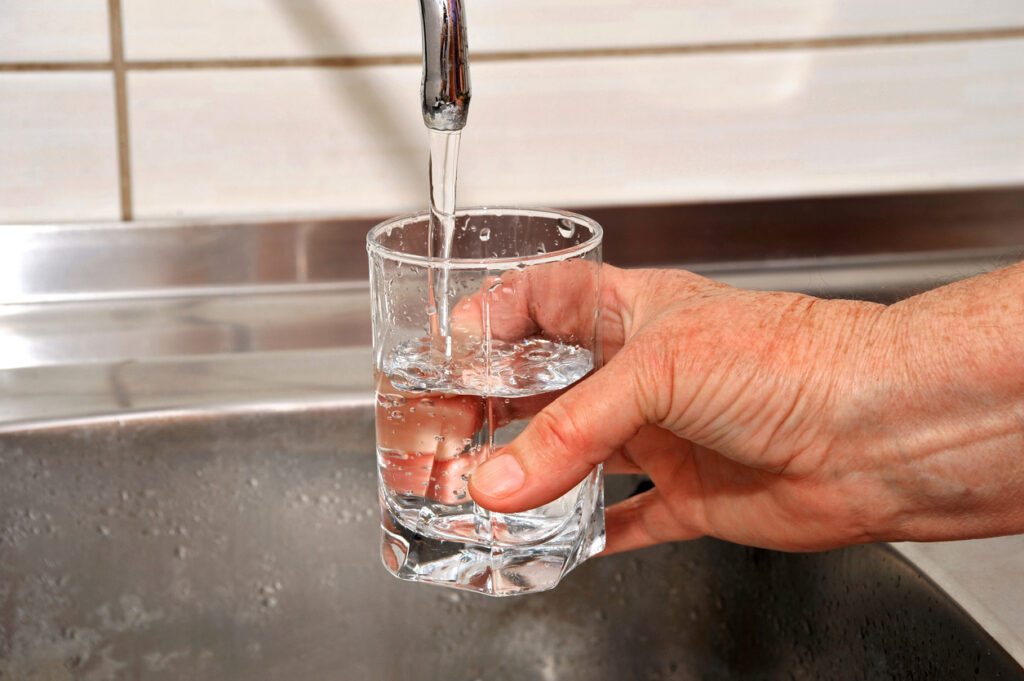
Your tap water likely contains microplastics—over 80% of samples globally do, with the U.S. among the worst. These tiny particles come from plastic waste, laundry runoff, and air, slipping through water treatment systems. Pets are just as exposed, especially dogs, who drink more water relative to body size and can’t detox as efficiently. Microplastics also attract toxins like heavy metals. Protect yourself and your pets with a reverse osmosis filter or one rated to remove particles under 5 microns. Clean water is now an essential defense.
Source: The Guardian
6. Canned Foods

Canned foods often contain BPA or similar chemicals that leach into food, especially acidic or fatty types. Even BPA-free cans can use harmful substitutes. A 2020 study found dogs had higher BPA levels after two weeks of canned food. Switch to glass, pouches, or rotate pet diets to cut down long-term exposure.
7. Kitchen Sponges and Scrubbers
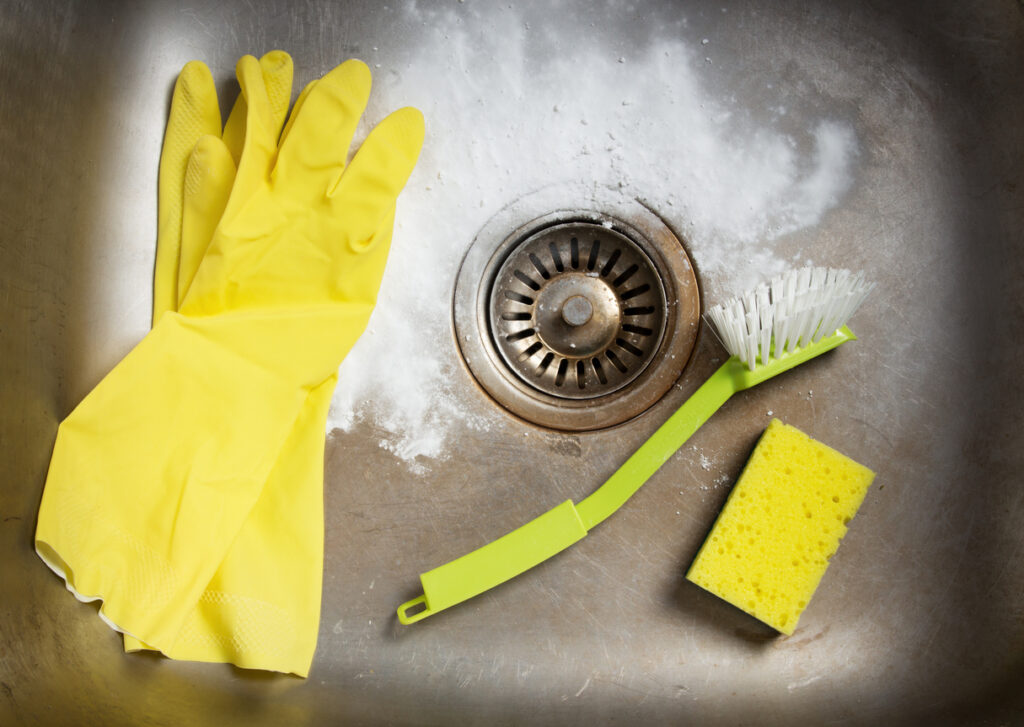
Your kitchen sponge might be shedding microplastics every time you scrub. Most synthetic sponges break down with use, releasing tiny plastic particles onto dishes, surfaces, and into wastewater. Pets that lick plates or drink from sinks can ingest them too. Swap in natural alternatives like cellulose or loofah sponges to reduce plastic exposure at home- for both you and your animals.
8. Toothpaste and Facial Scrubs

That “deep clean” toothpaste or scrub may contain microbeads- tiny plastic particles that rinse off and pollute waterways. Though banned in U.S. rinse-off cosmetics since 2015, some products still use plastic alternatives that act the same. Pets can ingest residue from sinks or pet grooming products with hidden plastics. Check ingredient labels and choose natural exfoliants like baking soda or walnut shells. Going microbead-free helps protect both your body and your pet’s water supply.
9. Vacuum Cleaner Bags and Dust
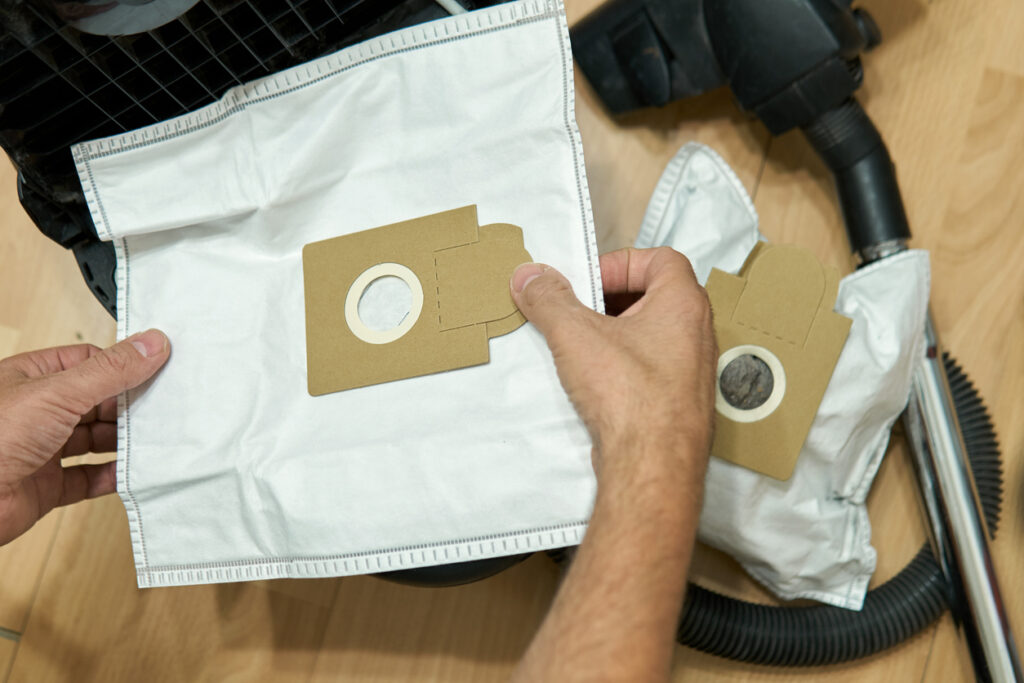
Your home’s air may be full of microplastic dust from synthetic fabrics, packaging, and furniture. A 2021 study found households release over 20 kg of it yearly. Standard vacuums often miss these fine particles, spreading them around. Pets absorb it through grooming or contact with dusty floors. To reduce exposure, use a HEPA-filter vacuum, damp dust, and air out rooms. Cleaning now means tackling invisible plastic that coats your space- and your pet.
10. Airborne Microplastics
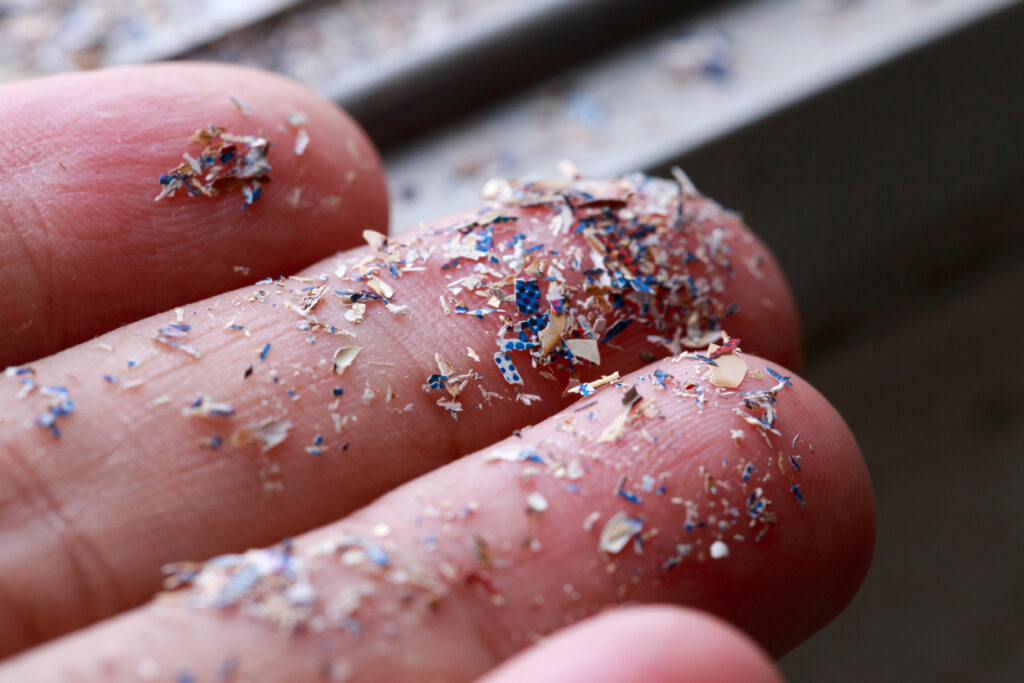
You’re likely breathing in microplastics from packaging, textiles, and household dust. A 2022 study found them in human lungs- and pets are even more exposed near floors and fabrics. Some animals have plastic in their lungs too. Use HEPA filters, ventilate, and avoid synthetic sprays to reduce exposure.
The Plastic We Never Signed Up For
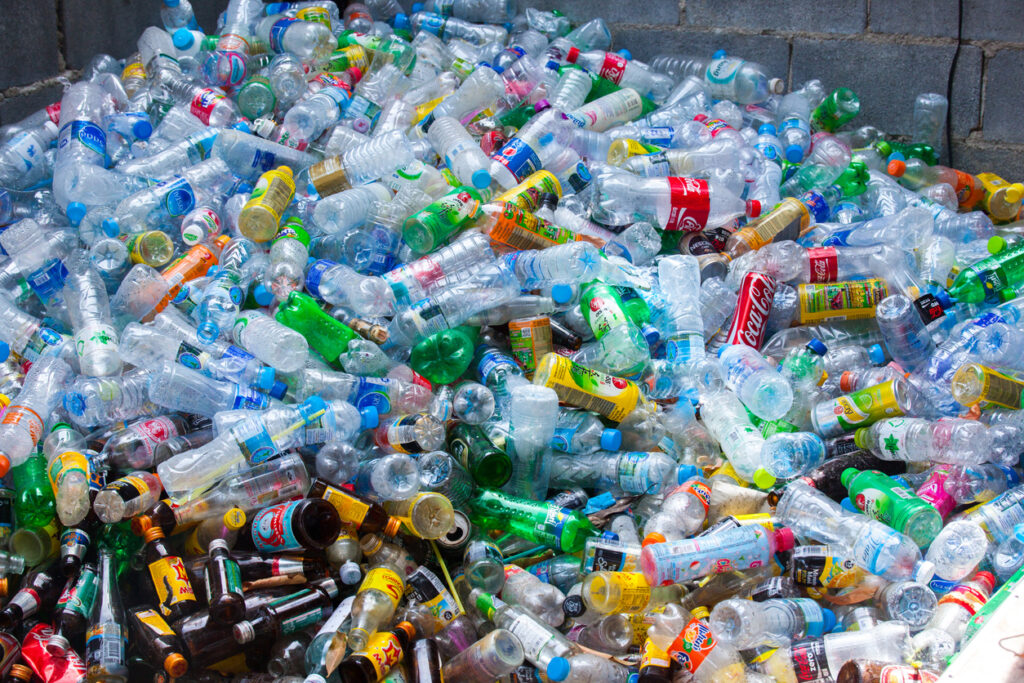
You didn’t choose daily plastic exposure—nor did your pets. But it’s in your air, water, and routines. Studies link microplastics to health risks in humans and animals alike. The good news? Small changes help. Swap synthetic sponges, upgrade filters, and choose safer materials. Your body- and your pet’s- can’t process plastic. So let’s stop unknowingly feeding it to them. Awareness is power. Use it.
If you like or found this story helpful, please give it a “thumbs-up”. If you would like to add something or reach the Editor, please add a comment or send an email directly to Michael at mgitter@gmail.com. From all of us at Fetch, Thank you.


