
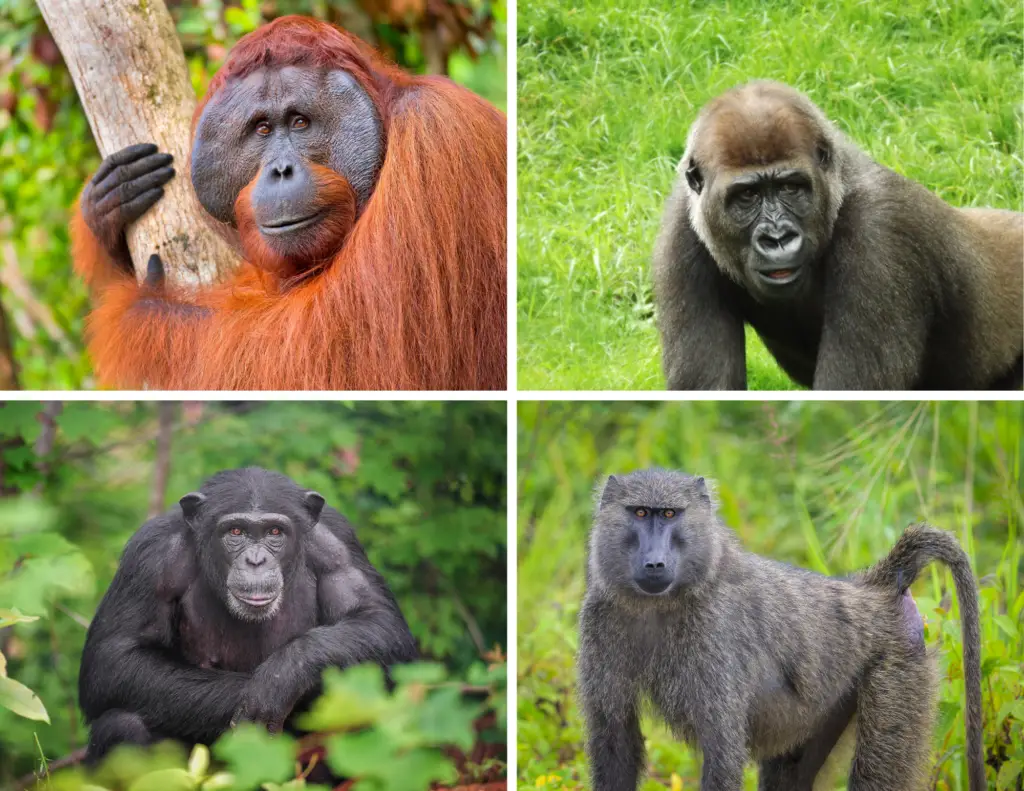
Monkeys, apes, and other primates might look pretty similar at first glance—but look a little closer, and you’ll notice some fascinating differences. From how they move to how they think, each group has its own special traits. Still, it’s easy to mix them up! The confusion usually comes from seeing them all grouped together in documentaries or zoos. But knowing the difference between monkeys and apes (and other primates like lemurs) can help you better appreciate the incredible diversity of our closest animal relatives. So whether you’re a wildlife enthusiast, a student, or just someone who’s Googled “monkeys vs apes” more than once, here are 10 fun and simple ways to spot the difference.
Tails
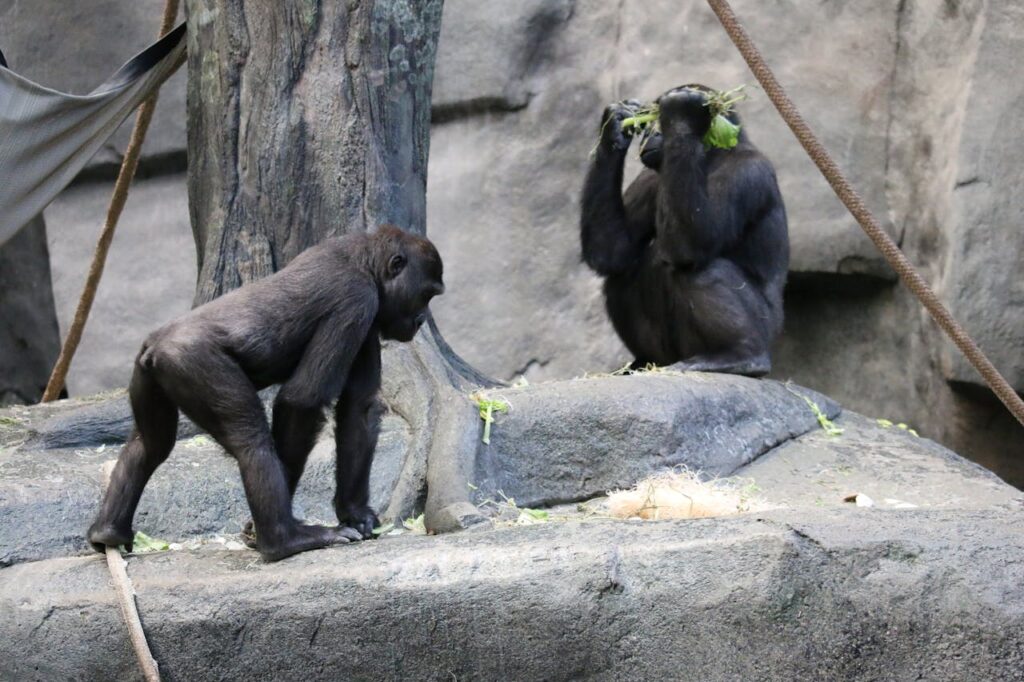
One of the easiest ways to tell monkeys from apes is by looking at their tails. Monkeys usually have them—sometimes long and prehensile (which means they can use it to grab things), other times short and fluffy. Apes, on the other hand, never have tails. That’s right—gorillas, chimpanzees, bonobos, orangutans, and gibbons are all tailless. This physical trait is a key way to identify apes and monkeys in the wild or at the zoo. Why does this matter? For monkeys, tails can help them balance or swing from tree branches. In some species, like spider monkeys, tails are almost like a fifth limb. Apes, who are usually larger and stronger, rely on their arms and legs for climbing or knuckle-walking—no tail needed. Britannica suggests that if you ever find yourself wondering about primate differences, just take a peek behind them. Source: Britannica
Size and Strength

Another way to distinguish between monkeys vs apes is by looking at their size and build. Apes are usually much larger and stronger than monkeys. Gorillas, for example, can weigh up to 400 pounds and have incredible upper-body strength, enough to rip branches or even bend steel bars. Monkeys, even the bigger ones like baboons, are typically much smaller in comparison and less muscular. This size difference isn’t just about looks—it’s also about lifestyle. Apes often live in forests where their large bodies help them navigate bigger tree limbs or even spend time on the ground. Monkeys, being smaller and more agile, are often more at home in the treetops. So next time you’re watching a nature show or visiting a sanctuary, size can be your clue. Differences in size can help identify the primate. If it’s bulky and massive, it’s probably an ape. If it’s small and spry, you’ve likely got a monkey on your hands. Source: HowStuffWorks
Brainpower: Who’s Smarter?

With bigger brains relative to their bodies, they’re great at solving problems, using tools, showing emotions, and even learning sign language. Chimps, for instance, can remember number sequences better than some humans! Monkeys are smart too, but apes go further—with deeper communication and cultural behaviors passed down through generations.
Want to tell them apart? Apes might be building tools or comforting a friend. Monkeys? Probably raiding a fruit basket or pulling off a snack heist. Source: National Institute of Health
4. How They Move: Swingers vs Scampers
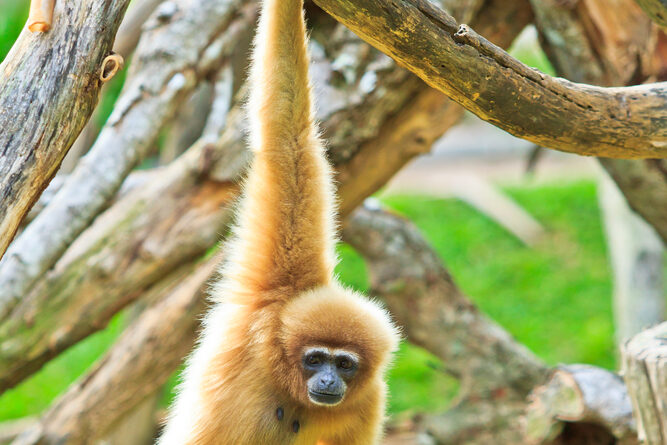
Movement is another telltale sign when figuring out primate differences. Apes are masters of brachiation—a type of swinging movement where they use their long arms to move from branch to branch. Gibbons, a type of lesser ape, are especially known for this graceful swinging and can fly through the trees like acrobats. Great apes like orangutans also use brachiation, although more slowly, due to their larger size. Monkeys, in contrast, usually move on all fours and can run or leap with impressive agility. They may jump between trees or scurry along branches, but you’ll rarely see them swing the way apes do. Apes also tend to knuckle-walk when on the ground, especially gorillas and chimps, while monkeys walk flat-footed. So, the next time you see a primate in motion, pay attention to how they get around. Primate locomotion is a key identifying factor. Source: Nature.com
5. Social Structures: Complex vs Casual
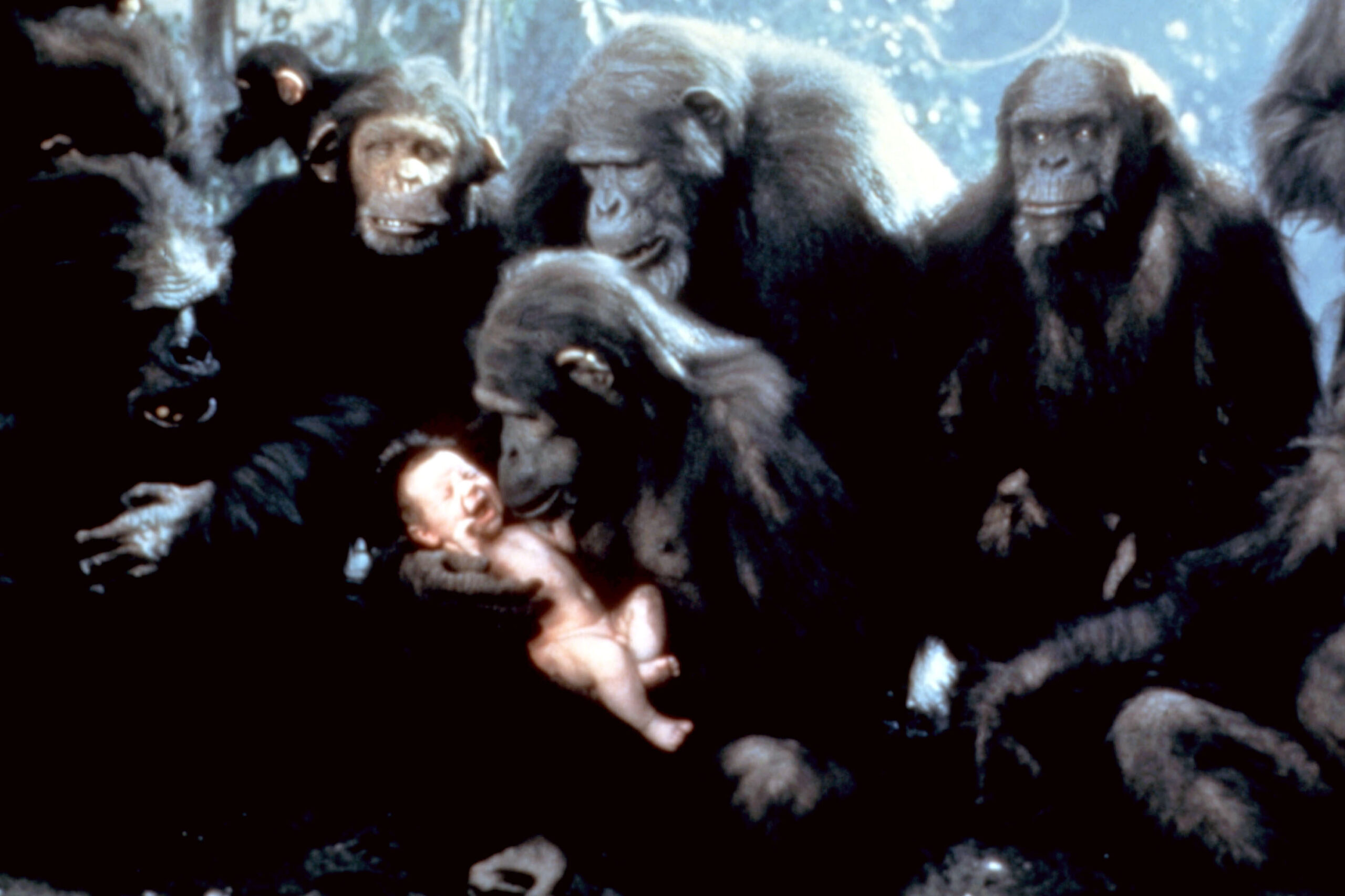
When it comes to social lives, apes have more complex social structures compared to most monkeys. Apes form long-lasting bonds, have intricate hierarchies, and even show empathy and cooperation. Chimpanzees are known to mourn their dead, groom their friends for hours, and even engage in diplomatic alliances within their groups. These behaviors suggest a high level of emotional intelligence. Monkeys are social too, often living in troops with clear rankings. However, their social behaviors tend to be more straightforward, often revolving around survival and reproduction. While some monkeys can be affectionate, their relationships don’t run as deep as those of apes. Understanding how to identify apes and monkeys can start with simply watching how they interact. Are they showing emotion, comfort, or strategic teamwork? You might just be witnessing ape-level intelligence in action.
6. Communication
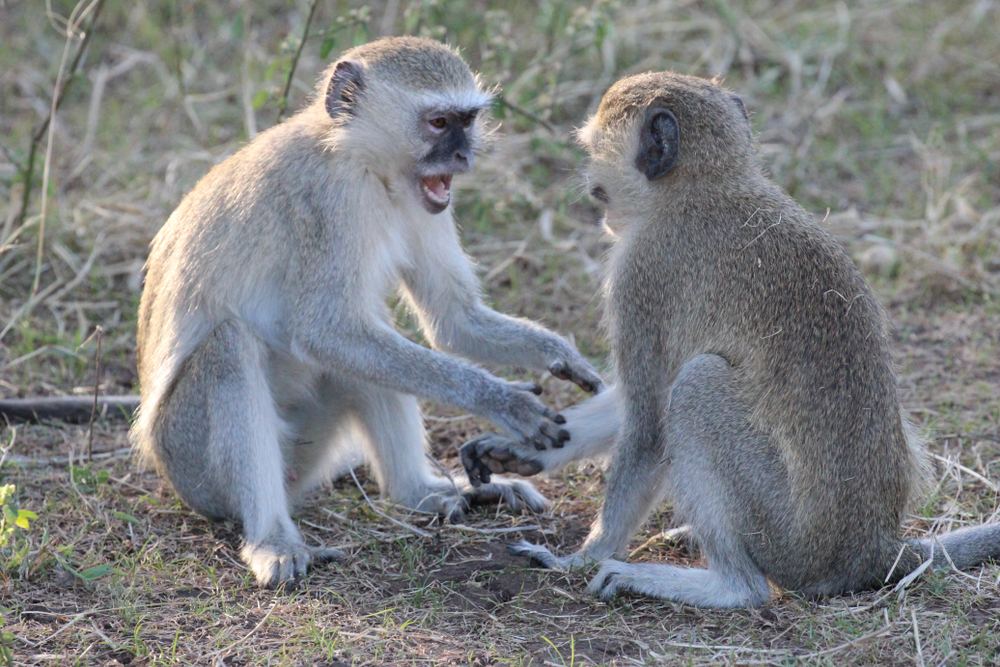
Apes have incredibly expressive faces and can communicate a wide range of emotions—from joy and sadness to fear and anger. Their facial muscles and vocalizations help them share complex feelings and messages with each other. Apes also use gestures, body language, and even eye contact to communicate. Monkeys also use facial expressions and vocal sounds, but their range of expression is generally less varied. While a monkey might chatter, shriek, or flash its teeth, apes can make eye contact to signal submission, raise eyebrows to show curiosity, or hug to express affection. If you’re trying to decode monkeys vs apes, just watch their faces for a minute. The level of emotion and intent you see in an ape’s eyes might surprise you—it’s almost human.
7. Where They Live
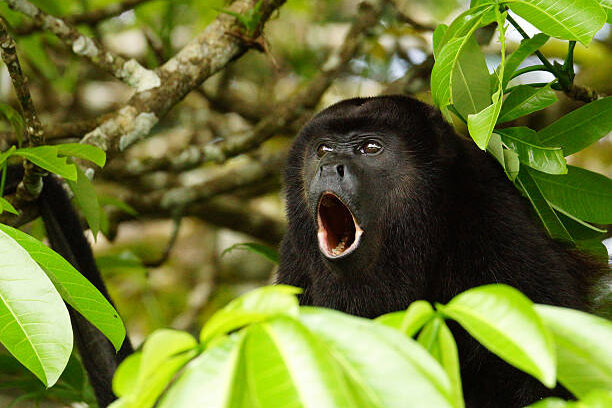
Geography plays a big role in primate differences. Apes are found only in Africa and Asia, while monkeys are much more widespread. You can find monkeys across South America, Central America, Africa, and Asia. This means that if you spot a primate in the Amazon rainforest, it’s definitely a monkey—not an ape. There’s also a distinction between Old World monkeys (Africa and Asia) and New World monkeys (Central and South America). New World monkeys, like howler monkeys and tamarins, often have prehensile tails and flatter noses. Old World monkeys, like baboons, don’t have those features and are more similar to apes in some ways. Understanding where a primate comes from can offer important clues in the monkeys vs apes mystery.
8. Nose Shape: Flat or Narrow?
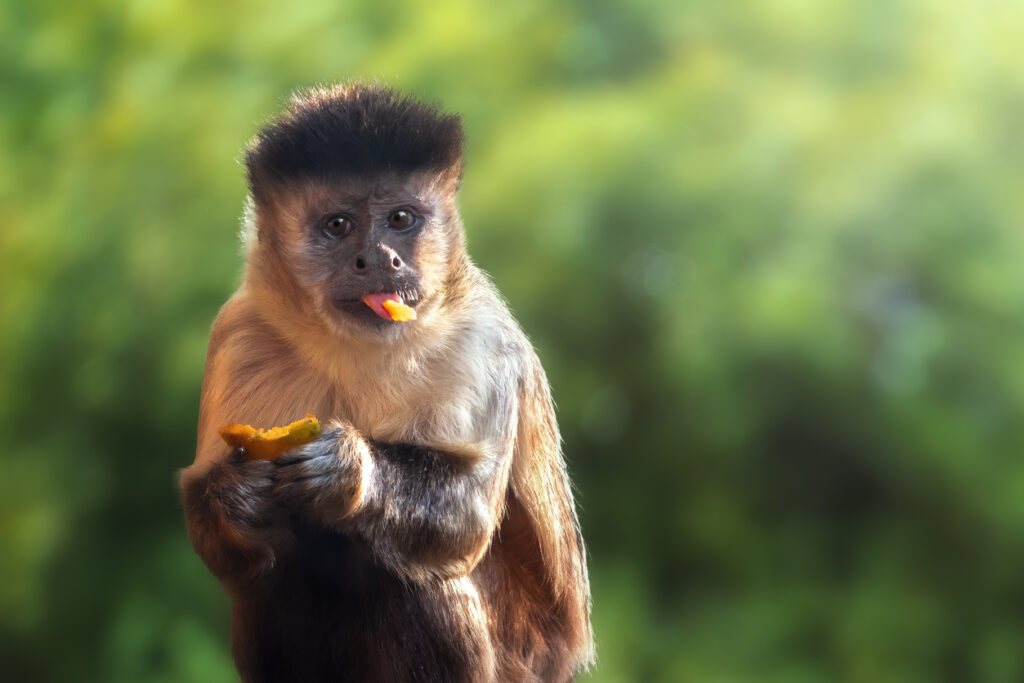
This one’s for the observant! The shape of the nose can also help you tell monkeys apart. New World monkeys, which live in Central and South America, tend to have flat noses with side-facing nostrils. Meanwhile, Old World monkeys and apes have narrower noses with downward-facing nostrils, much like humans. This detail may seem small, but it’s actually a major feature in primate classification. Scientists use nose shape as one of the key ways to categorize different primate species. So, if you’re looking to get technical while figuring out how to identify apes and monkeys, check out their nose profile—it’s not just cute, it’s science.
9. Tool Use: Who Builds What?
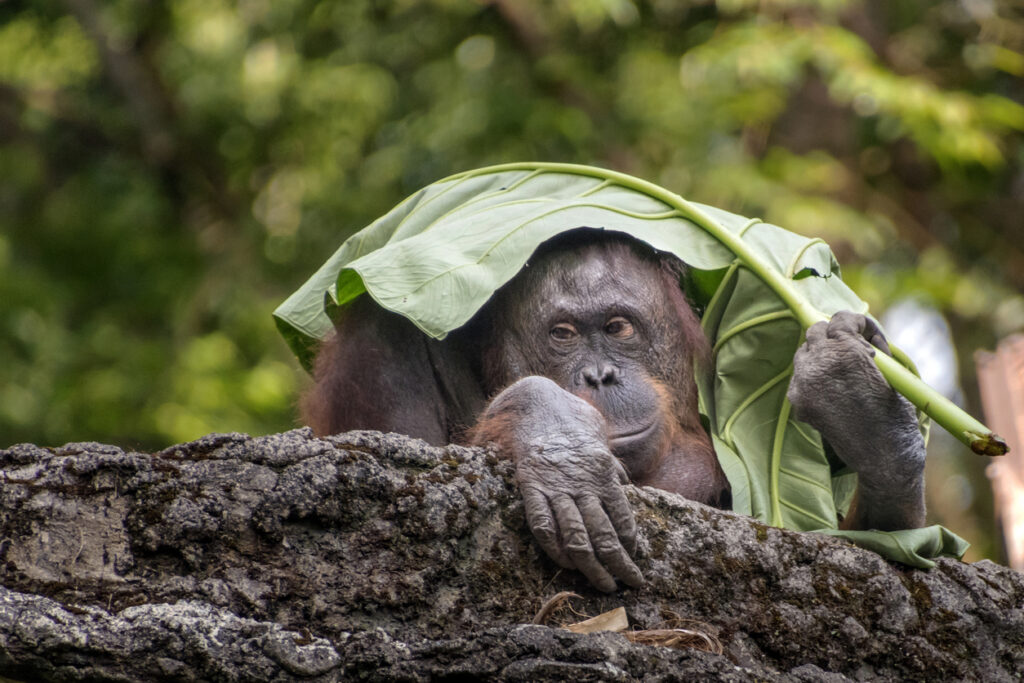
While some monkeys have been seen using tools (like breaking nuts with rocks), apes are far more advanced in this area. Chimpanzees use sticks to fish for termites, leaves as sponges to collect water, and even sharpened sticks to hunt. Orangutans have been observed creating umbrellas from leafy branches to shield themselves from rain. These aren’t just random acts—they’re signs of creativity and learning. Monkeys, by comparison, use tools less frequently and often in more limited ways. Their behaviors tend to be instinctive rather than inventive. Tool use is a major sign of cognitive development, so if you ever see a primate crafting something clever, chances are you’re looking at an ape flexing their brainpower.
10. Lifespan and Maturity: Who Grows Up Slower?

Apes generally live longer and take more time to mature than monkeys. For example, chimpanzees and orangutans can live up to 50 years or more, while monkeys often have shorter lifespans—though some species like baboons can also live fairly long lives. This extended development in apes gives them more time to learn, build social bonds, and develop complex behaviors. Baby apes stay with their mothers for many years, gaining survival skills and emotional intelligence along the way. Monkeys tend to grow up faster and become independent earlier. So if you’re watching a mother gently teach her young one how to forage or climb with patience, you’re probably looking at an ape passing on wisdom the slow and steady way.
So there you have it—10 simple, science-backed ways to tell the difference between monkeys, apes, and other primates. From tails to tools, brain size to social lives, these clues will help you crack the code the next time you’re watching a documentary or visiting a zoo. Have you ever gotten monkeys and apes mixed up? You’re not alone! Share your funny mix-up stories in the comments—because learning is better when we laugh together.


