
Black Dogs
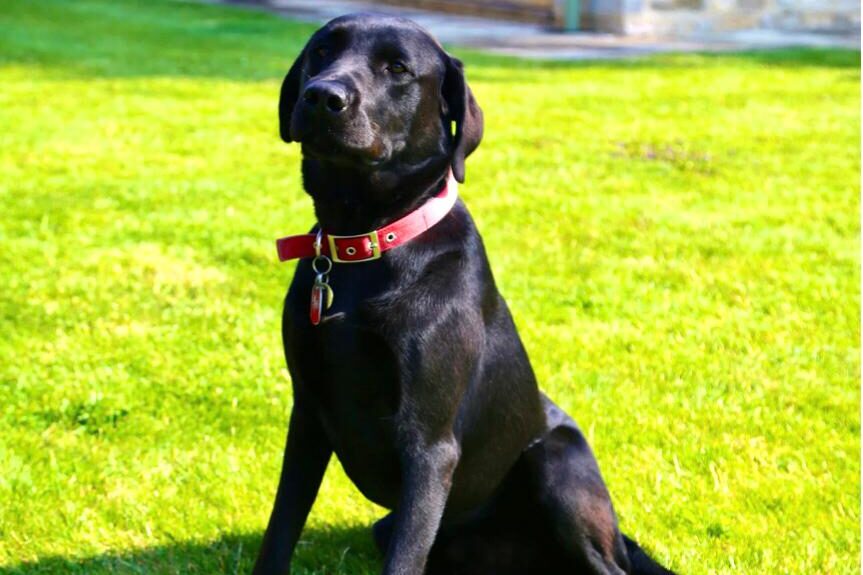
Walking through a shelter, it’s hard not to notice the many black dogs waiting patiently, their soulful eyes often missed by visitors who unconsciously pass them by. This phenomenon, known as “black dog syndrome,” is a real and persistent bias where black-coated dogs, especially Labradors or black German Shepherds, are overlooked in favor of lighter-colored or more strikingly patterned dogs. Experts in animal behavior and shelter adoption note that black dogs don’t photograph well, which impacts online profiles and social media posts that many adopters rely on. This subtle bias is unfortunate because black dogs are just as loving and playful as any other. The color of a dog’s coat has no bearing on their personality or suitability as a family companion, but old superstitions and media portrayals still linger, influencing adoption choices. Many shelter workers have seen firsthand how black dogs can be some of the most affectionate and resilient dogs, eager to bond with a new family.
Pit Bulls
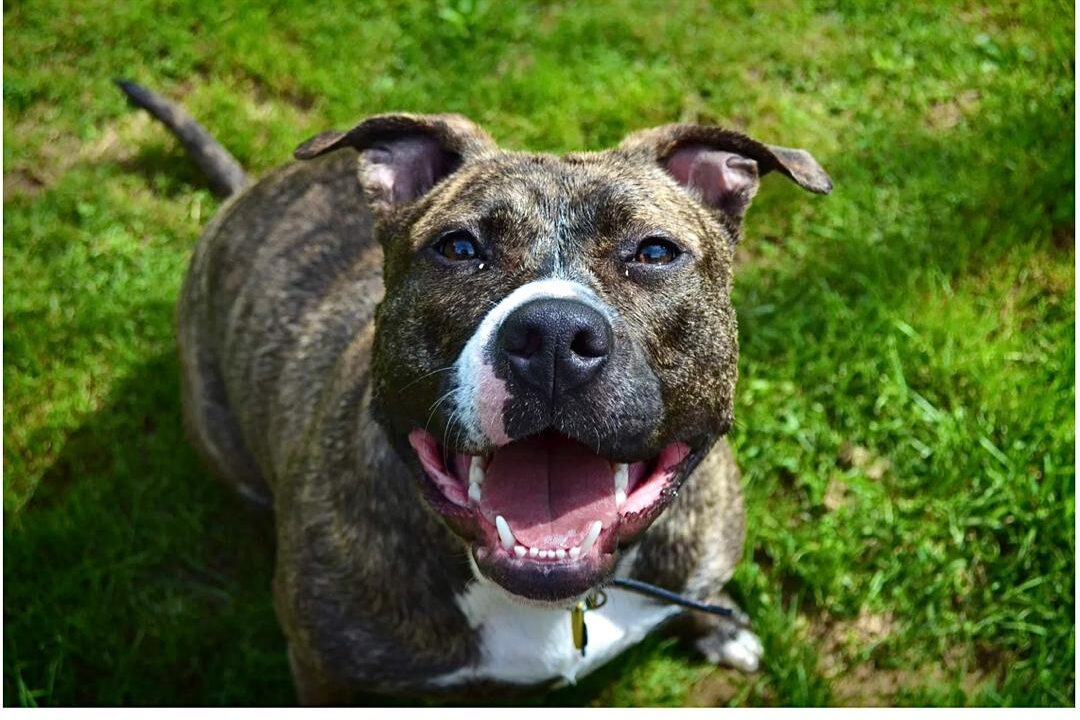
Pit Bulls are among the most misunderstood breeds in shelters, often being the last to find a home despite their warm and affectionate nature. Their muscular build and history have unfairly earned them a reputation for aggression, fueled by sensationalized media stories and breed-specific legislation in many regions. Animal behaviorists emphasize that aggression is not inherent to the breed but it is more about the individual dog’s upbringing and environment. Pit Bulls are known for their loyalty, playfulness, and deep attachment to their families. Many shelter staff and trainers advocate strongly for these dogs, highlighting their gentle demeanor with children and their eagerness to please. Unfortunately, the stigma attached to Pit Bulls causes many potential adopters to hesitate or avoid them altogether, fearing legal restrictions or safety concerns. This bias means that countless Pit Bulls remain in shelters, and the challenge is changing public perception about them.
Senior Dogs
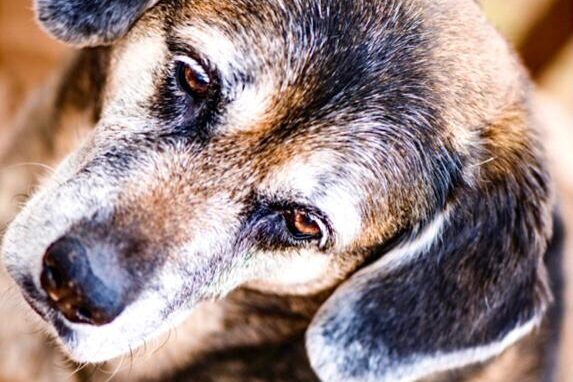
There’s a special kind of beauty in the quiet dignity of senior dogs waiting in shelters, but sadly, they are often the last to be adopted. While puppies and young dogs attract most attention with their boundless energy and cuteness, older dogs are frequently overlooked because potential adopters worry about their health issues, medical expenses, or the shorter time they might have left. However, experts in animal welfare stress that senior dogs bring unique joys to a home. They tend to be calmer, more settled, and often already trained, making them wonderful companions for people who want a low-maintenance friend. Many seniors have spent years learning to be patient, loving, and loyal, and they often show deep gratitude when given a second chance. Shelters report that adopters who choose senior dogs find themselves rewarded with a gentle soul who just wants a warm bed and a loving family. The bond formed with a senior pet can be incredibly special, filled with quiet moments of companionship that younger dogs might not offer.
Sloughis
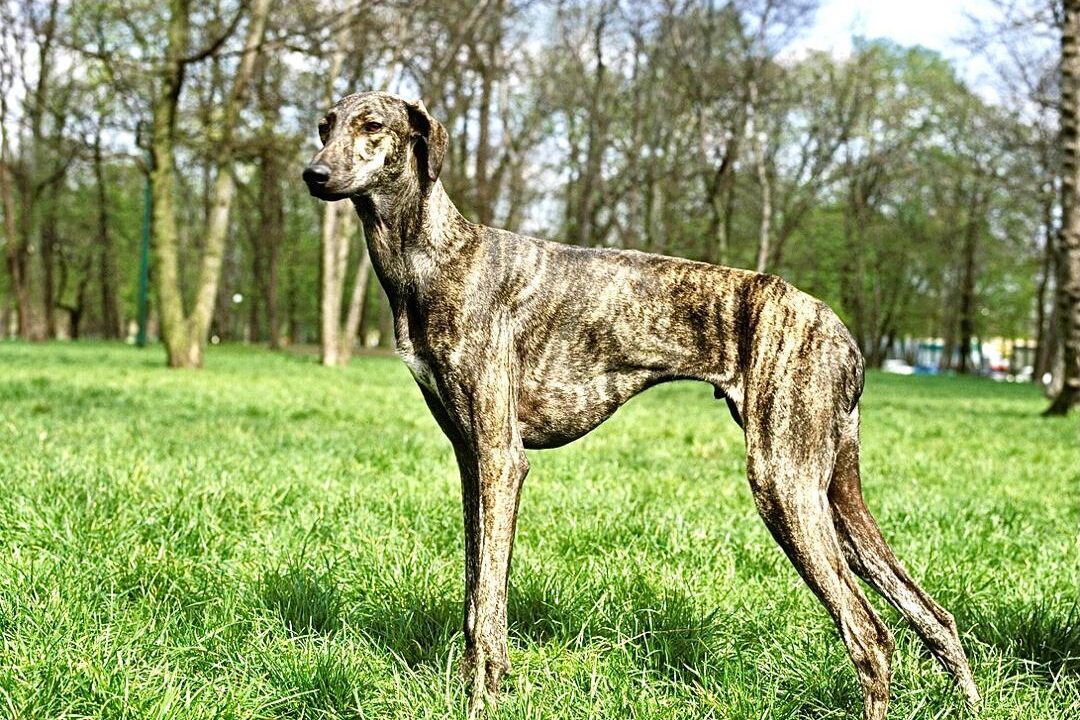
The Sloughi, a graceful and elegant sighthound from North Africa, is a rare breed that often finds itself waiting longer in shelters when it does appear. Their unique, slender build and reserved personality can make them seem aloof or distant to casual visitors unfamiliar with the breed. Animal experts who specialize in sighthounds note that Sloughis are deeply loyal and sensitive dogs who bond closely with their families but require a gentle and patient approach. Their hunting background means they have strong prey drives and need secure, spacious environments to thrive, which can be intimidating for many potential adopters. Because they are not as well-known as other breeds, Sloughis often get overlooked in favor of more familiar dogs. Their rarity also means fewer people are prepared for their specific needs, including their exercise requirements and socialization. Despite this, those who take the time to understand the Sloughis temperament find a devoted, calm, and intelligent companion.
English Foxhounds
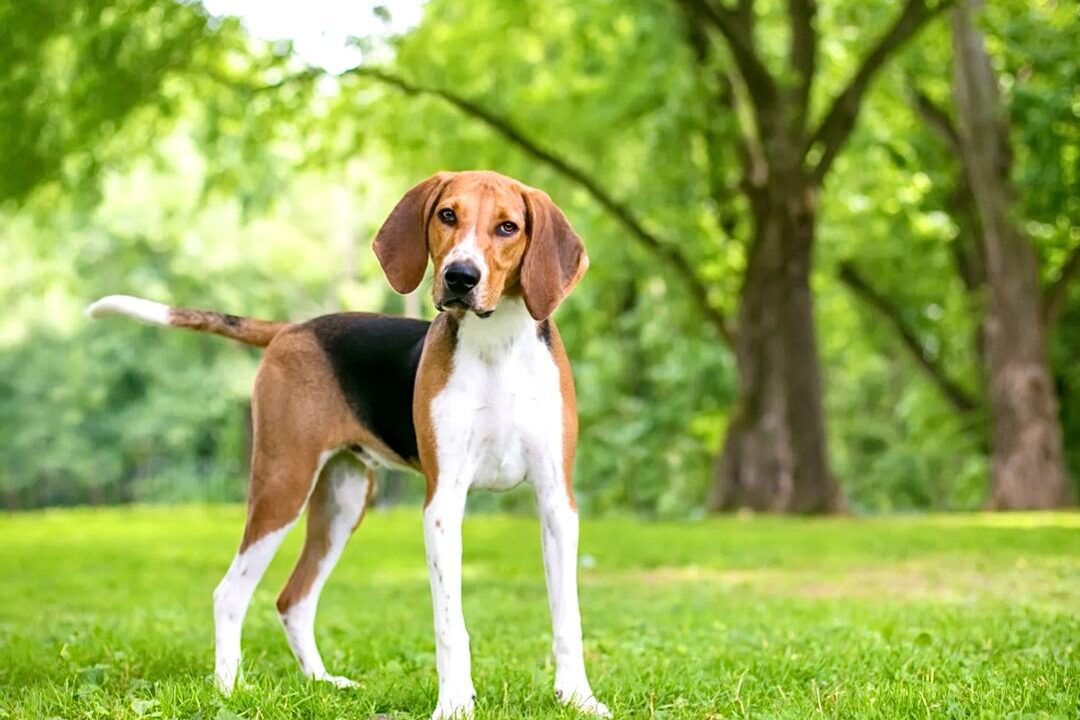
English Foxhounds are a breed built for endurance and adventure, bred historically to run for miles in packs during fox hunts. This high energy and stamina can be a double-edged sword in the shelter environment, where many adopters seek dogs that fit a more relaxed lifestyle. Experts in canine behavior explain that English Foxhounds require significant daily exercise and mental stimulation to stay happy and healthy, which can be daunting for families living in urban settings or those with limited time. Their friendly and social nature is a plus, but their need for space and activity often means they are passed over in favor of calmer breeds. Shelters report that these dogs are often the last to be adopted because many people underestimate the commitment required to care for a high-energy hound. However, for active families who enjoy outdoor activities like running, hiking, or even dog sports, English Foxhounds can be incredibly rewarding companions.
Mastiffs
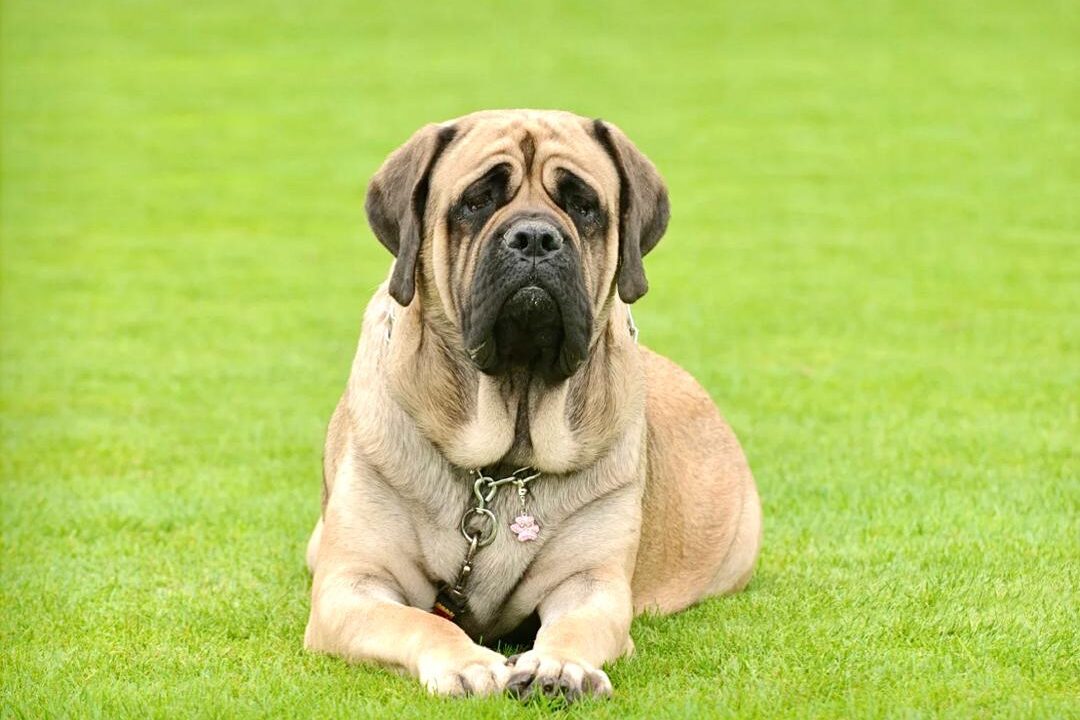
Mastiffs, known for their impressive size and calm demeanor, often face longer waits in shelters due to the practical challenges they present. While their gentle and protective nature makes them wonderful family dogs, their sheer bulk can intimidate potential adopters who worry about space, feeding costs, and managing such a large animal. Experts in large-breed care emphasize that Mastiffs need a home with enough room to move comfortably and owners who are prepared for their strength and size. Their slow, steady temperament means they’re not suited for every household, especially those with small children or limited living space. Despite these hurdles, Mastiffs are known for their loyalty and affectionate nature, often forming deep bonds with their families. Shelters observe that many people shy away from adopting Mastiffs simply because of their size, not realizing the warmth and devotion these dogs bring.
Belgian Laekenois
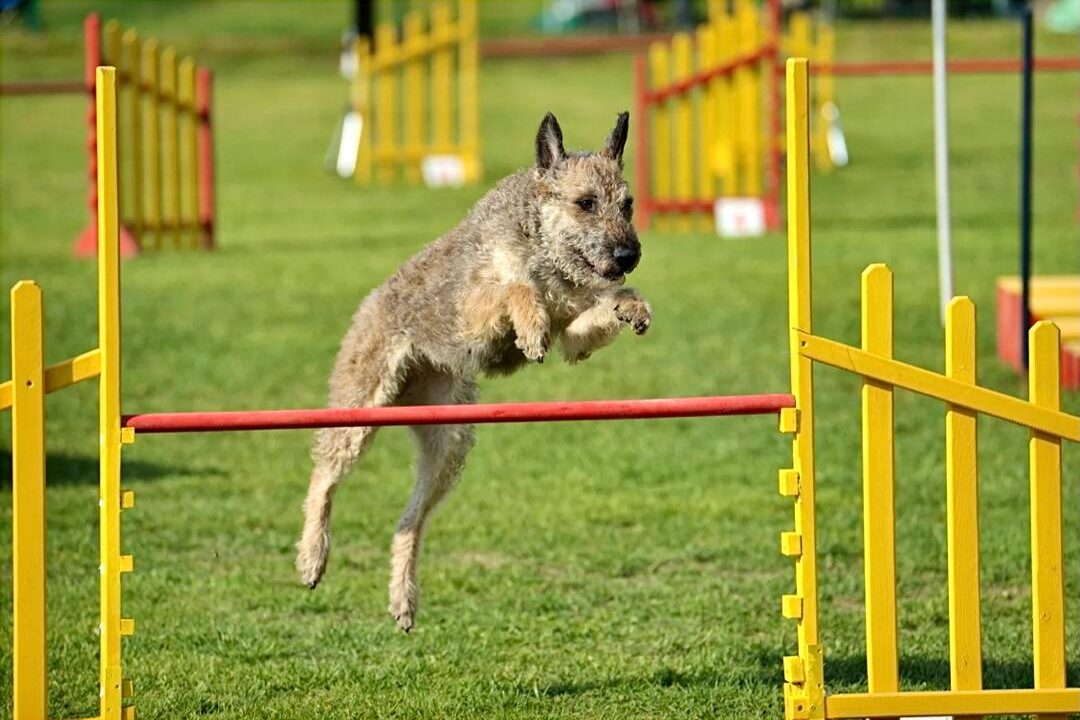
The Belgian Laekenois is one of the lesser-known members of the Belgian Shepherd family, and its rarity often leads to longer shelter stays. This herding breed is recognized for its distinctive wiry coat and alert, intelligent expression, but because it’s not widely familiar, many adopters overlook it. Canine experts highlight that Belgian Laekenois are highly intelligent, energetic, and require plenty of mental and physical stimulation, which can be intimidating for first-time dog owners. Their working-dog background means they thrive in homes that can provide structure, training, and activity. Unfortunately, many shelters report that these dogs are passed over in favor of more popular or easier-to-manage breeds. Yet, those who adopt a Laekenois often find a devoted and lively companion who excels in obedience, agility, and as a family protector.
Norwegian Lundehunds
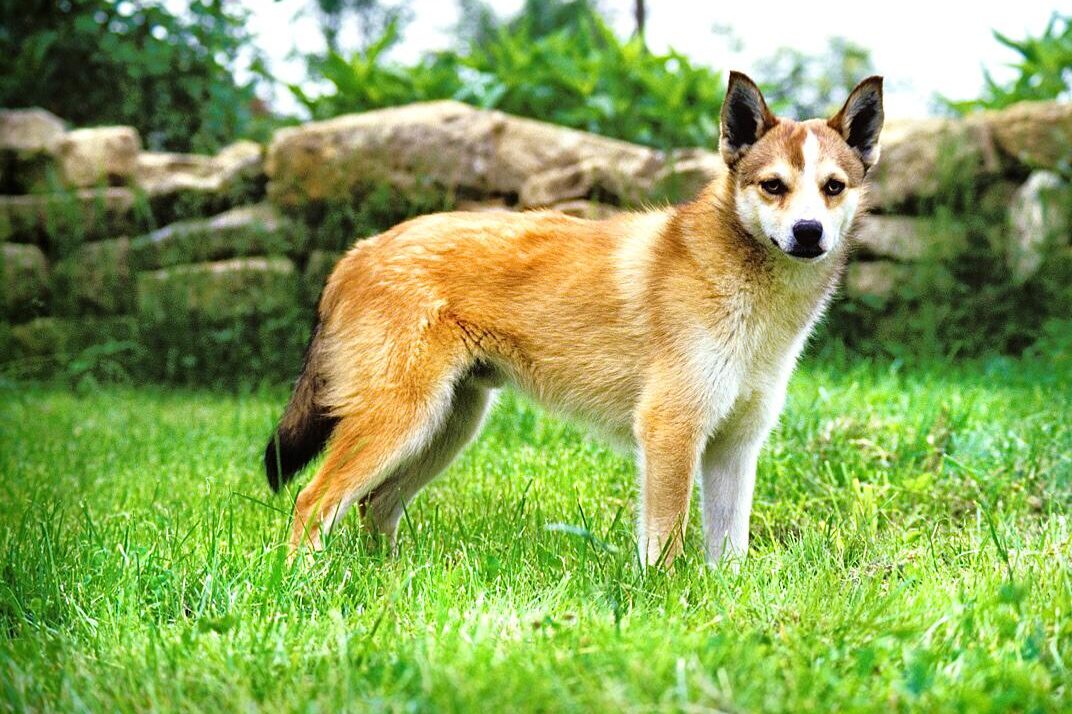
The Norwegian Lundehund is one of the most unusual dog breeds in the world, famous for its extra toes and remarkable flexibility. While these quirks make them fascinating, they also come with special care requirements that can deter potential adopters. Animal specialists note that Lundehunds have a genetic predisposition to certain health issues, including digestive sensitivities, which require attentive care and a specific diet. Their stubborn streak and independent nature mean they need an owner who is patient and knowledgeable about their unique needs. Many shelters find that these dogs are among the last to be adopted because their complexity can be overwhelming for casual adopters. However, for those willing to invest the time and effort, Norwegian Lundehunds are charming, loyal, and playful companions who bring a lot of joy.
Harriers

Harriers resemble larger Beagles and are known for their friendly, energetic personality and strong hunting instincts. Despite their lovable nature, Harriers often wait longer in shelters because their high exercise needs and vocal tendencies can be a tough sell. Many adopters are unprepared for the amount of physical activity and mental engagement these dogs require to stay happy and healthy. Animal behaviorists point out that Harriers thrive in active homes where they can run, explore, and engage their keen noses. Their sociable and affectionate disposition makes them wonderful family pets, but their hunting background means they need secure yards and consistent training. Shelters report that many potential adopters pass them by, intimidated by their energy or unsure how to manage their vocalizations. Yet, those who adopt Harriers often find a devoted, playful, and loving companion who bonds deeply with their family.
Great Dane
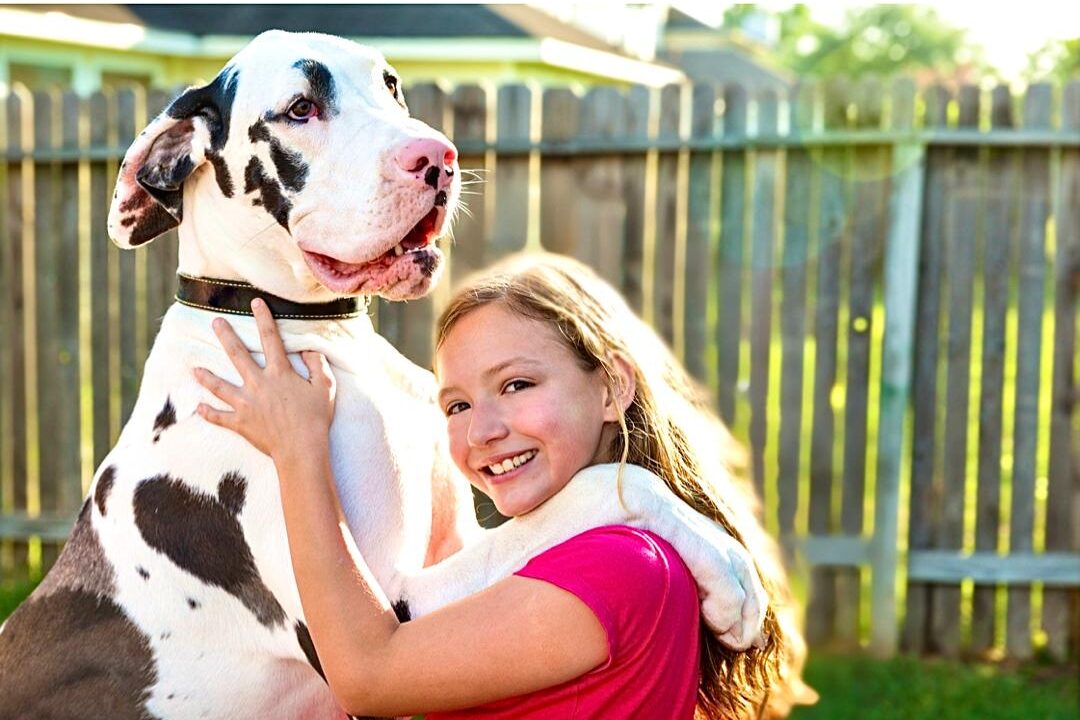
Great Danes are truly the gentle giants of the dog world, they possess a calm and loving nature that melts the hearts of those who get to know them. Yet, in shelters, Great Danes often find themselves waiting longer for adoption. This delay is largely due to their sheer size, which can intimidate potential adopters and raise practical concerns about living space, cost of care, and the ability to manage such a large dog. Veterinarians and dog trainers highlight that Great Danes require special considerations; a large home or yard, regular vet visits that can be pricier than smaller breeds, and careful monitoring to prevent joint or heart issues common in the breed. Many families simply feel unprepared for such a commitment. However, shelters note that when matched correctly with adopters who understand their needs, Great Danes thrive and form deep bonds. Each of these breeds, whether due to color, size, rarity, or misunderstood traits, often waits longer than others in shelters. If you’re considering adoption, remember that sometimes, the last to be chosen are the ones who will love you the most


