
Australian Shepherd
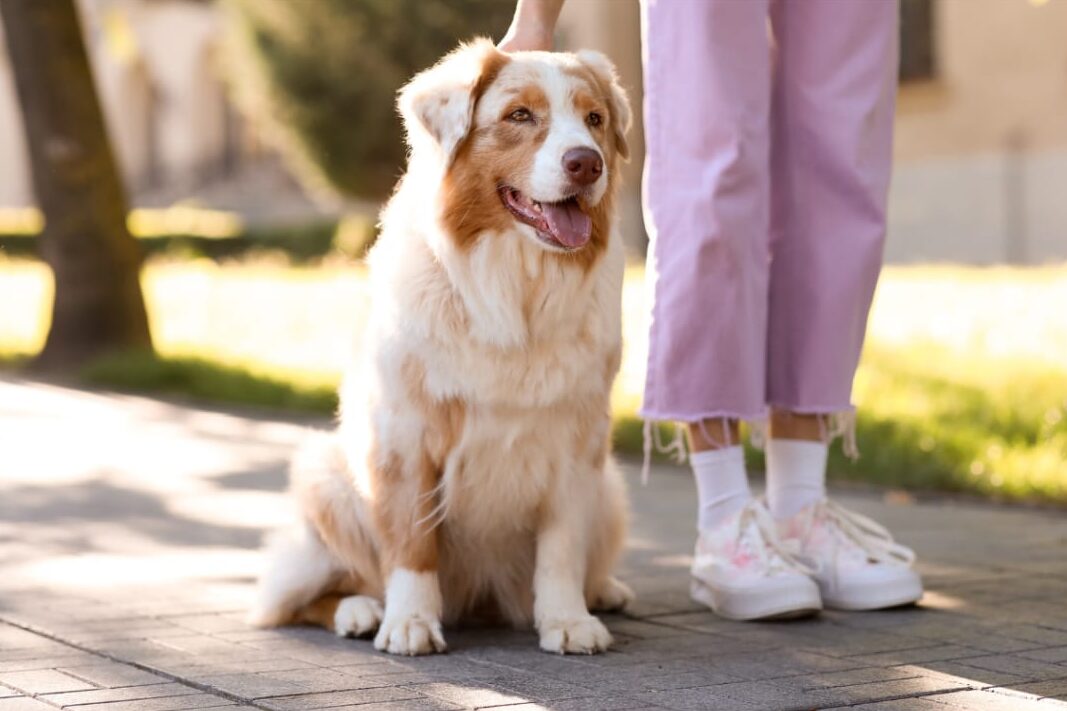
Australian Shepherds hate being alone. Loyal, energetic, and born to herd, Aussies thrive when they’re near their people. Left alone too long, they can get anxious—barking, digging, or trying to escape. These smart pups need tons of mental and physical activity, and they’ll show their boredom fast. With their soulful eyes and clingy charm, they’re perfect for devoted dog parents who want a constant companion. Source: SpiritDog
Toy Poodle
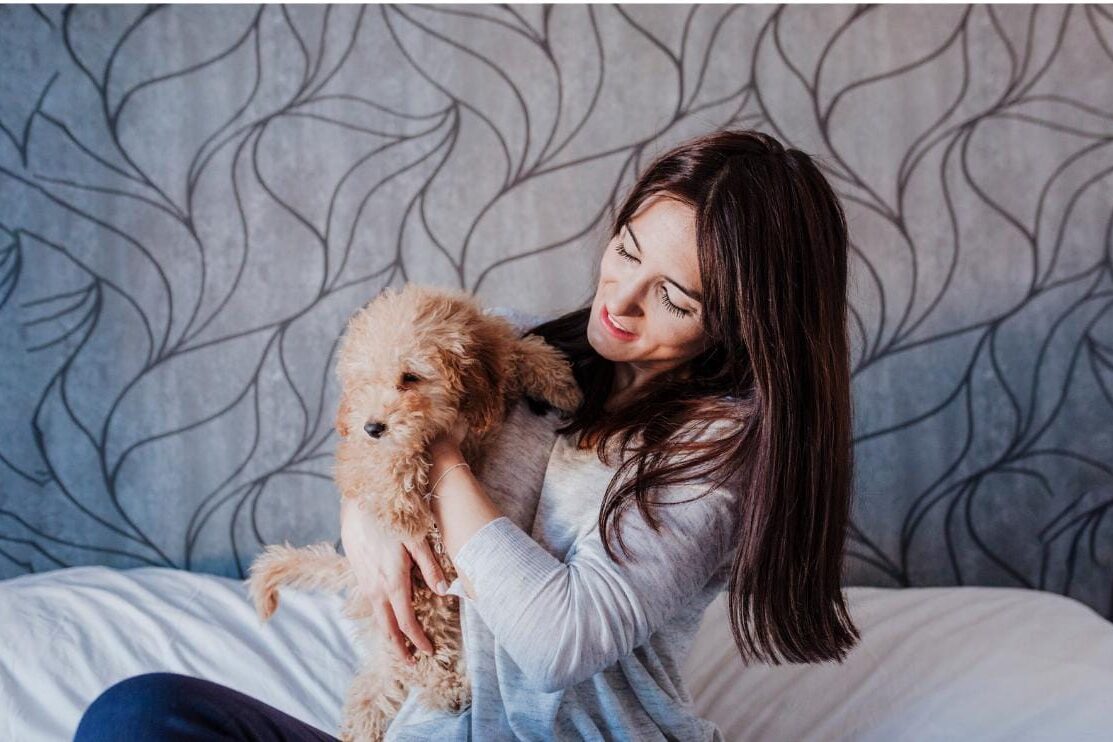
Toy Poodles hate being alone. These tiny companions are deeply attached to their humans and crave constant interaction. Left solo, they can spiral into whining, pacing, or even destructive behavior. With their sharp minds and sensitive hearts, Toy Poodles need near-constant companionship and mental stimulation to stay happy. They’re true “velcro dogs,” sticking close to the people they love. Source: PetMD
Cavalier King Charles Spaniel
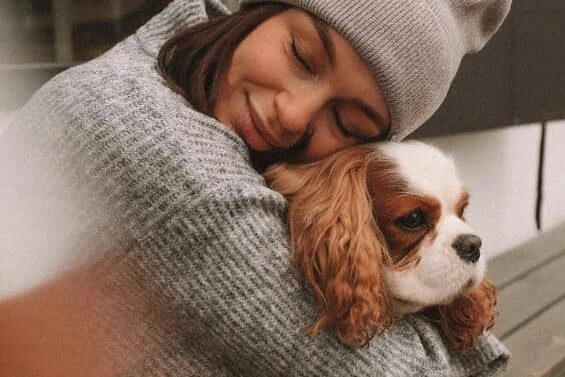
Cavalier King Charles Spaniels hate being alone. These sweet, lap-loving dogs thrive on human closeness and often follow their people from room to room. When left by themselves, they can become anxious—whining, pacing, or scratching at doors. Their soulful eyes say it all: they need companionship to feel secure. For families who can offer constant love and attention, Cavaliers return it tenfold. Source: PDSA
Border Collie
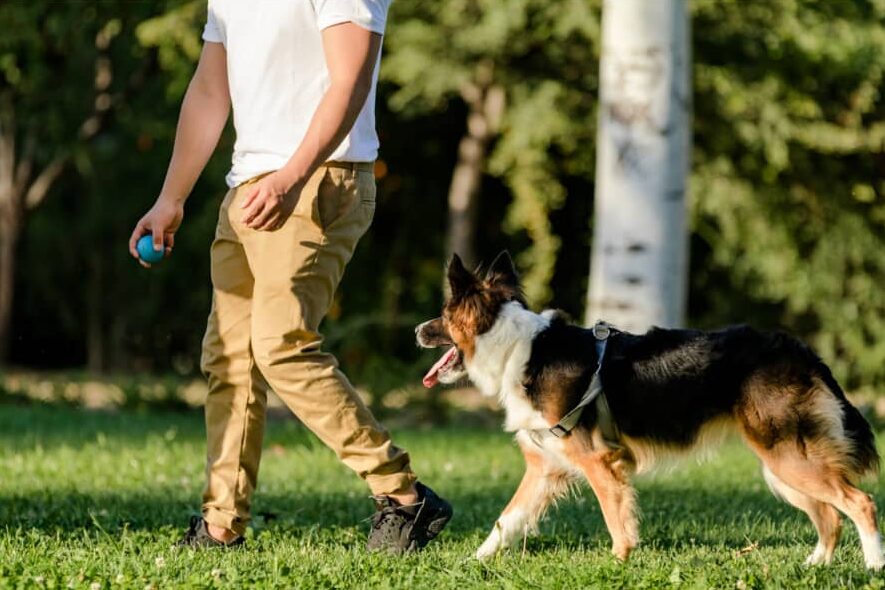
Border Collies hate being alone. Known for their brains and boundless energy, these dogs were bred to work side by side with humans. When left solo, they can get anxious and destructive—barking, chewing, or digging to cope. Their minds need constant challenges and their hearts crave connection. If you want a smart, loyal sidekick who’ll stick by your side, a Border Collie is perfect—as long as you’re ready to keep up. Source: WebMD
French Bulldog
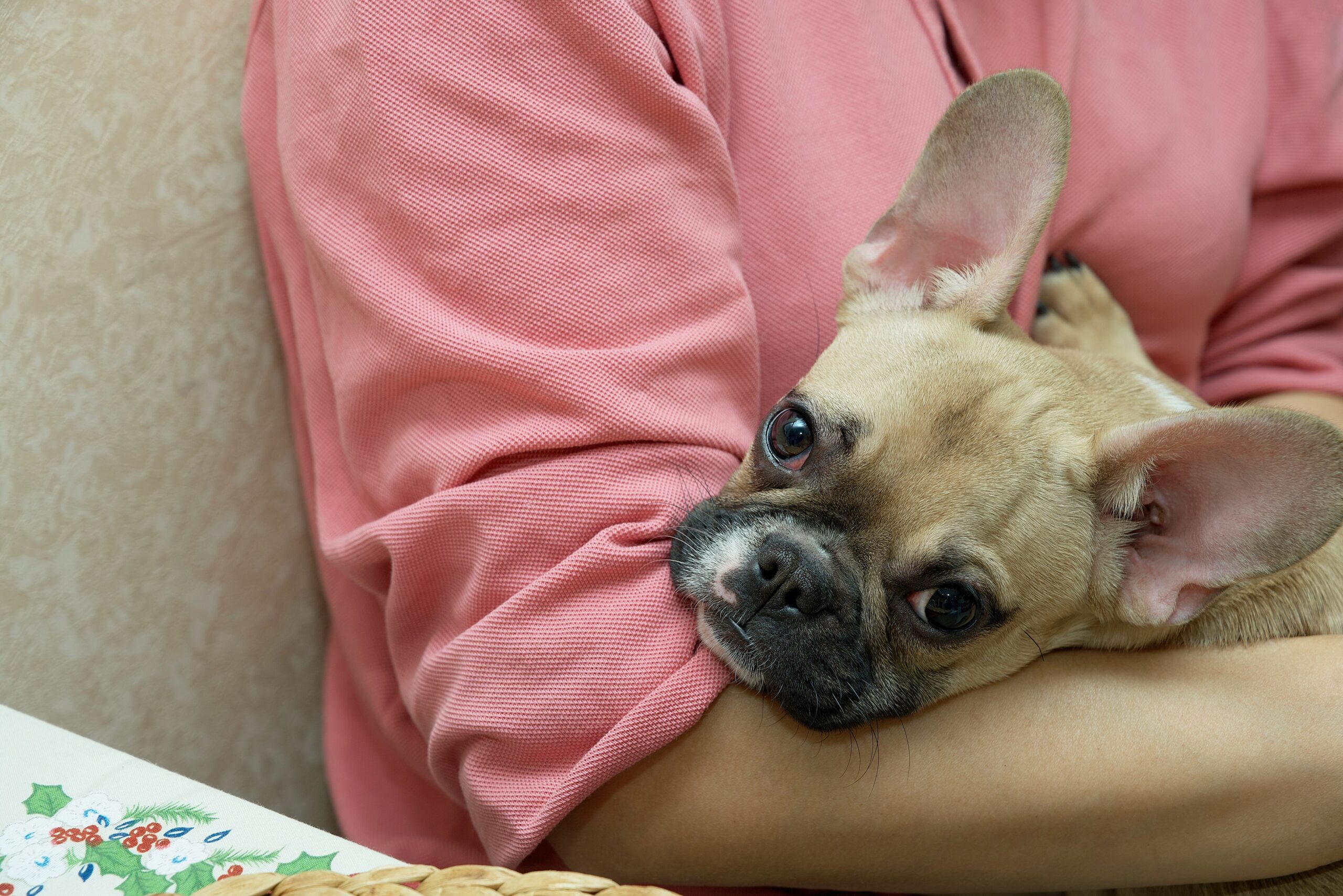
French Bulldogs hate being alone. These playful charmers might seem independent, but they thrive on companionship and don’t like being left behind. When lonely, they can bark, pout, or get into trouble out of boredom. Often called “shadow dogs,” they love to be wherever you are. If you want a loyal sidekick who brings laughs and snuggles, a Frenchie fits the bill—just don’t leave them hanging.
Maltese
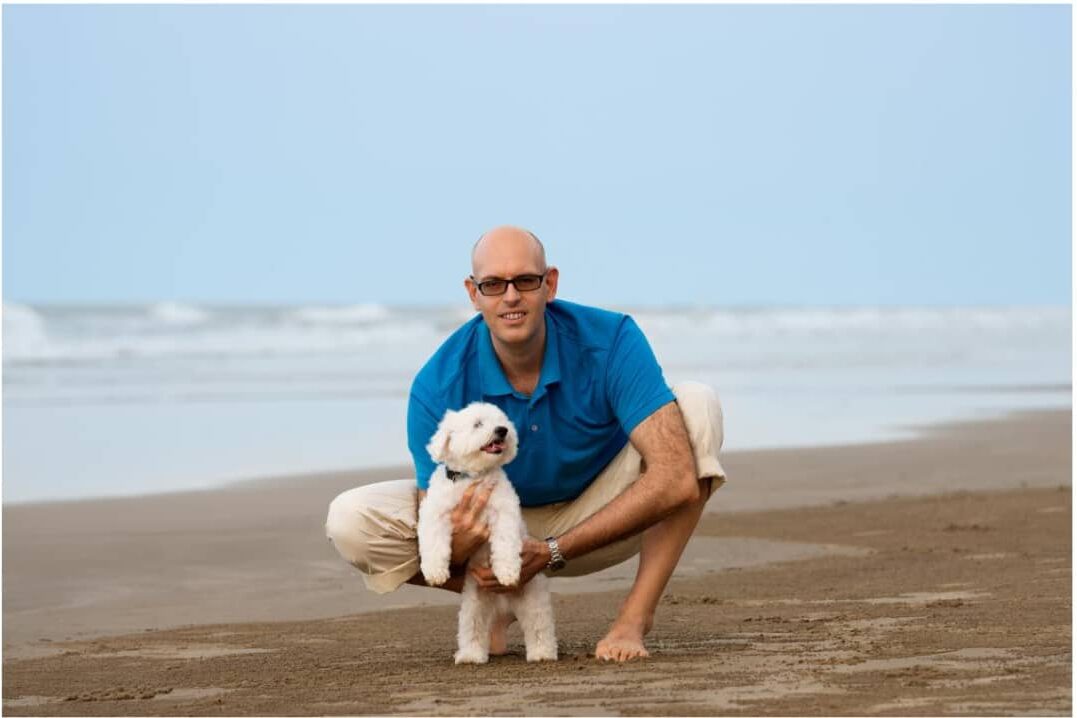
Maltese dogs hate being alone. Despite their dainty looks, these pups form strong emotional bonds and can get anxious fast when left solo. They crave constant love and reassurance, often whining or acting out when they feel abandoned. If you’re looking for a cuddly, loyal companion who always wants to be by your side, the Maltese is a sweet choice—but they need your presence just as much as your affection.
Labrador Retriever
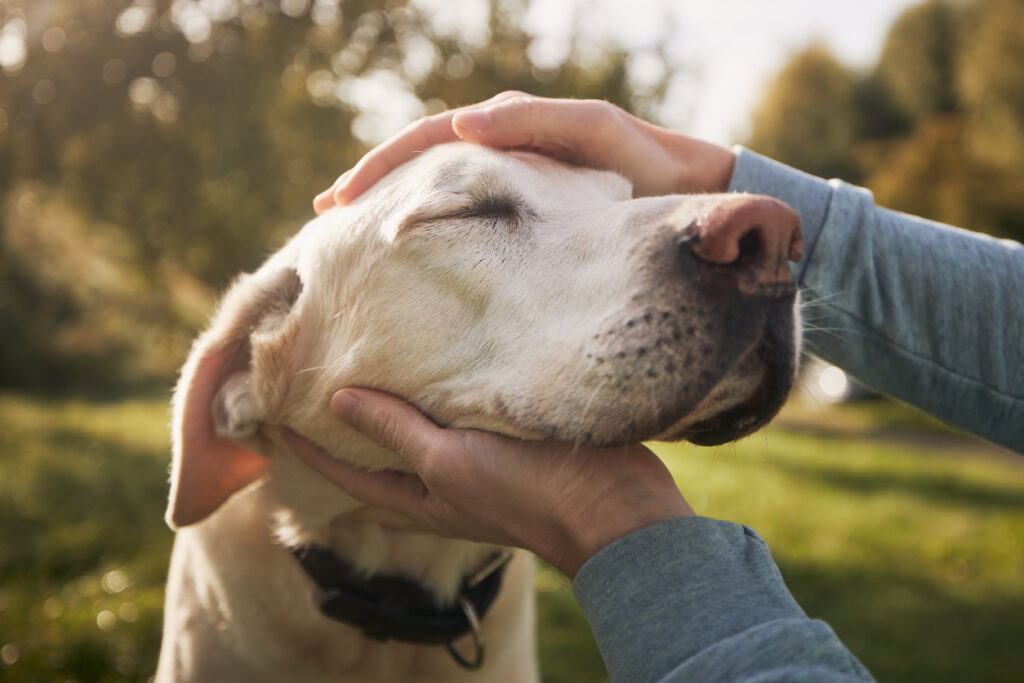
Labrador Retrievers hate being alone. These friendly, people-loving dogs thrive on interaction and being part of the action. When left by themselves, Labs can get bored fast—leading to barking, chewing, or restless pacing. They need plenty of stimulation and company to stay balanced. Perfect for active families, Labs want in on everything, from walks to couch time—just don’t leave them out.
Bichon Frise

Bichon Frises hate being alone. These cheerful, affectionate pups live for attention and companionship. Left on their own too long, they can get anxious and start barking or showing signs of stress. Their happy-go-lucky vibe depends on regular social time, so they do best in homes where someone’s around to shower them with love. If you’re ready to share your time, a Bichon will brighten every moment.
German Shepherd
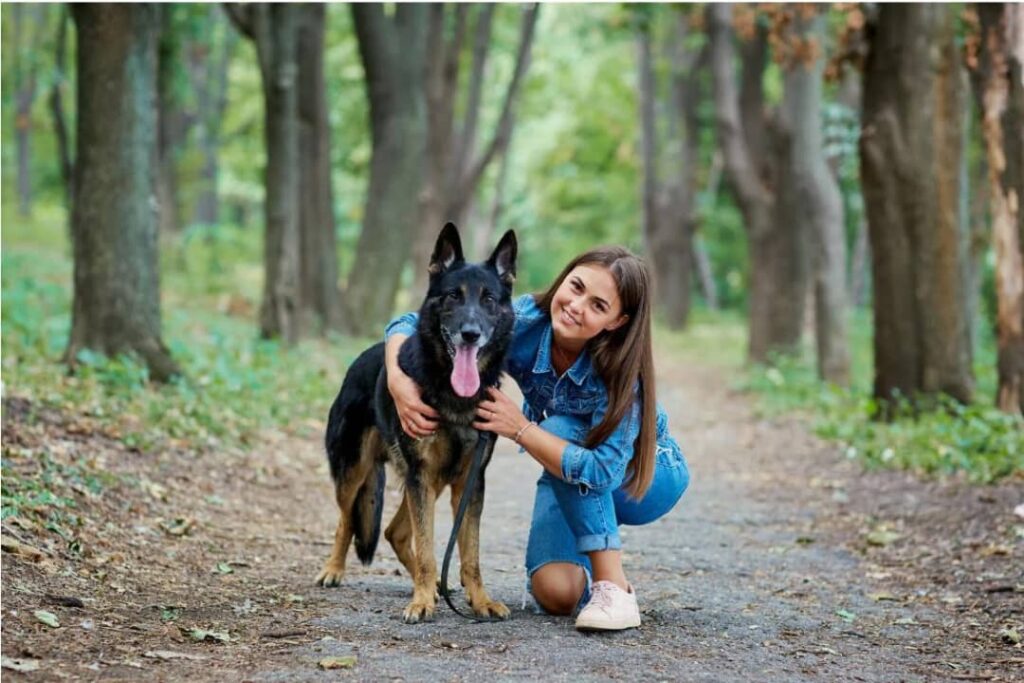
German Shepherds hate being alone. Loyal and deeply attached to their families, they can grow anxious or destructive when left by themselves. These smart, protective dogs need constant mental and physical stimulation, along with steady companionship. When their people are gone, they’ll often bark, pace, or act out to show their stress. German Shepherds thrive in homes where they’re part of the daily routine and never far from their pack.
Yorkshire Terrier
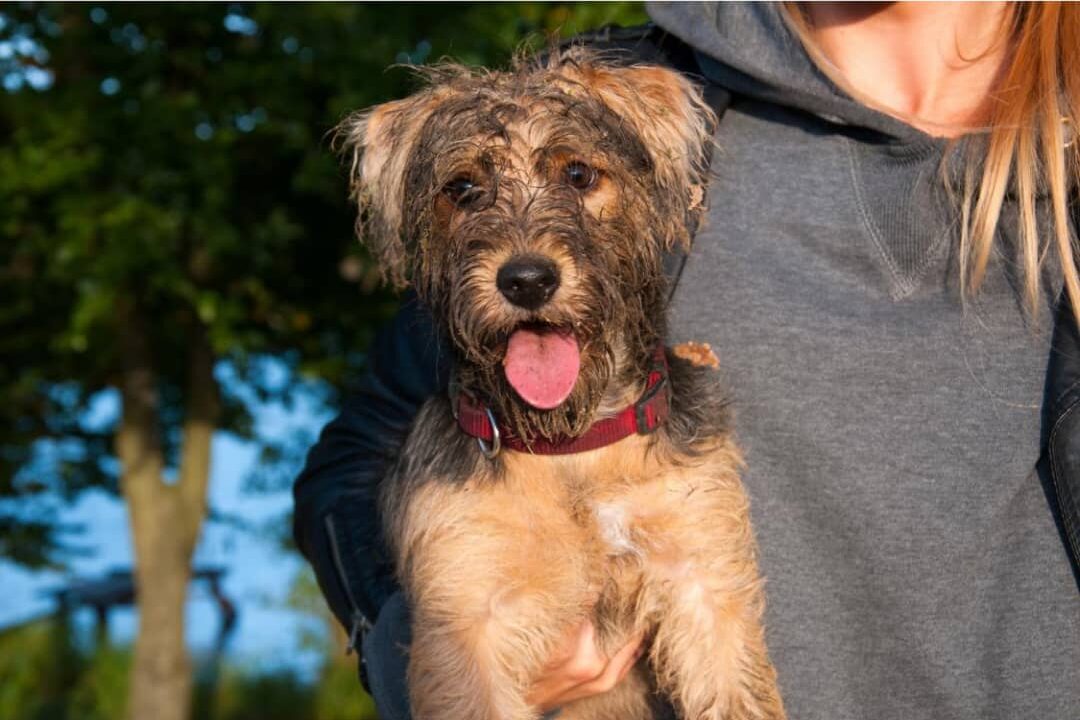
Yorkshire Terriers hate being alone. These tiny but bold pups form strong bonds with their people and crave constant interaction. Left alone too long, they can get anxious—barking, pacing, or even turning destructive. Like other “velcro dogs,” Yorkies want to be by your side every second, soaking up attention and affection. Their loyalty runs deep, and they’re happiest when they’re close to the ones they love.
Italian Greyhound
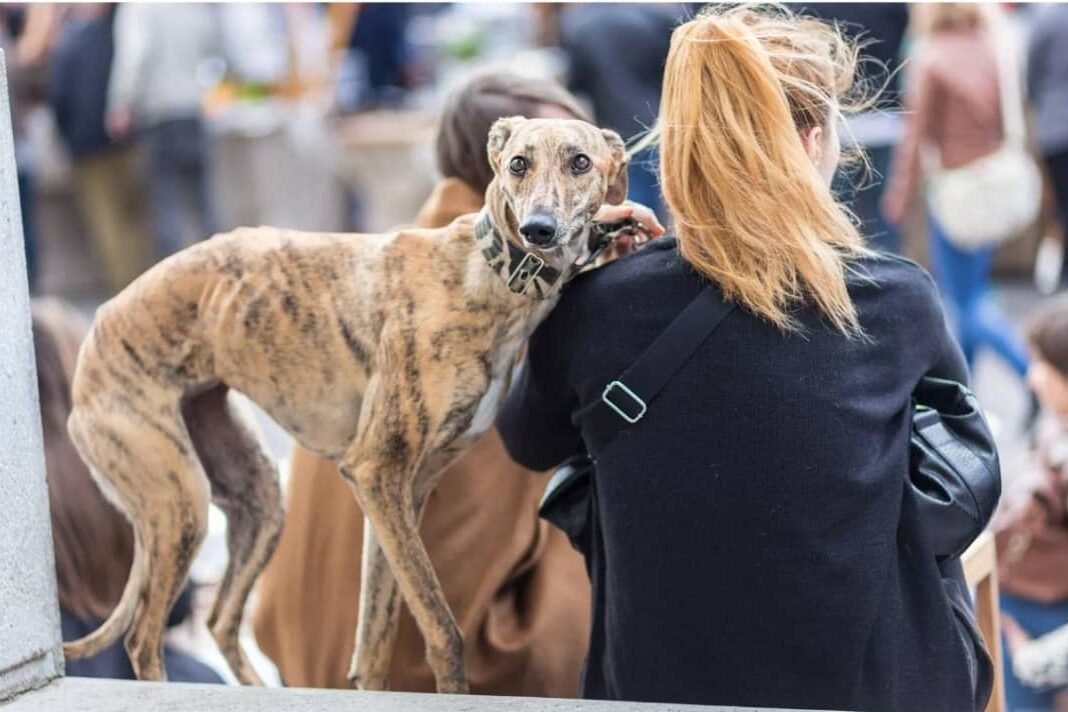
Italian Greyhounds hate being alone. Despite their graceful looks, these dogs are deeply attached to their humans and crave constant closeness. Left solo, they can grow anxious, vocal, or destructive. Their sensitive nature means they don’t cope well with solitude and do best in homes where someone’s around most of the time. If you want a gentle, loyal companion who sticks close, the Italian Greyhound is a loving choice.
Pomeranian
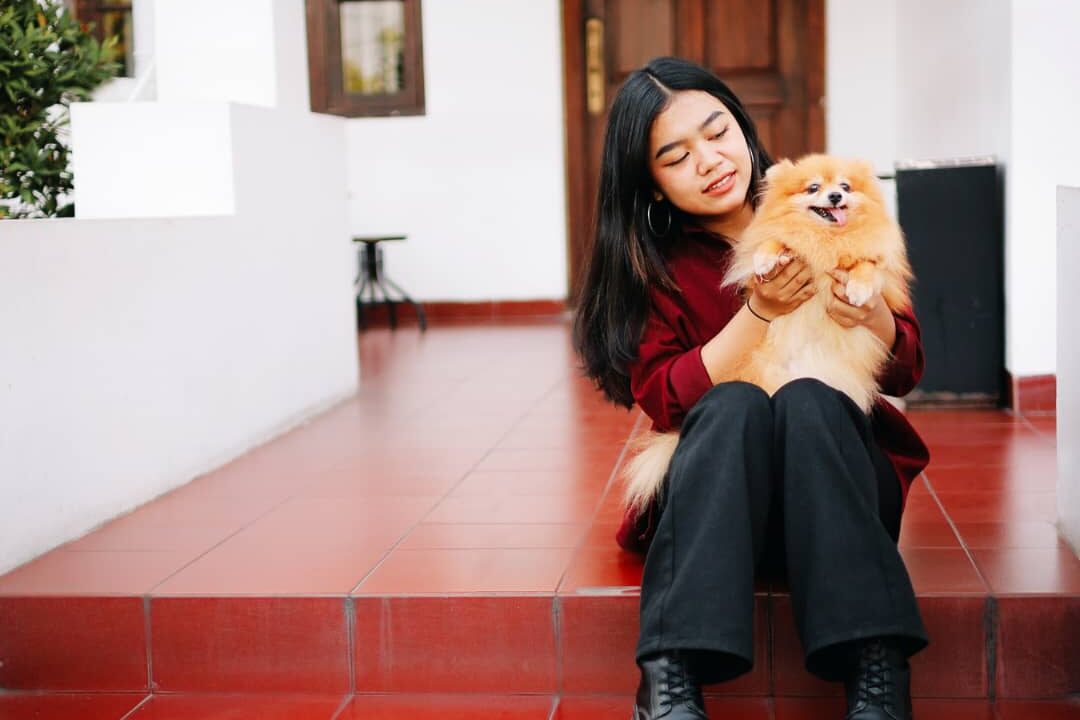
Pomeranians hate being alone. These tiny pups have huge personalities and quickly latch onto their people, expecting to be the center of attention. When left solo, they can get anxious, bark nonstop, or act out to show their displeasure. Their lively spirit thrives on constant interaction and affection. If you’re ready for a bold, loving companion who always wants to be near, a Pomeranian will happily take the spotlight and your heart.
Did we miss your dog’s breed or get something wrong? Let us know in the comments. Every pup is unique, and we love hearing your stories.


