
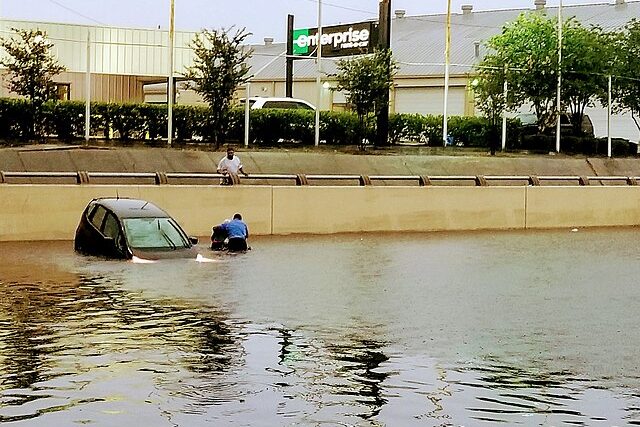
When we talk about climate change, we often imagine distant futures, melting glaciers, or polar bears adrift on shrinking ice. But for many communities around the world, the nightmare has already arrived—quietly, and in some places, without warning. Entire towns swallowed by water, lives uprooted, memories drowned beneath rising tides. These are not just environmental tragedies—they’re deeply human stories of loss, resilience, and unanswered questions. Here’s a look at the places already washed away, and what they tell us about the future we’re all drifting toward.
Newtok, Alaska
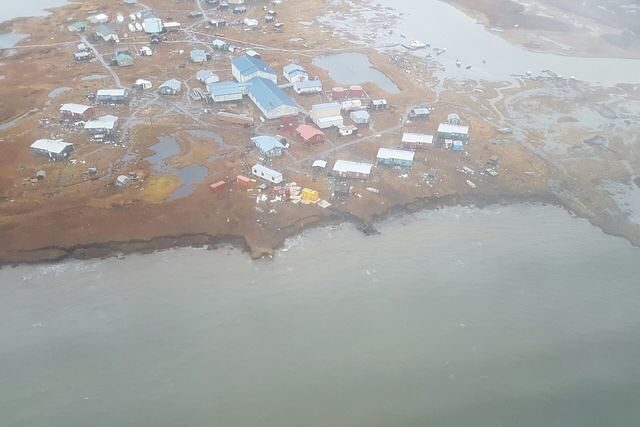
In western Alaska, Newtok was once a thriving Yup’ik Eskimo village. Now, it’s become one of the most prominent examples of a U.S. community falling victim to climate displacement. Due to rapidly melting permafrost and coastal erosion, Newtok has been quite literally slipping into the Ninglick River. What makes this story so haunting is the pace—it didn’t happen overnight. The villagers watched their homes crumble and sink year by year, as sea levels rose and erosion tore through the land. Relocation efforts are ongoing, but leaving a homeland isn’t as simple as packing up and moving. There’s a generational connection to the land that gets severed. Experts see this as a warning for hundreds of other coastal settlements, especially Indigenous communities that are often left with limited resources and governmental support. What happened to Newtok could be the blueprint for what’s coming for others. Read more in this Legal Study
Isle de Jean Charles, Louisiana
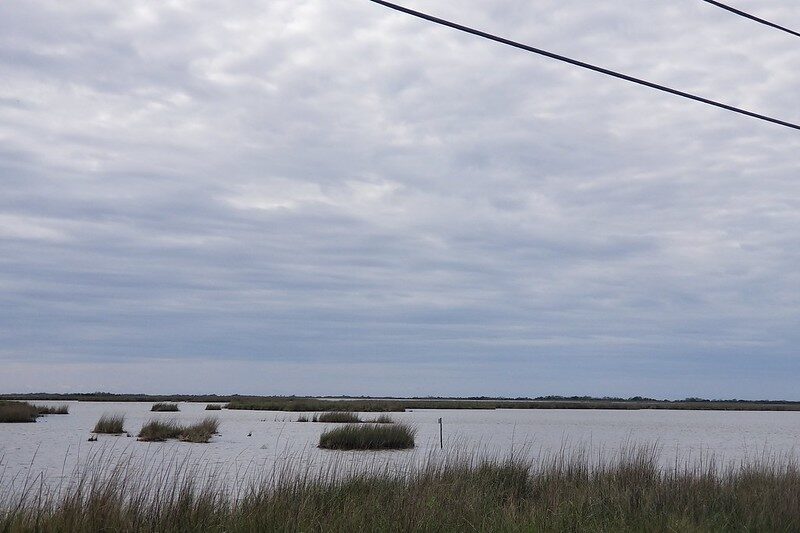
Located in the marshy heart of Louisiana’s bayou country, Isle de Jean Charles was once home to the Biloxi-Chitimacha-Choctaw tribe. Over the past few decades, it has become a symbol of cultural loss due to environmental devastation. The island has lost over 98% of its landmass since the 1950s, swallowed by a toxic mix of rising sea levels, saltwater intrusion, and oil and gas infrastructure that disrupted the wetlands. What’s deeply unsettling is how gradual and quiet the erasure has been—one house at a time, one road crumbling after another. Relocation plans were introduced, but many residents struggled with the idea of leaving behind their heritage. It’s more than a physical move—it’s the loss of a way of life. Environmental scientists say the disappearance of Isle de Jean Charles is an early chapter in a larger story about the vulnerability of coast communities around the world, per NationalGeographic
Shishmaref, Alaska
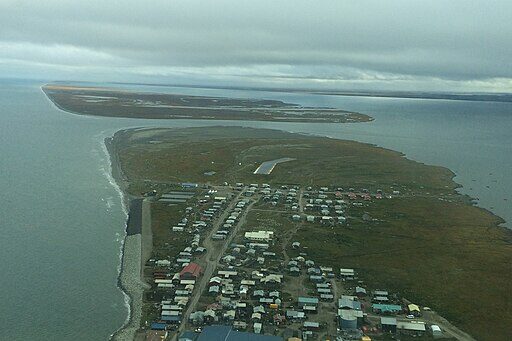
Shishmaref, a tiny barrier island just north of the Bering Strait, is home to around 600 Inupiat residents who have lived off the land and sea for generations. But the land beneath them is crumbling. Accelerated by rising sea levels and the thawing of Arctic permafrost, erosion has become so severe that homes have literally collapsed into the sea. The community has voted multiple times to relocate, but funding and logistics keep the move in limbo. What’s especially painful is the liminality—knowing your home is disappearing, yet being unable to leave. Climate scientists have flagged Shishmaref as a frontline casualty of global warming, one that illustrates how climate displacement isn’t just theoretical. These aren’t future projections. This is now. The people of Shishmaref are climate refugees, even if no global label officially recognizes them as such. Their story is an urgent plea for climate justice and action, says cakex.org.
Jakarta, Indonesia
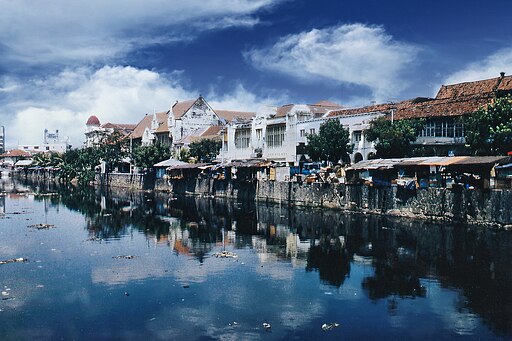
Jakarta isn’t just sinking—it’s doing so at one of the fastest rates of any major city in the world. The Indonesian capital, home to over 10 million people, has been battling extreme flooding and land subsidence for decades. A big part of the problem lies beneath the surface—literally. Due to excessive groundwater pumping and poor urban planning, the city is caving in. Add rising sea levels to the mix, and the result is neighborhoods routinely underwater and entire districts rendered unlivable. While the government is working on relocating the capital to Borneo, millions of people remain at risk. Environmental analysts see Jakarta as a case study in what happens when rapid urbanization collides with a climate crisis. It’s not just about water—it’s about inequality, infrastructure, and the brutal cost of inaction. For the communities already underwater, “adaptation” feels like too little, too late, per circleofblue.org.
5. Fairbourne, Wales
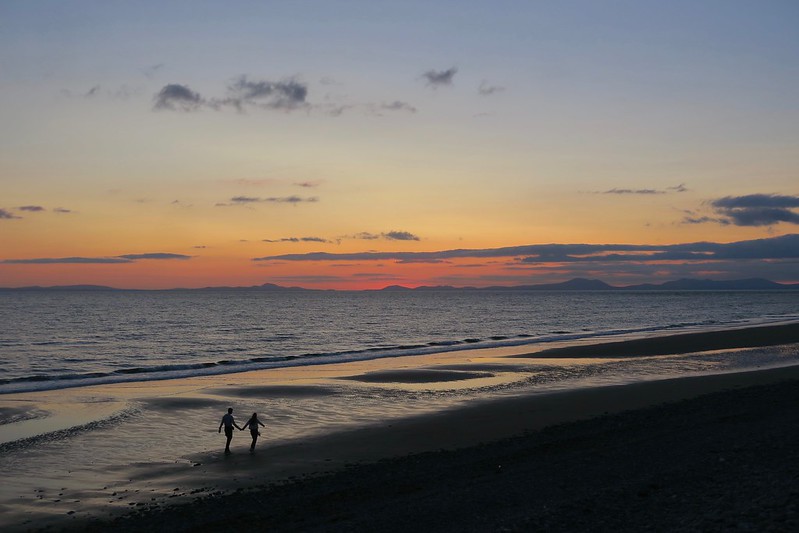
On the coast of northwest Wales, the tiny seaside village of Fairbourne has been handed an unthinkable future: it will eventually be “decommissioned.” In other words, officials have determined that defending it from rising sea levels is no longer economically viable. For the nearly 700 residents, this decision feels like a quiet eviction from history. Fairbourne could become the UK’s first “climate refugee village”—not because it’s underwater yet, but because it’s been abandoned by policy. Residents are fighting to stay, unwilling to leave the homes they’ve lived in for generations. The emotional weight of knowing your village is on a countdown is unlike anything most of us can imagine. Urban planners and environmental experts say more coastal towns in Europe may face this fate soon. Fairbourne is no longer just a village—it’s a cautionary tale of how governments may choose retreat over rescue, says climateadaptationplatform.
Kivalina, Alaska
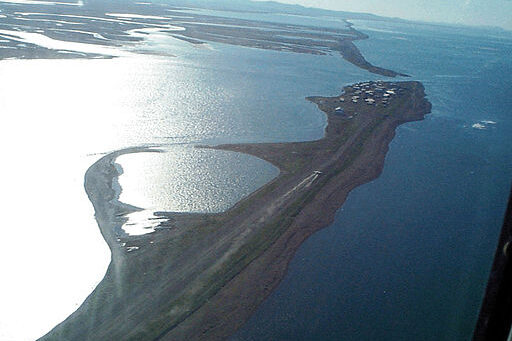
Kivalina is another Alaskan village trapped between tradition and a changing climate. Perched on a thin barrier island between the Chukchi Sea and a lagoon, the Inupiat people of Kivalina have long relied on subsistence hunting. But warming temperatures have changed everything—melting ice, destabilizing the shoreline, and leaving the community dangerously exposed to storms and surges. Without protective sea ice, autumn storms now batter the village directly. There’s no room to expand or build higher. For years, the villagers have pushed for relocation, but efforts have stalled due to funding gaps and political delays. What’s heartbreaking is the feeling of being left behind—not just by nature, but by systems meant to protect. Environmental engineers and climate adaptation experts recognize Kivalina as a red flag, a place that shows how Indigenous voices are often sidelined in climate planning. Yet despite the chaos, the people of Kivalina continue to fight for dignity—and space to survive.


