
1. The California Condor
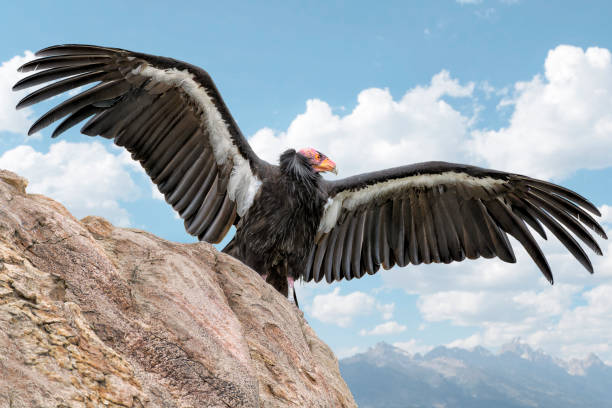
With a wingspan nearing ten feet, the California Condor is one of the most majestic birds to ever ride the thermals of the western sky. But by the 1980s, only 22 remained—devastated by habitat loss and lead poisoning. It seemed the skies would lose them forever.
In a bold move, scientists captured every remaining condor for a last-ditch captive breeding program. It was risky, but it worked. Thanks to decades of tireless conservation, these once-vanished giants are soaring again over California and beyond—a powerful symbol of what’s possible when we refuse to let a species disappear. Source: wildlife.utah.gov.
2. The Black-Footed Ferret
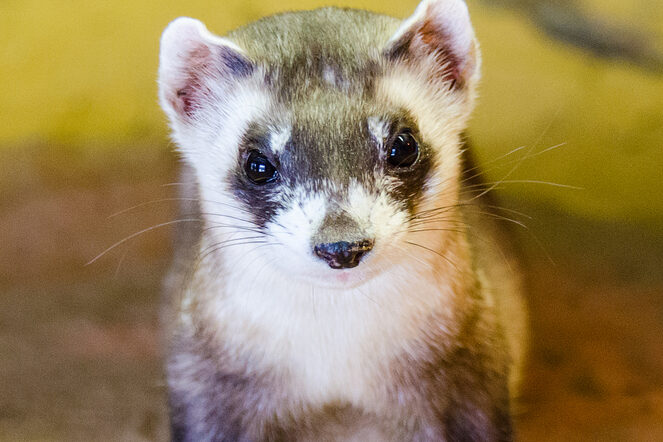
Once thought extinct, the black-footed ferret—a sleek, playful predator of the American prairie—was nearly lost by the 1970s due to habitat loss and the decline of prairie dogs, their main food source. But in 1981, a tiny surviving population was discovered in Wyoming.
That lucky break sparked an intensive breeding and reintroduction effort. Thanks to decades of work, these masked bandits are slowly returning to the prairie, reminding us that even the rarest animals can get a second chance. Source: WWF.
3. The Arabian Oryx
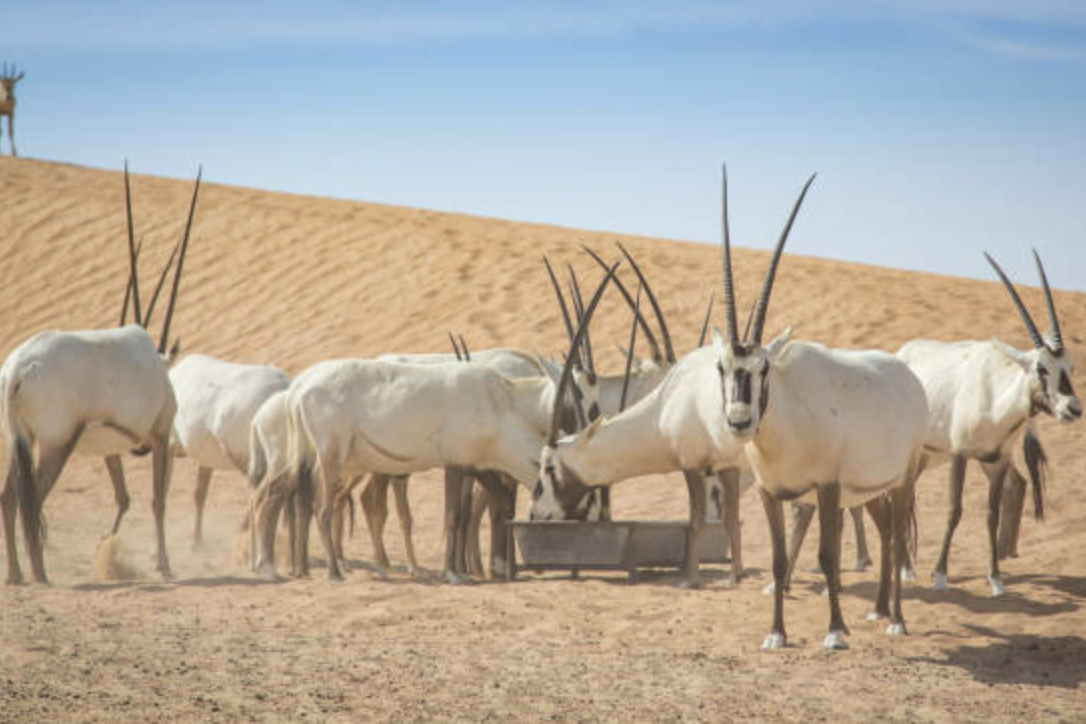
Once a symbol of desert resilience, the Arabian oryx—with its white coat and sweeping horns—was nearly wiped out by the 1970s due to relentless hunting. The species vanished from the wild, and its future looked grim.
But a visionary breeding program stepped in, protecting a small group in captivity. Through global collaboration and careful reintroduction, the oryx made a stunning comeback. Today, these graceful animals once again roam the sands of the Arabian Peninsula. Source: the Phoenix Zoo.
4. The Humpback Whale
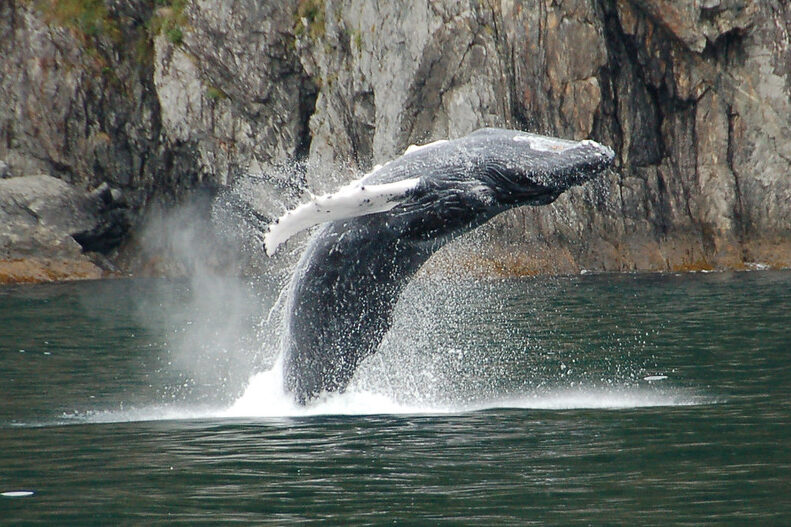
Humpback whales, known for their haunting songs and acrobatic leaps, were nearly wiped out by commercial whaling in the 20th century. The oceans grew quieter, a sobering sign of human impact.
But in 1982, a global whaling ban changed everything. Thanks to international protections and conservation efforts, humpback populations have made a remarkable comeback. Today, their songs once again echo through the seas—a powerful anthem of survival. Source: BBC
5. The American Alligator
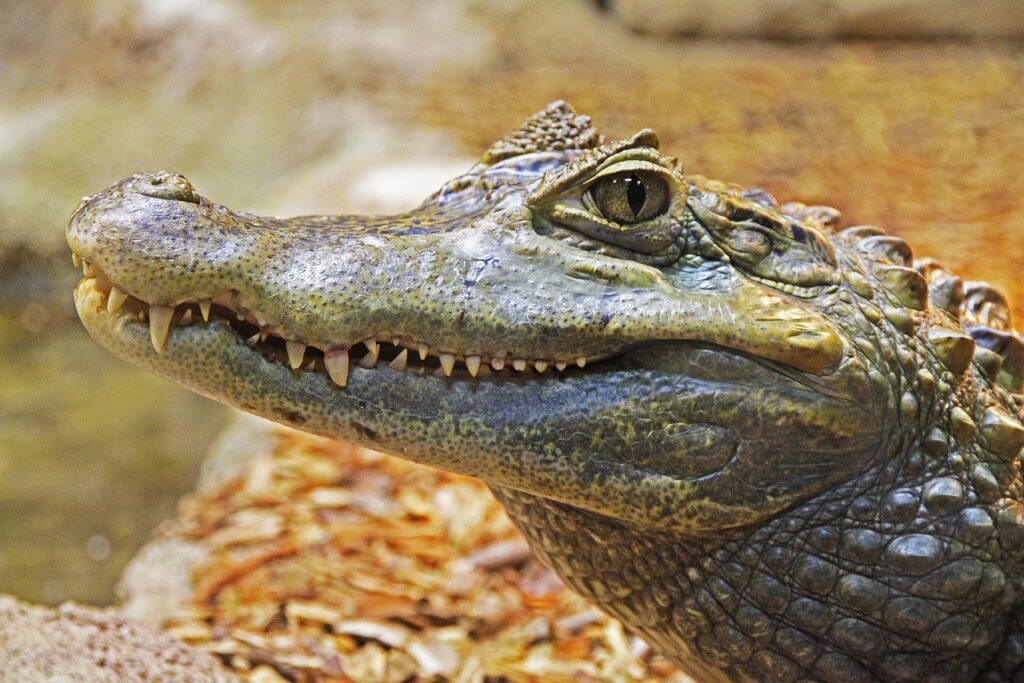
Once teetering on the brink due to overhunting in the 1960s, the American alligator—king of the swamps—faced an uncertain future. Their hides were prized, and their habitats under constant threat.
But strong conservation laws, strict hunting bans, and habitat protections turned the tide. Today, these ancient reptiles have made a powerful comeback, reclaiming their place at the top of the food chain in the bayous and beyond. Source: Wildhope.tv
6. The Grey Wolf
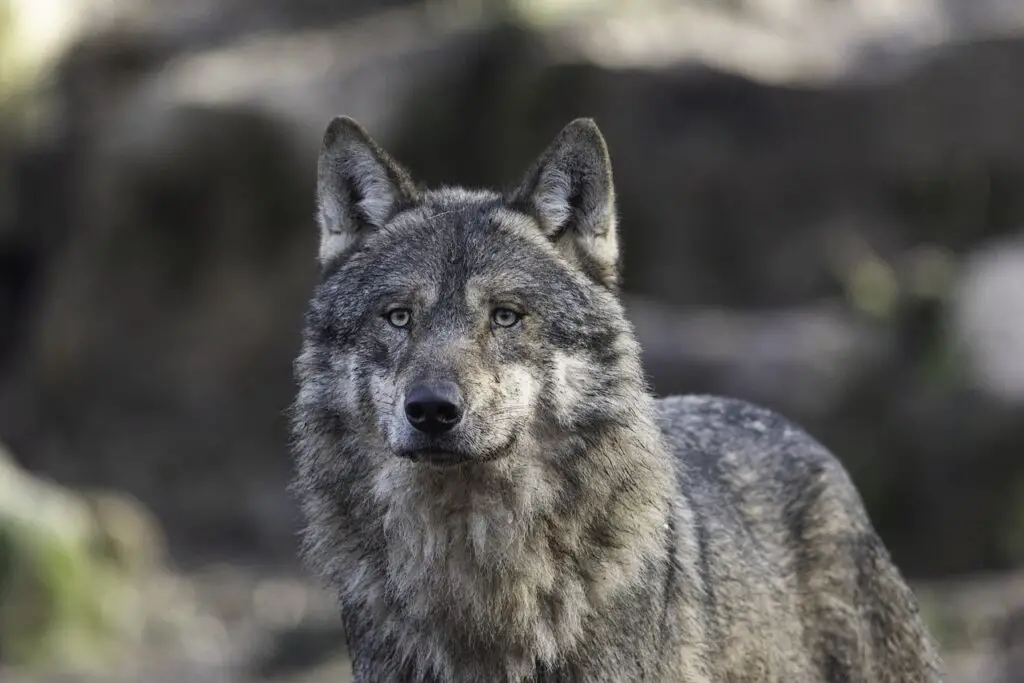
Once nearly wiped out across much of the U.S., grey wolves were hunted to near extinction by the mid-20th century. As apex predators, their absence disrupted ecosystems, and their return has been both celebrated and contested.
Thanks to targeted reintroduction efforts, wolf populations have rebounded in some regions, restoring balance to wild landscapes. Ecologists stress their ecological importance, while also recognizing the need for smart management to reduce conflicts with humans—especially ranchers. The howl of the wolf is back, but so is the debate.
7. The Giant Panda

High in China’s misty mountains, the giant panda once faced a grim future. By the 1990s, habitat loss, poaching, and their low birth rate pushed these bamboo-loving bears toward extinction.
But thanks to decades of conservation—habitat protection, anti-poaching laws, and carefully managed breeding programs—panda populations have started to rebound. While breeding remains a challenge, protecting their wild bamboo forests is key to ensuring these gentle giants continue to thrive.
8. The Sea Otter
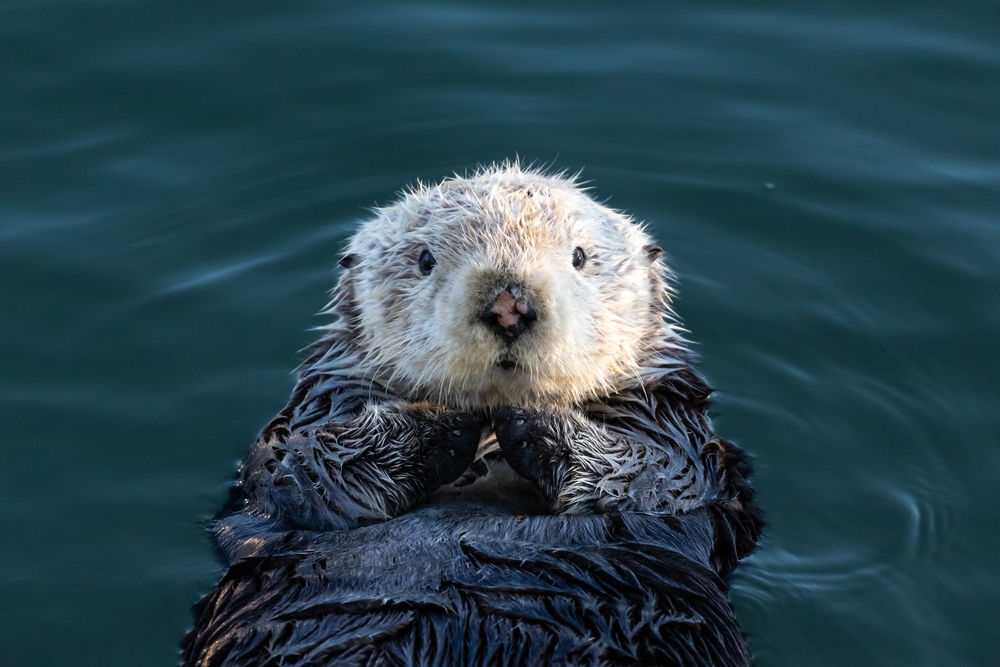
Sea otters, once hunted to near extinction for their luxurious fur, are now a conservation success story. These playful marine mammals vanished from much of the Pacific coast by the 1800s, and their absence threw entire kelp forest ecosystems out of balance.
Thanks to protections like the Marine Mammal Protection Act, sea otters have made a strong comeback in many areas. Their return has helped revive kelp forests and the marine life they support. Still, ecologists warn that threats like oil spills and pollution remain—reminding us that even the cutest animals need serious protection.
9. The Whooping Crane
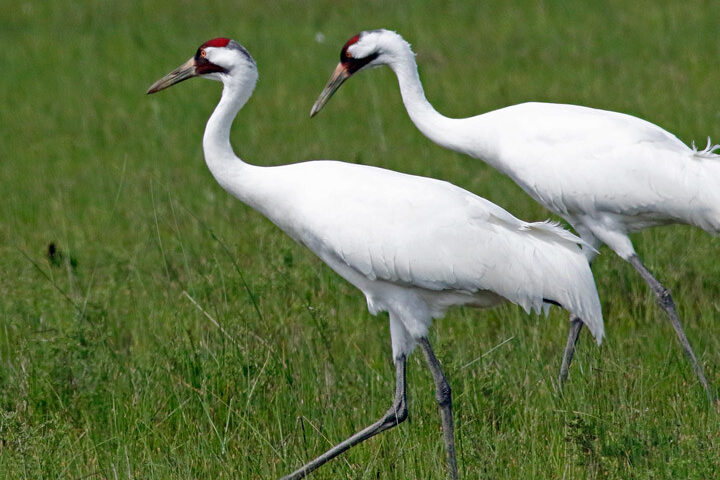
Once reduced to just 21 birds in the 1940s, the whooping crane—the tallest bird in North America—came dangerously close to extinction. Habitat loss and hunting nearly silenced their haunting calls across the wetlands.
Thanks to captive breeding, reintroduction, and careful tracking of their long migrations, their numbers have slowly risen. While conservationists celebrate the progress, challenges remain, including protecting migration routes and preventing deadly collisions with power lines. The fight to keep these graceful giants in the skies continues.
10. The Kākāpō
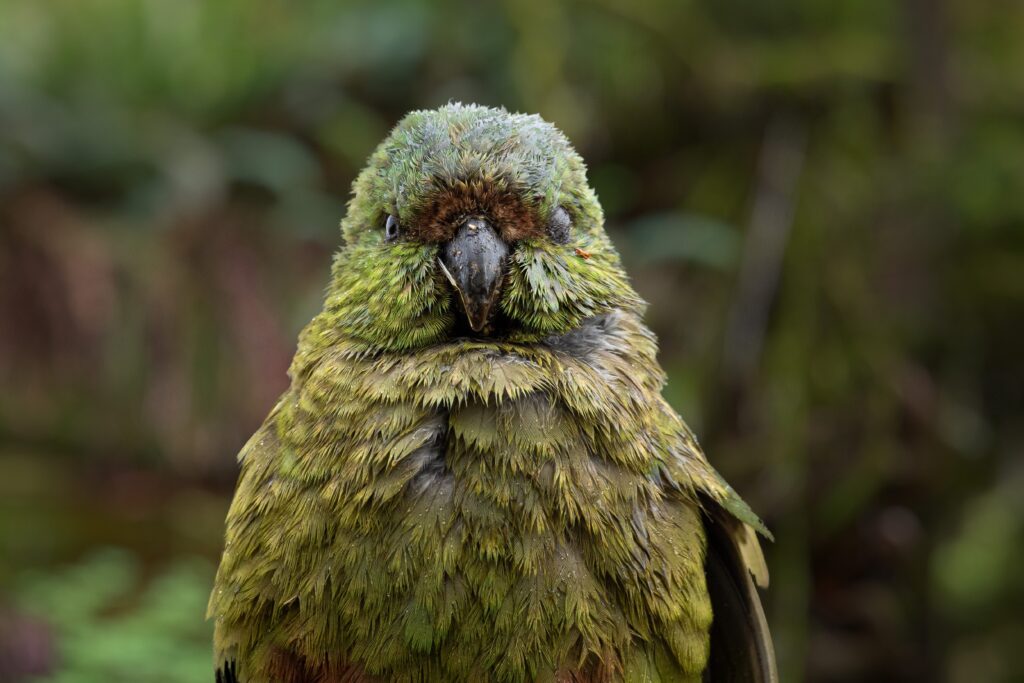
On the remote islands of New Zealand lives the kākāpō, a rare and extraordinary flightless parrot. As the world’s heaviest nocturnal, ground-dwelling bird, it was especially vulnerable to introduced predators like cats and rats. By the mid-1900s, its numbers had plummeted.
Through intensive conservation—predator control, habitat restoration, and meticulous breeding on protected islands—the kākāpō population is slowly recovering. Each bird is closely monitored, with biologists using cutting-edge techniques to boost survival and breeding success. It’s one of many powerful examples of how dedication and science can bring species back from the edge.
These ten stories highlight the impact of human intervention and the resilience of nature. Know of another animal brought back from the brink? Tell us in the comments—whether it’s a famous case or a personal favorite—and we’ll try to include it in a future story. Thanks for reading, and for believing in second chances.


