
1. Frog Legs
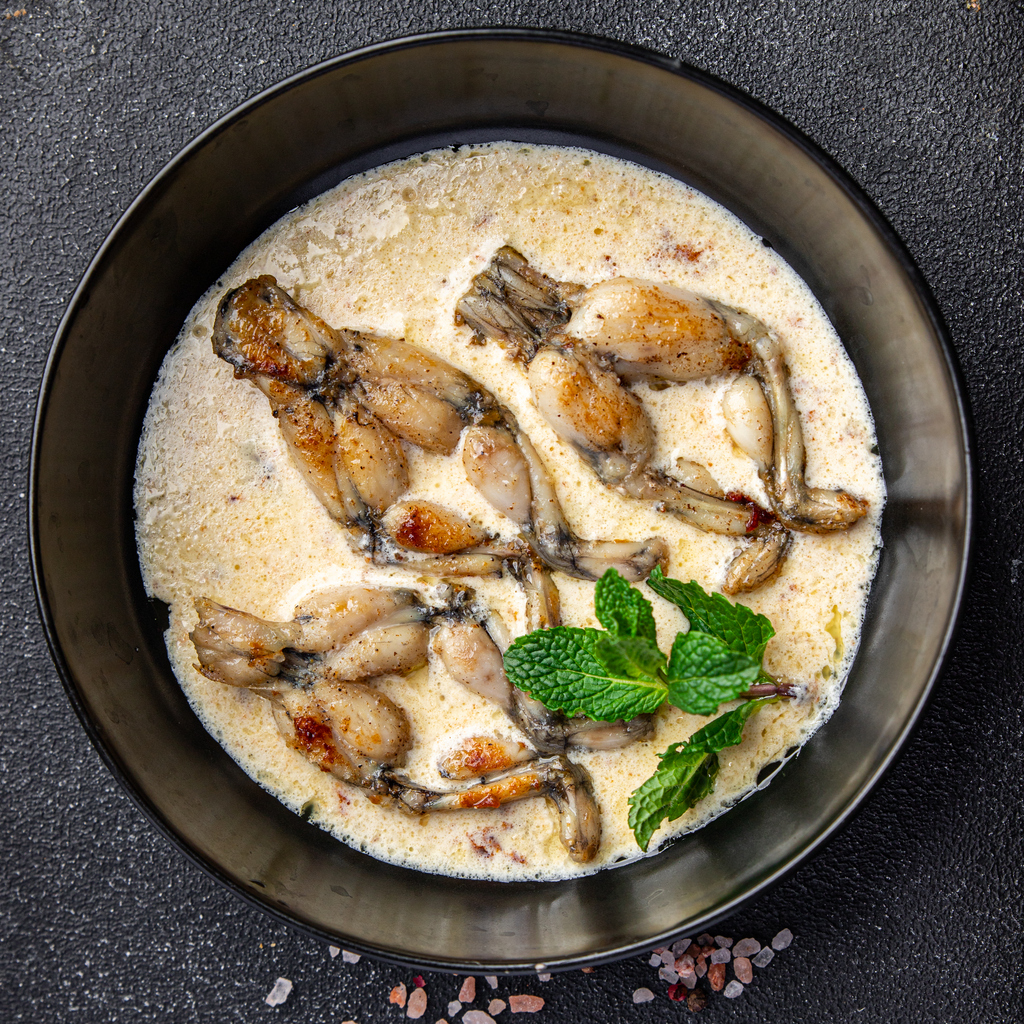
Frog legs are one of those dishes that once graced the tables of many Southern homes but have become increasingly rare today. Inspired by nature’s abundant wetlands, frog legs were prized for their delicate texture and mild flavor. Historically, they were seen as a delicacy in Louisiana, Mississippi, and other parts of the South, often fried or prepared in butter and garlic. According to research, the dish is a true testament to the resourcefulness of early Americans, who utilized every part of the natural world around them for sustenance. However, in recent years, frog legs have become less common on menus, mostly due to overfishing of certain frog species and the decline of wetland ecosystems. Source: thefort.com
2. Chincoteague Oysters
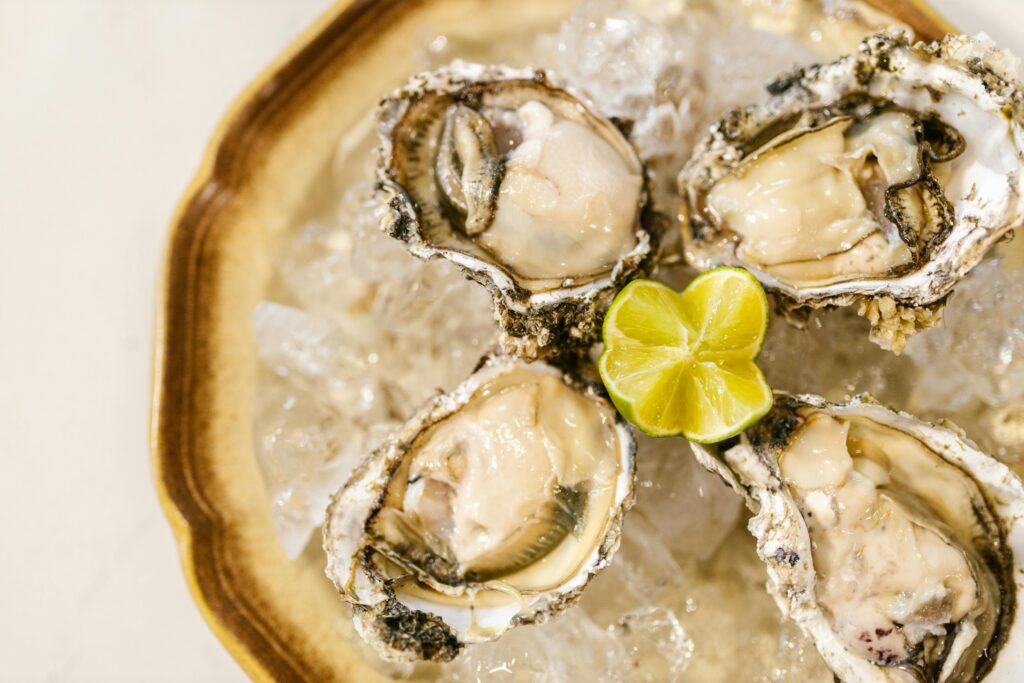
Chincoteague oysters, hailing from Chincoteague Bay off the coast of Virginia, are another once-popular dish that is facing extinction. These oysters were prized for their plump, sweet flavor, shaped by the rich saltwater of the bay, according to studies. Native to the Chesapeake Bay area, they were often enjoyed raw on the half shell or in oyster stew. The oyster beds here were famous for being sustainably harvested and fresh, offering a true taste of the coastal waters. However, pollution, overharvesting, and diseases like MSX (multinucleated sphere unknown) have dramatically affected oyster populations in the area. As a result, Chincoteague oysters have become increasingly rare. Source: chincoteaguetraveler.com
3. Smoked Catfish
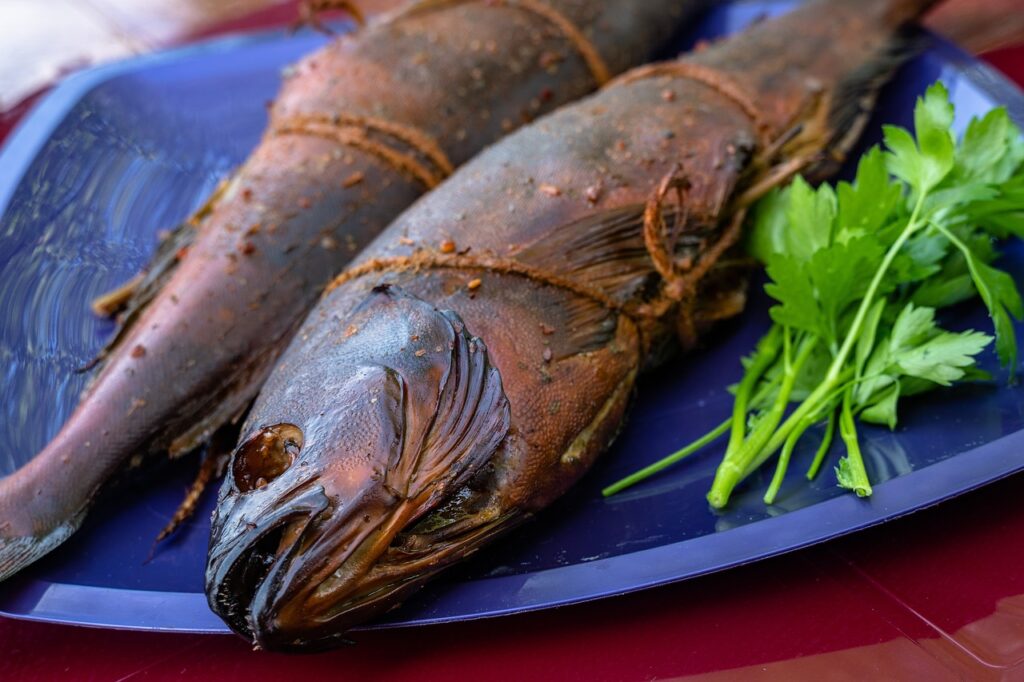
In many Southern states, particularly in Mississippi and Alabama, smoked catfish was a traditional dish enjoyed by families for generations, according to chefs. The process of smoking catfish was a way to preserve the fish, often caught from local rivers and ponds. The smoked fish had a rich, smoky flavor that was enjoyed in everything from sandwiches to stews and was often paired with cornbread or rice. Due to pollution and overfishing in freshwater systems, along with the growth of fish farming, wild-caught catfish populations have been severely impacted. As a result, smoked catfish, which was once a cherished part of Southern culinary traditions, has become rare. Source: https://kencorfoods.com/f/exploring-the-rich-flavors-of-dried-smoked-catfish-a-delight
4. Possum Stew
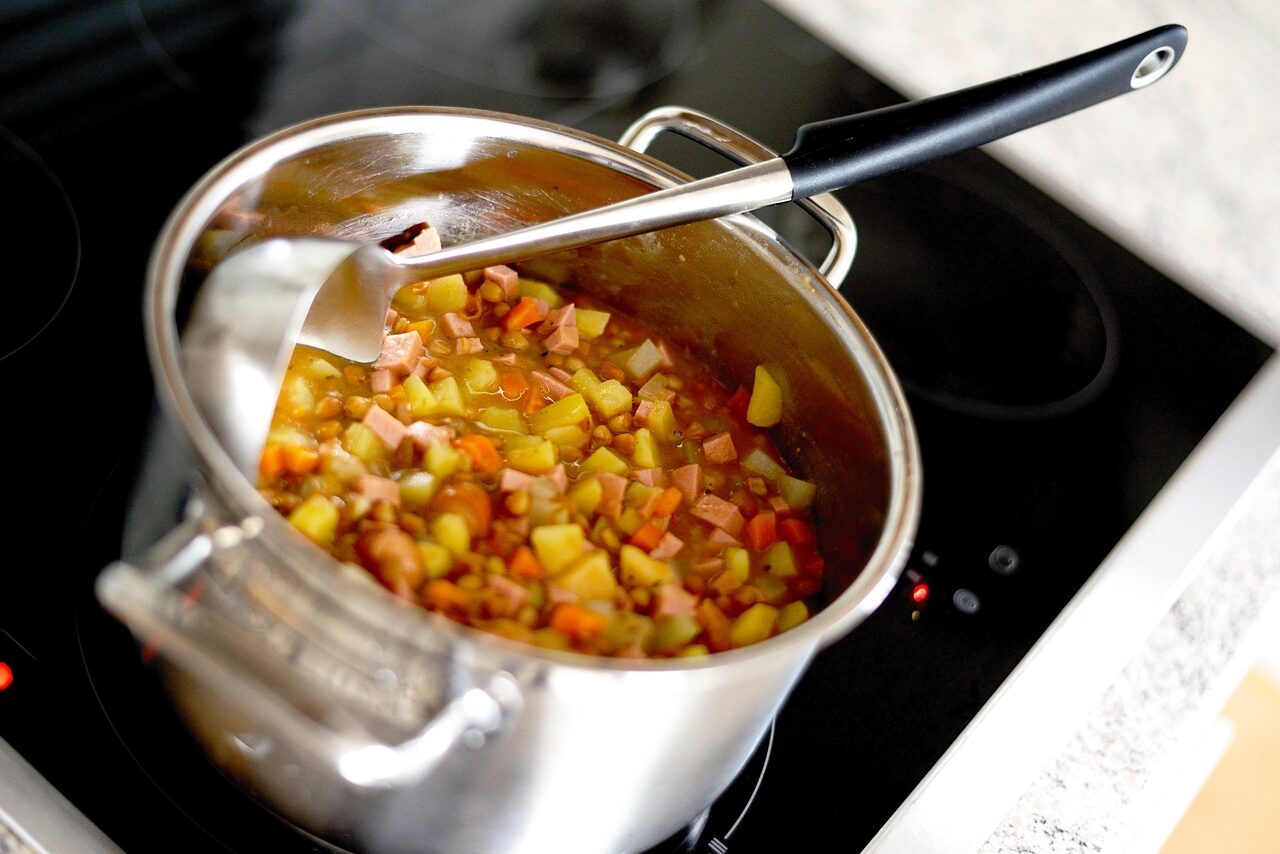
Possum stew was a dish that had its heyday during the Great Depression, when resourcefulness was essential for survival. People turned to wild game such as possum to feed their families, and the dish was a hearty, flavorful stew made with the meat of the possum, vegetables, and a variety of herbs and spices. This dish was especially popular in rural Southern and Appalachian communities, where hunting for wild animals was a common practice. Today, however, possum stew is nearly extinct from modern American tables. While possum meat is still legal to hunt in certain areas, it is not commonly found on restaurant menus, and fewer people are willing to prepare it at home. Source: listverse.com
5. Coon Meat

Similar to possum stew, coon meat (meat from raccoons) was once a staple in many Southern kitchens. It was particularly popular in the Appalachian region and in rural areas where hunting was a way of life. The meat was often slow-cooked, braised, or used in stews and was known for its strong, gamey flavor. It was considered an affordable protein source during tough economic times. However, as hunting culture has diminished and game meat has become less popular due to changing tastes and ethical considerations, coon meat has largely fallen out of favor. As noted by culinary experts, the popularity of raccoon meat began to decline around the 20th century due to the rise of cheaper, farm-raised proteins and changing tastes. Source: tastingtable.com
6. Squirrel Pot Pie
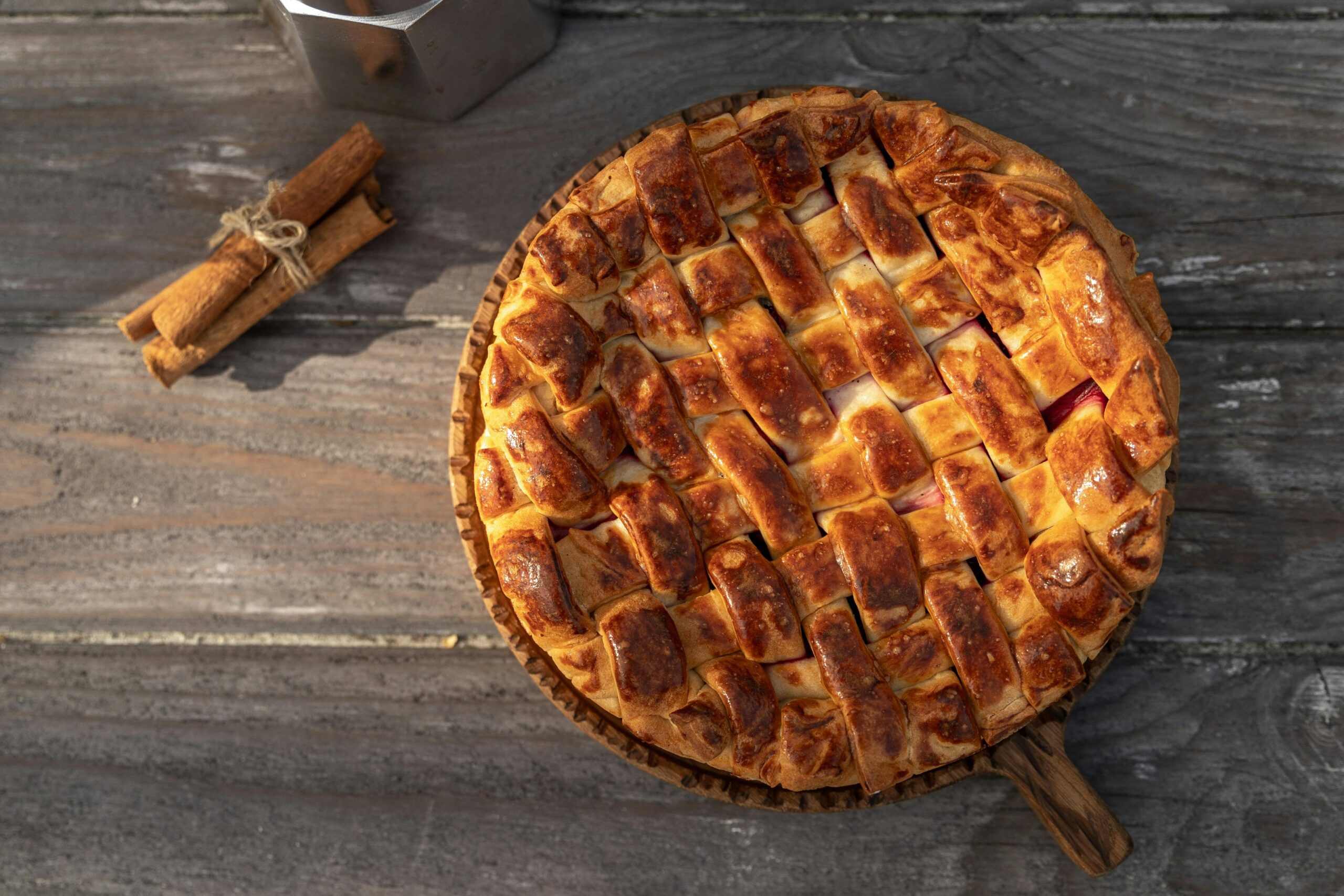
Squirrel pot pie was once a comforting and filling dish in rural American kitchens, especially in the South and Midwest. This rustic, hearty dish was made using squirrel meat and often slow-cooked with vegetables, herbs, and broth, all encased in a flaky, buttery crust. Squirrel, which was abundant in wooded areas, was a practical and inexpensive source of meat, and the pot pie was a way to turn a humble protein into a delicious family meal. Today, however, squirrel pot pie is nearly nonexistent. As urbanization spread and hunting became less common, this dish faded into obscurity.
7. Wild Turkey with Corn Pudding
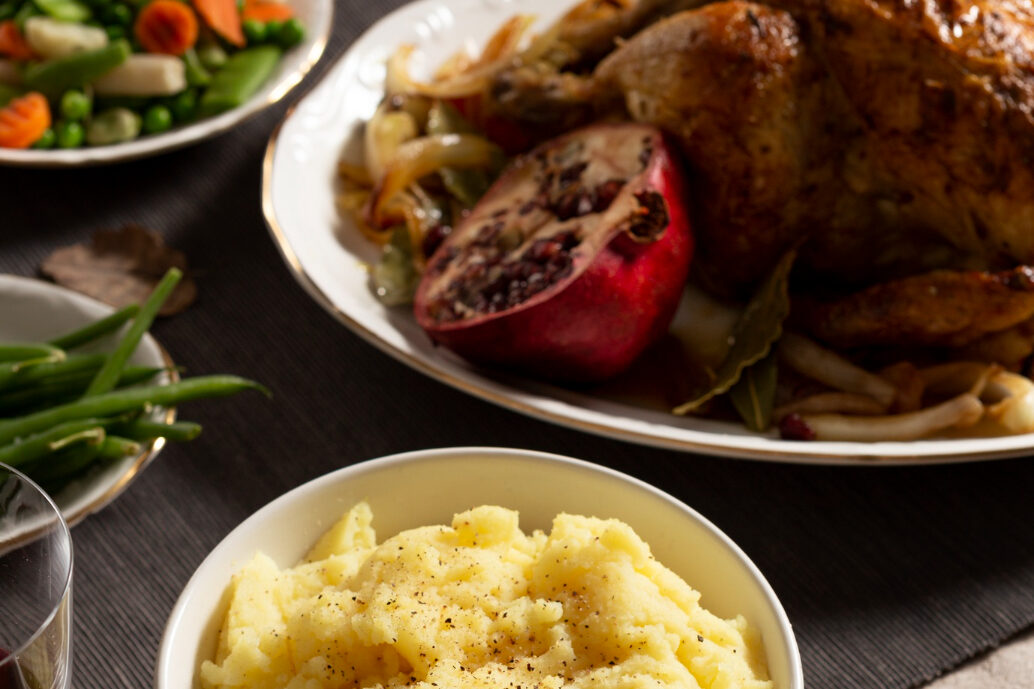
Wild turkey, often paired with corn pudding, was a popular dish long before it became synonymous with the modern-day Thanksgiving feast. In early American history, wild turkey was a natural part of the diet, especially for settlers and indigenous people. The rich, gamey flavor of wild turkey was often roasted, stewed, or made into pies and paired with seasonal vegetables like corn. Corn pudding, a dish made from cornmeal, cream, eggs, and butter, was often served as a comforting side to the turkey. Today, however, farm-raised turkeys have largely replaced their wild counterparts in modern kitchens, and the traditional pairing with corn pudding has nearly disappeared.
8. Woodcock Pâté
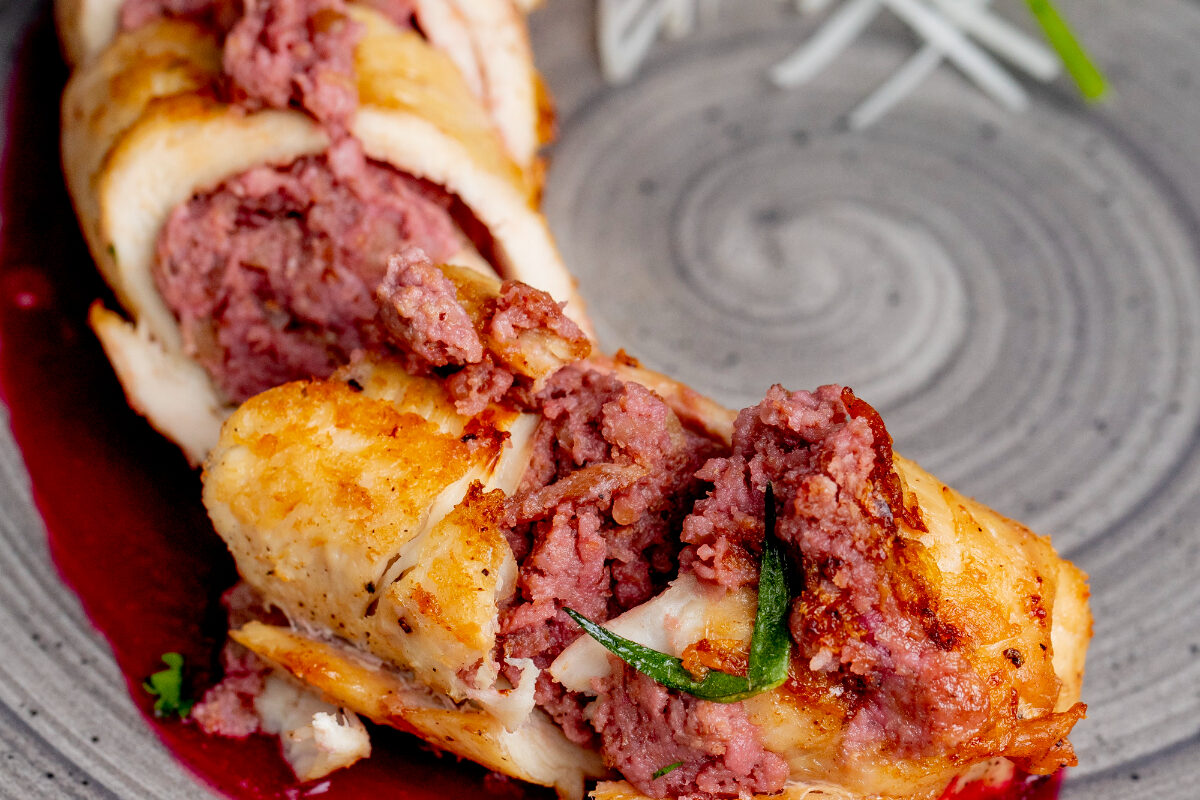
Woodcock pâté was a luxury dish in the American South, often served at elegant dinner parties or special occasions. The woodcock, a small migratory bird, was hunted during the fall and winter months and was prized for its tender, flavorful meat. The pâté, made by mixing the bird’s meat with fat, herbs, and spices, was often spread on bread or crackers and enjoyed with wine. The dish was a true reflection of the wild bounty that nature provided during hunting seasons. Unfortunately, woodcock pâté is now nearly extinct from American tables. Overhunting, along with the declining populations of migratory birds, has led to a reduction in woodcock availability.
9. Fried Morel Mushrooms
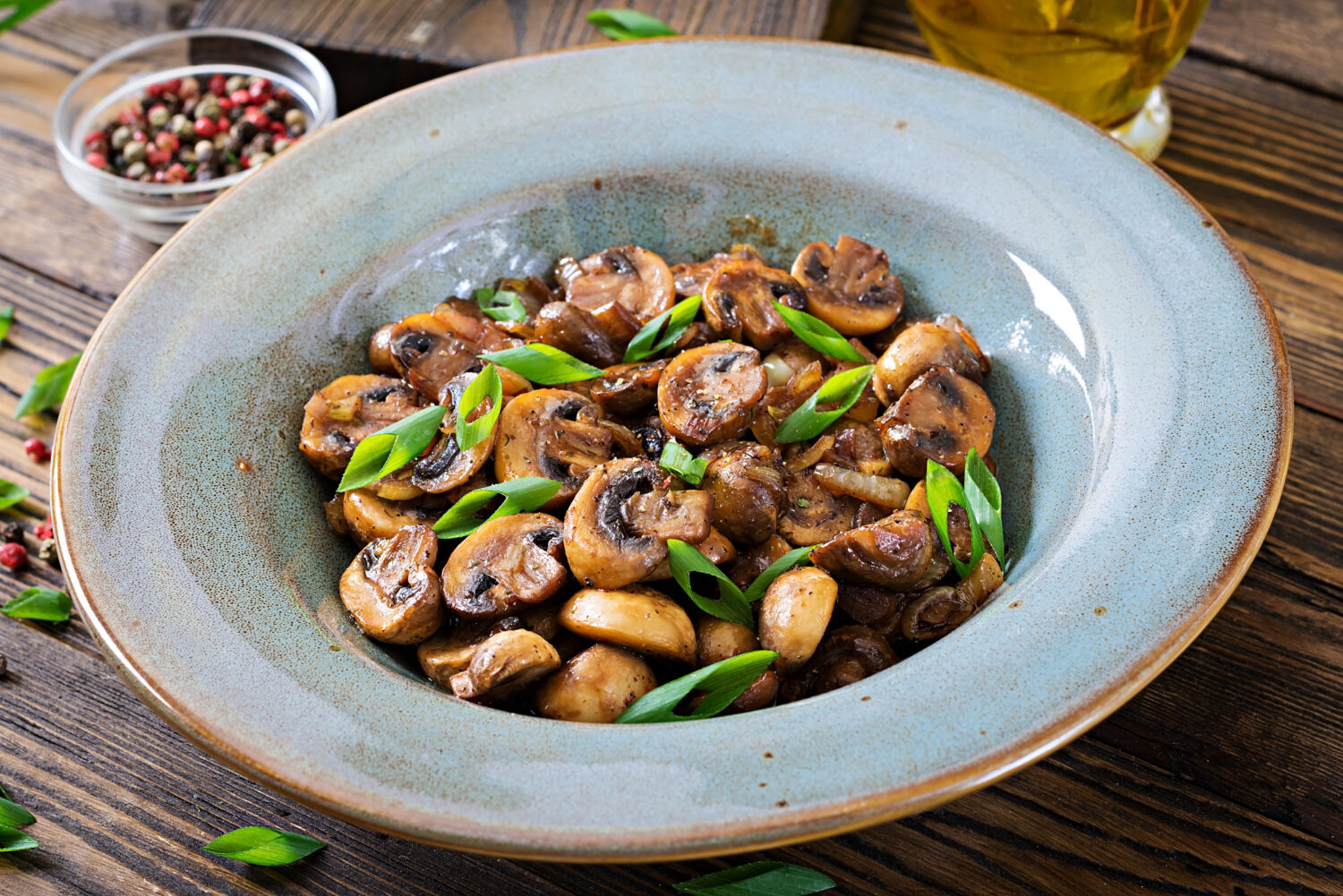
Morel mushrooms are a wild delicacy that has been foraged from the forests of the American Midwest for centuries. Their unique honeycomb texture and earthy flavor made them a highly prized ingredient in springtime meals, often prepared simply by frying in butter or incorporating them into soups and sauces. Morels were often found by local foragers in the wild, making them an early example of nature-inspired cuisine. Today, however, morels are becoming increasingly rare in the wild due to changes in environmental conditions, such as deforestation and climate change. As a result, the tradition of foraging for these mushrooms has largely faded, and their presence on restaurant menus has become far less common.
10. Venison Jerky
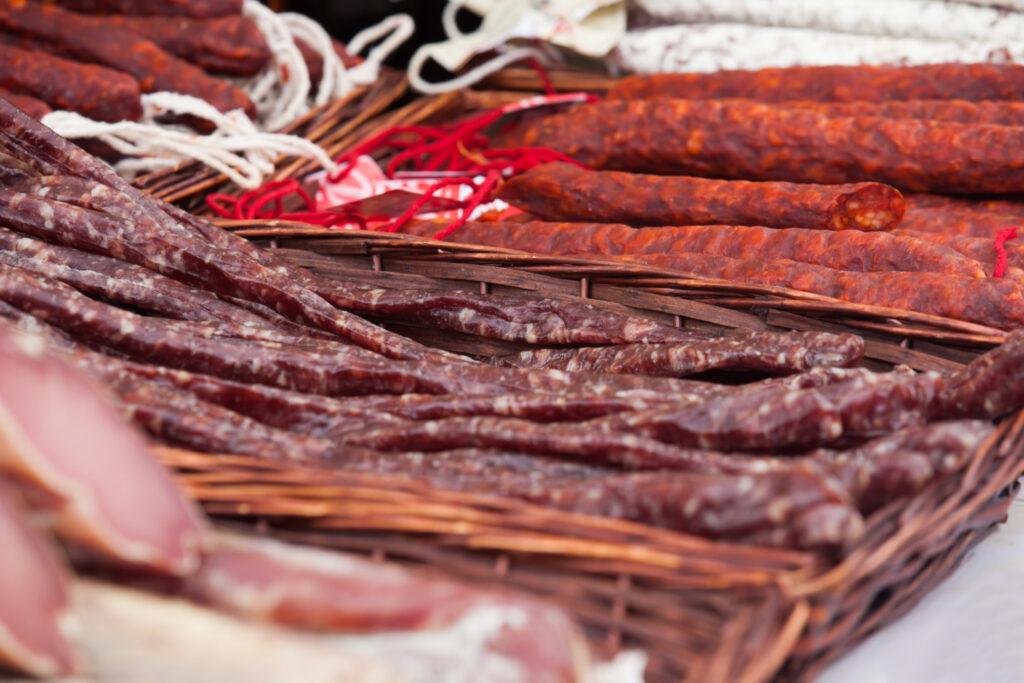
Venison jerky, made from lean cuts of deer meat, was once a favorite snack for hunters and adventurers, offering a portable and long-lasting source of protein. It was prepared by salting and drying the meat, often seasoned with spices or marinated before being hung to dry. This dish was inspired by nature’s abundance, with venison often coming from local hunting grounds, and was deeply embedded in the culinary traditions of rural America.However, the widespread decline in hunting, combined with the growth of factory-farmed meats, has caused venison jerky to fade from the American palate. While it can still be found in specialty stores or made by small producers, it is no longer the go-to snack it once was.
11. Crispy Soft-Shelled Crab
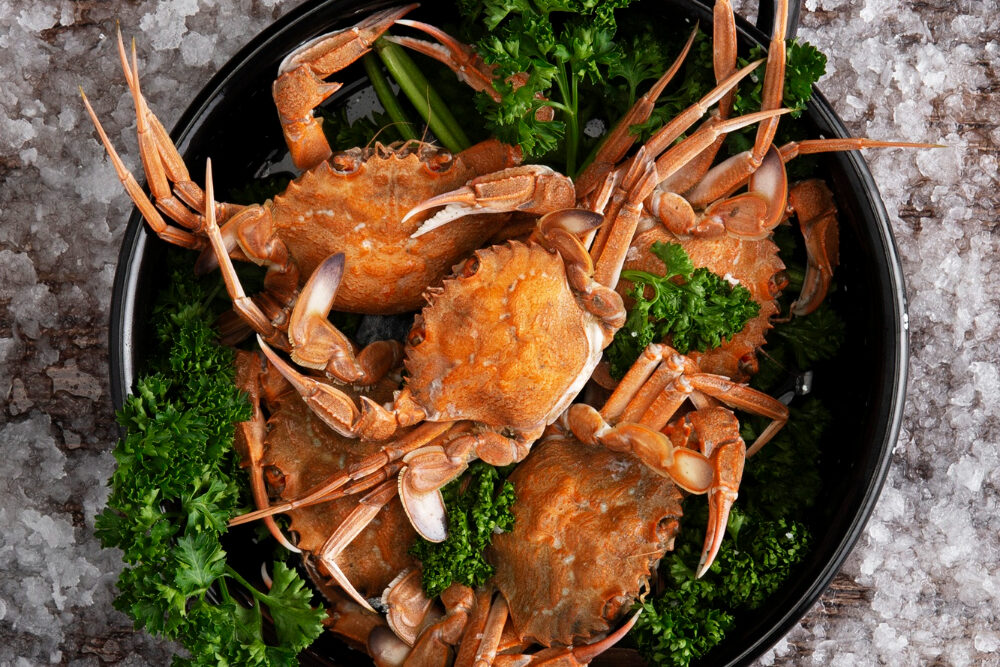
Soft-shelled crabs, particularly from the Chesapeake Bay area, were once a seasonal delicacy that represented the rich marine life of the Atlantic. These crabs, which shed their old shells in the spring, were fried or grilled, often served with butter or in sandwiches. The dish was beloved for its sweet, delicate flavor and its connection to the pristine waters of Chesapeake Bay. However, overfishing, pollution, and habitat loss have drastically reduced the number of soft-shelled crabs available. The once-popular dish has become increasingly difficult to find, with many chefs turning to other types of seafood.
12. Cranberry Mousse
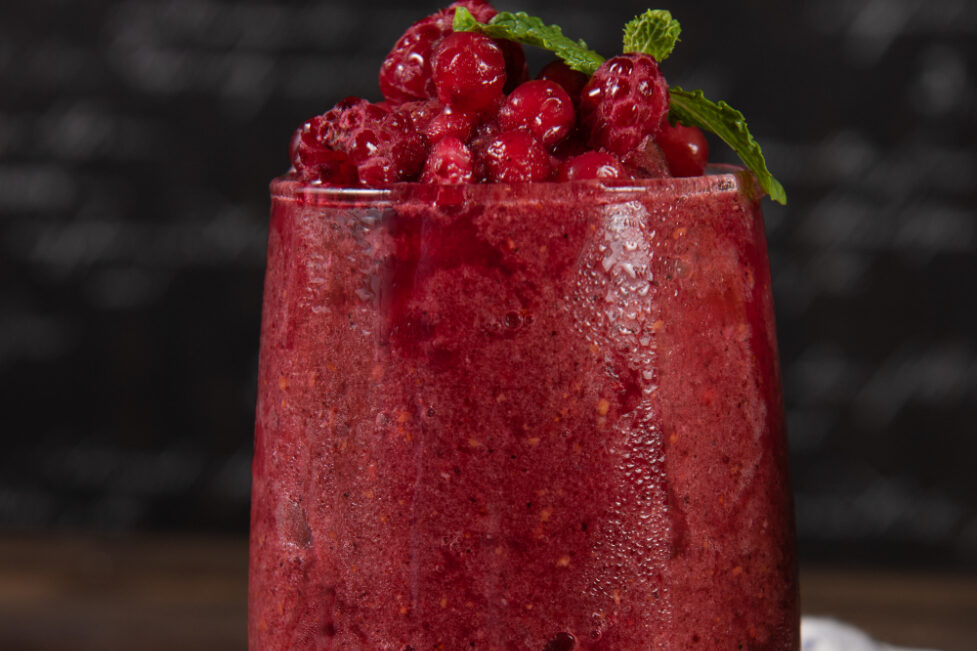
Cranberry mousse, often served during Thanksgiving celebrations, was a popular dessert in New England and other parts of the country. This mousse, made from fresh cranberries, sugar, whipped cream, and sometimes gelatin, was a refreshing way to balance out the heaviness of the meal. Cranberries were gathered from local bogs, creating a dish that felt intrinsically tied to the land. Today, cranberry mousse is nearly forgotten, as modern desserts have taken precedence during Thanksgiving meals. The focus has shifted to pumpkin pie and other traditional favorites, and cranberry mousse is now rarely seen outside of family recipes passed down through generations.
13. Bison Burgers
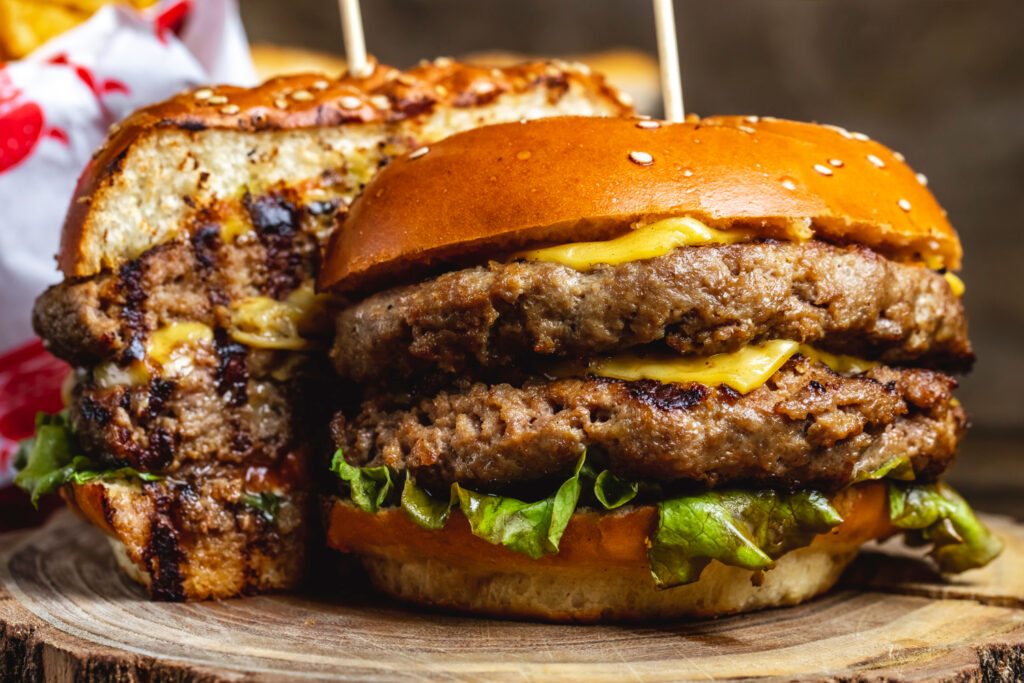
Bison burgers were once a healthier, more sustainable alternative to beef burgers, inspired by the American plains, where bison roamed freely. Bison meat is leaner and richer in nutrients than beef, and it was prized by indigenous peoples long before European settlers arrived. Over the years, bison burgers became a popular choice for those looking to enjoy a flavorful burger with less fat. However, bison populations nearly became extinct due to overhunting in the 19th century, and the resurgence of bison herds has not been enough to restore the dish to its former glory. While bison meat can still be found at some specialty markets, it has become a rarity, and bison burgers are no longer as common as they once were.
14. Rabbit Stew
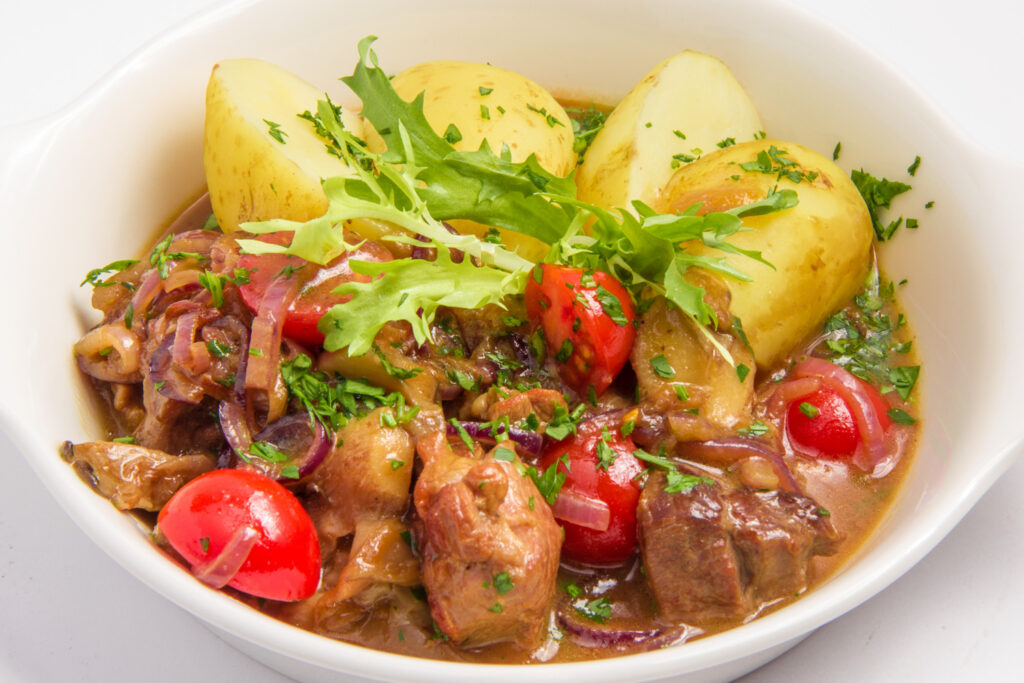
Rabbit stew was once a staple in many American kitchens, especially in rural and farming communities, where hunting small game was common. The dish made use of wild rabbits, which were abundant in forests and fields across the country. Prepared with hearty vegetables, fresh herbs, and a rich broth, rabbit stew was a comforting, flavorful dish perfect for colder months. It was often a family recipe passed down through generations, cherished for both its taste and the sense of tradition it carried. In many homes, the stew was a way to make the most of the natural resources around them, with the lean rabbit meat providing a valuable protein source. However, as hunting for food became less common and commercial farming of livestock like chicken and beef took precedence, rabbit meat began to fall out of favor.
WHICH OF THESE OLD-SCHOOL DISHES DID YOU ACTUALLY EAT OR WERE YOU THE KID WHO PASSED ON POSSUM STEW FOR PB&J? SHARE YOUR MOST UNFORGETTABLE (OR UNAPPETIZING) FOOD MEMORY IN THE COMMENTS


