
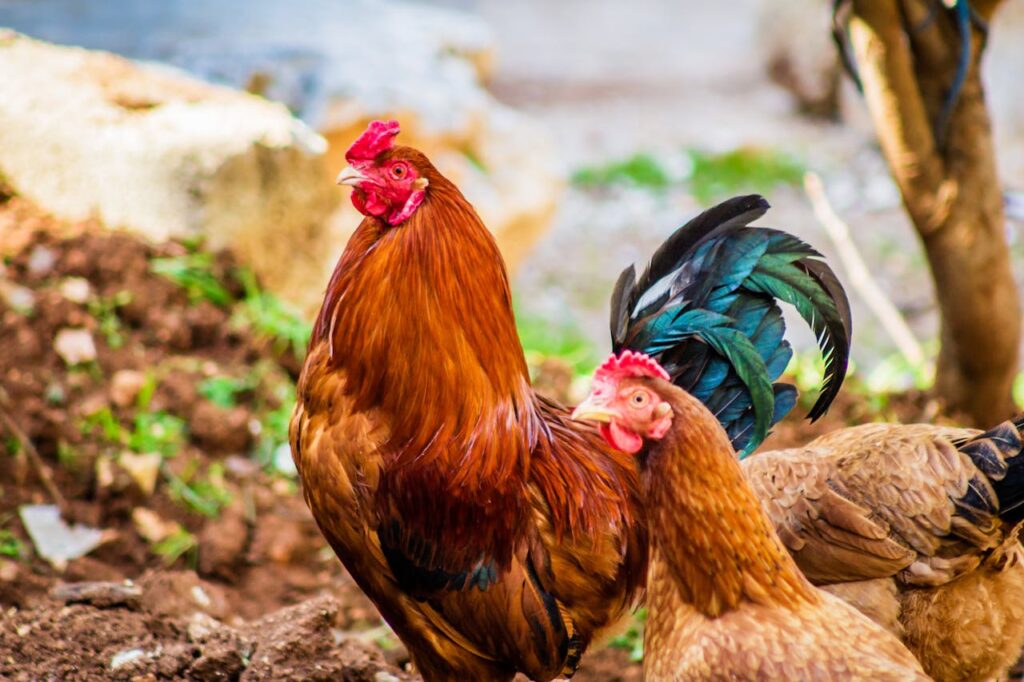
You probably think of chickens as humble farm animals breakfast buddies at best. But what if we told you these clucking creatures carry the legacy of dinosaurs, once strutted through royal courts, and were once prized warriors in ancient pits? The journey of chickens is far richer (and weirder) than most people realize. Keep reading this isn’t your average barnyard story.
Chickens Are the Closest Living Relatives of Dinosaurs
It’s pretty mind-blowing, but chickens are direct descendants of dinosaurs specifically theropods, the same group that includes T. rex and Velociraptors. Thanks to fossil evidence showing feathers and modern genetic studies, scientists have traced a clear link between today’s chickens and their prehistoric ancestors. Some researchers have even explored reversing evolution by tweaking chicken embryos to grow tails or tiny teeth yep, real-life “dino chickens.” While we’re not bringing back Jurassic Park just yet, it’s fascinating to think that these familiar birds are walking reminders of a world lost to time. So, the next time you see a chicken scratching in the dirt, remember it’s got ancient thunder lizards in its blood. Source: consensus.app
The Red Junglefowl: The OG Chicken

Before comfy coops and grain-filled feeders, chickens were wild birds darting through the forests of Southeast Asia. Meet the red junglefowl the true ancestor of every domesticated chicken. Sleek, colorful, and way better at flying than today’s plump hens, these birds lived off the land and avoided predators with ease. Around 8,000 years ago, humans started noticing how useful they were not just for eggs and meat but also feathers and entertainment. Slowly, red junglefowl began hanging around human settlements, lured by scraps. Over generations, they were bred to be calmer, bigger, and more productive. And just like that, the modern chicken was born from forest flyer to backyard companion. Source: livestock.extension.wisc.edu
Chickens Were First Domesticated for Entertainment
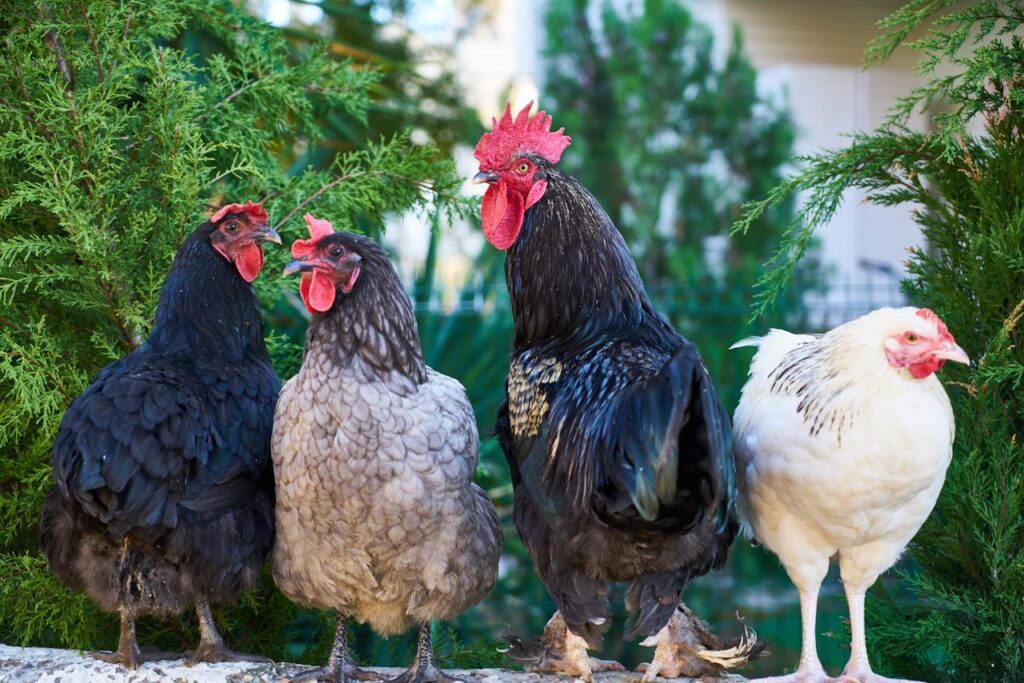
Chickens weren’t always breakfast icons. In fact, the earliest chickens were bred not for eating but for fighting. Thousands of years ago, cockfighting was all the rage in parts of Asia and the Mediterranean. Roosters were admired for their aggression, stamina, and spirit, making them perfect contenders in this brutal sport. They were trained, pampered, and even worshipped as symbols of courage and honor. Their value came from their performance, not their plate-worthiness. As these fighting birds traveled with traders and warriors, they began spreading across continents. While cockfighting is now banned in many places, it played a big role in making chickens the global species they are today. Source: saudereggs.com
Chickens as Symbols in Ancient Cultures
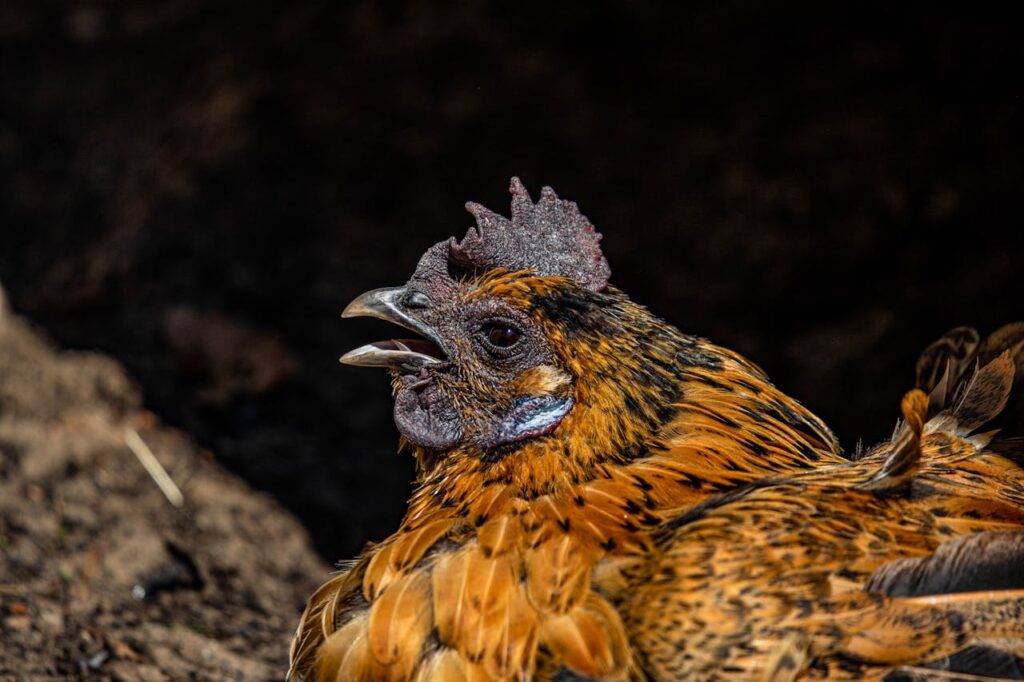
Way before chickens landed in roasting pans, they held powerful meaning in spiritual life. In ancient Egypt, roosters were linked to the sun god Ra because of their morning crow a symbol of daily renewal. In Greece, they stood for strength and vigilance, associated with gods like Apollo and Ares. The Romans even used chickens to tell the future if the birds ate eagerly before a battle, it was a sign of good luck. Across Asia, chickens were believed to scare off evil spirits. These birds weren’t just practical they were sacred, symbolic, and central to human belief systems. Turns out, chickens have always had more clout than we gave them credit for. Source: jerusalemperspective.com
The Journey of Chickens Across Continents
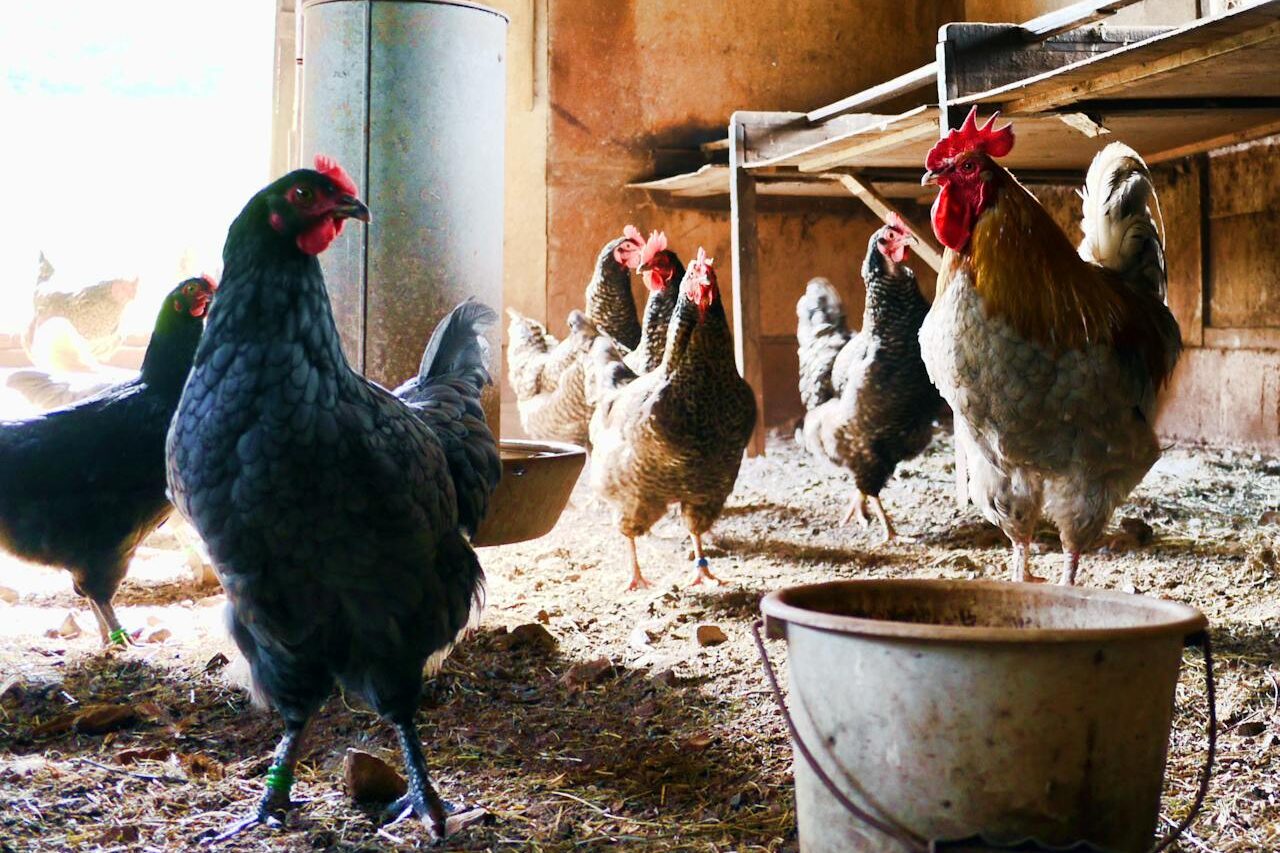
Chickens didn’t just pop up everywhere they traveled with people as civilization spread. Starting in Southeast Asia, these adaptable birds moved with humans through trade routes to India, the Middle East, Africa, and Europe. By the time the Roman Empire was thriving, chickens were already a household name. But perhaps the most fascinating twist? Polynesian explorers brought chickens to the Americas centuries before European settlers. These voyagers crossed vast oceans in canoes, chickens onboard as reliable food sources. Their ability to survive, reproduce, and feed communities made them the perfect traveling companion. Today, chickens are everywhere and that’s no accident. They’ve been migrating with us for thousands of years. Source: smithsonianmag.com
Chickens in Medieval Europe: Currency and Cuisine
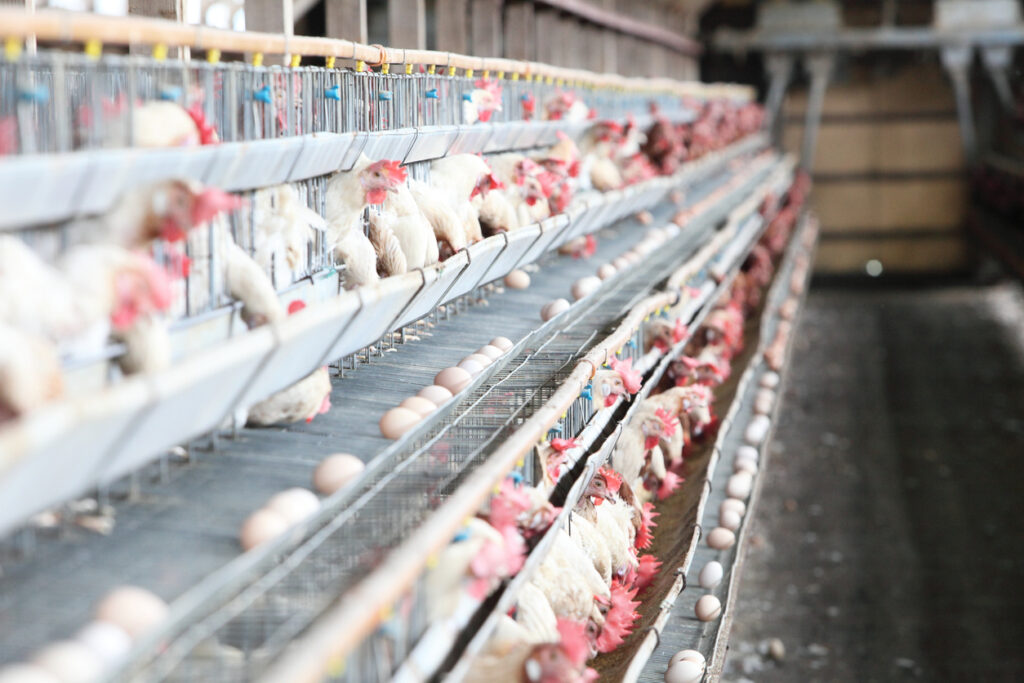
In medieval Europe, chickens weren’t just food they were a form of survival. For peasants and townsfolk alike, eggs were a dependable source of nutrition, and live chickens were often used to pay rent, taxes, and debts. A few hens could literally keep a household afloat. Records show a single penny could buy two chickens or dozens of eggs making them one of the most valuable livestock assets at the time. While the rich enjoyed roast chicken at lavish feasts, everyday folks relied on eggs and the occasional bird to feed their families. Chickens straddled the line between necessity and luxury, proving their worth in both kitchens and kingdoms.
Chickens and the Scientific Revolution
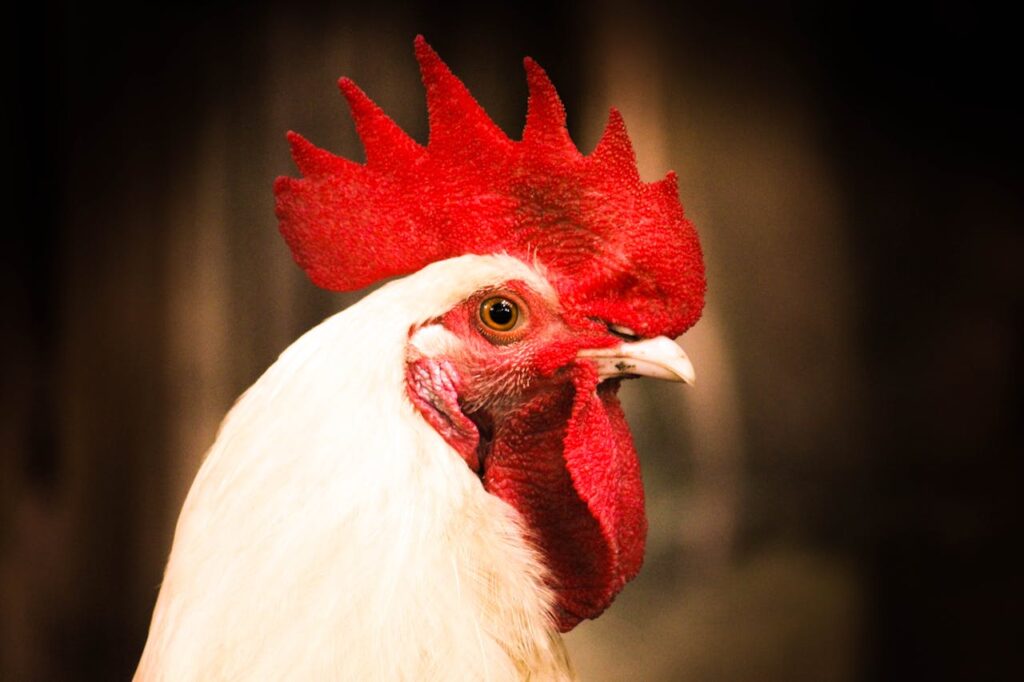
As the Scientific Revolution reshaped how we saw the natural world, chickens found themselves at the center of discovery. Breeders began experimenting with selective breeding to enhance traits like egg size, growth rate, and feather color. Chickens became living models for understanding evolution and heredity. Even Charles Darwin studied them while forming his theories, fascinated by how quickly their traits could be shaped by human hands. This period gave rise to iconic breeds like the Rhode Island Red, bred not just for beauty, but productivity. Chickens helped unlock the secrets of genetics, proving that even the most common farm animals can teach us extraordinary things about life itself.


